Received:May 3, 2017, Revised:May 17, 2017, Accepted:May 24, 2017
Corresponding to:Eun Bong Lee, Division of Rheumatology, Department of Internal Medicine, Seoul National University College of Medicine, 101 Daehak-ro, Jongno-gu, Seoul 03080, Korea. E-mail:[email protected]
*These authors contributed equally to this work.
Copyright ⓒ 2017 by The Korean College of Rheumatology. All rights reserved.
This is a Open Access article, which permits unrestricted non-commerical use, distribution, and reproduction in any medium, provided the original work is properly cited.
Risk of Herpes Zoster in Patients with Rheumatoid Arthritis Undergoing Biologic Disease-Modifying Therapy
Hyun Mi Kwon1*, Sang Jin Lee1*, Ji Ae Yang1, Yunhee Choi2, Jin Kyun Park1, Eun Young Lee1, Yeong Wook Song1, Eun Bong Lee1
1Division of Rheumatology, Department of Internal Medicine, Seoul National University College of Medicine, 2Division of Medical Statistics, Medical Research Collaborating Center, Seoul National University College of Medicine, Seoul, Korea
Objective. Rheumatoid arthritis (RA) patients suffer from an increased risk of herpes zoster (HZ) partially due to im- munosuppressant medications. This study investigated HZ in RA patients treated with biologic disease-modifying anti- rheumatic drugs (bDMARDs), as compared with conventional DMARDs (cDMARDs). Methods. This retrospective case series study assembled record information of 277 RA patients who received bDMARDs after failure of at least one cDMARDs at Seoul National University Hospital between August 2003 and February 2015. Following capture of baseline information and identi- fication of HZ episodes, crude HZ incidence rates per 100 patient-years (95% confidence intervals) were calculated. Results.
For 718 treatment courses, 277 (38.6%) comprised cDMARDs, 66 (9.2%) infliximab, 175 (24.4%) etanercept, 95 (13.2%) adali- mumab, 9 (1.3%) golimumab, 41 (5.7%) rituximab, 31 (4.3%) abatacept, and 24 (3.3%) tocilizumab. There were 37 HZ epi- sodes, 16 during cDMARD treatment courses, and 21 accompanying bDMARDs, two with infliximab, eight with etanercept, five with adalimumab, and three each with rituximab and abatacept. The crude HZ incidence rate per 100 patient-years was 2.4 (1.4∼3.9) for cDMARDs, 2.2 (0.3∼7.9) for infliximab, 1.8 (0.8∼3.6) for etanercept, 3.7 (1.2∼8.4) for adalimumab, 3.9 (0.8∼11.0) for rituximab, and 8.5 (1.8∼23.1) for abatacept. Conclusion. We conclude that bDMARDs do not always increase the risk of HZs in RA patients, although HZ rates vary for different bDMARDs. (J Rheum Dis 2017;24:220-226)
Key Words. Herpes zoster, Rheumatoid arthritis, Biological therapies, Antirheumatic agents
INTRODUCTION
Rheumatoid arthritis (RA) is a systemic disease charac- terized by inflammation and hypertrophy of the synovial lining of joints, mainly associated with T cell-mediated immune responses [1,2]. RA is an immunological dis- order that is treated with immunosuppressive and im- munomodulatory agents. Previous studies reported that infection-related mortality was increased in RA patients and attributed the increased infection to the immuno- suppressive treatment [3-5].
Herpes zoster (HZ) is closely associated with an im- paired T-cell immunity against the causative virus [6].
Immunocompromised patients with impaired T-cell im-
munity, including recipients of organ or hematopoietic stem-cell transplants and those receiving immuno- suppressive therapy, are at an increased risk of HZs [7].
HZs occur two to three times more often in RA patients than in the general population, with incidence rates of 0.89 to 1.32 cases per 100 patient-years [8-12]. The re- ported risk of HZs in biologic disease-modifying anti- rheumatic drug (bDMARD) users varies. For example, the reported odds ratio of HZs ranged from 0.95 (95%
confidence interval [CI], 0.75∼1.21) to 2.61 (95% CI, 0.86∼7.91) for tumor necrosis factor (TNF) blockers compared with conventional DMARDs (cDMARDs) [13,14]. The risk of HZ in Asian RA patients seems to be higher, considering higher incidence of HZ in Asian RA
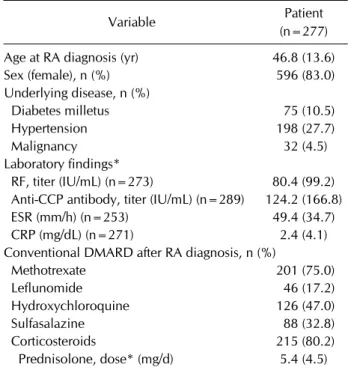
Table 1. Baseline characteristics of study patients at the time point of RA diagnosis
Variable Patient
(n=277) Age at RA diagnosis (yr) 46.8 (13.6)
Sex (female), n (%) 596 (83.0)
Underlying disease, n (%)
Diabetes milletus 75 (10.5)
Hypertension 198 (27.7)
Malignancy 32 (4.5)
Laboratory findings*
RF, titer (IU/mL) (n=273) 80.4 (99.2) Anti-CCP antibody, titer (IU/mL) (n=289) 124.2 (166.8)
ESR (mm/h) (n=253) 49.4 (34.7)
CRP (mg/dL) (n=271) 2.4 (4.1)
Conventional DMARD after RA diagnosis, n (%)
Methotrexate 201 (75.0)
Leflunomide 46 (17.2)
Hydroxychloroquine 126 (47.0)
Sulfasalazine 88 (32.8)
Corticosteroids 215 (80.2)
Prednisolone, dose* (mg/d) 5.4 (4.5) Values are presented as mean (standard deviation) or number (%). RA: rheumatoid arthritis, RF: rheumatoid factor, CCP:
cyclic citrullinated peptide, ESR: erythrocyte sedimentation rate, CRP: C-reactive protein, DMARD: disease-modifying antirheumatic drug. *Corticosteroids calculated by predniso- lone equivalent dose.
patients in recent tofacitinib trials [15].
However, the effect of bDMARD treatment on the risk of HZs in Asian RA patients has not been reported.
Therefore, we decided to investigate the effect of bDMARD use on the incidence of HZs in Korean RA patients. The bDMARDs investigated included TNF blockers, B cell-de- pleting agents, costimulation inhibitors, and inter- leukin-6 blockers.
MATERIALS AND METHODS
Subjects
We conducted a medical record review for a retro- spective cohort study to investigate the incidence of HZ in RA patients who received bDMARDs at a Seoul National University Hospital between August 2003 and February 2015. All patients received cDMARDs as the initial ther- apy before the bDMARD treatment. Biologics included infliximab, etanercept, adalimumab, golimumab, ritux- imab, abatacept, and tocilizumab. We collected baseline characteristics (demographics, disease duration), co- morbidities, history of malignancy, laboratory data, in- cluding rheumatoid factor and anti-citrullinated protein antibodies, erythrocyte sedimentation rate, C-reactive protein, and cDMARDs at the initiation of each treatment episode. The Institutional Review Board of Seoul National University Hospital approved this study (no.
1505-098-674).
Definition of treatment episodes
A treatment episode was defined as a period of either cDMARD or bDMARD administration. A period of cDMARD administration was regarded as a single treat- ment episode regardless of the types of cDMARDs, whereas a period when bDMARDs were administered was consid- ered a separate episode depending on the types of bDMARDs. The bDMARDs were used as ‘first-line’,
‘switched’, or ‘restarted’ therapy. In this study, we identi- fied 277 RA patients who received biologics, and 718 treatment episodes of cDMARDs and/or bDMARDs.
HZ verification
HZ events in RA patients were identified from medical chart review. HZ was identified through direct diagnosis by the responsible rheumatologist and appropriate drug prescription, patient self-reporting of HZ, or an admis- sion for intravenous anti-viral therapy for HZ treatment.
Cases referred to other clinics (dermatologic or oph-
thalmologic) for the treatment of HZ were also included.
We considered that the relationship between HZ and bio- logics was significant when the HZ events occurred dur- ing the biologic treatment or within the recommended dosing intervals after the discontinuance of biologics. The recommended dosing intervals were defined as follows:
30 days for abatacept, golimumab, and tocilizumab; 56 days for infliximab; and 180 days for rituximab [16].
Statistical analysis
We conducted statistical analyses to compare the base- line characteristics of RA patients with the treatment episodes. The crude incidence rates of HZ per 100 pa- tient-years (95% CI) were calculated for each treatment episode. These analyses were performed using SPSS 21.0 (IBM SPSS Inc., Armonk, NY, USA).
RESULTS
Baseline characteristics
Baseline characteristics of study patients are tabulated
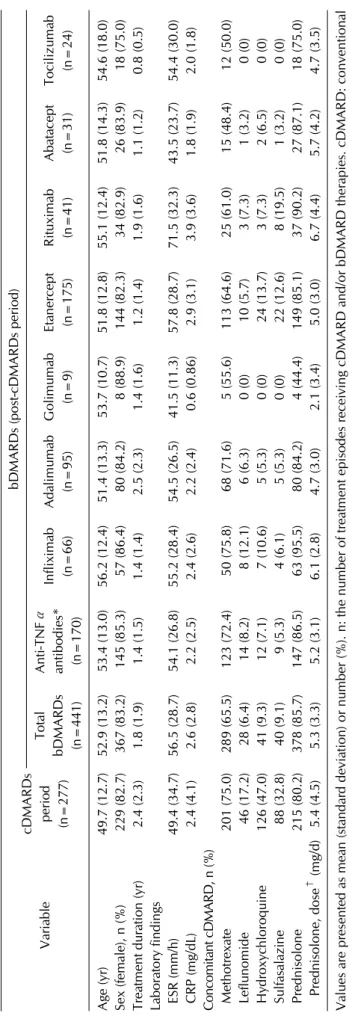
Table 2. Comparison of characteristics and demographics at the time point of starting between cDMARD and bDMARD treatment period VariablecDMARDs period (n=277) bDMARDs (post-cDMARDs period) Total bDMARDs (n=441)
Anti-TNFα antibodies* (n=170)
Infliximab (n=66)Adalimumab (n=95)Golimumab (n=9)Etanercept (n=175)Rituximab (n=41)Abatacept (n=31)Tocilizumab (n=24) Age (yr)49.7 (12.7)52.9 (13.2)53.4 (13.0)56.2 (12.4)51.4 (13.3)53.7 (10.7)51.8 (12.8)55.1 (12.4)51.8 (14.3)54.6 (18.0) Sex (female), n (%) 229 (82.7) 367 (83.2) 145 (85.3) 57 (86.4) 80 (84.2) 8 (88.9) 144 (82.3) 34 (82.9) 26 (83.9) 18 (75.0) Treatment duration (yr) 2.4 (2.3)1.8 (1.9)1.4 (1.5)1.4 (1.4)2.5 (2.3)1.4 (1.6)1.2 (1.4)1.9 (1.6)1.1 (1.2)0.8 (0.5) Laboratory findings ESR (mm/h) 49.4 (34.7)56.5 (28.7)54.1 (26.8)55.2 (28.4)54.5 (26.5)41.5 (11.3)57.8 (28.7)71.5 (32.3)43.5 (23.7)54.4 (30.0) CRP (mg/dL) 2.4 (4.1)2.6 (2.8)2.2 (2.5)2.4 (2.6)2.2 (2.4) 0.6 (0.86)2.9 (3.1)3.9 (3.6)1.8 (1.9)2.0 (1.8) Concomitant cDMARD, n (%) Methotrexate 201 (75.0) 289 (65.5) 123 (72.4) 50 (75.8) 68 (71.6) 5 (55.6) 113 (64.6) 25 (61.0) 15 (48.4) 12 (50.0) Leflunomide 46 (17.2) 28 (6.4) 14 (8.2) 8 (12.1) 6 (6.3)0 (0) 10 (5.7) 3 (7.3) 1 (3.2)0 (0) Hydroxychloroquine 126 (47.0) 41 (9.3) 12 (7.1) 7 (10.6) 5 (5.3)0 (0) 24 (13.7) 3 (7.3) 2 (6.5)0 (0) Sulfasalazine 88 (32.8) 40 (9.1) 9 (5.3) 4 (6.1) 5 (5.3)0 (0) 22 (12.6) 8 (19.5) 1 (3.2)0 (0) Prednisolone 215 (80.2) 378 (85.7) 147 (86.5) 63 (95.5) 80 (84.2) 4 (44.4) 149 (85.1) 37 (90.2) 27 (87.1) 18 (75.0) Prednisolone, dose† (mg/d) 5.4 (4.5)5.3 (3.3)5.2 (3.1)6.1 (2.8)4.7 (3.0)2.1 (3.4)5.0 (3.0)6.7 (4.4)5.7 (4.2)4.7 (3.5) Values are presented as mean (standard deviation) or number (%). n: the number of treatment episodes receiving cDMARD and/or bDMARD therapies. cDMARD: conventional disease-modifying antirheumatic drug, bDMARD: biologic disease-modifying antirheumatic drug, TNF: tumor necrosis factor, ESR: erythrocyte sedimentation rate, CRP: C-reactive protein. *Anti-TNFα antibodies including infliximab, adalimumab, and golimumab. † Oral corticosteroid calculated by predinisolone equivalent dose.
Table 3. Crude incidence rates of herpes zoster events per 100 patient-years
Treatment Observed patient-years HZ cases Crude incidence rates (95% CI)
cDMARDs (n=277) 662.1 16 2.4 (1.4∼3.9)
bDMARDs (n=441) 808.1 21 2.6 (1.6∼4.0)
Anti-TNFα antibodies* (n=170) 236.9 7 2.9 (2.2∼6.0)
Infliximab (n=66) 89.8 2 2.2 (0.3∼7.9)
Adalimumab (n=95) 135.9 5 3.7 (1.2∼8.4)
Golimumab (n=9) 11.2 0 0.0 (0∼28.5)
Etanercept (n=175) 440.3 8 1.8 (0.8∼3.6)
Rituximab (n=41) 77.1 3 3.9 (0.8∼11.0)
Abatacept (n=31) 35.5 3 8.5 (1.8∼23.1)
Tocilizumab (n=24) 18.3 0 0.0 (0∼18.5)
n: the number of treatment episodes receiving cDMARDs and/or bDMARDs therapies. HZ: herpes zoster, CI: confidence interval, cDMARDs: conventional disease-modifying antirheumatic drugs, bDMARD: biologic disease-modifying antirheumatic drug, TNF:
tumor necrosis factor. *Anti-TNFα antibodies including infliximab, adalimumab, and golimumab.
in Table 1. A total of 277 RA patients were enrolled in this study, 83.0% of which were female. The median age (±standard deviation, SD) at RA diagnosis was 46.8 (±13.6) years, and the median disease duration was 9.5 (±5.7) years. The 718 treatment episodes of cDMARDs and bDMARDs were identified. The treatment episode profiles for each biologic were as follows: 277 (38.6%) ep- isodes for cDMARDs, 66 (9.2%) for infliximab, 175 (24.4%) for etanercept, 95 (13.2%) for adalimumab, 9 (1.3%) for golimumab, 41 (5.7%) for rituximab, 31 (4.3%) for aba- tacept, and 24 (3.3%) for tocilizumab. Comparison of characteristics according to cDMARD and bDMARD (post-cDMARDs) treatment episodes are summarized in Table 2.
Crude incidence rates of HZ
A total of 37 HZs were confirmed during 1,470 pa- tient-years of follow-up analyses. In these HZ events, 16 occurred during cDMARD treatment courses, and 21 oc- curred during bDMARD treatments (2 during infliximab, 8 during etanercept, 5 during adalimumab, and 3 each during rituximab and abatacept). The crude incidence rate for HZ are shown in Table 3. The crude incidence rate was 2.5 per 100 patient-years (95% CI, 1.8∼3.5) in total, with 2.4 (95% CI, 1.4∼3.9) for cDMARDs, 2.2 (95% CI, 0.3∼7.9) for infliximab, 1.8 (95% CI, 0.8∼3.6) for eta- nercept, 3.7 (95% CI, 1.2∼8.4) for adalimumab, 3.9 (95% CI, 0.8∼11.0) for rituximab, and 8.5 (95% CI, 1.8∼
23.1) for abatacept.
Clinical characteristics of HZs
The clinical characteristics and number of biologics used
during HZ cases in RA patients who were receiving or had received bDMARDs were summarized in Table 4. The mean patient’s age was 55.4 (±12.5) years, and 95.2% of the patients were female. Twelve (57.1%) HZ cases oc- curred during initial biologics use, eight (38.1%) cases during secondary biologics use, and one (4.8%) case dur- ing tertiary biologic treatment. The number of biologics previously used was not related to HZ.
Outcome of HZs
Of the 37 HZ cases, only one, who had received ritux- imab treatment, developed an HZ during hospitalization.
The other cases developed HZs at home, which led to mild shingles and recovery without complication after treatment with an oral anti-viral agent at an outpatient clinic. There were no cases of severe HZs that would re- quire hospitalization or result in death.
DISCUSSION
The incidence rates of HZs in RA patients in this study were 2.5 per 100 patient-years in the entire patient co- hort, 2.4 per 100 patient-years in patients exposed to cDMARDs, and 2.6 per 100 patient-years in those ex- posed to bDMARDs. The incidence of HZs did not in- crease with bDMARD exposure, but the rates varied de- pending on the biologics used.
The incidence of HZs in RA patients is higher than in the general population [8,17]. However, it is still con- troversial whether the use of bDMARDs is a contributing factor. To date, the risk of HZ in bDMARD users has not been investigated in Asian populations, where tofacitinib
Table 4. Clinical characteristics of herpes zoster cases in bDMARD users Patient
no. Age (yr) Sex Disease duration at HZ
occurrence (yr) Biologics MTX (mg/wk)
PD*
(mg/d)
N’th biologics at HZ occurrence
Total number of biologics use
1 39 F 7.2 ETA 10 1.25 1 2
2 78 F 9.0 ADA 12.5 0 2 4
3 54 F 1.4 RTX 0 5 2 2
4 45 F 4.4 ADA 15 0 1 3
5 52 F 7.3 ABT 15 0 2 3
6 57 F 9.1 IFX 15 2.5 1 1
7 50 F 18.3 ETA 17.5 2.5 1 2
8 56 F 7.8 RTX 0 5 2 2
9 37 F 14.8 ETA 15 5 1 1
10 41 F 12.4 ETA 0 0 1 1
11 42 F 12.7 ETA 0 0 1 1
12 51 F 1.1 ADA 15 5 1 2
13 59 F 2.2 ETA 0 5 1 1
14 66 M 2.1 ETA 10 2.5 1 1
15 74 F 12.1 IFX 15 5 2 2
16 75 F 18.0 ADA 12.5 5 1 1
17 42 F 8.3 ETA 0 2.5 2 2
18 56 F 13.3 ABT 0 0 2 2
19 65 F 22.2 RTX 12.5 5 3 3
20 73 F 3.1 ABT 0 5 2 2
21 51 F 2.1 ADA 15 1.5 1 1
bDMARD: biologic disease-modifying antirheumatic drug, HZ: herpes zoster, MTX: methotrexate, PD: prednisolone, M: male, F:
female, ETA: etanercept, ADA: adalimumab, RTX: rituximab, ABT: abatacept, IFX: infliximab. *Oral corticosteroid calculated by predinisolone equivalent dose.
users are more susceptible to HZ [15]. The crude in- cidence rate of HZs in RA patients was 2.5 per 100 pa- tient-years in this study and higher than those in other ethnic RA patients, which was reported as 0.8 to 1.6 per 100 patient-years [13,18,19]. The current study thus re- vealed that the incidence rate of HZ is higher in Korean RA patients than in the general population or other ethnic groups.
The effects of anti-TNF agents on the risk of HZs in RA patients are controversial. Strangfeld et al. [18] reported that the use of anti-TNFα antibodies adalimumab and in- fliximab might be associated with an increased risk of HZ, in contrast to the therapy involving the receptor fusion protein etanercept. Serac et al. [20] concluded that the risk of HZs in anti-TNFα antibody users was sig- nificantly higher than in those undergoing a soluble-re- ceptor treatment. According to Yun et al. [16], HZ in- cidence rate was highest in certolizumab users (2.45 per 100 person-years) and lowest in golimumab users (1.61 per 100 person-years). However, Winthrop et al. [13]
suggested that anti-TNF therapies do not increase the risk of HZs to a greater degree than non-biologic treat-
ment regimens and that no significant differences exist for infliximab, adalimumab, and etanercept exposures. In our study group, the HZ incidence rate among anti-TNFα inhibitor (infliximab, adalimumab, and golimumab) users was 2.9 per 100 patient-years, which was comparable to the cDMARDs period and the HZ incidence rate was low- er in soluble-receptor protein (etanercept) users (1.8 per 100 patient-years).
The incidence rates of HZ were higher in rituximab (3.9 per 100 patient-years) and abatacept (8.5 per 100 pa- tient-years) period compared to cDMARDs period.
Several studies have been reported that rituximab in- duces T cell depletion, mainly of CD4+ T cells in patient with RA [21,22]. Based on these results, decreased of CD4+ T cell counts after rituximab therapy would be made and consequently might affect to RA patients to be more vulnerable to HZ. In this study, the HZ incidence rate in the abatacept group was higher than in a pre- viously analyzed Caucasian group (2.8%) [23]. Although this high incidence rate may arise from low sample num- bers, the suppression of T cells might be responsible.
Abatacept can suppress T cell activation by blocking cos-
timulation through CD28. A recent report on the in- creased incidence of HZs in tofacitinib users in the Asian population is consistent with this finding [15]. Tofacitinib, an oral Janus kinase inhibitor, can suppress T cell function by blocking T cell activation signals [24]. Interestingly, the incidence of HZs was higher in tofacitinib cases in Asian populations compared with the Caucasian pop- ulation [15]. Therefore, the Korean population may be more susceptible to HZs due to T cell-related functional differences.
We did not observe any HZs in patients treated with go- limumab and tocilizumab. This can be attributed to the low number of patients but can also result from the char- acteristics of these drugs. Accordingly, Schiff et al. [25]
reported that the incidence of HZs was very low during a combined treatment of tocilizumab and cDMARDs, equaling 0.3 per 100 patient-years (4 out of 1,870 cases).
HZ incidence was also reported to be very low in golimu- mab cases (1.61 per 100 patient-years) [16]. Larger co- hort studies verifying our findings and investigating the underlying mechanisms are warranted.
This study comprises the first report investigating the incidence of HZs in bDMARD users in Korea. Since it comprises a one-center cohort, we were able to collect de- tailed information on the enrolled patients during a long-term follow-up period. However, the relatively low number of patients, especially those administered the newer classes of bDMARDs, is a limitation of this study.
Not all HZs may have been captured since the incidence of HZ events was identified solely through medical record review. Another limitation of the study is that bDMARD treatment was administered following cDMARD treat- ment in all of the patients. Since age is one of the im- portant risk factors in HZs, the true effect of bDMARDs may have been overestimated, compared with cDMARDs.
However, the risks of HZs during bDMARD treatment were not higher than those during cDMARD treatment.
CONCLUSION
In conclusion, compared with cDMARD exposure, bDMARD exposure is not always associated with an in- creased risk of HZs in RA patients, although HZ rates are different for different bDMARDs.
ACKNOWLEDGMENTS
This work was supported by the Seoul National
University Hospital (2520140100).
CONFLICT OF INTEREST
Eun Bong Lee has acted as a consultant to Pfizer. Other authors has nothing to declare.
REFERENCES
1. Geraldino-Pardilla L, Bathon JM. Management of rheuma- toid arthritis: synovitis. In: Hochberg MC, Silman AJ, Smolen JS, Weinblatt ME, Weisman MH, eds. Hochberg Rheumatology. 6th ed. Philadelphia, Elsevier, 2015, p.
802-8.
2. Law SC, Street S, Yu CH, Capini C, Ramnoruth S, Nel HJ, et al. T-cell autoreactivity to citrullinated autoantigenic pep- tides in rheumatoid arthritis patients carrying HLA-DRB1 shared epitope alleles. Arthritis Res Ther 2012;14:R118.
3. Mitchell DM, Spitz PW, Young DY, Bloch DA, McShane DJ, Fries JF. Survival, prognosis, and causes of death in rheuma- toid arthritis. Arthritis Rheum 1986;29:706-14.
4. Wolfe F, Mitchell DM, Sibley JT, Fries JF, Bloch DA, Williams CA, et al. The mortality of rheumatoid arthritis.
Arthritis Rheum 1994;37:481-94.
5. Symmons DP, Jones MA, Scott DL, Prior P. Longterm mor- tality outcome in patients with rheumatoid arthritis: early presenters continue to do well. J Rheumatol 1998;
25:1072-7.
6. Hayward AR, Herberger M. Lymphocyte responses to vari- cella zoster virus in the elderly. J Clin Immunol 1987;
7:174-8.
7. Cohen JI. Clinical practice: Herpes zoster. N Engl J Med 2013;369:255-63.
8. Smitten AL, Choi HK, Hochberg MC, Suissa S, Simon TA, Testa MA, et al. The risk of herpes zoster in patients with rheumatoid arthritis in the United States and the United Kingdom. Arthritis Rheum 2007;57:1431-8.
9. Schmajuk G, Trivedi AN, Solomon DH, Yelin E, Trupin L, Chakravarty EF, et al. Receipt of disease-modifying anti- rheumatic drugs among patients with rheumatoid arthritis in Medicare managed care plans. JAMA 2011;305:480-6.
10. Wolfe F, Michaud K, Chakravarty EF. Rates and predictors of herpes zoster in patients with rheumatoid arthritis and non-inflammatory musculoskeletal disorders. Rheumatology (Oxford) 2006;45:1370-5.
11. McDonald JR, Zeringue AL, Caplan L, Ranganathan P, Xian H, Burroughs TE, et al. Herpes zoster risk factors in a na- tional cohort of veterans with rheumatoid arthritis. Clin Infect Dis 2009;48:1364-71.
12. Veetil BM, Myasoedova E, Matteson EL, Gabriel SE, Green AB, Crowson CS. Incidence and time trends of herpes zoster in rheumatoid arthritis: a population-based cohort study.
Arthritis Care Res (Hoboken) 2013;65:854-61.
13. Winthrop KL, Baddley JW, Chen L, Liu L, Grijalva CG, Delzell E, et al. Association between the initiation of an- ti-tumor necrosis factor therapy and the risk of herpes zoster. JAMA 2013;309:887-95.
14. Sakai R, Komano Y, Tanaka M, Nanki T, Koike R, Nagasawa H, et al. Time-dependent increased risk for serious infection
from continuous use of tumor necrosis factor antagonists over three years in patients with rheumatoid arthritis.
Arthritis Care Res (Hoboken) 2012;64:1125-34.
15. Winthrop KL, Yamanaka H, Valdez H, Mortensen E, Chew R, Krishnaswami S, et al. Herpes zoster and tofacitinib ther- apy in patients with rheumatoid arthritis. Arthritis Rheu- matol 2014;66:2675-84.
16. Yun H, Xie F, Delzell E, Chen L, Levitan EB, Lewis JD, et al.
Risks of herpes zoster in patients with rheumatoid arthritis according to biologic disease-modifying therapy. Arthritis Care Res (Hoboken) 2015;67:731-6.
17. Antonelli MA, Moreland LW, Brick JE. Herpes zoster in pa- tients with rheumatoid arthritis treated with weekly, low-dose methotrexate. Am J Med 1991;90:295-8.
18. Strangfeld A, Listing J, Herzer P, Liebhaber A, Rockwitz K, Richter C, et al. Risk of herpes zoster in patients with rheu- matoid arthritis treated with anti-TNF-alpha agents. JAMA 2009;301:737-44.
19. Galloway JB, Mercer LK, Moseley A, Dixon WG, Ustianow- ski AP, Helbert M, et al. Risk of skin and soft tissue in- fections (including shingles) in patients exposed to anti-tu- mour necrosis factor therapy: results from the British Society for Rheumatology Biologics Register. Ann Rheum Dis 2013;72:229-34.
20. Serac G, Tubach F, Mariette X, Salmon-Céron D, Ravaud P, Lioté F, et al. Risk of herpes zoster in patients receiving an- ti-TNF-α in the prospective French RATIO registry. J Invest Dermatol 2012;132:726-9.
21. Mélet J, Mulleman D, Goupille P, Ribourtout B, Watier H, Thibault G. Rituximab-induced T cell depletion in patients with rheumatoid arthritis: association with clinical res- ponse. Arthritis Rheum 2013;65:2783-90.
22. Lavielle M, Mulleman D, Goupille P, Bahuaud C, Sung HC, Watier H, et al. Repeated decrease of CD4+ T-cell counts in patients with rheumatoid arthritis over multiple cycles of rituximab treatment. Arthritis Res Ther 2016;18:253.
23. Schiff M, Weinblatt ME, Valente R, van der Heijde D, Citera G, Elegbe A, et al. Head-to-head comparison of subcuta- neous abatacept versus adalimumab for rheumatoid arthri- tis: two-year efficacy and safety findings from AMPLE trial.
Ann Rheum Dis 2014;73:86-94.
24. Ghoreschi K, Jesson MI, Li X, Lee JL, Ghosh S, Alsup JW, et al. Modulation of innate and adaptive immune responses by tofacitinib (CP-690,550). J Immunol 2011;186:4234-43.
25. Schiff MH, Kremer JM, Jahreis A, Vernon E, Isaacs JD, van Vollenhoven RF. Integrated safety in tocilizumab clinical trials. Arthritis Res Ther 2011;13:R141.