Abstract
BACKGROUND: The phenol concentrations in water samples were determined using gas chromatography after derivatization of the analyte to phenyl acetate followed by extraction using a large volume of solvent. However, this procedure requires an additional purification step and is not analytically efficient.
METHODS AND RESULTS: In this study, phenol was first extracted from an acidified water sample using ethyl acetate and then acetylated using acetic anhydride in the presence of a small amount of water and K
2CO
3. The derivative was extracted using 1 mL of n-butyl acetate. One microliter of the extract was analyzed by GC-MS without further purification. The calibration curve showed good linearity with the r
2value of 0.9968. The method detection limit and the limit of quantitation were estimated to be 0.18 µg/L and 0.56 µg/L, respectively. Repeatability (RSD, n=3) and recovery (n=3) were 9.1%-4.3% and 90.6%-110.5%, respectively. The concentrations of phenol in a fewsamples of stream water were distributed in the range of 2.51-7.51 µg/L.
CONCLUSION: This method is simpler and faster to implement than those currently utilized and shows high analytical reliability. It can be applied to the quantitative determination of phenol concentrations in surface water and groundwater samples.
Key words: Acetylation, GC-MS, Liquid-liquid extraction, Phenol, Water
서 론
페놀 은 합성섬유 플라스틱 의약품 화장품 세정
Phenol( ) , , , ,
제 등의 생산 등 다양한 목적으로 사용되고 있다 그렇지만. , 저장 중인 phenol은 물이나 토양으로 유출되어 수생태계에 영향을 주거나 지하수를 오염시키기도 한다(ATSDR, 2008;
IRIS, 2002; Saha
et al
., 1999). 이렇게phenol에 오염된 지 표수나 지하수가 농업용수로 사용되면 토마토 피망 등에 흡, 착되어 농작물에도 잔류할 수 있다(CCME, 1999).따라서 미 국환경보호청(US EPA)은 phenol을 우선오염물질(priority중의 하나로 지정하였으며 환경부는
pollutant) (EPA, 2014),
먹는 물 및 농업용수에서phenol의 농도를5 μg/L 이하로 정해 규제하고 있다 법제처 수질오염기준( , 2016).
일반적으로 물 중phenol의 분석은gas chromatography- 를 사용하여 분석하며 유도체 mass spectrometry(GC-MS) , 를 만들지 않고 극성 칼럼을 사용하기도 하지만(Farhadi
et
*Corresponding author: Hekap Kim
Phone: +82-33-250-8577; Fax: +82-33-259-5563;
E-mail: [email protected]
Korean Journal of Environmental Agriculture
Korean J Environ Agric. 2017;36(1):63-66. Korean Online ISSN: 2233-4173
Published online 2017 March 29. https://doi.org/10.5338/KJEA.2017.36.1.10 Print ISSN: 1225-3537
액 액 추출과 아세틸화 후- GC-MS를 이용한 물 중 phenol의 분석
박선영1, 김윤정1, 정성진1, 김희갑2*
1강원대학교 자연과학대학 환경학과, 2강원대학교 농업생명과학대학 환경융합학부
Quantitative Determination of Phenol in Water Using GC-MS after Liquid-Liquid Extraction and Acetylation
Sunyoung Park1, Yunjeong Kim1, Sungjin Jung1and Hekap Kim2*(1Department of Environmental Science, College of Natural Sciences, Kangwon National University, Chuncheon 24341, Korea, 2School of Natural Resources and Environmental Science, College of Agriculture and Life Sciences, Kangwon National University, Chuncheon 24341, Korea)
Received: 9 March 2017 / Revised: 14 March 2017 / Accepted: 25 March 2017 Copyright ⓒ 2017 The Korean Society of Environmental Agriculture
This is an Open-Access article distributed under the terms of the Creative Commons Attribution Non-Commercial License (http://creativecommons.org/licenses/by-nc/3.0) which permits unrestricted non-commercial use, distribution, and reproduction in any medium, provided the original work is properly cited.
ORCID Sunyoung Park
http://orcid.org/0000-0002-1774-7413 Hekap Kim
http://orcid.org/0000-0001-7709-3071
63
Research Article Open Access
Park et al.
64
al
., 2014),유도체를 만든 후 비극성 칼럼으로 분리하여 분석 하는 방법이 더 널리 사용되고 있다(Bagheriet al
., 2004).가장 널리 사용되는 유도체는 phenyl acetate인데(Fig. 1), 이는 상온에서phenol이phenyl acetate로 빠르게acetyl화 되는 반응이 일어나기 때문이다(Rodrígez
et al
., 2000).일반적으로 사용되는phenol의 분석 방법은 염기성화한 물 중의 phenol을 먼저 phenyl acetate 유도체로 만든 후 에
n
-hexane으로 추출하고 농축한 후 분석하는 것이다 환( 경부 수질오염공정시험기준, 2017; NCASI, 2007).그러나 이 방법은 크로마토그램이 깨끗하지 않을 뿐만 아니라 많은 양 의 용매를 사용하기 때문에 경제적이지 않다(Faraji, 2005;Llompart
et al
., 2002).따라서 본 연구에서는 산성화한 물 로부터 phenol을 추출하고 phenyl acetate 유도체를 만든 후 소량의 용매로 추출하여GC-MS로 분석하는 새로운 방법 을 개발하였다.재료 및 방법
시약 및 재료
Phenol, phenyl acetate,
o
-cresol, potassium carbonate 및 acetic anhydride는 Sigma-Aldrich (Missouri, USA)사 의 제품을 사용하였다. HPLC 등급의 methanol, ethyl acetate 및 dichloromethane(DCM)은 Tedia(Ohio, USA), sodium는 그리고
chloride Junsei Chemical Co. Ltd(Tokyo, Japan),
n
-butylacetate, sodium sulfate및hydrochloric acid(35%) 는Daejung(Busan, Korea)에서 구입하여 사용하였다 그리. 고sodium thiosulfate는Fluka(Bunch, Switzerland)사의 제 품을 사용하였다.표준용액의 제조
의 표준용액은 의 표준물질을
Phenol 5000 mg/L phenol
에 녹여 및 의 농도로 제조하였
methanol 1000, 100 10 mg/L
으며 사용하기 전까지 냉동, (-24℃ 보관하였다 대체표준물) .
질(surrogate standard, SS)로 사용된
o
-cresol은 methanol 에 녹여207 mg/L 농도로 제조하였다.추출
의 물 시료에
50 mL
o
-cresol(SS) 용액2 Lμ 를 주입한 후 수용액을 가하여 를 이하로 조절하였다 여35% HCl pH 2 .
기에50 mL의ethyl acetate를 첨가한 후 분별 깔때기에 옮 겨shaker(SR-2DS, Taitec, Koshigaya, Japan)로15분 동 안 진탕하여 추출하였다 이 과정을 한 번 더 반복하여. ethyl
층을 취하였다 추출액 에
acetate . Ethyl acetate (100 mL) 1
의 를 첨가하여 건조한 후 회전감압농축기
g sodium sulfate ,
(Model HS 2000, Hahn-Shin Science Co., Bucheon, 와 질소 가스를 사용하여 소량이 될 때까지 농축하였 Korea)
다 농축액을 원심분리관으로 옮기고. 1 mL의 초순수, 0.5 mL 의 5% K2CO3 및 0.1 mL의 acetic anhydride를 가한 후, 로 초 동안 진탕하여 분 동안 정치하였다
vortex mixer 20 10 .
여기에0.1 mg의NaCl을 첨가한 후1 mL의
n
-butyl acetate 를 넣고 vortex mixer로 1분 동안 진탕하였다.n
-Butyl층을 취하여 에 옮긴 후 를 에 주입
acetate vial 1 Lμ GC- MS 하여 분석하였다.
기기 분석
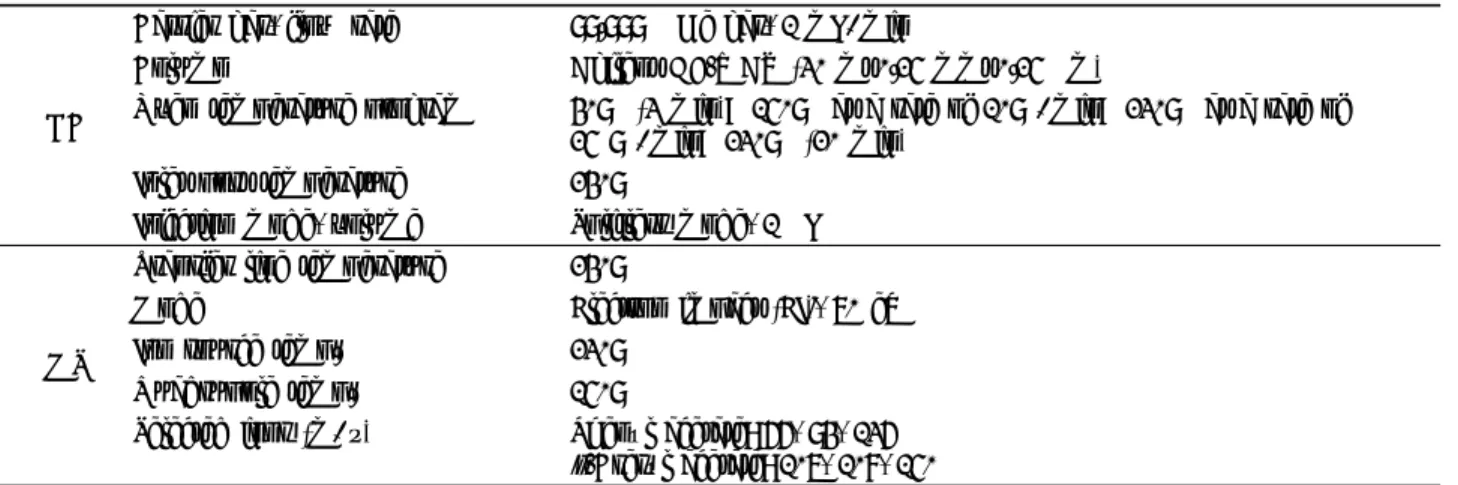
기기 분석에 사용된 GC-MS는 7890A GC와 5975C inert MSD(Agilent Technology Inc., Santa Clara, USA) 이었으며 분석 조건은 Table 1과 같았다 칼럼으로는. DB-
를 사용하였고 주입구의 온도는 그리고 주입
WAX , 240 ,℃
방식은 비분할 주입이었다 질량분석기는. EI방식으로 사용하 였으며, phenyl acetate의 정성 및 정량에 사용된 이온값
은 및 이었다
(m/z) 66, 94 136 . 유효성 검증
검량선은 1-10 μg/L의 범위에서 작성하였으며 반복성, 및 회수율은4 μg/L및10 μg/L의 두 농도에 대해 각각 번3 H3C O CH3
O O
OH O CH3
O
pH 11.0-11.5
H3C O CH3
O O
OH
CH3 O CH3
O
CH3 pH 11.0-11.5
Fig. 1. Acetylation reactions of phenol and o-cresol (surrogate standard) with acetic anhydride at pH 11.0-11.5.
Determination of Phenol in Water Using GC-MS 65
씩 분석하여 평가하였다 검출한계. (method detection limit,
와 정량한계 는 비
MDL) (limit of quantitation, LOQ) S/N 으로 추정된 농도의 배에 해당하는 수준의 시료를 개 제
3 2 7
조하여 분석한 후 표준편차를 구해 각각, 3.14와10을 곱하여 구하였다.
하천수 중 phenol 분석
년 월부터 월 사이에 강원도 강릉 및 동해의 하천 2015 8 11
에서1 L의 갈색 유리병에 다섯 개의 물 시료를 채취하였으 며 잔류 염소를 제거하기 위하여, 40-50 mg의 sodium
를 첨가하였다 또한 수용액을 첨가하
thiosulfate . , 6 N HCl
여 시료의 pH를2 이하로 조절하였다 시료는 분석 전까지.
에서 보관하였으며 분석 전에 멤브레인 필터
4℃ , 0.2 μm
로 여과하였다
(Whatman, Little Chalfont, UK) (US EPA, 2000).
결과 및 고찰
전처리 조건 확립
소량의 용매로도phenol유도체(phenyl acetate)의 추출 이 가능한 용매를 탐색하기 위하여 ester 계열의 용매인
n
-butyl acetate, ethyl acetate 및DCM에 대한 추출 효율 을 평가하였다(Fig. 2).n
-butyl acetate가 다른 두 용매보다 약 1.5배 높은 결과를 나타내,n
-butyl acetate를 phenyl의 추출에 적합한 용매로 선정하였다
acetate .
기존phenol 분석 방법은50 mL의 물 시료를 유도체화 한 후에 phenyl acetate를
n
-hexane 20 mL로 추출한 후 농축하였다(NCASI, 2007). 본 연구에서는 이와 같은 방법으 로n
-hexane 대신 추출 효율이 더 좋은n
-butyl acetate를 시도하였다 그런데.n
-butyl acetate는 냄새가 자극적일 뿐만 아니라 만성 노출 시 중추신경계에 독성을 일으킬 수 있는 물 질이므로(Copestake and Malcolm, 2005) 호흡기를 통해 노출되지 않도록 유의하여야 한다.따라서 물에서 많은 양의
n
-butyl acetate를 사용하여 유도 체를 추출하는 phenol을 유도체화를 하지 않은 상태에서로 추출한 후 유도체화하는 방법으로 전환하였 ethyl acetate
다 이 방법으로 단지. 1 mL의 매우 적은 양의
n
-butyl 를 사용하여 추출할 수 있었고 추출액을 바로acetate , GC-
에 주입함으로써 분석의 효율성이 증대되었다
MS .
GC
Carrier gas, flow rate 99.999% He gas, 1 mL/min
Column Agilent DB-WAX (30 m×0.25 mm×0.25 μm)
Oven temperature program 40℃ (3 min) 150→ ℃ at a rate of 10 /min 230℃ → ℃ at a rate of 25 ℃/min 230→ ℃ (20 min)
Inlet port temperature 240℃
Injection mode, volume Splitless mode, 1 μL
MS
Transfer line temperature 240℃
Mode Electron impact (EI), 70 eV
Ion source temp. 230℃
Quadrupole temp. 150℃
Selected ions (m/z) Phenyl acetate: 66, 94, 136 o-Cresyl acetate: 107, 108, 150
Table 1. Operating conditions of GC-MS for quantitative determination of phenol in water as phenyl acetate form
Extraction solvent
Area
0.0 5.0e+5 1.0e+6 1.5e+6 2.0e+6 2.5e+6
n-Butyl acetate DCM Ethly acetate
Fig. 2. Comparison of solvent extraction of phenyl acetate from the acetylation reaction mixture. n-Butyl acetate showed the highest extraction efficiency.
Fig. 3. Chromatograms of a blank, a standard, and a water sample.
Park et al.
66
선택성 및 직선성
은 과 로 사용된
Fig. 3 phenol SS
o
-cresol의ester 유도체 화합물에 대한 크로마토그램이다 바탕 시료 표준 시료 및 물. , 시료에서 두 화합물의 머무름 시간에서 분리에 방해가 되는 피크들이 검출되지 않아 좋은 분리능과 선택성을 나타냈다.초순수에 각 표준용액을 첨가하여 작성한 검량선의 직선 성은 결정계수(
r
2)가0.9968로 매우 높았다 검량선에서 세로. 축의 값은 표준물질에 대한 피크의 면적을SS에 대한 피크의 면적으로 나눈 값을 사용함으로써 각 시료마다 나타낼 수 있, 는 추출 효율의 차이를 보정할 수 있었다.반복성과 회수율
및 두 농도에 대한 반복 시험값의 상
4 μg/L 10 μg/L 3
대표준편차(relative standard deviation, RSD)는 각각
및 이었고 회수율은 평균 및 를 보
9.1% 4.3% , 90.6% 110.5%
여 만족할 만한 결과를 얻었다 이 결과는 먼저. acetate 유도 체를 만든 후
n
-hexane으로 추출하여 분석한 방법에서의 페 놀류 화합물의 RSD(4.1-12.4%) 및 회수율(102-105%)과 유 사한 수준이었다(NCASI, 2007).방법검출한계 및 정량한계
확립된 분석 방법에 대한 MDL과 LOQ는 각각 0.18
및 이었다 이 는 우리나라 수질환경
μg/L 0.56 μg/L . LOQ
기준인5 g/Lμ 의 약 10분의1 수준으로 확립한 방법이 물, 중phenol의 분석에 적합함을 알 수 있었다 이 연구에서 얻. 은MDL은 기존의 페놀류 화합물에 대한MDL(0.16-0.32 μ
과 유사한 수준이었다
g/L) (NCASI, 2007).
하천수 시료 분석
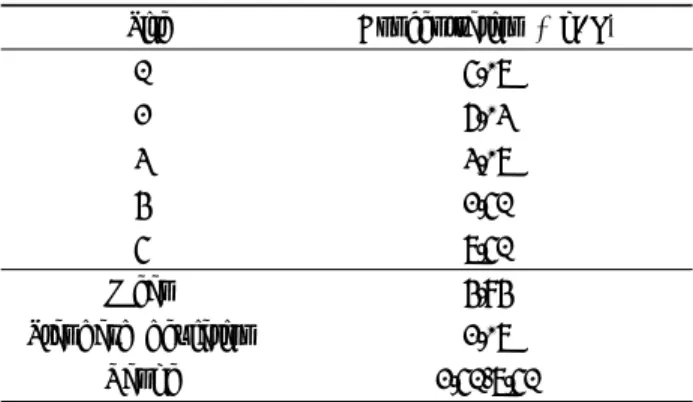
상기방법으로 하천수 시료를 분석한 결과 하천수 페놀의, 평균 농도는4.84 μg/L이었고 검출 범위는2.51-7.51 g/Lμ 이었다(Table 2). 이 농도는 미국에서 기존에 보고된 비오염 지역 하천수 농도(0.1-1.5 μg/L)보다 높은 수준이었으며 다섯 개의 시료 중 세 개 의 시료에서
(ATSDR, 2008) (60%)
의 농도는 우리나라 수질환경기준(5 μg/L)을 초과하였다.
요 약
이 연구에서 개발한 방법은phenyl acetate 유도체를 만 든 후 추출 정제 농축 단계로 분석하는 기존- - phenol분석 방 법의 추가적인 정제 과정 필요 및 많은 양의 유해 용매 사‘ ’ ‘ 용 이라는 단점을 보완할 수 있는 분석 방법이다’ .
이 방법은 phenol을 물로부터 액 액 추출한 후 생성한- 유도체를 소량의 용매로 추출한 후 바로 phenyl acetate
에 주입하여 분석할 수 있는 장점을 갖고 있다 이 방
GC-MS .
법은 기존 방법과 유사한 수준의 반복성 회수율 직선성 및, , 방법검출한계를 나타내었고 분석 과정이 기존에 비해 더 간, 단하여 물 중의phenol 및 페놀류 화합물를 분석하는 데에 적합할 것으로 생각한다.
References
Bagheri, H., Saber, A. & Reza Mousavi, S. (2004). Immersed solvent microextraction of phenol and chlorophenols from water samples followed by gas chromatography–
mass spectrometry. Journal of Chromatography A, 1046(1), 27-33.
Ballesteros, E., Gallego, M., & Valcarcel, M. (1990). Gas chromatographic determination of phenol compounds with automatic continuous extraction and derivatization.
Journal of Chromatography, 518, 59-67.
Faraji, H. (2005). -Cyclodextrin-bonded silica particles asβ the solid-phase extraction medium for the determination of phenol compounds in water samples followed by gas chromatography with flame ionization and mass spectrometry detection. Journal of Chromatography A, 1087(1), 283-288.
Farhadi, K., Matin, A. A., Amanzadeh, H., Biparva, P., Tajik, H., Farshid, A., & Pirkharrati, H. (2014). A novel dispersive micro solid phase extraction using zein nanoparticles as the sorbent combined with headspace solid phase micro-extraction to determine chlorophenols in water and honey samples by GC ECD. Talanta, 128,– 493-499.
Llompart, M., Lourido, M., Landín, P., García-Jares, C., &
Cela, R. (2002). Optimization of a derivatization solid-– phase microextraction method for the analysis of thirty phenolic pollutants in water samples. Journal of Chromatography A, 963(1), 137-148.
Rodríguez, I., Llompart, M., & Cela, R. (2000). Solid- phase extraction of phenols. Journal of Chromatography A, 885(1), 291-304.
Saha, N., Bhunia, F., & Kaviraj, A., (1999). Toxicity of phenol to fish and aquatic ecosystems. Bulletin of Environmental Contamination and Toxicology, 63(2), 195-202.
Site Concentration (μg/L)
1 5.07
2 6.03
3 3.07
4 2.51
5 7.51
Mean 4.84
Standard deviation 2.07
Range 2.51-7.51
Table 2. Concentrations of phenol in stream water samples