This paper was supported by the Sehan University Research Fund in 2019.
*Corresponding Author : Na-Young Kim(Sehan Univ.) email: [email protected]
Received June 7, 2019 Revised July 30, 2019 Accepted August 2, 2019 Published August 31, 2019
Effects of Gender Difference on English Learning with Technology
Na-Young Kim
Department of General Education, Sehan University
성별의 차이가 테크놀로지를 이용한 영어 학습에 미치는 영향
세한대학교 교양학부김나영
Abstract The focus of this study is on the new instructional and pedagogical application of teaching English as a foreign language (TEFL) with technology and by gender. Participants comprised 204 TEFL students in Korea. The study was conducted in the 2017 academic year. For this study, all participants attended English class using technology for three hours a week. Course syllabus, lecture notes, and other study materials were uploaded to the school website. Homework assignments, quizzes, and exams were also distributed through the website. To ascertain whether there are any differential effects from gender on learning English as a foreign language using technology, the quantitative materials included pre- and post-tests. This study also adopted qualitative methods, with structured interviews to obtain participants' comprehensive view of technology-assisted English lessons. Paired sample t-tests and independent t-tests were administered to analyze the quantitative data. The qualitative data were analyzed with the content analysis method. Findings show that both male and female students improved their English-speaking skills using technology. However, no gender difference was found in technology-assisted TEFL.
Technology use for learning English also resulted in both genders' positive perceptions of language lessons. Based on these findings, this study yields practical implications for TEFL teachers in Korea.
요 약 본 연구는 성별의 차이가 테크놀로지를 이용한 영어 학습에 미치는 영향을 조사한 것으로, 2017년 국내 한 대학 에서 영어 수업을 수강하고 있는 204명의 대학생을 대상으로 이루어졌다. 본 연구를 위해 모든 참가자들은 일주일에 3시간씩 테크놀로지를 이용한 영어 수업에 참여하였다. 강의 요강, 강의 노트 등의 학습 자료는 모두 학교 웹 사이트에 업로드 되었으며, 과제, 퀴즈 및 시험 역시 모두 웹 사이트를 통해 진행되었다. 남녀 성별에 따라 테크놀로지를 이용한 영어 학습에 차이가 있는지 알아보기 위해 수업 전후 사전 사후 영어 말하기 시험을 실시하였고, 이후 인터뷰 역시 진행 하였다. 양적 데이터 분석은 대응표본 t검정 및 독립표본 t검정을 통해 이루어졌고, 질적 데이터 분석은 내용 분석을 토대로 하였다. 주 연구 결과는 다음과 같다. 먼저 테크놀로지를 이용한 영어 학습을 통해 남학생과 여학생의 영어 말하 기 실력은 모두 유의미하게 향상하였다. 하지만 남학생과 여학생 사이의 성별 차이는 유의미하지 않는 것으로 드러나, 테크놀로지를 이용한 영어 학습이 남학생과 여학생 모두에게 똑같이 효과적이라는 사실이 밝혀졌다. 인터뷰 결과, 테크 놀로지를 이용한 영어 학습에 대한 반응 역시 남학생과 여학생 모두에게서 긍정적인 것으로 나타났다. 본 연구는 국내에 서 영어를 가르치고 있는 교사들에게 테크놀로지를 이용한 영어 학습에 대한 실천적 함의를 제공한다.
Keywords : Gender Difference, EFL Learning, Technology Use, Technology-Assisted Language Learning, OPIc
1. Introduction
In the education research literature, various factors related to gender difference have long been studied. According to Yau and Cheng [1], the use of technology has been one of the main causes of the gender difference. Since the early 1980s, therefore, gender difference in the use of technology has interested many educational researchers and received much attention in the technology-assisted learning environment [2].
Regarding gender and technology, male advantage in technology use has been widely reported.
Previous studies have shown that male students are known to have more positive attitudes toward learning through technology [3]. According to Durndell and Thomson [4], not only are males more experienced with technology than females.
They also show more competence when using technology [5]. In addition, male students are likely to be more confident in using technology for learning than female students are [1].
Likewise, Lu, Yu, and Liu [6] noted that male students tend to be more curious about new technology than female students do, and they are more willing to try to use them. Furthermore, they also seem to have more comfort with technology, whereas females show more anxiety [7]. Moreover, a study done by Ong and Lai [2]
reported that males have more positive perceptions of self-efficacy, ease of use, usefulness, and behavioral intention to learn through technology compared to their counterparts. As can be seen, many previous studies have suggested that males benefit more from using technology for learning. According to Lu, Yu, and Liu [6], this gender difference can even lead to difference in education outcomes.
In South Korea, one of the most developed countries in terms of internet and technology, most people use technology everyday regardless of gender [8]. However, there has also been gender difference in the effects of technology
use for learning. Ryu and Jung [9] reported that, compared to Korean females, Korean males have higher intention to use technology for their learning. Consistent with the findings of other previous studies above [1-7], Kim, Pyon, and Yoo [8] suggested that the Korean female students have higher anxiety and lower facilitating conditions than male students when using technology for learning.
As noted above, many studies around the world have stressed the difference between genders and suggested that there is male advantage in the use of technology for learning. Interestingly however, there have been some other studies that have yielded different results related to gender and technology-assisted learning. Mac Callum and Jeffrey [10], for example, discovered that males and females have the same capabilities to learn with technology in educational settings. In line with them, others have also indicated that there is no significant difference between genders regarding their attitudes toward learning through technology [11]. Likewise in Korea, Jun and Hong [12] reported that there is no significant academic difference between male students and female students when it comes to technology-assisted learning.
Considering the fact that previous studies on gender difference in the effects of using technology in educational settings have shown contradictory findings, further research seems necessary to get a better understanding. In addition, many questions still remain unanswered related to the implementation and the effects of technology for language learning [13].
Furthermore, given that little is known about how much of technology is being used for learning in South Korea [8], this needs to be further studied. In this light, the current study aims to examine gender difference with regards to the effects of using technology for language learning in South Korea. Focusing on understanding the possible gender difference in
the use of technology in Korean English as a Foreign Language (EFL) settings, this study addresses the following research questions:
1. What are the effects of technology use on Korean EFL male and female students' language performance? Does Korean EFL male and female students' language performance improve after using technology for language learning?
2. What are the effects of gender on Korean EFL students' technology-assisted language learning? Does Korean EFL students' language performance differ by gender when using technology for language learning?
3. What are the effects of gender on Korean EFL students' perceptions of technology- assisted language learning? Do Korean EFL students' perceptions of technology differ by gender when using technology for language learning?
2. Literature Review
2.1 Gender Difference in EFL LearningLanguage has been dominated by females. In the field of translation and interpretation, there are many more female translators and interpreters than their counterparts [14]. In the field of language learning, there are more female teachers than male teachers. Female language learners also surpass male language learners in class assessments and participation [15].
Particularly, many researchers have proved that female EFL students outperform male EFL students. Zoghi, Kazemi, and Kalani [16] examined the effect of gender on EFL achievement. The test included four parts: grammar, vocabulary, sentence function, and reading comprehension.
Findings of their study indicate that EFL learning is related to gender to some extent. More importantly, a significant effect observed on the
achievement test. Female participants scored higher than did male participants, indicating that female EFL students perform better than males EFL students do.
Motallebzadeh and Nematizadeh [17] explored the relationship between gender and English oral performance of Iranian EFL students. Participants of their study were required to take an IELTS-format speaking test. They underwent IELTS format oral interviews conducted by two trained and instructed interviewers. In their conclusion, the authors found that female EFL students did better in English oral performance than male students did even though the difference was not that significant.
In terms of English writing, Babayiğit [18]
compared the written expression of male and female students. Findings revealed that females outperformed males. Specifically, among the four dimensions of written expression, holistic quality, written vocabulary, organizational quality, and compositional fluency, female students perform better than male students on all dimensions, except for organization. The author concluded that male students are more at risk of underperformance on written expression, showing a female advantage.
EFL studies so far, as mentioned above, have demonstrated that gender difference does exist and female EFL students usually outperform their counterparts. In Korean EFL settings, however, findings have been in contrast to previous EFL studies above. For example, Hwang and Choe [19] examined whether there are gender differences in Korean EFL students' linguistic ability. The results of their study demonstrated that, regardless of students' English proficiency, there are no significant differences when comparing two gender groups. Park [20] also examined gender differences in EFL learning and reported that gender plays no influence in Korean EFL contexts.
Gender difference should be dealt with in EFL
studies as gender plays an important role in the area of EFL learning [17]. Nonetheless, given that contrasting findings have been observed in Korea, there is need for further investigations. In addition, considering that there is little literature on the relationship between gender and EFL learning in Korea [21], it is necessary to examine the effects of gender on Korean EFL students' language performance.
2.2 Technology Use for EFL Learning As technology has widely been integrated into education, not a few researchers have addressed the possibility of using technology as an innovative learning tool. Using technology for learning has improved student engagement and learning practices [22-23]. Technology has also enhanced students' motivation [24] and interaction [25].
What's more, learning through technology has developed students' self-esteem [26] as well as self-directed learning [27]. In light of this, the use of technology is considered to be positively correlated with students' academic achievement [28-29].
In the field of language learning, the use of technology has also dominated the pedagogical issues [30]. Many professionals and researchers have made an effort to investigate the advantages of technology use for effective language learning [25]. One of the most obvious advantages of using technology is known to be a wide variety of multimedia content including image files, audio files, and video clips, with authentic language models, with individual control. The ease and timeliness of access has also been considered as another advantage of using the technology tools for language learning [31]. In addition, technology-assisted language learning has facilitated fast and more interactive learning.
What's more, as Alsied and Pathan [30] put, technology use in a language classroom has promoted communication between students and offered supplemental exercises as well as tutorial
feedback. Due to the advancement of technology, the language learning environment has changed from the traditional 'teacher-centered' to the 'student-centered' classroom [32-33].
In EFL contexts, particularly, the role of technology has been considered as vital since the use of technology promotes English language learning to a great extent. According to Alsulami [31], technology is clearly effective in improving EFL students' language skills. For EFL students who have few opportunities to be exposed to their target language, the development of technology has provided chances to learn English [34]. In particular, technology has played a positive role in EFL learning by increasing students' participation [35], facilitating collaborative learning [36], and enhancing communicative activities among the students [27]. This is especially meaningful for students in EFL settings, as [37] noted, because it is very difficult for the EFL students to be in an authentic communication setting in their own countries. In this light, the use of technology has long been believed to improve EFL students' language skills [38].
However, according to Yangus [13], there are still many unanswered questions and researchers lack reliable data in relation to the implementation and effects of the use of technology in EFL contexts. In particular, given that many previous studies have revealed that gender difference does exist in technology-assisted learning [6, 38-39], further research is required to investigate gender difference in the effects of using technology for EFL learning. The current study, therefore, aims to discover how technology differently affects Korean male and female EFL students' language performance.
3. Methodology
3.1 ParticipantsFocus of the current study was to determine
whether gender differences have a notable effect on technology-assisted language learning. The sample comprised 204 students from six classes selected at random from a university in Korea.
All of them were Korean students in their third or fourth year of college who were learning English as a foreign language at school. In terms of gender distribution, 100 were male students while 104 were female students. Their age ranged from 22 to 27.
In order to check participants' proficiency level, all participants were asked to take a pre-test – a simulated Oral Proficiency Interview by Computer (OPIc) test, which is one of the most commonly taken English tests by Korean college students before and/or after graduation [40]. OPIc test was designed to measure a test taker's speaking ability by interview, providing a simulated conversation environment [41]. The participants' mean test scores were 3.96 (male students) and 4.24 (female students) out of 11, which can be interpreted as Novice proficiency level.
3.2 Data Collection and Procedures
The experiment was administered in Korea in 2017 academic year. For this study, a total of 204 participants were recruited (100 male students and 104 female students). At the school of information technology (IT), the participants were majoring in computer engineering. In order to get a job in IT industries, it was important for them to have adequate English skills [42]. Thus, they voluntarily registered to OPIc class offered by a university and attended the class to improve their English proficiency.
There were six classes under the same course title, IT English. One teacher handled all six classes with the same course syllabus. She coordinated the classes with the same textbook, same lecture notes, and identical assignments and exams. Each class was held once a week, three hours in length. In total, there were 16
lectures for the entire experimental period.
This study employed both quantitative and qualitative techniques. The quantitative materials for the present study included pre- and post-treatment tests in an effort to ascertain whether there are any differential effects of gender on the use of technology for language learning. Before the experiment began, a pre-test was firstly given to all participants. The pre-test was administered as part of quantitative phase to determine the participants' language proficiency level before the treatment. For the pre-test, they were required to take a simulated OPIc test. As the test was designed to be delivered via the internet on any computer meeting the minimum technical specification, the participants took the test using their own laptop computer in class.
They spent about 20 minutes completing the test.
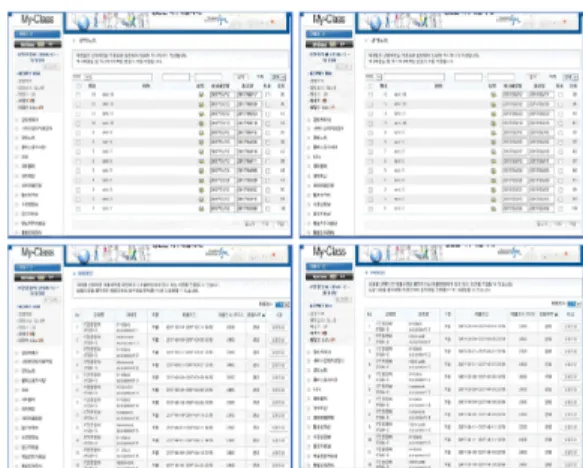
Fig. 1. English Learning with Technology
After the pre-test was completed, all participants engaged in language learning class using technology. Since the school website itself offered a web-based course management system, it was possible for the teacher to manage course materials through the internet. Developed to function as a complement to traditional courses, the system enabled the teacher to post any documents such as course syllabus, lecture notes, and other study materials to the course website.
The participants not only downloaded the lecture
notes before each lecture but also found all the references, complementary materials, and necessary study materials posted to the website.
In terms of homework assignments, each participant uploaded their own speaking performance to the course website directly. Once homework assignments, quizzes, and exams were distributed over the website, the participants submitted their assignments by uploading them to the site. They were also able to send and receive emails or participate in online chat with the teacher as the website had a collaboration system to communicate between the teacher and students. As a complement to traditional class, technology was used as much as possible in class.
See Figure 1 above for details.
After completing the treatment, a post-test was provided to investigate the effects of technology use on the participants' language learning. The post-test was the same test as the pre-test. This study also adopted qualitative methods with structured interviews. In order to obtain in-depth information on the implementation of technology for the English speaking course from the participants, six interviewees from the two gender groups (3 male students and 3 female students) participated voluntarily in interviews after the experiment. Their responses were recorded and analyzed by the researcher.
3.3 Data Analysis
The whole data collected from the pre- and post-tests were analyzed using the ACTFL Proficiency Guidelines (http://www.opic.or.kr/
senior/guide/ACTFLProficiencyGuidelines2012_FI NAL.pdf). Two TESOL certified raters rated the participants' oral performance according to these standardized speaking scoring rubrics.
There were five major levels of oral proficiency in the Guidelines: Distinguished, Superior, Advanced, Intermediate, and Novice. The three major levels – Advanced, Intermediate, and Novice – are also divided into High, Mid, and Low sublevels. In
total, there were 11 proficiency levels. The Guidelines describe the tasks that speakers are able to handle at each level including the content, context, discourse types, and accuracy associated with the tasks at each level. They also show the limits the speakers encounter when trying to function at the next higher level.
Participants' proficiency levels were converted to a numerical score. The ACTFL Guidelines for determining the participants' proficiency levels were used in assigning the scores (1-11) on each of the 11 aforementioned criteria in the following manner: 1 = Novice-Low, 2 = Novice-Mid, 3 = Novice-High, 4 = Intermediate-Low, 5 = Intermediate-Mid, 6 = Intermediate-High, 7 = Advanced-Low, 8= Advanced-Mid, 9 = Advanced-High, 10 = Superior, 11 = Distinguished (maximum score = 11). That is, responses produced by the participants were scored on a scale of 1 to 11, with 11 being the highest, so that their proficiency levels could be compared quantitatively.
The quantitative data were analyzed with the Statistical Package for Social Sciences (SPSS).
Descriptive statistics including means and standard deviations were calculated. Paired samples t-test was used to compare mean scores between the pre- and post-tests. Independent t-test was also done to determine any differences that existed between two genders. Significances were tested at 0.05 levels.
The qualitative data were analyzed with the content analysis method. According to Downe-Wamboldt [43], the content analysis method is used to provide deeper understanding of the phenomenon under the research.
4. Results and Discussion
4.1 Effects of Technology Use on Korean EFL Male and Female Students' Language PerformanceThe present study was to verify the effects that gender difference has on technology-assisted language learning. First, in an effort to examine the effects of technology use on EFL male and female students' language performance, all participants in the current study took a simulated OPI test as the pre- and post-tests. The data collected from the tests were analyzed according to the ACTFL Proficiency Guidelines 2012 – speaking, and there were 11 proficiency levels.
Participants' level of proficiency was converted to a scaled score of from 1 to 11 points. On a scale of 1 to 11, 11 was the highest.
In order to compare changes in the mean scores between pre- and post-tests of the two gender groups, paired samples t-tests were run.
The t-test results with descriptive data are shown in [Table 1].
Pre-Test Post-Test
t p
M SD M SD
Male 3.96 1.57 5.46 2.74 5.483 .000 Female 4.24 1.73 5.90 1.74 14.925 .000 Table 1. Descriptive Data and Paired Samples t-Test
Results
[Table 1] above represents the descriptive data and paired samples t-test results for the pre- and post-tests. First, the descriptive data indicates that participants in both two gender groups increased their speaking test scores. In terms of the male students, the mean score was 3.96 on the pre-test while 5.46 on the post-test. Likewise, the female students also increased their OPIc test scores, with the mean score of 4.24 on the pre-test and that of 5.90 on the post-test.
In an effort to determine whether there was a statistically significant difference between the pre- and post-tests, paired-samples t-tests were then run. As shown in [Table 1], the results of the paired-samples t-test showed significant increases in the mean scores for both male students (t = 5.483, p = .000) and female students
(t = 14.925, p = .000). That is, both the two gender groups significantly improved their test scores as a result of language learning with technology. These results demonstrate that the use of technology positively affects oral proficiency improvement of both male and female EFL students.
Findings of this study support the previous studies suggesting that the use of technology is positively correlated with students' academic achievement [28-29]. Technology has widely been integrated into language learning, changing learning environment from the traditional 'teacher-centered' classroom to the 'student-centered' classroom [32-33]. As many researchers have considered technology as an innovative learning tool [22-23], this study also suggests that the use of technology for language learning has positive effects on both Korean male and female students' English proficiency improvement. In other words, both the two gender groups can benefit from the use of technology in Korean EFL settings.
4.2 Effects of Gender on Korean EFL Students' Technology-Assisted Language Learning
The current study also aimed to find out any differential effectiveness by gender in the use of technology for language learning. Before the actual experiment began, OPIc scores on the pre-test were analyzed first to confirm whether the two gender groups were homogeneous. With the independent t-test, pre-test scores were compared. [Table 2] below shows the t-test results for the pre-test.
Male Female
t p
M SD M SD
Pre-Test 3.96 1.57 4.24 1.73 1.357 .176 Table 2. Independent t-Test Results for the Pre-Test
In order to determine any differences exist
between two gender groups at the beginning of the study, the independent t-test for the pre-test was administered with the group as an independent variable and the pre-test score as a dependent variable. As can be seen from [Table 2] above, the t-test results showed no difference by gender (t = 1.357, p = .176).
Since no significant difference in English oral proficiency between the groups was revealed, as can be shown in [Table 2] above, the t-test results were interpreted that the two gender groups were homogeneous at the beginning of the study. Thus, another independent t-test was employed for the post-test so as to examine the effects of gender on the use of technology for language learning. [Table 3] below shows the independent t-test results for the post-test.
Male Female
t p
M SD M SD
Post-Test 5.46 2.74 5.90 1.74 1.212 .227 Table 3. Independent t-Test Results for the Post-Test
As can be shown in [Table 3] above, results of the independent t-test for the posttest scores revealed no statistically significant difference between the two gender groups (t = 1.212, p = .227). In other words, there was no gender difference as a result of language learning with technology in Korean EFL settings. Although the descriptive data indicates that female students (M
= 5.90) slightly outperformed male students (M = 5.46), the mean difference was not statistically significant.
It is interesting to note that findings of this study are consistent with the previous studies on gender difference in the effects of using technology in educational settings. In the education research literature, Mac Callum and Jeffrey [10] reported that males and females have the same capabilities to learn with technology.
Uzunboylu and Ozdamli [11] also discovered that there is no significant difference between the
two genders regarding their attitudes toward learning through technology. Accordingly, Jun and Hong [12] reported that there is no significant academic difference between male students and female students concerning technology-assisted learning.
In accordance with the previous studies [10-12], no gender difference was found in the current study. Considering that the group difference was not significant to 95% confidence interval in the present study, technology-assisted language learning can be considered as equally effective for both gender groups. That is, language learning with technology can be interpreted to be equally beneficial for them.
It is also notable that although the difference was not statistically significant, female students in the present study appeared to better perform than their counterparts. These findings can be explained by the previous studies on gender difference in EFL learning, indicating that female language learners are likely to outperform male language learners. Zoghi, Kazemi, and Kalani [16]
insisted that females achieve higher marks than males in EFL learning contexts. In line with them, Motallebzadeh and Nematizadeh [17] also found that female EFL students do better particularly in English oral performance than male students do.
Even though mean difference was observed in the present study, the difference was not significant. Therefore, further studies on this subject matter are hereby recommended.
4.3 Effects of Gender on Korean EFL Students' Perceptions of Technology-Assisted Language Learning
In order to gain participants' comprehensive view of EFL learning and understand how they perceive using technology as a language learning tool, in-depth interviews were performed and analyzed using the content analysis method. A summary and selected extracts from the interviewees' responses to the three interview
questions are presented below.
Q1. What do you think of the course arrangement and implementation of technology for the English speaking course?
All of the interviewees responded that using technology for the English speaking course was beneficial for them to learn English speaking and helpful for them to communicate with their teacher. Both male and female interviewees suggested that uploading their own speaking performance to the course website assisted them in learning English speaking and improve their speaking skills. In addition, they indicated that it was much easier for them to exchange ideas and opinions online because it didn't require any face-to-face interaction with their teacher. This motivated them to voice their opinions. Lastly, all of the interviewees agreed that using technology for the English speaking course was an interesting and effective way to learn English speaking. Excerpts of the interviewees' responses are as follows:
“I liked the teaching way of class. By using technology for the class, the teacher tried to make a fun way to teach us. The school website allowed the creation of interesting course materials.” (Feale students, 22 years old)
“The web-based course management system was really convenient to download the lecture notes, complementary materials, references, and so on. It was also easy to upload homework assignments distributed over the website. Using technology was an effective way to learn English speaking.” (Male students, 25 years old)
The interview results indicate that technology use resulted in both male and female students' positive perceptions of English language learning.
These results are not entirely surprising because
they replicate many of the existing findings [22-25, 27]. According to the previous studies [28-29], these positive perceptions have impacts on EFL achievement. Therefore, it can be concluded that the use of technology can positively affect students' EFL learning regardless of their gender.
Q2. What are the advantages of using technology to assist in learning English speaking?
Regarding the advantages of using technology to assist in learning English speaking, all of the interviewees indicated that they were able to reduce their stress. Technology relieved the pressure of time and other responsibilities of the interviewees. Compared to technology-assisted classes, traditional face-to-face classes are usually bound in the classroom space and the scheduled time. In addition, the interviewees suggested that it was easy to find speaking mistakes and to correct them. Before uploading their homework assignment to the website, they listened to their own speaking performance and noticed errors in production. Excerpts of the interviewees' responses to Question 2 are as follows.
“I know that it's common to feel stressed when speaking in English. The same was true of my own. I have always been afraid to speak in English especially when communicating face-to-face. However, this class was different.
The use of technology relieved my stress because I didn't have to interact in face-to-face conversation. I was able to monitor, notice, and correct errors on my own. It was really helpful.”
(Female students, 23 years old)
“I have been told that native English speakers also make mistakes when they're speaking in English. I commit mistakes everytime I speak in English. If someone points out my mistakes, I
always feel discouraged. Although I try not to take it personally, it hurts. But this technology-assisted class made me notice my mistakes by myself. I didn't have to be worried about being criticized by others. I was able to realize my mistakes by listening to my own speaking performance. I think it helped improve my English speaking skills.” (Male students, 23 years old)
The affective filter refers to a psychological filter which can either facilitate or hinder foreign language learning [44]. If the affective filter is high, students can experience anxiety, stress, and lack of confidence. This can inhibit the students' success in foreign language learning. According to Karashen (ibid), the affective filter can be lowered as a result of the environment that students are in. As can be seen from the interview, the use of technology lowered both male and female students' affective filter, which can contribute to success in learning English as a foreign language.
In terms of noticing, it is also the essential starting point for language learning. Lynch [45]
found that language learning students can notice and amend 60% of their errors by recording their own performance. In line with the previous research, through noticing and modifying their own errors, both male and female students of the current study also believed that they were able to improve their English speaking skills.
Q3. What are the disadvantages of using technology to assist in learning English speaking?
The interviewees noted several disadvantages of using technology to learn English speaking.
They argued that they should have basic technology knowledge before applying technology to assist language learning. Some of them indicated that they were not able to utilize the website because
they lack training in the uses of technology. The interviewees also reported that it was easy for them to forget to do speaking assignments on the computer. They knew that when doing their homework assignments, they shouldn't do anything beside their assignments. However, they usually got distracted because they had too much fun on the computer.
“It was difficult for me to use technology for language learning. I've been not good at technology. This English class increased the burden on me. For this class, I had to submit my oral performance to the school website. It took much time and sometimes I got tired.” (Female students, 24 years old)
“Although I knew that I had to record and upload my speaking performance, I spent too much time shopping online, playing online games, and browsing the web. So I often forget my homework. I think it is not easy to stay focused and to avoid slacking off. That's the biggest disadvantage of technology for learning.”
(Male students, 24 years old)
There are many advantages of using technology for language learning. However, according to Roblyer [46], the benefits of technology for those who are not familiar with technology are inexistent.
In accordance with the previous studies [1, 3-5], the interview results of the current study demonstrate that female students can have difficulty using technology for learning, which can negatively affect the students' learning.
In addition, it was observed that when applying technology for EFL learning, male students can easily be distracted. This supports the previous research [47], suggesting that male students are more distracted than female students in the use of technology during class. As Park and Son [48] pointed out, as time goes on, EFL students' behavior and attitudes towards
technology use can become negative because the students' attention is disturbed, and consequently, they loose their complete focus on studying. Therefore, EFL teachers should help male students stay focused on their learning.
5. Conclusion
It has long been reported that gender plays an important role in the area of EFL learning [17].
For the teacher educators and teachers to teach English in the university context, gender difference must be considered a fundamental factor to support students' learning language using technology. The basic assumption of language learning and teaching is that male students are much better to use technology in the course of their learning than female students are. There is no exception for Korean university students who are learning English as foreign language. With regard to examine the effect of gender on EFL learning with technology, this study tried to confirm the effect of gender on EFL with technology.
The aim of the current study was, therefore, to determine whether students' gender can affect EFL learning with technology. In order to verify the effects that gender difference has on technology-assisted EFL learning, the present study employed pre- and post-treatment tests.
For the pre- and post-tests, participants took a simulated OPIc test. After the post-test, to obtain in-depth information on the implementation of technology for the English speaking class, structured interviews were also performed.
All participants in this study attended English speaking class using their own laptop computers for the experimental periods to investigate gender difference in learning with technology.
Major findings are as follows: Both the male and female EFL students significantly improved their English speaking skills as a result of language
learning with technology. However, there was no significant gender difference in technology-assisted EFL learning, indicating that the use of technology was equally positive for Korean male and female students to learn English as a foreign language. Finally, the interview results demonstrate that technology use resulted in both male and female students' positive perceptions of EFL learning. The use of technology lowered both male and female students' affective filter and made them notice and modify their own errors. In terms of disadvantages of technology use for learning, female students showed difficulty using technology while male students were distracted in the use of technology for learning.
The results provide empirical evidence for the importance of considering technology use for EFL learning. EFL teachers, therefore, should have sufficient technological training in order to guide their students exploring technology and its assisted language learning programs. In terms of gender difference in the use of technology, however, no significant difference was found in the current study, supporting the previous research [10-12]. According to the results and findings of this study, female students outperform learning English in the EFL context with or without technology. Therefore, female students would not need to use technology to support their student English in the classroom context. Teacher educators and teachers must consider what instructional strategies they use to support student learning by understanding their learning styles and backgrounds.
References
[1] H. K. Yau, & A. L. F. Cheng, "Gender Difference of Confidence in Using Technology for Learning,"
Journal of Technology Studies, Vol.38, No.2, pp.74-79, 2012. Available
from: https://files.eric.ed.gov/fulltext/EJ997179.pdf
(accessed Sep. 15, 2018)
[2] C. S. Ong, & J. Y. Lai, "Gender Differences in Perceptions and Relationships among Dominants of e-Learning Acceptance," Computers in Human Behavior, Vol.22, No.5, pp.816-829, 2006.
DOI: https://doi.org/10.1016/j.chb.2004.03.006 [3] B. E. Jr. Whitely, "Gender Differences in Computer
Related Attitudes and Behavior: A Meta Analysis,"
Computers in Human Behavior, Vol.13, No.1, pp.1-22, 1997.
DOI: https://doi.org/10.1016/S0747-5632(96)00026-X [4] A. Durndell, & K. Thomson, "Gender and Computing:
A Decade of Change," Computers and Education, Vol.28, No.1, pp.1-9, 1997.
DOI: https://doi.org/10.1016/S0360-1315(96)00034-6 [5] W. H. D. Huang, D. W. Hood, & S. J. Yoo, "Gender
Divide and Acceptance of Collaborative Web 2.0 Applications for Learning in Higher Education," The Internet and Higher Education, Vol.16, pp.57-65, 2013.
DOI: https://doi.org/10.1016/j.iheduc.2012.02.001 [6] J. Lu, C. S. Yu, & C. Liu, Gender and Age Differences
in Individual Decisions about Wireless Mobile Data Services: A Report from China. Victoria, TX:
University of Houston-Victoria, 2006.
[7] S. J. Hong, & K. Y. Tam, "Understanding the Adoption of Multipurpose Information Appliances: The Case of Mobile Data Services," Information Systems Research, Vol.17, No.2, pp.162-179, 2006.
DOI: https://doi.org/10.1287/isre.1060.0088
[8] S. Kim, T. Pyon, & S. J. Yoo, "Does Gender Still Matter? The Usage and Acceptance of Smartphones for Learning in Higher Education," Journal of Learner-Centered Curriculum and Instruction, Vol.17, No.20, pp.665-687, 2017.
DOI: http://dx.doi.org/10.22251/jlcci.2017.17.20.665 [9] J. Ryu, & H. Jung, The Effect of Age and Gender on
Intentional Use of e-Book based on Technology Acceptance Model for College Students," The Korean Journal of Educational Methodology Studies, Vol.25, No.3, pp.623-647, 2013.
DOI: https://doi.org/10.17927/tkjems.2013.25.3.623 [10] K. Mac Callum, & L. Jeffrey, "Factors Impacting
Teachers’ Adoption of Mobile Learning," Journal of Information Technology Education, Vol.13, pp.141-162, 2014. Available from:
http://jite.org/documents/Vol13/JITEv13ResearchP141 -162MacCallum0455.pdf (accessed June 6, 2019) [11] H. Uzunboylu, & F. Ozdamli, "Teacher Perception for
m-Learning: Scale Development and Teachers' Perceptions," Journal of Computer Assisted Learning, Vol.27, No.6, pp.544-556, 2011.
DOI: https://doi.org/10.1111/j.1365-2729.2011.00415.x [12] W. Jun, & S. K. Hong, "A Study on Gender Difference
Analysis for Gifted Children in IT," Journal of the
Korea Institute of Information and Communication Engineering, Vol.18, No.12, pp.3013-3019, 2014.
DOI: https://doi.org/10.6109/jkiice.2014.18.12.3013 [13] I. Yanguas, "Oral Computer-mediated Interaction
between L2 Learners: It’s about Time," Language Learning & Technology, Vol.14, No.3, pp.72-93, 2010.
Available from:
https://scholarspace.manoa.hawaii.edu/bitstream/101 25/44227/14_03_yanguas.pdf (accessed Oct. 5, 2018) [14] K. Collom, Does gender impact language learning?
2015. Available from:
https://www.languagetrainers.co.uk/blog/2015/11/05/
does-gender-impact-language-learning/ (accessed Jan. 13 2018)
[15] P. Mathew, L. M. Job, T. Al Damen, & M. R. Islam, "An Arab EFL Context: Does Variance in Anxiety and Motivation across Gender Impact Language Attainment?" Studies in Literature and Language, Vol.6, No.3, pp.14-22, 2013.
DOI: https://doi.org/10.3968/j.sll.1923156320130603.2551 [16] M. Zoghi, S. A. Kazemi, & A. Kalani, "The Effect of
Gender in Language Learning," Journal of Novel Applied Sciences, Vol.2, No.S4, pp.1124-1128, 2013.
Available from:
http://jnasci.org/wp-content/uploads/2013/12/1124-1 128.pdf (accessed Dec. 6, 2018)
[17] K. Motallebzadeh, & S. Nematizadeh, "Does Gender Play a Role in the Assessment of Oral Proficiency?"
English Language Teaching, Vol.4, No.4, pp.165-172, 2011.
DOI: http://dx.doi.org/10.5539/elt.v4n4p165 [18] S. Babayiğit, "The Dimensions of Written Expression:
Language Group and Gender Differences," Learning and Instruction, Vol.35, pp.33-41, 2015.
DOI: https://doi.org/10.1016/j.learninstruc.2014.08.006 [19] E. K. Hwang, & J. W. Choe, "Gender Differences in L2
Argumentative Writing: An Analysis of Syntactic Complexity," Journal of the Korea English Education Society, Vol.15, No.1, pp.127-146, 2016.
DOI: https://doi.org/10.18649/jkees.2016.15.1.127 [20] J. E. Park, "Korean EFL Learners’ Vocabulary Learning
Strategies," English Teaching, Vol.56, No.4, pp.3-30, 2001. Available
from:
http://journal.kate.or.kr/wp-content/uploads/2015/02 /kate_56_4_1.pdf (accessed June 7, 2019)
[21] D. Kang, "The Gender Role in L2 Motivations of Korean University Students," Korean Journal of English Language and Linguistics, Vol.15, No.2, pp.305-325, 2015.
DOI: https://doi.org/10.15858/engtea.70.1.201503.29 [22] S. A. Alabdulkareem, "Exploring the Use and the
Impacts of Social Media on Teaching and Learning Science in Saudi," Procedia — Social and Behavioral Sciences, Vol.182, pp.213-224, 2015.
DOI: https://doi.org/10.1016/j.sbspro.2015.04.758
[23] G. Grosseck, R. Bran, & L. Tiru, "Dear Teacher, What Should I Write on My Wall? A Case Study on Academic Uses of Facebook," Procedia –Social Behavior Science, Vol.15, pp.1425-1430, 2011.
DOI: https://doi.org/10.1016/j.sbspro.2011.03.306 [24] R. Greenfield, "Collaborative E-Mail Exchange for
Teaching Secondary ESL: A Case Study in Hong Kong," Language Learning & Technology, Vol.7, No.1, pp.46-70, 2003.
DOI: http://doi.org/10125/25187
[25] N.-Y. Kim, "Effects of Voice Chat on EFL Learners' Speaking Ability according to Proficiency Levels,"
Multimedia Assisted Language Learning, Vol.19, No.4, pp.63-88, 2016.
DOI: https://doi.org/10.15702/mall.2016.19.4.63 [26] N.-Y. Kim, "Computer Chat versus Mobile Chat:
Effects of Different Chat Tools on EFL Speaking and Writing," STEM Journal, Vol.19, No.2, pp.145-167, 2018.
DOI: http://doi.org/10.16875/stem.2018.19.2.145 [27] N.-Y. Kim, "Effects of Different Types of Synchronous
CMC on EFL Learners’ Writing Ability Improvement and Perceptions of English Learning,"
Multimedia-Assisted Language Learning, Vol.20, No.3, pp.33-61, 2017.
DOI: https://doi.org/10.15702/mall.2017.20.3.33 [28] J. Mao, "Social Media for Learning: A Mixed Methods
Study on High School Students’ Technology Affordances and Perspectives," Computer Human Behavior, Vol.33, No.1, pp.213-223, 2014.
DOI: https://doi.org/10.1016/j.chb.2014.01.002 [29] T. Menkhoff, & M. L. Bengtsson, "Engaging Students in
Higher Education through Mobile Learning,"
Educational Research for Policy and Practice, Vol.11, pp.225-242, 2012.
DOI: https://doi.org/10.1007/s10671-011-9123-8 [30] S. M. Alsied, & M. M. Pathan, "The Use of Computer
Technology in EFL Classroom: Advantages and Implications,"
International Journal of English Language & Translation Studies, Vol.1, No.1, pp.61-71, 2013. Available from:
https://www.researchgate.net/profile/Mustafa_Pathan 3/publication/301612905_The_use_of_computer_tech nology_in_EFL_classroom_Advantages_and_implicatio ns/links/571d0a1e08aee3ddc56ac52b/The-use-of-co mputer-technology-in-EFL-classroom-Advantages-an d-implications.pdf (accessed June 6, 2019)
[31] S. Alsulami, "The Effects of Technology on Learning English as a Foreign Language among Female EFL Students at Effatt College: An Exploratory Study,"
Studies in Literature and Language, Vol.12, No.4, pp.1-16, 2016. DOI: https://dx.doi.org/10.3968/7926 [32] S. Adams, & M. Burns, Connecting Student Learning
and Technology. Austin, TX: Southwest Educational Development Laboratory. 1999.
[33] R. G. Muir-Herzig, "Technology and its Impact in the Classroom," Computers & Education, Vol.42, No.2, pp.111-131, 2004.
DOI: https://doi.org/10.1016/S0360-1315(03)00067-8 [34] J. Bernstein, A. Najmi, & F. Ehsani, "Subarashii:
Encounters in Japanese Spoken Language Education,"
CALICO Journal, Vol.16, No.3, pp.361-384, 1999.
DOI: http://doi.org/10.1558/cj.v16i3.361-384 [35] L. Ortega, "Processes and Outcomes in Networked
Classroom Interaction: Defining the Research Agenda for L2 Computer-assisted Classroom Discussion,"
Language Learning & Technology, Vol.1, No.1, pp.82-93, 1997. Available from:
https://scholarspace.manoa.hawaii.edu/bitstream/101 25/25005/1/01_01_ortega.pdf (accessed Mar. 13, 2017)
[36] H. J. Kim, & K. Hur, "A Comparative Study of the Effects of Implementing Three Different Smartphone Applications for English Classes at a Cyber University, with Special Reference to the Students’ Affective Domains and Learning Attainment," Multimedia-Assisted Language Learning, Vol.19, No.1, pp.86-113, 2016.
DOI: https://doi.org/10.15702/mall.2016.19.1.86 [37] M. Warschauer, "Computer Assisted Language Learning:
An Introduction," In S. Fotos (Ed.), Multimedia Language Teaching (pp.3-20), Tokyo: Logos International.
[38] D. Liu, & X. Guo, "Exploring Gender Differences in Acceptance of Mobile Computing Devices among College Students," Information Systems and e-Business Management, Vol.15, No.1, pp.197-223, 2017.
DOI: https://doi.org/10.1007/s10257-016-0315-x [39] Y. Liu, H. Li, & C. Carlsson, "Factors Driving the
Adoption of m-Learning: An Empirical Study,"
Computers & Education, Vol.55, No.3, pp.1211-1219, 2010.
DOI: https://doi.org/10.1016/j.compedu.2010.05.018 [40] M. N. Zipagan, & K. R. Lee, "Korean English Learners’
Use of Lexical Bundles in Speaking," The Journal of AsiaTEFL, Vol.15, No.2, pp.276-291, 2018. Available from: https://www.earticle.net/Article/A332032 (accessed June 7, 2019)
[41] ACTFL. ACTFL Proficiency Guidelines — Speaking.
Alexandria, VA: Author. 2012.
[42] N.-Y. Kim, "Voice Blogging versus Text Blogging:
Effects of Blogs on Korean EFL Learners' Oral Proficiency," Studies in English Language & Literature, Vol.44, No.1, pp.175-197, 2018.
DOI: http://dx.doi.org/10.21559/aellk.2018.44.1.009 [43] B. Downe-Wamboldt, "Content Analysis: Method,
Applications, and Issues," Health Care for Women International, Vol.13, No.3, pp.313-321, 1992.
DOI: https://doi.org/10.1080/07399339209516006 [44] S. D. Krashen, Second Language Acquisition and
Second Language Learning. Oxford: Oxford University Press. 1981.
[45] T. Lynch, "Seeing What They Mean: Transcribing as a Route to Noticing," ELT Journal, Vol.55, No.2, pp.124-132, 2001.
DOI: https://doi.org/10.1093/elt/55.2.124
[46] M. Roblyer, Integrating Educational Technology into Teaching, Columbus, OH: Person Education. 2003.
[47] R. H. Kay, & S. Lauricella, "Gender Differences in the Use of Laptops in Higher Education: A Formative Analysis," Journal of Educational Computing Research, Vol.44, No.3, pp.361-380, 2011.
DOI: https://doi.org/10.2190/EC.44.3.f
[48] C. N. Park, & J. B. Son, Implementing Computer-assisted Language Learning in the EFL Classroom: Teachers' Perceptions and Perspectives,"
International Journal of Pedagogies and Learning, Vol.5, No.2, pp.80-101, 2009. Available
from: https://eprints.usq.edu.au/6887/ (accepted June 7, 2019)
Na-Young Kim [Regular Member]
• Aug. 2012 : M. A., International Office Administration, Ewha Woman's University
• Feb. 2017 : Ph. D., English Education, Ewha Woman's University
• Mar. 2015 ~ Feb. 2018 : Visiting Professor, Hanshin University
• Mar. 2018 ~ Present : Assistant Professor, Sehan University
<Research Interests>
English Education, Business Education