The prevalence and clinical characteristics of cancer among anemia patients treated at an outpatient clinic
Soo Jeong Kim, So Young Ha, Bo Mi Choi, Mi Yeong Lee, Jong Youl Jin, Soo Jeong Yeom, Tae Wan Kim, Young Min Kim, Keehyun Lee
Department of Internal Medicine, Bucheon St. Mary's Hospital, The Catholic University of Korea, Bucheon, Korea
p-ISSN 2287-979X / e-ISSN 2288-0011 http://dx.doi.org/10.5045/br.2013.48.1.46 Blood Res 2013;48:46-50.
Received on August 16, 2012 Revised on September 12, 2012 Accepted on February 13, 2013
Background
Anemia is the most common hematologic condition encountered in outpatient clinics.
It is often overlooked because it is common among patients; however, anemia is one of the leading indicators of cancer. This study examined the prevalence and characteristics of cancer among anemia patients who visited an outpatient clinic.
Methods
The data were collected by reviewing the records of an outpatient clinic from January 2007 to December 2011.
Results
In total, 502 patients (52 males, 450 females) were diagnosed with anemia. Cancer preva- lence among anemia patients was 5.57% (25.0%, men; 3.3%, women); further, the most frequently diagnosed cancer was colorectal cancer (22.5%), followed by advanced gastric cancer (16.1%), breast cancer (9.6%), myelodysplastic syndrome (9.6%), cervical cancer (6.4%), renal-cell carcinoma (6.4%), and thyroid cancer (6.4%). The prevalence of cancer was 4.1% in those aged 40‒49 years, 4.2% in the subjects in their fifties, 8.0% in those in their sixties, 21.6% in those in their seventies, and 55.6% in those aged over 80 years.
The cancer prevalence among iron deficiency anemia (IDA) patients was 6.18% (28.8%, men; 3.5%, women). The cancer prevalence in postmenopausal and premenopausal fe- male IDA patients was 16.0% and 1.6%, respectively.
Conclusion
Among anemia patients, male patients aged over 40 years and female patients aged over 60 years, along with postmenopausal female patients, were more likely to be diagnosed with cancer. Consequently, male IDA patients, and female patients aged over 60 years must be carefully evaluated for the possibility of malignancy.
Key Words Anemia, Prevalence, Cancer, Outpatient clinic
Correspondence to Keehyun Lee, M.D., Ph.D.
Department of Internal Medicine, Bucheon St. Mary’s Hospital, 327 Sosa-ro, Wonmin-gu, Bucheon 420-717, Korea Tel: +82-32-340-7018
Fax: +82-32-340-2255 E-mail: [email protected]
Ⓒ 2013 Korean Society of Hematology
INTRODUCTION
Anemia is the most common hematologic problem en- countered in outpatient clinics. According to the World Health Organization (WHO) statistics, the prevalence of ane- mia is 48.0% in preschool-age children (aged less than 5 years), 25% in school-age children (aged 5–14 years), 13%
in male subjects (aged 15–59 years), 42% in pregnant women, 30% in women of childbearing age (aged 15–49 years), and 24% in the elderly (aged >60 years) [1].
Anemia is a common condition affecting the older pop-
ulation, and its prevalence increases with aging [2]. Anemia in older individuals is associated with a number of un- favorable outcomes, including functional dependence, de- mentia, falls, cardiovascular diseases, and death. Anemia is also one of the leading indicators of cancer [3-8]. Anemia is present in more than 60.0% of cancer patients, and the risk of becoming anemic increases with more advanced stages of cancer [9]. Further, both the incidence and prevalence of cancer increase with age.
Cancer has become the most common cause of death in Korea [10]. Anemia is an independent risk factor, increasing morbidity and mortality and decreasing the quality of life
Table 1. Characteristics of the subjects.
Characteristics of the subjects Value
Gender (N) Male 52
Female Premenopause 375 Menopause 75
Age (yr) Male 60.31±17.96
Female 44.81±13.15
Total 46.42±14.49
Hb (g/dL) Male 9.36±1.75
Female 8.97±3.24
MCV (fL) Male 82.77±18.42
Female 76.75±17.24
WBC (×109/L) 5.57±2.42
PLT (×109/L) 295.42±106.75
Abbreviations: Hb, hemoglobin; MCV, mean corpuscular volume;
WBC, white blood cell; PLT, platelet.
Fig. 1. Prevalence of cancer among anemia patients by age groups.
in the patient; further, it is one of the leading indicators of cancer, and is often overlooked because it is very common [11, 12]. This study was conducted to define the prevalence and characteristics of cancer among anemia patients who had visited an outpatient clinic.
MATERIALS AND METHODS
Subjects
The study data were collected through a review of the records of an outpatient clinic from January 2007 to December 2011. The records were derived from new patients with anemia as the chief complaint who had visited the general medicine and hematology departments of Bucheon St. Mary’s Hospital, Bucheon, Korea. Medical records were collected from 502 anemia patients (52 males, 450 females).
Methods
All the patients were physically examined, and their medi- cal histories were obtained. Additionally, menstrual histories were obtained from female patients. Laboratory tests for white blood cells (WBC), hemoglobin (Hb), mean corpus- cular volume (MCV), as well as serum ferritin and platelet levels were performed. Based on the patient’s symptoms and the results of the gynecological and physical examina- tions, thyroid sonography, esophagogastroduodenoscopy (EGD), or colonoscopy was performed on female anemia patients. EGD, colonoscopy, or abdominal computed tomog- raphy (CT) was conducted in male patients based on the symptoms and the results of the physical examination.
This study was performed by a hematologist, who reviewed the medical records of the 502 patients retrospectively.
Definition
According to the WHO criteria, anemia is characterized by Hb level lower than 13 g/dL in men and lower than 12 g/dL in women [13]. Using MCV, patients were classified as having microcytic (<80 fL), normocytic (80–100 fL), or
macrocytic (>100 fL) anemia [14]. As the serum iron and total iron-binding capacity (TIBC) were not measured in this study, iron depletion was defined as a ferritin level<15 ng/mL [15].
Statistical analyses
All statistical analyses were conducted using SPSS 14. 0.
The mean and standard deviation of Hb levels were examined. The anemia patients were categorized into groups according to sex and age. The prevalence of cancer in each group was determined.
RESULTS
The mean age of all the patients was 46.4 years (range:
15–91 years), the mean Hb level was 8.9 g/dL, the MCV was 77.4 fL, the WBC count was 5.6×10⁹/L, and the platelet count was 29.5×10⁹/L (Table 1).
SubjectsÊ chief complaints at the first medical examination The most common chief complaint among anemia patients was incidental laboratory results (66.0%), followed by dizzi- ness (24.0%), dyspnea (7.0%), fatigue (1.0%), skin color change, and syncope (2.0%).
Types of anemia
Microcytic anemia was identified in 63.1% of cases, nor- mocytic anemia in 32.5%, and macrocytic anemia in 4.3%
of the cases. The proportion of anemia patients with iron depletion was 58.6%. Thirty-one subjects were excluded from the study because of missing data. IDA was observed in 36.7% and 61.1% of male and female patients, respectively.
Prevalence of cancer in anemia patients
The prevalence of cancer among anemia patients was 5.5%
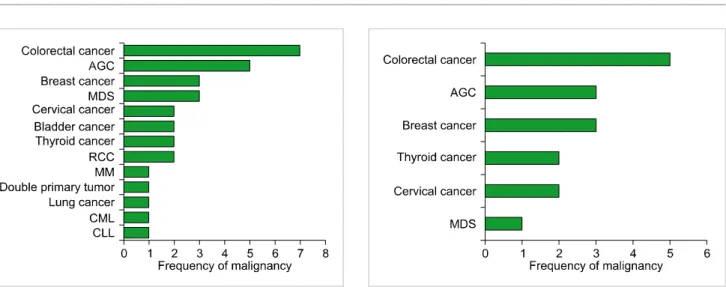
Fig. 2. Relative frequency of malignancies among anemia patients.
(Double primary tumor was AGC with bladder cancer). Abbreviations:
CLL, chronic lymphocytic leukemia; CML, chronic myeloid leukemia;
AGC, advanced gastric cancer; MM, multiple myeloma; RCC, renal cell cancer; MDS, myelodysplastic syndrome.
Fig. 3. Relative frequency of malignancies among female anemia patients. Abbreviations: MDS, myelodysplastic syndrome; AGC, advanced gastric cancer.
(25.0%, men; 3.3%, women).
Prevalence of cancer by age group
There were no diagnoses of cancer among patients aged less than 40 years. Cancer prevalence in anemia patients aged 40–49 years was 4.0% (33.3%, men; 3.1%, women), 4.2% in those aged 50–59 years (28.5%, men; 1.5%, women), 17.9% in those aged 60–69 years (27.2%, men; 14.2%, wom- en), 21.6% in those aged 70–79 years (33.3%, men; 13.6%, women), and 55.5% in those aged 80 years or more (75.0%, men; 40.0%, women) (Fig. 1).
Prevalence of cancer among IDA patients
The prevalence of cancer among the IDA patients was 6.2% (28.8%, men; 3.5%, women). Among premenopausal and postmenopausal female IDA patients, cancer prevalence was 1.6% and 16.0%, respectively.
Relative frequency of malignancies among anemia patients The most frequently diagnosed cancer among anemia pa- tients in this study was colorectal cancer (7 of 31, 22.5%), followed by advanced gastric cancer (AGC) (5 of 31, 16.1%), breast cancer (3 of 31, 9.6%), myelodysplastic syndrome (MDS) (3 of 31, 9.6%), cervical cancer (2 of 31, 6.4%), re- nal-cell carcinoma (RCC) (2 of 31, 6.4%), and thyroid cancer (2 of 31, 6.4%) (Fig. 2). Among male patients, the most frequently diagnosed cancer was colorectal cancer (2 of 15, 13.3%), followed by AGC (2 of 15, 13.3%), MDS (2 of 15, 13.3%), RCC (2 of 15, 13.3%), bladder cancer (1 of 15, 6.6%), prostate cancer (1 of 15, 6.6%), and lung cancer (1 of 15, 7%). The most frequently diagnosed cancer in female patients was colorectal cancer (5 of 11, 31.2%), followed by AGC (3 of 11, 18.7%), breast cancer (3 of 11, 18.7%), cervical cancer (2 of 11, 12.5%), thyroid cancer (2 of 11, 12.5%), and MDS (1 of 15, 6.2%) (Fig. 3).
Prevalence of benign disease among female anemia patients The most common benign disease in female anemia pa- tients was uterine myoma or adenoma (60.7%), followed by anemia of chronic disease (ACD) (16.0%), thyroid disease (9.0%), and peptic ulcer (6.0%).
DISCUSSION
According to a report by the Ministry of Health and Welfare of South Korea, the prevalence of cancer within the South Korean population was 0.3% in 2007 (0.3%, men;
0.3%, women) [10]. In this study, the overall prevalence of cancer in anemia patients was 5.6% (25.0%, men; 3.3%, women). This means that compared with the whole pop- ulation, more anemia patients were diagnosed with cancer.
Cancer is typically accompanied by anemia. Anemia is present in more than 60.0% of cancer patients, and the risk of anemia increases with more advanced stages of cancer [9]. However, as the subjects of this study were outpatients, this study had the limitation of having a small number of subjects with gait disturbance due to old age or an advanced stage of cancer.
The pathophysiology of cancer-related anemia is multi- factorial. Anemia can be caused by blood loss, hemolysis, impaired production of red blood cells, or a combination of these mechanisms. Blood loss can result from hemorrhage of the tumor itself (e.g., gastrointestinal, bladder, gyneco- logic) [16, 17]. Most importantly, cancer may impair ery- thropoiesis. It can disturb erythrocyte production by directly affecting the bone marrow (e.g., tumor infiltration into the marrow), reducing the erythropoietin response, and reducing the synthesis and release of endogenous erythropoietin [16].
In this study, the most frequently observed cancer in ane- mia patients was colorectal cancer, followed by AGC, breast cancer, MDS, cervical cancer, RCC, thyroid cancer, chronic myelocytic leukemia (CML), chronic lymphocytic leukemia (CLL), and multiple myeloma (MM). According to a report
by the Ministry of Health and Welfare of South Korea, the most common cancer in the whole population was stomach cancer (16.0%), followed by thyroid cancer (13.1%), color- ectal cancer (12.7%), lung cancer (11.0%), hepatocellular carcinoma (HCC; 9.2%), breast cancer (7.2%), and prostate cancer (3.3%). In this study, however, hematologic malig- nancy was not within the top 10 cancers occurring in the entire population [10].
The prevalence of anemia varies according to the type of neoplasia [18, 19]. About 50% of patients with solid tumors are diagnosed with anemia. Hematologic malignancies in- crease the likelihood of developing anemia; for example, 60–70% of patients with non-Hodgkin’s lymphoma are ane- mic at diagnosis [20]. The reason for the high rate of diagnosis of hematologic malignancy in anemia patients is provided below. In hematologic malignancies, bone marrow involve- ment often leads to progressive anemia. In addition, the interaction between the tumor cell population and the im- mune system can lead to the release of cytokines, especially interferon-γ, interleukin-1, and tumor-necrosis factor-α, which disrupt endogenous erythropoietin synthesis in the kidney and suppresses the differentiation of the erythroid precursor cells in the bone marrow [21].
With respect to the prevalence of cancer by age group, all male and female patients aged less than 40 years were not diagnosed with cancer. In all the other age groups, male patients had a higher prevalence of cancer than female patients. Female patients aged more than 60 years had a higher prevalence of cancer than those aged less than 60 years, and the prevalence of cancer in IDA patients was 6.18% (28.8%, men; 3.5%, women). The prevalence of can- cer in postmenopausal female IDA patients was higher (16.0%) than that in premenopausal female IDA patients (1.6%). Premenopausal women have more possibilities of being anemic than men due to menstrual bleeding, preg- nancy, delivery, or uterine disease [22]. Thus, cancer preva- lence among premenopausal female IDA patients was lower than that in both male and postmenopausal female IDA patients.
This study showed that the prevalence of various cancers among anemia patients is relatively high in female IDA pa- tients aged more than 60 years, as well as among men aged more than 40 years; further, there is a higher prevalence of cancer among both male and postmenopausal female IDA patients. Thus, patients in these higher risk categories need to be carefully evaluated for the possibility of malignancy.
AuthorsÊ Disclosures of Potential Conflicts of Interest
No potential conflicts of interest relevant to this article were reported.
REFERENCES
1. de Benoist B, McLean E, Egli I, Cogswell M, eds. Worldwide
prevalence of anaemia 1993-2005. WHO global database on anaemia. Geneva, Switzerland: WHO Press, 2008:1-40.
2. Balducci L, Ershler WB. Cancer and ageing: a nexus at several levels. Nat Rev Cancer 2005;5:655-62.
3. Culleton BF, Manns BJ, Zhang J, Tonelli M, Klarenbach S, Hemmelgarn BR. Impact of anemia on hospitalization and mortality in older adults. Blood 2006;107:3841-6.
4. Penninx BW, Cohen HJ, Woodman RC. Anemia and cancer in older persons. J Support Oncol 2007;5:107-13.
5. Atti AR, Palmer K, Volpato S, Zuliani G, Winblad B, Fratiglioni L. Anaemia increases the risk of dementia in cognitively intact elderly. Neurobiol Aging 2006;27:278-84.
6. Penninx BW, Pluijm SM, Lips P, et al. Late-life anemia is associated with increased risk of recurrent falls. J Am Geriatr Soc 2005;53:
2106-11.
7. Go AS, Yang J, Ackerson LM, et al. Hemoglobin level, chronic kidney disease, and the risks of death and hospitalization in adults with chronic heart failure: the Anemia in Chronic Heart Failure:
Outcomes and Resource Utilization (ANCHOR) Study. Circula- tion 2006;113:2713-23.
8. Wu WC, Rathore SS, Wang Y, Radford MJ, Krumholz HM. Blood transfusion in elderly patients with acute myocardial infarction.
N Engl J Med 2001;345:1230-6.
9. Benson K, Balducci L, Aapro M. Anemia and cancer. In: Balducci L, Ershler WB, Bennett JM, eds. Anemia in the elderly. New York, NY: Springer, 2007:99-113.
10. Ministry of Health and Welfare. The Korea central cancer registry. Annual report of cancer statistics in Korea in 2008. Seoul, Korea: Ministry of Health and Welfare, 2010.
11. Chaves PH, Ashar B, Guralnik JM, Fried LP. Looking at the relationship between hemoglobin concentration and prevalent mobility difficulty in older women. Should the criteria currently used to define anemia in older people be reevaluated? J Am Geriatr Soc 2002;50:1257-64.
12. Penninx BW, Pahor M, Cesari M, et al. Anemia is associated with disability and decreased physical performance and muscle strength in the elderly. J Am Geriatr Soc 2004;52:719-24.
13. DeMaeyer E, Adiels-Tegman M. The prevalence of anaemia in the world. World Health Stat Q 1985;38:302-16.
14. Goldman L, Schafer A, eds. Goldman's cecil medicine. 24th ed.
Philadelphia, PA: Elsevier Saunders, 2011:1031-9.
15. Kim SK, Kang HS, Kim CS, Kim YT. The prevalence of anemia and iron depletion in the population aged 10 years or older. Korean J Hematol 2011;46:196-9.
16. Schwartz RN. Anemia in patients with cancer: incidence, causes, impact, management, and use of treatment guidelines and protocols. Am J Health Syst Pharm 2007;64(3 Suppl 2):S5-13.
17. Grotto HZ. Anaemia of cancer: an overview of mechanisms involved in its pathogenesis. Med Oncol 2008;25:12-21.
18. Knight K, Wade S, Balducci L. Prevalence and outcomes of anemia in cancer: a systematic review of the literature. Am J Med 2004;116(Suppl 7A):11S-26S.
19. Groopman JE, Itri LM. Chemotherapy-induced anemia in adults:
incidence and treatment. J Natl Cancer Inst 1999;91:1616-34.
20. Miller CB, Jones RJ, Piantadosi S, Abeloff MD, Spivak JL.
Decreased erythropoietin response in patients with the anemia of cancer. N Engl J Med 1990;322:1689-92.
21. Rockey DC. Occult gastrointestinal bleeding. N Engl J Med 1999;341:38-46.
22. Zuckerman GR, Prakash C, Askin MP, Lewis BS. AGA technical
review on the evaluation and management of occult and obscure gastrointestinal bleeding. Gastroenterology 2000;118:201-21.