ORIGINAL ARTICLE
Gastrointestinal Bleeding with Dabigatran, a Comparative Study with Warfarin: A Multicenter Experience
Muhammed Sherid, Humberto Sifuentes, Samian Sulaiman1, Salih Samo2, Husein Husein3, Ruth Tupper1, Charles Spurr and Subbaramiah Sridhar
Section of Gastroenterology and Hepatology, Georgia Regents University, Augusta, GA, Division of Gastroenterology, Department of Internal Medicine, Saint Francis Hospital, Evanston, IL1, Department of Medicine, Northwestern Memorial Hospital, Northwestern University Feinberg School of Medicine, Chicago, IL2, Division of Gastroenterology, Department of Internal Medicine, Trinitas Regional Medical Center, Seton Hall University, School of Health and Medicine Sciences, Elizabeth, NJ3, USA
Background/Aims: The risk of gastrointestinal (GI) bleeding with dabigatran when compared to warfarin has been controversial in the literature. The aim of our study was to assess this risk with the use of dabigatran.
Methods: We examined the medical records of patients who were started on dabigatran or warfarin from October 2010 to October 2012. The study was conducted in two hospitals.
Results: A total of 417 patients were included (208 dabigatran vs. 209 warfarin). GI bleeding occurred in 10 patients (4.8%) in the dabigatran group compared to 21 patients (10.1%) in the warfarin group (p=0.0375). Multivariate analysis showed that patients who were on dabigatran for ≤100 days had a higher incidence of GI bleeding than those who were on it for >100 days (p=0.0007). The odds of GI bleeding in patients who were on dabigatran for ≤100 days was 8.2 times higher compared to those who were on the drug for >100 days. The incidence of GI bleeding in patients >65 years old was higher than in those <65 years old (p=0.0453, OR=3). History of previous GI bleeding was another risk factor for GI bleeding in the dabigatran group (p=0.036, OR=6.3). The lower GI tract was the most common site for GI bleeding in the dabigatran group (80.0% vs. 38.1%, p=0.014).
Conclusions: The risk of GI bleeding was lower with dabigatran. The risk factors for GI bleeding with dabigtran were the first 100 days, age >65 years, and a history of previous GI bleeding. (Korean J Gastroenterol 2015;65:205-214)
Key Words: Gastrointestinal hemorrhage; Dabigatran; Warfarin; Platelet aggregation inhibitors; Antithrombins
Received June 9, 2014. Revised January 26, 2015. Accepted February 13, 2015.
CC This is an open access article distributed under the terms of the Creative Commons Attribution Non-Commercial License (http://creativecommons.org/licenses/
by-nc/3.0) which permits unrestricted non-commercial use, distribution, and reproduction in any medium, provided the original work is properly cited.
Copyright © 2015. Korean Society of Gastroenterology.
Correspondence to: Muhammed Sherid, Section of Gastroenterology and Hepatology, Georgia Regents University, 1120 15th Street-BBR2538, Augusta, Georgia 30912, USA. Tel: +1-224-420-0229, Fax: +1-706-721-0331, E-mail: [email protected]
Financial support: None. Conflict of interest: None.
INTRODUCTION
Vitamin K antagonists have been used to decrease the risk of thromboembolic events in many clinical settings including atrial fibrillation; however, owing to the need for frequent lab- oratory monitoring, multiple drug-drug interactions and food-drug interactions, they are frequently not used, dis- continued, or frequently suboptimal.1,2 Thus, the need for new oral anticoagulation agents with better efficacy and safety profile is emerging.
After 60 years of experience with warfarin as the only oral anticoagulant agent, dabigatran etexilate (from now on
termed dabigatran) is the first oral anticoagulation agent ap- proved to prevent thromboembolic events in some clinical settings. It has been approved by the US Food and Drug Administration (FDA) for non-valvular atrial fibrillation since October 2010. The non-inferiority of dabigatran and a better safety profile including less intracranial bleeding when com- pared to warfarin has been proven.
Dabigatran is an oral prodrug that is rapidly converted to the active from by serum esterases. Its bioavailability is very low (6.5%) and reaches the peak plasma concentration lev- els within 2 hours after administration.3,4 The elimination half-life of dabigatran is 14-17 hours, thus, a twice-daily dos-
ing is needed to reduce the variability of the anticoagulant effect.3,4 It is administered in fixed doses and excreted mainly by the kidneys (80%), therefore, the half-life may increase up to 35 hours in severe renal impairment.3-5 Dabigatran is dia- lyzable due to its small molecular nature and low plasma pro- tein binding capacity.5 It is a direct thrombin inhibitor that re- versibly blocks the active site of thrombin, at both the free and fibrin-bound form. It does not require any laboratory monitoring. Dabigatran is not metabolized via the cyto- chrome P450 system, and therefore, its drug and food inter- actions are minimal.6 Potent inhibitors of P-glycoprotein such as quinidine, amiodarone, dronedarone, verapamil, and ke- toconazole are the main drugs that can affect its metabolism and prolong its half-life.6 Dabigatran is available in two dose preparations (150 mg, 110 mg); however, the 110 mg-dose is not approved by the FDA and is not available in the US.
Instead, the 75 mg dose is available in the US and is indicated in those with impaired renal function (creatinine clearance of 15-30 mL/min), and the concomitant use of strong P-glyco- protein inhibitors such as dronedarone.
Despite demonstration of the non-inferiority of dabigatran to warfarin and having less intracranial bleeding, results re- garding the risk of gastrointestinal (GI) bleeding are conflict- ing. Our hypothesis was that the risk of GI bleeding while on dabigatran was higher when compared to warfarin. The aim of our study was to compare the risk of GI bleeding in patients taking dabigatran with those receiving warfarin and identify any risk factors for development of GI bleeding in patients on dabigatran.
SUBJECTS AND METHODS
In this retrospective cohort study, we examined the medi- cal records of all patients who were started on dabigatran from October 2010 to October 2012, and compared to a con- trol group of patients who were started on warfarin during that period in a 1 : 1 fashion. Patients who were on dabigatran for ≥3 days or on warfarin for ≥4 days were included in the study. The study was conducted in two different community hospitals (CGH Medical Center in Sterling, IL and Saint Francis Hospital in Evanston, IL) after obtaining IRB approval from each institution with collaboration with Georgia Regents University, Augusta, GA.
The demographic details, laboratory studies, concomitant
use of antiplatelet agents and NSAIDs, duration of dabiga- tran and warfarin use (≤ or >100 days), GI bleeding events and the site of GI bleeding, major bleeding events and the site of bleeding, acute coronary syndrome (ACS), venous throm- boembolic events, cerebrovascular events, and all-cause deaths and the cause of death while on anticoagulation agent were collected. The primary aim was to evaluate the risk of GI bleeding in the dabigatran group and compare it to that of the warfarin group and to determine the risk factors.
GI bleeding was defined as any bleeding in the GI tract that required hospitalization. We used the traditional definition of upper and lower GI bleeding for the source of GI bleeding.
While upper GI bleeding referred to blood loss originating from a site proximal to the ligament of Treitz, lower GI bleeding referred to a site distal to the ligament of Treitz. Defining GI bleeding as upper and lower GI bleeding was based on endo- scopic findings. However, if no endoscopic procedures were performed then other diagnostic tools such as angiography were used to determine the site of GI bleeding. The secondary aims were the risk of major bleeding events (defined as bleeding events that required hospitalization and cessation of the anticoagulation agent), ACS that required angioplasty with or without stenting or cardiovascular surgery, venous thromboembolism events (deep venous thrombosis or pul- monary embolism), cerebrovascular events (stroke or tran- sient ischemic attack) and all-cause deaths while on anti- coagulation agent. Exclusion criteria included unknown du- ration of dabigatran or warfarin use, lack of follow up, age
<18 years, pregnancy, mechanical valve replacement, and advanced kidney disease (CrCl <15 mL/min/1.73 m2 or end-stage renal disease on dialysis).
1. Statistical analysis
Patients data were entered into a Microsoft Excel spread- sheet (Microsoft, Redmond, WA, USA) in a coded format which was locked with a password. All analyses were per- formed using IBM SPSS Statistics software ver. 20 (IBM Co., Armonk, NY, USA). A 2-sided p-value of <0.05 was consid- ered statistically significant. An independent t-test was per- formed for the mean age and duration on each drug. A chi-square analysis, Fisher’s exact test and a Pearson corre- lation were performed for the other variables. A logistic re- gression was performed in multivariate analyses. OR were generated between group comparisons. A Cox regression
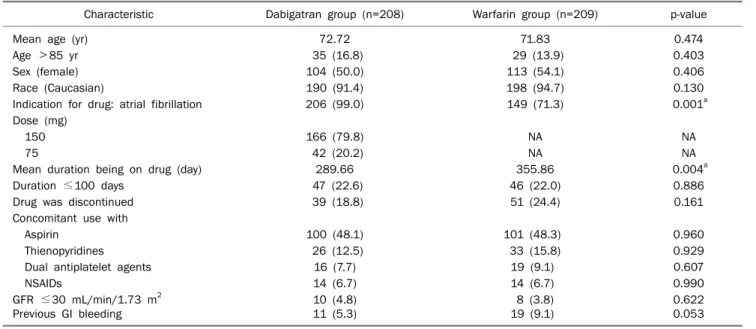
Table 1. Patients’ Characteristics in Both Groups
Characteristic Dabigatran group (n=208) Warfarin group (n=209) p-value
Mean age (yr) 72.72 71.83 0.474
Age >85 yr 35 (16.8) 29 (13.9) 0.403
Sex (female) 104 (50.0) 113 (54.1) 0.406
Race (Caucasian) 190 (91.4) 198 (94.7) 0.130
Indication for drug: atrial fibrillation 206 (99.0) 149 (71.3) 0.001a
Dose (mg)
150 166 (79.8) NA NA
75 42 (20.2) NA NA
Mean duration being on drug (day) 289.66 355.86 0.004a
Duration ≤100 days 47 (22.6) 46 (22.0) 0.886
Drug was discontinued 39 (18.8) 51 (24.4) 0.161
Concomitant use with
Aspirin 100 (48.1) 101 (48.3) 0.960
Thienopyridines 26 (12.5) 33 (15.8) 0.929
Dual antiplatelet agents 16 (7.7) 19 (9.1) 0.607
NSAIDs 14 (6.7) 14 (6.7) 0.990
GFR ≤30 mL/min/1.73 m2 10 (4.8) 8 (3.8) 0.622
Previous GI bleeding 11 (5.3) 19 (9.1) 0.053
Values are presented as n (%).
GFR, glomerular filtration rate; GI, gastrointestinal; NA, not applicable.
aStatistically significant.
analysis was also used for multivariate analyses of GI bleed- ing risk factors in the dabigatran group. A Kaplan Mayer anal- ysis was performed in the survival analysis for the incidence of GI bleeding in overall subjects, and then a Log rank test was used for comparing the GI bleeding rate between groups.
A chi-square analysis was used for parameters in the sec- ondary aims.
RESULTS
1. Patients
A total of 417 patients were identified, of whom 208 pa- tients were on dabigatran (mean age of 72.72 years) and 209 were on warfarin (mean age of 71.83 years, p=0.474) (Table 1). Thirty-five patients (16.8%) in the dabigatran group were older than 85 years compared to 29 patients (13.9%) in the warfarin group (p=0.403). Fifty percent of patients in the da- bigatran group and 54.1% in the warfarin group (p=0.406) were females. The majority of patients in both groups were white (91.4% compared to 94.7%, respectively, p=0.130).
The mean duration of being on an anticoagulation agent dur- ing the study period was 289.66 and 355.86 days in dabiga- tran and warfarin groups, respectively. Forty seven patients (22.6%) in the dabigatran group were on the drug for ≤100 days compared to 46 patients (22.0%) in the warfarin group
(p=0.886).
Atrial fibrillation was the indication for the drug in 206 pa- tients (99.0%) in the dabigtran group and 149 patients (71.3%) in the warfarin group (p=0.001). Other indications were deep venous thrombosis, pulmonary embolism, and portal venous thrombosis. Forty two patients (20.2%) re- ceived dabigatran 75 mg twice daily. Glomerular filtration rate (GFR) was ≤30 mL/min/1.73 m2 in 10 patients (4.8%) in the dabigatran group compared to 8 patients (3.8%) in the warfarin group (p=0.622). The concomitant use of aspirin, thienopyridines (clopidogrel, ticlopidine, or prasugrel), dual antiplatelet agent (aspirin and thienopyridines), and NSAIDs were in 100, 26, 16, and 14 patients (48.1%, 12.5%, 7.7%, and 6.7%), respectively, in the dabigatran group when com- pared to 101, 33, 19, and 14 patients (48.3%, 15.8%, 9.1%, and 6.7%), respectively, in the warfarin group (p>0.05 for all). Eleven (5.3%) and 19 (9.1%) patients in the dabigatran and warfarin groups, respectively, had previous history of GI bleeding (p=0.053). Thirty nine patients (18.8%) in the dabi- gatran group discontinued the drug for various reasons dur- ing the study period (high risk of bleeding events, 11; finan- cial reason, 10; GI bleeding, 10; elevation of liver enzymes, 2; major bleeding event, 2; intolerance due to dyspepsia, 1;
switching to rivaroxaban, 1; percutaneous endoscopic gas- trostomy tube placement, 1; and an unknown reason, 1),
Table 2. Characteristics of Patients with Gastrointestinal (GI) Bleeding in Both Groups
Characteristic Dabigatran group Warfarin group p-value
GI bleeding event 10 (4.8) 21 (10.1) 0.038a
Mean age (yr) 79.20 75.86 0.441
Age >85 yr 3 (30.0) 4 (19.1) 0.495
Sex (female) 8 (80.0) 13 (61.9) 0.428
Race (Caucasian) 8 (80.0) 21 (100) 0.097
Indication for drug: atrial fibrillation 10 (100) 17 (81.0) 0.277
Dose (mg)
150 7 (70.0) NA NA
75 3 (30.0) NA NA
Mean duration being on drug (day) 108.50 188.86 0.189
Duration ≤100 days 8 (80.0) 9 (42.8) 0.052
Concomitant use with
Aspirin 4 (40.0) 11 (52.4) 0.704
Thienopyridines 1 (10.0) 7 (33.3) 0.165
Dual antiplatelet agents 1 (10) 6 (28.6) 0.248
NSAIDs 0 0 NA
GFR≤30 mL/min/1.73 m2 2 (20.0) 2 (9.5) 0.416
Previous GI Bleeding 2 (20.0) 2 (9.5) 0.416
Upper GI tract 1 (10.0) 9 (42.8) 0.067
Lower GI tract 8 (80.0) 8 (38.1) 0.014a
Occult obscure GI bleeding 1 (10.0) 4 (19.0) 1.00
Death related to GI bleeding 0 0 NA
Values are presented as n (%).
GFR, glomerular filtration rate; NA, not applicable.
aStatistically significant.
Table 3. Multivariate Analysis for the Dabigatran Group Variable Adjusted OR (95% CI) p-value Age >65 years 2.989 (1.785-24.782) 0.0453a Sex (female) 2.732 (0.514-14.509) 0.238 Race (Caucasian) 0.612 (1.33-2.816) 0.528 Duration <100 days 8.176 (1.993-38.547) 0.0007a Concomitant with
Aspirin 1.739 (1.64-4.781) 0.657
Thienopyridines 1.051 (0.752-7.438) 0.279 Dual antiplatelet 0.856 (0.675-9.409) 0.492
NSAIDs 1.297 (1.824-5.721) 0.573
GFR≤30 mL/min/1.73 m2 4.534 (0.682-30.138) 0.118 Previous GI bleeding 6.284 (0.612-28.591) 0.036a GFR, glomerular filtration rate; GI, gastrointestinal.
aStatistically significant.
whereas 51 patients (24.4%) in the warfarin group dis- continued the drug (GI bleeding, 21; switch to dabigatran, 11;
major bleeding events, 9; high risk of bleeding, 7; switching to rivaroxaban, 1; patient’s refusal, 1; and unknown reason, 1) (p=0.161).
2. Gastrointestinal bleeding events
GI bleeding occurred in 10 patients (4.8%) in the dabiga- tran group compared to 21 patients (10.1%) in the warfarin group (p=0.0375) (Table 2). The odds of bleeding in patients who were on warfarin were 2.2 times higher than in those on dabigatran. The mean age of patients who developed GI bleeding was 79.20 years and 75.86 years in the dabigatran and warfarin groups, respectively (p=0.441). The majority of patients in both groups were female (80.0% and 61.9%, re- spectively; p=0.428) and white (80% and 100%, re- spectively; p=0.097). GI bleeding occurred in 3 patients tak- ing dabigatran 75 mg twice daily. The mean duration of using dabigatran until the GI bleeding event was 108.50 days com- pared to 188.86 days in the warfarin group (p=0.189). In pa- tients who developed GI bleeding, it occurred in the first 100 days of using the drug in 80.0% of patients in the dabigatran
group compared to 42.8% in the warfarin group (p=0.052).
In the dabigatran group, the concomitant use of aspirin, thie- nopyridines, dual antiplatelet agents, and NSAIDs was not statistically different between the two groups of patients who developed GI bleeding (all p>0.05).
Multivariate analysis using logistic regression analysis was performed to determine the risk factors for GI bleeding in patients on dabigatran (Table 3). Cox regression analysis was also used, which demonstrated results similar to those
Fig. 1. Cumulative gastrointestinal bleeding free survival in total subjects, including both warfarin and dabigatran groups.
Fig. 2. The rate of gastrointestinal bleeding for both drugs over time. Fig. 3. The survival rate without gastrointestinal bleeding for both drugs over time.
of logistic regression. There was a higher incidence of GI bleeding during the first 100 days when compared to >100 days of drug use (p=0.0007) regardless of whether the pa- tients were on dabigatran alone or with concomitant use of antiplatelet agents (single or dual) or NSAIDs. The odds of GI bleeding in patients who were on dabigatran for ≤100 days was 8.2 times higher when compared to those on the drug
>100 days. The incidence of GI bleeding in patients >65 years old was higher than in those ≤65 years old (p=0.0453, OR=3). A previous history of GI bleeding was another risk fac- tor for GI bleeding in the dabigatran group (p=0.036). The odds of GI bleeding in patients with a history of GI bleeding was 6.3 times higher when compared to those without. In our study the concomitant use of antiplatelet agents or NSAIDs did not increase the risk of GI bleeding in the dabigatran group. A survival analysis using IBM SPSS Statistics software
was performed for comparison of the duration to GI bleeding of warfarin vs. dabigatran. Using the Kaplan-Meier analysis, the overall incidence of GI bleeding for both groups was 7.4%
(31 out of 417 total participants) with a survival rate of 92.6%
at 882 days from starting to take either medication (Fig. 1).
Overall, the mean number of days until GI bleeding occurred for the 31 participants was 155.03 days (standard error [SE]=33.60) with a 95% CI of 89.17-220.89 days. The overall median number of days until GI bleeding was 93 days (SE=23.4) with a 95% CI of 47.2-138.8 days. Despite the ear- lier time of GI bleeding, in the overall study, patients in the da- bigatran group fared better in terms of reduced chances of occurrence of GI bleeding events. The risk of GI bleeding was 2.12 times higher in the warfarin group compared to the dabi- gatran group (OR=2.12, 95% CI=0.998-4.501). After 881 days, 90.0% of the warfarin group had survived without a GI bleeding event vs. 94.1% of the dabigatran group (p=0.05) (Fig. 2). A log rank test was used for comparison of GI bleeding rate between dabigatran and warfarin groups which revealed significant difference in survival over time between the two groups (log rank test, p=0.048) as shown in Fig. 3. The lower GI tract was the most common site of GI bleeding in the dabi- gatran group (80.0% in the dabigatran group vs. 38.1% in the warfarin group, p=0.014) (Tables 2, 4).
3. Secondary aims
Major non GI bleeding events, as defined as bleeding events that required hospitalization and cessation of the an- ticoagulation agent, occurred in 3 patients (1.4%) in the dabi- gatran group (hematuria, 2 and vaginal bleeding, 1) when
Table 4. Source of Gastrointestinal (GI) Bleeding in Both Groups
Source of GI bleeding Dabigatran group (n) Warfarin group (n)
Upper GI tract Severe hemorrhagic gastritis with pneumatosis of gastric wall and portal vein air on CT scan (1)
PUD (3)
AVM in stomach/duodenum (3)
Bleeding from sphinctertomy site that performed recently (1) Scopes were not performeda (2)
Lower GI tract Colorectal cancer (2) Ischemic colitis (2)
Internal hemorrhoids/diverticulosis (1) Scopes were not performed because
patients’ refusalb (3)
Colorectal cancer (2) Internal hemorrhoids (1) Diverticulosis (1) Large cecal polyp (1) Sigmoid ulcer (1) Anal fissure (1)
Scopes were not performed because patients’ refusalb (1) Occult obscure GI bleeding EGD/colonoscopy/push enteroscopy were
negative (1)
EGD/colonoscopy/push enteroscopy were negative (4)
PUD, peptic ulcer disease; AVM, arteriovenous malformation; EGD, esophegogastroduodenoscopy.
aPatients had hematemesis or coffee ground emesis which indicated upper GI bleeding in their clinical scenarios, but scopes were not performed; bpatients had bright red blood per rectum which indicated lower GI bleeding in their clinical scenarios, but scopes were not performed because of patients’ refusal.
Table 5. Secondary Aims of Our Study
Event Dabigatran group (n=208) Warfarin group (n=209) p-value
Major bleeding other than GI bleeding 3 (1.4) 9 (4.3) 0.080
ICH 0 (0) 1 (0.5) 1.00
Stroke or TIA 4 (1.9) 6 (2.9) 0.751
DVT or PE 0 (0) 3 (1.4) 0.083
ACS 4 (1.9) 17 (8.1) 0.006a
Death 7 (3.4) 15 (7.2) 0.082
Values are presented as n (%).
GI, gastrointestinal; ICH, intracranial hemorrhage; TIA, transient ischemic attack; DVT, deep vein thrombosis; PE, pulmonary embolism; ACS, acute coronary syndrome.
aStatistically significant.
compared to 9 patients (4.3%) in the warfarin group (hematu- ria, 2; retroperitoneal bleeding, 2; intracranial hemorrhage, 1; hemarthrosis, 1; rectus muscle hematoma, 1; epistaxis, 1;
and bleeding from soft tissue due to invasive vulvar carcino- ma, 1) (p=0.080) (Table 5).
ACS that required angioplasty with or without stenting, or cardiovascular surgery occurred in 4 (1.9%) and 17 (8.1%) patients in the dabigatran and warfarin groups, respectively (p=0.006). While no venous thromboembolic events (deep venous thrombosis or pulmonary embolism) occurred in any patients taking dabigatran, it occurred in 3 patients on war- farin (p=0.083). Cerebrovascular events (stroke or transient ischemic attack) occurred in 4 (1.9%) and 6 patients (2.9%) on dabigatran and warfarin, respectively (p=0.751). None of the patients suffered from intracranial hemorrhage in the da- bigatran group but one patient had this event in the warfarin group (p=1). Seven patients (3.4%) on dabigatran and 15 pa-
tients (7.2%) on warfarin died while on therapy (p=0.082).
The causes of death were sudden cardiac death (2), sepsis (2), respiratory failure (2), and congestive heart failure (1) in the dabigatran group, whereas sudden cardiac (2), sepsis (3), res- piratory failure (1), congestive heart failure (1), cancer (lung, ovarian, vulvar, leukemia) (7), and retroperitoneal bleeding (1) in the warfarin group. No death was related to GI bleeding.
DISCUSSION
GI bleeding is one of the main concerns with any anti- coagulation agent. New oral anticoagulation agents have al- so been associated with GI bleeding events including dabigatran. In the Randomized Evaluation of Long-Term Anti-coagulation Therapy (RE-LY) study, the risk of GI bleeding was higher with a dabigatran dose of 150 mg twice daily (1.51%) per year when compared to 1.02% per year in the
warfarin group (p<0.001), but it was 1.12% with a dabiga- tran dose of 110 mg twice daily, which was not significantly different from the warfarin group.1 Also, in the RE-COVER study, the risk of any GI bleeding events was 4.2% and 2.8%
with the use of dabigatran and warfarin, respectively.2 In our study, the risk of GI bleeding was higher in both groups when compared to the above mentioned studies. This may be explained by use of a different definition for GI bleed- ing in our study (GI bleeding was defined as any bleeding in the GI tract that required hospitalization) which may include major and some minor GI bleeding events in other studies.
For example, in the RE-LY study, the definition of “reduction in the hemoglobin level by at least 2 g/dL or transfusion of at least 2 units of blood” for major GI bleeding, and minor for any other GI bleeding events were used. Also, in our study, the concomitant use of aspirin, thienopyridines, and dual anti- platelet agents in both groups combined were 48.1%, 14.2%, and 8.4%, respectively, which were much higher compared to the RE-LY study (32%, 1.9%, and 4.5%, respectively). In the RE-LY study, the concomitant use of aspirin, thienopyridines, or dual antiplatelet agents was associated with increased risk of minor and major bleeding.7,8 However, in our study the use of antiplatelet agents did not increase the risk of GI bleed- ing with dabigatran use, which could be explained by using these agents more often in other studies which obviously re- quires a larger sample to show the difference. Although the average age of our patients did not differ from other studies, the proportion of our patients who were older than 85 years was higher when compared to other studies. In our study, 16.8% of patients in the dabigatran group and 13.9% in the warfarin group were older than 85 years when compared to 0.8% and 7.6% in the Danish registry.9 The risk of bleeding, including GI bleeding, increases with increased age with both dabigatran and warfarin.8
However, despite this high incidence of GI bleeding in both groups in our study, the risk was lower in the dabigatran group when compared to the warfarin group. First, dabigatran dose of 75 mg twice daily is recommended in patients with GFR ≤30 mL/min/1.73 m2. In our study, this dose was used in 42 pa- tients (20.2%), but GFR was ≤30 mL/min/1.73 m2 in only 10 patients (4.8%). This might explain the lower GI bleeding rate with dabigatran use since a lower dose was used more often than the dose recommended by the FDA. The con- comitant use of P-glycoprotein inhibitors such as quinidine,
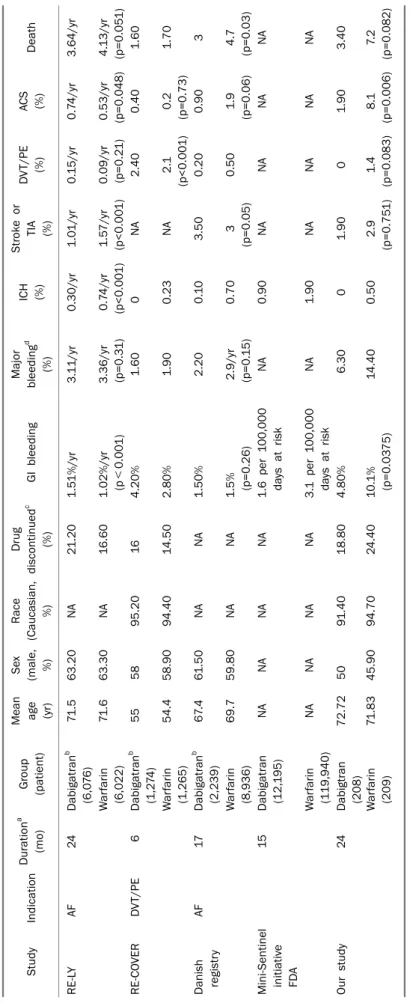
amiodarone, dronedarone, verapamil, and ketoconazole (another category where the dose of 75 mg is recommended by the FDA) was not assessed in our study. The risk of major or minor bleeding events, including GI bleeding, with dabiga- tran is dose-dependent as confirmed in the RE-LY study and other studies.1,10 The risk of GI bleeding was lower with the dose of 110 mg when compared to 150 mg (1.12% vs. 1.51%, p=0.007).1,10 Another explanation for the lower incidence of GI bleeding with dabigatran when compared to warfarin is the shorter mean duration of being on the active drug (289.7 days in the dabigatran group vs. 355.9 days in the warfarin group). It has been shown that the longer the duration of anti- coagulant use, the higher GI bleeding risk, at least for warfarin. The third explanation is that the time in therapeutic range (TTR) for INR for patients on warfarin might have been low in our patients. An INR range of 2-3 is considered the opti- mal therapeutic range that has shown a maximum benefit with acceptable adverse effects. It has been shown that a minimum TTR of 58% is needed to achieve the benefit from warfarin.11 A low TTR is associated with increased risk of mor- tality, hospitalization, stroke and other thromboembolic events, as well as major bleeding events.12-14 A wide variation in TTR has been reported in different studies, countries, med- ical centers, warfarin clinics and community settings, and it has been reported to be as low as 28.6%.11,15-17 The INR has been reported to be above the therapeutic range in as high as 30% of the time.17 We did not check the INR status in our patients, and therefore it is possible that our patients had low TTR which could have affected the efficacy and safety of warfarin. However, in the recent study from the Danish regis- try by Larsen et al.,9 the overall risk of GI bleeding was not sig- nificantly different between dabigatran and warfarin groups (p=0.075), and the risk was even lower with the dabigatran dose of 110 mg twice daily when compared to warfarin (hazard ratio=0.60, 95% CI=0.37-0.93) (Table 6). In a recent study from the reports to FDA to Mini-Sentinel initiative, pub- lished in April 2013, the risk of GI bleeding was lower with the use of dabigatran when compared to warfarin (1.6 events per 100,000 days at risk vs. 3.1 events per 100,000 days at risk), which is similar to our study (Table 6).18
Multivariate analysis showed that the risk of GI bleeding in- creased with increased age (>65 years). Dabigatran is pri- marily excreted through the kidneys (80%), and the renal function decreases with age. Decreased renal functions with
Table 6. Comparison of the Results of Our Studies with Other Studies StudyIndicationDurationa (mo)Group (patient)
Mean age (yr)
Sex (male, %)
Race (Caucasian, %) Drug discontinuedc (%)GI bleedingMajor bleedingd (%)
ICH (%)
Stroke or TIA (%)
DVT/PE (%)ACS (%)Death RE-LYAF24Dabigatranb (6,076)71.563.20NA21.201.51%/yr3.11/yr0.30/yr 1.01/yr0.15/yr0.74/yr3.64/yr Warfarin (6,022)71.663.30NA16.601.02%/yr (p<0.001)3.36/yr (p=0.31)0.74/yr (p<0.001)1.57/yr (p<0.001)0.09/yr (p=0.21)0.53/yr (p=0.048)4.13/yr (p=0.051) RE-COVERDVT/PE6Dabigatranb (1,274)555895.20164.20%1.600NA2.400.401.60 Warfarin (1,265)54.458.9094.4014.502.80%1.900.23NA2.1 (p<0.001)0.2 (p=0.73)1.70 Danish registryAF17Dabigatranb (2,239)67.461.50NANA1.50%2.200.103.500.200.903 Warfarin (8,936)69.759.80NANA1.5% (p=0.26)2.9/yr (p=0.15)0.703 (p=0.05)0.501.9 (p=0.06)4.7 (p=0.03) Mini-Sentinel initiative FDA
15Dabigatran (12,195)NANANANA1.6 per 100,000 days at riskNA0.90NANANANA Warfarin (119,940)NANANANA3.1 per 100,000 days at riskNA1.90NANANANA Our study24Dabigtran (208)72.725091.4018.804.80%6.3001.9001.903.40 Warfarin (209)71.8345.9094.7024.4010.1% (p=0.0375)14.400.502.9 (p=0.751)1.4 (p=0.083)8.1 (p=0.006)7.2 (p=0.082) GI, gastrointestinal; ICH, intracranial hemorrhage; TIA, transient ischemic attack; DVT, deep vein thrombosis; PE, pulmonary embolism; ACS, acute coronary syndrome; AF, atrial fibrillation; NA, not available. a Duration of the study;b dabigatran 150 mg twice a day;c drug was discontinued permanently; d including GI bleeding.
age may explain the increased risk of GI bleeding in the elderly. However, this risk diminished between dabigatran and warfarin after age 85 years, which was statistically insig- nificant in our study.
In our study the risk of GI bleeding was higher during the first 100 days of the commencement of dabigatran.
Dabigatran achieves the anticoagulant effects faster than warfarin. The TTR is low in the first few months of starting war- farin as shown in different studies. For example, in the RE-COVER trial, the TTR was 53% in the first month compared to 66% in the sixth month.2 Dabigatran most likely unmasks the pre-existing diseases such as colon cancer during the first 100 days in a way faster than warfarin. Interestingly, in our study, there were two cases of ischemic colitis in the dabi- gatran group. It is unclear whether this was a coincidence or there is a causality relationship between dabigatran and de- velopment of ischemic colitis. In our study, patients with a previous history of GI bleeding had increased risk of GI bleed- ing events with dabigatran by 6.3 times. This could also be due to unmasking pre-existing GI disease.
The lower GI tract was the most common site (80.0%) for GI bleeding events in the dabigatran group compared to war- farin (38.1%) (Table 3). In the RE-LY trial, the site of GI bleed- ing was the lower GI tract in 47% in the dabigtran group com- pared to 25% in the warfarin group.8 One proposed mecha- nism for the increased rate of lower GI bleeding with dabiga- tran use is the local effect of the unabsorbed dabigatran on the pre-existing diseased mucosa in the lower GI tract.
Dabigatran etexilate has a low bioavailability (6.5%), which means a higher local concentration of the unabsorbed dabi- gatran in the lower GI tract which may locally convert, by ei- ther colonic epithelial or bacterial enzymes, to active metabo- lites which may potentially lead to bleeding. On the other hand, warfarin has a high bioavailability and any unabsorbed warfarin cannot cause bleeding because warfarin needs to be metabolized by liver enzymes to achieve its anti- coagulation effects.8
In the secondary outcomes, major bleeding events other than GI bleeding, cerebrovascular events, intracranial hem- orrhage, thromboembolic events, and all-cause mortality were lower numerically but not significant statistically with dabigatran use as compared to warfarin. Surprisingly, the risk of acute coronary disease requiring angioplasty, with or without stenting, or heart surgery was lower in the dabigatran
group as compared to warfarin, as opposed to the RE-LY study or even its revised result.1,19 In another study, the risk of ACS and acute myocardial infarction was similar between dabiga- tran and warfarin.2 However, the latest Danish registry study showed a low risk of coronary artery disease in the dabiga- tran group when compared to warfarin, which is in agreement with the result of our study.9
This study has several limitations. Primarily, the size of the study was small when compared to other studies. Second, it was a retrospective study which carries its own bias and weaknesses. However, this study reflects the real-world scenario.
Our study provides data that support the safety of dabiga- tran including lower GI bleeding events relative to warfarin.
Dabigatran is a more convenient drug than warfarin for both patients and health care providers. Our study represents an- other step towards the end of the warfarin era, similar to the end of the golden era of unfractionated heparin with the in- troduction of low-molecular weight heparins a few decades ago. Although dabigatran is a safer drug than warfarin, physi- cians should exercise caution while treating their patients with any anticoagulation agents.
ACKNOWLEDGEMENTS
This research was presented as an oral presentation at Digestive Disease Week (DDW) Scientific Meeting in Orlando, FL, USA, on May 18-21th, 2013.
REFERENCES
1. Connolly SJ, Ezekowitz MD, Yusuf S, et al; RE-LY Steering Committee and Investigators. Dabigatran versus warfarin in pa- tients with atrial fibrillation. N Engl J Med 2009;361:1139- 1151.
2. Schulman S, Kearon C, Kakkar AK, et al; RE-COVER Study Group.
Dabigatran versus warfarin in the treatment of acute venous thromboembolism. N Engl J Med 2009;361:2342-2352.
3. Stangier J, Rathgen K, Stähle H, Gansser D, Roth W. The pharma- cokinetics, pharmacodynamics and tolerability of dabigatran etexilate, a new oral direct thrombin inhibitor, in healthy male subjects. Br J Clin Pharmacol 2007;64:292-303.
4. Stangier J, Stähle H, Rathgen K, Fuhr R. Pharmacokinetics and pharmacodynamics of the direct oral thrombin inhibitor dabiga- tran in healthy elderly subjects. Clin Pharmacokinet 2008;47:
47-59.
5. Stangier J, Rathgen K, Stähle H, Mazur D. Influence of renal im-
pairment on the pharmacokinetics and pharmacodynamics of oral dabigatran etexilate: an open-label, parallel-group, sin- gle-centre study. Clin Pharmacokinet 2010;49:259-268.
6. Walenga JM, Adiguzel C. Drug and dietary interactions of the new and emerging oral anticoagulants. Int J Clin Pract 2010;
64:956-967.
7. Dans AL, Connolly SJ, Wallentin L, et al. Concomitant use of anti- platelet therapy with dabigatran or warfarin in the Randomized Evaluation of Long-Term Anticoagulation Therapy (RE-LY) trial.
Circulation 2013;127:634-640.
8. Eikelboom JW, Wallentin L, Connolly SJ, et al. Risk of bleeding with 2 doses of dabigatran compared with warfarin in older and younger patients with atrial fibrillation: an analysis of the randomized evaluation of long-term anticoagulant therapy (RE-LY) trial. Circulation 2011;123:2363-2372.
9. Larsen TB, Rasmussen LH, Skjøth F, et al. Efficacy and safety of dabigatran etexilate and warfarin in "real-world" patients with at- rial fibrillation: a prospective nationwide cohort study. J Am Coll Cardiol 2013;61:2264-2273.
10. Eriksson BI, Dahl OE, Büller HR, et al; BISTRO II Study Group. A new oral direct thrombin inhibitor, dabigatran etexilate, com- pared with enoxaparin for prevention of thromboembolic events following total hip or knee replacement: the BISTRO II random- ized trial. J Thromb Haemost 2005;3:103-111.
11. Connolly SJ, Pogue J, Eikelboom J, et al; ACTIVE W Investigators.
Benefit of oral anticoagulant over antiplatelet therapy in atrial fibrillation depends on the quality of international normalized ra- tio control achieved by centers and countries as measured by time in therapeutic range. Circulation 2008;118:2029-2037.
12. White HD, Gruber M, Feyzi J, et al. Comparison of outcomes among patients randomized to warfarin therapy according to an-
ticoagulant control: results from SPORTIF III and V. Arch Intern Med 2007;167:239-245.
13. Jones M, McEwan P, Morgan CL, Peters JR, Goodfellow J, Currie CJ. Evaluation of the pattern of treatment, level of anti- coagulation control, and outcome of treatment with warfarin in patients with non-valvar atrial fibrillation: a record linkage study in a large British population. Heart 2005;91:472-477.
14. Wallentin L, Yusuf S, Ezekowitz MD, et al; RE-LY investigators.
Efficacy and safety of dabigatran compared with warfarin at dif- ferent levels of international normalised ratio control for stroke prevention in atrial fibrillation: an analysis of the RE-LY trial.
Lancet 2010;376:975-983.
15. Samsa GP, Matchar DB, Goldstein LB, et al. Quality of anti- coagulation management among patients with atrial fibrillation:
results of a review of medical records from 2 communities. Arch Intern Med 2000;160:967-973.
16. Sarawate C, Sikirica MV, Willey VJ, Bullano MF, Hauch O.
Monitoring anticoagulation in atrial fibrillation. J Thromb Thrombolysis 2006;21:191-198.
17. McBride D, Brüggenjürgen B, Roll S, Willich SN. Anticoagulation treatment for the reduction of stroke in atrial fibrillation: a cohort study to examine the gap between guidelines and routine medi- cal practice. J Thromb Thrombolysis 2007;24:65-72.
18. Southworth MR, Reichman ME, Unger EF. Dabigatran and post- marketing reports of bleeding. N Engl J Med 2013;368:1272- 1274.
19. Connolly SJ, Ezekowitz MD, Yusuf S, Reilly PA, Wallentin L;
Randomized Evaluation of Long-Term Anticoagulation Therapy Investigators. Newly identified events in the RE-LY trial. N Engl J Med 2010;363:1875-1876.