• 검색 결과가 없습니다.

Advances in Hospice and Palliative Care in Japan: A Review Paper

N/A
N/A
Protected

Academic year: 2021

Share "Advances in Hospice and Palliative Care in Japan: A Review Paper"

Copied!
9
0
0

로드 중.... (전체 텍스트 보기)

전체 글

(1)

Review Article

Received August 31, 2016, Revised September 6, 2016, Accepted September 6, 2016 Correspondence to: Masanori Mori

Palliative Care Team, Seirei Mikatahara General Hospital, 3453 Mikatahara-cho, Kita-ku, Hamamatsu, Shizuoka 433-8558, Japan

Tel: +81-53-436-1251, Fax: +81-53-438-2971, E-mail: [email protected]

This is an Open Access article distributed under the terms of the Creative Commons Attribution Non-Commercial License (http://creativecommons.org/licenses/by-nc/4.0) which permits unrestricted non-commercial use, distribu- tion, and reproduction in any medium, provided the original work is properly cited.

Advances in Hospice and Palliative Care in Japan: A Review Paper

Masanori Mori, M.D. and Tatsuya Morita, M.D.*

Palliative Care Team, *Division of Palliative and Supportive Care, Seirei Mikatahara General Hospital, Hamamatsu, Japan

Over the past decade, hospice and palliative care in Japan have progressed rapidly under the national policies supported by the Cancer Control Act. The numbers of palliative care units/inpatient hospices, hospital palliative care teams, and clinics with a home hospice function have been steadily increasing. The increasing numbers of physicians, nurses, and pharmacists have been certified as specialists in palliative care by national associations.

Collaborative efforts have been made to standardize and disseminate educational programs and training opportunities in undergraduate, postgraduate, and continuing medical education. Research activities in Japan have markedly contributed to the growing body of evidence, especially in the fields of terminal delirium, terminal dehydration, palliative sedation, care for dying patients, prognostication, communication, psycho-oncology, and regional palliative care programs. This review focuses on major palliative care settings, specialty, national associations, education, and research in palliative care in Japan.

Key Words: Hospices, Palliative care, Japan

INTRODUCTION

Since the establishment of St. Christopher Hospice in 1967, the past half century has seen unprecedented progress in hospice and palliative care worldwide. Palliative care is a highly-specialized discipline and an interdisciplinary approach focused on relieving suffering and the improving quality of life of patients with life-threatening illnesses and their families throughout the disease trajectory. Supported by national poli- cies, palliative care in Japan has developed essentially in the oncology field. This review summarizes updates from two previous reviews (1,2), and focuses on major palliative care settings, specialty, national associations, education, and research on palliative care in Japan.

HISTORY OF PALLIATIVE CARE IN JAPAN

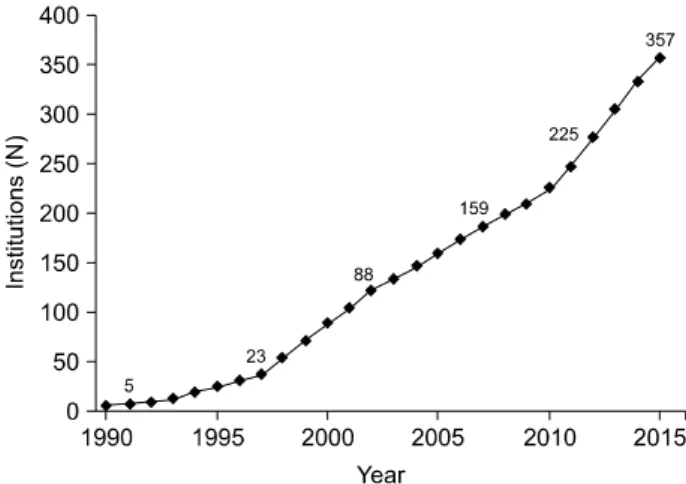
The first systematic palliative care service was launched at Yodogawa Christian Hospital, Osaka, in 1973. The hospice movement followed in Japan, and led to the establishment of the first palliative care unit (PCU) at Seirei Mikatahara General Hospital, Shizuoka, in 1981. The number of PCUs increased gradually until they became covered by national insurance in 1990, which markedly facilitated the increase of PCUs (Figure 1). After that, national insurance started to cover various palliative care services including home care nursing services in 1992, hospital palliative care teams in 2002, and clinics with a home hospice function and day care hospices in 2006.

With respect to the national policy, the Japanese govern-

ment has implemented several 10-year strategies over the past

(2)

Figure 1. Trends in number of palliative care units.

three decades to tackle cancer, which has been the leading cause of death since 1981. In 2007, the Cancer Control Act was passed. Its basic concepts are: promotion of cancer research and utilization of research outcomes; equalization of cancer medical services; and development of cancer medical services to satisfy patients. Based on this law, the Japanese government developed the Basic Plan to Promote Cancer Control programs, among the focus areas of which was the promotion of palliative care from the time of cancer diagnosis (3). Many educational and research projects were started under the national policy. These included, but were not limited to, physician education (e.g., the Palliative care Emphasis program on symptom management and Assessment for Continuous medical Education: PEACE program); education for general public (e.g., the Orange Balloon Project to provide informa- tion to the general public about palliative care); and research (e.g., the Outreach Palliative care Trial of Integrated Regional Model: OPTIM, a mixed-method, complex-intervention study to measure the effects of a regional palliative care program on a variety of patient-, family-, clinician-, and healthcare-related outcomes).

In 2014, the World Health Organization (WHO) published the Global Atlas of Palliative Care at the End of Life, and categorized 20 countries including Japan into “Group 4b”

where hospice-palliative care services are at a stage of ad- vanced integration into mainstream service provision (4). In 2015, The Economist Intelligence Unit reported “The 2015 Quality of Death Index” which ranked palliative care across the world by assessing the “availability, affordability and quality of palliative care available” with 20 indicators in five

categories (i.e., “palliative and healthcare environment”, “human resources”, “affordability of care”, “quality of care”, and

“community engagement”) (5). The Index ranked Japan the 14

th

, with 3 other Asian countries positioned in the top 20 countries (Taiwan, 6

th

; Singapore, 12

th

; and South Korea, 18

th

).

MAJOR PALLIATIVE CARE SETTINGS

Japan has three types of specialist-level palliative care settings:

palliative care units, hospital palliative care teams, and specialized home-care clinics.

1. Palliative care unit (PCU)

Palliative care units (PCUs), or inpatient hospices, offer intensive symptom control, psychosocial support, and end-of- life (EOL) care for patients with incurable cancer or acquired immune-deficiency syndrome (AIDS) and their families.

PCUs are required to have a sufficient system to provide palliative care, at least one full-time physician who has completed palliative care training, several nurses during night shifts, and sufficient space for patients and their families. They are also obliged to ensure a system of cooperation with community-based medical institutions delivering home care to respond to emergent consultations about patient care from the community 24 hours a day; accept the emergent hospitaliza- tion of patients under home care; and coordinate transition to discharge.

As of 2015, 357 PCUs had a total of 7,184 beds (Figure 1). The ratio of PCUs per 1 million inhabitants is comparable to that in Western countries (6). The majority of PCUs belong to general hospitals and provide palliative care by an interdisciplinary team, and some stand as a separate building.

PCUs are involved in approximately 10% of all cancer deaths.

The average length of stay is 33 days, and the average deceased patient discharge rate (number of deceased patient discharges/number of patients hospitalized) is 84%.

The Japan Hospice and Palliative care Evaluation (J-HOPE)

studies, a series of large cross-sectional surveys among bereaved

family members, evaluated the quality of care (QOC) and

quality of life (QOL) at PCUs by utilizing the Care Evalua-

tion Scale (CES) and Good Death Inventory (GDI), respec-

tively (7-12). The first, second, and third J-HOPE surveys

(3)

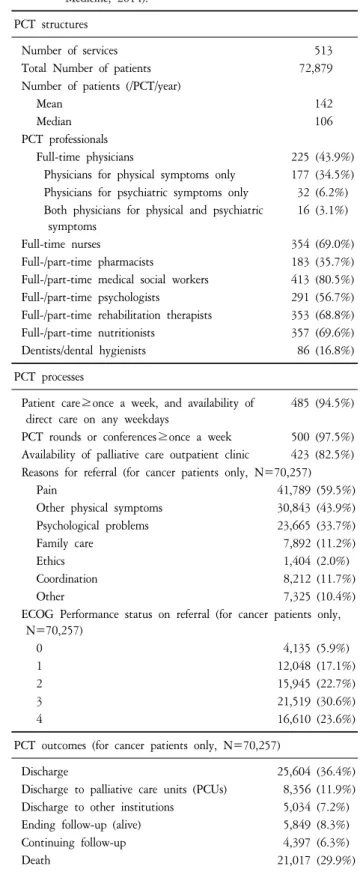
Table 1. Structures, Processes, and Outcomes of Palliative Care Teams in Japan (Registry of the Japanese Society for Palliative Medicine, 2014).

PCT structures

Number of services 513

Total Number of patients 72,879

Number of patients (/PCT/year)

Mean 142

Median 106

PCT professionals

Full-time physicians 225 (43.9%)

Physicians for physical symptoms only 177 (34.5%) Physicians for psychiatric symptoms only 32 (6.2%) Both physicians for physical and psychiatric

symptoms

16 (3.1%)

Full-time nurses 354 (69.0%)

Full-/part-time pharmacists 183 (35.7%)

Full-/part-time medical social workers 413 (80.5%)

Full-/part-time psychologists 291 (56.7%)

Full-/part-time rehabilitation therapists 353 (68.8%)

Full-/part-time nutritionists 357 (69.6%)

Dentists/dental hygienists 86 (16.8%)

PCT processes

Patient care≥once a week, and availability of direct care on any weekdays

485 (94.5%)

PCT rounds or conferences≥once a week 500 (97.5%) Availability of palliative care outpatient clinic 423 (82.5%) Reasons for referral (for cancer patients only, N=70,257)

Pain 41,789 (59.5%)

Other physical symptoms 30,843 (43.9%)

Psychological problems 23,665 (33.7%)

Family care 7,892 (11.2%)

Ethics 1,404 (2.0%)

Coordination 8,212 (11.7%)

Other 7,325 (10.4%)

ECOG Performance status on referral (for cancer patients only, N=70,257)

0 4,135 (5.9%)

1 12,048 (17.1%)

2 15,945 (22.7%)

3 21,519 (30.6%)

4 16,610 (23.6%)

PCT outcomes (for cancer patients only, N=70,257)

Discharge 25,604 (36.4%)

Discharge to palliative care units (PCUs) 8,356 (11.9%) Discharge to other institutions 5,034 (7.2%)

Ending follow-up (alive) 5,849 (8.3%)

Continuing follow-up 4,397 (6.3%)

Death 21,017 (29.9%)

PCT: Palliative Care Team, ECOG: Eastern Cooperative Oncology Group, PCU: Palliative Care Unit.

involved approximately 7,500∼10,000 bereaved families from 100∼133 PCUs in 2007, 2010, and 2014, respectively.

These surveys consistently showed high-level overall satisfac- tion regarding the processes and outcomes of care received at PCUs. Responses to every survey have been fed back to each PCU for quality improvement.

2. Palliative care team (PCT)

Approximately 75% of all deaths and all cancer deaths occur in hospitals in Japan. However, the quality of care and quality of life of cancer patients who died in hospitals have reportedly been lower than those of patients who died at home or PCUs (13). In addition, the growing body of evidence on the effectiveness of early palliative care urges the early integration of palliative care on the diagnosis of ad- vanced cancer (14-19). Thus, quality palliative care is essential for both hospitalized and ambulatory patients with cancer and other life-threatening illnesses throughout the disease trajectory.

Palliative care teams (PCTs) are expected to provide specialist- level palliative care to all cancer patients.

The Cancer Control Act mandates all designated cancer hospitals (N=422) to have PCTs with the following: at least one full-time physician, at least one full-time nurse, and the availability of at least one psychiatrist. This has contributed to an increasing number of PCTs throughout Japan, but their activities vary markedly due to inconsistencies in resource availability.

The Japanese Society for Palliative Medicine (JSPM) registry includes data from a total of 513 palliative care teams (PCTs) (Table 1). The ratio of PCTs per 1 million inhabitants is comparable to that in Western countries (6). The main struc- tures, processes, and outcomes of PCTs are shown in Table 1.

PCTs see an average of 142 patients a year: 22%, 24%, 30%, 13%, and 10% of PCTs see 1∼50, 51∼100, 101∼200, 201∼300, and more than 300 patients a year, respectively.

Of all the referred patients (N=72,879), 96.4% were adult patients with cancer, while 0.6% were children with cancer and 3.0% had diseases other than cancer. The timing of referral of all cancer patients (N=70,257) was from the diagnosis to before the initiation of the first anticancer treatment in 7.0%; during anticancer treatment in 40.9%;

and after the discontinuation of anticancer treatment in

52.2%. The highest proportion of non-cancer patients referred

(4)

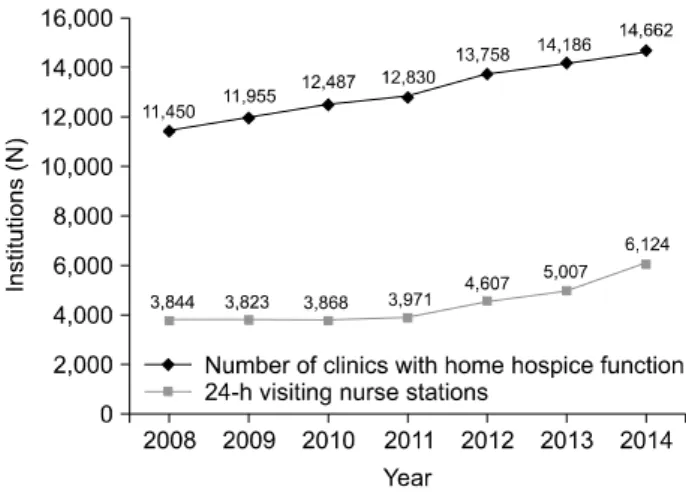
Figure 2. Trends in number of clinics with home hospice function and 24-h visiting nurse stations.

to PCTs had cardiovascular disorders, followed by pulmonary, neurological, and renal disorders. Pain was the reason for referral in 42.1% of non-cancer patients. In total, 82.5% of PCTs offer outpatient clinics. Although the government strongly proposes “early palliative care” from shortly after the diagnosis of cancer, much remains to be done to implement early palliative care throughout Japan. Currently, only a third of PCTs can receive reimbursement for outpatient care, mainly due to the insufficient number of staff.

3. Home care services and regional palliative care resources

Although 50% of the general public want to die at home and 30% at PCUs, actual rates of death at home and PCUs were 12.8 and 3.1%, respectively, in 2014 (20). Similarly, the rates of death at home and PCUs among cancer patients were 9.9 and 10.6%, respectively. These numbers vary markedly from prefecture to prefecture. The number of clinics with a home hospice function and 24-h visiting nurse stations has increased rapidly over the past decade (Figure 2). Despite this rapid increase, the percentage of home deaths has increased only gradually.

In 2007, a national task force identified the following barriers to quality palliative care: 1) lack of standardized clinical tools; 2) lack of knowledge about palliative care of the general public; 3) lack of whole-region organization to coordinate community palliative care; and 4) availability of specialized palliative care services insufficient in the community (21). To develop a successful model of regional palliative care

suitable for Japan, a government-funded, mixed-methods study was conducted from 2006 to 2011 (OPTIM project) (22,23).

The primary aim of this study was to evaluate the effec- tiveness of a systematic, multi-intervention regional palliative care program in four regions. The interventions were intended to overcome the aforementioned barriers, and included edu- cation, specialist support, and networking. A multitude of significant changes were noted after the intervention. These included increased proportions of home deaths, an increased number of patients who received palliative care services as a ration of all patients who died of cancer, and improved patient-reported and family-reported QOC. Qualitative inter- views suggested that the improvement of communication bet- ween health-care professionals was the key to the improve- ment of services. Based on these findings, the government is planning to develop a system where designated cancer hospi- tals, PCUs, clinics, pharmacies, visiting nurse stations, and other regional services collaborate to optimize regional pallia- tive care delivery.

SPECIALTY

There is a serious national shortage of palliative care clini- cians. The demand will inevitably grow, as the number of annual deaths has been estimated to increase from 1.2 million in 2014 to 1.6 million in 2025, the number of patients with chronic conditions (e.g., cancer, heart failure, chronic obstruc- tive pulmonary disorder, renal disease, cerebrovascular acci- dent, and dementia) soars, and more hospitals and providers in community settings aim to offer palliative care.

Several national associations offer certification systems for

palliative care. The Japanese Society for Palliative Medicine

(JSPM) started Board certification of palliative medicine in

2010. For certification, physicians should have at least 2-year

training in palliative care-specialized services. They should also

have at least one article published in a peer-reviewed journal

as the first author, and have completed 20 comprehensive

reports of patient cases. Areas of specialties physicians should

have been certified for prior to board certification of palliative

care have yet to be determined. Physicians have to be

re-certified every 5 years. As of 2016, a total of 136

physicians have been certified. This number is much smaller

than that of certified hospice and palliative medicine phy-

(5)

sicians (N=7,351 in 2016) in the USA (24). More palliative care specialists are urgently needed to provide quality pallia- tive care throughout Japan.

The number of certified nurses and pharmacists is also rapidly increasing. As of 2016, the Japanese Nursing Asso- ciation has certified 656 nurses for cancer nursing, 2,038 palliative care nurses, and 776 cancer pain nurses. The Japanese Society for Pharmaceutical Palliative Care and Sciences has certified 568 palliative care pharmacists.

NATIONAL ASSOCIATIONS

The Japanese Association for Clinical Research on Death and Dying is the oldest association to investigate terminal care for patients and families, being in operation since 1977. In 1991, Hospice and Palliative Care Japan was established as an association of PCUs, and almost all certified PCUs partici- pated. Hospice and Palliative Care Japan has led projects on public awareness of hospice and palliative care; clinician edu- cation and training focusing on physicians, nurses, and medical social workers; improvement of quality of care; provision of information regarding availability of hospice and palliative care; national and international collaboration as part of Asia Pacific Hospice and Palliative Care Network; and proposals on future directions to the government.

The JSPM is the largest academic association of palliative care in Japan, with over 12,000 members including more than 5,700 physicians. The JSPM conducts a wide range of activities including the development of various Clinical Prac- tice Guidelines on cancer pain, respiratory, gastrointestinal, and urological symptoms, hydration at EOL, palliative seda- tion, and complementary and alternative medicine; publication of research papers in its online journal; provision of various educational opportunities; board certification for physicians;

and public awareness of palliative care. The JSPM Annual Congress facilitates national and international collaborations every year, and has invited speakers from many countries such as Korea, Taiwan, China, and the United States.

EDUCATION IN PALLIATIVE CARE 1. Undergraduate education

While only 16 of 80 medical schools in Japan have depart-

ments of palliative medicine, almost all medical schools pro- vide palliative care lectures (25). A common syllabus of pallia- tive care has been developed for undergraduate medical educa- tion (25). However, contents of actual lectures vary across schools. Nearly 40% of medical schools offer mandatory clinical clerkship on palliative care, whereas others offer elective or no clerkship opportunities.

2. Residency training

Since 2004, the government has required all newly- graduated physicians to undergo clinical training in 2-year residency programs. However, comprehensive bedside training in palliative care is only available upon residents’ request in hospitals where palliative care divisions or teams are available.

Physicians in postgraduate year (PGY) 2∼5 are encouraged to participate in the PEACE program to learn basic concepts and knowledge of primary palliative care.

3. Specialty training

Specialty training in palliative care is provided mainly in 442 facilities certified for specialty training by the JSPM.

Structures, processes, and outcomes of training programs remain to be standardized. Unlike in the United States where the Accreditation Council of Graduate Medical Education (ACGME) evaluates the quality of training programs based on standardized criteria, no quality monitoring of palliative care training exists mediated by a third party in Japan. A national survey revealed that physicians in palliative care specialty training had markedly unmet needs regarding training in comprehensive contents, education, and research support, and that they considered increasing the number of comprehensive quality training programs as a potential solution (26). Efforts to standardize the fellowship training curriculum have been undertaken by the JSPM.

4. Continuing medical education

Training for all clinicians taking care of seriously-ill patients

is essential to meet the growing demand. Continuing medical

education in palliative care is provided via various programs

developed by national associations. The PEACE program is

among the widely attended projects. It was originally de-

veloped by the JSPM in cooperation with the Japanese

Psycho-Oncology Society under the national policy in 2008.

(6)

This 2-day, interactive education program adopts a trainer- trainee strategy, and provides physicians with basic palliative knowledge focusing on the concept of palliative care, cancer pain, physical and psychological symptoms, and communica- tion skills. As of 2016, more than 3,100 physicians have become trainers, and more than 73,200 have learned from the program.

The JSPM also developed ELNEC-J, a Japanese version of the palliative care and EOL care basic education program, End-of-Life Nursing Education Consortium (ELNEC), which was originally developed in the US for educating nurses (27).

Now in 2016, there are more than 1,500 trainers and nearly 5,000 participants in the ELNEC-J program. Similarly, the Japanese Society for Pharmaceutical Palliative Care and Sciences developed palliative care and an EOL care basic education program for pharmacists (Pharmacy Education for Oncology and Palliative care Leading to happy End-of-life: PEOPLE) (28). In 2012, the Ministry of Health, Labour and Welfare started palliative care education program for pediatricians (Care for Life-threatening Illnesses in Childhood: CLIC) (29).

CLIC is currently sponsored by the Japanese Society of Pediatric Hematology/Oncology, in association with the JSPM.

The JSPM further developed Care for Life-threatening Illnesses in Childhood for palliative care Team (CLIC-T), and provides clinicians in palliative care teams with the concepts of pe- diatric palliative care, pain management in children, terminal care and bereavement (30).

RESEARCH IN PALLIATIVE CARE

Over the past 15 years, Japanese researchers have success- fully developed infrastructure for multicenter observational studies on palliative care and psychosocial issues, and large surveys of physicians and bereaved family members. Many findings were reflected in developing clinical practice guidelines (31,32). Main research areas have included: terminal dehydration (33-37), terminal delirium (38-39), palliative sedation (31,40-43), fatigue/anorexia (44,45), care for dying patients (33,46-50), prognostication (51,52), communication (53,54), psycho-oncology (55-58), and regional palliative care programs (22).

In addition, two research supporting organizations have recently been established: the Japanese Organisation for

Research and Treatment of Cancer (JORTC) (59) and Japan Supportive, Palliative and Psychosocial Oncology Group (J-SUPPORT) (60). These organizations offer intellectual and technical support throughout research projects such as concept building, protocol writing, and mentorship. They are essen- tially intended to support clinical trials, both exploratory and confirmatory, in palliative and supportive care. In addition, collaboration with the oncology field will be critical to advance clinical trials in palliative care. Various government and private competitive funding opportunities are available for palliative care research.

Notably, international collaborative research projects have recently started in East Asian countries. In 2013∼2014, a collaborative cross-cultural study took place in Korea, Taiwan, and Japan, to better understand similarities and differences in physicians’ attitudes toward patient autonomy and good death as well as physicians’ beliefs in terminal care (61,62). Another example of such collaborative efforts is a successful external validation of a Korean prognostication tool, the Objective Prognostic Score, in a Japanese dataset (63). Future collabora- tion is promising in East Asian countries.

FUTURE CHALLENGES

Palliative care in Japan has rapidly progressed in clinical, academic, educational, and administrative areas, especially since the Cancer Control Act. However, Japan has many challenges to advancing palliative care further. Clinically, Japan needs to develop a structure for palliative care in the community, and strategies to integrate palliative care not only with oncology earlier in the disease trajectory, but also with non-cancer disciplines such as cardiology, pulmonology, neurology, nephr- ology, internal medicine, and critical care. With respect to education, the development of standardized, comprehensive specialty training programs for palliative care is urgently required. Academically, national research infrastructure should be refined to enable quality clinical trials in palliative care, supportive care, and psychosocial issues. Furthermore, collabo- rative efforts should be made to strengthen global research networks to advance culturally-appropriate palliative care.

Administratively, evidence-based policy making should be implemented for government-led national projects.

Clearly, we have a long way to go before relieving the

(7)

suffering of all patients and their families. However, with the regional, national, and international collaborations, we stand ready to face these challenges.

DISCLOSURES AND ACKNOWLEDGMENTS

We declare no conflict of interest. We are grateful to Yoshiyuki Kizawa, M.D., Ph.D., Mitsunori Miyashita, R.N., Ph.D., Yoichi Nakamura, M.D., Ph.D., Yusuke Takamiya, M.D., Ph.D., and Satoru Tsuneto, M.D., Ph.D., for their provision of data and valuable suggestions for this manuscript.

요 약

지난 10년 동안 암 관리법에 의한 국가 정책에 따라 일본에서는 호스피스 및 완화의료가 급속히 발전해왔 다. 완화의료 시설 및 입원 환자의 호스피스, 병원의 완 화 의료팀, 가정 호스피스 기능을 갖춘 진료소의 수는 꾸준히 증가하고 있으며 국가 협회로부터 완화의료 전 문가로 공인된 의사, 간호사, 약사의 수도 증가하고 있 다. 학부, 대학원 및 계속적인 의학 교육을 통해서 교육 프로그램 및 교육의 기회를 표준화하고 보급하기 위한 공동 노력이 이루어졌다. 일본의 연구 활동은 말기 섬 망, 말기 탈수증, 완화적 진정, 임종 환자의 의료, 예후, 의사 소통, 정신 종양학, 지역적인 완화의료 프로그램의 분야에서 현저하게 기여하였다. 이 보고서에서는 일본 에서의 주요 완화의료 환경, 특성, 국가 협회, 교육, 완 화의료 연구에 초점을 맞추었다.

중심단어: 호스피스, 완화의료, 일본 REFERENCES

1. Morita T, Kizawa Y. Palliative care in Japan: a review focusing on care delivery system. Current opinion in supportive and palliative care. Curr Opin Support Palliat Care 2013;7:207-15.

2. Tsuneto S. Past, present, and future of palliative care in Japan.

Jpn J Clin Oncol 2013;43:17-21.

3. Foundation for Promotion of Cancer Research. Cancer Statistics in Japan - 2015 [Internet]. Tokyo: Foundation for Promotion of Cancer Research; 2016 [cited 2016 Aug 31]. Available from:

http://ganjoho.jp/data/reg_stat/statistics/brochure/2015/cancer_stat istics_2015_pre_J.pdf.

4. Connor SR, Bermedo MCS; Worldwide Palliative Care Alliance;

World Health Organization. Global Atlas of Palliative Care at

the End of Life [Internet]. London: Worldwide Palliative Care Alliance; 2014 [cited 2016 Aug 31]. Available from: http://

www.who.int/nmh/Global_Atlas_of_Palliative_Care.pdf.

5. The Economist Intelligence Unit. The 2015 Quality of Death Index [Internet]. London: The Economist Intelligence Unit;

2015 [cited 2016 Aug 31]. Available from: https://www.

eiuperspectives.economist.com/sites/default/files/2015%20EIU%20 Quality%20of%20Death%20Index%20Oct%2029%20FINAL.pdf.

6. Woitha K, Garralda E, Martin-Moreno JM, Clark D, Centeno C. Ranking of Palliative Care Development in the Countries of the European Union. J Pain Symptom Manage 2016;52:370-7.

7. Morita T, Hirai K, Sakaguchi Y, Maeyama E, Tsuneto S, Shima Y, et al. Measuring the quality of structure and process in end-of-life care from the bereaved family perspective. Journal of pain and symptom management. J Pain Symptom Manage 2004;27:492-501.

8. Miyashita M, Morita T, Sato K, Hirai K, Shima Y, Uchitomi Y.

Good death inventory: a measure for evaluating good death from the bereaved family member’s perspective. J Pain Symp- tom Manage 2008;35:486-98.

9. Miyashita M, Morita T, Sato K, Tsuneto S, Shima Y. A Nation- wide Survey of Quality of End-of-Life Cancer Care in Design- ated Cancer Centers, Inpatient Palliative Care Units, and Home Hospices in Japan: The J-HOPE Study. J Pain Symptom Manage 2015;50:38-47.

10. Miyashita M, Morita T, Tsuneto S, Sato K, Shima Y. The Japan HOspice and Palliative Care Evaluation study (J-HOPE study):

study design and characteristics of participating institutions. Am J Hosp Palliat Care 2008;25:223-32.

11. Kinoshita S, Miyashita M, Morita T, Sato K, Shoji A, Chiba Y, et al. Japanese Bereaved Family Members’ Perspectives of Palliative Care Units and Palliative Care: J-HOPE Study Results.

Am J Hosp Palliat Care 2016;33:425-30.

12. Aoyama M, Morita T, Kizawa Y, Tsuneto S, Shima Y, Miyashita M. The Japan HOspice and Palliative Care Evaluation Study 3: Study Design, Characteristics of Participants and Participating Institutions, and Response Rates. Am J Hosp Palliat Care. In press 2016.

13. Kinoshita H, Maeda I, Morita T, Miyashita M, Yamagishi A, Shirahige Y, et al. Place of death and the differences in patient quality of death and dying and caregiver burden. J Clin Oncol 2015;33:357-63.

14. Greer JA, Pirl WF, Jackson VA, Muzikansky A, Lennes IT, Heist RS, et al. Effect of early palliative care on chemotherapy use and end-of-life care in patients with metastatic non-small- cell lung cancer. J Clin Oncol 2012;30:394-400.

15. Temel JS, Greer JA, Admane S, Gallagher ER, Jackson VA,

Lynch TJ, et al. Longitudinal perceptions of prognosis and goals

of therapy in patients with metastatic non-small-cell lung

cancer: results of a randomized study of early palliative care. J

Clin Oncol 2011;29:2319-26.

(8)

16. Zimmermann C, Swami N, Krzyzanowska M, Hannon B, Leighl N, Oza A, et al. Early palliative care for patients with advanced cancer: a cluster-randomised controlled trial. Lancet 2014;383:

1721-30.

17. Bakitas MA, Tosteson TD, Li Z, Lyons KD, Hull JG, Li Z, et al. Early Versus Delayed Initiation of Concurrent Palliative Oncology Care: Patient Outcomes in the ENABLE III Ran- domized Controlled Trial. J Clin Oncol 2015;33:1438-45.

18. Dionne-Odom JN, Azuero A, Lyons KD, Hull JG, Tosteson T, Li Z, et al. Benefits of Early Versus Delayed Palliative Care to Informal Family Caregivers of Patients With Advanced Cancer:

Outcomes From the ENABLE III Randomized Controlled Trial.

J Clin Oncol 2015;33:1446-52.

19. Smith TJ, Temin S, Alesi ER, Abernethy AP, Balboni TA, Basch EM, et al. American Society of Clinical Oncology pro- visional clinical opinion: the integration of palliative care into standard oncology care. J Clin Oncol 2012;30:880-7.

20. Sanjo M, Miyashita M, Morita T, Hirai K, Kawa M, Akechi T, et al. Preferences regarding end-of-life cancer care and associa- tions with good-death concepts: a population-based survey in Japan. Ann Oncol 2007;18:1539-47.

21. Miyashita M, Sanjo M, Morita T, Hirai K, Kizawa Y, Shima Y, et al. Barriers to providing palliative care and priorities for future actions to advance palliative care in Japan: a nationwide expert opinion survey. J Palliat Med 2007;10:390-9.

22. Morita T, Miyashita M, Yamagishi A, Akiyama M, Akizuki N, Hirai K, et al. Effects of a programme of interventions on regional comprehensive palliative care for patients with cancer: a mixed-methods study. Lancet Oncol 2013;14:638-46.

23. Yamagishi A, Morita T, Miyashita M, Akizuki N, Kizawa Y, Shirahige Y, et al. Palliative care in Japan: current status and a nationwide challenge to improve palliative care by the Cancer Control Act and the Outreach Palliative Care Trial of Integrated Regional Model (OPTIM) study. Am J Hosp Palliat Care 2008;

25:412-8.

24. American Academy of Hospice and Palliative Medicine. Number of Certified Hospice and Palliative Medicine Physicians by Cos- ponsoring Specialty Board [Internet]. Chicago: American Academy of Hospice and Palliative Medicine; 2015 [cited 2016 Aug 31]. Available from: http://aahpm.org/hpm/number-certified.

25. Kizawa Y, Tsuneto S, Tamba K, Takamiya Y, Morita T, Bito S, et al. Development of a nationwide consensus syllabus of palliative medicine for undergraduate medical education in Japan: a modified Delphi method. Palliat Med 2012;26:744-52.

26. Mori M, Nishi T, Nozato J, Matsumoto Y, Miyamoto S, Kizawa Y, et al. Unmet Learning Needs of Physicians in Specialty Training in Palliative Care: A Japanese Nationwide Study. J Palliat Med 2016;19:1074-9.

27. Japanese Society for Palliative Medicine. ELNEC-J [Internet].

Osaka: Japanese Society for Palliative Medicine; 2016 [cited 2016 Aug 31]. Available from: https://jspm.ne.jp/elnec/elnec_

about.html.

28. Japanese Society for Pharmaceutical Palliative Care and Sciences.

PEOPLE program [Internet]. Osaka; Japanese Society for Pharmaceutical Palliative Care and Sciences; c2010 [cited 2016 Aug 31]. Available from: http://jpps.umin.jp/people/?1.

29. The Japanese Society of Pediatric Hematology/Oncology. Pallia- tive care training [Internet]. Tokyo: The Japanese Society of Pediatric Hematology/Oncology; 2016 [cited 2016 Aug 31].

Available from: http://www.jspho.jp/care/palliative_care_training.html.

30. Japanese Society for Palliative Medicine. CLIC-T [Internet].

Osaka: Japanese Society for Palliative Medicine; 2016 [cited 2016 Aug 31]. Available from: https://jspm.ne.jp/clic/161106clic.

html.

31. Morita T, Bito S, Kurihara Y, Uchitomi Y. Development of a clinical guideline for palliative sedation therapy using the Delphi method. J Palliat Med 2005;8:716-29.

32. Morita T, Bito S, Koyama H, Uchitomi Y, Adachi I. Develop- ment of a national clinical guideline for artificial hydration therapy for terminally ill patients with cancer. J Palliat Med 2007;10:770-80.

33. Morita T, Akechi T, Ikenaga M, Kizawa Y, Kohara H, Mukaiyama T, et al. Late referrals to specialized palliative care service in Japan. J Clin Oncol 2005;23:2637-44.

34. Morita T, Hyodo I, Yoshimi T, Ikenaga M, Tamura Y, Yoshizawa A, et al. Artificial hydration therapy, laboratory findings, and fluid balance in terminally ill patients with abdo- minal malignancies. J Pain Symptom Manage 2006;31:130-9.

35. Yamaguchi T, Morita T, Shinjo T, Inoue S, Takigawa C, Aruga E, et al. Effect of parenteral hydration therapy based on the Japanese national clinical guideline on quality of life, discomfort, and symptom intensity in patients with advanced cancer. J Pain Symptom Manage 2012;43:1001-12.

36. Morita T, Shima Y, Adachi I; Japan Palliative Oncology Study Group. Attitudes of Japanese physicians toward terminal dehyd- ration: a nationwide survey. J Clin Oncol 2002;20:4699-704.

37. Morita T, Hyodo I, Yoshimi T, Ikenaga M, Tamura Y, Yoshizawa A, et al. Association between hydration volume and symptoms in terminally ill cancer patients with abdominal malignancies. Ann Oncol 2005;16:640-7.

38. Namba M, Morita T, Imura C, Kiyohara E, Ishikawa S, Hirai K. Terminal delirium: families’ experience. Palliat Med 2007;

21:587-94.

39. Morita T, Akechi T, Ikenaga M, Inoue S, Kohara H, Matsubara T, et al. Terminal delirium: recommendations from bereaved families’ experiences. J Pain Symptom Manage 2007;34:579-89.

40. Morita T, Chinone Y, Ikenaga M, Miyoshi M, Nakaho T, Nishitateno K, et al. Efficacy and safety of palliative sedation therapy: a multicenter, prospective, observational study con- ducted on specialized palliative care units in Japan. J Pain Symptom Manage 2005;30:320-8.

41. Morita T, Sakaguchi Y, Hirai K, Tsuneto S, Shima Y. Desire

(9)

for death and requests to hasten death of Japanese terminally ill cancer patients receiving specialized inpatient palliative care. J Pain Symptom Manage 2004;27:44-52.

42. Morita T, Chinone Y, Ikenaga M, Miyoshi M, Nakaho T, Nishitateno K, et al. Ethical validity of palliative sedation therapy: a multicenter, prospective, observational study con- ducted on specialized palliative care units in Japan. J Pain Symptom Manage 2005;30:308-19.

43. Morita T, Akechi T, Sugawara Y, Chihara S, Uchitomi Y.

Practices and attitudes of Japanese oncologists and palliative care physicians concerning terminal sedation: a nationwide survey. J Clin Oncol 2002;20:758-64.

44. Matsuo N, Morita T, Matsuda Y, Okamoto K, Matsumoto Y, Kaneishi K, et al. Predictors of responses to corticosteroids for anorexia in advanced cancer patients: a multicenter prospective observational study. Support Care Cancer. In press 2016.

45. Matsuo N, Morita T, Matsuda Y, Okamoto K, Matsumoto Y, Kaneishi K, et al. Predictors of Responses to Corticosteroids for Cancer-Related Fatigue in Advanced Cancer Patients: A Multi- center, Prospective, Observational Study. J Pain Symptom Manage 2016;52:64-72.

46. Shinjo T, Morita T, Hirai K, Miyashita M, Sato K, Tsuneto S, et al. Care for imminently dying cancer patients: family members’

experiences and recommendations. J Clin Oncol 2010;28:142-8.

47. Fukui S, Fujita J, Tsujimura M, Sumikawa Y, Hayashi Y, Fukui N. Late referrals to home palliative care service affecting death at home in advanced cancer patients in Japan: a nationwide survey. Ann Oncol 2011;22:2113-20.

48. Miyashita M, Morita T, Hirai K. Evaluation of end-of-life cancer care from the perspective of bereaved family members: the Japanese experience. J Clin Oncol 2008;26:3845-52.

49. Miyashita M, Sanjo M, Morita T, Hirai K, Uchitomi Y. Good death in cancer care: a nationwide quantitative study. Ann Oncol 2007;18:1090-7.

50. Fukui S, Fukui N, Kawagoe H. Predictors of place of death for Japanese patients with advanced-stage malignant disease in home care settings: a nationwide survey. Cancer 2004;101:421-9.

51. Baba M, Maeda I, Morita T, Inoue S, Ikenaga M, Matsumoto Y, et al. Survival prediction for advanced cancer patients in the real world: A comparison of the Palliative Prognostic Score, Delirium-Palliative Prognostic Score, Palliative Prognostic Index and modified Prognosis in Palliative Care Study predictor model.

Eur J Cancer 2015;51:1618-29.

52. Morita T, Tsunoda J, Inoue S, Chihara S. The Palliative Prognostic Index: a scoring system for survival prediction of terminally ill cancer patients. Support Care Cancer 1999;7:

128-33.

53. Fujimori M, Shirai Y, Asai M, Kubota K, Katsumata N, Uchitomi Y. Effect of communication skills training program for oncologists based on patient preferences for communication when receiving bad news: a randomized controlled trial. J Clin Oncol 2014;32:2166-72.

54. Morita T, Akechi T, Ikenaga M, Kizawa Y, Kohara H, Mukaiyama T, et al. Communication about the ending of anticancer treatment and transition to palliative care. Ann Oncol 2004;15:1551-7.

55. Shimizu K, Akechi T, Okamura M, Oba A, Fujimori M, Akizuki N, et al. Usefulness of the nurse-assisted screening and psychiatric referral program. Cancer 2005;103:1949-56.

56. Akechi T, Okuyama T, Sugawara Y, Nakano T, Shima Y, Uchitomi Y. Major depression, adjustment disorders, and post- traumatic stress disorder in terminally ill cancer patients: asso- ciated and predictive factors. J Clin Oncol 2004;22:1957-65.

57. Akechi T, Okuyama T, Sugawara Y, Nakano T, Shima Y, Uchitomi Y. Suicidality in terminally ill Japanese patients with cancer. Cancer 2004;100:183-91.

58. Uchitomi Y, Mikami I, Nagai K, Nishiwaki Y, Akechi T, Okamura H. Depression and psychological distress in patients during the year after curative resection of non-small-cell lung cancer. J Clin Oncol 2003;21:69-77.

59. Japanese Organisation for Research and Treatment of Cancer [Internet]. Tokyo: Japanese Organisation for Research and Treat- ment of Cancer; c2016 [cited 2016 Aug 31]. Available from:

http://www.jortc.jp/index_EN.html.

60. Japan Supportive Palliative and Psychosocial Oncology Group [Internet]. Tokyo: Japanese Organisation for Research and Treatment of Cancer; c2016 [cited 2016 Aug 31]. Available from: http://www.j-support.org.

61. Cheng SY, Suh SY, Morita T, Oyama Y, Chiu TY, Koh SJ, et al. A Cross-Cultural Study on Behaviors When Death Is Ap- proaching in East Asian Countries: What Are the Physician- Perceived Common Beliefs and Practices? Medicine (Baltimore) 2015;94:e1573.

62. Morita T, Oyama Y, Cheng SY, Suh SY, Koh SJ, Kim HS, et al. Palliative Care Physicians’ Attitudes Toward Patient Auto- nomy and a Good Death in East Asian Countries. J Pain Symptom Manage 2015;50:190-9.

63. Jho HJ, Suh SY, Yoon SJ, Lee SS, Ahn HY, Yamaguchi T, et

al. Prospective Validation of the Objective Prognostic Score for

Advanced Cancer Patients in Diverse Palliative Settings. J Pain

Symptom Manage 2016;52:420-7.

수치

Figure  1.  Trends  in  number  of  palliative  care  units.
Table 1. Structures,  Processes,  and  Outcomes  of  Palliative  Care  Teams  in  Japan  (Registry  of  the  Japanese  Society  for  Palliative  Medicine,  2014).
Figure  2.  Trends  in  number  of  clinics  with  home  hospice  function  and  24-h  visiting  nurse  stations.

참조

관련 문서

the 8tudy of Pain. Cancer pain relìef and palliative care 1 children. Genova: World Health Organization ,1998 8) National Cancer Cenær. Korean Hospice Palliative Care.

The Effects of Hospice & Palliative Care Education Program on Spiritual Well-Being and Knowledge Regarding Advance Directives.. of Nursing

A preliminary Hospice Palliative Care Performance Scale (HPCPS) of 20 questions was administered to 134 pairs of termi- nal cancer patients from 5 hospice palliative care

*Long-term care hospitals would be properly equipped to provide hospice and palliative care, †Long-term care hospitals would have better accessibility, ‡Long-term care

Hospice Palliative Care Society Symposium for Palliative Care Helper System; Korean Society for Hospice and Palliative Care; 2016 Jul 2; Cheongju, Korea..

Korea has implemented a hospice and palliative care (HPC) policy as part of a cancer policy under the 10 year plan to conquer cancer and a

We examined Korea’s National Cancer Act and the second 10-year plan for cancer patient care, which are legal grounds for palliative care projects for

Hospice&Palliative care professionals workshop for planning standard training program delivery; 2008 Oct 28; National Cancer Center, Korea.. Ministry of