Factors Affecting Adherence to Antihypertensive Medication
Hyo Yoon Choi1, Im Jung Oh1, Jung Ah Lee1, Jisun Lim1, Young Sik Kim1,*, Tae-Hee Jeon2, Yoo-Seock Cheong3, Dae-Hyun Kim4, Moon-Chan Kim5, Sang Yeoup Lee6,7
1Department of Family Medicine, University of Ulsan College of Medicine, Seoul, Korea
2Department of Family Medicine, Veterans Health Service Medical Center, Seoul, Korea
3Department of Family Medicine, Dankook University College of Medicine, Cheonan, Korea
4Department of Family Medicine, Keimyung University Dongsan Hospital, Keimyung University College of Medicine, Daegu, Korea
5Department of Family Medicine, Ulsan University Hospital, University of Ulsan College of Medicine, Ulsan, Korea
6Departments of Family Medicine, Pusan National University Yangsan Hospital, Yangsan, Korea
7Department of Medical Education, Pusan National University School of Medicine, Yangsan, Korea
See editorial commentary page on 323
Background: Hypertension is a major contributor to the global disease burden of cardiovascular and cerebrovas-
cular disease. The aim of this study was to determine demographic and clinical factors associated with adherence to antihypertensive medication.
Methods: From August 2012 to February 2015, we recruited 1,523 Korean patients with hypertension who visited
family physicians. The study was conducted in 24 facilities located in urban and metropolitan areas. Of these facili- ties, two were primary care clinics and 22 were level 2 or 3 hospitals. Adherence was assessed using the pill count method; a cut-off value of 80% was used as the criterion for good adherence. Sociodemographic and lifestyle fac- tors were compared between the adherent and nonadherent groups using the chi-square test for categorical vari- ables and t-test for continuous variables. Binary logistic regression analysis was performed with medication adher- ence as the outcome variable.
Results: Of the 1,523 patients, 1,245 (81.7%) showed good adherence to antihypertensive medication. In the multi-
variate logistic analysis, age ≥65 years, exercise, treatment in a metropolitan-located hospital, being on ≥2 classes of antihypertensive medication and concomitant medication for diabetes, and a family history of hypertension or cardiovascular diseases were associated with good adherence. Patients who had a habit of high salt intake were less adherent to medication.
Conclusion: Multiple classes of antihypertensive medications, concomitant medication, and exercise were associ-
ated with good adherence to antihypertensive medication, and high salt intake was associated with poor adher- ence to antihypertensive medication. These factors should be considered to improve hypertension control.
Keywords: Hypertension; Adherence; Associated Factors; Patient Compliance
Received: March 6, 2017, Revised: August 18, 2017, Accepted: August 29, 2017
*Corresponding Author: Young Sik Kim https://orcid.org/0000-0002-1786-4273
Tel: +82-2-3010-3811, Fax: +82-2-3010-3815, E-mail: [email protected]
Original Article
eISSN: 2092-6715
INTRODUCTION
Hypertension is a major risk factor for the development of cardiovas- cular and cerebrovascular diseases such as stroke.1) An estimated 22%
of the world population over 18 years of age was affected by hyperten- sion in 2014.1) According to the National Health and Nutrition Survey, Korea (2015), the prevalence of hypertension in the Korean population aged 30 years and above was 27.9%, and the prevalence among men (32.7%) was higher than that among women (23.1%).2)
Treatment of hypertension includes antihypertensive medication as well as lifestyle modifications. Patients with uncontrolled blood pres- sure (BP) may need more than 1 antihypertensive medication. Studies have shown that a significant proportion of hypertensive patients fail to achieve target BP levels.3,4) In China, only 30.3% of hypertensive pa- tients in 2010 were estimated to have BP levels within their respective target range.5) Poor adherence to antihypertensive medication is a ma- jor cause of poor BP control.6,7) Adherence refers to the extent to which a patient adheres to the prescribed medication at the recommended dosage.8) In a randomized control trial, the overall rate of discontinua- tion of antihypertensive medication at 6 months and 1 year was 20.3%
and 28.5%, respectively.3) The rate of discontinuation at 1 year varied from 29.4% to 64.1% depending on the class of antihypertensive medi- cation used. Thus, it is important to identify factors that may influence adherence.
Although adherence to antihypertensive medication is an active area of clinical research,9,10) treatment adherence among patients who visit primary care physicians is not well characterized. Furthermore, studies that have examined adherence across multiple antihyperten- sive medications and in patients on concomitant treatment for other conditions have been limited. In this prospective cohort study, we sought to determine the sociodemographic and clinical factors that af- fect adherence to antihypertensive medication in patients who visit family medicine physicians.
METHODS
1. Study Participants
This was a prospective multicenter cohort study conducted in 24 facili- ties across Korea for a period of 30 months (August 2012 to February 2015). These facilities were located in metropolitan and urban areas.
Of the 24 facilities, two were primary care clinics and 22 were level 2 or 3 hospitals. A total of 1,523 Korean patients with hypertension who vis- ited primary physicians during this period were enrolled.
Eligible patients were selected by the physicians and counseled re- garding the study objectives. All patients who consented to participate were recruited. Eligible patients were those who were ≥20 years of age at diagnosis and were prescribed angiotensin II receptor blockers (ARBs) for the first time. These included both newly treated hyperten- sive patients and those who were already on antihypertensive medica- tion other than ARBs. Patients were considered newly treated if they had not received ARBs prior to their enrollment. ARB was prescribed
either as monotherapy or was added to other classes of antihyperten- sive medication as multi-therapy due to poor BP control. We subcate- gorized the participants based on the number of classes of antihyper- tensive medication. If a patient was taking one pill containing two dif- ferent classes of antihypertensive medication, it was recorded as 2 classes.
We included both loss to follow-up and an adherence ratio of <0.80 as poor adherence. Of 278 participants, 218 dropped out of the study and 60 had an adherence ratio of <0.80. The most common reason for study drop out was loss to follow-up. Of the 218 participants who dropped out, 191 did not return to the clinic for follow-up prescrip- tions, 14 declined to take the medicine, eight had an adverse response to the medication (e.g., leg edema, headache, insomnia, dizziness, and hypotension), and five dropped out due to lack of effect.
2. Study Questionnaire
Data were collected using structured questionnaires. The question- naires were used to obtain information on sociodemographic vari- ables, lifestyle habits, comorbid conditions, family history of hyperten- sion and diabetes, and number of classes of antihypertensive drugs prescribed. The numbers of prescribed and residual pills were count- ed and recorded at every visit.
Patient age at baseline was determined based on the date of birth registered in medical records. Body mass index (BMI) was calculated using the following formula: weight/height2. Patients were stratified into three groups based on BMI: BMI <23.0 kg/m2; 23.0–24.9 kg/m2; and >25.0 kg/m2. According to monthly income, patients were strati- fied into three groups: >8; 4–7.9; and <4 in million Korean won (KRW, also equivalent to 1,000 US dollars).
Participants consuming alcohol were divided into three groups:
non-drinker; moderate drinker; and high-risk drinker. Moderate drinker implied the consumption of 8 glasses of alcohol or less per week for men. For women and men aged >65 years, moderate drinker implied the consumption of 4 glasses or less per week. One standard glass contains 14 g of alcohol that is equivalent to 1 bottle of beer (ap- proximately 350–360 mL) or 500 mL of draft beer; 1/4 bottle of ‘soju’;
and 1 glass (approximately 45 mL) of hard liquor.11) ‘High-risk drinker’
referred to patients who consumed more than 8 glasses of alcohol per week for men. For both women and men aged >65 years, ‘high-risk drinker’ referred to patients who consumed more than 4 glasses of al- cohol per week.
Salt usage behavior was evaluated using three validated question- naires: “Do you usually eat salty?”; “Do you add salt or soy sauce to cooked dishes?”; and “Do you eat pan-fried or deep-fried food with soy sauce?”12) The scoring criteria used in the first questionnaire were:
very salty=12; a little salty=9; modestly salty=6; little salty=3; and not salty=0. For the second questionnaire, the scoring criteria were: al- ways=12; frequently=8; seldom=4; and never=0. For the third ques- tionnaire, the scoring criteria were: always=12; sometimes=6; and nev- er=0. A total score of >18 for men and >16 for women was defined as high salt usage behavior.12,13) Concomitant medication was assessed as
per medications taken by the patient at the time of the survey.
3. Definition of Good and Poor Adherence
For measurement of adherence, we used the pill count data. Pill count is the indirect, objective measurement of adherence. The pill count method can be used to assess adherence in case of tablets, capsules, and actuated inhalers.14) We counted the number of tablets that were taken between two clinic visits and compared it with the total number of tablets prescribed to calculate the adherence ratio. The period of time between clinical visits was different for each patient. For each clinical visit, we used the following formula for the calculation of ad- herence rates:15) adherence ratio (%)={(number of prescribed pills–
number of residual pills)/number of prescribed pills}×100.
The cutoff value for differentiating adherence and nonadherence was set arbitrarily.14)
In our study, the cut-off value for good adherence was set at 80%, which is commonly used in health research.10) Adherence was calcu- lated only for antihypertensive medications, and concomitant medi- cation, such as for diabetes or dyslipidemia, were not taken into ac- count. A cut-off value of 80% or above was considered good adher- ence. An adherence ratio of <80%, or a patient not attending the fol- low-up appointment, were considered indicative of poor adherence.
4. Statistical Analysis
Data were analyzed using IBM SPSS Statistics ver. 24.0 (IBM Corp., Ar- monk, NY, USA). Comparisons of demographic and lifestyle factors between adherent and nonadherent groups were analyzed using the chi-square test for categorical variables and t-test for continuous vari- ables.
Binary logistic regression analysis was performed with medication adherence as the outcome variable. Logistic regression analyses were performed to identify correlates of adherence, and the associated odds ratios (OR) and 95% confidence intervals (CI) were calculated. Only significant covariates (P<0.05) identified on univariate analysis were included in the multivariate logistic regression analysis. A P-value of
<0.05 was considered statistically significant.
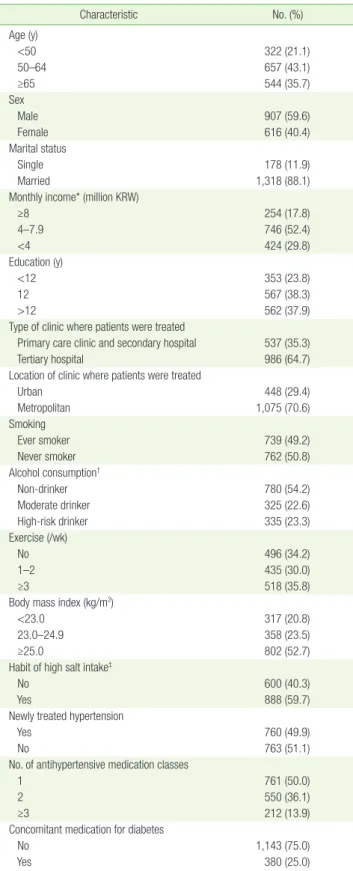
Table 1. Baseline characteristics of the study population (n=1,523)
Characteristic No. (%)
Age (y)
<50 322 (21.1)
50–64 657 (43.1)
≥65 544 (35.7)
Sex
Male 907 (59.6)
Female 616 (40.4)
Marital status
Single 178 (11.9)
Married 1,318 (88.1)
Monthly income* (million KRW)
≥8 254 (17.8)
4–7.9 746 (52.4)
<4 424 (29.8)
Education (y)
<12 353 (23.8)
12 567 (38.3)
>12 562 (37.9)
Type of clinic where patients were treated
Primary care clinic and secondary hospital 537 (35.3)
Tertiary hospital 986 (64.7)
Location of clinic where patients were treated
Urban 448 (29.4)
Metropolitan 1,075 (70.6)
Smoking
Ever smoker 739 (49.2)
Never smoker 762 (50.8)
Alcohol consumption†
Non-drinker 780 (54.2)
Moderate drinker 325 (22.6)
High-risk drinker 335 (23.3)
Exercise (/wk)
No 496 (34.2)
1–2 435 (30.0)
≥3 518 (35.8)
Body mass index (kg/m2)
<23.0 317 (20.8)
23.0–24.9 358 (23.5)
≥25.0 802 (52.7)
Habit of high salt intake‡
No 600 (40.3)
Yes 888 (59.7)
Newly treated hypertension
Yes 760 (49.9)
No 763 (51.1)
No. of antihypertensive medication classes
1 761 (50.0)
2 550 (36.1)
≥3 212 (13.9)
Concomitant medication for diabetes
No 1,143 (75.0)
Yes 380 (25.0)
(Continued to the next page)
Table 1. Continued
Characteristic No. (%)
Concomitant medication for dyslipidemia
No 783 (51.4)
Yes 740 (48.6)
KRW, Korean won.
*Monthly income in million KRW or 1,000 US dollar. †Moderate alcohol consumption was defined as 8 standard glasses or less per week for men under 65 years of age and 4 standard glasses or less per week for women and men over 65 years of age.
High-risk alcohol consumption was defined as more than 8 standard glasses per week for men under 65 years of age and more than 4 standard glasses per week for women and men over 65 years of age. ‡Habit of salt intake was evaluated with 3 questionnaires (scoring system of 0 to 12); high intake was defined as a total score
≥18 for men and ≥16 for women.
RESULTS
1. Participant Characteristics
Table 1 presents the baseline characteristics of the study population (N=1,523). Participants were predominantly male (59.6%), married (88.1%), and had a monthly income that ranged from 4 to 7.9 million KRW (52.4%). Over half the participants (52.7%) were obese (BMI
≥25.0 kg/m2). The majority of the hypertensive participants (43.1%) were in the age-group of 50–64 years. Overall, 17.3% were current smokers and 23.3% were high-risk drinkers. A total of 699 patients (59.7%) had a habit of high salt usage. Overall, 761 patients (50.0%) were on ARB monotherapy, 550 (36.1%) were on dual therapy, and 212 (13.9%) were on multidrug therapy with ≥3 classes of antihypertensive medications. Approximately 24.9% and 51.4% of patients were also re- ceiving medication for diabetes and dyslipidemia, respectively. A total of 104 participants had concomitant disease such as coronary artery disease (42, 2.8%), cerebral vascular disease (53, 3.5%), and vascular disease involving major arteries (19, 1.2%). The types of clinics where patients were treated were primary care clinics, secondary hospitals (537, 35.3%), and tertiary hospitals (986, 64.7%). The clinics where pa- tients were treated were mostly located in metropolitan (1,075, 70.6%) areas; the remaining patients received treatment in urban areas (448, 29.4%).
Table 2. Comparison of demographic and lifestyle factors between the adherent and nonadherent groups
Characteristic
Good adherence*
(N=1,245)
Poor adherence*
(N=278) P-value† Age (y)
<50 252 (20.2) 70 (25.2) <0.001
50–64 504 (40.5) 153 (55.0)
≥65 489 (39.3) 55 (19.8)
Sex
Male 731 (58.7) 176 (63.3) 0.158
Female 514 (41.3) 102 (36.7)
Marital status
Single 155 (12.6) 23 (8.6) 0.064
Married 1,073 (87.4) 245 (91.4)
Monthly income‡ (million KRW)
≥8 208 (17.8) 46 (17.9) 0.002
4–7.9 589 (50.5) 157 (61.1)
<4 370 (31.7) 54 (21.0)
Education (y)
<12 304 (25.0) 49 (18.4) 0.071
12 460 (37.8) 107 (40.2)
>12 452 (37.2) 110 (41.4)
Type of clinic where patients are treated
Primary care clinic and
secondary hospital 428(34.6) 28(45.2) 0.089 Tertiary hospital 809 (65.4) 34 (54.8) Location of clinic where patients were
treated
Urban 395 (31.7) 53 (19.1) <0.001
Metropolitan 850 (68.3) 225 (80.9) Smoking
Ever smoker 609 (49.6) 130 (47.8) 0.600 Never smoker 620 (50.4) 142 (52.2) Alcohol consumption§
Non-drinker 644 (54.7) 136 (51.7) 0.290 Moderate drinker 256 (21.8) 69 (26.2) High-risk drinker 277 (23.5) 58 (22.1) Exercise (/wk)
0 380 (32.1) 116 (43.6) 0.001
1–2 360 (30.4) 75 (28.2)
≥3 443 (37.4) 75 (28.2)
Body mass index (kg/m2)
<23.0 255 (21.2) 60 (22.2) 0.407
23.0–24.9 301 (25.0) 57 (21.1)
≥25.0 649 (53.9) 153 (56.7)
Habit of high salt intake∥
No 518 (42.6) 82 (30.3) <0.001
Yes 699 (57.4) 189 (69.7)
Newly treated hypertension
No 585 (47.0) 175 (62.9) <0.001
Yes 660 (53.0) 103 (37.1)
No. of antihypertensive medication class
1 585 (47.0) 176 (63.3) <0.001
2 461 (37.0) 89 (32.0)
≥3 199 (16.0) 13 (4.7)
(Continued to the next page)
Table 2. Continued
Characteristic Good
adherence*
(N=1,245)
Poor adherence*
(N=278)
P-value†
Concomitant medication for diabetes
No 910 (73.1) 233 (83.8) <0.001
Yes 335 (26.9) 45 (16.2)
Concomitant medication for dyslipidemia
No 617 (49.6) 166 (59.7) 0.002
Yes 628 (50.4) 112 (40.3)
Family history of hypertension
No 496 (40.3) 134 (49.8) 0.004
Yes 736 (59.7) 135 (50.2)
Family history of cardiovascular disease
No 865 (70.3) 214 (79.6) 0.002
Yes 366 (29.7) 55 (20.4)
Values are presented as number (%).
KRW, Korean won.
*Adherence was calculated using the pill count method. Adherence ratio (%)={(number of prescribed pills−number of residual pills)/number of prescribed pills}×100. We defined good and poor adherence as an adherence ratio ≥0.80 and
<0.80, respectively. †P-values calculated using the t-test for continuous variables or the chi-square test for categorical variables. ‡Monthly income in million KRW or 1,000 US dollars. §Moderate alcohol consumption was defined as 8 standard glasses or less per week for men under 65 years of age and 4 standard glasses or less per week for women and men over 65 years of age. High-risk alcohol consumption was defined as more than 8 standard glasses per week for men under 65 years of age and more than 4 standard glasses per week for women and men over 65 years of age. ∥Habit of salt intake was evaluated with 3 questionnaires (scoring system of 0 to 12) and high intake was defined as a total score ≥18 for men and ≥16 for women.
2. Comparison of Sociodemographic, Lifestyle, and Disease- Related Factors for Good and Poor Adherence
Of the 1,523 participants, 1,245 (81.7%) showed good adherence to an- tihypertensive medication, while 278 (18.3%) showed poor adherence (Table 2). The duration of follow-up for each participant was different between both groups. For patients who showed good adherence to antihypertensive medication, the mean follow-up duration was 181.9±83.5 days, and for those with poor adherence, the follow-up du- ration was 190.9±83.5 days (P=0.287). Age, monthly income, location
of clinic where patients were treated, exercise, habit of salt intake, classes of antihypertensive medication, concomitant medication for diabetes or dyslipidemia, and family history of hypertension or cardio- vascular disease were significantly associated with adherence (P<0.05).
3. Predictors of Medication Adherence
The variables listed in Tables 3 and 4 were assessed for their associa- tion with good adherence to antihypertensive medication. Binary lo- Table 3. Association of sociodemographic and lifestyle factors with adherence to antihypertensive medication
Variable Age, sex-adjusted Multivariate*
OR (95% CI) P-value OR (95% CI) P-value
Age (y)
<50 1 (Ref) 1 (Ref)
50–64 0.90 (0.65–1.25) 0.524 0.80 (0.56–1.13) 0.195
≥65 2.41 (1.63–3.57) <0.001 1.83 (1.18–2.83) 0.007
Sex
Male 1 (Ref) 1 (Ref)
Female 1.09 (0.82–1.44) 0.565 1.05 (0.78–1.42) 0.742
Marital status
Single 1 (Ref) 1 (Ref)
Married 0.66 (0.41–1.04) 0.074 0.80 (0.50–1.29) 0.360
Monthly income† (million KRW)
≥8 1 (Ref) 1 (Ref)
4–7.9 0.78 (0.54–1.12) 0.181 0.81 (0.56–1.17) 0.262
<4 1.20 (0.76–1.88) 0.436 1.35 (0.85–2.14) 0.207
Education (y)
<12 1.00 (Ref.) 1.00 (Ref.)
12 0.83 (0.56–1.21) 0.326 0.79 (0.53–1.20) 0.270
>12 0.90 (0.59–1.36) 0.605 0.88 (0.56–1.63) 0.556
Type of clinic where patients were treated
Primary care clinic and secondary hospital 1 (Ref) 1 (Ref)
Tertiary hospital 1.55 (0.93–2.59) 0.096 1.35 (0.78–2.36) 0.289
Location of clinic where patients were treated
Urban 1 (Ref) 1 (Ref)
Metropolitan 1.90 (1.13–3.17) 0.015 1.86 (1.07–3.25) 0.029
Smoking
Ever smoker 1 (Ref) 1 (Ref)
Never smoker 0.701 (0.49–1.00) 0.051 0.72 (0.49–1.06) 0.095
Alcohol consumption‡
Non-drinker 1 (Ref) 1 (Ref)
Moderate drinker 0.96 (0.67–1.37) 0.816 0.93 (0.64–1.35) 0.691
High-risk drinker 1.31 (0.89–1.92) 0.171 1.31 (0.88–1.95) 0.191
Exercise (/wk)
0 1 (Ref) 1 (Ref)
1–2 1.42 (1.03–1.98) 0.034 1.43 (1.02–2.01) 0.041
≥3 1.63 (1.17–2.26) 0.004 1.57 (1.12–2.20) 0.009
Body mass index (kg/m2)
<23.0 1 (Ref) 1 (Ref)
23.0–24.9 1.36 (0.91–2.04) 0.135 1.25 (0.82–1.91) 0.308
≥25.0 1.22 (0.86–1.73) 0.261 1.01 (0.69–1.46) 0.966
R2=7.629 (Hosmer-Lemeshow), P=0.470.
OR, odds ratio; CI, confidence interval; Ref, reference; KRW, Korean won.
*Logistic regression analysis was conducted after adjusting for age, sex, monthly income, and exercise frequency. †Monthly income in million KRW or 1,000 US dollars.
‡Moderate alcohol consumption was defined as 8 standard glasses or less per week for men under 65 years of age and 4 standard glasses or less per week for women and men over 65 years of age. High-risk alcohol consumption was defined as more than 8 standard glasses per week for men under 65 years of age and more than 4 standard glasses per week for woman and men over 65 years of age.
gistic regression was performed with adjustment for age and sex. Vari- ables that showed a significant association with adherence were in- cluded in the multivariate logistic regression analysis as candidate variables. After adjustment for relevant baseline factors, participants who were ≥65 years of age (OR, 1.83; 95% CI, 1.18–2.83), who were treated at a metropolitan-located hospital (OR, 1.86; 95% CI, 0.78–
2.36), and who exercised 1–2 times (OR, 1.43; 95% CI, 1.02–2.01) or ≥3 times (OR, 1.57; 95% CI, 1.12–2.20) per week showed good adherence (Table 3).
On multivariate logistic regression analysis of disease-related factors after adjustment for age, sex, monthly income, and exercise (Table 4), treatment with 2 classes (OR, 1.55; 95% CI, 1.14–2.12) and ≥3 classes of antihypertensive medication (OR, 3.82; 95% CI, 2.06–7.10), concomi- tant treatment for diabetes (OR, 1.67; 95% CI, 1.16–2.40) or dyslipid- emia (OR, 1.48; 95% CI, 1.12–1.97), and family history of hypertension (OR, 1.72; 95% CI, 1.29–2.30), or cardiovascular disease (OR, 1.70; 95%
CI, 1.21–2.39) were significantly associated with good adherence. Pa- tients who had a habit of high salt intake were less adherent to antihy- pertensive medication (OR, 0.64; 95% CI, 0.48–0.67).
DISCUSSION
Of the 1,523 participants in the present study, 1,245 (81.7%) showed good adherence to antihypertensive therapy. Patients who were ≥65 years of age, who were treated at a metropolitan hospital, and those who exercised ≥1 time per week showed good adherence to antihyper- tensive medication. However, patients with a high salt intake were less
adherent to medication. Patients with good adherence were more likely to be on ≥2 classes of antihypertensive medication and concomi- tant medication for diabetes and dyslipidemia and were likely to have a family history of hypertension or cardiovascular disease.
The adherence rate was higher than that reported in previous stud- ies in China (51.7%) and the United States (67.6%).16,17) Because our study was conducted primarily in level 2 or 3 hospitals, which enrolled participants with relatively higher income and education status than the average Korean adults, this could account for a higher adherence rate.17) Older age was shown to be associated with better treatment ad- herence among hypertensive patients due to perceived susceptibility and severity of the disease.18-20) Although most studies are conducted based on the residence of patients, the finding in this study suggests that a regional barrier of heath care provision between urban and met- ropolitan areas may affect medication adherence.21) Medical services are focused around metropolitan areas, which may enhance competi- tion between clinics to provide better services for patients. We suggest that this positively affected medication adherence in patients who were treated in metropolitan rather than in urban clinics.
In our study, patients with high salt intake showed poor adherence to antihypertensive medication. In an observational study conducted in India,22) poor adherence to treatment was noted in persons with un- restricted dietary habits and a high salt intake of >5 mg per day. Ac- cording to another study,20) among patients who were treated for both diabetes and hypertension by family physicians, those who exercised regularly or had a healthy diet with a low salt intake or both were more likely to have good adherence to medication. These results suggest Table 4. Association between hypertension-related factors and adherence to antihypertensive medication
Variable Age, sex-adjusted Multivariate*
OR (95% CI) P-value OR (95% CI) P-value
No. of antihypertensive medication classes
1 1 (Ref) 1 (Ref)
2 1.47 (1.10–1.96) 0.009 1.55 (1.14–2.12) 0.005
≥3 4.07 (2.25–7.36) <0.001 3.82 (2.06–7.10) <0.001
Habitual high salt intake†
No 1 (Ref) 1 (Ref)
Yes 0.60 (0.45–0.80) <0.001 0.64 (0.48–0.67) 0.004
Concomitant medication for diabetes
No 1 (Ref) 1 (Ref)
Yes 1.77 (1.25–2.50) 0.001 1.67 (1.16–2.40) 0.006
Concomitant medication for dyslipidemia
No 1 (Ref) 1 (Ref)
Yes 1.45 (1.11–1.89) 0.006 1.48 (1.12–1.97) 0.006
Family history of hypertension
No 1 (Ref) 1 (Ref)
Yes 1.66 (1.27–2.18) <0.001 1.72 (1.29–2.30) <0.001
Family history of cardiovascular disease
No 1 (Ref) 1 (Ref)
Yes 1.70 (1.23–2.35) 0.001 1.70 (1.21–2.39) 0.002
R2=6.323 (Hosmer-Lemeshow), P=0.611.
OR, odds ratio; CI, confidence interval; Ref, reference.
*Logistic regression analysis adjusted for age, sex, monthly income, and exercise frequency. †Habit of salt intake was evaluated with 3 questionnaires (scoring system of 0 to 12). High intake was defined as a total score of ≥18 for men and ≥16 for women.
that interventions aimed at lifestyle modification can reinforce good adherence to medications.
Known cardiovascular risk factors (i.e., diabetes mellitus and dyslip- idemia) showed a significant association with good adherence to anti- hypertensive medications; this is consistent with a previous study.23) The association of a family history of hypertension or cardiovascular disease with adherence has also been shown in other studies.23,24) Pa- tients with concomitant comorbid conditions, especially those related to cardiovascular risk factors, are more likely to be aware of being at a higher risk and, therefore, more likely to adhere to a therapeutic regi- men.23)
A previous descriptive study showed a positive association between adherence and the number of pills.25) This association is consistent with that observed in our study, although in our study, we analyzed the variable disaggregated by the number of classes of antihyperten- sive medication rather than by the number of antihypertensive drugs.
It could be partially explained by the possibility that patients who are prescribed multiple pills tend to be more motivated to take medica- tions due to the perception of the severity of the disease.25) A second explanation may be that patients who are prescribed multiple medica- tions daily are less likely to forget them compared to those prescribed only 1 pill.25) Moreover, as patients may visit family physicians more frequently for medication refills, this may strengthen adherence.20) There were several limitations in this study. First, our population may not reflect the general population of Korea as baseline demo- graphic characteristics show that participants were relatively educated with high income. However, patients were recruited from various hos- pitals and different areas of Korea, making the study population het- erogeneous. Second, adherence was measured indirectly using the pill count method. The direct method includes measurement of the con- centration of the drug or its metabolite in body fluids (i.e., urine or blood) or measurement of biological markers.14) However, direct meth- ods are expensive, invasive and can also induce bias if the patient only takes medication just before the upcoming test. Also the pill count method has been shown to be more accurate compared to other sub- jective methods.14) Third, the habit of salt usage was evaluated using a questionnaire rather than a precise quantification of salt intake. How- ever, dietary surveys require fewer resources and enable the identifica- tion of dietary sources of salt that can be used for public health inter- ventions.26,27) There are different patterns of sodium consumption in different populations. For instance, in Western countries, most intake is from sodium content in processed food,26) but in some countries such as Korea, most of the salt is added during cooking through salt or sauce or added at the time of consumption. Dietary questionnaires may better reflect this pattern of salt usage behavior. Moreover, in a study conducted in Australia,28) a scored sodium questionnaire showed a significant correlation with 24-hour urine sodium. Fourth, we only included sociodemographic and lifestyle factors, whereas oth- er factors such as patient, provider, family context, social or occupa- tional conditions, and health system can have effect on adherence.
Fifth, inherent in every observational study, there may have been re-
sidual confounding effects due to unmeasured or unrecorded factors.
This study has several strengths. First, the number of participants included in this study is large. Consequently, the results of our study seem notable. Second, participants of this study were recruited from various facilities by primary care physicians. Thus, the findings of the present study may be applied in family medicine clinical situation.
In conclusion, patients who showed good adherence to antihyper- tensive medication were on ≥2 classes of antihypertensive medication and other concomitant medications such as those for diabetes and dyslipidemia. High salt intake was associated with lower adherence.
Among these factors, salt intake and exercise are modifiable factors. As such, we may employ these findings to identify patients who are less likely to adhere to medication for those who visit family medicine phy- sicians to enhance adherence to medication.
CONFLICT OF INTEREST
No potential conflict of interest relevant to this article was reported.
ACKNOWLEDGMENTS
This study was supported in part by the Daiichi Sankyo Company in Korea.
REFERENCES
1. World Health Organization. Global status report on noncommunica- ble diseases 2014. Geneva: World Health Organization; 2014.
2. Korea Centers for Disease Control and Prevention. Korean health sta- tistics 2014; National Health and Nutrition Survey. Cheongju: Korea Centers for Disease Control and Prevention; 2015.
3. Burke TA, Sturkenboom MC, Lu SE, Wentworth CE, Lin Y, Rhoads GG.
Discontinuation of antihypertensive drugs among newly diagnosed hypertensive patients in UK general practice. J Hypertens 2006;24:
1193-200.
4. Moon JY, Park KJ, Hwangbo Y, Lee MR, Yoo BI, Won JH, et al. A trend analysis of the prevalence, awareness, treatment, and control of hyper- tension by age group. J Prev Med Public Health 2013;46:353-9.
5. Wu L, He Y, Jiang B, Sun D, Wang J, Liu M, et al. Trends in prevalence, awareness, treatment and control of hypertension during 2001-2010 in an urban elderly population of China. PLoS One 2015;10:e0132814.
6. Hassan NB, Hasanah CI, Foong K, Naing L, Awang R, Ismail SB, et al.
Identification of psychosocial factors of noncompliance in hyperten- sive patients. J Hum Hypertens 2006;20:23-9.
7. Borzecki AM, Oliveria SA, Berlowitz DR. Barriers to hypertension con- trol. Am Heart J 2005;149:785-94.
8. Vrijens B, Vincze G, Kristanto P, Urquhart J, Burnier M. Adherence to prescribed antihypertensive drug treatments: longitudinal study of electronically compiled dosing histories. BMJ 2008;336:1114-7.
9. Kim HJ, Moon K, Park TH, Park SY, Yoon SJ, Oh IH. Factors affecting treatment compliance in new hypertensive patients in Korea. Clin Exp Hypertens 2016;38:701-9.
10. Rolnick SJ, Pawloski PA, Hedblom BD, Asche SE, Bruzek RJ. Patient
characteristics associated with medication adherence. Clin Med Res 2013;11:54-65.
11. Kim JS. Management of drinking patients in primary care. Korean J Fam Pract 2012;2:280-8.
12. Kim HJ, Paik HY, Lee SY, Shim JE, Kim YS. Salt usage behaviors are re- lated to urinary sodium excretion in normotensive Korean adults. Asia Pac J Clin Nutr 2007;16:122-8.
13. Lee JA, Kim WS, Bae MJ, Kim YS, Oh HJ, Lee SY, et al. The effectiveness of short term mobile phone text reminders in improving compliance among hypertensive patients. Korean J Health Promot 2014;14:1-8.
14. Lam WY, Fresco P. Medication adherence measures: an overview.
Biomed Res Int 2015;2015:217047.
15. Matsumura K, Arima H, Tominaga M, Ohtsubo T, Sasaguri T, Fujii K, et al. Impact of antihypertensive medication adherence on blood pres- sure control in hypertension: the COMFORT study. QJM 2013;106:
909-14.
16. Patel RP, Taylor SD. Factors affecting medication adherence in hyper- tensive patients. Ann Pharmacother 2002;36:40-5.
17. Yue Z, Bin W, Weilin Q, Aifang Y. Effect of medication adherence on blood pressure control and risk factors for antihypertensive medica- tion adherence. J Eval Clin Pract 2015;21:166-72.
18. Kamran A, Sadeghieh Ahari S, Biria M, Malepour A, Heydari H. Deter- minants of patient’s adherence to hypertension medications: applica- tion of health belief model among rural patients. Ann Med Health Sci Res 2014;4:922-7.
19. Kang CD, Tsang PP, Li WT, Wang HH, Liu KQ, Griffiths SM, et al. De- terminants of medication adherence and blood pressure control among hypertensive patients in Hong Kong: a cross-sectional study.
Int J Cardiol 2015;182:250-7.
20. Natarajan N, Putnam W, van Aarsen K, Beverley Lawson K, Burge F.
Adherence to antihypertensive medications among family practice patients with diabetes mellitus and hypertension. Can Fam Physician 2013;59:e93-e100.
21. Park JH, Shin Y, Lee SY, Lee SI. Antihypertensive drug medication ad- herence and its affecting factors in South Korea. Int J Cardiol 2008;128:392-8.
22. Venkatachalam J, Abrahm SB, Singh Z, Stalin P, Sathya GR. Determi- nants of patient’s adherence to hypertension medications in a rural population of Kancheepuram district in Tamil Nadu, South India. In- dian J Community Med 2015;40:33-7.
23. Mazzaglia G, Ambrosioni E, Alacqua M, Filippi A, Sessa E, Immordino V, et al. Adherence to antihypertensive medications and cardiovascu- lar morbidity among newly diagnosed hypertensive patients. Circula- tion 2009;120:1598-605.
24. Mallya SD, Kumar A, Kamath A, Shetty A, Mishra S. Assessment of treatment adherence among hypertensive patients in a coastal area of Karnataka, India. Int J Community Med Public Health 2017;3:1998- 2003.
25. Hashmi SK, Afridi MB, Abbas K, Sajwani RA, Saleheen D, Frossard PM, et al. Factors associated with adherence to anti-hypertensive treatment in Pakistan. PLoS One 2007;2:e280.
26. McLean RM. Measuring population sodium intake: a review of meth- ods. Nutrients 2014;6:4651-62.
27. Hawkes C, Webster J. National approaches to monitoring population salt intake: a trade-off between accuracy and practicality? PLoS One 2012;7:e46727.
28. Mason B, Ross L, Gill E, Healy H, Juffs P, Kark A. Development and val- idation of a dietary screening tool for high sodium consumption in Australian renal patients. J Ren Nutr 2014;24:123-34.