• 검색 결과가 없습니다.

Ameliorative Effect of a Selective Endothelin ETA

N/A
N/A
Protected

Academic year: 2022

Share "Ameliorative Effect of a Selective Endothelin ETA"

Copied!
9
0
0

로드 중.... (전체 텍스트 보기)

전체 글

(1)

201 http://dx.doi.org/10.4196/kjpp.2014.18.3.201

ABBREVIATIONS: AChE, acetylcholine esterase; AD, Alzheimer's disease; BSA, bovine serum albumin; DMSO, dimethyl sulfoxide;

DTNB, 5,5-dithiobis (2-nitrobenzoic acid); ELT, escape latency time;

GSH, reduced glutathione; p.o., periorbital; MWM, Morris water maze; CMC, carboxymethylcellulose; NED, Naphthylethylenediamine;

TBARS, thiobarbituric acid reactive substances; TSTQ, time spent in target quadrant.

Received January 6, 2014, Revised March 17, 2014, Accepted April 12, 2014

Corresponding to: Nirmal Singh, Pharmacology Division, Depart- ment of Pharmaceutical Sciences and Drug Research, Faculty of Medicine, Punjabi University, Patiala (Punjab) 147002, India. (Tel) 91-9815129884, (Fax) 91-175-2283073, (E-mail) nirmal_puru@

rediffmail.com

This is an Open Access article distributed under the terms of the Creative Commons Attribution Non-Commercial License (http://

creativecommons.org/licenses/by-nc/3.0) which permits unrestricted non-commercial use, distribution, and reproduction in any medium, provided the original work is properly cited.

Ameliorative Effect of a Selective Endothelin ET A Receptor

Antagonist in Rat Model of L-Methionine-induced Vascular Dementia

Gautamjeet S Mangat, Amteshwar S Jaggi, and Nirmal Singh

Pharmacology Division, Department of Pharmaceutical Sciences and Drug Research, Faculty of Medicine, Punjabi University, Patiala (Punjab) 147002, India

The present study was designed to investigate the efficacy of selective ET

A

receptor antagonist, am- brisentan on hyperhomocysteinemia-induced experimental vascular dementia. L-methionine was admi- nistered for 8 weeks to induce hyperhomocysteinemia and associated vascular dementia in male rats.

Ambrisentan was administered to L-methionine-treated effect rats for 4 weeks (starting from 5

th

to 8

th

week of L-methionine treatment). On 52

nd

day onward, the animals were exposed to the Morris water maze (MW M) for testing their learning and memory abilities. Vascular endothelial function, serum nitrite/nitrate levels, brain thiobarbituric acid reactive species (TBARS), brain reduced gluta- thione (GSH) levels, and brain acetylcholinesterase (AChE) activity were also measured. L-methi- onine-treated animals showed significant learning and memory impairment, endothelial dysfunction, decrease in/serum nitrite/nitrate and brain GSH levels along with an increase in brain TBARS levels and AChE activity. Ambrisentan significantly improved hyperhomocysteinemia-induced impairment of learning, memory, endothelial dysfunction, and changes in various biochemical parameters. These effects were comparable to that of donepezil serving as positive control. It is concluded that ambri- sentan, a selective ET

A

receptor antagonist may be considered as a potential pharmacological agent for the management of hyperhomocysteinemia-induced vascular dementia.

Key Words: Ambrisen, L-Methionine, Morris water-maze, Vascular dementia

INTRODUCTION

Dementia is a syndrome due to disease of the brain, usu- ally of a chronic or progressive nature, in which there is disturbance of multiple higher cortical and neuropsycholo- gical functions including memory, thinking, orientation, and comprehension, calculation, learning capacity, langu- age and judgement [1]. Dementia of vascular origin (VaD) has gained much attention in the past years for being the second most common type of dementia after Alzheimer’s disease (AD) [2,3]. It was estimated that 35.6 million people lived with dementia worldwide in 2010, with numbers ex- pected to almost double every 20 years, to 65.7 million in 2030 and 115.4 million in 2050 [4]. VaD in turn has in- creased the risk of recurrent stroke, dependent living and death [5]. As the incidence rate of dementia increases rap-

idly with advancing age, a large increase in the number of patients is expected as a result of continuous aging of the population [6].

There is substantial evidence from observational studies that conventional risk factors such as hypertension [7], dys- lipidemia [8], smoking [9], hyperhomocysteinemia [10] and diabetes [11] play a key role in the development of VaD and targeting these risk factors will minimize the burden.

Our research group has recently reported that VaD can be induced in rats with the help of hyperhomocysteinemia, diabetes, experimental hypertension and hyperlipidemia [12,13].

Endothelin (ET) and nitric oxide (NO) are well known

mediators produced by endothelial cells to maintain hemo-

dynamic responses [14]. There are three main endothelial

isoforms: ET-1, ET-2 and ET-3, of which ET-1 is the most

potent vasoconstrictor agent. ET-1 binds to two receptors,

endothelin A (ET

A

) and endothelin B (ET

B

) which are respo-

nsible for a variety of physiological functions, primarily

blood flow control [15]. A key event in endothelial dysfunc-

tion is the reduction in bioavailability and biological activ-

ity of NO. Studies have demonstrated endothelial dysfunc-

(2)

tion in hyperhomocysteinemia leading to increased sensi- tivity to endothelin-1 and decreased relaxation in basilar artery [16]. Reduced levels of NO contribute to increased vascular tone, inflammation, platelet aggregation and oxi- dative stress which all are central features of athero- sclerosis and hyperhomocysteinemia [17]. Endothelin re- ceptor antagonists including ambrisentan are noted to exert their anti-inflammatory actions along with reduction in re- active oxygen species (ROS) generation which are sub- sequently responsible for endothelial dysfunction [18,19].

ET receptor antagonists have also been shown to provide a beneficial effect in various cerebrovascular disorders such as moyamoya disease [20], ischemic stroke [21] and sub- arachnoid hemorrhage [22]. Furthermore it has been re- cently reported that these antagonists have potential for the treatment of AD [23]. However, the potential of endo- thelin receptor antagonists in VaD is still unexplored.

The present study has been undertaken to investigate the efficacy of ambrisentan, a selective ET

A

endothelin receptor antagonist in a rat model of L-methionine-induced VaD.

METHODS Animals

Adult male albino Wistar rats, weighing 200∼250 g were employed in the present study and were housed in animal house with free access to water and standard chow (Kisan Feeds Ltd, Mumbai, India). The animals were exposed to 12 h light and 12 h dark cycle. The experiments were con- ducted between 9.00 and 18.00 h. The animals were acclim- atized to laboratory conditions five days prior to behavioral study and were maintained in the laboratory until the com- pletion of the study. The protocol of the study was duly approved by the Institutional Animal Ethics Committee (Approval No. 2012/14) and care of the animals was taken as per the guidelines of the Committee for the Purpose of Control and Supervision of Experiments on Animals (CPCSEA), Ministry of Environment and Forests, India (Reg No.

107/1999).

Drugs and reagents

All the drug solutions were freshly prepared before use.

Donepezil was obtained as a gift sample from Wokhardt Ltd, Baddi, Himachal Pradesh, India. Ambrisentan was purchased from Atra Drugs Pvt Ltd, Hyderabad, India.

Folin-Ciocalteu’s Phenol and Acetylthiocholine were pur- chased from Merck Limited, Mumbai, India. L-methionine was purchased from SD fine chemicals limited, Mumbai, India. 5,5’, dithiobis (2-nitrobenzoic acid) (DTNB), reduced glutathione (GSH), bovine serum albumin (BSA), sulfanila- mide, N-naphthylethylenediamine (NED) and thiobarbi- turic acid were obtained from Loba Chem, Mumbai, India.

Sodium nitroprusside was purchased from SD fine chem- icals limited, Mumbai, India. Phenylephrine was obtained as a free sample from Aarti industries, Dombivli (East), Maharashtra, India. All the agents including ambrisentan, L-methionine and donepezil were administered orally.

Ambrisentan and L-methionine were suspended in 0.5%

w/v of CMC (Carboxymethylcellulose) whereas donepezil was dissolved in saline.

L-Methionine induced vascular dementia

L-methionine (1.7 g/kg/day, p.o.) was administered for 8 weeks to produce hyperhomocysteinemia induced vascular dementia in rats [12]. Body weight of rats was monitored weekly. Rats were subjected to Morris water maze test for the evaluation of their learning and memory status after a span of 8 weeks. L-methionine treatment was continued during acquisition trials on the Morris water maze. Anal- ysis of serum homocysteine concentration was conducted on 1

st

day of the study before L-methionine treatment and on the 52

nd

day of the study before exposure on the Morris water maze. Behavioral and other assessments were done on the 52

nd

day of L-methionine treatment [3]. HPLC sys- tem was additionally used to measure levels of homo- cysteine.

Assessment of learning and memory by Morris water maze (MWM)

Memory was tested by practicing Morris water maze which is one of the most commonly used animal models to assess memory [24,25]. It is based on a principle where rats are placed in a large pool of water and their tendency to escape from the water is accomplished by finding an escape platform as animals dislike swimming. MWM consists of a large circular pool (150 cm in diameter, 45 cm in height) filled to a depth of 30 cm. The pool contained water main- tained at a temperature of 22±2

o

C and 1 kg of powdered skim milk to make the water opaque. Two threads, fixed at right angle to each other on the rim of the pool were used to divide the tank into four equal quadrants. A sub- merged white platform (15 cm in diameter) was fixed at 1.5 cm below the surface of the water in one of the four locations, approximately 50 cm from the side walls [26].

There was no alteration in the position of platform through- out the training session. Four consecutive trials were con- ducted daily on each rat with a gap of 5 min. The rat was placed centrally between the quadrants, facing the wall of the pool with the drop location changing for each trial, and was allowed a time period of 120 s to locate the submerged platform. Later, 20 s was accustomed to each rat while stay- ing on the platform. If the rat failed to find the platform within 120 s, then it was guided gently onto the platform and allowed to remain there for 20 s. Escape latency time (ELT) was noted as an index of acquisition or learning to locate the hidden platform in the water maze was. The ani- mal was subjected to acquisition trials for four consecutive days. Randomized daily starting positions were exercised and were not repeated in any of the quadrants. Quadrant (Q4) was maintained as a target quadrant in all of the ac- quisition trials.

Day1 Q1 Q2 Q3 Q4

Day2 Q2 Q3 Q4 Q1

Day3 Q3 Q4 Q1 Q2

Day4 Q4 Q1 Q2 Q3

The platform was removed and each rat was allowed to ex- plore the pool for 120 s on the fifth day. Mean time spent in all four quadrants i.e. Q1, Q2, Q3 and Q4 were recorded.

Index of retrieval was noted at the mean time spent with

the animal in target quadrant i.e. Q4 in search of the hid-

den platform. Later, every rat was subjected to four such

trials and each trial was started from a different quadrant.

(3)

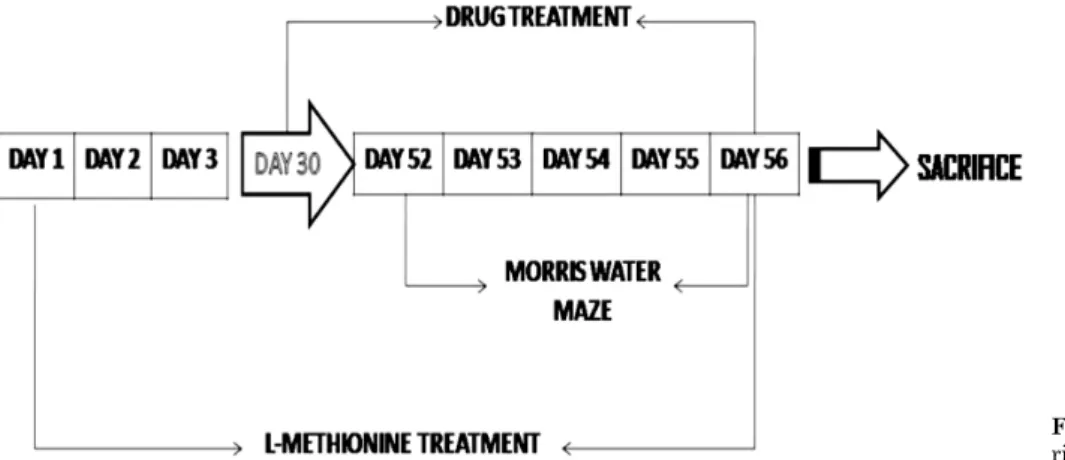
Fig. 1. Schematic presentation of expe- rimental protocol.

Same position was exercised by the experimenter during all trials while performing the MWM test. Prominent visual clues were not disturbed during the total duration of study as care was taken not to alter the relative location of the Morris water maze with respect to other objects in the laboratory. The proportion of time spent searching for the platform in the training quadrant, i.e. the previous location of the platform, was used as a measure of memory retention.

Biochemical assays

Blood samples for biochemical estimations were collected via retro-orbital bleeding just before sacrificing the animals.

They were kept at room temperature for a period of 30 min followed by centrifugation at 4000 rpm for 15 min done to separate serum which was later used for estimation of ho- mocysteine and nitrite/nitrate levels. The animals were sac- rificed by cervical dislocation; thoracic aorta and brain tis- sue were carefully removed. Thoracic aorta was used to es- timate endothelium dependent and independent relaxa- tions, whereas brain was subjected to various biochemical estimations. Clear supernatant was first obtained after ho- mogenizing the brain tissues in phosphate buffer (pH 7.4, 10% w/v) using teflon homogenizer followed by centri- fugation at 3000 rpm for 15 min. This clear supernatant was then removed carefully from the centrifugation tube and it was later used for different biochemical estimations of TBARS, GSH, AChE, nitrite and proteins.

Determination of homocysteine was carried out using HPLC (Varian Inc., CA, USA) attached with fluorescent HPLC detector according to the method of Dimitrova et al.

[27]. Serum nitrite concentration [28], whole brain AChE activity [29], TBARS levels [30], reduced glutathione (GSH) content [31] and total protein content [32] was assayed us- ing standard methods by spectrophotometry (DU 640B spec- trophotometer, Beckman Coulter Inc., CA, USA).

Assessment of vascular endothelial function using isolated rat aortic ring preparation

The rats were decapitated and descending thoracic aorta was removed. Thoracic aorta was cut into a ring of 3∼5 mm width and was mounted in the tissue bath chamber containing Krebs-Henseleit solution (NaCl, 119 mM; KCl, 4.7 mM; NaHCO

3

, 25 mM; MgSO

4

, 1.0 mM; Glucose, 11.1

mM; KH

2

PO

4

, 1.2 mM and CaCl

2

, 2.5 mM) maintained at 37.8ºC and bubbled with carbogen (95% O

2

and 5% CO

2

).

The ring was held with the help of two opposite parallel L-shaped stainless steel loops in opposite directions. One loop was connected with force-displacement transducer (FT- 2147) which was further coupled to physiograph (INCO, Ambala, India) whereas second loop was joined with a hold- er acting as an anchor submerged in bath chamber. The preparation was allowed to be stretched with 1.5 g tension followed by equilibration for 90 min with continuous wash- ing with bath solution after every 10∼15 min. The iso- metric contractile force was measured with the force-dis- placement transducer. The aortic ring preparation in- cubated with Krebs-Henseleit solution was primed with 80 mM KCl to check its functional integrity and to improve its contractility. The aortic ring preparation was stimulated with phenylephrine (3×10

-6

M) until the contractile re- sponse reached a steady tension. Cumulative dose re- sponses of acetylcholine (ACh; 10

-8

to 10

-4

M) and sodium nitroprusside (SNP; 10

-8

to 10

-4

M) were recorded with in- tact or denuded endothelium, respectively at 30 minute in- terval. The internal layer of aortic ring was rubbed gently with a moistened filter paper for 30 s to obtain an endothe- lial free preparation. The loss of ACh 10

-6

M-induced relaxa- tion confirmed the absence of endothelial layer.

Experimental protocol

In total eight groups have been employed in the present study and each group consisted of six rats (Fig. 1).

1. Group IControl group

Normal untreated rats were subjected to acquisition trial, conducted from day 1 to day 4 and retrieval trial, conducted on day 5 using MWM test.

2. Group II Vehicle control group

Rats were administered 0.5% w/v CMC (10 ml/kg/day, p.o.) for 4 weeks and then subjected to MWM test. The treatment was continued during acquisition (from 24

th

to 27

th

day) and retrieval trials (on 28

th

day) on MWM.

3. Group III L-Methionine treatment group

Rats were administered L-methionine (1.7 g/kg/day, p.o.)

for 51 days and then subjected to MWM test. The treatment

of L-methionine was continued during acquisition (from

(4)

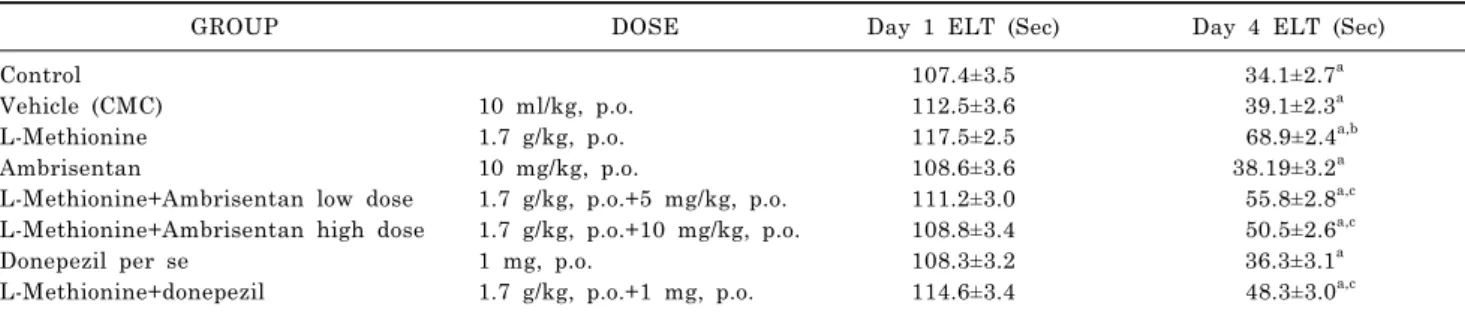
Table 1. Effect of pharmacological interventions on escape latency time (ELT) using Morris water maze

GROUP DOSE Day 1 ELT (Sec) Day 4 ELT (Sec)

Control 107.4±3.5 34.1±2.7

a

Vehicle (CMC) 10 ml/kg, p.o. 112.5±3.6 39.1±2.3

a

L-Methionine 1.7 g/kg, p.o. 117.5±2.5 68.9±2.4

a,b

Ambrisentan 10 mg/kg, p.o. 108.6±3.6 38.19±3.2

a

L-Methionine+Ambrisentan low dose 1.7 g/kg, p.o.+5 mg/kg, p.o. 111.2±3.0 55.8±2.8

a,c

L-Methionine+Ambrisentan high dose 1.7 g/kg, p.o.+10 mg/kg, p.o. 108.8±3.4 50.5±2.6

a,c

Donepezil per se 1 mg, p.o. 108.3±3.2 36.3±3.1

a

L-Methionine+donepezil 1.7 g/kg, p.o.+1 mg, p.o. 114.6±3.4 48.3±3.0

a,c

Each group (n=6) represents mean±standard deviation. Two way ANOVA followed by Bonferroni post hoc test. F (1, 40)=5210.38 for days, p<0.0001 and F (7, 40)=59.32 for treatment, p<0.0001.

a

p<0.01 versus Day 1 ELT in the respective group.

b

p<0.05 versus Day 4 ELT in the control group.

c

p<0.05 versus Day 4 ELT in L-Methionine treated group.

Fig. 2. Effect of pharmacological interventions on mean time spent in the target quadrant (TSTQ) using Morris water-maze test.

L-MET, L-Methionine; Amb LD, Ambrisentan low dose; Amb HD, Ambrisentan high dose; DON, Donepezil; CMC, Carboxymethyl- cellulose. Each group (n=6) represents mean±standard deviation.

Two way ANOVA followed by Bonferroni post hoc test.

a

p<0.05 versus mean time spent in other quadrants in control;

b

p<0.05 versus mean time spent in the target quadrant in control group;

c

p<0.05 versus mean time spent in the target quadrant in L- Methionine treated group.

52

nd

to 55

th

day) and retrieval trials (56

th

day) on the MWM.

4. Group IV Ambrisentan

Rats were administered ambrisentan (10 mg/kg/day, p.o.) for 4 weeks followed by exposure to the MWM; the rest of the procedure was same as described in group II.

5. Group V L-Methionine and Ambrisentan low dose Ambrisentan (5 mg/kg/day, p.o.) was administered to L-methionine (1.7 g/kg/day, p.o.) treated rats, starting from the 30th day of L-methionine treatment followed by expo- sure to MWM on the 52nd day of L-methionine administ- ration. The treatment was continued during acquisition (from 52

nd

to 55

th

day) and retrieval trials (on 56

th

day) on the MWM..

6. Group VI L-Methionine and Ambrisentan high dose Ambrisentan (10 mg/kg/day, p.o.) was administered to L-methionine (1.7 g/kg/day, p.o.) treated rats, starting from the 30

th

day of L-methionine treatment followed by ex- posure to MWM on the 52

nd

day of L-methionine admini- stration. The treatment continued during acquisition (from 52

nd

to 55

th

day) and retrieval trials (on 56

th

day) on the MWM.

7. Group VII Donepezil

Rats were administered donepezil (1 mg/kg/day, p.o.) for 4 weeks followed by exposure to MWM; the rest of the pro- cedure was same as described in group II.

8. Group VIII L-Methionine and Donepezil

Donepezil (1 mg/kg/day, p.o.) was administered to L-me- thionine (1.7 g/kg/day, p.o.) treated rats, starting from the 30

th

day of L-methionine treatment followed by exposure to MWM on the 52

nd

day of L-methionine administration.

The treatment continued during acquisition (from 52

nd

to 55

th

day) and retrieval trials (on 56

th

day) on the MWM.

Statistical analysis

Statistical analyses were done using Sigma stat 3.5. All results were expressed as means±standard deviation. Data for isolated aortic ring preparation were statistically ana- lyzed using repeated measures of analysis of variance (ANOVA) followed by Newman Keul's test. Data obtained from various groups was statistically analyzed using two-way ANOVA followed by Bonferroni Multiple Range

test in case of ELT and TSTQ. The rest of the data obtained from various groups was statistically analyzed using one- way ANOVA followed by Tukey’s test. p<0.05 was consid- ered to be statistically significant.

RESULTS

Effect on escape latency time (ELT) and time spent in the target quadrant (TSTQ), using the Morris water maze (MWM)

Control rats showed a downward trend in their ELT.

There was a significant fall in day 4 ELT, when compared

to day 1 ELT of these rats (Table 1). Further on day 5 a

significant rise in TSTQ was observed, when compared to

(5)

Fig. 3. Effect of pharmacological interventions on Ach-induced endo- thelium-dependent relaxation using an aortic ring preparation.

L-MET, L-Methionine; Amb LD, Ambrisentan low dose; Amb HD, Ambrisentan high dose; DON, Donepezil; CMC, Carboxymethyl- cellulose. Each group (n=6) represents mean±standard deviation.

Responses are expressed as percentage of precontraction induced by 3×10

-6

M phenylephrine. Repeated measure ANOVA followed by Newman Keul's test.

a

p<0.05 versus control;

b

p<0.05 versus L-Methionine treated group.

Fig. 4. Effect of pharmacological interventions on endothelium inde- pendent relaxation using an aortic ring preparation. L-MET, L-Methionine; Amb LD, Ambrisentan low dose; Amb HD, Ambri- sentan high dose; DON, Donepezil; CMC, Carboxymethylcellulose.

Each group (n=6) represents mean±standard deviation. Responses are expressed as percentage of precontraction induced by 3×10

-6

M phenylephrine. Repeated measure ANOVA followed by Newman Keul's test.

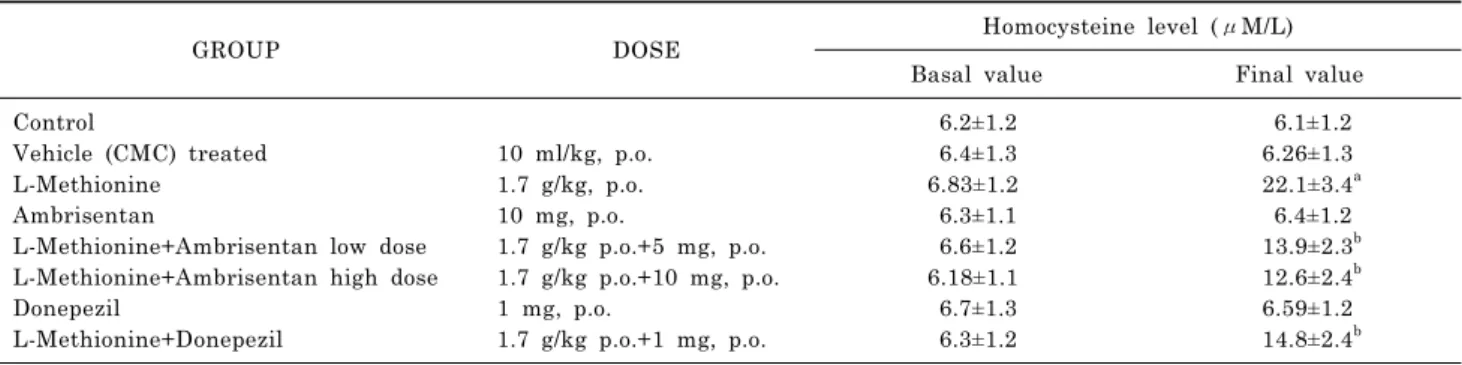
Table 2. Effect of various pharmacological interventions on serum homocysteine level of animals

GROUP DOSE Homocysteine level (μM/L)

Basal value Final value

Control 6.2±1.2 6.1±1.2

Vehicle (CMC) treated 10 ml/kg, p.o. 6.4±1.3 6.26±1.3

L-Methionine 1.7 g/kg, p.o. 6.83±1.2 22.1±3.4

a

Ambrisentan 10 mg, p.o. 6.3±1.1 6.4±1.2

L-Methionine+Ambrisentan low dose 1.7 g/kg p.o.+5 mg, p.o. 6.6±1.2 13.9±2.3

b

L-Methionine+Ambrisentan high dose 1.7 g/kg p.o.+10 mg, p.o. 6.18±1.1 12.6±2.4

b

Donepezil 1 mg, p.o. 6.7±1.3 6.59±1.2

L-Methionine+Donepezil 1.7 g/kg p.o.+1 mg, p.o. 6.3±1.2 14.8±2.4

b

Each group (n=6) represented by mean±SD.

One way ANOVA followed by Tukey's multiple range test. F (7, 40)=28.955.

a

p<0.05 versus basal values in L-Methionine group.

b
p<0.05 versus final values in L-Methionine group.

time spent in other quadrants (Fig. 2). Administration of 0.5% w/v CMC (10 ml/kg/day, p.o.) for 4 weeks did not show any significant effect on ELT and TSTQ. Administration of ambrisentan and donepezil did not show any significant effect on ELT and TSTQ (Table 1 and Fig. 2). Furthermore, L-methionine-treated rats showed a significant increase in day 4 ELT (55

th

day of L-methionine treatment), when com- pared to day 4 ELT of control animals (Table 1). Moreover, L-methionine administration produced a significant decre- ase in day 5 TSTQ (56

th

day of L-methionine treatment), when compared to day 5 TSTQ of control animals (Fig. 2),

indicating impairment of memory as well.

Daily administration of low and high ambrisentan and

donepezil prevented L-methionine induced rise in day 4

ELT significantly (p<0.0001, F (1, 40)=5210.38 for days,

and p<0.0001, F (7, 40)=59.32 for treatment), indicating

a reversal of L-methionine-induced impairment of acquis-

ition (Table 1). Further treatment with these drugs also

attenuated L-methionine-induced decrease in day 5 TSTQ

(p<0.0001, F (1, 40)=545.63 for days, and p<0.0001, F (7,

40)=5.38 for treatment), indicating a reversal of L-methio-

nine-induced impairment of memory (Fig. 2).

(6)

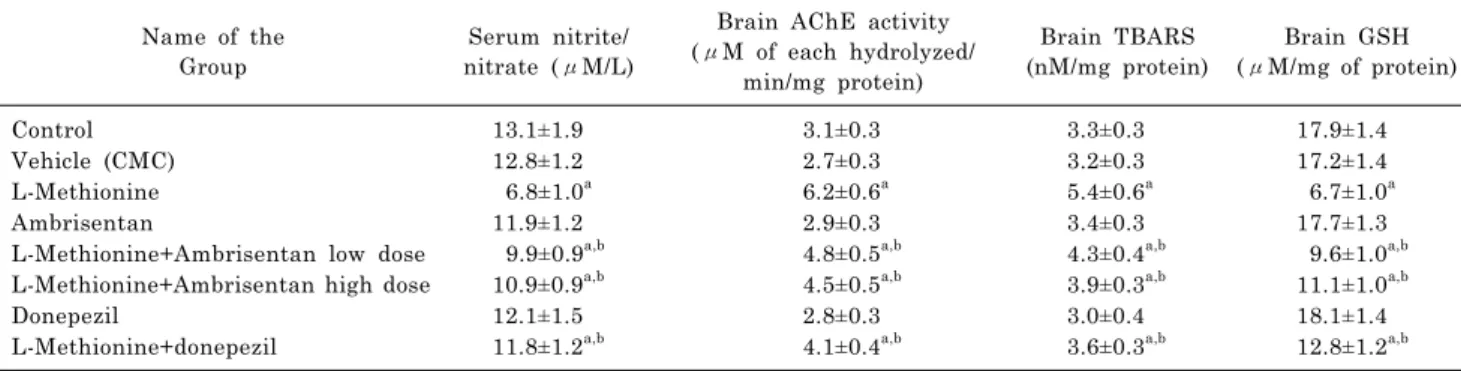
Table 3. Effect of various agents on serum nitrite/nitrate levels; brain acetylcholinesterase cholinesterase (AChE) activity and oxidative stress (TBARS, GSH levels) of animals

Name of the Group

Serum nitrite/

nitrate (μM/L)

Brain AChE activity (μM of each hydrolyzed/

min/mg protein)

Brain TBARS (nM/mg protein)

Brain GSH (μM/mg of protein)

Control 13.1±1.9 3.1±0.3 3.3±0.3 17.9±1.4

Vehicle (CMC) 12.8±1.2 2.7±0.3 3.2±0.3 17.2±1.4

L-Methionine 6.8±1.0

a

6.2±0.6

a

5.4±0.6

a

6.7±1.0

a

Ambrisentan 11.9±1.2 2.9±0.3 3.4±0.3 17.7±1.3

L-Methionine+Ambrisentan low dose 9.9±0.9

a,b

4.8±0.5

a,b

4.3±0.4

a,b

9.6±1.0

a,b

L-Methionine+Ambrisentan high dose 10.9±0.9

a,b

4.5±0.5

a,b

3.9±0.3

a,b

11.1±1.0

a,b

Donepezil 12.1±1.5 2.8±0.3 3.0±0.4 18.1±1.4

L-Methionine+donepezil 11.8±1.2

a,b

4.1±0.4

a,b

3.6±0.3

a,b

12.8±1.2

a,b

Each group (n=6) represents mean±standard deviation.

TBARS - Thiobarbituric acid reactive species; GSH - Reduced form of glutathione; AChE - Acetylcholinesterase; CMC - Carboxy- methylcellulose.

One way ANOVA followed by Tukey’s test. Serum nitrite/nitrate - F (7, 40)=18.082;

a

p<0.05 versus control group;

b

p<0.05 versus L-Methionine treated group. Brain TBARS - F (7, 40)=32.648;

a

p<0.05 versus control group;

b

p<0.05 versus L-Methionine treated group. Brain AChE activity - F (7, 40)=46.323;

a

p<0.05 versus control group;

b

p<0.05 versus L-Methionine treated group. Brain GSH activity - F (7, 40)=52.612;

a

p<0.05 versus control group;

b

p<0.05 versus L-Methionine treated group.

Effect on endothelium-dependent and independent relaxation

ACh and sodium nitroprusside (SNP) in a dose dependent manner produced endothelium-dependent and independent relaxation in phenylephrine precontracted aortic rings. L- methionine administration significantly attenuated ACh-in- duced endothelium-dependent relaxation (Fig 3), however it did not affect SNP-induced endothelium-independent re- laxation (Fig. 4). Treatment of ambrisentan low and high dose and donepezil, significantly attenuated the effect of L-methionine on endothelial-dependent relaxation. However, ambrisentan and donepezil did not show any effect on endo- thelium-dependent relaxation.

Effect on homocysteine levels

Administration of L-methionine produced a significant increase in homocysteine levels when compared to control rats. Treatment with ambrisentan low and high dose and donepezil, significantly prevented (p<0.05, F (7, 40)=

28.955) L-methionine-induced increase in homocysteine lev- els (Table 2). Further, ambrisentan or donepezil did not show any significant effect on homocysteine levels (Table 2).

Effect on serum nitrite, brain acetyl cholinesterase (AChE) activity and oxidative stress levels

Administration of L-methionine produced a significant decrease in serum nitrite & brain levels of the reduced form of glutathione (GSH) with a significant increase in AChE activity and brain TBARS, when compared to control rats.

Treatment with ambrisentan low and high dose or donepe- zil, prevented L-methionine-induced decrease in serum ni- trite (p<0.05, F (7, 40)=18.082), brain AChE activity (p<

0.05, F (7, 40)=46.323), TBARS (p<0.05, F (7, 40)=32.648) and GSH (p<0.05, F (7, 40)=52.612) in a significant man- ner (Table 3). Further, ambrisentan low and high dose or donepezil, did not show any significant effect on any of the biochemical parameters (Table 3).

DISCUSSION

MWM employed in the present study is considered as one of the most effective testing paradigms to assess hippo- campus-dependent spatial learning and memory of rodents.

Control untreated animals in our study showed a marked reduction in day 4 ELT as compared to their day 1 ELT during acquisition trial, suggesting the normal acquisition or learning ability. Further, these animals have shown a significant increase in day 5 mean TSTQ when compared to time spent in other quadrants, indicating normal re- trieval (memory) as well. These results are in compliance with the previous studies from our laboratory [12,33] as well as from other laboratories [34,35]. Vehicle (Carboxy- methylcellulose) employed in the present study did not show any modification in the values of day 4 ELT and day 5 TSTQ as compared to control. Moreover, no effect was observed due to other drugs used in the study.

L-methionine treatment is a well documented and ac- cepted model of hyperhomocysteinemia in rats [36]. Hyper- homocysteinemia, characterized by high plasma homocyste- ine levels, is recognized as an independent risk factor for endothelial dysfunction [37]. Hyperhomocysteinemia has been shown to induce endothelial dysfunction by decreasing the bioavailability of NO and by increasing vascular oxida- tive stress [17,38]. Moreover, endothelial dysfunction (vascular defects) has been reported to induce varying de- gree of memory impairment in animals and humans [39].

Furthermore, hyperhomocysteinemia is noted to produce a change in the structure and function of cerebral blood ves- sels as a consequence of cerebral vascular endothelial dys- function [40]. The results of the present investigation also support the above contention, as a significant fall in endo- thelium-dependent relaxation and serum nitrite levels ac- companied by an increase in oxidative stress (increased TBARS and decreased GSH) was noted in L-methionine treated rats.

Recent studies have indicated that experimental hyper-

homocysteinemia resulting from chronic administration of

L-methionine produces cognitive impairment [41,42]. This

is further supported by earlier findings [12] and results of

(7)

the present investigation whereby L-methionine treated rats have shown a significant decrease in MWM perfor- mance.

One of the likely mechanisms of the decreased NO bio- availability in hyperhomocysteinemia is increased concen- tration of Asymmetric dimethylarginine, an endogenous in- hibitor of NO synthase by inhibiting the activity of dime- thylarginine dimethylaminohydrolase, which in turn is fol- lowed by reducing the synthesis of NO [43]. High intrace- llular level of homocysteine in neurons has been found to enhance the vulnerability of hippocampal neurons and cort- ical neurons to excitotoxic insults [44]. It has been reported to produce neurotoxicity, DNA damage and apoptosis which are primarily responsible for various deformities that cause dementia [45]. Therefore, hyperhomocysteinemia induced as a consequence of chronic L-methionine treatment in our investigation has resulted in vascular dementia by virtue of its multiple effects.

In the present investigation treatment of ambrisentan at- tenuated the deleterious effect of L-methionine on learning and memory of rats. In addition it also improved L-methio- nine induced endothelial dysfunction and associated bio- chemical changes including reduction of serum nitrate lev- els, increased AChE activity and oxidative stress.

Endothelin (ET) being the most potent endothelium-deri- ved contracting factor has been demonstrated to exist in three isoforms i.e. ET-1, ET-2 and ET-3. Out of the three isoforms, ET-1 is most widely studied and considered to be an important mediator of different physiological and patho- physiological functions [46]. The biological effects of ET-1 are transduced by two pharmacologically distinguishable receptor subtypes, ET

A

and ET

B

receptors [47]. In the vas- culature, the ET

A

receptor is mainly located on vascular smooth muscle cells and mediates potent vasoconstriction, whereas ET

B

receptor is primarily located on endothelial cells where it results in the release of NO which causes vasodilatation [48]. Thus, the net effect produced by ET-1 is determined on the receptor localization and the balance between ET

A

and ET

B

receptors. Under physiological con- ditions, the net effect is vasoconstriction mediated by the ET

A

receptor, which is partly counteracted by the ET

B

re- ceptor mediated release of NO.

During endothelial dysfunction, there is increased re- sponsiveness to ET-1 along with increased expression of ET

A

receptors, which mediate a potent vasoconstrictor re- sponse in addition to decreased endothelial ET

B

receptor expression associated with functional decline of endothe- lium-dependent vasodilation [49,50]. Hyperhomocysteinem- ia has been demonstrated to induce endothelial dysfunction by activating ET

A

receptors and thereby shifting the bal- ance towards enhanced contractility [51].

Vascular endothelial cells are accountable for generation of superoxide and hydrogen peroxide radicals by several cel- lular enzymes including eNOS [52]. ET-1 additionally is known to activate NADPH oxidases and thereby reitera- tively increase superoxide production, resulting in oxidative stress via the ET receptor pathway and it also decreases NO bioavailability either by decreasing its production or by increasing its degradation (via formation of ROS) as not- ed in hyperhomocysteinemic rats [16]. Studies have also in- dicated a significant role of ET-1 and ET

A

receptors in par- ticular in neuroinflammation and cytokine production [53].

On the other hand, endothelin receptor antagonists such as ambrisentan have been demonstrated to exert anti-in- flammatory actions. Treatment with ambrisentan during

induction of global cerebral ischemia additionally is re- ported to reduce the post ischemic inflammatory response by modulation of leukocyte-endothelium interactions be- sides imparting neuroprotection. Moreover, ambrisentan has also been documented to produce a reduction in the generation of ROS in the brain, which are subsequently re- sponsible for the endothelial cell barrier dysfunction and increased cerebral vascular permeability. In consonance with these findings, ambrisentan in our study has shown a significant decrease in brain oxidative stress as indicated by an increase in brain TBARS and decrease in GSH levels.

We further observed that ambrisentan elicited a decrease in L-methionine induced hyperhomocysteinemia and rise in brain AChE activity. The reason for this is not clear at the moment, perhaps this may be the first report of its kind and needs further investigation in this direction.

Therefore with support from literature and present data, it may be suggested that ambrisentan, a specific ET

A

endo- thelin receptor antagonist has shown an ameliorative effect in L-methionine-induced endothelial dysfunction and asso- ciated dementia by virtue of its multiple effects including ET

A

receptor blocking, anti-cholinesterase, antioxidative activity etc.

Acetylcholinesterase inhibitors are the main class of drugs frequently used for the management of memory deficits. Previous reports from our laboratory have shown beneficial effects of donepezil in dementia of AD [54] and that of vascular origin as well [55,56]. Donepezil is already in clinical use for memory deficits associated with AD and other neurodegenerative conditions. Therefore it has been used as a positive control in the present study.

From the results of the present study, it is concluded that hyperhomocysteinemia can induce endothelial dysfunction and subsequent VaD. Treatment with ambrisentan, a se- lective ET

A

receptor blocker has shown efficacy in a rat model of L-methionine-induced VaD. As this is the first re- port which suggests the beneficial effect of ambrisentan in hyperhomocysteinemia-induced VaD, further studies are required to explore the full potential of ET receptor antago- nists in the management of VaD.

ACKNOWLEDGEMENTS

The authors are grateful to the Department of Pharma- ceutical Sciences and Drug Research, Punjabi University, Patiala for providing funding and technical facilities for this work.

REFERENCES

1. Pieper MJ, van Dalen-Kok AH, Francke AL, van der Steen JT, Scherder EJ, Husebø BS, Achterberg WP. Interventions tar- geting pain or behaviour in dementia: A systematic review.

Ageing Res Rev. 2013;12:1042-1055.

2. Han HS, Jang JH, Jang JH, Choi JS, Kim YJ, Lee C, Lim SH, Lee HK, Lee J. Water extract of Triticum aestivum L. and its components demonstrate protective effect in a model of vascular dementia. J Med Food. 2010;13:572-578.

3. Sharma B, Singh N. Attenuation of vascular dementia by sodium butyrate in streptozotocin diabetic rats. Psychophar- macology (Berl). 2011;215:677-687.

4. Prince M, Bryce R, Albanese E, Wimo A, Ribeiro W, Ferri CP.

The global prevalence of dementia: a systematic review and

metaanalysis. Alzheimers Dement. 2013;9:63-75.

(8)

5. Catindig JA, Venketasubramanian N, Ikram MK, Chen C.

Epidemiology of dementia in Asia: insights on prevalence, trends and novel risk factors. J Neurol Sci. 2012;321:11-16.

6. Bickel H, Ander KH, Brönner M, Etgen T, Gnahn H, Gotzler O, Poppert H, Pürner K, Sander D, Förstl H. Reduction of long-term care dependence after an 8-year primary care pre- vention program for stroke and dementia: the INVADE trial.

J Am Heart Assoc. 2012;1:e000786.

7. Igoumenou A, Ebmeier KP. Diagnosing and managing vascular dementia. Practitioner. 2012;256:13-16, 2.

8. Lüders S, Stöve S, Schrader J. Prevention of vascular deme- ntia. Evidence and practice. Internist (Berl). 2012;53:223-231.

9. Peters R. Blood pressure, smoking and alcohol use, association with vascular dementia. Exp Gerontol. 2012;47:865-872.

10. Korczyn AD, Vakhapova V, Grinberg LT. Vascular dementia.

J Neurol Sci. 2012;322:2-10.

11. Fei M, Yan Ping Z, Ru Juan M, Ning Ning L, Lin G. Risk factors for dementia with type 2 diabetes mellitus among elderly people in China. Age Ageing. 2013;42:398-400.

12. Koladiya RU, Jaggi AS, Singh N, Sharma BK. Ameliorative role of Atorvastatin and Pitavastatin in L-Methionine induced vascular dementia in rats. BMC Pharmacol. 2008;8:14.

13. Sharma B, Singh N. Salutary effect of NFκB inhibitor and folacin in hyperhomocysteinemia-hyperlipidemia induced vasc- ular dementia. Prog Neuropsychopharmacol Biol Psychiatry.

2012;38:207-215.

14. Vaniotis G, Glazkova I, Merlen C, Smith C, Villeneuve LR, Chatenet D, Therien M, Fournier A, Tadevosyan A, Trieu P, Nattel S, Hébert TE, Allen BG. Regulation of cardiac nitric oxide signaling by nuclear β-adrenergic and endothelin rec- eptors. J Mol Cell Cardiol. 2013;62:58-68.

15. Burnier M, Forni V. Endothelin receptor antagonists: a place in the management of essential hypertension? Nephrol Dial Transplant. 2012;27:865-868.

16. Zhen P, Zhao Q, Hou D, Liu T, Jiang D, Duan J, Lu L, Wang W. Genistein attenuates vascular endothelial impairment in ovariectomized hyperhomocysteinemic rats. J Biomed Biote- chnol. 2012;2012:730462.

17. Norsidah KZ, Asmadi AY, Azizi A, Faizah O, Kamisah Y. Palm tocotrienol-rich fraction improves vascular proatherosclerotic changes in hyperhomocysteinemic rats. Evid Based Comple- ment Alternat Med. 2013;2013:976967.

18. Knobloch J, Feldmann M, Wahl C, Jungck D, Behr J, Stoelben E, Koch A. Endothelin receptor antagonists attenuate the inflammatory response of human pulmonary vascular smooth muscle cells to bacterial endotoxin. J Pharmacol Exp Ther.

2013;346:290-299.

19. Lisk C, McCord J, Bose S, Sullivan T, Loomis Z, Nozik-Grayck E, Schroeder T, Hamilton K, Irwin DC. Nrf2 activation: a potential strategy for the prevention of acute mountain sick- ness. Free Radic Biol Med. 2013;63:264-273.

20. Day RW, Brockmeyer DL, Feola GP. Safe treatment of pul- monary hypertension with bosentan in a patient with moya- moya disease and cerebral ischemia. J Child Neurol. 2010;

25:504-507.

21. Moldes O, Sobrino T, Blanco M, Agulla J, Barral D, Ramos- Cabrer P, Castillo J. Neuroprotection afforded by antagonists of endothelin-1 receptors in experimental stroke. Neuropharm- acology. 2012;63:1279-1285.

22. Song JN, Yan WT, An JY, Hao GS, Guo XY, Zhang M, Li Y, Li DD, Sun P. Potential contribution of SOCC to cerebral vasospasm after experimental subarachnoid hemorrhage in rats. Brain Res. 2013;1517:93-103.

23. Palmer J, Love S. Endothelin receptor antagonists: potential in Alzheimer's disease. Pharmacol Res. 2011;63:525-531.

24. Lee B, Sur B, Shim I, Lee H, Hahm DH. Phellodendron amurense and its major alkaloid compound, berberine ameli- orates scopolamine-induced neuronal impairment and memory dysfunction in rats. Korea J Physiol Pharmacol. 2012;16:79-89.

25. Kumar R, Jaggi AS, Singh N. Effects of erythropoietin on memory deficits and brain oxidative stress in the mouse models of dementia. Korean J Physiol Pharmacol. 2010;14:345-352.

26. Kim SJ, Lee JH, Chung HS, Song JH, Ha J, Bae H. Neu- roprotective Effects of AMP-Activated protein kinase on sco- polamine induced memory impairment. Korean J Physiol Pharmacol. 2013;17:331-338.

27. Dimitrova KR, DeGroot KW, Pacquing AM, Suyderhoud JP, Pirovic EA, Munro TJ, Wieneke JA, Myers AK, Kim YD.

Estradiol prevents homocysteine-induced endothelial injury in male rats. Cardiovasc Res. 2002;53:589-596.

28. Sastry KV, Moudgal RP, Mohan J, Tyagi JS, Rao GS.

Spectrophotometric determination of serum nitrite and nitrate by copper-cadmium alloy. Anal Biochem. 2002;306:79-82.

29. ELlman GL, Courtney KD, Andres V Jr, Feather-Stone RM.

A new and rapid colorimetric determination of acetylcho- linesterase activity. Biochem Pharmacol. 1961;7:88-95.

30. Ohkawa H, Ohishi N, Yagi K. Assay for lipid peroxides in animal tissues by thiobarbituric acid reaction. Anal Biochem.

1979;95:351-358.

31. Beutler E, Duron O, Kelly BM. Improved method for the determination of blood glutathione. J Lab Clin Med. 1963;61:

882-888.

32. Lowry OH, Rosebrough NJ, Farr AL, Randall RJ. Protein measurement with the Folin phenol reagent. J Biol Chem.

1951;193:265-275.

33. Gulati P, Muthuraman A, Jaggi AS, Singh N. Neuroprotective effect of gadolinium: a stretch-activated calcium channel blo- cker in mouse model of ischemia-reperfusion injury. Naunyn Schmiedebergs Arch Pharmacol. 2013;386:255-264.

34. Dong Z, Bai Y, Wu X, Li H, Gong B, Howland JG, Huang Y, He W, Li T, Wang YT. Hippocampal long-term depression mediates spatial reversal learning in the Morris water maze.

Neuropharmacology. 2013;64:65-73.

35. Hashemi Nosrat Abadi T, Vaghef L, Babri S, Mahmood-Alilo M, Beirami M. Effects of different exercise protocols on etha- nol-induced spatial memory impairment in adult male rats.

Alcohol. 2013;47:309-316.

36. Sudduth TL, Powell DK, Smith CD, Greenstein A, Wilcock DM.

Induction of hyperhomocysteinemia models vascular dementia by induction of cerebral microhemorrhages and neuroinflam- mation. J Cereb Blood Flow Metab. 2013;33:708-715.

37. Tlili A, Jacobs F, de Koning L, Mohamed S, Bui LC, Dairou J, Belin N, Ducros V, Dubois T, Paul JL, Delabar JM, De Geest B, Janel N. Hepatocyte-specific Dyrk1a gene transfer rescues plasma apolipoprotein A-I levels and aortic Akt/GSK3 path- ways in hyperhomocysteinemic mice. Biochim Biophys Acta.

2013;1832:718-728.

38. Wang X, Cui L, Joseph J, Jiang B, Pimental D, Handy DE, Liao R, Loscalzo J. Homocysteine induces cardiomyocyte dys- function and apoptosis through p38 MAPK-mediated increase in oxidant stress. J Mol Cell Cardiol. 2012;52:753-760.

39. Asif M, Soiza RL, McEvoy M, Mangoni AA. Asymmetric dimethylarginine: a possible link between vascular disease and dementia. Curr Alzheimer Res. 2013;10:347-356.

40. Rodionov RN, Dayoub H, Lynch CM, Wilson KM, Stevens JW, Murry DJ, Kimoto M, Arning E, Bottiglieri T, Cooke JP, Baumbach GL, Faraci FM, Lentz SR. Overexpression of dimethylarginine dimethylaminohydrolase protects against cerebral vascular effects of hyperhomocysteinemia. Circ Res.

2010;106:551-558.

41. Rhodehouse BC, Erickson MA, Banks WA, Bearden SE.

Hyperhomocysteinemic mice show cognitive impairment with- out features of Alzheimer's disease phenotype. J Alzheimers Dis. 2013;35:59-66.

42. Scherer EB, Loureiro SO, Vuaden FC, Schmitz F, Kolling J, Siebert C, Savio LE, Schweinberger BM, Bogo MR, Bonan CD, Wyse AT. Mild hyperhomocysteinemia reduces the activity and immunocontent, but does not alter the gene expression, of catalytic α subunits of cerebral Na

+

,K

+

-ATPase. Mol Cell Biochem. 2013;378:91-97.

43. Emeksiz HC, Serdaroglu A, Biberoglu G, Gulbahar O, Arhan

E, Cansu A, Arga M, Hasanoglu A. Assessment of athero-

sclerosis risk due to the homocysteine-asymmetric dimethylar-

ginine-nitric oxide cascade in children taking antiepileptic

(9)

drugs. Seizure. 2013;22:124-127.

44. Schaub C, Uebachs M, Beck H, Linnebank M. Chronic homo- cysteine exposure causes changes in the intrinsic electrophy- siological properties of cultured hippocampal neurons. Exp Brain Res. 2013;225:527-534.

45. Ho YS, Yu MS, Yang XF, So KF, Yuen WH, Chang RC.

Neuroprotective effects of polysaccharides from wolfberry, the fruits of Lycium barbarum, against homocysteine-induced toxicity in rat cortical neurons. J Alzheimers Dis. 2010;19:

813-827.

46. Potts LB, Ren Y, Lu G, Kuo E, Ngo E, Kuo L, Hein TW.

Constriction of retinal arterioles to endothelin-1: requisite role of rho kinase independent of protein kinase C and L-type calcium channels. Invest Ophthalmol Vis Sci. 2012;53:2904- 2912.

47. Bae EH, Kim SW. Changes in endothelin receptor type B and neuronal nitric oxide synthase in puromycin aminonucleoside- induced nephrotic syndrome. Korean J Physiol Pharmacol.

2010;14:223-228.

48. Ohkita M, Tawa M, Kitada K, Matsumura Y. Pathophy- siological roles of endothelin receptors in cardiovascular disea- ses. J Pharmacol Sci. 2012;119:302-313.

49. Guo QH, Tian YL, Wang Z, Li AY, Ma ZH, Guo YJ, Weiss JW, Ji ES, Chu L. Endothelin receptors in augmented vasocon- strictor responses to endothelin-1 in chronic intermittent hypoxia. Clin Exp Pharmacol Physiol. 2013;40:449-457.

50. Wang Z, Li AY, Guo QH, Zhang JP, An Q, Guo YJ, Chu L, Weiss JW, Ji ES. Effects of cyclic intermittent hypoxia on ET-1 responsiveness and endothelial dysfunction of pulmonary arte-

ries in rats. PLoS One. 2013;8:e58078.

51. de Andrade CR, Leite PF, Montezano AC, Casolari DA, Yogi A, Tostes RC, Haddad R, Eberlin MN, Laurindo FR, de Souza HP, Correa FM, de Oliveira AM. Increased endothelin-1 reactivity and endothelial dysfunction in carotid arteries from rats with hyperhomocysteinemia. Br J Pharmacol. 2009;157:

568-580.

52. Choi S, Na HY, Kim JA, Cho SE, Suh SH. Contradictory effects of superoxide and hydrogen peroxide on KCa3.1 in human endothelial cells. Korean J Physiol Pharmacol. 2013;17:181- 187.

53. Lin CC, Hsieh HL, Shih RH, Chi PL, Cheng SE, Yang CM.

Up-regulation of COX-2/PGE2 by endothelin-1 via MAPK-d ependent NF-κB pathway in mouse brain microvascular endo- thelial cells. Cell Commun Signal. 2013;11:8.

54. Singh B, Sharma B, Jaggi AS, Singh N. Attenuating effect of lisinopril and telmisartan in intracerebroventricular streptozo- tocin induced experimental dementia of Alzheimer's disease type: possible involvement of PPAR-γ agonistic property. J Renin Angiotensin Aldosterone Syst. 2013;14:124-136.

55. Sharma B, Singh N. Defensive effect of natrium diethyldithio- carbamate trihydrate (NDDCT) and lisinopril in DOCA-salt hypertension-induced vascular dementia in rats. Psychoph- armacology (Berl). 2012;223:307-317.

56. Sharma B, Singh N. Pharmacological inhibition of inducible

nitric oxide synthase (iNOS) and nicotinamide adenine

dinucleotide phosphate (NADPH) oxidase, convalesce behavior

and biochemistry of hypertension induced vascular dementia

in rats. Pharmacol Biochem Behav. 2013;103:821-830.

수치

Fig. 1. Schematic presentation of expe- expe-rimental protocol.
Table 1. Effect of pharmacological interventions on escape latency time (ELT) using Morris water maze
Table 2. Effect of various pharmacological interventions on serum homocysteine level of animals
Table 3. Effect of various agents on serum nitrite/nitrate levels; brain acetylcholinesterase cholinesterase (AChE) activity and  oxidative stress (TBARS, GSH levels) of animals

참조

관련 문서

mary humoral immune response in mice, chitosan was orally administered alone (single dose of 62.5,250 mg/kg) or with CY (20 mg/kg, i.p.) to female ICR mice on the 2nd day

Con; non-diabetic control group, STZ; diabetic control group, AC; acarbose treated diabetic group (0.2 mg/kg BW), CL; low dose of CFE treated diabetic group (4 mg/kg BW), CH: high

On hospital day 3, ribavirin (30 mg/kg as initial loading dose, 15 mg/kg qid as maintenance dose) was administered orally for 4 days and plasma exchange was performed for 4 days due

Tamoxifen was administered orally (10 mg/kg) or intravenously (2 mg/kg) without or with oral administration of apigenin (0.4, 2.0 or 8.0 mg/kg) to rats.. The effect of apigenin

N; normal rats, Con; MIA-induced osteoarthritis rats, INDO ; MIA- induced osteoarthritis rats treated with indomethacin 5 mg/kg body weight, CFE; MIA-induced

(leaf), and Camellia sinensis (seed); NC, water-administered rats (distilled water plus pre-treated distilled water); EtOH, ethanol-administered rats (3 g/kg body weight/d ethanol

Normal, normal rats; Control, acute reflux esophagitis rats; Toco, tocopherol 30 mg/kg body weight/day-treated acute reflux esophagitis rats; CS100, mixture of Citrus Reticulata

Normal : normal rats, Control : MIA-induced osteoarthritis rats, INDO : MIA-induced osteoarthritis rats treated with indomethacin 5 mg/kg body weight, CFW :