PGHN
Original Article
Differences in Clinical and Laboratory Findings between Group D and Non-Group D Non-Typhoidal Salmonella Gastroenteritis in Children
Heung Keun Park, Kyuyol Rhie, Jung Sook Yeom, Ji Sook Park, Eun Sil Park, Ji-Hyun Seo,
Jae Young Lim, Chan-Hoo Park, Hyang-Ok Woo, Hee-Shang Youn, Ki Ryeon Kang*, and Jung Je Park
†Departments of Pediatrics, *Biochemistry, and †Otolaryngology, Gyeongsang Institute of Health Science, Gyeongsang National University School of Medicine, Jinju, Korea
Purpose: To investigate the differences in clinical features and laboratory findings between group D and non-group D non-typhoidal Salmonella (NTS) gastroenteritis in children.
Methods: A retrospective chart review of children diagnosed with NTS confirmed by culture study was performed.
The clinical features and laboratory findings of group D and non-group D NTS were compared.
Results: From 2003 to 2012, 75 cases were diagnosed as NTS at our center. The number of group D and non-group D patients was 45 and 30, respectively. The mean age was higher in group D than in non-group D patients (5.1 years vs. 3.4 years, p=0.038). Headaches were more frequently observed (p=0.046) and hematochezia was less frequently observed (p=0.017) in group D than in non-group D NTS gastroenteritis patients. A positive Widal test result was observed in 53.3% of group D and 6.7% of non-group D NTS cases (O-titer, p=0.030; H-titer, p=0.039). There were no differences in white blood cell counts, level of C-reactive protein and rate of antimicrobial resistance between group D and non-group D cases.
Conclusion: The more severe clinical features such as headache, fever, and higher Widal titers were found to be indicative of group D NTS gastroenteritis. Additionally, group D NTS gastroenteritis was more commonly found in older patients. Therefore, old age, fever, headache, and a positive Widal test are more indicative of group D NTS than non-group D NTS gastroenteritis. Pathophysiological mechanisms may differ across serologic groups.
Key Words: Salmonella infection, Salmonella enterica, Gastroenteritis
Received:January 21, 2015, Revised:February 27, 2015, Accepted:March 30, 2015
Corresponding author: Ji-Hyun Seo, Department of Pediatrics, Gyeongsang National University School of Medicine, 79 Gangnam-ro, Jinju 660-702, Korea. Tel: +82-55-750-8731, Fax: +82-55-752-9339, E-mail: [email protected]
Copyright ⓒ 2015 by The Korean Society of Pediatric Gastroenterology, Hepatology and Nutrition
This is an openaccess article distributed under the terms of the Creative Commons Attribution NonCommercial License (http://creativecommons.org/licenses/by-nc/4.0/) which permits unrestricted noncommercial use, distribution, and reproduction in any medium, provided the original work is properly cited.
INTRODUCTION
Salmonella enterica causes diseases in humans and
can be divided into two groups: human-restricted ty- phoidal Salmonella serovars (Typhi and Paratyphi) causing typhoid fever, and non-typhoidal Salmonella
(NTS) serovars. NTS are well-known foodborne dis- eases including gastroenteritis, and bacteremia with subsequent focal infection. The most common NTS infection is self-limiting gastroenteritis in humans and animals [1]. The global burden of NTS gastro- enteritis remains high at 93.8 million cases per year [2]. Control of Salmonella infection is difficult due to the bacterium’s widespread distribution, multiple drug resistance, adaptability, and high tolerance to environmental stress [3].
Salmonella strains include over 50 serogroups based on the O antigen, and are classified into more than 2,500 serotypes that have a unique combination of somatic O and flagella H1 and H2 antigens [4].
Serotypes adapted to humans, such as S. typhi and S.
paratyphi, cause enteric fever in humans. Among them, S. typhimurium (group B) and S. enteritidis (group D) cause infection in humans and animals [5]. Groups B, C and D NTS are most commonly iso- lated in children younger than 5 years of age [2].
Recently reported cases of group D NTS include a case with an infected pseudoaneurysm [6]; a case of enteric fever with bowel perforations caused by group D NTS [7]; and a colonic ulcer caused by group D NTS [8]. Group D has been reported as the most commonly isolated serogroup of NTS gastroenteritis in Korea [9-11]. To the best of our knowledge, there has been no study to date that has compared group D NTS and non-group D NTS in Korean children. In the current study, we compared the clinical and labo- ratory data, obtained on the day of hospital admis- sion, of group D and non-group D NTS gastro- enteritis in children from 2003 to 2012.
MATERIALS AND METHODS
Patients and samples
We conducted a retrospective review of demo- graphic, clinical, and laboratory data of all children,
<16 years of age, hospitalized with laboratory-con- firmed NTS at Gyeongsang National University Hospital in Jinju, Korea between January 2003 and December 2012. Cases of NTS were confirmed with stool or blood cultures. Salmonella strain serogroups,
but not serovars, were identified with commercial agglutination tests.
Data collection
Basic demographic and clinical data included age, sex and date of admission; presence of fever, ab- dominal pain, headache and hematochezia; and an- timicrobial agent treatment. Laboratory parameters included total white blood cell (WBC) counts, C-re- active protein (CRP) levels, Widal O- and H-titers, blood and stool cultures, and antimicrobial resistance.
A Widal titer (O- and H-titers) of greater than 1:40 was considered positive. This study was approved by the Gyeongsang National University Hospital in- stitutional review board following their review of the research protocols (GNUHIRB-2013-02-005).
Bacteria and antimicrobial resistance test McConkey and Salmonella-Shigella agar plates were used. The sample serotype was determined us- ing the serotype agglutination test from the Korea Centers for Disease Control and Prevention. Antimi- crobial resistance testing was performed with the VITEK 2 system (Bio-Merieux, Durham, NC, USA).
Interpretive criteria as outlined by the Clinical and Laboratory Standards Institute were applied.
Statistics
Data from group D and non-group D patients were compared using a Student t-test for normally dis- tributed data, and differences in population pro- portions were analyzed using the χ2 test. A p-value of less than 0.05 was considered statistically sig- nificant. IBM SPSS Statistics ver. 21.0 for Windows (IBM Co., Armonk, NY, USA) was used for statistical analysis.
RESULTS
A total of 83 children, <16 years of age, with cul- ture-positive Salmonella infections were admitted to Gyeongsang National University Hospital from January 2003 to December 2012. Among them, 8 pa- tients were diagnosed with typhoid fever and 75 pa-
Fig. 3. Number of group D and non-group D non-typhoidal Salmonella gastroenteritis patients according to age. The peak occurrence was observed in children aged 2 and 3 years old in both groups. In children under the age of 5, there were more non-group D cases than group D cases.
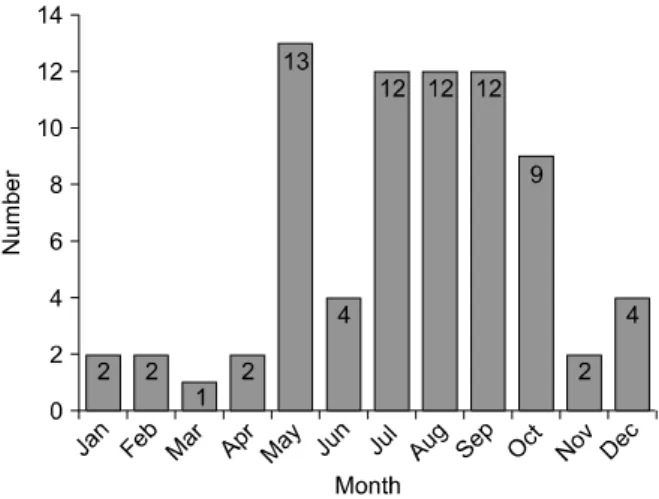
Fig. 2. Monthly Incidence rate of non-typhoidal salmonellosis.
The incidence rate was highest in May and was higher from July to October compared with other months (p=0.007).
Fig. 1. Annual incidence rates of non-typhoidal Salmonella (NTS) gastroenteritis. The incidence rate of non-typhoidal salmonellosis increased from 2003 to 2012 (p=0.033). The most commonly isolated NTS serogroup was group D. Group D was the most isolated and then were isolated by group B, group C, group E.
tients were diagnosed with NTS gastroenteritis. Of these 75 cases, 74 were isolated from stool and 1 was isolated from blood. All patients were managed with oral or intravenous antimicrobial agents (third-gen- eration cephalosporins), which are used to treat ei- ther typhoid fever or bacterial gastroenteritis such as shigellosis.
The incidence rate of NTS gastroenteritis in- creased from 2003 to 2012 (p=0.033, Fig. 1). The lowest incidence rate was 1, in 2003, and the highest was 11, in 2011. The leading Salmonella serogroup was group D (60.0%), followed by group B (25.3%), group C (9.3%), and group E (5.3%). The monthly in- cidence rate of NTS gastroenteritis was higher from May to October than from November to April (p=0.007, Fig. 2).
The population age proportions of <1 year, 1-5 years, 6-10 years, and 11-15 years were 12.0% (9/75), 60.0% (45/75), 13.3% (10/75) and 14.7% (11/75), re- spectively (Fig. 3). The mean age was 4.4 years (range: 0-15 years). The male-to-female ratio was 1:1 (49.3% and 50.7%). None of the patients had a previous history of chronic disease or malignancy be- fore the episode of NTS gastroenteritis. All patients
had diarrhea and 94.7% of patients had fever. Other symptoms included abdominal pain (57.0%), hema- tochezia (25.3%) and headache (17.3%). There was no pneumonia, arthritis, or meningitis present in any patient. All patients were managed with oral or intravenous antimicrobial agents (third-generation cephalosporins) and discharged in good general condition.
The median WBC count was 10,190/mm3 (range:
4,190-24,970/mm3). The median CRP level was 48.7
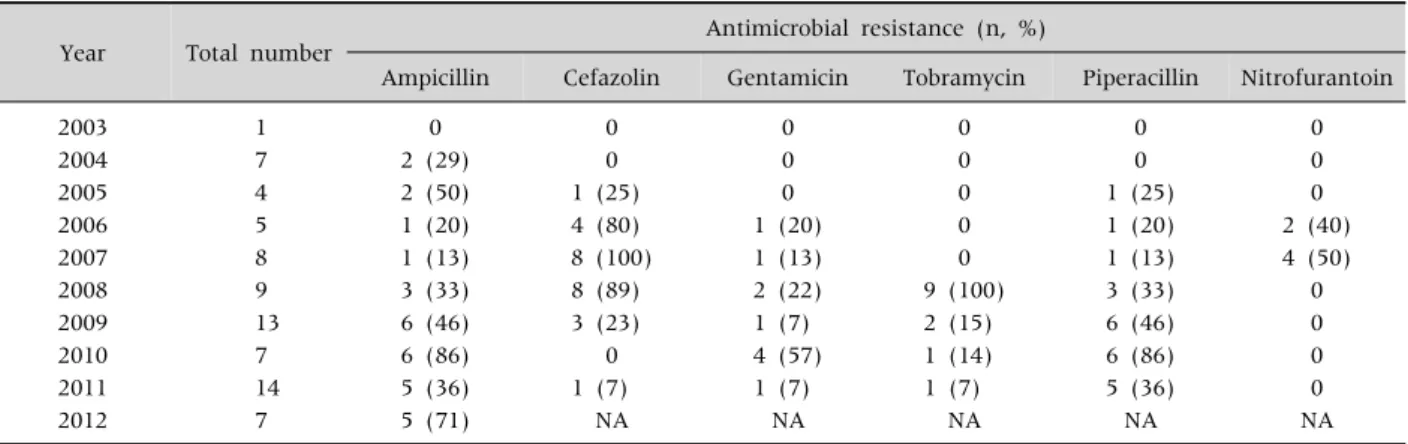
Table 1.Resistance Rate to Antimicrobial Agents according to the Year of Isolation
Year Total number Antimicrobial resistance (n, %)
Ampicillin Cefazolin Gentamicin Tobramycin Piperacillin Nitrofurantoin
2003 1 0 0 0 0 0 0
2004 7 2 (29) 0 0 0 0 0
2005 4 2 (50) 1 (25) 0 0 1 (25) 0
2006 5 1 (20) 4 (80) 1 (20) 0 1 (20) 2 (40)
2007 8 1 (13) 8 (100) 1 (13) 0 1 (13) 4 (50)
2008 9 3 (33) 8 (89) 2 (22) 9 (100) 3 (33) 0
2009 13 6 (46) 3 (23) 1 (7) 2 (15) 6 (46) 0
2010 7 6 (86) 0 4 (57) 1 (14) 6 (86) 0
2011 14 5 (36) 1 (7) 1 (7) 1 (7) 5 (36) 0
2012 7 5 (71) NA NA NA NA NA
NA: not available.
Table 2. Comparison of Clinical and Laboratory Findings between Group D and Non-Group D Non-Typhoidal Salmonella Gastroenteritis
Characteristic Group D Non-group D p-value
Number 45 30
Age (y) 5.1±4.2 3.4±3.9 0.038
Male:female 1.5:1 1:2 0.021
Fever (%) 43 (95.6) 28 (93.3) 0.527
Headache (%) 11 (24.4) 2 (6.7) 0.047
Hematochezia 7 (8.9) 12 (40.0) 0.029
Duration of admission (mean, day) 6.5 6.1 0.892
C-reactive protein (mg/L) 74.1 63.4 0.483
White blood cell count (per mm3) 10,383.3 11,472.0 0.350
Positive Widal O-titer (>1:40) (%) 20/33 (60.6) 4/15 (26.7) 0.030
Widal H-titer (>1:40) (%) 17/33 (51.5) 3/15 (20.0) 0.039
Values are presented as number only, mean±standard deviation, or number (%).
mg/L (range: 0-284.6 mg/L). High CRP levels (>100 mg/L) were found in 17 patients and normal CRP lev- els (<5 mg/L) were found in 3 patients. The Widal test was performed in 47 patients with high fever and/or abdominal pain. A positive Widal titer (O- or H-titer >1:40) was observed in 24 patients. An O- or H-titer >1:160 was observed in 15 patients.
Antimicrobial susceptibility tests detected resist- ance to ampicillin (41.3%), cefazolin (33.3%), cefo- taxime (6.7%), ceftazidime (6.7%), gentamicin (13.3%), tobramycin (17.35), piperacillin (29.3%), and trime- thoprim/sulfamethoxazole (2.7%) (Table 1). All iso- lates were susceptible to ciprofloxacin. The to- bramycin-resistant strain was absent from 2003 to
2007 but was present from 2008 (Table 1).
Comparison of clinical features and laboratory findings between group D and non-group D NTS gastroenteritis
The number of patients diagnosed with group D and non-group D NTS was 45 and 30, respectively.
The mean age was higher in group D (5.1 years) than in non-group D cases (3.4 years) (p=0.038, Table 2).
The male to female ratio was 1.5:1 in group D and 1:2 in non-group D cases, respectively; it was statistically significant (p=0.021). Accompanying headaches were present in 24.4% of group D and 6.7% of non-group D cases (p=0.046). Hematochezia was
Table 3.Clinical and Laboratory Findings of Group D Non-Typhoidal Salmonella Gastroenteritis Pateints with High O- or H-titers (≥1:640)
No. Year Age
(y) Sex Hematochezia Headache WBC (/μL)
CRP
(mg/L) O-titer H-titer Antibiotic resistance Ampicillin Gentamicin Piperacillin
1 2004 2 Female - - 13,380 45.5 1:320 1.:640
2 2009 2 Male - - 13,470 42.4 1:1,280 1:320
3 2010 12 Female - - 8,220 190.3 1:640 1:640 R R R
4 2010 5 Male - + 9,190 104.4 1:640 1:80 R R R
5 2010 6 Male + - 11,340 62.6 1:1,280 1:640
6 2010 4 Female - - 8,220 60.2 1:1,280 1:1,280 R R
7 2011 15 Male - - 16,030 204.3 1:1,280 1:320 R R
8 2011 3 Female + + 5,610 5.5 1:1,280 1:640 `
WBC: white blood cell, CRP: C-reactive protein, R: resistance.
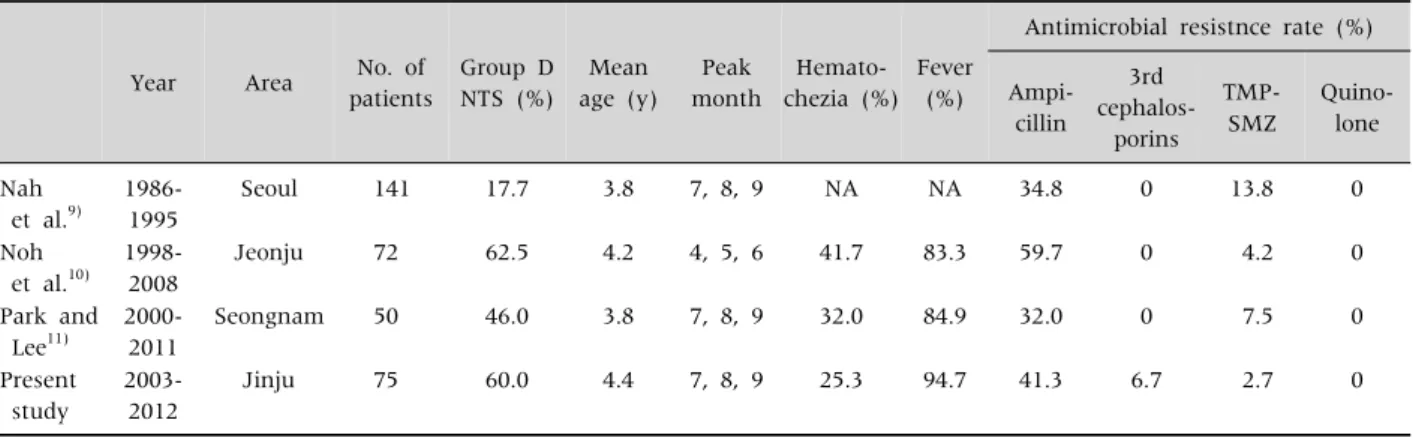
Table 4.Summary of the Reported Non-Typhoidal Salmonella Gastroenteritis (NTS) Cases in Children in Korea
Year Area No. of patients
Group D NTS (%)
Mean age (y)
Peak month
Hemato- chezia (%)
Fever (%)
Antimicrobial resistnce rate (%)
Ampi- cillin
3rd cephalos-
porins TMP-
SMZ
Quino- lone
Nah et al.9)
1986- 1995
Seoul 141 17.7 3.8 7, 8, 9 NA NA 34.8 0 13.8 0
Noh et al.10)
1998- 2008
Jeonju 72 62.5 4.2 4, 5, 6 41.7 83.3 59.7 0 4.2 0
Park and Lee11)
2000- 2011
Seongnam 50 46.0 3.8 7, 8, 9 32.0 84.9 32.0 0 7.5 0
Present study
2003- 2012
Jinju 75 60.0 4.4 7, 8, 9 25.3 94.7 41.3 6.7 2.7 0
NA: not available, TMP-SMZ: trimethoprim-sulfamethoxazole.
more frequently found in non-group D (40.0%) than in group D cases (8.9%) (p=0.017). No differences were observed in frequency of fever, length of hospi- talization, WBC counts, CRP levels, and resistant rates of antimicrobial agent.
The Widal titer was higher in group D than in non-group D cases (O-titer, p=0.030; H-titer, p=0.039).
O titers and H titers of >1:640 were observed in 8 pa- tients; all were detected in group D NTS cases (Table 3).
The Widal titer was not correlated with fever, head- ache, hematochezia, WBC count, CRP level, or anti- microbial resistance.
DISCUSSION
During the study period from 2003 to 2013, group
D salmonella was the predominant gastroente- ritis-causing NTS serogroup identified in children in the Jinju area of Korea. Clinical features of group D NTS were similar to those of typhoid fever; these fea- tures included fever, headache, abdominal pain and a positive Widal test result. Compared with non-group D NTS patients, the mean age was higher and head- aches were more frequently observed in group D patients. A positive Widal test result was observed in 53.3% of group D cases in the present study.
In 2008, NTS gastroenteritis accounted for 34% of NTS cases in children in Korea [12]. Since then, the incidence rate has increased yearly: 42.1% in 2009;
52.8% in 2010; and 63.7% in 2011 [13-15]. Table 4 shows a summary of recent Korean pediatric NTS cases, including those in our study. In the present
study, we found that the number of children with NTS gastroenteritis increased from 2003 to 2012.
However, the incidence of NTS decreased from 141 during 1986-1995 [9] to 75 during 2003-2012; one possible explanation for this is that different study areas were investigated during the different periods (Table 4) [9-11].
In the studies of Korean pediatric NTS cases [9-11]
(Table 4), group D was the most commonly isolated NTS serogroup, accounting for 62.5% of cases during 1998-2008 [10] and 46.0% of cases during 2000-2011 [11]. However, during 1986-1995, group D NTS was only 17.7%, and group B (57.4%) was the most com- monly isolated in children with NTS [9]. Although the different research areas may account for this change, there may also have been a change in salmo- nella strain in Korea from group B to D.
In infants, an inoculum of less than 106-108 NTS organisms can cause disease. Direct person-to-per- son transmission, although uncommon, sometimes occurs. NTS infection especially occurs in children under 2 years of age [16] and the incidence rate in children younger than 1 year of age is 10 times high- er than in the general population [17]. NTS infection in Korea has been previously reported to be more prevalent in children younger than 5 years of age than in children aged between 5 and 15, regardless of serogroup [9-11]. This is similar to our finding that 72% of NTS infections occurred in children under the age of 5. In western countries, the highest incidence of salmonellosis has been reported to occur in infants under the age of 1 year [18,19]. However, in present study, the percentage of patients who were infants (<1 year old) was 12.0%, lower than the percentage of children aged 1 and 2 years (17.3% each). However, the mean age of children with NTS did not differ be- tween study areas and periods (Table 4). For patients older than 1 year of age, the present study showed that the number of infections caused by group D Salmonella exceeded that of non-group D Salmonella.
This finding differs from a previous report that found that from 2001 to 2011, Taiwanese children younger than 5 years of age were more likely to have group B infection [3]. One possible explanation for this is the
difference in epidemic Salmonella serogroups found in the different countries. The different age groups of affected children might be associated with different lifestyles, diets, and environmental conditions such as attending a daycare center, eating undercooked eggs, and contact with cats and reptiles [20,21].
In 1989, Salmonella infection occurred throughout the year and this was attributed to its indigenization in Korea at this time [22]. A recent study of 2012-2013 cases showed that the peak season for Salmonella in- fection was autumn (September to November) [23,24]. In present study, the seasonality of NTS gas- troenteritis was summer and autumn (May to Octo- ber); this was similar to the reports of 1986-1995 cas- es in Seoul [9] and of 2000-2011 cases in Seongnam [10]. However, in Jeonju, the peak incidence of NTS was observed from April to June during 1998-2008 [11] (Table 4). The difference in peak season might be due to regional differences.
The clinical symptoms of NTS gastroenteritis are acute onset of fever and chills; nausea and vomiting;
and abdominal cramping and diarrhea [25]. In the present study, the common symptoms of NTS were diarrhea, fever, and abdominal pain. Hematochezia and headache were also observed in some patients.
Hematochezia is a relatively common presentation in NTS gastroenteritis [3,10,11], but headache is not.
In the present study, headaches were more fre- quently observed in group D NTS than in the non-group D gastroenteritis cases, while the reverse was true for hematochezia. Compared with other re- ports of Korean children with NTS, hematochezia was less frequently, and fever was more frequently observed in our study (Table 4). Therefore, in the present study, for cases with positive Widal test re- sults, typhoid fever was considered the first possible diagnosis.
Recently, invasive NTS infection has emerged in children [26-28]; group D is the most common se- rogroup in these infections [29]. Bacteremia was di- agnosed in a 1-year-old child in this study and group D NTS was isolated.
Although the Widal test is usually used for the di- agnosis of typhoid fever caused by S. typhi [30,31],
half of the patients (51.1%, 24/47) who were checked tested positive, and a positive Widal test was found in 53.3% (24/45) of group D NTS gastroenteritis cases. The positive Widal titers could be associated with invasive NTS infection, including bacteremia, because elevated CRP levels were also observed with the positive Widal test results.
Antimicrobial agents are not generally recom- mended for the treatment of isolated uncomplicated NTS gastroenteritis because they may suppress nor- mal intestinal flora and prolong both the excretion of Salmonella and the remote risk of creating the chronic carrier state [32]. However, some studies have sug- gested that antimicrobial treatment may be asso- ciated with an improvement in symptoms and a more rapid clinical recovery [33]. Studies of empiri- cal antimicrobial therapy (before culture results are back) in severe community-acquired diarrhea have also found a reduction in disease duration of one to two days [34,35]. Additionally, patients with high CRP levels (≥100 mg/L) are more frequently ad- ministered empirical antimicrobial therapy and ex- perience more complications than others [36].
Therefore, until the culture results can confirm fever and leukocytosis, CRP levels should be checked prior to the administration of the antimicrobial agent. In the present study, all patients were managed with an antimicrobial agent because most of the patients had general symptoms, including fever or headache and high CRP levels. This was a retrospective study and we could not find specific reasons for the anti- microbial use.
Antimicrobial resistance in NTS is an important problem, although most NTS cases do not require an- timicrobial treatment. Resistance is associated with an increased risk of infection, hospitalization, and death [37,38]. Surveillance data shows an obvious increase in overall antimicrobial resistance among salmonellae from 20% to 30% in the early 1990s to as high as 70% in some countries at turn of the century [39]. In our study, antimicrobial resistance to one or more antimicrobial agents was 66.7% and this was similar to other reports [28]. The resistance to ampi- cillin (41.3%), third-generation cephalosporins (6.7%),
trimethoprim/sulfamethoxazole (2.7%) and quino- lone (0%) was lower compared with children in Thailand [28], Taiwan [29] and India [40]. However, in Korea the resistance to ceftriaxone was higher in our study (6.7%) than in other studies (Table 4).
In summary, since 2000 the incident rate of NTS, as investigated by our study, was not different to that of other areas in Korea despite the increased number of reported cases from 2003 to 2012. Group D was the most commonly isolated Salmonella serogroup in our study and this was similar to the other recent reports in Korea. The majority of the clinical and laboratory findings were same between group D and non-group D NTS. However, headache and a positive Widal test result were more frequently observed in group D than non-group D cases. More severe clinical fea- tures such as headache, fever and higher Widal titers can be indicative of group D NTS gastroenteritis.
Additionally, group D NTS gastroenteritis was more common in older children. Therefore older age, fever, headache and a positive Widal test result suggests group D NTS gastroenteritis more than non-group D NTS and, depending on the serotype, pathophysio- logic mechanisms may differ by serologic groups.
There were some limitations in the present study.
First, it was a retrospective study conducted in a sin- gle center. Second, genetic studies or serotyping of Salmonella strains were not performed because NTS was not considered an important disease in a normal healthy population. Therefore, no further genetic studies were undertaken. We believe that further studies of the changing patterns of the clinical fea- tures and laboratory findings of group D NTS in chil- dren are needed.
REFERENCES
1. Hohmann EL. Nontyphoidal salmonellosis. Clin Infect Dis 2001;32:263-9.
2. Majowicz SE, Musto J, Scallan E, Angulo FJ, Kirk M, O'Brien SJ, et al; International Collaboration on Enteric Disease 'Burden of Illness' Studies. The global burden of nontyphoidal Salmonella gastroenteritis.
Clin Infect Dis 2010;50:882-9.
3. Chen HM, Wang Y, Su LH, Chiu CH. Nontyphoid sal-
monella infection: microbiology, clinical features, and antimicrobial therapy. Pediatr Neonatol 2013;54:147-52.
4. Su LH, Chiu CH, Chu C, Ou JT. Antimicrobial resist- ance in nontyphoid Salmonella serotypes: a global challenge. Clin Infect Dis 2004;39:546-51.
5. Bäumler AJ, Tsolis RM, Ficht TA, Adams LG. Evolution of host adaptation in Salmonella enterica. Infect Immun 1998;66:4579-87.
6. Seo Y, Ha YE, Sung KI, Kang CI, Peck KR, Song JH, et al. A case of an infected pseudoaneurysm with complica- tions due to a non-typhoidal Salmonella species.
Korean J Med 2012;83:272-6.
7. Lee JH, Huh JG, Nah JC, Kim ES, Lee HK, Shin BM, et al. Enteric fever with bowel perforation caused by nontyphoidal group D Salmonella. Infect Chemother 2004;36:251-4.
8. Cho JY, Seo JH, Yeom JS, Park JS, Park CH, Woo HO, et al. Diffuse colonic ulcer caused by Salmonella enter- itidis in a 32-month-old female. Pediatr Gastroenterol Hepatol Nutr 2012;15:193-6.
9. Nah SY, Park JY, Lee HJ, Seo JK. Epidemiologic and clinical features of salmonellosis in children over 10 years (1986-1995). Korean J Infect Dis 1999;31:129-35.
10. Noh SH, Yu KY, Kim JS, Hwang PH, Jo DS. Salmon- ellosis in children: analysis of 72 Salmonella-positive culture cases during the last 10 years. Korean J Pediatr 2009;52:791-7.
11. Park JH, Lee TJ. Clinical manifestations of salmo- nellosis in children during the last 12 years: a single in- stitution experience. Korean J Pediatr Infect Dis 2013;20:1-8.
12. Korea Centers for Disease Control and Prevention. The prevalence and characteristics of bacteria causing acute diarrhea in Korea, 2008. Public Health Weekly Report. Cheongju: Korea Centers for Disease Control and Prevention, 2008;1:1-8.
13. Korea Centers for Disease Control and Prevention. The prevalence and characteristics of bacteria causing acute diarrhea in Korea, 2009. Public Health Weekly Report. Cheongju: Korea Centers for Disease Control and Prevention, 2009;1:1-9.
14. Korea Centers for Disease Control and Prevention. The prevalence and characteristics of bacteria causing acute diarrhea in Korea, 2011. Public Health Weekly Report. Cheongju: Korea Centers for Disease Control and Prevention, 2010;1:1-8.
15. Korea Centers for Disease Control and Prevention. The prevalence and characteristics of bacteria causing acute diarrhea in Korea, 2012. Public Health Weekly Report. Cheongju: Korea Centers for Disease Control and Prevention, 2011;1:1-6.
16. Olsen SJ, Bishop R, Brenner FW, Roels TH, Bean N, Tauxe RV, et al. The changing epidemiology of salmo- nella: trends in serotypes isolated from humans in the United States, 1987-1997. J Infect Dis 2001;183:753-61.
17. United States Department of Agriculture. Report to Congress 1998. FoodNet: an active surveillance system for bacterial foodborne diseases in the United States [Internet]. Washington DC: United States. Department of Agriculture; 1998 [cited 2008 Jun 2]. Available from:
http://www.fsis.usda.gov/ophs/rpcong98/rpcong98.htm.
18. Jones TF, Ingram LA, Fullerton KE, Marcus R, Anderson BJ, McCarthy PV, et al. A case-control study of the epidemiology of sporadic Salmonella infection in infants. Pediatrics 2006;118:2380-7.
19. Delarocque-Astagneau E, Bouillant C, Vaillant V, Bouvet P, Grimont PA, Desenclos JC. Risk factors for the occurrence of sporadic Salmonella enterica serotype typhimurium infections in children in France: a na- tional case-control study. Clin Infect Dis 2000;31:
488-92.
20. Kimura AC, Reddy V, Marcus R, Cieslak PR, Mohle- Boetani JC, Kassenborg HD, et al. Chicken con- sumption is a newly identified risk factor for sporadic salmonella enterica serotype enteritidis infections in the united states: a case-control study in Foodnet sites.
Clin Infect Dis 2004;38(Supple 3):S244-52.
21. Younus M, Wilkins MJ, Davies HD, Rahbar MH, Funk J, Nguyen C, et al. Case-control study of disease deter- minants for non-typhoidal Salmonella infections among Michigan children. BMC Res Notes 2010;3:105.
22. Korea Centers for Disease Control and Prevention.
Reported food poisoning outbreak in 1989 epidemio- logical study. Public Health Weekly Report. Cheongju:
Korea Centers for Disease Control and Prevention, 1990;1:3.
23. Park HM, Lee DY. Prevalence and charateristics of Salmonella spp. in Korea, 2012. Public Health Weekly Report. Cheongju: Korea Centers for Disease Control and Prevention, 2013;6:105-16.
24. Chae SJ, Lee DY. Prevalence and charateristics of Salmonella spp. in Korea, 2013. Public Health Weekly Report. Cheongju: Korea Centers for Disease Control and Prevention, 2014;7:385-90.
25. Hammack T. Salmonella species. In: Lampel KA, ed.
Bad bug book e handbook of foodborne pathogenic mi- croorganisms and natural toxins. 2nd ed. Washington DC: Food and Drug Administration, 2012:12-6.
26. Peters RP, Zijlstra EE, Schijffelen MJ, Walsh AL, Joaki G, Kumwenda JJ, et al. A prospective study of blood- stream infections as cause of fever in Malawi: clinical predictors and implications for management. Trop Med
Int Health 2004;9:928-34.
27. Graham SM, Walsh AL, Molyneux EM, Phiri AJ, Molyneux ME. Clinical presentation of non-typhoidal Salmonella bacteraemia in Malawian children. Trans R Soc Trop Med Hyg 2000;94:310-4.
28. Punpanich W, Netsawang S, Thippated C. Invasive sal- monellosis in urban Thai children: a ten-year review.
Pediatr Infect Dis J 2012;31:e105-10.
29. Tsai KS, Yang YJ, Wang SM, Chiou CS, Liu CC. Change of serotype pattern of Group D non-typhoidal Salmonella isolated from pediatric patients in southern Taiwan. J Microbiol Immunol Infect 2007;40:234-9.
30. Kim SE, Kim TY, Park IK, Kang JO, Yeal T. Is the Widal test still useful? Korean J Clin Pathol 1999;19:215-21.
31. Andualem G, Abebe T, Kebede N, Gebre-Selassie S, Mihret A, Alemayehu H. A comparative study of Widal test with blood culture in the diagnosis of typhoid fever in febrile patients. BMC Res Notes 2014;7:653.
32. Zulfiqar AB. Nontyphoidal salmonellosis. In: Kliegman RM, ed. Nelson textbook of pediatrics. 19th ed. Philadel- phia: Elsevier Saunders, 2011:948-58.
33. Mattila L, Peltola H, Siitonen A, Kyrönseppä H, Simula I, Kataja M. Short-term treatment of traveler's diar- rhea with norfloxacin: a double-blind, placebo-con- trolled study during two seasons. Clin Infect Dis 1993;
17:779-82.
34. Dryden MS, Gabb RJ, Wright SK. Empirical treatment
of severe acute community-acquired gastroenteritis with ciprofloxacin. Clin Infect Dis 1996;22:1019-25.
35. Goodman LJ, Trenholme GM, Kaplan RL, Segreti J, Hines D, Petrak R, et al. Empiric antimicrobial therapy of domestically acquired acute diarrhea in urban adults. Arch Intern Med 1990;150:541-6.
36. Tsai MH, Huang YC, Lin TY, Huang YL, Kuo CC, Chiu CH. Reappraisal of parenteral antimicrobial therapy for nontyphoidal Salmonella enteric infection in children. Clin Microbiol Infect 2011;17:300-5.
37. Helms M, Simonsen J, Molbak K. Quinolone resistance is associated with increased risk of invasive illness or death during infection with Salmonella serotype Typhimurium. J Infect Dis 2004;190:1652-4.
38. Varma JK, Molbak K, Barrett TJ, Beebe JL, Jones TF, Rabatsky-Ehr T, et al. Antimicrobial-resistant non- typhoidal Salmonella is associated with excess blood- stream infections and hospitalizations. J Infect Dis 2005;191:554-61.
39. Su LH, Chiu CH, Chu C, Ou JT. Antimicrobial resist- ance in nontyphoid Salmonella serotypes: a global challenge. Clin Infect Dis 2004;39:546-51.
40. Singh S, Agarwal RK, Tiwari SC, Singh H. Antibiotic resistance pattern among the Salmonella isolated from human, animal and meat in India. Trop Anim Health Prod 2012;44:665-74.