Background and PurposezzThe neuroregenerative drug Cerebrolysin has demonstrated efficacy in improving cognition in adults with stroke and Alzheimer’s disease. The aim of this study was to determine the efficacy and safety of Cerebrolysin in the treatment of communi- cation defects in infants with severe perinatal brain insult.
MethodszzA randomized placebo-controlled clinical trial was conducted in which 158 in- fants (age 6–21 months) with communication defects due to severe perinatal brain insult were enrolled; 120 infants completed the study. The Cerebrolysin group (n=60) received twice-weekly Cerebrolysin injections of 0.1 mL/kg body weight for 5 weeks (total of ten in- jections). The placebo group (n=60) received the same amount and number of normal saline injections.
ResultszzThe baseline Communication and Symbolic-Behavior-Scale-Developmental Pro- file scores were comparable between the two groups. After 3 months, the placebo group ex- hibited improvements in the social (p<0.01) and speech composite (p=0.02) scores, with 10%
and 1.5% increases from baseline, respectively. The scores of the Cerebrolysin group changed from concern to no concern, with increases of 65.44%, 45.54%, 358.06%, and 96.00% from baseline in the social (p<0.001), speech (p<0.001), symbolic (p<0.001), and total (p<0.001) scores.
ConclusionszzCerebrolysin dramatically improved infants’ communication especially sym- bolic behavior which positively affected social interaction. These findings suggest that cere- brolysin may be an effective and feasible way equivalent to stem cell therapy.
Key Wordszz nootropic factor, perinatal brain insult, cerebrolysin, infant,
Communication and Symbolic-Behavior-Scale-Developmental Profile, communication defects, symbolic speech development.
Safety and Efficacy of Cerebrolysin in Infants with Communication Defects due to Severe Perinatal Brain Insult: A Randomized Controlled Clinical Trial
INTRODUCTION
Moderate or severe encephalopathy is a major cause of neurodevelopmental disability, and its estimated incidence in the first week of life is 3.75 per 1,000 full-term live births. Only therapeutic hypothermia has proven to be neuroprotective within the first 6 hours postas- phyxia.1-4 The deficits of greatest concern include functional motor and cognitive ones. In one study, more than half of children with cerebral palsy (CP) due to perinatal brain insult had a speech disorder (21%) or could not speak (32%), and speech ability was related to gross motor function, the presence of mental retardation, and the localization of brain mal- development.5 Furthermore, 54% children with CP had more than one associated disabili- ty.6 Researchers have identified a collection of predictors for later language development.
Sahar M.A. Hassaneina Shaymaa M. Deifallaa Moustafa El-Houssinieb Somaia A. Mokbelc
a Pediatric Department, Children's Hospital, Faculty of Medicine, Ain Shams University, Abassia square, Cairo, Egypt
b Community Medicine Department, Faculty of Medicine,
Ain Shams University, Abassia square, Cairo, Egypt
c Clinical Pharmacology Department, Faculty of Medicine,
Mansoura University, Dakahlia, Egypt
pISSN 1738-6586 / eISSN 2005-5013 / J Clin Neurol 2016;12(1):79-84 / http://dx.doi.org/10.3988/jcn.2016.12.1.79
Received April 30, 2015 Revised July 1, 2015 Accepted July 2, 2015 Correspondence Sahar M.A. Hassanein, PhD Pediatrics, Faculty of Medicine, Ain Shams University,
Abbassia Square, Cairo 11381, Egypt Tel +201223183943
Fax +20226847024
E-mail [email protected]
cc This is an Open Access article distributed under the terms of the Creative Commons Attribution Non-Com- mercial License (http://creativecommons.org/licenses/by-nc/3.0) which permits unrestricted non-commercial use, distribution, and reproduction in any medium, provided the original work is properly cited.
JCN
Open Access ORIGINAL ARTICLEEffect of Cerebrolysin on Infants’ Communication
JCN
Emotion and eye gaze, communication, gestures, sounds, words, understanding of words, and object use are language predictors.7,8 Early identification and management of these language predictors in infants improve later language devel- opment.9,10
There is as yet no cure or treatment for brain insult in in- fants and children.
The efficacy, tolerability, and safety of neuroreparative Cerebrolysin therapy has been confirmed in clinical trials in- volving adults with stroke and Alzheimer’s disease.11,12 Cere- brolysin is a porcine brain-derived preparation of low-mo- lecular-weight neuropeptides (10 kDa) and free amino acids that exhibits pharmacodynamic properties similar to those of naturally occurring neurotrophic factors.13 Its mechanism of action is thought to be inhibition of apoptosis,14 and it has also been shown to improve synaptic plasticity and induce neurogenesis in a mouse model of Alzheimer’s disease.15,16 In adults, Cerebrolysin was shown to augment the proliferation, differentiation, and migration of adult subventricular zone (SVZ) neural progenitor cells (i.e., stem cells), contributing to neurogenesis; this finding may in part explain the improve- ment of neurological outcome with Cerebrolysin therapy after stroke.17
The recorded safety and tolerability of Cerebrolysin have led to it being widely used for the treatment of Alzheimer’s disease and to prevent disability in adults after cerebrovascu- lar stroke. It is thus possible that this drug has favorable effects in infants, whose brains exhibit a high degree of neural plas- ticity and reparative capacity in the first 2 years of life. Early intervention after perinatal brain insult may enhance brain plasticity and the recovery of impaired function. In addition, since Cerebrolysin induces stem-cell proliferation in the brain, if it is successful it will be a more cost effective and fea- sible option than stem-cell transplantation for the treatment of early brain insult.
The aim of this study was to determine the effect of Cere- brolysin on speech development in infants with communica- tion defects caused by severe perinatal brain insult.
METHODS
Participants
This clinical trial study protocol was approved by the review board of the Faculty of Medicine, Ain Shams University, and was conducted in accordance with the ethical principles of the Declaration of Helsinki, consistent with Good Clinical Practices and applicable regulatory requirements. The par- ents or legally acceptable representatives of the infants en- rolled in this study provided written informed consent to their participation. This work was part of a study registered
with ClinicalTrials.gov (identifier: NCT01059461).
This was an interventional, randomized, placebo-controlled, blinded, safety/efficacy study. One-hundred and fifty-eight infants (78 males and 80 females, aged 6–21 months) with a clinical diagnosis of communication defect due to severe peri- natal brain insult were enrolled from the Pediatric Neurology Clinic, Children’s Hospital, Faculty of Medicine, Ain Shams University, during the period from March 2011 to September 2013.
Eligibility criteria
All infants were diagnosed with neonatal asphyxia/perinatal brain insult with the criterion of a pH of 7.0 or less or a base deficit of ≥16 mmol/L in a sample of umbilical cord blood or any blood drawn during the first hour after birth. If during this interval a pH of 7.01–7.15, a base deficit of 10–15.9 mmol/L, or a blood gas measurement was not available, the following additional criteria were required: a history of acute perinatal event (e.g., late or variable decelerations, cord prolapse, cord rupture, uterine rupture, maternal trauma, hemorrhage, or cardiorespiratory arrest), and either a 10-minute Apgar score of ≤5 or assisted ventilation initiated at birth and continued for at least 10 minutes.18 Additional enrollment criteria were the presence of concern in one or more composite score com- ponents and in the total score of Communication and Sym- bolic Behavior Scale-Developmental Profile (CSBS-DP). Infants with intractable seizures, or visual and hearing impairments were excluded from the study.
Study design
The CSBS-DP instrument was used to assess prelinguistic communication defects as criteria for enrollment and for as- sessing the primary outcome after 3 months of study com- mencement. Interviewers were trained to consistently adminis- ter and score in the same manner using the checklist and the cutoffs scoring sheet.
The CSBS-DP is a parent-reported questionnaire that quan- tifies three subdomains: social and emotional communica- tion, receptive and expressive speech, and symbolic behavior.
The instrument’s checklist comprises 24 questions that are scored on a scale of 2–4 points within each of the following 7 clusters: emotion and use of eye gaze, use of communication, use of gestures, use of sounds, use of words, understanding of words, and use of objects. The raw score was calculated as fol- lows: 0, 1, and 2 points were given for items checked as “not yet,” “sometimes,” and “often,” respectively. For items that de- scribe a series of numbers or ranges, 0 points was given for items checked “none,” and 1–4 points for items containing numbered choices. Cutoffs for the composite and total scores were derived from the CSBS-DP norms based on a perfor-
Hassanein SMA et al.
JCN
mance that was 1.25 standard deviations below the mean (the bottom or 10th percentile). These four cutoff scores fall in a range of either “concern” or “no concern” for the three com- posite scores and the total score.8
Patient treatment
Patients who met all inclusion criteria (n=158) were as- signed to one of the following two treatment groups at a 1:1 ratio according to a randomization code generated by com- puter software: Cerebrolysin or placebo. Randomization was conducted in the clinical pharmacy of the pediatric neurolo- gy outpatient clinic. The random code assignment meant that the investigators and all study personnel were blinded to the patient group until the statistical analysis was completed.
A sealed envelope with information on the given treatment for each infant was provided to the investigators for emer- gency cases.
Patients assigned to the Cerebrolysin group were given the drug (Ebewe, Arzneimittel, Austria), which is a porcine brain- derived proteolytic peptide fraction, at a dose of 0.1 mL/kg body weight,19 twice weekly by intramuscular injection for 5 weeks (i.e., ten injections). Those in the placebo group were given saline at 0.1 mg/kg body weight using the same sched- uling and route of administration as for the Cerebrolysin group. Concomitant medications (antiepileptic and muscle
relaxants) and physiotherapy were continued for all patients, regardless of the group assignment.
Since one of the anticipated side effects of Cerebrolysin was an increased frequency of seizures, electroencephalograms were obtained and, if seizures were detected, they were con- trolled before enrolling the patients into the study. Safety assess- ments included monitoring and recording all treatment-emer- gent adverse events, vital signs, and evaluation for hyperthermia, seizures, and rash.
Primary outcome
The primary outcome of this study was improvement in the CSBS-DP score and change from concern to no concern after 3 months of enrollment in the study.
Statistical analysis
The two groups (Cerebrolysin and placebo) were compared using descriptive statistics and appropriate parametric and nonparametric tests. The paired t-test was used to compare the quantitatively measured parameters, while McNemar’s test was used to compare those measured qualitatively. All data analy- ses were conducted using SPSS (version 18.0, IBM Corpora- tion, Armonk, NY, USA). The threshold for statistical signifi- cance was set at p≤0.05.
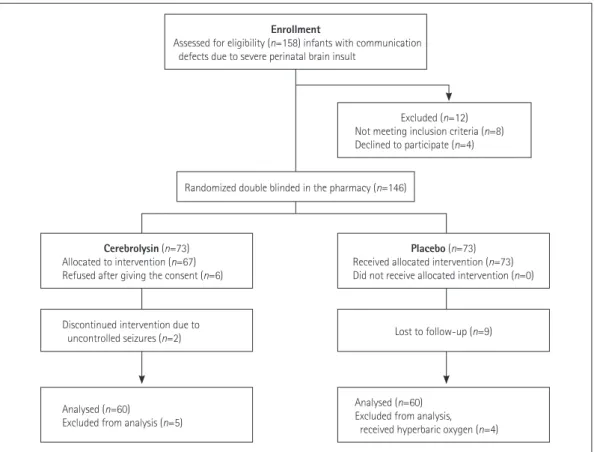
Fig. 1. Flow diagram of the study design.
Enrollment
Assessed for eligibility (n=158) infants with communication defects due to severe perinatal brain insult
Cerebrolysin (n=73) Allocated to intervention (n=67) Refused after giving the consent (n=6)
Discontinued intervention due to uncontrolled seizures (n=2)
Analysed (n=60)
Excluded from analysis (n=5)
Placebo (n=73) Received allocated intervention (n=73) Did not receive allocated intervention (n=0)
Lost to follow-up (n=9)
Analysed (n=60) Excluded from analysis, received hyperbaric oxygen (n=4)
Excluded (n=12) Not meeting inclusion criteria (n=8) Declined to participate (n=4)
Randomized double blinded in the pharmacy (n=146)
Effect of Cerebrolysin on Infants’ Communication
JCN
RESULTS
Of the 158 infants that were originally enrolled into the study, 146 were randomized to the Cerebrolysin and placebo groups (73 infants in each group). Ultimately, 60 infants in each group completed the study; the data for these 120 infants were included in the statistical analyses. Two patients were withdrawn from the Cerebrolysin group due to intractable seizures (Fig. 1). The age of included infants, which ranged between 6 and 21 months, was comparable between the two groups (p=0.20), as were the baseline CSBS-DP scores:
p=0.35, 0.11, 0.56, and 0.37 for the social composite, symbolic composite, speech composite, and p=0.37 total scores, respec- tively (Table 1).
After 3 months, the placebo group exhibited improved so- cial and speech composite scores (p<0.01 and p=0.024, respec- tively). No significant improvement was found for either the symbolic composite score (p=0.32) or the total score (p=0.08) (Fig. 2, Table 2).
The Cerebrolysin posttreatment scores (i.e., after 3 months of therapy) were significantly higher than the pretreatment scores for all three CSBS-DP composite scores and the total score. The composite score for the symbolic composite in- creased dramatically, by more than threefold. The percentage increases from the baseline value (PIBV) for the social com- posite, speech composite, and symbolic composite scores were 65.44% (p<0.001), 45.54% (p<0.001), and 358.06% (p<0.001), respectively. The PIBV for the total score was 96.0% (p<0.001) (Fig. 2, Table 2). The status of each score before and after Cere- brolysin therapy was compared using a cutoff point (i.e., a qual- itative approach). A statistically significant change from con- cern to no concern after Cerebrolysin therapy was found for all CSBS-DP composites (p<0.001) (Table 3).
Minimal side effects of Cerebrolysin therapy were reported.
A mild skin flush occurred in seven children, and irritability that did not interfere with daily life activities on the same day of injection was reported in eight children. There was no change in seizure frequency or in the duration, severity, and an- tiepileptic drug dose during the study in the Cerebrolysin group, except for two patients who discontinued the study be- cause of intractable seizures that were controlled by discontinu- ation of Cerebrolysin.
DISCUSSION
The findings of this study demonstrated some improvement in the social and speech composites of the CSBS-DP at follow- up compared to baseline in the placebo group. Notably, at 3 months after Cerebrolysin treatment, the scores were signifi- cantly higher than the pretreatment scores for all three CSBS- DP composites and for the total score. The increase was dra- matic in the symbolic composite score, with an improvement of more than threefold .
It has been reported that children with CP and intellectual and speech impairments are at risk of limited verbal working memory spans and social functioning.20,21 In the present study, the improvement in the social composite score with Cerebro- lysin supports the value of early intervention in the child’s life Table 1. Main baseline demographic and clinical characteristics of the study population
Variable Placebo group n=60
Cerebrolysin group n=60
95% CI of the difference
t p
Lower Upper
Male sex, n (%) 45 (75.0) 36 (59.3) 1.37 0.21
Age, months 13.17 (12.01–14.32) 13.27 (12.07–14.46) 0.06 0.25 1.29 0.20
Social composite score 10 (8.60–11.39) 9.93 (8.53–11.33) 0.07 0.21 0.94 0.35
Symbolic composite score 2.17 (1.7–2.54) 2.07 (1.67–2.46) 0.02 0.22 1.63 0.11
Speech composite score 5.23 (4.51–5.95) 5.23 (4.51–5.95) 0.04 0.07 0.57 0.57
Total score 17.15 (14.80–19.49) 17.10 (14.74–19.45) 0.06 0.16 0.90 0.37
Except where stated otherwise, the data are mean (95% CI) values. 95% CI: 95% confidence interval.
Fig. 2. CSBS-DP scores in the placebo (n=60) and Cerebrolysin (n=60) groups before and 3 months after enrollment. CSBS-DP: Communi- cation and Symbolic Behavior Scale-Developmental Profile.
At enrollment 3 months after enrollment 0.00
10.00 40.00
30.00
20.00
Mean score
Placebo social composite CSBS DP composites and total score
Cerebrolysin speech composite Cerebrolysin social composite
Placebo symbolic composite Placebo speech composite
Cerebrolysin symbolic composite Placebo total score
Cerebrolysin total score
Hassanein SMA et al.
JCN
and that of his/her family. In addition, no major side effects were observed, except for a tolerable skin flush and irritability on the same day as the injection. The seizure frequency in- creased in only two patients treated with Cerebrolysin; this ep- ileptogenic side effect was transient and reversible by discon- tinuation of the drug. Cerebrolysin therapy has been shown to significantly improve cognition, and to be safe and well toler- ated in adults and the elderly.12,22
The neuroprotectant mechanisms of action of Cerebrolysin are thought to involve neuroimmunotrophic activities, reduc- ing the extent of inflammation, and accelerating neuronal death under pathological conditions such as those observed in neurodegenerative diseases. This may occur through reduc- tion of microglial activation,23 which leads to augmented pro- liferation, differentiation, and migration of adult SVZ neural progenitor cells.17 Furthermore, the intracerebroventricular in- fusion of Cerebrolysin in rats has been shown to increase the expression of nerve growth factor and its receptor, as well as the expression of the synaptic vesicle protein synapsin. This was found to be associated with specific cellular changes in the hip- pocampus, including synaptogenesis and cell proliferation.24
The timing of initiation of treatment does not appear to af- fect the outcome. The findings for both acute and delayed
Cerebrolysin treatment have revealed a relatively wide thera- peutic time window.25,26 Cerebrolysin was found to improve the cognitive function of patients with mild traumatic brain injury at 3 months after injury, and especially long-term mem- ory and drawing functions.27 In the present study Cerebrolysin therapy was commenced in the chronic state at the age of 6 months, and not during the acute postasphyxia hypoxic/isch- emic brain insult phase. Thus, Cerebrolysin can be effective if started late in the chronic state, and its effects may be long- lasting or even permanent.
Data on the use of Cerebrolysin in pediatric patients are scarce in the literature. Cerebrolysin treatment in girls with Rett syndrome was found to improve behavior, attention level, mo- tor functions, and nonverbal social communication; their EEG parameters were also normalized.28
The findings of this study should be considered in light of the small number of enrolled infants. This was due to many parents refusing the use of a drug given intramuscularly, and many of them not continuing to the 3-month follow-up.
The main finding of this study is that only ten injections of Cerebrolysin over a 5-week period dramatically improved com- munication and language development, and especially sym- bolic behavior, in these brain-injured infants. This effect will Table 3. Comparison for CSBS-DP score cutoffs in the Cerebrolysin group at enrollment and after 3 months of treatment (n=60)
Variable Status at baseline Status after 3 months
Total (n) Chi-square p*
Concern, n (%) No concern, n (%)
Social composite score Concern 6 (11.1) 48 (88.89) 54 46.02 <0.001
No concern 0 (0.00) 6 (100) 6
Speech composite score Concern 0 (0.00) 36 (100) 36 28.66 <0.001
No concern 2 (8.33) 22 (91.6) 24
Symbolic composite score Concern 11 (18.3) 49 (81.6) 60 47.02 <0.001
Total score Concern 17 (28.3) 43 (71.6) 60 41.02 <0.001
*McNemar’s test was used to compare the paired observations.
CSBS-DP: Communication and Symbolic Behavior Scale-Developmental Profile.
Table 2. Comparison of CSBS-DP scores in each group at enrollment and after 3 months of treatment in the placebo (n=60) and Cerebrolysin (n=60) groups
Variable Group
Paired differences
t p* PIBV
Mean±SD 95% CI of the difference
Lower Upper
Social composite score Placebo 1.03±1.10 0.75 1.32 7.25 <0.01 10.3
Cerebrolysin 6.50±3.87 5.50 7.50 13.02 <0.001 65.44
Speech composite score Placebo 0.08±0.27 0.01 0.16 2.32 0.02 1.5
Cerebrolysin 2.38±2.36 1.77 2.99 7.83 <0.001 45.54
Symbolic composite score Placebo 0.02±0.13 0.02 0.05 1.00 0.32 0.64
Cerebrolysin 7.40±1.85 6.92 7.88 30.95 <0.001 358.06
Total score Placebo 0.05±0.22 0.01 0.11 1.76 0.08 0.29
Cerebrolysin 16.42±6.04 14.86 17.98 21.04 <0.001 96.00
*Paired t-test.
CSBS-DP: Communication and Symbolic Behavior Scale-Developmental Profile, PIBV: percentage increase from the baseline value.
Effect of Cerebrolysin on Infants’ Communication
JCN
positively impact family functioning and social interaction.
Together with its safety and tolerability, Cerebrolysin gives new hope for the future neuropreventive and curative thera- pies in infants with severe perinatal brain insult.
Conflicts of Interest
The authors have no financial conflicts of interest.
Acknowledgements
The authors thank Amy M. Wetherby, Barry M. Prizant, and Paul H.
Brookes Publishing Company for the Communication and Symbolic Be- havior Scale-Developmental Profile (CSBS-DP Infant-Toddler Checklist).
The authors are also grateful to the clinical pharmacology team who per- formed the blinding and the injection, and to Dr. Randa Khalaf (Depart- ment of Pediatrics, Faculty of Medicine, Ain Shams University) and Dr.
Mona Abdel-Halim Youssef (Warren, Ohio) for editing the manuscript.
REFERENCES
1. Vannucci RC, Perlman JM. Interventions for perinatal hypoxic-isch- emic encephalopathy. Pediatrics 1997;100:1004-1014.
2. Adamson SJ, Alessandri LM, Badawi N, Burton PR, Pemberton PJ, Stanley F. Predictors of neonatal encephalopathy in full-term infants.
BMJ 1995;311:598-602.
3. Johnston MV, Fatemi A, Wilson MA, Northington F. Treatment ad- vances in neonatal neuroprotection and neurointensive care. Lancet Neurol 2011;10:372-382.
4. El Shimi MS, Awad HA, Hassanein SM, Gad GI, Imam SS, Shaaban HA, et al. Single dose recombinant erythropoietin versus moderate hypothermia for neonatal hypoxic ischemic encephalopathy in low resource settings. J Matern Fetal Neonatal Med 2014;27:1295-1300.
5. Nordberg A, Miniscalco C, Lohmander A, Himmelmann K. Speech problems affect more than one in two children with cerebral palsy:
Swedish population-based study. Acta Paediatr 2013;102:161-166.
6. Bhatia M, Joseph B. Rehabilitation of cerebral palsy in a developing country: the need for comprehensive assessment. Pediatr Rehabil 2000;4:83-86.
7. Guekht AB, Moessler H, Novak PH, Gusev EI; Cerebrolysin Investi- gators. Cerebrolysin in vascular dementia: improvement of clinical outcome in a randomized, double-blind, placebo-controlled multi- center trial. J Stroke Cerebrovasc Dis 2011;20:310-318.
8. Alvarez XA, Cacabelos R, Laredo M, Couceiro V, Sampedro C, Vare- la M, et al. A 24-week, double-blind, placebo-controlled study of three dosages of Cerebrolysin in patients with mild to moderate Al- zheimer’s disease. Eur J Neurol 2006;13:43-54.
9. Chen H, Tung YC, Li B, Iqbal K, Grundke-Iqbal I. Trophic factors counteract elevated FGF-2-induced inhibition of adult neurogenesis.
Neurobiol Aging 2007;28:1148-1162.
10. Deigner HP, Haberkorn U, Kinscherf R. Apoptosis modulators in the therapy of neurodegenerative diseases. Expert Opin Investig Drugs 2000;9:747-764.
11. Rockenstein E, Mallory M, Mante M, Alford M, Windisch M, Moessler H, et al. Effects of Cerebrolysin on amyloid-beta deposition in a transgenic model of Alzheimer’s disease. J Neural Transm Suppl 2002;(62):327-336.
12. Rockenstein E, Adame A, Mante M, Moessler H, Windisch M,
Masliah E. The neuroprotective effects of Cerebrolysin in a transgen- ic model of Alzheimer’s disease are associated with improved behav- ioral performance. J Neural Transm 2003;110:1313-1327.
13. Zhang C, Chopp M, Cui Y, Wang L, Zhang R, Zhang L, et al. Cere- brolysin enhances neurogenesis in the ischemic brain and improves functional outcome after stroke. J Neurosci Res 2010;88:3275-3281.
14. Shankaran S, Laptook AR, Ehrenkranz RA, Tyson JE, McDonald SA, Donovan EF, et al. Whole-body hypothermia for neonates with hy- poxic-ischemic encephalopathy. N Engl J Med 2005;353:1574-1584.
15. Wetherby AM, Prizant BM. CSBS DP manual: communication and symbolic behavior scales developmental profile. 1st ed. Baltimore: Paul H. Brookes, 2002.
16. Iznak AF, Iznak EV, Zavadenko NN, Guzilova LS. [Neurophysiologi- cal indices of the CNS plasticity in the course of treatment of cranio- cerebral trauma in adolescents]. Fiziol Cheloveka 2008;34:23-29.
17. Wetherby AM, Allen L, Cleary J, Kublin K, Goldstein H. Validity and reliability of the communication and symbolic behavior scales devel- opmental profile with very young children. J Speech Lang Hear Res 2002;45:1202-1218.
18. McCathren RB, Yoder PJ, Warren SF. The relationship between prelin- guistic vocalization and later expressive vocabulary in young children with developmental delay. J Speech Lang Hear Res 1999;42:915-924.
19. Watt N, Wetherby A, Shumway S. Prelinguistic predictors of language outcome at 3 years of age. J Speech Lang Hear Res 2006;49:1224-1237.
20. Peeters M, Verhoeven L, de Moor J. Predictors of verbal working memory in children with cerebral palsy. Res Dev Disabil 2009;30:1502- 1511.
21. Voorman JM, Dallmeijer AJ, Van Eck M, Schuengel C, Becher JG.
Social functioning and communication in children with cerebral pal- sy: association with disease characteristics and personal and environ- mental factors. Dev Med Child Neurol 2010;52:441-447.
22. Ladurner G, Kalvach P, Moessler H; Cerebrolysin Study Group. Neu- roprotective treatment with cerebrolysin in patients with acute stroke:
a randomised controlled trial. J Neural Transm 2005;112:415-428.
23. Alvarez XA, Lombardi VR, Fernández-Novoa L, García M, Sampe- dro C, Cagiao A, et al. Cerebrolysin reduces microglial activation in vivo and in vitro: a potential mechanism of neuroprotection. J Neu- ral Transm Suppl 2000;59:281-292.
24. Birch AM, Kelly ÁM. Chronic intracerebroventricular infusion of nerve growth factor improves recognition memory in the rat. Neuro- pharmacology 2013;75:255-261.
25. Schauer E, Wronski R, Patockova J, Moessler H, Doppler E, Hutter- Paier B, et al. Neuroprotection of cerebrolysin in tissue culture mod- els of brain ischemia: post lesion application indicates a wide thera- peutic window. J Neural Transm 2006;113:855-868.
26. Alvarez XA, Cacabelos R, Sampedro C, Aleixandre M, Linares C, Granizo E, et al. Efficacy and safety of Cerebrolysin in moderate to moderately severe Alzheimer’s disease: results of a randomized, dou- ble-blind, controlled trial investigating three dosages of Cerebroly- sin. Eur J Neurol 2011;18:59-68.
27. Chen CC, Wei ST, Tsaia SC, Chen XX, Cho DY. Cerebrolysin enhances cognitive recovery of mild traumatic brain injury patients: double- blind, placebo-controlled, randomized study. Br J Neurosurg 2013;27:
803-807.
28. Gorbachevskaya N, Bashina V, Gratchev V, Iznak A. Cerebrolysin therapy in Rett syndrome: clinical and EEG mapping study. Brain Dev 2001;23 Suppl 1:S90-S93.