Production of Lactulose by Biological Methods and Its Application
Yeong-Su Kim1, Do-Yeon Kim2 and Chang-Su Park3*
1Freshwater Bioresources Utilization Division, Nakdonggang National Institute of Biological Resources, Sangju 37242, Korea
2International Ginseng & Herb Research Institute, Geumsan 32724, Korea
3Department of Food Science and Technology, Catholic University of Daegu, Hayang 38430, Korea Received December 6, 2016 /Revised December 23, 2016 /Accepted December 27, 2016
Lactulose (4-O-β-D-galactopyranosyl-D-fructose) is a non-digestible synthetic ketose disaccharide which can used in food and pharmaceutical fields due to its useful functions for encephalopathy, chronic constipation, hyperammonemia, etc. Therefore, the lactulose is regarded as one of the most important disaccharides and have been concentrated much interesting as an attractive functional material in the current industry. From this reason, the research related on the production of lactulose has been car- ried out various academic and industrial research groups. To produce lactulose, two main methods, chemical production and enzymatic production have been used. Commercially lactulose produced by alkaline isomerization of lactose as chemical production method but it has many disadvantages such as rapid lactulose degradation, purification, and waste management. From these reasons, lactulose produced by enzymatic method which solves these problems has been suggested as a proper method for lactulose production. Two different enzymatic methods have been reported as methods for lactu- lose production. Lactulose can be obtained through hydrolysis and transfer reaction catalyzed by a β-galactosidase which requires fructose as co-substrate and exhibits a low conversion. Alternatively, lactulose can be produced by direct isomerization of lactose to lactulose catalyzed by cellobiose 2-epi- merase which requires lactose as a single substrate and achieves a high lactulose yield. This review summarizes the current state of lactulose production by chemical and biological methods.
Key words : Bioconversion, cellobiose 2-epimerase, disaccharide, lactulose, synthesis
*Corresponding author
*Tel : +82-53-850-3216, Fax : +82-53-850-3219
*E-mail : [email protected]
This is an Open-Access article distributed under the terms of the Creative Commons Attribution Non-Commercial License (http://creativecommons.org/licenses/by-nc/3.0) which permits unrestricted non-commercial use, distribution, and reproduction in any medium, provided the original work is properly cited.
Journal of Life Science 2016 Vol. 26. No. 12. 1477~1486 DOI : http://dx.doi.org/10.5352/JLS.2016.26.12.1477
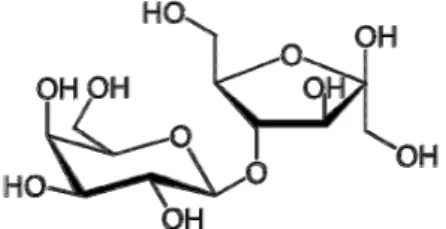
Fig. 1. Chemical structure of lactulose.
서 론
최근 경제성장과 함께 사회적으로 건강한 삶에 대한 관심과 욕구가 높아지고 있지만 전 세계적으로 비만 인구가 급격히 증가함으로 인해 비만과 성인병이 새로운 사회적 문제로 대두 되고 있다. 세계보건기구 기구(WHO)에서는 이러한 현대인의 질병들에 대하여 과도한 당류의 섭취를 하나의 중요한 원인으 로 인식하고 있어 일일 당 섭취량을 낮출 것을 권고 하고 있으 며, 나아가서 세계 각국에서도 당류 저감화 정책을 수립하여 시행하고 있는 추세이다. 하지만 식품 산업에서 설탕, 과당 등은 단맛을 주는 감미료의 역할과 더불어 제품의 물성, 저장 성 등에도 중요한 역할을 담당하고 있기 때문에 단순히 식품 에 설탕, 과당 등의 함량을 줄이는 것에는 많은 한계가 있다 [39]. 따라서 기존의 설탕이나 과당에 비해 감미도는 떨어지지 않으면서도 유사한 물성이나 특성을 지니고 있는 대체 감미료
소재에 대한 요구성이 나날이 증가하고 있는 추세이며, 특히, 식품 산업에서는 맛과 영양학적 기능에서 건강 유지 및 관리 에 도움을 줄 수 있는 생리 활성을 가지는 기능성 식품에 대한 수요가 지속적으로 증가하고 있다. 이러한 이유로 인하여 최 근 식품을 비롯한 의약산업 등에서는 기존의 설탕, 과당 등을 대체 할 수 있음과 동시에 생리활성 기능을 지니는 대체 감미 료에 대한 관심이 증가하고 있다.
Lactulose (4-O-β-d-galactopyranosyl-d-fructose)는 유당 (lactose)의 이성질체로 갈락토오스(galactose)와 과당(fruc- tose)의 β-1,4-glycosidic 결합으로 구성된 천연에 거의 존재하 지 않는 비소화성 기능성 이당류이다(Fig. 1) [2, 20]. Lactulose 는 소장에서 β-galactosidase에 의해 분해되지 않고 대장에 도 달하여 장내 유산균에 의해 이용되어 대장의 pH를 저하시킴 으로써 유해균의 증식을 억제 시키고 장내 균총을 유익한 방 향으로 개선시키는 기능성을 가지고 있는 이당류이다[68]. 또 - Review -
한 lactulose는 수용성 식이섬유로 작용하여 변비와 간성뇌질 환 등의 치료에 이용되고 있으며 폐경기 이후 여성의 칼슘 흡수를 촉진시키는 기능이 있다는 연구 결과도 발표되어 있다 [9, 14, 26, 47, 57, 78].
Lactulose는 설탕의 60-80% 정도의 감미도를 지니고 있으 며, 특히 유당에 비해 감미도 및 용해도가 우수하여 당뇨병 환자를 위한 감미료, 음료, 유제품, 제과, 제빵 등에 대한 식품 개발에도 그 이용성이 높게 기대되고 있다[8, 55, 57].
현재 산업적으로 사용되고 있는 lactulose는 주로 lactose에 알칼리 용액을 촉매로 이용한 에피머 반응에 의한 화학적 방 법에 의해 생산되고 있다[4, 51]. 하지만, 화학적 방법은 고온, 고압에서 수산화나트륨, 수산화칼슘, 수산화칼륨 등 강알칼리 화합물을 첨가한 반응조건에서 진행되며, 특히, 중화 과정에 강산이 이용되고 있기에 환경오염의 문제와 함께 생성물의 과분해로 인한 수율 저하 및 반응 후 다양한 부산물 생성으로 인한 lactulose 정제 과정의 복잡성 등 다양한 문제점을 내포하 고 있다[4, 90]. 또한 aluminate와 borate를 사용하여 lactulose 를 생산하는 방법도 많이 이용되고 있지만, lactulose 생성 후 aluminate와 borate를 완전히 제거하기 위한 매우 고난이도의 공정이 요구되기에 산업적 측면에서는 높은 비효율성을 내포 하고 있는 공정이라고[90]. 이러한 다양한 문제점들로 인해 lactulose 생산에 이용되고 있는 화학적 합성 방법을 대체하기 위한 친환경적인 생물학적 lactulose 생산 방법에 대한 관심이 나날이 증가하고 있다[4, 90].
생물학적인 lactulose 생산방법으로는 β-galactosidase의 trans-galactosylation반응을 이용하여 lactose를 단당류로 전 환 시킨 후 fructose를 결합 시켜주는 반응을 통하여 lactulose 를 생물학적 방법으로 생산하는 연구가 주로 수행 되어져 왔 다[30, 36, 56, 71, 86]. 이러한 생물학적 방법은 친환경적이고 부산물이 나오지 않아 정제 공정이 간단하다는 장점을 가지고 있지만 낮은 수율과 효소 반응 시 기질로서 유당뿐 아니라 fructose를 함께 고농도에서 반응을 해야 하기 때문에 경제적 으로 비효율적이라는 단점을 지니고 있다. 이에 최근 효소적 방법을 이용하여 친환경적이고 유당 단일 기질만을 사용하여 높은 수율로 lactulose를 생산 할 수 있는 cellobiose 2-epimer- ase를 이용한 lactulose 생산에 대한 연구가 보고되고 있다[42, 43, 72].
본 총설에서는 lactulose의 다양한 이용 분야와 더불어 생물 학적 방법을 이용하여 lactulose를 생산하는 방법에 대한 소개 를 통해 lactulose의 활용도를 높이기 위한 방법을 모색 하고자 한다.
Lactulose의 의약 산업에서의 응용
Lactulose는 대장 내에서 Bifidobacterium의 성장을 특이적 으로 촉진 하는 prebiotics로서 bifidogenic 효과를 가지고 있 어 장내 유익한 균총의 증가, 장내기능활성, 면역력 증가를
통한 인간의 건강 향상 및 유지에 도움을 물질로서 알려져 있다[63, 73]. 또한 lactulose는 인체에서 해로운 물질 발생 억 제, 암예방, 변비 예방 및 완화, 노화에 관련된 장애의 예방 등에 대해서도 효능을 가지고 있는 것으로 알려져 있으며, 식 품 섭취 후 소화 과정에서 해로운 균들이나 부패균에 의해 발생하는 nitrosamine, 활성 발암 물질, 암모니아, 아민류, phenol, indol, skatole 등과 같은 유해한 발암물질의 생성억제 에 대해서도 lactulose는 기능이 보인다고 보고되어져 있다 [68].
Lactulose의 의약학적 사용은 주로 변비와 간성뇌증의 치료 제로 사용되고 있는데, 특히, 변비는 아주 흔한 소화관 증상으 로 전 인구의 약 20%에 대한 유병율이 보고되고 있다[23, 24].
일반적으로 변비 치료제로는 설사제가 많이 사용되고 있는데 이는 수분 및 전해질 손실, 2차성 알도스테론증, 단백소실 위 장염, 골 연화증, 알러지 반응, 신장애, 간장애, 유지질 폐렴, 흡수장애등의 부작용의 위험을 가지고 있어 장기 복용에는 적절하지 않다[76]. 하지만, lactulose 제제는 설사제로 인한 이러한 부작용의 위험이 적어 안전하고 효과적인 변비에 대한 장기적인 치료약으로서 선택되어 사용 되고 있다[64, 79, 83].
Lactulose는 특히, 소장에서 체내로 흡수되지 않고 삼투압을 증가 시킴으로서 수분을 함유한 부피를 증가 시켜 소장운동을 촉진하고 대장으로 바로 이행되어 당 장내 세균에 의한 발효 과정을 통해 단사슬 지방산을 형성하여 대장 운동을 자극 한 다고 알려져 있다[45]. Lactulose가 대장에 도달하게 되면 삼투 작용의 증가에 의한 수분을 함유한 부피증가로 대장 내 내용 물의 이동을 촉진 시킬 수 있고 대장 내에서 장내 세균의 대사 에 의해 젖산, 개미산, 초산 등으로 대사되어 장내 pH를 낮추 고 이때 발생한 수소, 이산화탄소, 메탄 가스 등이 장관 연동 운동을 촉진하게 되어 변비 치료에 있어 완하제(laxative)로서 lactulose가 많이 사용 되고 있는 것이다[8, 20, 47, 50, 57].
간성뇌증은 심한 간기능 저하 상태에서 발생하는 의식, 인 격, 지력, 행동 및 신경학적 이상 등을 특징으로 하는 신경정신 과학적 증후군으로서, 간성뇌증은 장에서 발생한 각종 질소화 합물들 특히 암모니아가 신경 독성 물질로 작용하여 뇌 기능 을 저하 시킬 수 있다고 생각 되고 있다[17]. 간경변으로 인한 간성뇌증 환자들의 주요 유발 원인은 체내 암모니아 증가로 알려져 있어 이러한 유발 요인을 교정 하는 것으로도 간성뇌 증이 호전될 수 있는 것으로 알려져 있는데, 간성뇌증의 치료 를 위해서는 장내 독소의 생성 및 흡수 억제, 간에서 독소 대사 의 증가, 혈액뇌장벽의 통과 억제, 뇌에서 신경 억제성 신경전 달물질의 길항 작용에 의한 치료 방법들이 알려져 있다. Lac- tulose는 암모니아를 형성할 수 있는 장내 물질을 신속히 배출 할 수 있는 기능을 보유하고 있는 물질이며, 특히, 장내 세균의 대사에 의해 젖산, 개미산, 초산 등을 생성하여 대장 내 pH를 낮추는데 효과가 있다. 이러한 장내 산성화는 요소분해효소를 생산하는 장내 세균을 억제하여 암모니아 생성을 줄이고 암모
Table 1. Comparison of properties of some disaccharides
Sugars Molecular weight (g/mol) Melting point (℃) Solubility in water at 25℃ (g/l) Relative sweetness (%) Sucrose
Maltose Lactose Lactulose
342.30 342.30 342.30 342.30
186 160 203 169
2,100 1,080 216 764
100 50 16 62
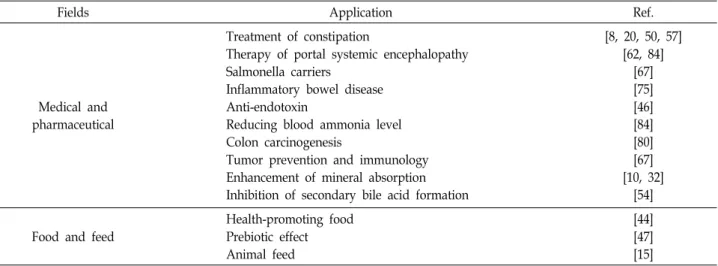
Table 2. Biological activities of lactulose
Fields Application Ref.
Medical and pharmaceutical
Treatment of constipation
Therapy of portal systemic encephalopathy Salmonella carriers
Inflammatory bowel disease Anti-endotoxin
Reducing blood ammonia level Colon carcinogenesis
Tumor prevention and immunology Enhancement of mineral absorption Inhibition of secondary bile acid formation
[8, 20, 50, 57]
[62, 84]
[67]
[75]
[46]
[84]
[80]
[67]
[10, 32]
[54]
Food and feed
Health-promoting food Prebiotic effect Animal feed
[44]
[47]
[15]
니아의 혈액 내 흡수억제에 기여 하는 것으로 알려져 있다[11, 12, 19, 62, 84].
그리고 lactulose는 anti-endotoxin에 대한 특성도 지니고 있어 내독소혈정(endotoxemia) 예방 효과와 세균 및 세균성 독소에 의한 대장염에 대한 치료 효과에 대해서도 연구가 활 발하게 진행 되고 있으며[46], bifidogenic 효과 와 DNA 보호 및 손상을 감소 시키는 효과를 통한 암 예방 작용 및 면역력 강화 효과, 살모넬라 담체, 혈당 및 인슐린 수준 유지 등 다양 한 분야에 대한 lactulose 적용 연구가 진행되고 있다(Table 2) [16, 18, 46, 49, 67, 80].
Lactulose의 식품 산업에서의 응용
Lactulose는 fructose와 galactose로 구성된 이당류로 설탕, 유당과 같은 분자량을 가지고 있지만 유당에 비해 감미도가 높고 물에 대한 용해도가 높은 것으로 알려져 있다(Table 1).
최근에 보고되고 있는 lactulose에 대한 prebiotics로서의 기능 은 lactulose의 건강 기능식품으로서의 활용가능성을 높게 시 사하고 있다. Bifidobacterium은 장내 유익균으로 비타민 합성, 소화 흡수 증진 등 다양한 기능을 지니고 있는데, lactulose가 이러한 Bifidobacterium의 증식촉진에 효과적으로 영향을 미친 다고 알려져 있다[13, 22, 59, 60, 65, 69]. 현재 lactulose는 “유 익균 증식, 유해균 억제에 도움을 줄 수 있음(생리활성기능 2등급)”의 기능성으로 식품의약품안전처에 개별인정 원료로 서 등록이 되어 있는 상태이다. Lactulose의 일일 섭취량은 하 루 650 ~3,000 mg으로 정해져 있으며, lactulose 섭취에 의해
장내 유익 균총이 향상 되고 장 운동이 활발해 진다고 알려져 있어 요구르트 등에 첨가되어 섭취되고 있기도 하다. 또한 설 탕과 비교해 60-80%의 감미도를 지니고 있지만 칼로리는 약 1 Kcal/g으로 설탕의 1/4에 불과하고 물에 대한 용해도가 유 당보다 높아서 제과 제빵 제품, 음료, 유야용 분유 및 유제품 등에 다양하게 사용되고 있다[61]. 또한 lactulose는 감미도는 있지만 혈당에는 영향을 미치지 않기 때문에 당뇨병 환자들에 게 설탕 대체 감미료로 사용이 가능하다. 그리고 lactulose는 열에 대한 안정성이 높은 특성으로 인해 Maillard reaction에 의한 제품 고유 색상을 해치지 않아 향후 제과, 제빵 등 고온 작업이 필요한 식품 분야에서 적극적인 이용이 기대 된다[8, 55, 57]. 이러한 lactulose의 우수한 이화학적 특성 및 물리화학 적 특성 그리고, 모든 연령에서 사용 가능한 특성으로 인해 lactulose의 응용범위가 제과, 음료, 빙과, 유제품, 감미료, 수산 제품등 상당히 광범위한 범위에서 사용이 가능 할 것으로 예 상 된다.
화학 합성법에 의한 lactulose의 생산
Lactulose는 lactose의 glucose부분이 fructose로 이성질화 되면서 생성된다. 특히 알칼리성 조건 하에서 이러한 반응이 주로 이루어 지고 있다. 일반적인 화학 합성법에 의한 lactu- lose생산에 알칼리성 촉매를 사용한 방법은 반응 시간이 빠르 다는 장점이 있지만 lactulose외의 다양한 부산물의 생성으로 인해 다단계의 정제 공정을 거쳐야 하고 고온고압상의 반응 조건은 고 에너지를 요구한다[4, 34, 38]. 또한 최근 환경에 대
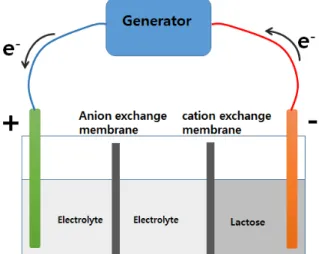
Fig. 2. Schematic representation of the electro-activation reactor.
한 관심이 높아 지면서 유기용매 및 화학 촉매에 대한 정화 비용과 함께 화학합성에 대한 환경오염 문제에 대한 사회적 인식이 재고되고 있다.
Lactulose의 화학적 생산방법으로서 60%의 lactose와 0.1%
의 수산화나트륨, 수산화칼륨 등의 염기성 촉매를 혼합하여 고온 처리에 의해 lactulose를 생산 할 수 있는데, 생성된 lactu- lose는 전기분해 및 이온교환수지 등을 이용하여 분리 한다 [90]. 그리고 또 다른 방법으로서 60-65%의 lactose를 황산염 또는 인삼염을 이용하여 고온에서의 반응을 통하여 lactose로 부터 lactulose를 생산할 수 있는데 반응 후 분리 정제과정을 거쳐 lactulose를 생산 한다. Lactulose의 화학적 합성법에 의 한 생산에 있어서 양쪽성 전해질인 aluminate와 borate를 사 용하여 lactulose를 생산할 경우 lactose로부터 70-80%의 높은 전환율을 보여 생산 수율이 높은 장점이 있지만 반응액 중 aluminate와 borate를 완전히 제거하기 위한 고난이도의 분리 정제 공정이 필수적으로 동반되기 때문에 공정 비용의 증가로 인해 산업적으로 활용 하기에는 많은 문제점을 내포하고 있다 [81, 89, 90]. 화학적 방법으로 알칼리 처리방법에 의한 이성화 반응으로 lactose로부터 lactulose를 생산 하는 방법은 현재 lactulose를 산업적으로 생산하는 주요 방법으로 이용되고 있 지만 알칼리 처리공정, 촉매 및 유기용매 제거, 이온교환수지 를 이용한 분리, 중화 공정 등의 고비용 공정 및 환경오염 유발 에 대한 우려 때문에 현대산업사회에서는 환경친화적이고 경 제적인 lactulose 생산 기술의 개발이 절대적으로 필요한 실정 이다.
전기자극 합성에 의한 lactulose 생산
최근 전기적인 자극에 의한 이성화 반응으로 안전하고 경제 적으로 lactose로부터 lactulose를 생산 하는 연구가 보고되고 있다[1, 6] 이 전기적인 방법은 electroisomerization reactor를 사용하여 수행하는데 기질인 lactose로 채워진 음극 부분, 전 해액으로 채워진 중앙 부분과 양극 부분 3파트로 구성되어지
고 각 파트는 ion exchange membrane으로 구분 된다. 음극과 양극 부분에 전극을 꽂고 전기를 흐르게 하면 고농도의 OH-와 H+가 각각 음극과 양극 부분에서 발생 된다(Fig. 2) [7]. 이는 중앙 각 부분의 ion exchange membrane를 통해 전자들의 이 동이 이루어 지고 lactose 용액으로 채워진 음극 부분은 lac- tose가 lactulose로 isomerization되는 pH 9 이상의 조건으로 알칼리화가 되어 OH- 이온이 protone acceptor로 작용하게 된다. 상온에서 본 방법으로 25%의 전환율을 보여 화학 합성 법과 비슷한 수준의 전환율을 보이고 약 1.5%의 galactose와 0.3%의 fructose가 부산물로 생성 된다고 보고 되어 있다[5]
높은 전압을 이용하여 반응 할 경우에 lactulose 생성양은 높아 지긴 하지만 이 경우 반응조 내의 온도가 급격히 증가 하고 예기치 못한 부산물들이 생성 된다는 단점이 있으며, 반응조 내의 온도 상승으로 인한 Maillard reaction에 의한 색상 변화 를 야기한다는 문제점도 내포하고 있다. 높은 전압 조건 하에 서 반응을 위해 반응조를 냉각 시키는 방법으로 전기 자극 반응 동안 반응조 온도를 30℃이하로 유지 시켜주는 장치를 고안 하여 0-10℃에서 반응이 이루어지도록 하여 순도 약 95%
의 lactulose 생산이 이루어졌지만, 전체적인 전환율은 25-30%
로서 비교적 낮은 전환율을 보였었다[1]. 이러한 방법은 순도 가 높은 lactulose를 생산 할 수 있다는 장점을 지니고 있지만 전환율이 30% 이내에 그치기 때문에 산업적으로 이용 하기 위해서는 그 전환율을 높일 수 있는 방법의 고안이 필요 하다 고 할 수 있다.
β-Galactosidase에 의한 lactulose의 생산
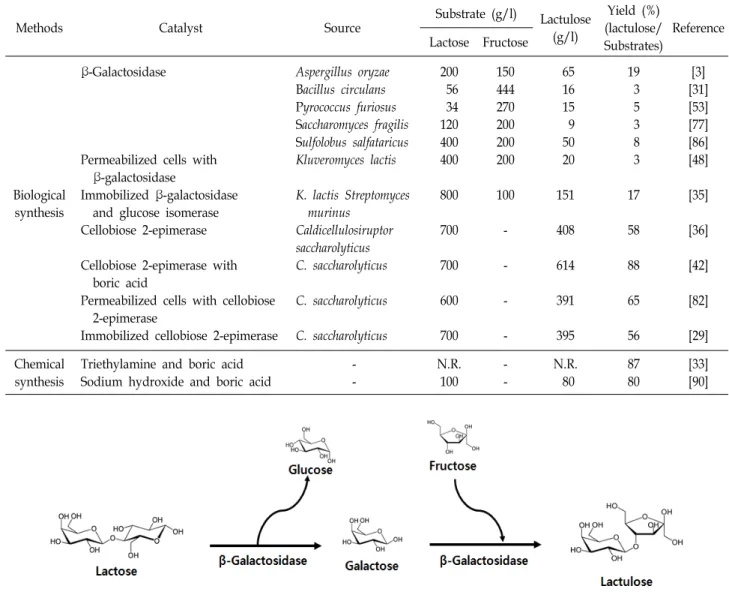
생물학적 lactulose의 생산 연구는 β-galactosidase의 trans- galactosylation 활성을 이용한 생산 방법이 주로 연구 되어 왔다(Table 3) [30, 36, 48, 56, 71, 86]. β-Galactosidase는 lac- tose 등 이당류를 가수분해 하여 단당류로 전환 시키는 활성 이외에도 trans-galactosylation반응에 의해 galacto-oligosac- charide 등의 lactose 유도체 합성 활성을 가지고 있는 효소로 알려져 있다. β-Galactosidase의 trans-galactosylation을 통한 lactulose 생산은 우선 기질로 사용되는 lactose가 β-galactosi- dase에 의해 glucose와 galactose로 가수분해 된 후 기질로 추 가해준 fructose와의 trans-galactosylation 반응을 통해 lactu- lose를 생성 하는 반응이다(Fig. 3). Aspergillus oryzae와 Pyr- ococcus furiosus 유래의 β-galactosidase에 의한 lactulose 생산 은 lactose 기준으로 약 44%의 전환율을 나타내어 β-galactosi- dase를 이용한 lactulose 생산에 있어서는 가장 높은 수준의 전환율을 보여 준다[52]. 하지만 A. oryzae 및 P. furiosus 유래 β-galactosidase 각각 단독으로 사용한 경우에는 lactose 기준 으로 약 33%와 29% 의 전환율을 나타 내고 있다[3, 53]. 하지만 기질로 lactose뿐 아니라 fructose가 추가로 사용되기 때문에 전체 기질 기준의 전환율은 A. oryzae와 P. furiosus 유래의 β- galactosidase에 의한 lactulose 생산은 20%, A. oryzae 및 P.
Table 3. Biological and chemical synthesis of lactulose from lactose
Methods Catalyst Source
Substrate (g/l) Lactulose (g/l)
Yield (%) (lactulose/
Substrates)
Reference Lactose Fructose
Biological synthesis
β-Galactosidase
Permeabilized cells with β-galactosidase
Immobilized β-galactosidase and glucose isomerase Cellobiose 2-epimerase
Cellobiose 2-epimerase with boric acid
Permeabilized cells with cellobiose 2-epimerase
Immobilized cellobiose 2-epimerase
Aspergillus oryzae Bacillus circulans Pyrococcus furiosus Saccharomyces fragilis Sulfolobus salfataricus Kluveromyces lactis
K. lactis Streptomyces murinus
Caldicellulosiruptor saccharolyticus C. saccharolyticus C. saccharolyticus C. saccharolyticus
200 56 34 120 400 400
800
700
700
600
700
150 444 270 200 200 200
100
-
-
-
-
65 16 15 9 50 20
151
408
614
391
395
19 3 5 3 8 3
17
58
88
65
56
[3]
[31]
[53]
[77]
[86]
[48]
[35]
[36]
[42]
[82]
[29]
Chemical synthesis
Triethylamine and boric acid Sodium hydroxide and boric acid
- -
N.R.
100 - -
N.R.
80
87 80
[33]
[90]
Fig. 3. Enzymatic conversion of lactulose by β-galactosidase.
furiosus 유래 β-galactosidase 각각 단독 사용에 의한 lactulose 의 생산은 약 19%와 5%라고 할 수 있다. 또한 Bacullus circu- lans, Saccharomyces fragillis, Sulfolobus solfataricus 유래의 β- galactosidase에 의한 lactulose 생산은 전체 기질을 기준으로 하였을 때 각각 3, 3, 8%로 보고 되어져 있다[31, 77, 86].
이러한 이유들로 인하여 β-Galactosidase에 의한 lactulose 생산의 효율성을 높이고자 하는 연구도 다양하게 진행 되어져 왔는데, Kluveromyces lactis 유래의 β-galactosidase 유전자를 cloning한 재조합 대장균 균주를 제조한 후, 재조합 균주에 대하여 기질의 permeabilization시킨 cell을 이용하여 lactose 400 g/l, fructose 200 g/l의 기질로부터 20 g/l의 lactulose를 생산한 연구가 보고 되어져 있으며[48], K. Lactis 유래의 lac- tase를 고정화 시킨 고정화 효소와 Novozyme사의 glucose isomerase를 이용하여 lactose 800 g/l, fructose 100 g/l를 기 질로 사용하여 76 g/l의 lactulose를 생산한 연구 결과 등이
보고 되어져 있다[35].
이러한 β-galactosidase에 의한 lactulose의 생산은 화학적 촉매를 이용한 방법과 비교하였을 때 강알칼리 등 화학적 촉 매의 사용이 없어 중화 과정을 거치지 않아도 되어 친환경적 이고 부산물의 생성이 없어 정제 과정이 간단하다는 장점이 있지만 고농도의 lactose가 기질로 사용되어야 하고 추가적으 로 fructose를 기질로 넣어 줘야 한다는 점과 낮은 전환 수율이 단점으로 인식되고 있다.
Cellobiose 2-epimerase에 의한 lactulose의 생산 Cellobiose 2-epimerase (CE)는 cellobiose를 d-glucosyl-d- mannose로 전환시켜주는 이당류 2-epimerase로서, 중온균 유 래의 중온 CE는 cellobiose를 d-glucosyl-d-mannose, lactose 를 epilactose (4-O-β-d-glucopyranosyl-d-mannose)로 전환 시켜준다고 알려져 있다[37, 66, 70, 74]. 하지만 Park 등에 따르
Fig. 4. Enzymatic conversion of lactulose by cellobiose 2-epimerase.
면 고온균 Caldicellulosiruptor saccharolyticus 유래의 고온성 CE의 경우 cellobiose를 4-O-β-d-glucopyranosyl-d-mannose 과 4-O-β-d-glucopyranosyl-d-fructose로 단당류인 glucose를 mannose와 fructose로 전환 시킨다는 연구 결과를 발표 하였 다[58]. 이는 고온성 CE는 이당류의 glucose 잔기를 isomer- ization 시키는 활성을 가지고 있고 이러한 활성을 이용하여 lactose (4-O-β-d-galactopyranosyl-d-glucose)의 glucose 부분 을 isomerization 시켜 lactulose (4-O-β-d-galactopyranosyl- d-fructose)로 전환 시킬 수 있다는 것이 시사되었으며, 실제로 C. saccharolyticus 유래 CE를 이용한 lactulose의 생산연구에 있어서 700 g/l의 lactulose를 기질로 사용하여 80℃ 고온의 조건 하에서 효소반응을 진행하였들때, C. saccharolyticus 유래 CE는 408 g/l의 lactulose를 생산하여 58%의 높은 전환율을 나타 내었다(Fig. 4) [36]. C. saccharolyticus 유래 CE를 이용한 lactulose의 생산뿐만 아니라 고온균인 Dictyoglomus turgidum 유래의 CE를 이용하였을 경우에도 70℃ 고온 조건하에서 54%
의 lactulose 전환율이 확인되었다[40]. 이 과정에서 C. saccha- rolyticus 및 D. turgidum 유래의 CE는 각각 15.2%와 12.8%의 전환율로 epi-lactose를 생산 하는것으로 확인되었는데[40, 43], epilactose는 lactulose 생산에 있어 부산물로 생성 되기는 하지만 epilactose 역시 prebiotic의 활성을 가지는 기능성 이 당류로 분류 되어져 있기에 본 효소반응을 통해 부가적으로 생산되는 epilactose의 활용성에 대한 연구도 향 후 많은 주목 을 받을 것으로 기대된다[37].
미생물 유래 CE를 이용한 lactulose의 생산 방법이 lactu- lose의 효소적 생산에 있어 매우 효율적으로 활용될 수 있는 방법으로 인식되고 있어 최근 CE를 이용한 다양한 lactulose 생산 연구가 활발하게 진행되고 있다. 우선 lactulose 전환율을 높이기 위한 시도로 boric acid의 당 종류에 따른 친화도 차이 를 이용하여 boric acid-lactulose complex를 이용한 lactulose 생산률 향상에 대한 연구가 시도되고 있다[42]. Boric acid가 glucose보다 fructose에 대한 친화도가 높아 CE를 이용하여 lactose로부터 lactulose가 생산되면, 생산된 lactulose에 대하 여 boric acid의 결합이 이루어져 lactulose-boric acid complex 를 형성하게 된다. 이러한 현상은 반응계 내에서 순수하게 존 재하는 lactulose의 양을 줄여주는 효과로 이어져 lactose와 lactulose의 평형 상태의 균형을 재조정하게 됨으로써 효소반 응을 통해 lactulose의 전환률을 높일 수 있는 것으로 알려져 있다[21, 41, 87]. 이러한 방법을 이용한 경우 lactose와 boric acid가 1:1 비율로 존재할 경우 614 g/l의 lactulose를 생산하여
88%의 전환율이라는 높은 lactulose 생산성을 보여주었고 부 산물인 epilactose는 12 g/l로 2% 미만으로 생성의 결과를 보 였다[42].
C. saccharolyticus 유래 CE의 경우에는 CE 유전자가 cloning 된 재조합 대장균을 EtOH를 이용하여 permeabilization 시킨 균체를 이용하여 600 g/l의 lactose로부터 390.6 g/l의 lactu- lose를 생산하여 65.1%의 전환율과 2% 미만의 epolactose 생 산 보고에 대한 연구 결과도 발표 되어 있으며, C. saccha- rolyticus 유래 CE를 Bacillus spores에 고정화 시킨 고정화 효소 를 이용하여 700 g/l의 lactose로부터 395 g/l의 lactulose를 생산한 연구결과도 보고 되어져 있다[29].
또한 최근에는 반응 부산물인 epilactose의 생성을 원천적 으로 차단 하고자 C. saccharolyticus 유래 CE를 random muta- genesis 방법 등을 이용하여 효소 개량을 시도한 연구 결과가 발표 되어져 있는데, 본 연구 결과에 따르면 R5M/A12S/
I52V/F231L/K328I의 5개의 아미노산 잔기가 치환된 mutant 에서 효소 활성 및 열안정성이 각각 2.8배, 1.1배 증가하였고 80℃ 고온 조건 하에서 500 g/l의 lactulose를 기질로 사용하였 을 경우 380 g/l의 lactulose를 전환율 76%로 생산하고 epi- lactose는 생성되지 않았다는 연구 결과도 보고되었다[72]. 현 재까지 효소의 산업적 이용은 그 높은 활용 잠재성은 지속적 으로 시사되고 있지만 효소가 가지고 있는 특성들이 목적 물 질의 산업적 대량생산에 적용하기에는 많이 미흡한 경우가 많아서 효소의 산업적 활용에 많은 한계를 보이고 있는 것이 효소 산업적 활용의 현실이라고 할 수 있다. 따라서, 다양한 방법으로 효소 기질 특이성 조절이나 온도, pH 에 대한 효소 활성 증대 및 안정성에 관련된 효소 개량 연구는 효소를 산업 적 활용에 매우 중요한 연구분야로서 최근에 지속적으로 그 연구 영역이 확장되고 있는 추세이다[25, 27, 28, 85, 88].
미생물 유래 CE를 이용한 lactulose의 생산은 β-galactosi- dase를 이용한 lactuose의 생산에 비해 추가로 fructose를 기질 의 첨가가 필요하지 않다는 점과 함께 높은 전환율이 장점이 라 할 수 있다. 다만 부산물로 epilactose가 생성 되지만 epi- lactose 역시 prebiotics로서 기능성 이당류로의 활성이 알려져 있기에 epilactose에 대한 활용 연구에 대한 필요성이 제시되 기도 하지만, lactulose 생산에 있어서는 epilactose를 처음부 터 생성되지 않게 하는 방법에 대한 연구도 지속적으로 이어 지고 있어 향후 효소를 이용한 lactulose의 산업적 생산에 유용 하게 활용될 수 있을 것으로 기대 된다.
결 론
Lactulose가 가지고 있는 우수한 이화학적, 물리화학적 특 성 및 생리 활성으로 인해 식품 및 제약 분야에서 lactulose는 잠재적 활용가치가 높은 기능성 이당류로 향후 그 활용도가 더욱더 확대 될 것으로 기대된다. 강알칼리 촉매에 의한 화학 적 lactulose의 생산은 고온, 고압의 반응 조건 및 중화 과정에 서 강산을 사용하고 생성물의 과분해 및 부산물 생성에 의한 복잡한 정제과정이 필요하며 환경오염에 문제점도 내포하고 있지만, 생물학적 방법에 의한 lactulose 생산은 반응의 정밀 성, 특이성, 반응 공정의 안전성 및 친환경적 생산방법이라는 다양한 장점을 가지고 있다. 특히, 기존의 β-galactosidase를 이용한 lactulose 생산법의 단점으로 인식되고 있는 fructose 기질의 추가 사용 및 낮은 전환율은 최근 미생물 유래 cello- biose 2-epimerase (CE)를 이용한 lactulose 생산 연구를 통해 효과적인 방법으로 개선되고 있다. 하지만 아직까지 lactulose 생산을 위한 효소 발현 연구, 활성 및 안정성이 확보될 수 있는 상업용 효소 개발 및 효소 및 미생물 고정화에 대한 기술개발 등과 같이 효소를 이용한 lactulose 산업적 생산을 위해서는 효소자원 및 반응공정에 대한 다양한 후속 연구가 지속적으로 이루어져 야 할 필요성이 있다.
감사의 글
이 논문은 2016년도 정부(교육부)의 재원으로 한국연구재 단의 지원을 받아 수행된 기초연구사업임(No. 2015R1D1A1 A01059570).
References
1. Aït Aissa, A. and Aïder, M. 2014. Electro-catalytic isomer- ization of lactose into lactulose: The impact of the electric current, temperature and reactor configuration. Int. Dairy J. 34, 213-219.
2. Adachi, S. 1958. Formation of lactulose and tagatose from lactose in strongly heated milk. Nature 181, 840-841.
3. Adamczak, M., Charubin, D. and Bednarski, W. 2009.
Influence of reaction medium composition on enzymatic synthesis of galactooligosaccharides and lactulose from lac- tose concentrates prepared from whey permeate. Chem. Pap.
63, 111-116.
4. Aïder, M. and de Halleux, D. 2007. Isomerization of lactose and lactulose production: review. Trends Food Sci. Technol.
18, 356-364.
5. Aïder, M. and Gimenez-Vidal, M. 2013. Lactose isomer- ization into lactulose in an electro-activation reactor and high-performance liquid chromatography (HPLC) mono- itoring of the process. J. Food. Engr. 119, 115-124.
6. Aïder, M. and Gimenez-Vidal, M. 2012. Lactulose synthesis by electro-isomerization of lactose: effect of lactose concen-
tration and elecrric current density. Innov. Food Sci. Emerg.
16, 163-170.
7. Aït-Aissa, A. and Aïder, M. 2014. Lactose electroisomeriza- tion into lactulose: effect of the electrode material, active membrane surface area-to-electrode surface area ratio, and interelectrode-membrane distance. J. Dairy Sci. 97, 4811-4823.
8. Aït-Aissa, A. and Aïder, M. 2014. Lactulose: production and use in functional food, medical and pharmaceutical applica- tions. Practical and critical review. Int. J. Food Sci. Tech. 49, 1245-1253.
9. Avery, G. S., Davies, E. F. and Brogden, R. N. 1972.
Lactulose: a review of its therapeutic and pharmacological properties with particular reference to ammonia metabolism and its mode of action of portal systemic encephalopathy.
Drugs 4, 7-48.
10. Beynen, A. C., Kappert, H. J. and Yu, S. 2001. Dietary lactu- lose decreases apparent nitrogen absorption and increases apparent calcium and magnesium absorption in healthy dogs. J. Anim. Physiol. Anim. Nutr. (Berl) 85, 67-72.
11. Bircher, J., Muller, J., Guggenheim, P. and Haemmerli, U.
P. 1966. Treatment of chronic portal-systemic encephalop- athy with lactulose. Lancet 1, 890-892.
12. Blanc, P., Daures, J. P., Rouillon, J. M., Peray, P., Pierrugues, R., Larrey, D., Gremy, F. and Michel, H. 1992. Lactitol or lactulose in the treatment of chronic hepatic encephalop- athy: results of a meta-analysis. Hepatology 15, 222-228.
13. Boehm, G. and Moro, G. 2008. Structural and functional as- pects of prebiotics used in infant nutrition. J. Nutr. 138, 1818S-1828S.
14. Bouhnik, Y., Attar, A., Joly, F. A., Riottot, M., Dyard, F. and Flourie, B. 2004. Lactulose ingestion increases faecal bifido- bacterial counts: a randomised double-blind study in healthy humans. Eur. J. Clin. Nutr. 58, 462-466.
15. Bovee-Oudenhoven, I. M., ten Bruggencate, S. J., Lettink- Wissink, M. L. and van der Meer, R. 2003. Dietary fructo-oli- gosaccharides and lactulose inhibit intestinal colonisation but stimulate translocation of salmonella in rats. Gut 52, 1572-1578.
16. Brommage, R., Binacua, C., Antille, S. and Carrie, A. L. 1993.
Intestinal calcium absorption in rats is stimulated by dietary lactulose and other resistant sugars. J. Nutr. 123, 2186-2194.
17. Butterworth, R. F. 2002. Pathophysiology of hepatic ence- phalopathy: a new look at ammonia. Metab. Brain. Dis. 17, 221-227.
18. Chen, X., Zuo, Q., Hai, Y. and Sun, X. J. 2011. Lactulose:
an indirect antioxidant ameliorating inflammatory bowel disease by increasing hydrogen production. Med. Hypotheses 76, 325-327.
19. Clausen, M. R. and Mortensen, P. B. 1997. Lactulose, dis- accharides and colonic flora. Clinical consequences. Drugs 53, 930-942.
20. Conn, H. O. and Floch, M. H. 1970. Effects of lactulose and Lactobacillus acidophilus on the fecal flora. Am. J. Clin. Nutr.
23, 1588-1594.
21. De Muynck, C., Beauprez, J., Soetaert, W. and Vandamme, E. J. 2006. Boric acid as a mobile phase additive for high
performance liquid chromatography separation of ribose, arabinose and ribulose. J. Chromatogr. A 1101, 115-121.
22. De Souza Oliveira, R. P., Rodrigues Florence, A. C., Perego, P., De Oliveira, M. N. and Converti, A. 2011. Use of lactulose as prebiotic and its influence on the growth, acidification profile and viable counts of different probiotics in fermented skim milk. Int. J. Food Microbiol. 145, 22-27.
23. Drossman, D. A., Li, Z., Andruzzi, E., Temple, R. D., Talley, N. J., Thompson, W. G., Whitehead, W. E., Janssens, J., Funch-Jensen, P., Corazziari, E., Richter J. E. and Koch, G.
G. 1993. U.S. householder survey of functional gastroin- testinal disorders. Prevalence, sociodemography, and health impact. Dig. Dis. Sci. 38, 1569-1580.
24. Everhart, J. E., Go, V. L., Johannes, R. S., Fitzsimmons, S.
C., Roth, H. P. and White, L. R. 1989. A longitudinal survey of self-reported bowel habits in the United States. Dig. Dis.
Sci. 34, 1153-1162.
25. Fan, Y., Fang, W., Xiao, Y., Yang, X., Zhang, Y., Bidochka, M. J. and Pei, Y. 2007. Directed evolution for increased chiti- nase activity. Appl. Microbiol. Biotechnol. 76, 135-139.
26. Florent, C., Flourie, B., Leblond, A., Rautureau, M., Bernier, J. J. and Rambaud, J. C. 1985. Influence of chronic lactulose ingestion on the colonic metabolism of lactulose in man (an in vivo study). J. Clin. Invest. 75, 608-613.
27. Fujiwara, T., Saburi, W., Matsui, H., Mori, H. and Yao, M.
2014. Structural insights into the epimerization of beta-1,4- linked oligosaccharides catalyzed by cellobiose 2-epimerase, the sole enzyme epimerizing non-anomeric hydroxyl groups of unmodified sugars. J. Biol. Chem. 289, 3405-3415.
28. Goldsmith, M. and Tawfik, D. S. 2012. Directed enzyme evo- lution: beyond the low-hanging fruit. Curr. Opin. Struct. Biol.
22, 406-412.
29. Gu, J., Yang, R., Hua, X., Zhang, W. and Zhao, W. 2015.
Adsorption-based immobilization of Caldicellulosiruptor sac- charolyticus cellobiose 2-epimerase on Bacillus subtilis spores.
Biotechnol. Appl. Biochem. 62, 237-244.
30. Guerrero, C., Vera, C., Araya, E., Conejeros, R. and Illanes, A. 2015. Repeated-batch operation for the synthesis of lactu- lose with beta-galactosidase immobilized by aggregation and crosslinking. Bioresour. Technol. 190, 122-131.
31. Guerrero, C., Vera, C., Plou, F. and Illanes, A. 2011. Influence of reaction conditions on the selectivity of the synthesis of lactulose with microbial beta-galactosidases. J. Mol. Catal. B:
Enzym. 72, 206-212.
32. Heijnen, A. M., Brink, E. J., Lemmens, A. G. and Beynen, A. C. 1993. Ileal pH and apparent absorption of magnesium in rats fed on diets containing either lactose or lactulose.
Br. J. Nutr. 70, 747-756.
33. Hicks, K. B. and Parrish, F. W. 1980. A new method for the preparation of lactulose from lactose. Carbohydr. Res. 82, 393-397.
34. Hicks, K. B. and Parrish, F. W. 1980. Anewmethodfor the- preparation of lactulose from lactose. Carbohydr. Res. 82, 393- 397.
35. Hua, X., Yang, R., Zhang, W., Fei, Y., Jin, Z. and Jiang, B.
2010. Dual-enzymatic synthesis of lactulose in organic-
aqueous two-phase media. Food Res. Int. 43, 716-722.
36. Hung, M. N. and Lee, B. H. 2002. Purification and character- ization of a recombinant beta-galactosidase with trans- galactosylation activity from Bifidobacterium infantis HL96.
Appl. Microbiol. Biotechnol. 58, 439-445.
37. Ito, S., Taguchi, H., Hamada, S., Kawauchi, S., Ito, H., Senoura, T., Watanabe, J., Nishimukai, M., Ito, S. and Matsui, H. 2008. Enzymatic properties of cellobiose 2-epi- merase from Ruminococcus albus and the synthesis of rare oligosaccharides by the enzyme. Appl. Microbiol. Biotechnol.
79, 433-441.
38. Mendicino, J. F. 1960. Effect of borate on the alkali-catalyzed isomerization of sugars. J. Am. Chem. Soc. 82, 4975-4970.
39. O'Donnell, K. and Kearsley, M. 2012. Sweeteners and Sugar Alternatives in Food Technology, pp. 32-46, 2nd Ed., John Wiley & Sons, Ltd: Chichester, West Sussex, UK.
40. Kim, J. E., Kim, Y. S., Kang, L. W. and Oh, D. K. 2012.
Characterization of a recombinant cellobiose 2-epimerase from Dictyoglomus turgidum that epimerizes and isomerizes beta-1,4- and alpha-1,4-gluco-oligosaccharides. Biotechnol.
Lett. 34, 2061-2068.
41. Kim, N. H., Kim, H. J., Kang, D. I., Jeong, K. W., Lee, J.
K., Kim, Y. and Oh, D. K. 2008. Conversion shift of D-fruc- tose to D-psicose for enzyme-catalyzed epimerization by ad- dition of borate. Appl. Environ. Microbiol. 74, 3008-3013.
42. Kim, Y. S., Kim, J. E. and Oh, D. K. 2013. Borate enhances the production of lactulose from lactose by cellobiose 2-epi- merase from Caldicellulosiruptor saccharolyticus. Bioresour.
Technol. 128, 809-812.
43. Kim, Y. S. and Oh, D. K. 2012. Lactulose production from lactose as a single substrate by a thermostable cellobiose 2-epimerase from Caldicellulosiruptor saccharolyticus. Bior- esour. Technol. 104, 668-672.
44. Kokke, F. T., Scholtens, P. A., Alles, M. S., Decates, T. S., Fiselier, T. J., Tolboom, J. J., Kimpen, J. L. and Benninga, M. A. 2008. A dietary fiber mixture versus lactulose in the treatment of childhood constipation: a double-blind random- ized controlled trial. J. Pediatr. Gastr. Nutr. 47, 592-597.
45. Kot, T. V. and Pettit-Young, N. A. 1992. Lactulose in the management of constipation: a current review. Ann. Phar- macother. 26, 1277-1282.
46. Koutelidakis, I., Papaziogas, B., Giamarellos-Bourboulis, E.
J., Makris, J., Pavlidis, T., Giamarellou, H. and Papaziogas, T. 2003. Systemic endotoxaemia following obstructive jaun- dice: the role of lactulose. J. Surg. Res. 113, 243-247.
47. Kunz, C. and Rudloff, S. 1993. Biological functions of oligo- saccharides in human milk. Acta Paediatr. 82, 903-912.
48. Lee, Y. J., Kim, C. S. and Oh, D. K. 2004. Lactulose pro- duction by beta-galactosidase in permeabilized cells of Kluyveromyces lactis. Appl. Microbiol. Biotechnol. 64, 787-793.
49. Levine, M. M. and Hornick, R. B. 1975. Lactulose therapy in Shigella carrier state and acute dysentery. Antimicrob.
Agents. Chemother. 8, 581-584.
50. Loguercio, C., Abbiati, R., Rinaldi, M., Romano, A., Del Vecchio Blanco, C. and Coltorti, M. 1995. Long-term effects of Enterococcus faecium SF68 versus lactulose in the treatment
of patients with cirrhosis and grade 1-2 hepatic encephalop- athy. J. Hepatol. 23, 39-46.
51. M´endez A. and Olano, A. 1979. Lactulose: a review of some chemical properties and applications in infant nutrition and medicine. Dairy. Sci. Abstr. 41, 531-535.
52. Mayer, J., Conrad, J., Klaiber, I., Lutz-Wahl, S., Beifuss, U.
and Fischer, L. 2004. Enzymatic production and complete nuclear magnetic resonance assignment of the sugar lactu- lose. J. Agric. Food Chem. 52, 6983-6990.
53. Mayer, J., Kranz, B. and Fischer, L. 2010. Continuous pro- duction of lactulose by immobilized thermostable beta-gly- cosidase from Pyrococcus furiosus. J. Biotechnol. 145, 387-393.
54. Nagengast, F. M., Hectors, M. P., Buys, W. A. and van Tongeren, J. H. 1988. Inhibition of secondary bile acid for- mation in the large intestine by lactulose in healthy subjects of two different age groups. Eur. J. Clin. Invest. 18, 56-61.
55. Olano, A. and Corzo, N. 2009. Lactulose as a food ingredient.
J. Sci. Food Agric. 89, 1987-1990.
56. Onishi, N. and Tanaka, T. 1995. Purification and properties of a novel thermostable galacto-oligosaccharide-producing beta-galactosidase from Sterigmatomyces elviae CBS8119.
Appl. Environ. Microbiol. 61, 4026-4030.
57. Panesar, P. S. and Kumari, S. 2011. Lactulose: production, purification and potential applications. Biotechnol. Adv. 29, 940-948.
58. Park, C. S., Kim, J. E., Choi, J. G. and Oh, D. K. 2011. Charac- terization of a recombinant cellobiose 2-epimerase from Caldicellulosiruptor saccharolyticus and its application in the production of mannose from glucose. Appl. Microbiol. Bio- technol. 92, 1187-1196.
59. Petuely, F. 1957. Lactobacillus bifidus flora produced in arti- ficially-fed infants by bifidogenic substances (bifidus factor).
Z. Kinderheilkd 79, 174-179.
60. Pham, T. T. and Shah, N. P. 2008. Effects of lactulose supple- mentation on the growth of bifidobacteria and biotransfor- mation of isoflavone glycosides to isoflavone aglycones in soymilk. J. Agric. Food Chem. 56, 4703-4709.
61. Porkka, L., Salminen, E. and Salminen, S. 1988. The effects of lactulose-sweetened yoghurt on the rate of gastric empty- ing and intestinal transit in healthy human volunteers. Z.
Ernahrungswiss 27, 150-154.
62. Prasad, S., Dhiman, R. K., Duseja, A., Chawla, Y. K., Sharma, A. and Agarwal, R. 2007. Lactulose improves cogni- tive functions and health-related quality of life in patients with cirrhosis who have minimal hepatic encephalopathy.
Hepatology 45, 549-559.
63. Rikkers, L., Jenko, P., Rudman, D. and Freides, D. 1978.
Subclinical hepatic encephalopathy: detection, prevalence, and relationship to nitrogen metabolism. Gastroenterology 75, 462-469.
64. Rousseau, P. 1988. Treatment of constipation in the elderly.
Postgrad. Med. 83, 339-349.
65. Ruttloff, H. T., Krause, W., Haenel, H. and Taufel, K. 1967.
The intestinal enzymaticdecompositionof galacto-oligosac- charides inthehuman and animal intestine, with particular regard to Lactobacillus bifidus. Part 2. On the intestinal behav-
iour of lactulose. Nahrung 11, 39-46.
66. Saburi, W., Yamamoto, T., Taguchi, H., Hamada, S. and Matsui, H. 2010. Practical preparation of epilactose pro- duced with cellobiose 2-epimerase from Ruminococcus albus NE1. Biosci. Biotechnol. Biochem. 74, 1736-1737.
67. Schumann, C. 2002. Medical, nutritional and technological properties of lactulose. An update. Eur. J. Nutr. 41, 17-25.
68. Schuster-Wolff-Buhring, R., Fischer, L. and Hinrichs, J. 2010.
Production and physiological action of the disaccharide lactulose. Int. Dairy J. 20, 731-741.
69. Seki, N., Hamano, H., Iiyama, Y., Asano, Y., Kokubo, S., Yamauchi, K., Tamura, Y., Uenishi, K. and Kudou, H. 2007.
Effect of lactulose on calcium and magnesium absorption:
a study using stable isotopes in adult men. J. Nutr. Sci.
Vitaminol. (Tokyo) 53, 5-12.
70. Senoura, T., Taguchi, H., Ito, S., Hamada, S., Matsui, H., Fukiya, S., Yokota, A., Watanabe, J., Wasaki, J. and Ito, S.
2009. Identification of the cellobiose 2-epimerase gene in the genome of Bacteroides fragilis NCTC 9343. Biosci. Biotechnol.
Biochem. 73, 400-406.
71. Shen, Q., Yang, R., Hua, X., Ye, F., Wang, H., Zhao, W. and Wang, K. 2012. Enzymatic synthesis and identification of oligosaccharides obtained by transgalactosylation of lactose in the presence of fructose using beta-galactosidase from Kluyveromyces lactis. Food Chem. 135, 1547-1554.
72. Shen, Q., Zhang, Y., Yang, R., Pan, S., Dong, J., Fan, Y. and Han, L. 2016. Enhancement of isomerization activity and lac- tulose production of cellobiose 2-epimerase from Caldicellu- losiruptor saccharolyticus. Food Chem. 207, 60-67.
73. Stadtner, D. 1997. Persistent cough in California. Hosp. Pract.
(1995) 32, 41, 44.
74. Taguchi, H., Senoura, T., Hamada, S., Matsui, H., Kobayashi, Y., Watanabe, J., Wasaki, J. and Ito, S. 2008. Cloning and sequencing of the gene for cellobiose 2-epimerase from a ruminal strain of Eubacterium cellulosolvens. FEMS Microbiol.
Lett. 287, 34-40.
75. Talley, N. J., Abreu, M. T., Achkar, J. P., Bernstein, C. N., Dubinsky, M. C., Hanauer, S. B., Kane, S. V., Sandborn, W.
J., Ullman, T. A., Moayyedi, P. and American College of Gastroenterology, I.B.D.T.F. 2011. An evidence-based sys- tematic review on medical therapies for inflammatory bowel disease. Am. J. Gastroenterol. 106 Suppl 1, S2-25; quiz S26.
76. Tedesco, F. J. and DiPiro, J. T. 1985. Laxative use in con- stipation. American College of Gastroenterology's Commit- tee on FDA-Related Matters. Am. J. Gastroenterol. 80, 303-309.
77. Vaheri, M. and Kaupinnen, V. 1978. The formation of lactu- lose (4-O-beta galactopyranosyl fructose by beta-galactosi- dase. Acta Pharm. Fenn. 87, 75-83.
78. Van den Heuvel, E. G., Muijs, T., Van Dokkum, W. and Schaafsma, G. 1999. Lactulose stimulates calcium absorption in postmenopausal women. J. Bone Miner. Res. 14, 1211-1216.
79. Verhulst, A. and Pandey, V. S. 1978. Infectious livestock dis- eases in the Republic of Zaire. Bull. Anim. Health. Prod. Afr.
26, 236-241.
80. Verma, A. and Shukla, G. 2013. Administration of prebiotic inulin suppresses 1, 2 dimethylhydrazine dihydrochloride
초록:생물학적 방법을 통한 기능성 이당 lactulose의 생산과 응용 연구
김영수1․김도연2․박창수3*
(1국립낙동강 생물자원관 담수생물특성연구실, 2(재)금산국제인삼약초연구소, 3대구가톨릭대학교 식품공학전공)
Lactulose는 lactose의 이성질체로 galactose와 fructose의 β-1,4-glycosidic 결합으로 구성된 비소화성 기능성 이 당으로 소장에서 분해되지 않고 대장에 도달하여 장내 유산균에 의해 이용되어 대장의 pH를 저하시켜 유해균의 증식을 억제 시키고 장내 균총을 유익한 방향으로 개선하는 효과를 가지고 있다. 또한 수용성 식이섬유로 작용하 여 변비와 간성뇌질환등의 치료에 이용되고 있고 lactose에 비해 감미도 및 용해도가 우수하여 다양한 식품산업으 로 유용하게 사용될 수 있는 높은 잠재적 활용가치를 보유하고 있는 기능성 당류이기도 하다. Lactulose를 생산하 기 위하여 화학적 방법과 효소적 방법이 보고 되어있는데, lactose를 강알칼리 조건에서 이성화시키는 화학적 방 법에 의한 lactulose의 생산은 고온, 고압의 반응 조건 및 중화 과정에서 사용되는 강산으로 인해 생성물의 과분해 및 부산물 생성에 의한 복잡한 정제과정이 요구되며 환경오염에 대한 심각한 문제를 내포하고 있다는 단점이 있 다. 이러한 화학적 방법과는 달리 β-galactosidase 또는 cellobiose 2-epimerase와 같은 효소를 이용한 lactulose의 생산은 반응의 정밀성, 특이성, 반응공정의 안전성 및 친환경적 생산방법이라는 다양한 장점을 가지고 있다. 하지 만, 효소적 생산 방법 중에서 β-galactosidase를 이용한 lactulose의 생산은 기질로서 유당뿐 아니라 과당을 함께 사용해야 하며 높은 기질농도에서만 반응이 이루어 지기 때문에 경제적으로 비효율적이라는 단점이 지적되고 있 기도 하다. Lactulose의 효소적 생산방법에 있어서 이러한 단점을 극복하기 위하여 lactose 단일 기질로부터 높은 수율의 lactulose를 생산할 수 있는 cellobiose 2-epimerase를 이용한 lactulose생산 방법에 대한 연구가 활발하게 진행되고 있지만 향후 효소 반응 공정 및 효소특성개량에 대한 지속적인 연구를 통하여 lactulose 산업적 생산을 위한 다양한 연구가 필요한 실정이다.
induced procarcinogenic biomarkers fecal enzymes and pre- neoplastic lesions in early colon carcinogenesis in Sprague Dawley rats. J. Func. Food. 5, 991-996.
81. Villamiel, M., Corzo, N., Foda, M. I., Montes, F. and Olano, A. 2002. Lactulose formation catalysed by alkaline-sub- stituted sepiolites in milk permeate. Food Chem. 76, 7-11.
82. Wang, M., Yang, R., Hua, X., Shen, Q., Zhang, W. and Zhao, W. 2015. Lactulose production from lactose by recombinant cellobiose 2-epimerase in permeabilised Escherichia coli cells.
Int. J. Food Sci. Tech. 50, 1625-1631.
83. Wesselius-De Casparis, A., Braadbaart, S., Bergh-Bohlken, G. E. and Mimica, M. 1968. Treatment of chronic con- stipation with lactulose syrup: results of a double-blind study. Gut 9, 84-86.
84. Wright, G., Chattree, A. and Jalan, R. 2011. Management of hepatic encephalopathy. Int. J. Hepatol. 2011, 1-10.
85. Yeom, S. J., Kim, Y. S. and Oh, D. K. 2013. Development of novel sugar isomerases by optimization of active sites in phosphosugar isomerases for monosaccharides. Appl.
Environ. Microbiol. 79, 982-988.
86. Kim, Y, S., Park, C. S. and Oh, D. K. 2006. Lactulose pro- duction from lactose and fructose by a thermostable be- ta-galactosidase from Sulfolobus solfataricus. Enzyme Microb.
Tech. 39, 903-908.
87. Yoshinari, T., Forbes, R. T., York, P. and Kawashima, Y.
2003. Crystallisation of amorphous mannitol is retarded us- ing boric acid. Int. J. Pharm. 258, 109-120.
88. Zhu, L., Tee, K. L., Roccatano, D., Sonmez, B., Ni, Y., Sun, Z. H. and Schwaneberg, U. 2010. Directed evolution of an antitumor drug (arginine deiminase PpADI) for increased activity at physiological pH. Chembiochem 11, 691-697.
89. Zokaee, F., Kaghazchi, T., Soleimani, M. and Zare, A. 2002.
Isomerisation of lactose to lactulose using sweet cheese whey ultrafiltrate. J. Chin. Inst. Chem. Eng. 33, 307-313 90. Zokaee, F., Kaghazchi, T., Zare, A. and Soleimani, M. 2002.
Isomerization of lactose to lactulose-study and comparison of three catalytic systems. Process Biochem. 37, 629-635.