ORIGINAL ARTICLE
Received: March 24, 2020, Revised: April 29, 2020, Accepted: April 30, 2020
Corresponding author: Yong Jin Kim, 1636 Nambusunhwan-ro, Gwanak-gu, Seoul 08779, Korea Bariatric and Metabolic Surgery Center, H+ Yangji Hospital
Tel: +82-70-4665-9517, Fax: +82-2-879-1610, E-mail: [email protected]
CC This is an open access article distributed under the terms of the Creative Commons Attribution Non-Commercial License (http://creativecommons.org/licenses/by-nc/4.0) which permits unrestricted non-commercial use, distribution, and reproduction in any medium, provided the original work is properly cited.
Diabetes Remission Rate after Sleeve Gastrectomy or Roux-en-Y Gastric Bypass; Utilizing Individualized Metabolic Surgery Score for Korean Patients
1
Bariatric and Metabolic Surgery Center, H+ Yangji Hospital,
2Department of Surgery, Soonchunhyang University Seoul Hospital, Seoul, Korea
Dae Geun Park
1, Yoona Chung
1, Sang Hyun Kim
2, Yong Jin Kim
1Purpose: The purpose of this study is to evaluate the usefulness of individualized metabolic surgery score for Korean patients in determining bariatric surgical procedures. Materials and Methods: A total of 135 patients with type 2 diabetes mellitus who underwent sleeve gastrectomy (n=19) or Roux-en-Y gastric bypass (n=116) at our institute with a 1-year follow up were analyzed for the predictive power of diabetes remission using the individualized metabolic surgery scoring system. Results: At the postoperative follow-up of 1 year, the remission of type 2 diabetes mellitus (HbA
1C< 6.5%, off medications) was achieved in 88 (65.2%) patients. The remission rates showed no significant differences between patients who underwent sleeve gastrectomy and Roux-en-Y gastric bypass (63.2% versus 65.5%; P=0.84), regardless of the severity of type 2 diabetes mellitus. Although there was no statistically significant difference in the remission rate according to the bariatric surgery procedures (P>0.99 in mild, P=0.11 in moderate, P>0.99 in severe IMS score), remission rates were higher in moderate severity patients who underwent Roux-en-Y gastric bypass than in those who underwent sleeve gastrectomy (69.7% versus 37.5%). Conclusion: The remission rates after bariatric surgery procedures were similar to that of the previously reported study. Despite the limitations of our data, the individualized metabolic surgery score can be used as a complement to other scoring systems in Korean patients.
Key Words: Diabetes mellitus, Remission, Gastrectomy, Gastric bypass
INTRODUCTION
Diabetes has been rapidly increasing health problems worldwide in the last several decades, especially in East Asia [1]. It is also a chronic disease with numerous complications and socioeconomic effects [2,3]. Derived from bariatric surgery, metabolic surgery has been proved superior to medical therapy for the type 2 diabetes mellitus (T2DM) patients [4-7]. There are two mainstreams of
bariatric surgery, one is sleeve gastrectomy (SG) and the other is Roux-en-Y gastric bypass (RYGB) [8,9]. Regardless of operative risk, the conclusion as to which surgical procedure produces better outcomes is debatable [10,11].
Some studies have reported the recurrence of T2DM even
after surgery [12]. Because of the reasons mentioned
above, we need to select the appropriate patients and
exclude conditions predicted to have poor outcomes in
improving T2DM after surgery. Consequently, a scoring
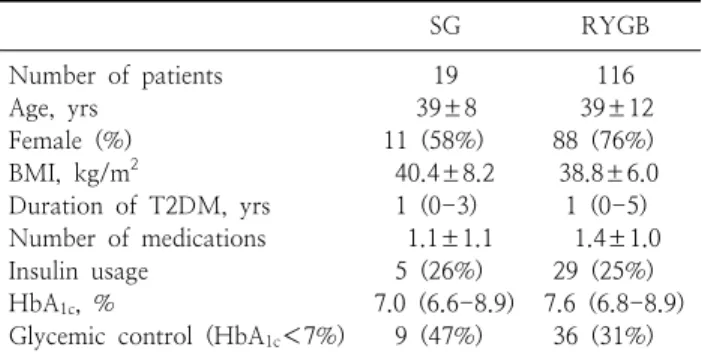
Table 1. Preoperative patient’s characteristics according to procedure
aSG RYGB
Number of patients 19 116
Age, yrs 39±8 39±12
Female (%) 11 (58%) 88 (76%)
BMI, kg/m
240.4±8.2 38.8±6.0
Duration of T2DM, yrs 1 (0-3) 1 (0-5) Number of medications 1.1±1.1 1.4±1.0 Insulin usage 5 (26%) 29 (25%) HbA
1c, % 7.0 (6.6-8.9) 7.6 (6.8-8.9) Glycemic control (HbA
1c<7%) 9 (47%) 36 (31%)
a
Descriptive statistics reported as mean±standard deviation, median (Q1-Q3), or count (%).
system for patient selection is necessary.
Several scoring systems have been proposed previously.
Recently, Aminian et al. [13] proposed the Individualized Metabolic Surgery (IMS) Score based on a large retrospective study with long-term glycemic follow-up after bariatric surgery and a validation cohort. The IMS score can be used not only for patient selection, but also for surgical procedure selection according to the severity of T2DM.
The objective of our study was to evaluate the usefulness of IMS for estimating the metabolic result after bariatric surgery and determining the optimal procedure in each IMS score in a Korean population.
MATERIALS AND METHODS
This retrospective study was approved by the Institutional Review Board (2018-11-023). We identified all patients who underwent primary SG or RYGB at Soonchunhyang University Seoul Hospital, Seoul, Korea, between 2009 and 2016. During this period, 248 patients with T2DM underwent primary SG or RYGB. Only patients with a complete and documented baseline and postoperative glycemic follow-up of at least 1 year were included.
Patients who received revision surgery or those who were lost to follow-up were excluded. Finally, a total of 135 patients were enrolled in this study.
Because the aim of this study was to check the applicability of the IMS scoring system, we applied similar inclusion and exclusion criteria. According to the American diabetes association (ADA) consensus statement, diabetes remission was defined as glycated hemoglobin (HbA
1C)<6.5%, fasting glucose <126 mg/dl, and at least 1 year duration in the absence of active pharmacologic therapy or ongoing procedures [14].
1. The choice of procedure
At our institute, the patient’s preference is taken into account for selection of the procedure if there are no contraindications for a certain procedure. For instance, patients with gastroesophageal reflux disease (GERD) are not recommended for LSG and patients who are currently smokers or on non-steroidal anti-inflammatory drugs (NSAIDs) are not recommended for LRYGB. We usually
explain all of the contraindications and risk factors for each procedure and decide on a procedure with the patient. Table 1 shows preoperative patient characteristics according to surgical procedure.
2. Surgical procedures
All operations were done using the laparoscopic technique. SG was performed by using five trocar incisions.
Gastric resection was performed with laparoscopic linear staplers under 36-Fr bougie guidance for creating a staple line parallel to the lesser curvature of the stomach. The staple line was selectively reinforced with either the interrupted method or the continuous oversewing method, especially where bleeding persisted or staples overlapped.
RYGB was performed via three 5-mm and two 12-mm ports. A small gastric pouch of approximately 30 ml volume was created along the lesser curvature by using laparoscopic linear staplers. A 40-cm biliopancreatic limb and a 100-cm alimentary limb were constructed. The surgical procedures are described in detail other articles [15,16].
3. Statistical analysis
All statistical analyses were performed using SPSS,
version 18.0 (SPSS Inc., Chicago, IL). Baseline comparison
was made using paired t tests or Wilcoxon signed rank
tests. The comparison of remission rates between SG and
RYGB was established using the χ
2tests. Within each
T2DM severity, numeric performance measures were
compared with independent-sample t tests or Mann-Whitney
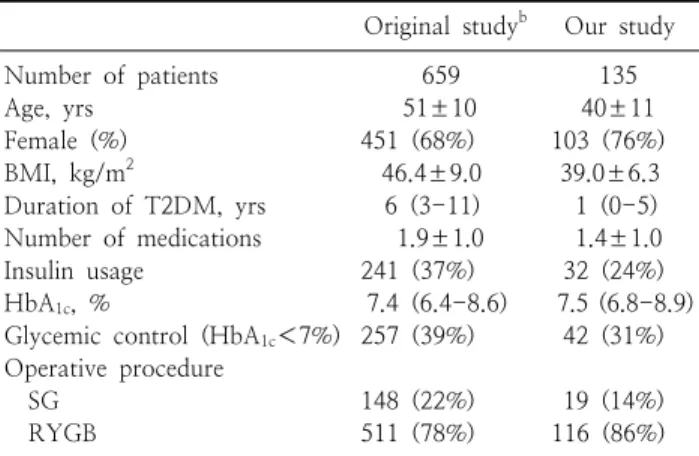
Table 2. Preoperative patient’s characteristics
aOriginal study
bOur study
Number of patients 659 135
Age, yrs 51±10 40±11
Female (%) 451 (68%) 103 (76%)
BMI, kg/m
246.4±9.0 39.0±6.3
Duration of T2DM, yrs 6 (3-11) 1 (0-5) Number of medications 1.9±1.0 1.4±1.0
Insulin usage 241 (37%) 32 (24%)
HbA
1c, % 7.4 (6.4-8.6) 7.5 (6.8-8.9)
Glycemic control (HbA
1c<7%) 257 (39%) 42 (31%) Operative procedure
SG 148 (22%) 19 (14%)
RYGB 511 (78%) 116 (86%)
a
Descriptive statistics reported as mean±standard deviation, median (Q1-Q3), or count (%).
b
Data from original article [13].
Table 3. Comparison of patient’s data before and after surgery Preoperative Postoperative P value*
Number of medications 1.36±0.1 0.30±0.7 <0.001 Insulin usage, n 32 (24%) 4 (3%) <0.001 Weight, kg 106.6±22.5 78.0±16.4 <0.001 BMI, kg/m
239.0±6.3 28.6±4.6 <0.001
%Total weight loss 26.4±7.7
FPG, mg/dl 167.9±68.7 112.7±35.4 <0.001
HbA
1c, % 8.0±1.5 6.0±1.1 <0.001 FPG = fasting plasma glucose.
*P<0.05.
tests, whereas categorical performance measures were compared with Fisher exact tests. Within each T2DM severity and surgical procedures, numeric performance measures were compared preoperatively with 1 year follow-up with paired t tests or Wilcoxon signed rank tests, whereas categorical performance measures were compared with McNemar tests to accommodate the paired nature of the data. We calculated the remission rates according to the IMS score to assess the ability of the scoring system to predict the outcome of treatment. A 2-sided P value of .05 was considered as statistically significant.
RESULTS
1. Characteristics of patients
Our dataset consisted of 135 patients who underwent either SG or RYGB with a complete postoperative glycemic follow-up of at least 1 year. Baseline characteristics of the study cohorts are summarized in Table 2 [13]. Patients had a mean body mass index (BMI) of 39.0±6.3 kg/m
2(range 28.9-58.3), a mean duration of T2DM of 3.3±0.4 years (range 0-22), and HbA
1Cof 8.0±0.1% (range 6.1-11.7).
The average number of diabetes medications at preo- perative state was 1.4±1.0, and 32 (24%) patients were taking insulin treatment before surgery. There were no mortality cases in our study.
2. Postoperative changes
After the 1-year follow-up, the mean percent of total weight loss, mean BMI and mean HbA
1Cwere sign- ificantly improved (Table 3). The mean percent total weight loss was 26.4±7.7%, and the mean BMI decreased from 39.0±6.3 kg/m
2to 28.6±4.6 kg/m
2. The mean HbA
1Cdecreased to 6.0±1.1%. Also, the number of medications and insulin usage were significantly reduced.
The remission of T2DM was observed in 88 (65.2%) patients at the 1-year follow-up. The remission rates showed no significant differences between patients who underwent SG and RYGB (63.2% versus 65.5%; P=0.84), in overall patients.
There were 4 patients who took insulin therapy at 1 year after the surgery. There were no patients with mild T2DM before surgery (2 moderate and 2 severe T2DM according to IMS score). Despite continuing insulin therapy, one patient who had moderate T2DM preoperatively achieved glycemic control (HbA
1C<7.0) 1 year after the bariatric surgery.
3. Utilization of IMS score
According to IMS score system, our patients were classified as the following: 32% mild, 55% moderate, and 13% severe (Table 4) [13]. The remission rates of T2DM, 1 year after surgery, were 88.4% for the mild, 66.2% for the moderate, 5.6% for the severe group.
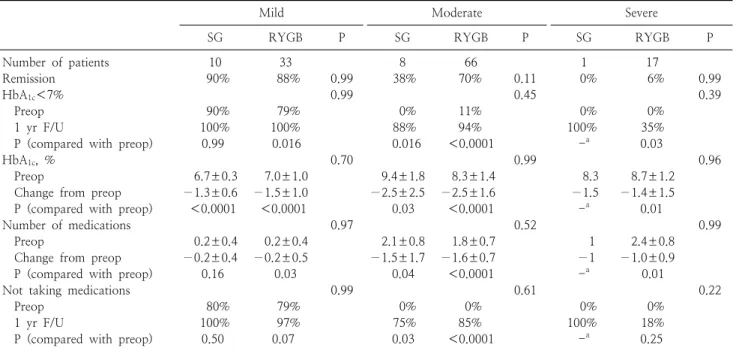
Table 5 shows changes since 1 year after surgery in
glycemic and medication status according to severity of
T2DM. In patients with mild T2DM (IMS score ≤25), SG
showed 90% remission rate and RYGB showed 88%
Table 4. Comparison of IMS score
Severity
Original study
aOur study
Frequency Remission after RYGB
Remission
after SG Frequency (n) Remission after RYGB (n)
Remission after SG (n)
Mild 15% 92% 74% 32% (43) 88% (29) 90% (9)
Moderate 51% 60% 25% 55% (74) 70% (46) 38% (3)
Severe 34% 12% 12% 13% (18) 6% (1) 0% (0)
a
Data from original article [13].
Table 5. Performance measures over time by diabetes severity level and metabolic surgical technique
Mild Moderate Severe
SG RYGB P SG RYGB P SG RYGB P
Number of patients 10 33 8 66 1 17
Remission 90% 88% 0.99 38% 70% 0.11 0% 6% 0.99
HbA
1c<7% 0.99 0.45 0.39
Preop 90% 79% 0% 11% 0% 0%
1 yr F/U 100% 100% 88% 94% 100% 35%
P (compared with preop) 0.99 0.016 0.016 <0.0001 -
a0.03
HbA
1c, % 0.70 0.99 0.96
Preop 6.7±0.3 7.0±1.0 9.4±1.8 8.3±1.4 8.3 8.7±1.2
Change from preop −1.3±0.6 −1.5±1.0 −2.5±2.5 −2.5±1.6 −1.5 −1.4±1.5
P (compared with preop) <0.0001 <0.0001 0.03 <0.0001 -
a0.01
Number of medications 0.97 0.52 0.99
Preop 0.2±0.4 0.2±0.4 2.1±0.8 1.8±0.7 1 2.4±0.8
Change from preop −0.2±0.4 −0.2±0.5 −1.5±1.7 −1.6±0.7 −1 −1.0±0.9
P (compared with preop) 0.16 0.03 0.04 <0.0001 -
a0.01
Not taking medications 0.99 0.61 0.22
Preop 80% 79% 0% 0% 0% 0%
1 yr F/U 100% 97% 75% 85% 100% 18%
P (compared with preop) 0.50 0.07 0.03 <0.0001 -
a0.25
a