Calculation
In this paper, we studied dissociation potential energy surfaces of transition metal compounds with DFT and HF-DFT. We also calculated CCSD(T)[14] which is called the “golden standard” in ab-initio calculations as a reference. Dissociation curves calculated with DFT are well known to be largely affected by SIE. Also, transition metal compounds are very challenging systems for the DFT due to their degenerated 3d orbitals. For practical comparisons between functionals and densities, molecular vibrational frequency is omitted. Various dissociation curves are graphed by calculating the binding energy, 𝐸𝐸𝐸𝐸𝑏𝑏𝑏𝑏 which is given by
𝐸𝐸𝐸𝐸𝑏𝑏𝑏𝑏(R) = 𝐸𝐸𝐸𝐸𝐴𝐴𝐴𝐴𝐴𝐴𝐴𝐴𝑡𝑡𝑡𝑡𝑡𝑡𝑡𝑡𝑡𝑡𝑡𝑡(𝑅𝑅𝑅𝑅) − (𝐸𝐸𝐸𝐸𝐴𝐴𝐴𝐴+ 𝐸𝐸𝐸𝐸𝐴𝐴𝐴𝐴) (5)
where 𝐸𝐸𝐸𝐸𝐴𝐴𝐴𝐴𝐴𝐴𝐴𝐴𝑡𝑡𝑡𝑡𝑡𝑡𝑡𝑡𝑡𝑡𝑡𝑡(𝑅𝑅𝑅𝑅) is the energy of the dimer at distance R, and 𝐸𝐸𝐸𝐸𝐴𝐴𝐴𝐴 and 𝐸𝐸𝐸𝐸𝐴𝐴𝐴𝐴 are the energy of each atom.
First, we calculated the K2 dimer which has
no electrons in the 3d orbital to test the HF density. While evaluating the results, we chose three DFT functionals to examine ScH and ScH+ DC-DFT and HF-DFT calculations - PBE
and BLYP as generalized gradient approximates(GGA)[15], and B3LYP as a hybrid functional[16].
Since the spin state of the dimer and dissociated atoms could be different, multiplicity is considered. The logical spin multiplicities for each distance is calculated and the lower energy value is used. All
calculations are done with the Turbomole program.[17]
Results and Discussion
A. K2As shown in Table 1, BLYP and HF-PBE meet chemical convergence. B3LYP is also chosen since it is a popular functional used in various fields.
HF HF-PBE TPSS HF- HF-LDA B3LYP HF-15.24 0.34 2.12 2.14 1.32
CCSD PBE TPSS LDA B3LYP
0.48 1.32 2.60 3.29 0.46 HF-PBE0 BP86 HF- HF-HH BLYP HF- TPSSH HF-0.86 1.41 1.93 1.34 1.70 PBE0 BP86 HH BLYP TPSSH 0.41 0.66 1.63 0.25 2.10 Table 1. Ground state binding energy error(kcal/mol)
compared with experimental value (3.9 Å, -12kcal/mol)[18]
The HOMO-LUMO gap of K2 shown in Figure
1 implies that K2 is a normal case, where
functional driven error is larger than density driven error.
Figure 1. HOMO-LUMO gap of K2
0 1 2 3 4 5 3 4 5 E( Ev ) R(Å) HF pbe b-lyp b3-lyp
Crankarm Shape Optimization and Fatigue Life Analysis
by Using EDISON software
Mingeon-Kim1, DongHwan-Kim1, Jeachen-An1
Department of Mechanical and Automotive Engineering,
Seoul National University of Science and Technology, 232, Gongneung-ro, Nowon-gu, Seoul Email : [email protected]
초록 제조 기술의 고도화가 이루어진 현 시점에서, 제품의 설계방식도 단순
구조설계가 아닌 최적설계를 통해 제품의 경제성과 안정성을 동시에 획득하고 있다. 본 논문에서는 인장, 압축, 비틀림과 같은 다양한 힘을 받는 자전거의 크랭크 암에 대해 최적 설계를 진행하였고, EDISON의 Plastic Deformation with Damage Mechanism Analysis SW 프로그램을 통해 유한 요소 해석을 수행했다. 해석은 크랭크암 내부에 응력 값이 가장 높은 90°를 경계조건으로 표면 응력을 고려한 구조, 내부 응력을 고려한 구조, 트러스를 적용한 구조와 MATLAB을 통해 위상최적화 후 추가적으로 형상을 최적화한 구조를 설계했다. 끝으로 경제성과 안정성을 판단하는 기준으로 각각의 질량 대비 강성을 확인하여 최적의 형상을 제시하였다.
1. 서론
오늘날 산업현장에서 제품을 제조함에 있어 최적 설계를 기반으로 부품의 경량화와 동시에 안정성을 확보하는 것은 매우 중요한 요소이다. 이를 통해서 부품의 제조에 사용되는 재료를 줄임으로 경제성을 높일 수 있기 때문이다. 그 러므로 단순히 구조설계를 넘어 최적설계에 대 한 관심이 높아지고 있다. 구조설계란 일반적으로 내적인 안정성이나 외 적 안정성들의 설계사양을 만족하기 위한 설계 를 의미한다. 설계자의 경험이나 직관에 의존 하더라도 초기설계가 한번에 모든 제약조건을 만족하는 경우는 드물고, 여러 번의 설계변경 과 성능확인 절차를 거치게 된다. 또한 제약조 건을 만족하더라도 안전율이 너무 높아 비 경 제적인 설계가 되는 경우가 많다. 일반적인 구 조설계와 달리 최적설계는 단순히 제약조건을 만족하는 설계가 아닌, 경제성과 안전성을 모 두 고려한 설계라고 할 수 있다. 자전거의 크랭크암은 자전거의 페달과 프레 임의 사이에 위치하며 운전자의 힘을 기어에 전달하는 역할을 한다. 이때 크랭크 암에는 압 축, 인장, 비틀림 같은 다양한 힘이 주기적으로 방향이 변하는 특징을 가지고 있다. 이러한 특 징들을 고려하여 기본적인 형상에서부터 시작 하여 최적화 설계를 진행하고 그 결과를 토대 로 피로 수명 예측을 해볼 가치가 있다. 본 논문에서는 표면응력, 내부응력을 고려한 설계 방법과 트러스 구조를 모방한 설계 방법, 위상 최적화 후 형상 최적화 하는 설계방법, 총 4가지 방법으로 최적 설계를 해 보았고 각 경우에 대해 질량 대비 강성비를 비교해 최적 의 형상을 제시 하였다. 이에 대해서는 3장에 서 자세히 다루었다. 또한, 크랭크암에 반복적 으로 주어지는 하중조건에 대해서 피로 해석을 통해 그 수명을 예측해 보고자 한다.Calculation
In this paper, we studied dissociation potential energy surfaces of transition metal compounds with DFT and HF-DFT. We also calculated CCSD(T)[14] which is called the “golden standard” in ab-initio calculations as a reference. Dissociation curves calculated with DFT are well known to be largely affected by SIE. Also, transition metal compounds are very challenging systems for the DFT due to their degenerated 3d orbitals. For practical comparisons between functionals and densities, molecular vibrational frequency is omitted. Various dissociation curves are graphed by calculating the binding energy, 𝐸𝐸𝐸𝐸𝑏𝑏𝑏𝑏
which is given by
𝐸𝐸𝐸𝐸𝑏𝑏𝑏𝑏(R) = 𝐸𝐸𝐸𝐸𝐴𝐴𝐴𝐴𝐴𝐴𝐴𝐴𝑡𝑡𝑡𝑡𝑡𝑡𝑡𝑡𝑡𝑡𝑡𝑡(𝑅𝑅𝑅𝑅) − (𝐸𝐸𝐸𝐸𝐴𝐴𝐴𝐴+ 𝐸𝐸𝐸𝐸𝐴𝐴𝐴𝐴) (5)
where 𝐸𝐸𝐸𝐸𝐴𝐴𝐴𝐴𝐴𝐴𝐴𝐴𝑡𝑡𝑡𝑡𝑡𝑡𝑡𝑡𝑡𝑡𝑡𝑡(𝑅𝑅𝑅𝑅) is the energy of the dimer at
distance R, and 𝐸𝐸𝐸𝐸𝐴𝐴𝐴𝐴 and 𝐸𝐸𝐸𝐸𝐴𝐴𝐴𝐴 are the energy of
each atom.
First, we calculated the K2 dimer which has
no electrons in the 3d orbital to test the HF density. While evaluating the results, we chose three DFT functionals to examine ScH and ScH+ DC-DFT and HF-DFT calculations - PBE
and BLYP as generalized gradient approximates(GGA)[15], and B3LYP as a hybrid functional[16].
Since the spin state of the dimer and dissociated atoms could be different, multiplicity is considered. The logical spin multiplicities for each distance is calculated and the lower energy value is used. All
calculations are done with the Turbomole program.[17]
Results and Discussion
A. K2
As shown in Table 1, BLYP and HF-PBE meet chemical convergence. B3LYP is also chosen since it is a popular functional used in various fields.
HF HF-PBE TPSS HF- HF-LDA B3LYP
HF-15.24 0.34 2.12 2.14 1.32
CCSD PBE TPSS LDA B3LYP
0.48 1.32 2.60 3.29 0.46 HF-PBE0 BP86 HF- HF-HH BLYP HF- TPSSH HF-0.86 1.41 1.93 1.34 1.70 PBE0 BP86 HH BLYP TPSSH 0.41 0.66 1.63 0.25 2.10
Table 1. Ground state binding energy error(kcal/mol)
compared with experimental value (3.9 Å, -12kcal/mol)[18]
The HOMO-LUMO gap of K2 shown in Figure
1 implies that K2 is a normal case, where
functional driven error is larger than density driven error.
Figure 1. HOMO-LUMO gap of K2
0 1 2 3 4 5 3 4 5 E( Ev ) R(Å) HF pbe b-lyp b3-lyp
Crankarm Shape Optimization and Fatigue Life Analysis
by Using EDISON software
Mingeon-Kim1, DongHwan-Kim1, Jeachen-An1
Department of Mechanical and Automotive Engineering,
Seoul National University of Science and Technology, 232, Gongneung-ro, Nowon-gu, Seoul Email : [email protected]
초록 제조 기술의 고도화가 이루어진 현 시점에서, 제품의 설계방식도 단순
구조설계가 아닌 최적설계를 통해 제품의 경제성과 안정성을 동시에 획득하고 있다. 본 논문에서는 인장, 압축, 비틀림과 같은 다양한 힘을 받는 자전거의 크랭크 암에 대해 최적 설계를 진행하였고, EDISON의 Plastic Deformation with Damage Mechanism Analysis SW 프로그램을 통해 유한 요소 해석을 수행했다. 해석은 크랭크암 내부에 응력 값이 가장 높은 90°를 경계조건으로 표면 응력을 고려한 구조, 내부 응력을 고려한 구조, 트러스를 적용한 구조와 MATLAB을 통해 위상최적화 후 추가적으로 형상을 최적화한 구조를 설계했다. 끝으로 경제성과 안정성을 판단하는 기준으로 각각의 질량 대비 강성을 확인하여 최적의 형상을 제시하였다.
1. 서론
오늘날 산업현장에서 제품을 제조함에 있어 최적 설계를 기반으로 부품의 경량화와 동시에 안정성을 확보하는 것은 매우 중요한 요소이다. 이를 통해서 부품의 제조에 사용되는 재료를 줄임으로 경제성을 높일 수 있기 때문이다. 그 러므로 단순히 구조설계를 넘어 최적설계에 대 한 관심이 높아지고 있다. 구조설계란 일반적으로 내적인 안정성이나 외 적 안정성들의 설계사양을 만족하기 위한 설계 를 의미한다. 설계자의 경험이나 직관에 의존 하더라도 초기설계가 한번에 모든 제약조건을 만족하는 경우는 드물고, 여러 번의 설계변경 과 성능확인 절차를 거치게 된다. 또한 제약조 건을 만족하더라도 안전율이 너무 높아 비 경 제적인 설계가 되는 경우가 많다. 일반적인 구 조설계와 달리 최적설계는 단순히 제약조건을 만족하는 설계가 아닌, 경제성과 안전성을 모 두 고려한 설계라고 할 수 있다. 자전거의 크랭크암은 자전거의 페달과 프레 임의 사이에 위치하며 운전자의 힘을 기어에 전달하는 역할을 한다. 이때 크랭크 암에는 압 축, 인장, 비틀림 같은 다양한 힘이 주기적으로 방향이 변하는 특징을 가지고 있다. 이러한 특 징들을 고려하여 기본적인 형상에서부터 시작 하여 최적화 설계를 진행하고 그 결과를 토대 로 피로 수명 예측을 해볼 가치가 있다. 본 논문에서는 표면응력, 내부응력을 고려한 설계 방법과 트러스 구조를 모방한 설계 방법, 위상 최적화 후 형상 최적화 하는 설계방법, 총 4가지 방법으로 최적 설계를 해 보았고 각 경우에 대해 질량 대비 강성비를 비교해 최적 의 형상을 제시 하였다. 이에 대해서는 3장에 서 자세히 다루었다. 또한, 크랭크암에 반복적 으로 주어지는 하중조건에 대해서 피로 해석을 통해 그 수명을 예측해 보고자 한다.2. 크랭크암 해석 모델과 하중 조건
2.1 크랭크암에 작용하는 힘 크랭크암에는 주어지는 하중의 중점은 페달에 위치한다. 따라서 크랭크암에서 하중점 사이에 는 떨어진 거리로 인해서 크랭크암에는 단순 압축, 인장 상태가 아닌 압축, 인장, 비틀림이 동시에 존재하게 된다. 2.2 유한 요소 모델 및 경계조건 설정 본 논문에서는 크랭크암과 페달 축을 모델링 하고 페달 축에 힘을 가해 응력을 측정하여 그 에 따른 최적 설계를 진행하고자 하였다. 크랭 크 암의 변수는 NEW STANDARD 기준과 성인 남성 평균키를 고려하여 폭 44mm, 두께 15mm, 길이 170mm로 설정하였고 페달 축의 총 길이는 110mm, 페달 접촉부의 길이는 100mm로 설정하여 해석을 진행 하였다. 크랭크암 초기 모델은 가장 단순하게 디자인 하였고(Figure 1), Non-design 영역과 design 영역을 설정하여 최적화를 진행하였다(Figure 2). 경계조건은 회전 중심축면의 node를 1~6 자유도를 모두 0으로 구속하였고, 800N의 힘을 페달접촉 면적에 분포하중(0.283MPa)으로 주 었다(Figure 3)[1]. 0, 90, 180, 270°의 조건으로 Figure 1에 나타낸 기본 모델에 대해서 해석을 하여 가장 높은 내부 응력을 나타내는 조건을 찾았다. 그때, Tetra 10-node element로 유한요 소 해석 시 Node수는 129815개, Element수는 83674개이다. 해석 모델의 재료는 자전거에 주 로 사용되는 AISI4140 high tensile steel을 사용 하였고, 재료의 기계적 물성치는 Table 1에서 확인할 수 있다. 모델링과 해석에 사용된 프로 그램은 각각 Solidworks 2016, Hyperworks 13.0과 EDISON의 Plastic Deformation with Damage Mechanism Analysis SW를 사용하였다.
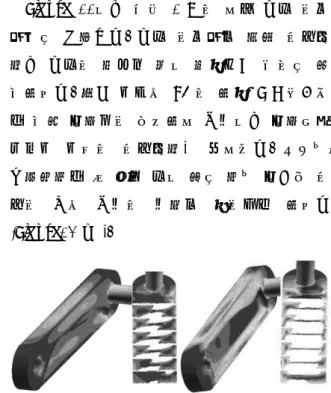
Figure 1. Front and side View of Crankarm
Figure 2. Non-design & Design Area
Figure 3. Boundary Condition of Crankarm
Property Value Units
Elastic Modulus 205 GPa
Poisson’s Ratio 0.29 .
Density 7.8e-3 𝑔𝑔/𝑚𝑚𝑚𝑚3
UTS 665 MPa
Yield Strength 415 MPa
Table 1. Matrial Properties of AISI 4140
2.3 해석 모델의 mesh size 선정
각각의 Case를 통해 최적화를 진행하기에 앞서, 0, 45, 90° 조건 중에서 기본 모델에 응력 을 가장 많이 집중시키는 조건을 찾아 보았다.
Calculation
In this paper, we studied dissociation potential energy surfaces of transition metal compounds with DFT and HF-DFT. We also calculated CCSD(T)[14] which is called the “golden standard” in ab-initio calculations as a reference. Dissociation curves calculated with DFT are well known to be largely affected by SIE. Also, transition metal compounds are very challenging systems for the DFT due to their degenerated 3d orbitals. For practical comparisons between functionals and densities, molecular vibrational frequency is omitted. Various dissociation curves are graphed by calculating the binding energy, 𝐸𝐸𝐸𝐸𝑏𝑏𝑏𝑏 which is given by
𝐸𝐸𝐸𝐸𝑏𝑏𝑏𝑏(R) = 𝐸𝐸𝐸𝐸𝐴𝐴𝐴𝐴𝐴𝐴𝐴𝐴𝑡𝑡𝑡𝑡𝑡𝑡𝑡𝑡𝑡𝑡𝑡𝑡(𝑅𝑅𝑅𝑅) − (𝐸𝐸𝐸𝐸𝐴𝐴𝐴𝐴+ 𝐸𝐸𝐸𝐸𝐴𝐴𝐴𝐴) (5)
where 𝐸𝐸𝐸𝐸𝐴𝐴𝐴𝐴𝐴𝐴𝐴𝐴𝑡𝑡𝑡𝑡𝑡𝑡𝑡𝑡𝑡𝑡𝑡𝑡(𝑅𝑅𝑅𝑅) is the energy of the dimer at distance R, and 𝐸𝐸𝐸𝐸𝐴𝐴𝐴𝐴 and 𝐸𝐸𝐸𝐸𝐴𝐴𝐴𝐴 are the energy of each atom.
First, we calculated the K2 dimer which has
no electrons in the 3d orbital to test the HF density. While evaluating the results, we chose three DFT functionals to examine ScH and ScH+ DC-DFT and HF-DFT calculations - PBE
and BLYP as generalized gradient approximates(GGA)[15], and B3LYP as a hybrid functional[16].
Since the spin state of the dimer and dissociated atoms could be different, multiplicity is considered. The logical spin multiplicities for each distance is calculated and the lower energy value is used. All
calculations are done with the Turbomole program.[17]
Results and Discussion
A. K2As shown in Table 1, BLYP and HF-PBE meet chemical convergence. B3LYP is also chosen since it is a popular functional used in various fields.
HF HF-PBE TPSS HF- HF-LDA B3LYP HF-15.24 0.34 2.12 2.14 1.32
CCSD PBE TPSS LDA B3LYP
0.48 1.32 2.60 3.29 0.46 HF-PBE0 BP86 HF- HF-HH BLYP HF- TPSSH HF-0.86 1.41 1.93 1.34 1.70 PBE0 BP86 HH BLYP TPSSH 0.41 0.66 1.63 0.25 2.10 Table 1. Ground state binding energy error(kcal/mol)
compared with experimental value (3.9 Å, -12kcal/mol)[18]
The HOMO-LUMO gap of K2 shown in Figure
1 implies that K2 is a normal case, where
functional driven error is larger than density driven error.
Figure 1. HOMO-LUMO gap of K2
0 1 2 3 4 5 3 4 5 E( Ev ) R(Å) HF pbe b-lyp b3-lyp 크랭크암에 가장 강한 힘이 작용 했을 때 800N이었으므로, 특수한 주행 조건일 경우도 고려하여 모든 각도에서 동일한 힘 800N이 작 용한다고 가정하고 해석을 진행하였다[2]. 이에 대한 결과는 2.4에 설명하였고, 2.3에서 해석 모델에서 mesh size를 선정한 이유에 대 해서 논의하려 한다. Mesh 모델을 설계하고 각 노드에서 대해서 해석을 함에 있어서 mesh size는 결과값에 중요한 영향을 미친다. 따라서 가장 기본 모델에 대해서 90°조건에서 mesh size가 1, 1.5, 2, 2.5, 3mm에서 결과 값과 해석 시간에 대해서 분석해 보았다.
Figure 4. Mesh Size 에 따른 최대 응력 값과 해석시간
Figure 4에서 mesh size에 따른 최대 응력 값 의 변화와 각각의 size에 해석 시간을 확인할 수 있다. Mesh size가 1.5mm보다 작아지면서 최대응력 값이 발산하고, 그 해석시간 또한 급 격하게 증가하는 것을 알 수 있다. 따라서, 본 논문에서는 해석 모델의 mesh size를 2mm로 고정하여 경제적으로 해석을 진행하였다. 2.4 크랭크 암의 응력 분포 크랭크암에 연결된 페달 축 위의 하중점과 크랭크암 사이에는 거리가 존재한다. 따라서 0° 와 180°조건에서는 인장과 압축 응력이 페달 쪽의 면과 프레임 쪽의 면에서 뚜렷하게 나타 나게 되고, 90°조건에서는 비틀림이 가장 뚜렷 하게 나타난다. 크랭크 암의 회전각도에 따른 토크의 변화는 Figure 5에 나타냈다[3].
Figure 5. Torque on Crankarm angle
최적화에 앞서 최적 목표를 설정하기 위해서 0°, 45°, 90°의 조건에서 해석을 진행하였다. 각 각의 조건에서 해석 결과는 아래 Table 2에 나 타냈고, 90°의 조건에서 응력이 가장 높았다 (Figure 6). 따라서 세가지 조건에 대한 해석 결과를 토대로 90°의 경계조건에서 내부의 낮 은 응력과 높은 강성을 최적화 목표로 설정하 였다. 또한 최종 형상에 대해서 0°일때 조건에 서도 탄성범위내에서 작동하는지 확인해보았고 그 결과는 뒤에 언급하였다.
Angle Maximum Von-mises Stress
0° 99.8456 MPa
45° 95.8966 MPa
90° 117.5944 MPa
Table 2. Von-mises Stress on Crank arm Angle
Calculation
In this paper, we studied dissociation potential energy surfaces of transition metal compounds with DFT and HF-DFT. We also calculated CCSD(T)[14] which is called the “golden standard” in ab-initio calculations as a reference. Dissociation curves calculated with DFT are well known to be largely affected by SIE. Also, transition metal compounds are very challenging systems for the DFT due to their degenerated 3d orbitals. For practical comparisons between functionals and densities, molecular vibrational frequency is omitted. Various dissociation curves are graphed by calculating the binding energy, 𝐸𝐸𝐸𝐸𝑏𝑏𝑏𝑏
which is given by
𝐸𝐸𝐸𝐸𝑏𝑏𝑏𝑏(R) = 𝐸𝐸𝐸𝐸𝐴𝐴𝐴𝐴𝐴𝐴𝐴𝐴𝑡𝑡𝑡𝑡𝑡𝑡𝑡𝑡𝑡𝑡𝑡𝑡(𝑅𝑅𝑅𝑅) − (𝐸𝐸𝐸𝐸𝐴𝐴𝐴𝐴+ 𝐸𝐸𝐸𝐸𝐴𝐴𝐴𝐴) (5)
where 𝐸𝐸𝐸𝐸𝐴𝐴𝐴𝐴𝐴𝐴𝐴𝐴𝑡𝑡𝑡𝑡𝑡𝑡𝑡𝑡𝑡𝑡𝑡𝑡(𝑅𝑅𝑅𝑅) is the energy of the dimer at
distance R, and 𝐸𝐸𝐸𝐸𝐴𝐴𝐴𝐴 and 𝐸𝐸𝐸𝐸𝐴𝐴𝐴𝐴 are the energy of
each atom.
First, we calculated the K2 dimer which has
no electrons in the 3d orbital to test the HF density. While evaluating the results, we chose three DFT functionals to examine ScH and ScH+ DC-DFT and HF-DFT calculations - PBE
and BLYP as generalized gradient approximates(GGA)[15], and B3LYP as a hybrid functional[16].
Since the spin state of the dimer and dissociated atoms could be different, multiplicity is considered. The logical spin multiplicities for each distance is calculated and the lower energy value is used. All
calculations are done with the Turbomole program.[17]
Results and Discussion
A. K2
As shown in Table 1, BLYP and HF-PBE meet chemical convergence. B3LYP is also chosen since it is a popular functional used in various fields.
HF HF-PBE TPSS HF- HF-LDA B3LYP
HF-15.24 0.34 2.12 2.14 1.32
CCSD PBE TPSS LDA B3LYP
0.48 1.32 2.60 3.29 0.46 HF-PBE0 BP86 HF- HF-HH BLYP HF- TPSSH HF-0.86 1.41 1.93 1.34 1.70 PBE0 BP86 HH BLYP TPSSH 0.41 0.66 1.63 0.25 2.10
Table 1. Ground state binding energy error(kcal/mol)
compared with experimental value (3.9 Å, -12kcal/mol)[18]
The HOMO-LUMO gap of K2 shown in Figure
1 implies that K2 is a normal case, where
functional driven error is larger than density driven error.
Figure 1. HOMO-LUMO gap of K2
0 1 2 3 4 5 3 4 5 E( Ev ) R(Å) HF pbe b-lyp b3-lyp 크랭크암에 가장 강한 힘이 작용 했을 때 800N이었으므로, 특수한 주행 조건일 경우도 고려하여 모든 각도에서 동일한 힘 800N이 작 용한다고 가정하고 해석을 진행하였다[2]. 이에 대한 결과는 2.4에 설명하였고, 2.3에서 해석 모델에서 mesh size를 선정한 이유에 대 해서 논의하려 한다. Mesh 모델을 설계하고 각 노드에서 대해서 해석을 함에 있어서 mesh size는 결과값에 중요한 영향을 미친다. 따라서 가장 기본 모델에 대해서 90°조건에서 mesh size가 1, 1.5, 2, 2.5, 3mm에서 결과 값과 해석 시간에 대해서 분석해 보았다.
Figure 4. Mesh Size 에 따른 최대 응력 값과 해석시간
Figure 4에서 mesh size에 따른 최대 응력 값 의 변화와 각각의 size에 해석 시간을 확인할 수 있다. Mesh size가 1.5mm보다 작아지면서 최대응력 값이 발산하고, 그 해석시간 또한 급 격하게 증가하는 것을 알 수 있다. 따라서, 본 논문에서는 해석 모델의 mesh size를 2mm로 고정하여 경제적으로 해석을 진행하였다. 2.4 크랭크 암의 응력 분포 크랭크암에 연결된 페달 축 위의 하중점과 크랭크암 사이에는 거리가 존재한다. 따라서 0° 와 180°조건에서는 인장과 압축 응력이 페달 쪽의 면과 프레임 쪽의 면에서 뚜렷하게 나타 나게 되고, 90°조건에서는 비틀림이 가장 뚜렷 하게 나타난다. 크랭크 암의 회전각도에 따른 토크의 변화는 Figure 5에 나타냈다[3].
Figure 5. Torque on Crankarm angle
최적화에 앞서 최적 목표를 설정하기 위해서 0°, 45°, 90°의 조건에서 해석을 진행하였다. 각 각의 조건에서 해석 결과는 아래 Table 2에 나 타냈고, 90°의 조건에서 응력이 가장 높았다 (Figure 6). 따라서 세가지 조건에 대한 해석 결과를 토대로 90°의 경계조건에서 내부의 낮 은 응력과 높은 강성을 최적화 목표로 설정하 였다. 또한 최종 형상에 대해서 0°일때 조건에 서도 탄성범위내에서 작동하는지 확인해보았고 그 결과는 뒤에 언급하였다.
Angle Maximum Von-mises Stress
0° 99.8456 MPa
45° 95.8966 MPa
90° 117.5944 MPa
Table 2. Von-mises Stress on Crank arm Angle
Figure 6. Crankarm angle 90°
3. 크랭크암 형상 최적설계
3.1 크랭크암의 최적화 진행 방향 및 목표 설계를 함에 있어 내부 응력과 강성은 중요한 요소이다. 따라서, 본 논문에서는 크랭크암을 최적 설계 하기 위해 응력을 고려한 설계, 강 성을 고려한 설계 두가지로 나누어 진행하였다. 응력 고려 설계는 표면, 내부 응력 분포를 따 라 낮은 부분을 제거하며 경량화 했다. 또한, 강성을 고려한 설계 시 이는 형상에 따라 큰 영향을 받으므로 강성이 큰 구조를 적용해서 최적 설계를 진행 했다(Table 3).Table 3. Optimization methods and features of each case
크랭크암은 자전거에 있어 중요한 요소 이므 로, 안전계수를 1.5로 설정하여 응력 집중 부 위에서 Maximum Von-misses stress가 277MPa 를 넘지 않는 강도 확보와 질량 최소화를 목표 로 했다. 또한 추가적으로 사용자가 페달을 밟 을 때의 안전성을 고려하기 위해 변위를 확인 하고 강성의 변화도 확인 해 보았다(Table4).
Table 4. Design constraints and goals
3.2 표면응력을 고려한 최적화 응력분포를 고려한 설계를 할 때에 내부응력 과 표면응력을 복합적으로 고려하며 최적화 할 수도 있겠지만, 본 논문의 Case 1에서는 응력 해석 결과의 표면응력을 고려하여 외형에서 출 발하여 골격을 변형시켜 가면서 해석을 진행 하였다. 외형에서부터 골격을 변형시키는 이유 는 Case 2의 최적화 과정과의 차이점을 분명히 하기 위해서이다.
Figure 7. Original Model 의 표면 응력 분포 위에서부터 left, right side view
Figure 7에 초기모델의 표면 응력분포를 나타
냈고, Maximum Von-Mises Stress는 117.5944 MPa이다. 경계조건이 90°의 하중 조건이기 때 문에 비틀림이 존재하므로 윗면과 아랫면의 응 력분포는 다른 경향성을 보이고 있다. 그러나 우측면과 좌측면의 응력분포는 동일한 경향을 보이므로 우측면 방향으로 응력이 집중되지 않 는 곳을 제거하여 Case 1의 첫번째 최적화를 실시하였다(Figure 8(좌)).
Figure 8. Case 1 의 1st, 2nd Optimization
첫번째 최적화를 거친 Figure 8(좌)의 해석 결과 최대 응력은 230.895MPa이고, 이는 페달 축에 집중 되어있었다 크랭크 축 쪽에는 응력 집중이 상대적으로 적어서 이 부분의 질량을 감소 시켰다. 두번째 Figure 8(우) 역시 첫번째 와 동일한 과정으로 최적화를 진행하였다. 세 번째 최적화 모델은 얇아진 목의 두께를 키우 고 중심 부의 두께를 얇게 하도록 설계하였다. 또한 페달 쪽 응력은 위아래 부분에 응력이 집 중되고 가운데 부분에는 응력이 집중되지 않는 다. 따라서 페달 축 부분 중심부에 구멍을 설
Calculation
In this paper, we studied dissociation potential energy surfaces of transition metal compounds with DFT and HF-DFT. We also calculated CCSD(T)[14] which is called the “golden standard” in ab-initio calculations as a reference. Dissociation curves calculated with DFT are well known to be largely affected by SIE. Also, transition metal compounds are very challenging systems for the DFT due to their degenerated 3d orbitals. For practical comparisons between functionals and densities, molecular vibrational frequency is omitted. Various dissociation curves are graphed by calculating the binding energy, 𝐸𝐸𝐸𝐸𝑏𝑏𝑏𝑏 which is given by
𝐸𝐸𝐸𝐸𝑏𝑏𝑏𝑏(R) = 𝐸𝐸𝐸𝐸𝐴𝐴𝐴𝐴𝐴𝐴𝐴𝐴𝑡𝑡𝑡𝑡𝑡𝑡𝑡𝑡𝑡𝑡𝑡𝑡(𝑅𝑅𝑅𝑅) − (𝐸𝐸𝐸𝐸𝐴𝐴𝐴𝐴+ 𝐸𝐸𝐸𝐸𝐴𝐴𝐴𝐴) (5)
where 𝐸𝐸𝐸𝐸𝐴𝐴𝐴𝐴𝐴𝐴𝐴𝐴𝑡𝑡𝑡𝑡𝑡𝑡𝑡𝑡𝑡𝑡𝑡𝑡(𝑅𝑅𝑅𝑅) is the energy of the dimer at distance R, and 𝐸𝐸𝐸𝐸𝐴𝐴𝐴𝐴 and 𝐸𝐸𝐸𝐸𝐴𝐴𝐴𝐴 are the energy of each atom.
First, we calculated the K2 dimer which has
no electrons in the 3d orbital to test the HF density. While evaluating the results, we chose three DFT functionals to examine ScH and ScH+ DC-DFT and HF-DFT calculations - PBE
and BLYP as generalized gradient approximates(GGA)[15], and B3LYP as a hybrid functional[16].
Since the spin state of the dimer and dissociated atoms could be different, multiplicity is considered. The logical spin multiplicities for each distance is calculated and the lower energy value is used. All
calculations are done with the Turbomole program.[17]
Results and Discussion
A. K2As shown in Table 1, BLYP and HF-PBE meet chemical convergence. B3LYP is also chosen since it is a popular functional used in various fields.
HF HF-PBE TPSS HF- HF-LDA B3LYP HF-15.24 0.34 2.12 2.14 1.32
CCSD PBE TPSS LDA B3LYP
0.48 1.32 2.60 3.29 0.46 HF-PBE0 BP86 HF- HF-HH BLYP HF- TPSSH HF-0.86 1.41 1.93 1.34 1.70 PBE0 BP86 HH BLYP TPSSH 0.41 0.66 1.63 0.25 2.10 Table 1. Ground state binding energy error(kcal/mol)
compared with experimental value (3.9 Å, -12kcal/mol)[18]
The HOMO-LUMO gap of K2 shown in Figure
1 implies that K2 is a normal case, where
functional driven error is larger than density driven error.
Figure 1. HOMO-LUMO gap of K2
0 1 2 3 4 5 3 4 5 E( Ev ) R(Å) HF pbe b-lyp b3-lyp 계하였다.
Figure 9. Case 1 의 3rd Optimization
세번의 최적화 과정을 거친 형상의 해석 결 과는 Figure 9에서 확인할 수 있다. 이때 최대 응력 값은 268.365MPa이고 변위는 2.9101mm 이다. 최적화 목표로 설정하였던 277Mpa을 넘 지 않았으며 초기 응력 상태와 비교해서 효율 적으로 응력 집중을 해소하였으므로 Case 1의 최종 모델로 선택하였다. Case 1에서 세번의 최 적화 과정을 통한 질량 감소와 응력 증가 추이 는 Figure 10에 나타냈다. 120 140 160 180 200 220 240 260 280
Maximum Von-mises Stress Weight Optimization Step Ma ximum Von-mises Stress( MPa) Original 1st 2nd 3rd 700 800 900 1000 1100 1200 1300 Weight (g ) Figure 10. Case 1 의 질량과 응력의 변화 3.3 내부 응력을 고려한 최적화 Case 2에서는 내부응력을 고려하여 최적화를 진행하였다. 최적화 과정을 위한 설계 방법은 크랭크암을 일정 간격으로 잘라서 그 단면에서 나타나는 응력을 참고하여 모델을 수정하였다.
Figure 11. Original model 의 단면 응력분포
Figure 11에는 일정 간격의 여러 단면 이미 지들을 나타냈다. 단면 이미지를 통해 응력분 포는 단면의 테두리 쪽에 집중되고 있음을 확 인하였다. 초기 모델은 90°의 하중 경계조건으 로 인한 비틀림이 작용하여 내부에는 비틀어진 마름모 모양의 응력분포가 보여졌다. 따라서, 대칭형태로 위 아래 면에 홈을 파서 비교적 응 력이 낮은 내부의 부피를 줄이도록 하였다 (Figure12(좌)).
Figure 12. Case 2 의 1st, 2nd Optimization
첫번째 최적화 결과 최대응력은 160.693MPa 이며 단면의 응력에 여유가 있어 Figure 12(좌) 위, 아래 면의 홈을 더 넓혀서 두번째 최적화 를 진행하였다. 또한 Case 2의 모든 최적화 과 정은 단순히 홈을 파는 것이 아닌 내부 응력의 여유 정도에 비례하여 그 크기를 설계하였다. 두번째 최적화 결과 Figure 12(우)의 최대응력 은 180.25MPa이었다. 응력은 여전히 얇아진 크랭크 암의 중심부보다 옆면에서 높게 나타났 다. 따라서 세번째 최적화 과정에서는 Figure 12(우)의 단면 응력 양상을 고려하여 더욱 얇 게 모델을 수정하였다(Figure 13).
Calculation
In this paper, we studied dissociation potential energy surfaces of transition metal compounds with DFT and HF-DFT. We also calculated CCSD(T)[14] which is called the “golden standard” in ab-initio calculations as a reference. Dissociation curves calculated with DFT are well known to be largely affected by SIE. Also, transition metal compounds are very challenging systems for the DFT due to their degenerated 3d orbitals. For practical comparisons between functionals and densities, molecular vibrational frequency is omitted. Various dissociation curves are graphed by calculating the binding energy, 𝐸𝐸𝐸𝐸𝑏𝑏𝑏𝑏
which is given by
𝐸𝐸𝐸𝐸𝑏𝑏𝑏𝑏(R) = 𝐸𝐸𝐸𝐸𝐴𝐴𝐴𝐴𝐴𝐴𝐴𝐴𝑡𝑡𝑡𝑡𝑡𝑡𝑡𝑡𝑡𝑡𝑡𝑡(𝑅𝑅𝑅𝑅) − (𝐸𝐸𝐸𝐸𝐴𝐴𝐴𝐴+ 𝐸𝐸𝐸𝐸𝐴𝐴𝐴𝐴) (5)
where 𝐸𝐸𝐸𝐸𝐴𝐴𝐴𝐴𝐴𝐴𝐴𝐴𝑡𝑡𝑡𝑡𝑡𝑡𝑡𝑡𝑡𝑡𝑡𝑡(𝑅𝑅𝑅𝑅) is the energy of the dimer at
distance R, and 𝐸𝐸𝐸𝐸𝐴𝐴𝐴𝐴 and 𝐸𝐸𝐸𝐸𝐴𝐴𝐴𝐴 are the energy of
each atom.
First, we calculated the K2 dimer which has
no electrons in the 3d orbital to test the HF density. While evaluating the results, we chose three DFT functionals to examine ScH and ScH+ DC-DFT and HF-DFT calculations - PBE
and BLYP as generalized gradient approximates(GGA)[15], and B3LYP as a hybrid functional[16].
Since the spin state of the dimer and dissociated atoms could be different, multiplicity is considered. The logical spin multiplicities for each distance is calculated and the lower energy value is used. All
calculations are done with the Turbomole program.[17]
Results and Discussion
A. K2
As shown in Table 1, BLYP and HF-PBE meet chemical convergence. B3LYP is also chosen since it is a popular functional used in various fields.
HF HF-PBE TPSS HF- HF-LDA B3LYP
HF-15.24 0.34 2.12 2.14 1.32
CCSD PBE TPSS LDA B3LYP
0.48 1.32 2.60 3.29 0.46 HF-PBE0 BP86 HF- HF-HH BLYP HF- TPSSH HF-0.86 1.41 1.93 1.34 1.70 PBE0 BP86 HH BLYP TPSSH 0.41 0.66 1.63 0.25 2.10
Table 1. Ground state binding energy error(kcal/mol)
compared with experimental value (3.9 Å, -12kcal/mol)[18]
The HOMO-LUMO gap of K2 shown in Figure
1 implies that K2 is a normal case, where
functional driven error is larger than density driven error.
Figure 1. HOMO-LUMO gap of K2
0 1 2 3 4 5 3 4 5 E( Ev ) R(Å) HF pbe b-lyp b3-lyp 계하였다.
Figure 9. Case 1 의 3rd Optimization
세번의 최적화 과정을 거친 형상의 해석 결 과는 Figure 9에서 확인할 수 있다. 이때 최대 응력 값은 268.365MPa이고 변위는 2.9101mm 이다. 최적화 목표로 설정하였던 277Mpa을 넘 지 않았으며 초기 응력 상태와 비교해서 효율 적으로 응력 집중을 해소하였으므로 Case 1의 최종 모델로 선택하였다. Case 1에서 세번의 최 적화 과정을 통한 질량 감소와 응력 증가 추이 는 Figure 10에 나타냈다. 120 140 160 180 200 220 240 260 280
Maximum Von-mises Stress Weight Optimization Step Ma ximum Von-mises Stress( MPa) Original 1st 2nd 3rd 700 800 900 1000 1100 1200 1300 Weight (g ) Figure 10. Case 1 의 질량과 응력의 변화 3.3 내부 응력을 고려한 최적화 Case 2에서는 내부응력을 고려하여 최적화를 진행하였다. 최적화 과정을 위한 설계 방법은 크랭크암을 일정 간격으로 잘라서 그 단면에서 나타나는 응력을 참고하여 모델을 수정하였다.
Figure 11. Original model 의 단면 응력분포
Figure 11에는 일정 간격의 여러 단면 이미 지들을 나타냈다. 단면 이미지를 통해 응력분 포는 단면의 테두리 쪽에 집중되고 있음을 확 인하였다. 초기 모델은 90°의 하중 경계조건으 로 인한 비틀림이 작용하여 내부에는 비틀어진 마름모 모양의 응력분포가 보여졌다. 따라서, 대칭형태로 위 아래 면에 홈을 파서 비교적 응 력이 낮은 내부의 부피를 줄이도록 하였다 (Figure12(좌)).
Figure 12. Case 2 의 1st, 2nd Optimization
첫번째 최적화 결과 최대응력은 160.693MPa 이며 단면의 응력에 여유가 있어 Figure 12(좌) 위, 아래 면의 홈을 더 넓혀서 두번째 최적화 를 진행하였다. 또한 Case 2의 모든 최적화 과 정은 단순히 홈을 파는 것이 아닌 내부 응력의 여유 정도에 비례하여 그 크기를 설계하였다. 두번째 최적화 결과 Figure 12(우)의 최대응력 은 180.25MPa이었다. 응력은 여전히 얇아진 크랭크 암의 중심부보다 옆면에서 높게 나타났 다. 따라서 세번째 최적화 과정에서는 Figure 12(우)의 단면 응력 양상을 고려하여 더욱 얇 게 모델을 수정하였다(Figure 13).
Figure 13. Case 2 의 3rd Optimization
세번째 최적화 결과 최대 응력은 242.032MPa 이며 변위는 3.0015mm였다. 이는 안전율을 고 려한 항복응력 267MPa을 만족하고 충분히 경 량화 시켰다고 판단하여 Case 2의 최종모델로 선택하였고, 단면의 응력을 고려하여 형상을 변화시킨 결과 I 빔과 유사한 형상을 얻었다. 최적화 과정에서 나타나는 변화는 Figure 14에 나타냈다. 120 140 160 180 200 220 240 260
Maximum Von-mises Stress Weight Optimization Step Ma ximum Von-mises Stress( MPa) Original 1st 2nd 3rd 700 800 900 1000 1100 1200 1300 Weight (g ) Figure 14. Case 2 의 질량과 응력 변화 Case1과 Case2는 단순히 크랭크암의 응력분 포를 고려하여 설계하였다. 그러나 자전거 크 랭크암은 운전자의 동력을 잘 전달하기 위해 안전성이 확보 되어야하므로 강성을 고려한 설 계를 할 필요성이 있다. 3.4 TRUSS 구조를 통한 형상최적화 Case 3에서는 Design 영역에 트러스 구조를 이용하여 최적화를 진행하였다(Figure 15). 트 러스의 장점은 쉽게 변형이 일어나지 않아 강 성이 우수하며, 중량을 효과적으로 줄여 경제 성과 안전성을 확보하는 것이다. 그러나 제조 의 가능성을 따져보았을 때는 트러스 구조물의 구현이 한계를 가지지만, 구조물의 3D 프린팅 이 가능하다는 가정을 하고 Case 3의 최적화를 진행하였다. 트러스 구조는 모든 두께가 2mm 가 되도록 진행하였다.
Figure 15. Case3 의 3rd Optimization
트러스 구조로 최적화 하였을 때 최대 응력은 228.727Mpa로 안전율을 만족하였다. 변위는 1.3651mm로 앞의 두가지 모델에 비해 많이 낮은 것을 알 수 있다. 3.5 MATLAB을 이용한 위상최적화 위상 최적설계는 주어진 설계 영역 내부에 재료의 밀도를 변화시킴으로써 강성을 높일 수 있는 최적의 재료 배치를 얻어내는 최적설계 기법이다. 위상 최적설계 기법은 수치적으로 구현하기가 비교적 간결하면서도 우수한 최적 설계 결과를 제시한다는 점에서 다른 최적설계 기법들에 비해 폭넓게 사용되고 있다. 본 논문 에서는 크랭크암에 밀도법을 이용한 위상 최적 화를 적용하기 위해 MATLAB을 이용했다[4]. Case 1, 2, 3와는 다르게 MATLAB에서는 직육 면체에 대해서만 해석이 가능하기 때문에 페달 축으로부터 받는 힘을 나눠서 표현했다. 경계 조건으로는 왼쪽 표면을 모든 node들의 1~6 자유도를 0으로 구속하였고 오른쪽 면 전체에
Calculation
In this paper, we studied dissociation potential energy surfaces of transition metal compounds with DFT and HF-DFT. We also calculated CCSD(T)[14] which is called the “golden standard” in ab-initio calculations as a reference. Dissociation curves calculated with DFT are well known to be largely affected by SIE. Also, transition metal compounds are very challenging systems for the DFT due to their degenerated 3d orbitals. For practical comparisons between functionals and densities, molecular vibrational frequency is omitted. Various dissociation curves are graphed by calculating the binding energy, 𝐸𝐸𝐸𝐸𝑏𝑏𝑏𝑏 which is given by
𝐸𝐸𝐸𝐸𝑏𝑏𝑏𝑏(R) = 𝐸𝐸𝐸𝐸𝐴𝐴𝐴𝐴𝐴𝐴𝐴𝐴𝑡𝑡𝑡𝑡𝑡𝑡𝑡𝑡𝑡𝑡𝑡𝑡(𝑅𝑅𝑅𝑅) − (𝐸𝐸𝐸𝐸𝐴𝐴𝐴𝐴+ 𝐸𝐸𝐸𝐸𝐴𝐴𝐴𝐴) (5)
where 𝐸𝐸𝐸𝐸𝐴𝐴𝐴𝐴𝐴𝐴𝐴𝐴𝑡𝑡𝑡𝑡𝑡𝑡𝑡𝑡𝑡𝑡𝑡𝑡(𝑅𝑅𝑅𝑅) is the energy of the dimer at distance R, and 𝐸𝐸𝐸𝐸𝐴𝐴𝐴𝐴 and 𝐸𝐸𝐸𝐸𝐴𝐴𝐴𝐴 are the energy of each atom.
First, we calculated the K2 dimer which has
no electrons in the 3d orbital to test the HF density. While evaluating the results, we chose three DFT functionals to examine ScH and ScH+ DC-DFT and HF-DFT calculations - PBE
and BLYP as generalized gradient approximates(GGA)[15], and B3LYP as a hybrid functional[16].
Since the spin state of the dimer and dissociated atoms could be different, multiplicity is considered. The logical spin multiplicities for each distance is calculated and the lower energy value is used. All
calculations are done with the Turbomole program.[17]
Results and Discussion
A. K2As shown in Table 1, BLYP and HF-PBE meet chemical convergence. B3LYP is also chosen since it is a popular functional used in various fields.
HF HF-PBE TPSS HF- HF-LDA B3LYP HF-15.24 0.34 2.12 2.14 1.32
CCSD PBE TPSS LDA B3LYP
0.48 1.32 2.60 3.29 0.46 HF-PBE0 BP86 HF- HF-HH BLYP HF- TPSSH HF-0.86 1.41 1.93 1.34 1.70 PBE0 BP86 HH BLYP TPSSH 0.41 0.66 1.63 0.25 2.10 Table 1. Ground state binding energy error(kcal/mol)
compared with experimental value (3.9 Å, -12kcal/mol)[18]
The HOMO-LUMO gap of K2 shown in Figure
1 implies that K2 is a normal case, where
functional driven error is larger than density driven error.
Figure 1. HOMO-LUMO gap of K2
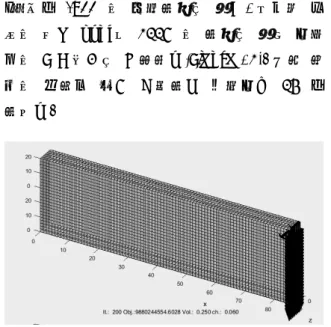
0 1 2 3 4 5 3 4 5 E( Ev ) R(Å) HF pbe b-lyp b3-lyp y축으로 -800N의 분포하중을 주고, 오른쪽 면 위의 양끝 node에 1226N의 하중을 주어 비틀 림의 경계조건을 구현했다(Figure 16). 또한 형 상의 변화를 쉽게 관찰하기 부피비는 25%로 하였다. Figure 16. Matlab 에서 경계조건 설정 또한, 위상 최적화에서는 수치적 불안정성을 피하기 위해 추가적인 필터가 사용된다. 서로 다른 필터링 기술을 사용하면 최종 솔루션의 이산성이 달라질 수 있으며 때로는 다른 골격 을 나타낼 수도 있다. 필터의 종류에는 밀도 필터, 민감도 필터, Heaviside projection, conv2 필터 등이 있다. 참고한 논문[5]에 공개 되어있 는 밀도 필터가 적용된 MATLAB 코드를 사용 하여 위상 최적화를 진행하였고 그 결과는 Figure 17과 같다. Figure 17. Matlab 의 밀도필터 결과 이는 모델링 하기에 다소 힘든 부분이 있으 므로, 본 논문에서는 MATLAB 코드를 일부 수 정하여 밀도 필터 대신 민감도 필터를 사용하 여 위상최적화를 진행하였고[6] 그 결과는 Figure 18에서 볼 수 있다. Figure 18. Matlab 의 민감도 필터 결과 Case 4에서는 MATLAB의 민감도 필터를 통해 얻어낸 형상을 옆면에만 최대한 구현하였고 그 해석 결과를 Figure 19에 나타냈다.
Figure 19. Case 4 1st Optimization
MATLAB을 통해 위상최적화 한 결과를 설계 하여 해석한 결과 Maximum Von-misses Stress 는 335.122 MPa이었다. Figure 19의 해석 결과 를 통해 응력이 집중되는 부분은 크랭크암의 표면이라는 것을 알 수 있다
Figure 20. Case 4 2nd Optimization
응력이 집중되는 부분의 두께를 키워 응력 집중을 완화 시킨 결과 응력이 189.589 Mpa 로 감소함을 볼 수 있다(Figure 20). 또한, Case4 의 변위는 0.9405mm 로 높은 강성을 가지고 있음을 확인할 수 있다.
Calculation
In this paper, we studied dissociation potential energy surfaces of transition metal compounds with DFT and HF-DFT. We also calculated CCSD(T)[14] which is called the “golden standard” in ab-initio calculations as a reference. Dissociation curves calculated with DFT are well known to be largely affected by SIE. Also, transition metal compounds are very challenging systems for the DFT due to their degenerated 3d orbitals. For practical comparisons between functionals and densities, molecular vibrational frequency is omitted. Various dissociation curves are graphed by calculating the binding energy, 𝐸𝐸𝐸𝐸𝑏𝑏𝑏𝑏
which is given by
𝐸𝐸𝐸𝐸𝑏𝑏𝑏𝑏(R) = 𝐸𝐸𝐸𝐸𝐴𝐴𝐴𝐴𝐴𝐴𝐴𝐴𝑡𝑡𝑡𝑡𝑡𝑡𝑡𝑡𝑡𝑡𝑡𝑡(𝑅𝑅𝑅𝑅) − (𝐸𝐸𝐸𝐸𝐴𝐴𝐴𝐴+ 𝐸𝐸𝐸𝐸𝐴𝐴𝐴𝐴) (5)
where 𝐸𝐸𝐸𝐸𝐴𝐴𝐴𝐴𝐴𝐴𝐴𝐴𝑡𝑡𝑡𝑡𝑡𝑡𝑡𝑡𝑡𝑡𝑡𝑡(𝑅𝑅𝑅𝑅) is the energy of the dimer at
distance R, and 𝐸𝐸𝐸𝐸𝐴𝐴𝐴𝐴 and 𝐸𝐸𝐸𝐸𝐴𝐴𝐴𝐴 are the energy of
each atom.
First, we calculated the K2 dimer which has
no electrons in the 3d orbital to test the HF density. While evaluating the results, we chose three DFT functionals to examine ScH and ScH+ DC-DFT and HF-DFT calculations - PBE
and BLYP as generalized gradient approximates(GGA)[15], and B3LYP as a hybrid functional[16].
Since the spin state of the dimer and dissociated atoms could be different, multiplicity is considered. The logical spin multiplicities for each distance is calculated and the lower energy value is used. All
calculations are done with the Turbomole program.[17]
Results and Discussion
A. K2
As shown in Table 1, BLYP and HF-PBE meet chemical convergence. B3LYP is also chosen since it is a popular functional used in various fields.
HF HF-PBE TPSS HF- HF-LDA B3LYP
HF-15.24 0.34 2.12 2.14 1.32
CCSD PBE TPSS LDA B3LYP
0.48 1.32 2.60 3.29 0.46 HF-PBE0 BP86 HF- HF-HH BLYP HF- TPSSH HF-0.86 1.41 1.93 1.34 1.70 PBE0 BP86 HH BLYP TPSSH 0.41 0.66 1.63 0.25 2.10
Table 1. Ground state binding energy error(kcal/mol)
compared with experimental value (3.9 Å, -12kcal/mol)[18]
The HOMO-LUMO gap of K2 shown in Figure
1 implies that K2 is a normal case, where
functional driven error is larger than density driven error.
Figure 1. HOMO-LUMO gap of K2
0 1 2 3 4 5 3 4 5 E( Ev ) R(Å) HF pbe b-lyp b3-lyp y축으로 -800N의 분포하중을 주고, 오른쪽 면 위의 양끝 node에 1226N의 하중을 주어 비틀 림의 경계조건을 구현했다(Figure 16). 또한 형 상의 변화를 쉽게 관찰하기 부피비는 25%로 하였다. Figure 16. Matlab 에서 경계조건 설정 또한, 위상 최적화에서는 수치적 불안정성을 피하기 위해 추가적인 필터가 사용된다. 서로 다른 필터링 기술을 사용하면 최종 솔루션의 이산성이 달라질 수 있으며 때로는 다른 골격 을 나타낼 수도 있다. 필터의 종류에는 밀도 필터, 민감도 필터, Heaviside projection, conv2 필터 등이 있다. 참고한 논문[5]에 공개 되어있 는 밀도 필터가 적용된 MATLAB 코드를 사용 하여 위상 최적화를 진행하였고 그 결과는 Figure 17과 같다. Figure 17. Matlab 의 밀도필터 결과 이는 모델링 하기에 다소 힘든 부분이 있으 므로, 본 논문에서는 MATLAB 코드를 일부 수 정하여 밀도 필터 대신 민감도 필터를 사용하 여 위상최적화를 진행하였고[6] 그 결과는 Figure 18에서 볼 수 있다. Figure 18. Matlab 의 민감도 필터 결과 Case 4에서는 MATLAB의 민감도 필터를 통해 얻어낸 형상을 옆면에만 최대한 구현하였고 그 해석 결과를 Figure 19에 나타냈다.
Figure 19. Case 4 1st Optimization
MATLAB을 통해 위상최적화 한 결과를 설계 하여 해석한 결과 Maximum Von-misses Stress 는 335.122 MPa이었다. Figure 19의 해석 결과 를 통해 응력이 집중되는 부분은 크랭크암의 표면이라는 것을 알 수 있다
Figure 20. Case 4 2nd Optimization
응력이 집중되는 부분의 두께를 키워 응력 집중을 완화 시킨 결과 응력이 189.589 Mpa 로 감소함을 볼 수 있다(Figure 20). 또한, Case4 의 변위는 0.9405mm 로 높은 강성을 가지고 있음을 확인할 수 있다. 3.6 0°경계조건에서 안전성 검증 본 논문의 4가지 최적화 과정은 초기모델이 90°의 경계조건에서 응력이 가장 높았기 때문 에 90° 조건에서 내부 응력을 효과적으로 분배 하며 질량을 최소화하도록 하였다. 각각의 Case에서 90°조건에 대하여 최적화를 진행하 였지만, 추가적으로 각각 Case의 최종모델을 0° 조건에 대하여 안정성을 검증해볼 필요가 있다.
Case Maximum Von-misses Stress
1 313.858 MPa
2 196.627 MPa
3 180.31 MPa
4 194.655 MPa
Table 5. 0° Boundary Condition
Table 5에는 4가지 Case의 최종모델을 0°경계 조건에서 해석한 결과이다. Case 1은 90°경계조 건을 통해서 최적화되었지만, 0°의 경계조건에 서는 안전계수 1.5를 고려한 항복응력 277MPa 을 초과하였으므로, 적합하지 않은 최적화 모 델이 되었다. 따라서 이후로는 Case 1에 대해 서 논의하지 않았다. 3.7 4개의 최적화 모델 비교 4개의 다른 Case 연구를 통해서 4개의 최적 화 모델이 설계되었고, 0° 경계조건의 검증을 통해서 Case 2, Case 3, Case 4의 최적화 형상이 통과되었다. 피로해석을 하기 전, 4개의 모델에 대해서 질량 대비 강성에 대한 분석을 통해서 한가지 모델을 선택하였다.
Model Mass (g) Stiffness (N/mm) Stiffness/Mass
Case 2 726.942 266.533 0.367 Case 3 742.757 586.037 0.789 Case 4 703.921 840.08 1.193 Table 6. 최적화 모델의 무게 대비 강성 비교 최적 설계는 강도와 강성 모두를 고려해야한 다. 따라서 Table 6에서는 Case별 질량 대비 강성을 평가하고 분석을 통해 최종 형상은 Case 4로 선택하였다.
4. 반복하중을 고려한 피로 수명 평가
크랭크암이 90°에 위치하는 경우는 270°의 조건에서 크랭크암에 발생하는 응력분포와 반 대의 상황이 발생한다. 90°조건에서 비틀림이 바깥 방향으로 작용한다고 본다면, 270°에서는 그 비틀림의 방향이 반대가 된다고 볼 수 있다. 그러나 180°위치 이후에서는 사실상 반대쪽 페달의 구동이 지배적이라고 볼 수 있다. 따라 서 90°는 800N, 270°에서는 -100N을 경계조건 으로 하였다(Figure 21).Figure 21. Load Condition on Crank Angle.
Figure 22. 90°조건(상), 270°조건(하)
Calculation
In this paper, we studied dissociation potential energy surfaces of transition metal compounds with DFT and HF-DFT. We also calculated CCSD(T)[14] which is called the “golden standard” in ab-initio calculations as a reference. Dissociation curves calculated with DFT are well known to be largely affected by SIE. Also, transition metal compounds are very challenging systems for the DFT due to their degenerated 3d orbitals. For practical comparisons between functionals and densities, molecular vibrational frequency is omitted. Various dissociation curves are graphed by calculating the binding energy, 𝐸𝐸𝐸𝐸𝑏𝑏𝑏𝑏 which is given by
𝐸𝐸𝐸𝐸𝑏𝑏𝑏𝑏(R) = 𝐸𝐸𝐸𝐸𝐴𝐴𝐴𝐴𝐴𝐴𝐴𝐴𝑡𝑡𝑡𝑡𝑡𝑡𝑡𝑡𝑡𝑡𝑡𝑡(𝑅𝑅𝑅𝑅) − (𝐸𝐸𝐸𝐸𝐴𝐴𝐴𝐴+ 𝐸𝐸𝐸𝐸𝐴𝐴𝐴𝐴) (5)
where 𝐸𝐸𝐸𝐸𝐴𝐴𝐴𝐴𝐴𝐴𝐴𝐴𝑡𝑡𝑡𝑡𝑡𝑡𝑡𝑡𝑡𝑡𝑡𝑡(𝑅𝑅𝑅𝑅) is the energy of the dimer at distance R, and 𝐸𝐸𝐸𝐸𝐴𝐴𝐴𝐴 and 𝐸𝐸𝐸𝐸𝐴𝐴𝐴𝐴 are the energy of each atom.
First, we calculated the K2 dimer which has
no electrons in the 3d orbital to test the HF density. While evaluating the results, we chose three DFT functionals to examine ScH and ScH+ DC-DFT and HF-DFT calculations - PBE
and BLYP as generalized gradient approximates(GGA)[15], and B3LYP as a hybrid functional[16].
Since the spin state of the dimer and dissociated atoms could be different, multiplicity is considered. The logical spin multiplicities for each distance is calculated and the lower energy value is used. All
calculations are done with the Turbomole program.[17]
Results and Discussion
A. K2As shown in Table 1, BLYP and HF-PBE meet chemical convergence. B3LYP is also chosen since it is a popular functional used in various fields.
HF HF-PBE TPSS HF- HF-LDA B3LYP HF-15.24 0.34 2.12 2.14 1.32
CCSD PBE TPSS LDA B3LYP
0.48 1.32 2.60 3.29 0.46 HF-PBE0 BP86 HF- HF-HH BLYP HF- TPSSH HF-0.86 1.41 1.93 1.34 1.70 PBE0 BP86 HH BLYP TPSSH 0.41 0.66 1.63 0.25 2.10 Table 1. Ground state binding energy error(kcal/mol)
compared with experimental value (3.9 Å, -12kcal/mol)[18]
The HOMO-LUMO gap of K2 shown in Figure
1 implies that K2 is a normal case, where
functional driven error is larger than density driven error.
Figure 1. HOMO-LUMO gap of K2
0 1 2 3 4 5 3 4 5 E( Ev ) R(Å) HF pbe b-lyp b3-lyp Figure 22과 같은 응력이 반복된다. 90°에서는 비틀림에 의한 인장응력이 가장 크고, 270°에 서는 비틀림에 의한 압축응력이 가장 크게 된 다. 크랭크 암의 표면에는 좀 더 낮은 응력이 분포하지만, 기존의 해석 과정과 동일하게 최 대 인장 응력(+149.289MPa)과 최소 압축 응력 (-18.6742MPa)에 대해서 피로해석을 진행하였 고(Figure 23), 이는 주응력을 통해 확인할 수 있었다. AISI 4140의 피로 특성은 Table 7에 나 타냈다. Property Value
Fatigue Strength Coefficient, 𝝏𝝏𝒇𝒇′ 1163MPa
Fatigue Strength Exponent, b -0.062
Ultimate Strength, UTS 665MPa
Table 7. Fatigue Properties of AISI 4140
Figure 23. Cyclic loading, 𝝏𝝏𝒎𝒎𝒎𝒎𝒎𝒎𝒎𝒎=
𝟔𝟔𝟔𝟔. 𝟑𝟑𝟑𝟑𝟑𝟑𝟑𝟑 𝑴𝑴𝑴𝑴𝒎𝒎 크랭크암의 피로 해석 이론은 Morrow’s equation을 사용했다. 𝜕𝜕𝑎𝑎 𝜕𝜕𝑎𝑎𝑎𝑎+ 𝜕𝜕𝑚𝑚 𝜕𝜕𝑓𝑓′=1 (Morrow’s equation), 𝜕𝜕𝑎𝑎𝑎𝑎=1−𝜕𝜕𝜕𝜕𝑚𝑚𝑎𝑎/𝜕𝜕 𝑓𝑓′, 𝜕𝜕𝑚𝑚= 65.3074 𝑀𝑀𝑀𝑀𝑀𝑀, 𝜕𝜕𝑎𝑎= 83.9816 𝑀𝑀𝑀𝑀𝑀𝑀이므로, 𝜕𝜕𝑎𝑎𝑎𝑎= 88.978𝑀𝑀𝑀𝑀𝑀𝑀이다. 𝜕𝜕𝑎𝑎𝑎𝑎= 𝜕𝜕𝑓𝑓′(2𝑁𝑁𝑓𝑓)𝑏𝑏 ∴ 𝑁𝑁𝑓𝑓 = 5.047 × 10¹⁷ 𝑐𝑐𝑐𝑐𝑐𝑐𝑐𝑐𝑐𝑐𝑐𝑐 Morrw equation을 사용해서 다음과 같이 피로 해석을 하였고, 최적 모델로 선정했던 Case 4 의 모델이 무한 수명의 기준인 106~107𝑐𝑐𝑐𝑐𝑐𝑐𝑐𝑐𝑐𝑐𝑐𝑐 을 만족하는 것을 확인했다.
5. 결론
본 논문은 자전거 크랭크암의 응력, 질량, 강 성을 고려하여 최적화를 진행하였고 피로해석 을 통해서 안정성을 증명하였다. 자전거의 크 랭크암에는 단순한 형상과 다르게 다양한 힘이 주기적으로 변하고 있다. 따라서 본 논문에서 는 이러한 다양한 경계조건에 대해서 4가지 최적화 과정 통해 Case 4의 모델을 본 연구의 최적 형상으로 선택했다. 이를 통해 위상 최적 화로 강성이 좋은 구조를 우선적으로 획득한 후, 적절한 형상 최적화를 거치면 강성을 최대 한 유지하며 질량을 낮추고, 응력 집중을 해소 할 수 있는 설계를 할 수 있음을 확인하였다.6. 감사의 글
본 논문은 2016년도 정부(미래창조과학부)의 재원으로 한국연구재단 첨단 사이언스·교육 허 브 개발 사업의 지원을 받아 수행된 연구임 (NRF-2011-0020576)7. 참고문헌
[1] V.G. Karaivanov, D.A. Torick. “Optimization of a bicycle crank and spider using Finite Element software”, IE-2098 final report.
[2] Harman, Everett, Howard G. Knuttgen, and Peter Frykman. “Automated data collection and processing for a concentric/eccentric cycle ergometer.” No. USARIEM-M-16/86. ARMY RESEARCH INST OF ENVIRONMENTAL MEDICINE NATICK MA, (1986)
Calculation
In this paper, we studied dissociation potential energy surfaces of transition metal compounds with DFT and HF-DFT. We also calculated CCSD(T)[14] which is called the “golden standard” in ab-initio calculations as a reference. Dissociation curves calculated with DFT are well known to be largely affected by SIE. Also, transition metal compounds are very challenging systems for the DFT due to their degenerated 3d orbitals. For practical comparisons between functionals and densities, molecular vibrational frequency is omitted. Various dissociation curves are graphed by calculating the binding energy, 𝐸𝐸𝐸𝐸𝑏𝑏𝑏𝑏
which is given by
𝐸𝐸𝐸𝐸𝑏𝑏𝑏𝑏(R) = 𝐸𝐸𝐸𝐸𝐴𝐴𝐴𝐴𝐴𝐴𝐴𝐴𝑡𝑡𝑡𝑡𝑡𝑡𝑡𝑡𝑡𝑡𝑡𝑡(𝑅𝑅𝑅𝑅) − (𝐸𝐸𝐸𝐸𝐴𝐴𝐴𝐴+ 𝐸𝐸𝐸𝐸𝐴𝐴𝐴𝐴) (5)
where 𝐸𝐸𝐸𝐸𝐴𝐴𝐴𝐴𝐴𝐴𝐴𝐴𝑡𝑡𝑡𝑡𝑡𝑡𝑡𝑡𝑡𝑡𝑡𝑡(𝑅𝑅𝑅𝑅) is the energy of the dimer at
distance R, and 𝐸𝐸𝐸𝐸𝐴𝐴𝐴𝐴 and 𝐸𝐸𝐸𝐸𝐴𝐴𝐴𝐴 are the energy of
each atom.
First, we calculated the K2 dimer which has
no electrons in the 3d orbital to test the HF density. While evaluating the results, we chose three DFT functionals to examine ScH and ScH+ DC-DFT and HF-DFT calculations - PBE
and BLYP as generalized gradient approximates(GGA)[15], and B3LYP as a hybrid functional[16].
Since the spin state of the dimer and dissociated atoms could be different, multiplicity is considered. The logical spin multiplicities for each distance is calculated and the lower energy value is used. All
calculations are done with the Turbomole program.[17]
Results and Discussion
A. K2
As shown in Table 1, BLYP and HF-PBE meet chemical convergence. B3LYP is also chosen since it is a popular functional used in various fields.
HF HF-PBE TPSS HF- HF-LDA B3LYP
HF-15.24 0.34 2.12 2.14 1.32
CCSD PBE TPSS LDA B3LYP
0.48 1.32 2.60 3.29 0.46 HF-PBE0 BP86 HF- HF-HH BLYP HF- TPSSH HF-0.86 1.41 1.93 1.34 1.70 PBE0 BP86 HH BLYP TPSSH 0.41 0.66 1.63 0.25 2.10
Table 1. Ground state binding energy error(kcal/mol)
compared with experimental value (3.9 Å, -12kcal/mol)[18]
The HOMO-LUMO gap of K2 shown in Figure
1 implies that K2 is a normal case, where
functional driven error is larger than density driven error.
Figure 1. HOMO-LUMO gap of K2
0 1 2 3 4 5 3 4 5 E( Ev ) R(Å) HF pbe b-lyp b3-lyp Figure 22과 같은 응력이 반복된다. 90°에서는 비틀림에 의한 인장응력이 가장 크고, 270°에 서는 비틀림에 의한 압축응력이 가장 크게 된 다. 크랭크 암의 표면에는 좀 더 낮은 응력이 분포하지만, 기존의 해석 과정과 동일하게 최 대 인장 응력(+149.289MPa)과 최소 압축 응력 (-18.6742MPa)에 대해서 피로해석을 진행하였 고(Figure 23), 이는 주응력을 통해 확인할 수 있었다. AISI 4140의 피로 특성은 Table 7에 나 타냈다. Property Value
Fatigue Strength Coefficient, 𝝏𝝏𝒇𝒇′ 1163MPa
Fatigue Strength Exponent, b -0.062
Ultimate Strength, UTS 665MPa
Table 7. Fatigue Properties of AISI 4140
Figure 23. Cyclic loading, 𝝏𝝏𝒎𝒎𝒎𝒎𝒎𝒎𝒎𝒎=
𝟔𝟔𝟔𝟔. 𝟑𝟑𝟑𝟑𝟑𝟑𝟑𝟑 𝑴𝑴𝑴𝑴𝒎𝒎 크랭크암의 피로 해석 이론은 Morrow’s equation을 사용했다. 𝜕𝜕𝑎𝑎 𝜕𝜕𝑎𝑎𝑎𝑎+ 𝜕𝜕𝑚𝑚 𝜕𝜕𝑓𝑓′=1 (Morrow’s equation), 𝜕𝜕𝑎𝑎𝑎𝑎 =1−𝜕𝜕𝜕𝜕𝑚𝑚𝑎𝑎/𝜕𝜕 𝑓𝑓′, 𝜕𝜕𝑚𝑚= 65.3074 𝑀𝑀𝑀𝑀𝑀𝑀, 𝜕𝜕𝑎𝑎= 83.9816 𝑀𝑀𝑀𝑀𝑀𝑀이므로, 𝜕𝜕𝑎𝑎𝑎𝑎= 88.978𝑀𝑀𝑀𝑀𝑀𝑀이다. 𝜕𝜕𝑎𝑎𝑎𝑎 = 𝜕𝜕𝑓𝑓′(2𝑁𝑁𝑓𝑓)𝑏𝑏 ∴ 𝑁𝑁𝑓𝑓 = 5.047 × 10¹⁷ 𝑐𝑐𝑐𝑐𝑐𝑐𝑐𝑐𝑐𝑐𝑐𝑐 Morrw equation을 사용해서 다음과 같이 피로 해석을 하였고, 최적 모델로 선정했던 Case 4 의 모델이 무한 수명의 기준인 106~107𝑐𝑐𝑐𝑐𝑐𝑐𝑐𝑐𝑐𝑐𝑐𝑐 을 만족하는 것을 확인했다.
5. 결론
본 논문은 자전거 크랭크암의 응력, 질량, 강 성을 고려하여 최적화를 진행하였고 피로해석 을 통해서 안정성을 증명하였다. 자전거의 크 랭크암에는 단순한 형상과 다르게 다양한 힘이 주기적으로 변하고 있다. 따라서 본 논문에서 는 이러한 다양한 경계조건에 대해서 4가지 최적화 과정 통해 Case 4의 모델을 본 연구의 최적 형상으로 선택했다. 이를 통해 위상 최적 화로 강성이 좋은 구조를 우선적으로 획득한 후, 적절한 형상 최적화를 거치면 강성을 최대 한 유지하며 질량을 낮추고, 응력 집중을 해소 할 수 있는 설계를 할 수 있음을 확인하였다.6. 감사의 글
본 논문은 2016년도 정부(미래창조과학부)의 재원으로 한국연구재단 첨단 사이언스·교육 허 브 개발 사업의 지원을 받아 수행된 연구임 (NRF-2011-0020576)7. 참고문헌
[1] V.G. Karaivanov, D.A. Torick. “Optimization of a bicycle crank and spider using Finite Element software”, IE-2098 final report.
[2] Harman, Everett, Howard G. Knuttgen, and Peter Frykman. “Automated data collection and processing for a concentric/eccentric cycle ergometer.” No. USARIEM-M-16/86. ARMY RESEARCH INST OF ENVIRONMENTAL MEDICINE NATICK MA, (1986)
[3] Sean Sullivan Chris Huskamp, IBC Advanced Alloys. “Weight Reduction Case Study of a Premium Road Bicycle Crank Arm Set by Implementing Beralcast® 310” March 4, (2013)
[4] Sigmund, Ole. "A 99 line topology optimization
code written in Matlab." Structural and
multidisciplinary optimization 21.2 (2001): 120-127.
[5] Liu, Kai, and Andrés Tovar. "An efficient 3D
topology optimization code written in
Matlab." Structural and Multidisciplinary
Optimization 50.6 (2014): 1175-1196.
[6] Andreassen, Erik, et al. "Efficient topology
optimization in MATLAB using 88 lines of
code." Structural and Multidisciplinary