저작자표시-비영리-변경금지 2.0 대한민국 이용자는 아래의 조건을 따르는 경우에 한하여 자유롭게 l 이 저작물을 복제, 배포, 전송, 전시, 공연 및 방송할 수 있습니다. 다음과 같은 조건을 따라야 합니다: l 귀하는, 이 저작물의 재이용이나 배포의 경우, 이 저작물에 적용된 이용허락조건 을 명확하게 나타내어야 합니다. l 저작권자로부터 별도의 허가를 받으면 이러한 조건들은 적용되지 않습니다. 저작권법에 따른 이용자의 권리는 위의 내용에 의하여 영향을 받지 않습니다. 이것은 이용허락규약(Legal Code)을 이해하기 쉽게 요약한 것입니다. Disclaimer 저작자표시. 귀하는 원저작자를 표시하여야 합니다. 비영리. 귀하는 이 저작물을 영리 목적으로 이용할 수 없습니다. 변경금지. 귀하는 이 저작물을 개작, 변형 또는 가공할 수 없습니다.
A DISSERTATION FOR THE DEGREE OF DOCTOR OF PHILOSOPHY
QTL Mapping and Genome-Wide Association
Study for Phytophthora capsici Resistance in
Pepper (Capsicum annuum) and Comparative
Genomic Analysis of P. capsici Isolates
고추(
Capsicum annuum
)의 역병 저항성을 조절하는
양적조절유전자좌 및 전장유전체연관분석과
역병균주의 비교유전체분석
AUGUST, 2019
MUHAMMAD IRFAN SIDDIQUE
MAJOR IN HORTICULTURAL SCIENCE AND BIOTECHNOLOGY DEPARTMENT OF PLANT SCIENCE
A DISSERTATION FOR THE DEGREE OF DOCTOR OF PHILOSOPHY
QTL Mapping and Genome-Wide Association
Study for Phytophthora capsici Resistance in
Pepper (Capsicum annuum) and Comparative
Genomic Analysis of P. capsici Isolates
고추(
Capsicum annuum
)의 역병 저항성을 조절하는
양적조절유전자좌 및 전장유전체연관분석과
역병균주의 비교유전체분석
AUGUST, 2019
MUHAMMAD IRFAN SIDDIQUE
MAJOR IN HORTICULTURAL SCIENCE AND BIOTECHNOLOGY DEPARTMENT OF PLANT SCIENCE
QTL Mapping and Genome-Wide Association Study for
Phytophthora capsici Resistance in Pepper (Capsicum
annuum) and Comparative Genomic Analysis of P. capsici
Isolates
UNDER THE DIRECTION OF DR. BYOUNG-CHEORL KANG
SUBMITTED TO THE FACULTY OF THE GRADUATE SCHOOL OF SEOUL NATIONAL UNIVERSITY
BY
MUHAMMAD IRFAN SIDDIQUE
MAJOR IN HORTICULTURAL SCIENCE AND BIOTECHNOLOGY DEPARTMENT OF PLANT SCIENCE
AUGUST, 2019
APPROVED AS A QUALIFIED DISSERTATION OF MUHAMMAD IRFAN SIDDIQUE
FOR THE DEGREE OF DOCTOR OF PHILOSOPHY BY THE COMMITTEE MEMBERS
CHAIRMAN VICE CHAIRMAN MEMBER
MEMBER MEMBER
i
QTL Mapping and Genome-Wide Association Study for
Phytophthora capsici Resistance in Pepper (Capsicum
annuum) and Comparative Genomic Analysis of P. capsici
Isolates
MUHAMMAD IRFAN SIDDIQUE
Department of Plant Science, Seoul National University
ABSTRACT
Phytophthora capsici is a globally prevalent devastating Oomycetes pathogen causing
root rot in pepper. Genetic and genomic resources have recently been developed for P. capsici including a highquality reference genome, a dense genetic linkage map, and thousands of validated single nucleotide polymorphism (SNP) markers. Capsicum annum cv. CM334 is widely used as a source of resistance. A high-resolution linkage map constructed using 188 recombinant inbred lines (RILs) derived from a cross between resistant cv. CM334 and susceptible cv. ECW30R. Finally, retained 13,021 high-quality genotyping-by-sequencing derived single nucleotide polymorphism (SNP) markers were used to map resistance against low, medium and high virulent isolates of P. capsici in two different environments. Quantitative trait loci (QTL) analysis for P. capsici root rot (PcRR) mapped three major effect QTLs (5.1,
5.2 and 5.3) on chromosome P5 conferring broad-spectrum resistance to PcRR isolates. In
ii
chromosomes P1, P2, P4, P7, P8 and P11. QTL analysis was complemented with a genome-wide association study (GWAS) of root rot resistance in a pepper core collection with 352 diverse accessions. A total of 507,713 SNPs derived from two genotyping-by-sequencing (GBS) libraries were used for GWAS analysis. GWAS detected 117 significant SNPs across the genome associated with resistant to PcRR, and the regions on chromosomes P5, P7, and P11 were co-located with QTLs identified in the present study. By leveraging the combined use of QTL mapping and GWAS, clusters of the nucleotide-binding site leucine-rich repeat (NBS-LRR) and receptor-like kinases (RLKs) like protein candidate genes were predicted within the QTL and GWAS regions for disease resistance mechanisms. Highly significant SNP markers and predicted candidate genes identified through QTL mapping and GWAS for PcRR resistance in present study, could accelerate the marker-assisted breeding and genomic selection for durable resistance in pepper by combining alleles of race-specific and non-race specific resistance in pepper.
In second chapter, genome sequencing and characterization was performed of three P.
capsici isolates representing distinct virulence profiles. The de novo hybrid assemblies of three P. capsici isolates, using Illumina HiSeq and single-molecule real-time (SMRT) sequencing
technologies were illustrated. In results, average number of 514 contigs with 50.96% of GC contents, 698,937 bp of N50 and 16,398 predicted genes were obtained. Genomic analysis discovered the huge number of genes encoding potential secreted effectors in the genomes, including average 60 RxLR domain containing effectors, 42 Crinklers (CRN), 536 CAZymes grouped into 7 families, and several apoplastic effectors, such as cytochrome P450, phytotoxins (PcF proteins), NPP1 families, LRR kinase as well as virulence and necrosis inducing proteins, in three P. capsici isolates. The comparative genomic analysis and GO term enrichment analysis for the polymorphism detection in various genes revealed, the numerous groups of
iii
genes which showed 10 polymorphisms on one CDS sequence. In addition, the characterization of the virulence profiles of the isolates in laboratory and field experiments were assessed which showed a striking variation in virulence of three isolates. This study provides a genomic landscape of three P. capsici isolates for the comparative genomic analysis, which may help to identify the genes under positive and negative selections, homology analysis with other
Phytophhtora spp. and effector assisted breeding. This characterization and genome
information elucidates virulence and genome structural variations for P. capsici isolates, offering opportunities to better understand the virulence profiles of this oomycete pathogen, and presents possibilities for more detailed studies on genomics and virulence that may lead to future help in resistance incorporation and practical breeding applications.
Key words: Pepper, Phytophthora capsici, Genotyping-by-sequencing (GBS), Genome-wide
association study (GWAS), Quantitative trait locus (QTL), Comparative genomic analysis, De
novo hybrid assembly
iv
CONTENTS
ABSTRACT ... i
LIST OF TABLES ... vii
LIST OF FIGURES ... ix
LIST OF ABBREVIATION ... xi
GENERAL INTRODUCTION ... 1
LITERATURE REVIEW ... 5
CHAPTER I. Identifying Candidate Genes for Phytophthora capsici Resistance in Pepper (Capsicum annuum) Via Genotyping-By-Sequencing-Based QTL Mapping and Genome-Wide Association Study ABSTRACT ... 31
INTRODUCTION ... 32
MATERIALS AND METHODS ... 37
Plant materials and DNA extraction ... 37
Disease assay and resistance scoring ... 37
v
Construction of bin map and QTL analysis ... 42
Genome-wide association analyses for PcRR ... 43
Identification of candidate genes... 44
Statistical analysis for estimating genetic variability against PcRR ... 44
RESULTS ... 45
Evaluation of PcRR resistance in ECRILs and the GWAS core collection ... 45
SNP discovery through GBS and bin map construction for ECRILs. ... 52
PcRR resistance QTLs in the ECRILs. ... 57
Epistatic interactions of PcRR resistance QTLs. ... 61
Genome-wide association study of PcRR resistance. ... 63
Predicted candidate genes for PcRR. ... 71
DISCUSSION ... 76
Genetic diversity in the capsicum for PcRR resistance with different isolates ... 76
GBS approach for QTLs and candidate genes uncovering to PcRR resistance ... 77
Validation of PcRR loci with GWAS ... 79
Candidate gene identification for PcRR resistance ... 79
REFERENCES ... 82
CHAPTER II. Comparative Genomic Analysis of Three Isolates of Phytophthora capsici ABSTRACT ... 89
vi
INTRODUCTION ... 91
MATERIALS AND METHODS ... 94
Pathogen isolates and DNA extraction ... 94
Growth and virulence evaluation in laboratory and field ... 94
Whole genome sequencing and assembly ... 95
Gene prediction and functional annotation ... 96
Identification of candidate effectors and orthology analysis ... 96
Genomic comparison for intergenic polymorphism ... 97
RESULTS ... 98
Characterization of P. capsici isolates ... 98
Pathogen genome assembly ... 104
Orthology analysis and functional annotation ... 108
Whole-genome comparison of P. capsici isolates ... 113
DISCUSSION ... 116
REFERENCES ... 120
vii
LIST OF TABLES
Chapter I
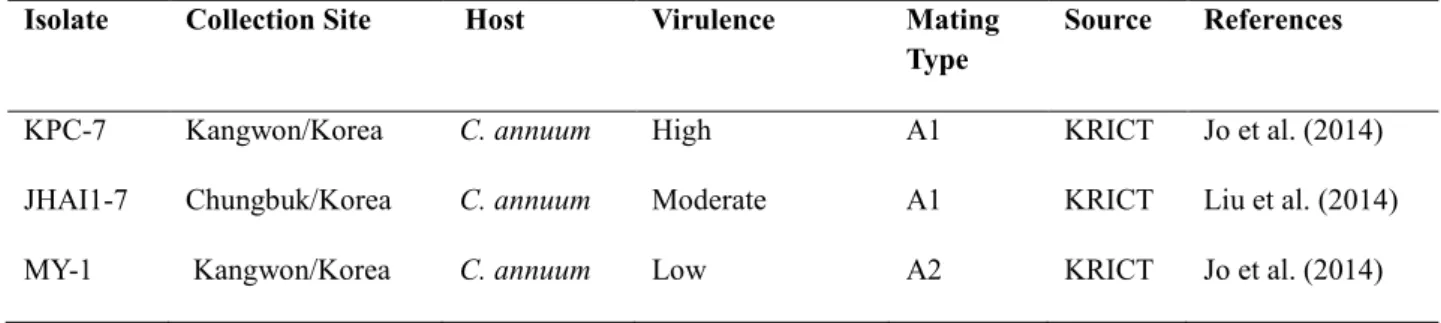
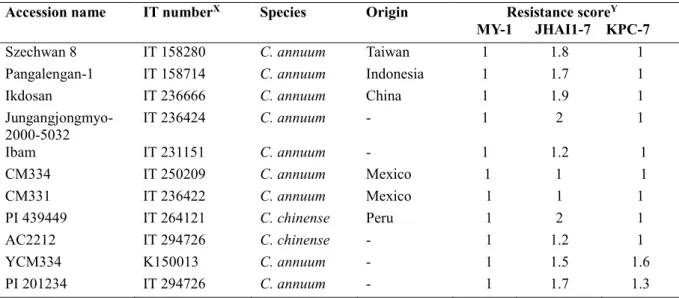
Table I- 1. Details about the three P. capsici isolates used in this study to screen the ECRILs
and GWAS core collection. ... 40
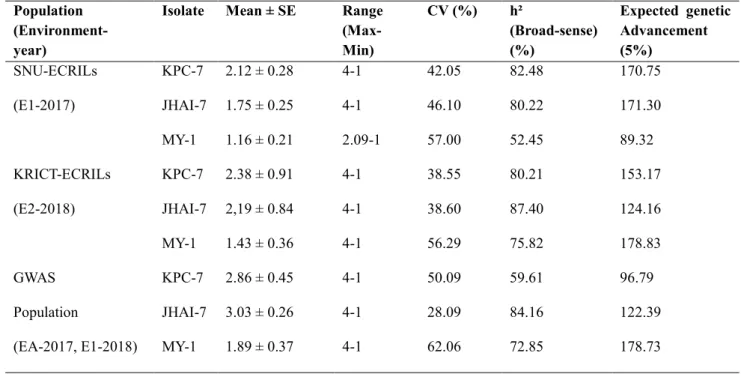
Table I- 2. Details about the resistant accessions from the GWAS core collection. ... 50 Table I- 3. Genetic variation among ECRILs and GWAS accessions inoculated with three
isolates of PcRR in different environments/years ... 51
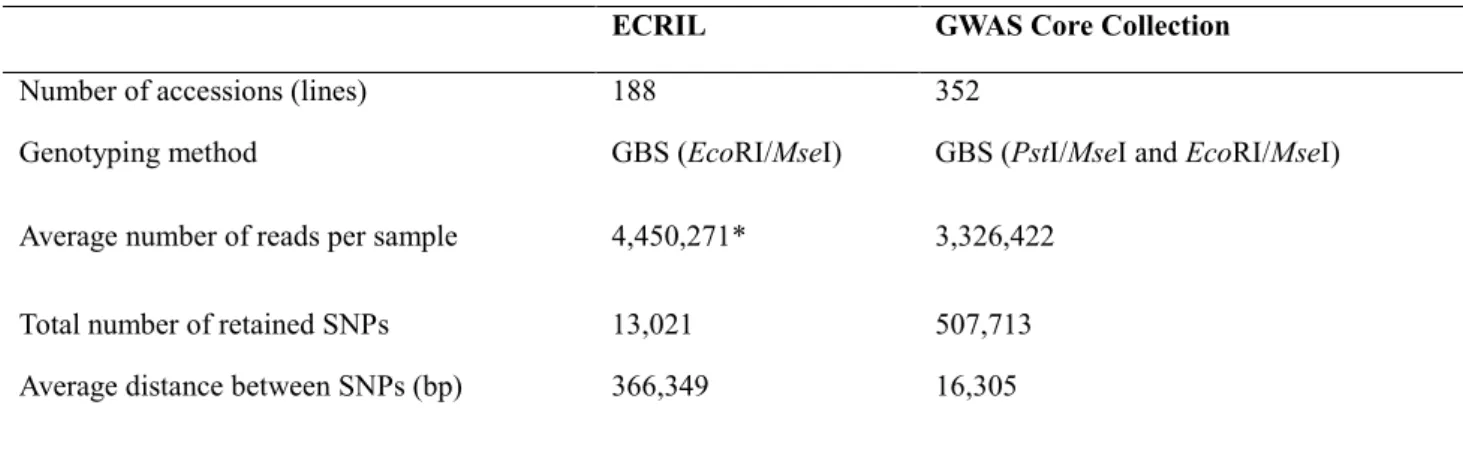
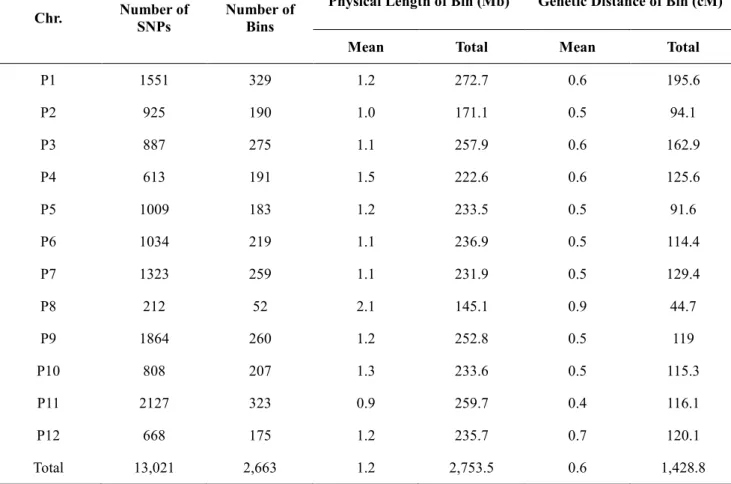
Table I- 4. Genotyping data for GWAS and QTL mapping ... 54 Table I- 5. Comparison of the physical length and genetic distance of bins for biparental
QTL mapping ... 55
Table I- 6. PcRR resistance QTLs detected by composite interval mapping in the ECRIL
population inoculated with three isolates evaluated in their respective environments. ... 60
Table I- 7. Epistatic effects of major QTLs in ECRILs against three PcRR isolates evaluated
in two environments. ... 62
Table I- 8. Significant SNPs associated above the threshold -log10 p-values for PcRR
isolates KPC-7 and JHAI1-7 (bold font) in the GWAS core collection. ... 67
Table I- 9. Haplotype blocks estimated by genotyping-by-sequencing of the GWAS core
collection. ... 69
Table I- 10. Candidate resistance genes associated with the significant GWAS regions and
viii
Chapter II
Table II- 1. Summary of reads generated in present study ... 105
Table II- 2. Summary of P. capsici isolates genome assemblies ... 106
Table II- 3. Number of predicted CAZymes in P. capsici isolates ... 110
Table II- 4. Composition of cytoplasmic and apoplastic effectors in genomes ... 112
ix
LIST OF FIGURES
Chapter I
Figure I- 1. Disease scale (1 to 4) used to distinguish the resistant and susceptible
genotypes ... 41
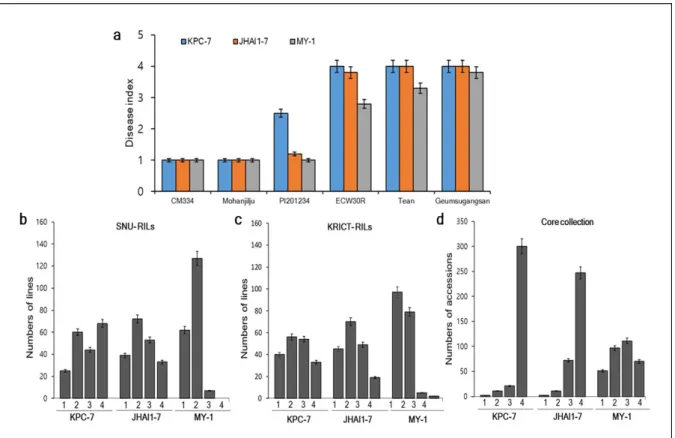
Figure I- 2. Frequency distribution of PcRR in the parental lines, controls, ECRILs
(SNU-RILs/KRICT-RILs), and GWAS (core collection) ... 47
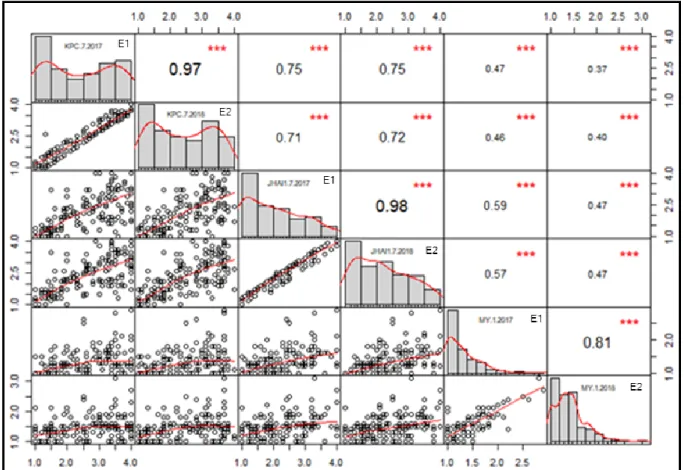
Figure I- 3. Pearson correlation matrix of PcRR disease index for ECRILs in two
environments (E1 and E2). ... 48
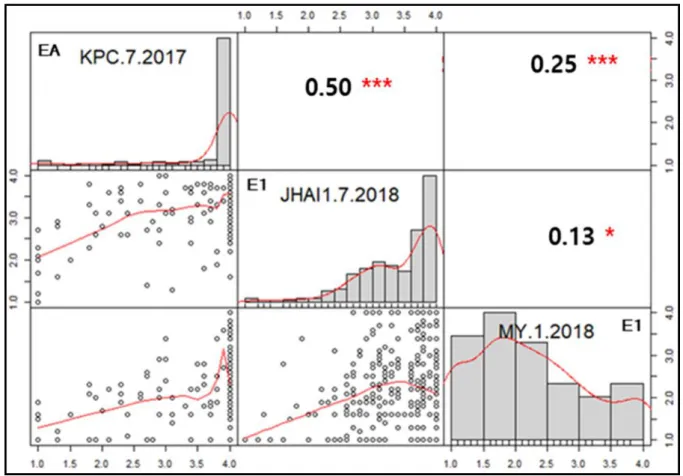
Figure I- 4. Pearson correlation matrix of PcRR disease index for the GWAS (core
collection) in two environments (EA and E1). ... 49
Figure I- 5. SNP density (number of SNPs per 1 Mbp). ... 53 Figure I- 6. High-density genetic linkage map of ECRILs comprising 2,663 bins covering
a genetic distance of 1,428 cM based on genotyping-by-sequencing. ... 56
Figure I- 7. Bin linkage chromosomal map showing the locations of PcRR resistance
QTLs with the genetic distance shown in centimorgans (cM) for the ECRIL population evaluated with three P. capsici isolates in two respective environments. ... 59
Figure I- 8. Manhattan plots based on GBS-GWAS showing the significant SNPs
associated with PcRR resistance and haplotype analysis... 66
Figure I- 9. Manhattan plots based on GBS-GWAS for PcRR resistance ... 70 Figure I- 10. Box plots of tightly linked bins to QTLs in ECRILs and significantly
x
associated GWAS-SNPs from chromosome P5. ... 73
Figure I- 11. Box plots of the tightly linked bin to PcRR resistance QTLs and
GWAS-SNPs associated with PcRR resistance against three isolates. ... 75
Chapter II
Figure II- 1. Disease symptoms appearance and plant mortality after inoculation with
three different P. capsici isolates KPC-7, JHAI-7 and MY-1... 99
Figure II- 2. Mycelium growth of three isolates on two different grown media ... 101 Figure II- 3. Leaf inoculation with three P. capsici isolates for virulence testing. Sterile
distilled water (SDW) was used as mock control ... 103
Figure II- 4. Dot plot analysis between published P. capsici genome and de novo
assembled genomes in this study. ... 107
Figure II- 5. Venn diagram of the common and unique families of genes in four P. capsici
isolates. ... 109
Figure II- 6. Summary of resequencing and GO term analysis results of three P. capsici
xi
LIST OF ABBREVIATION
CTAB Cetyltrimethylammonium Bromide
CV Coefficient of variation
EC ECW30R and CM334
GAPIT Genome association and prediction integrated tool
GBS Genotyping-by-sequencing
GWAS Genome wide association study
H2 Broad-sense heritability
LD Linkage disequilibrium
QTL Quantitative trait loci
SNP Single nucleotide polymorphism
Pc Phytophthora capsici
RILs Recombinant inbred lines
RLK Receptor like kinase
NBS Nucleotide binding site
LRR Leucine rich repeat
DPI Days post inoculation
1
GENERAL INTRODUCTION
The genus Capsicum has numerous common English names which contain chili pepper, hot pepper, bell pepper, sweet pepper, and chili belongs to the family Solanaceae. Occasionally, the plant is just called pepper. Approximately, this genus comprises of five domesticated species and twenty-two (22) wild species. The domesticated are Capsicum annuum, Capsicum
chinenses, Capsicum frutescens, Capsicum pubescens., and Capsicum baccatum (Bosland and
Votava, 2000. Capsicum species can be divided into diverse classes based on pod or fruit structures such as size, shape, color, pungency and flavor. In spite of their huge trait deviations, the worldwide commercially cultivated cultivars of peppers are C. annuum species (Bosland and Votava, 2000.
Botanically, Capsicum species are perennial shrubs in tropical climates, and they are commonly grown as annual and herbaceous crops in temperate climates and can also be grown as perennials under controlled environments that are climate-regulated (Olatunji and Afolayan, 2018). Capsicum spp. are diploids, generally having 24 chromosomes (n = x = 12) and several wild species containing of 26 chromosomes (n = x = 13). The most of the domesticated species associated to the first group (Bosland and Votava, 2000). Like most other vegetable crops, peppers required well-drained, moisture-holding loamy soil having an optimum growth and production temperatures between 18 to 30°C. However, the optimal temperatures for seed germination range from 25 to 30°C (Olatunji and Afolayan, 2018).
Peppers have progressively become essential ingredients of various cuisines in the world followed by the large acres of land dedicated to its cultivation in the countries such as Mexico, China, India, USA, Korea, and Africa (Siddique, 2012). According to nutritional fact sheet, pepper contains surplus amounts of vitamins and minerals such as Vitamin A, B2, C and
2
are rich in calcium, phosphorus, and potassium. A considerable share of land in pepper-producing countries is devoted to make chili powder. The increase in domestic and industrial demands of pepper has expanded its cultivation around the globe (Siddique, 2012). C. annuum L. includes a huge number of horticultural varieties (hot and sweet) and great economical important among cultivated species. It is popular vegetable in agriculture because of its high cash value to the growers and great taste, color, and medicinal values. C. annuum contains a variety of bioactive compounds and essential nutrients that exhibit various bioactivities such as antiviral, antioxidant, antimicrobial, anticancer, and anti-inflammatory activities. It has been evident that the place of origin of this species is Central and South America, and currently, it is widely cultivated on above 1.5 million hectares in several countries of the world (Russo, 2012).
C. annuum needs tropical climates, because of it required a warm, humid climate to survive. It
is a small erecting or spreading herb which grows up to 1 m in height. The leaf shapes are ovate, oblong-ovate, or ovate-lanceolate, 1.5–4 cm by 4–13 cm with entire margin, whereas the flowers are small, tinged purple, or white color. Mostly, fruits are red in color but many other types with orange, green, and yellow color also exist. The seeds have pale-yellow color, reniform, or discoid shape and are around 3–5 mm in size. C. annuum is day-neutral; nevertheless, photoperiodic reaction may be noticed in some forms (Hundal and Dhall, 2005).
Like other cultivated plants, peppers are also affected by many common pests and diseases that halt the yield and quality. Common pests include thrips, aphids, spider mites, nematodes, weevils, corn borer and white flies. Diseases caused by viruses, usually infected and spread by insect vectors, bacteria, fungi and oomycetes. Among these, the oomycete pathogen, Phytophthora capsici is the major limitation factor to pepper production throughout the pepper production regions of the world. It has been estimated that average annual losses were 42-49% between the years of 1998 - 2002 (Siddique, 2012). Pepper landraces have been
3
identified for genetic resistance to P. capsici. Utilizing these resources offer an ideal solution in managing this disease-causing pathogen as opposed to other management practices such as chemical sprays which may be harmful to the environment and create chemical-resistant pathogen strains. Several landraces of pepper have been identified for genetic resistance to P.
capsici. Exploiting these resources in a practical breeding is most environmental-friendly and
promising approach to manage this destructive pathogen as compared to controls, such as chemical and fungicide which are hazardous to environment (Barchenger et al. 2018).
On account of increasing demand, the pepper cultivation has been increased by 40 fold in the last decade. Even though the pepper cultivation is expanding, the diseases affecting the production of Capsicum are also increasing alarmingly. In particular, the prevalence of Phytophthora infection causes drastic yield loss in pepper. Therefore, in order to overcome the aforementioned issues, several breeding technologies integrating novel approaches employing the next-generation sequencing technologies have been regarded as the promising method. The availability of pepper genome sequence information had improved the molecular marker assisted breeding or genomics assisted breeding of pepper especially, for disease resistance. In recent days, understanding for the marker trait association has been increase and several genome-wide molecular markers have been identified in pepper. Different types of molecular marker systems have been described, among them, single nucleotide polymorphisms (SNPs) markers expedited the molecular breeding in pepper. Because of their abundant occurrence in the plant genomes, the application of SNPs has increased in the molecular marker assisted breeding. Furthermore, the SNP markers facilitate the understanding of genome-wide fine mapping of genes and linkage between a trait and marker and permits high resolution quantitative trait loci (QTL) mapping (Manivannan et al. 2018). Several SNPs marker have been developed in pepper linked to Phytophthora root rot but there is still room to develop
4
more closely linked and precise markers.
The virulence and pathogenicity of P. capsici has been described for Solanaceous, Cucurbitaceous, and Leguminous species of economic interest such as chili pepper, tomato, squash, cucumber, pumpkin snap bean, and several weeds associated with crop fields. Inoculation can be performed with active zoospores and mycelia. The ability of infection can be affected by the quantity of inoculum, the more the concentration of the inoculum the higher the rate of the infection. Humidity, temperature and the age of the fruit can affect the infection severity of P. capsici. Several P. capsici isolates has been classified into physiological races according to geographical areas and host (Castro-Rocha et al. 2014). Different virulence of P.
capsici isolates from the same host has been reported in different species including peppers
which may cause hurdle during resistant evaluation. The whole-genome sequences of several oomycetre pathogens have revealed mutual features of Phytophthora species genomes as well as exclusive aspects of pathogen evolution. Numerous patterns related to pathogenesis and virulence, such as genome reduction associated with biotrophy and repeat-driven virulence change, have developed from genome analysis and comparisons (Jiang and Tyler, 2012).
The purpose of this research was to uncover the genetic components underlying resistances in resistant sources as well as the virulence discrepancy among pathogen isolates using next generation sequencing technologies such as genotyping-by-sequencing, genome wide association analysis and whole genome sequencing that can facilitate breeding strategies in passing the resistant to modern cultivated varieties. The current study is unique in that it evaluated pepper resistance to multiple isolates of P. capsici exhibiting diverse virulence in multi-locations and uses the latest genetic-molecular tools and resources to reveal the molecular mechanism conferring resistance and virulence.
5
LITERATURE REVIEW
Phytophthora capsici an overview
Phytophthora derived from a Greek work which means “plant destroyer” and capsici
added the pathogen as the “destroyer of Capsicum. The genus Phytophthora belongs to the group Oomycetes. In early reports, the genus was categorized under the Kingdom Fungi due to high morphological similarities of filamentous mycelium but later they were characterized as water molds (Agrios, 2005). The genus Phytophthora include many notorious species such as Phytophthora infestans which cause late blight of potatoes and was a major contributing
factors of Irish famine in 19th century. Phytophtora ramorum and Phytophthora sojae which
cause Sudden Oak death and root rot of Soybean, respectively. Counting them all, the genus
Phytophthora is has undeniably been one of the most devastating groups of plant pathogens to
the crop plants (Rehrigh et al. 2014).
P. capsici was first isolated from pepper in New Mexico Agricultural Research Station
by Leonian in 1922 (Leonian, 1922). P. capsici belongs to oomycete, which physiologically and morphologically similar to fungi, but is phylogenetically different from them and more closely related to algae. Phytophthora species contain filamentous vegetative structure called mycelium, without hyphal septa (Erwin and Ribeiro, 1996). They are saprophytic and heterotrophic, and grow promptly in culture. P. capsici has both sexual and asexual production system. Three types of asexual spores are formed, chlamydospores, sporangia, and zoospores (Brett, 2002). Sporangia normally are ovoid shaped and have a protruding papilla at their apex. Sporangia can directly germinate to produce hyphae, or indirectly by releasing biflagellate zoospores, which are the major infection causing agents to the plant roots, especially when the soil is moist and flooded. Zoospores can transport in a film of water around soil particles to
6
reach and infect roots of plants. Mostly, zoospores encyst on the root surface of host plant from where the hyphae start penetrating the root directly from the adhesive cyst (Brett, 2002). Sporangia and zoospores can infect all part of the host plants after spreading by splashing of rainfall, running water or by irrigation. Chlamydospores are typically spherical shaped and pigmented, and have a thick cell wall to support in their role as survival structures for long duration. P. capsici is a heterothallic which requires isolate of different compatibility type (A1 and A2) in close proximity for sexual reproduction, which leads to the sexual crossing and producing of oospores (Brett, 2002; Erwin and Ribeiro, 1996). Oospores are dormant and resistant organelles that permit the long time survival of pathogen in soil plant debris, causing genetic variability of isolates through random genetic mating. Both mating types has been found in same region, but, until now, not detected in the same pepper production field (Brett, 2002). P. capsici causes damping off, root-rot as well as stem, leaf and fruit-blight. In pepper, the root rot syndrome caused by P. capsici is related with root darkening and lesions that can rapidly enlarge to girdle and kill the root. At seedling stage, damping off can kill plants two to 5 days after infection. In mature plants, root infections can cause in stunting, wilting, and eventually plant death in about two weeks. Root rot is the most damaging and economically important disease syndrome of pepper. Foliar blight symptoms show dark, water soaked dots on the leaves (Walker and Bosland, 1999). The infection starts with a tiny circular or irregular-shaped lesion on the leaves producing a “blistered” appearance. Afterwards, the lesions size increase getting dry, and bleach to a light tan. The disease develops towards the stem as a brownish, dark-green and water-soaked lesions. At final stage, the plant is defoliated with dried stems. Infected foliar will turn brownish or tan and defoliate later as infection spreads to the stem. Crown-rot and stem-blight symptoms of pepper are usually similar. These symptoms show typical black or purple lesions close to the soil line. The lesions promptly merge and girdle on the main branches of stem resulting in entire plant death (Erwin and Ribeiro, 1996).
7
The initial symptoms of fruit-blight show small, water-soaked, dull-colored acnes that can readily elongate under favorable conditions. Fruit-blight symptoms can continue to enlarge until most of the pepper pod is rotten, in result de-shaped and unmarketable fruit. Lesions normally appear at either the stem tips or the blossom tips of the fruit, and spread rapidly to the center of the fruit (Erwin and Ribeiro, 1996). The diseased tissue converts to dry and sunken, and often turn a tan or straw color.
Current management practices for P. capsici are avoidance, cultural, chemical, biological and planting resistant cultivars. These approaches include crop rotation, irrigation management, soil solarization and fungicide applications (Hausbeck and Lamour, 2004). But the most promising is planting the resistant cultivars to regional isolates. Normally, the management approaches target to reduce the losses associated with the pathogen because it very challenging to eliminate the P. capsici, once it has established (Lamour et al. 2011). Moreover, P. capsici can promptly move from one field to the neighboring field and readily epidemics in a certain region, especially when the irrigation system is surface water causing the dissemination of pathogen (Gevens et al. 2007). Humid and rainy weather events can initiate and increase new and extensive infestations. So the complete restriction of the P. capsici movement among sites is impossible, the finest approach to avoid P. capsici infection in horticultural crops is the breeding of resistant cultivars because it is most promising, less expensive, environmental friendly and a sustainable alternative to chemical applications and other management strategies (Hausbeck and Lamour, 2004).
Genetic basis and mapping P. capsici resistance in pepper
Genetic basis of Phytophthora resistance in Solanaceae is complex and intricate. Different genetic models have been reported for the late blight in potato and tomato against
8
Phytophthora infestans including single R gene mediated resistance and quantitative resistance
(Vleeshouwers et al. 2011). Traditional breeding methods for incorporating resistance to P.
capsici into adapted pepper germplasm has been an aim of many crop improvement and
breeding programs. One major confront for pepper breeders is that diverse inheritance models have been described among the sources of resistance to P. capsici. Numerous sources of resistance to P. capsici has been described in capsicum (Table 1); among them a Mexican land race ‘Criollo de Morelos-334’ (CM334) has been extensively evaluated. CM334 has proven absolutely resistant to multiple races of P. capsici (Ortega et al. 1992; Reifschneider et al. 1992; Glosier et al. 2008; Bosland and Lindsey 1991).
9 Table 1. Reported P. capsici resistant accessions
Resistant Sources Reference
'493-4-1-2' (Yamakawa, et al., 1979)
Fyuco (Barksdale, et al., 1984)
Grif 9109 Candole, et al., 2010
Line '29' (aka L29) Ortega, et al., 1992
Mirasol (Bartual, et al., 1991
NY07-8001 (Foster and Hausbeck, 2010)
P51 Bartual, et al., 1993)
Perennial (PI 631147) Thabuis, et al., 2003)
Phyo 636 Palloix, et al., 1988)
PI 201232, PI201234 (Kimble and Grogan, 1960, Smith, et al., 1967)
Waxy Globe (Saini and Sharma, 1978)
KC00807-1, KC01744, KC00937 (Mo, et al., 2014)
10
However, the precise location of genomic locus is a labyrinth for researcher and still lacking any clue because of complicated mode of inheritance. The resistance intensity against
P. capsici attributed to many diverse factors, for example plant age, inoculums density, soil
moisture, temperature, pathogen isolate, inoculation and disease scoring methods (Lee et al. 2010; -Ortega et al. 1991; -Kim and Hwang 1989). Because of these factors incorporation of resistance to elite breeding material is complex and tricky (Thabuis et al. 2003). Different research reports attribute the resistance in two categories (Truong et al. 2012). Some researchers claimed that single or two dominant genes are the controlling factors for P. capsici resistance on the basis of inheritance study (Ortega et al. 1992; Monroy-Barbosa and Bosland, 2008; Smith et al. 1967; Sy et al. 2005). Contrarily, other research groups argued that resistance is controlled by multi-genes and involvement of epistasis effects has also been reported (Barksdale et al. 1984; Bartual et al. 1993; Bonnet et al. 2007; Palloix et al. 1988; Reifschneider et al. 1992; Thabuis et al. 2004a). This discrepancy among the inheritance study because of different environmental conditions, pathogenicity and virulence of isolates, tested breeding materials and resistance evaluation criteria (Oelke et al. 2003; Rehrig et al. 2014; Sy et al. 2008). Additionally, further intricacy is because of separate genes are involved in resistance to infection at different plants organ like root, foliar and fruits (Candole et al. 2010; Naegele et al. 2014). At the same time there are different physiological races have been reported according geographical regions (Table 2).
11 Table 2. P. capsici physiological races studies
Type of differential hosts Number of differential hosts Number of isolate tested
Isolates origian Physiological races characterized Reference Commercial pepper 6 49 Georgia 10 root rot
races Yin et al., 2012
NM-RIL 26 20 Brazil 8 root rot races da Costa anf bosland,
2012 NM-RIL 26 12 New Mexico, Turkey, Holland, and Argentina 12 foliar blight races Monroy-Barbosa and Bosland, 2011 Commercial pepper lines and cultivars
31 4 Michigan, USA 4 root rot races Foster et al., 2010
NM-RIL 26 17 New Mexico, California, and Holland 13 root rot races Sy et al., 2008 Commercial pepper lines and cultivars 11 34 North Carolina, and Turkey California, New Mexico, 14 root rot
races Glossier et al., 2008 Commercial
pepper lines and
cultivars
8 5 Guangdong, China 2 root rot races Li et al., 2007
Commercial pepper lines and cultivars
18 10
New Mexico, New Jersey, Italy, Korea, and Turkey
9 root rot races 5 foliar blight races
12
QTL mapping and cloning by means of DNA markers are advantageous tools to determine the genetic architecture of complicated phenotypic traits. Furthermore, implementation of molecular markers delineated by QTL analysis expedites the effectiveness of breeding by providing opportunity for marker-assisted selection to locate particular trait of interest (Liu et al. 2014). Several QTLs have been reported conferring resistance to P. capsici in pepper, mainly with major effect on chromosome P5 (Bonnet et al. 2007; Kim et al. 2008; Lefebvre and Palloix, 1996; Liu et al. 2014; Mallard et al. 2013; Minamiyama et al. 2007; Ogundiwin et al. 2005; Pflieger et al. 2001; Quirin et al. 2005; Rehrig et al. 2014; Sugita et al. 2006; Thabuis et al. 2004b; Truong et al. 2012). Although there are many researchers have been reported about main affect QTL on P5, also two and three QTLs in close vicinity (Mallard et al. 2013; Rehrig et al. 2014) demonstrating that there is cluster for resistant loci, but not yet any reliable markers have been developed and validated for marker-assisted selection (MAS) of Phytophthora resistance in pepper predicting high accuracy. Utilization of MAS in crop breeding programs requires markers tightly linked to the desired loci to enhance the effectiveness of early selection. A sequence-amplified characterized region (SCAR) marker developed from random amplified polymorphic DNA (RAPD) marker OpD04.717 was mapped within 6cM of the peak of a major QTL present at chromosome P5 in the pepper genetic map AC99 (Quirin et al. 2005). Bacterial artificial chromosome (BAC)-derived markers converted from restriction fragment length polymorphism (RFLP) markers CD125 and CT211A linked to QTLs on chromosome P5 and P9 also have been reported (Kim et al. 2008). The SNP marker Phyto5NBS1 localizing in QTL5-1 has shown 90% accuracy for predicting resistant phenotypes against P. capsici with low virulent isolates, when validated by testing 100 F1 resistant commercial cultivars (Liu et al. 2014).
13
However, until now, these publically accessible molecular markers are not applicable to predict resistance precisely, and certain level of phenotype and genotype disparity has been observed when they are applied in diverse germplasm. This phenotype–genotype mismatch reduces the selection effectiveness for marker assisted selection. Generally, it is challenging to incorporate P. capsici resistance into local high-yielding susceptible cultivars. Introducing resistance using, classic backcross methods, showed lower resistance the donor parent with threshold effects, which is probably because of the loss of secondary resistance genes (Palloix et al. 1990). Recurrent selection has been practiced to transfer polygenic resistance into well-adapted cultivars (Thabuis et al. 2004). Nevertheless, linkage drag concomitant with lower yield, undesirable shaped and fruit with less vigorous plants is a major constraint to wide adoption of resistant cultivars. In this scenario, finding new resistant sources by evaluating diverse pepper accessions with different P. capsici isolates, using revolutionary next generation sequencing technologies to develop high-throught put abundant molecular marker and complementation of traditional and advance breeding approaches can overcome the existing hurdles for the pepper crop improvement against P. capsici.
14 Table 3. Resistance QTLs studies against P. capsici in pepper
Resistance Trait
Population
Type Cross
No. of
Individuals Types of Markers
No. of Markers Map Length Chromosomes with Resistance QTL Reference
Stem and root
rot Dihaploid H3 x Vania 101 AFLP, RFLP, RAPD 135 1513 cM
P3a, P3b, P5, P7, P10a ,P11
(Thabuis, et al. 2003)
Stem and root
rot F2 Yolo Wonder x CM334 151 AFLP, RFLP, RAPD 154 1668 cM
LG1, P4, P5, P6, P11a, P12
(Thabuis, et al. 2003)
Stem and root
rot Dihaploid Perennial x Yolo Wonder 114 AFLP, RFLP, RAPD 64 685 cM P2, LG2, P5, P10
(Thabuis, et al. 2003)
Stem and root
rot Dihaploid Perennial x Yolo Wonder 94 RFLP, RAPD 119 954.2 cM
LG8, LG1, BRUN, LG5, LG2, NOIR, POURPRE
(Lefebvre and Palloix, 1996)
Stem and root
rot F2 Yolo Wonder x CM334 151 RFLP 255 520 cM P1b
(Pflieger et al. 2001)
Root rot and
foliar blight RIL (F7) Psp-11 x PI201234 94 AFLP, RAPD, SSR, SCARs 144
1466.1 cM LG1 (P7), LG2 (P1), LG3, LG4, LG5, LG6, LG7 (P12), LG8 (P6), LG9 (P9), LG11 (P11), LG15 (P5) (Ogundiwin et al. 2005)
Root rot F2 Joe E Parker x CM334 94 AFLP, RAPD, SSR, SCARs 113 1089.2
cM
LG1 (P9), LG2, LG4 (P11), LG5 (P5)
(Ogundiwin et al. 2005) Stem and root
rot RIL (F5) Yolo Wonder x CM334 297 AFLP, SSR, RFLP, SSAP 323 1857 cM
P1, P3, P4a, P5, P6, P11a
(Bonnet et al. 2007) Root rot and
damping-off F2 CM334 x Chilsungcho 100 RFLP, WRKY, SSR 209
1482.3
cM P5, P6, P8, P9-3
(Kim et al. 2008)
15 Whole Plant RIL (F8)
YCM334 (F6 RIL derived from CM334 x Yolo Wonder) x CM334 126 AFLP, SSR, CAPS 249 1486.6 cM P5, P10, P11, LG Pb, LG Pc (Truong et al. 2012)
Root rot and
damping-off Dihaploid Manganji x CM334 96 AFLP, SSR 369 878 cM LG3, LG15
(Minamiyama et al. 2007)
Root rot RIL (F8) Early Jalapeno x CM334 66 SNP 3887 P1, P5 (Rehrig et al.
2014)
Root rot RIL
YCM334 (F6 RIL derived from CM334 x Yolo Wonder) x CM334
128 SNP 44 131 cM P5 (Liu et al. 2014)
Root rot DH
K9-11 x AC2258 176 RAPD, AFLP 518
1100.5
cM LG1, LG6, LG7
(Sugita et al. 2006)
Root rot F2 Shanghaiyuan x PI201234 794 SSR, CAPS 719 51 cM P5 (Wang et al.
2016)
16
Next generation sequencing technologies in pepper breeding
By employing next-generation sequencing (NGS) technologies, many species containing economically important crops, have been subjected to whole-genome sequencing by de novo assembly and resequencing. Recently, sequencing technologies have advanced from genome sequencing projects using enormous parallel sequencing technologies. NGS technologies provide us with better opportunities for learning crop genomics and other post-genomics (transcriptomics, proteomics, metabolomics).
Pepper reference genome
The reference genome of Capsicum annuum cv. CM334 was sequenced with 186.6X genome coverage (Kim et al. 2014) and another sequence of cultivated pepper Zunla-1 also has been sequenced (Qin et al. 2014) using whole genome shot-gun approach in Illumina platform. The whole genome size of pepper is 3.48 Gb which is larger than the genome size of its closely relative tomato. The genome of Capsicum annum cv. CM334 comprise of 37,989 numbers of and 34,903 contigs. Furthermore, 34,903 genes with the average/total coding sequence span of 1,009.9/35.2 Mb were detected in the genome with 76.4% transposable elements.
Genotyping by sequencing in genetic mapping
Recent advancements in NGS technologies boosted the high throughput discovery of SNPs. Among various NGS technologies, genotyping by sequencing (GBS) is highly convenient and simple method. The GBS method integrates a multiplex sequencing approach for making reduced representative libraries for the Illumina NGS platform that uses an inexpensive barcoding system for high efficiency at a lower cost compared to other genotyping methods (Elshire et al. 2011). Using GBS, costs can be more lessened joined with imputation of missing internal SNPs in haplotype blocks. GBS significantly diminishes complexity of
17
genomes by using enzymes to cleave the DNA attached with DNA-barcoded adapters with small amounts of starting DNA (100-200 ng). Fractionated genomic DNA through restriction digestion decreases depiction through size selection or the explicit combinations of restriction enzymes for further targeting specific genomic regions of interest. The sequenced part of the genome is greatly consistent within a population because restriction sites are generally conserved across species. This makes the GBS procedure extremely suitable for experiments that need surveying large numbers of markers within a population for genetic mapping and population genomics. Additionally, by choosing proper restriction enzymes (e.g. methylation sensitive restriction enzymes), GBS can offer high SNP coverage in gene-rich regions of the genome in a very economical manner (Gore et al. 2009). Consequently, GBS has potential to add bulk of markers to existing or new mapping populations for detecting polymorphism, gene expression analysis and genotyping at relatively low cost (Poland et al. 2012; Spindel et al. 2013). These aspects make GBS an influential means for a number of plant genetic studies especially in Capsicum.
Genome wide association study an alternative of traditional mapping
The genetic sources of phenotypic variation have been a main emphasis for crop improvement intended at recognizing the causes of disease, improving agricultural productivity and understanding adaptive processes. Particularly in plants, quantitative trait loci (QTL) were mostly mapped in bi-parental crosses, but they were limited in allelic multiplicity and having inadequate genomic resolution. The detection of genetic recombinants unveiling phenotypic variation in a population is limited to the capacity to relate a particular genomic region to a certain phenotype because of the small number of recombinations that occur throughout each generation, deterring fine mapping with tinier intervals (Zheng et al. 2008). This constraint led to the development of association mapping. Genome wide association study (GWAS) provides
18
higher resolution than a linkage map by narrowing down the genetic and physical regions that contain the potential candidate genes due to the comparatively large number of recombinations that occur over an evolutionary process. GWAS, utilize the natural diversity bred by multigenerational recombination events in a panel (Yu and Buckler, 2006). This approach can provide enlarged resolution compared to linkage mapping of populations when enough molecular markers are provided to generate adequate data and greater coverage. GWAS entails up to several million SNPs depending on the decline of linkage disequilibrium (LD). SNP detection through GBS can provide an ample number of makers for GWAS (Poland and Rife, 2012). GBS through the NGS method has been used to examine numerous agronomic traits in specific breeding programs and genetic studies (Gore et al. 2009). Nevertheless, successful GWAS need preceding information of LD decay and an awareness of the population under examination. If evidence on LD decay is not accessible, the chance is there that target loci are situated within gaps, which do not encompass appropriate marker density, could not be omitted even though GBS appears to deliver a much higher density of markers than required for GWAS. Thus, it may be convenient to test additional enzyme combinations for GBS for use in a large association panel. GWAS has been used successfully for discovering QTLs for various traits in diverse genetic materials (Wang et al. 2014). Recently, GWAS has been employed to locate genes of different traits in various crops; for example, in Arabidopsis quantitative trait locus for climate sensitivity while in rape seed, for yield, flowering time, seed quality and resistance to Sclerotinia sclerotiorum. However, there is no study about GWAS being used to report resistance against P. capsici in pepper.
19 Genomic analysis of Phytophthora spp.
Most of the current understanding of the evolution and mechanisms of virulence in oomycetes specially Phytophthora spp. has built on expressed sequence tag (EST) and genome sequencing completed over the past decade. Genome sequences include those of the late blight pathogen P. infestans (240 Mb)(Haas et al. 2009) P. sojae (95 Mb) (Tyler et al. 2006), sudden oak death pathogen P. ramorum (65 Mb) (Tyler et al. 2006).
P. capsici reference genome
The reference genome of P. capsici is distinctive for the Phytophthora genus in size and content and offers a valuable resource for discovering the foundations of a broad host range oomycete (Lamour et al. 2012). A partially inbred stain of P. capsici was sequenced using 454 FLX and Titanium technology (30X paired and single reads) complemented by Sanger reads (5X) (Lamour et al. 2012). The P. capsici genome assembly covered the genome size of 64 Mb with 56 Mb (87.5%) of non-gap sequence. Approximately, all the genes were assembled as expected by the capture of 97% of P. capsici full-length cDNAs and 93% of highly conserved central eukaryotic orthologs. The assembly encompasses of 917 scaffolds with half of the genome (N50) covered in 29 scaffolds of size 706 kb or larger. A high density SNP-based genetic linkage map further arranged and oriented 84% of the genome assembly and about 90% of the predicted genes into 18 linkage groups. In total, 17,123 genes and 2,682 transposable element-like genes were discovered with 89% having cDNA-based or protein evidence. Around 86% of the P. capsici genome assembly was non-repetitive (Lamour et al. 2012).
The size of the P. capsici genome is intermediary among the sequenced oomycetes and comparable to P. ramorum (Table 4). Repeated regions composition was quite similar to other
Phytophthora species with 84% of the repeat sequences being long terminal repeat
20
proportionate to other Phytophthora sequenced genomes (Table 4). The gene density in non-repetitive noticed around 268 genes per Mb, was greater in P. capsici compared to the other
Phytophthora species (Table 4). Genetic arrangement was also similar with two-thirds of the
genes were detected in conserved gene-rich blocks. Over 75% of the genes could be clustered into potential gene families (Lamour et al. 2012).
P. capsici and other accessible sequenced genomes of Phytophthora species showed
high level of synteny. Scaffold-level synteny was approximately complete for P. capsici compared to P. ramorum and P. sojae with negligible duplications, re-arrangements, and non-syntenic stretches. P. capsici and P. infestans also displayed high levels of synteny though 20% of the P. infestans genome did not contained syntenic genes in P. capsici (Lamour et al. 2012). Novel genes were detected in P. capsici genome. At a peptide level, total 365 genes did not contain homolog in the genome assemblies of P. sojae, P. infestans and P. ramorum (Lamour et al. 2012).
Virulence mechanism in Phytophthora species
The primary theme that come forth from the genomic studies is that virulence in oomycetes depends comprehensively, on large, promptly diversifying protein families (Tyler et al. 2006; Haas et al. 2009). These families comprise hydrolytic enzymes and inhibitors, extracellular toxins, and effector proteins that can penetrate into the cytoplasm of plant cells (Tyler et al. 2009). This differs with typical fungal pathogens in which secondary metabolite toxins play a major role, and virulence proteins families are less involved and diversified (Tyler et al. 2009).
Plants defend themselves from infection by pathogens like oomycetes and others through various sets of defenses that include chemical and physical barriers, antimicrobial
21
chemicals [phytoalexins, phytoanticipins, and reactive oxygen species (ROS)], antimicrobial enzymes and peptides, and against bio-trophic and hemi-bio-trophic pathogens by programmed cell death (PCD) (Jones and Dang, 2006).
For the successful survival of pathogens, including oomycetes, they must avoid, overcome, or tolerate these defenses, and obtain nutrition from the host (Torto-Alalibo et al. 2010). Usually, plant defenses consist of two intersecting modules by the microbial molecules that stimulate them. Generally existing microbial molecules that induce defenses in a wide variety of plants are referred to as microbe- (or pathogen-) associated molecular patterns (MAMPs or PAMPs) and the responses triggered by them as MAMP- (or PAMP-) triggered immunity (MTI or PTI). However, plants also compose intracellular receptors that can indirectly or directly perceive the presence of intracellular pathogen effectors, subsequent in effector-triggered immunity (ETI). Most plant associated pathogens including Phytophthora have evolved protein or chemical effectors that can suppress or reprogram the PTI and ETI (Jones and Dang, 2006). The effectors proteins from the Phytophthora species could infect outside the plant cell, targeting the apoplast, or at plasma membrane of the plant, also they may penetrate inside the cytoplasm of the plant cell to alter its functioning (Torto-Alalibo et al. 2019). Effectors secretions into apoplast can be done directly from the hyphae of pathogen, or with specialized intercellular structure hausroria.
Extra and intra cellular effectors in Phytophthora spp. genomes
Various groups of extra cellular proteins that activate cell death in host plants have been detected in Phytophthora species genomes, including the NLPs (necrosis and ethylene inducing peptide-like proteins) (Qutob et al. 2006) (60), the Scr family (Liu et al. 2005) and the PcF family (Orsomando et al. 2011).
22
Plant tissues, particularly the intercellular apoplastic regions, are abundant in complex carbohydrates. Therefore, oomycete genomes, like other plant pathogens, are found to be with the genes encoding a wide range of carbohydrate degrading enzymes, including pectate lyases, pectin esterases, cellulases and glucanases (Haas et al. 2009; Tyler et al. 2006). Additionally, a rich amount of lipases and proteases is also secreted. Nearly 30 to 60 protein families in each class were predicted to be secreted by each Phytophthora species (Haas et al. 2009; Tyler et al. 2006).
Since oomycetes emit a large set of virulence proteins, for the defense plants produce the proteases to degrade the virulence proteins. Consequently, oomycetes are detected with the secretion of proteinase inhibitors against the plant proteins. The genome of Pythium and
Phytophthora contain 38 to 18 genes functioning for the secretion of inhibitors of serine and
cysteine proteases (Haas et al. 2009; Levesque et al. 2010; Tyler et al. 2006).
The largely studied classes of virulence proteins to emerge from the genome sequencing of Phytophthora species are RxLR effectors, called for a conserved N-terminal amino acid sequence motif (arginine, any amino acid, leucine, arginine) (Kale and Tyler, 2011; Tyler, 2009). The Phytophthora genomes sequencing revealed about 350 to 550 genes coding for these instantly evolving secreted proteins (Haas et al. 2009; Jiang et al. 2008; Tyler et al. 2006). Pathogens belongs to Phytophthora species produce a second main class of secreted effector proteins named crinklers, called for their function to initiate crinkling and necrosis upon overexpressing in transient expression assays. Crinkler effectors are considered to the most vastly expressed genes both prior to and during infection (Jiang and Tyler, 2012).
The whole-genome sequences of Phytophthora pathogens have discovered common features of among the genomes as well as distinctive features of pathogen evolution. Numerous patterns associated with pathogenesis, such as genome reduction related to bio-trophy and
23
repeat-driven virulence variation, have emerged from genome comparisons and analysis. The most of the sequenced Phytophthora species display different lifestyles. A huge fraction of their genes are conserve to each pathogen family. Nevertheless, a mutual proteome can be detected by ortholog analysis throughout the phylogenetically different species (Tyler et al. 2006). The
Phytophthora species P. sojae, P. infestans, and P. ramorum prorate a core set of 8,492 ortholog
clusters (Haas et al. 2009). Some Phytophthora species exhibit a compact genome (<50Mb) (Levesque et al. 2010), while others, like P. infestans has the largest and highly complex genomes (>200 Mb) (Haas et al. 2009). All sequenced Phytophthora species genomes encode close numbers of genes, ranging from 14,000 to 19,000; but there is a large alteration in the repeat content that cause for the genome size differences. Nearly 75% of P. infestans genome is made up of repeats (Haas et al. 2009; Kemen et al. 2011). Large part of repetitive regions of these big genomes are very dynamic and likely to go under evolutionary changes. In summary, the pathogenesis mechanisms in Phytophthora species depend mainly on large protein families. These promptly diversifying families consist of extracellular toxins, hydrolytic enzymes, inhibitors, and effector proteins that can penetrate to the cytoplasm of plant cells. Thus, understanding the mechanisms of Phytophthora isolates virulence and adaptability by exploiting the genome alteration is important for planning management strategies to control
24
Table 4. Summary of the Phytophthora species genomes
Organism Genome Size Genes Reference
P. ramorum 65 Mb 14,451 Tyler et al. 2006
P. sojae 95 Mb 16,988 Tyler et al. 2006
P. infestans 240 Mb 17,797 Haas et al. 2009
P. cinnamomi 58 Mb 26,132 Studholme et al. 2016
25
REFERENCES
Agrios, G., N. Plant pathology / George N. Agrios Elsevier Academic Press. (2005).
Barchenger, D. W., Lamour, K. H. & Bosland, P. W. Challenges and strategies for breeding resistance in Capsicum annuum to the multifarious pathogen, Phytophthora capsici. Front.
Plant Sci. 9, 628 (2018).
Barksdale, T. H., Papavizas, G. C., & Johnson, S., A. Resistance to foliar blight and crown rot of pepper caused by Phytophthora capsici. Plant Dis. 68, 506-509 (1984).
Bartual, R., Lacasa, A., Marsal, J. I & Tello, J. C. Epistasis in the resistance of pepper to phytophthora stem blight (Phytophthora capsici L.) and its significance in the prediction of double cross performances. Euphytica 72,149-152 (1993).
Bonnet, J., Danan, S., Boudet, C., Barchi, L., Sage-Palloix, A. M., & Caromel, B. et al. Are the polygenetic architectures of resistance to Phytophthora capsici and P. parasitica independent in pepper? Theor. Appl. Genet. 115, 253-264 (2007).
Bosland, P. W., & Lindsey, D., L. A seedling screen for Phytophthora root rot of pepper,
Capsicum annuum. Plant Dis. 75, 1048-1050. (1991).
Bosland, P. W., & Votava, E., J. Peppers: Vegetable and spice capsicums. Wallingford, CT: CABI Publishing p. 204 (2000).
Candole, B. L., Conner, P. J., and Ji, P. Screening Capsicum annuum accessions for resistance to six isolates of Phytophthora capsici. HortScience 45, 254-259 (2010).
Castro-Rocha A. et al. Traditional and Molecular Studies of the Plant Pathogen Phytophthora
capsici: A Review. J Plant Pathol Microb 5, 245 (2014).
Erwin, D. C., & Ribeiro, O. K. Phytophthora Disease Worldwide. St Paul, MN: The American Phytopathological Society. (1996).
Gevens, A. J., Donahoo, R. S., Lamour, K. H., & Hausbeck, M. K. Characterization of
Phytophthora capsici from Michigan surface irrigation water. Phytopathology 97,
421-428 (2007).
Glosier, B. R., Ogundiwin, E. A., Sidhu, G. S., Sischo, D. R., & Prince, J. P. A differential series of pepper (Capsicum annuum) lines delineates fourteen physiological races of
Phytophthora capsici. Euphytica 162, 23-30. (2008).
Haas B. J. et al. Genome sequence and analysis of the Irish potato famine pathogen
26
Hausbeck, M. K. & K. H. Lamour. Phytophthora capsici on vegetable crops: Research progress and management challenges. Plant Dis. 88, 1292-1303 (2004).
Hundal, J. S, & Dhall R. K. Breeding for Hybrid Hot Pepper. J. New Seeds. 6, 31-50 (2005).
Jiang R. H. Y, Tripathy. S., Govers, F. & Tyler, B. M. RXLR effector reservoir in two
Phytophthora species is dominated by a single rapidly evolving super-family with more
than 700 members. Proc. Natl. Acad. Sci. 105, 4874-79 (2008).
Jiang R. H. Y., & Tyler B. M. Mechanisms and evolution of virulence in oomycetes. Annu. Rev.
Phytopathol. 50: 295–318 (2012).
Jones J. D. & Dangl J. L. The plant immune system. Nature 444, 323-29 (2006).
Kale, S. D. & Tyler B. M. Entry of oomycete and fungal effectors into plant and animal cells.
Cell. Microbiol. 13, 1839-48 (2011).
Kemen E. et al. Gene gain and loss during evolution of obligate parasitism in the white rust pathogen of Arabidopsis thaliana. PLoS Biol. 9:e1001094 (2011).
Kim, Y. J. & Hwang B. K. Expression of age-related resistance in pepper plants infected with
Phytophthora capsici. Plant Dis 73, 745-747 (1989).
Kim, H. J.et al. BAC-derived markers converted from RFLP linked to Phytophthora capsici resistance in pepper (Capsicum annuum L.). Theor. Appl. Genet. 118, 15-27. (2008). Lamour, K. et al. Genome sequencing and mapping reveal loss of heterozygosity as a
mechanism for rapid adaptation in the vegetable pathogen Phytophthora capsici. Mol.
Plant Microbe Interact. 25, 1350-1360 (2012).
Lamour, K. H., Stam, R., Jupe, J., & Huitema, E. The oomycete broadhost-range pathogen
Phytophthora capsici. Mol. Plant Pathol. 13, 329-337 (2011).
Lee, S. J., Park, Y. J., Kim, H. T., & Kim, B. S. The race differentiation of Phytophthora capsici in Korea. Res. Plant Dis. 16, 153-157 (2010).
Lefebvre, A., & A. Palloix. Both epistatic and additive effects of QTLs are involved in polygenic induced resistance to disease: A case study, the interaction pepper Phytophthora
capsici Leonian. Theor. Appl. Genet. 93, 503-511 (1996).
Leonian, L. H. Stem and fruit blight of peppers caused by Phytophthora capsici sp. nov.
Phytopathology 12, 401-408 (1922).
Levesque, C. A. et al. Genome sequence of the necrotrophic plant pathogen Pythium ultimum reveals original pathogenicity mechanisms and effector repertoire. Genome Biol. 11, R73 (2010).
27
Phytophthora infestans. Mol. Biol. Evol. 22, 659-72 (2005).
Liu, W. Y. et al. Combined use of bulked segregant analysis and microarrays reveals SNP markers pinpointing a major QTL for resistance to Phytophthora capsici in pepper. Theor.
Appl. Genet. 127, 2503-2513. (2014).
Mallard, S., Cantet, M., Massire, A., Bachellez, A., Ewert, S. & V. Lefebvre. A key QTL cluster is conserved among accessions and exhibits broad-spectrum resistance to Phytophthora
capsici: A valuable locus for pepper breeding. Mol. Breed. 32, 349-364. (2013).
Minamiyama, Y., Tsuro, M., Kubo, T. & M. Hirai. QTL analysis for resistance to Phytophthora
capsici in pepper using a high density SSR-based map. Breed. Sci. 57, 129-134. (2007).
Monroy-Barbosa, A., & Bosland, P. W. Genetic analysis of Phytophthora root rot race-specific resistance in chile pepper. J. Am. Hortic. Sci. 133, 825-829 (2008).
Naegele, R. P. et al. QTL mapping of fruit rot resistance to the plant pathogen Phytophthora
capsici L. In a recombinant inbred line Capsicum annuum L. population. Phytopathology
104, 479-483 (2014).
Oelke, L. M., Bosland, P. W., & Steiner, R. Differentiation of race specific resistance to Phytophthora root rot and foliar blight in Capsicum annuum. J. Am. Soc. Hortic. Sci. 128, 213-218 (2003).
Ogundiwin, E. A. et al. Construction of 2 intraspecific linkage maps and identification of resistance QTL for Phytophthora capsici root-rot and foliar-blight diseases of pepper (Capsicum annuum L.) Genome 48, 698-711 (2005).
Olatunji, T. L. & Afolayan A. J. The suitability of chili pepper (Capsicum annuum L.) for alleviating human micronutrient dietary deficiencies: A review. Food Sci Nutr. 6, 2239-2251 (2018).
Orsomando, G., Brunetti, L., Pucci, K., Ruggeri, B., & Ruggieri, S. Comparative structural and functional characterization of putative protein effectors belonging to the PcF toxin family from Phytophthora spp. Protein Sci. 20, 2047-599 (2011).
Ortega, R. G., Espanol, C. P., & Zueco, J. C. Genetic relationships among four pepper genotypes resistant to Phytophthora capsici. Plant Breed. 108, 118-125 (1992).
Ortega, R. G., Espanol, C. P., & Zueco, J. C. Genetics of resistance to Phytophthora capsici in the pepper line ‘SCM-334’. Plant Breed. 107, 50-55. (1991).
Palloix, A., Daubeze, A. M., & Pochard, E. Phytophthora root rot of pepper influence of host genotype and pathogen strain on the inoculum density disease severity relationships. J.
Phytopathol. 123, 2533. (1988).
Palloix, A., Daubeze, A. M., Phaly, T., & Pochard, E. Breeding transgressive lines of pepper for resistance to Phytophthora capsici in a recurrent selection system. Euphytica 51, 141-15 (1990).
28
Pflieger, S., Palloix, A., Caranta, C., Blattes, A., & Lefebvre, V. Defense response genes co-localize with the quantitative disease resistance loci in pepper. Theor. Appl. Genet. 103, 920-929 (2001).
Poland, J. A., & Rife, T. W. Genotyping-by-sequencing for plant breeding and genetics. Plant
Genome 5, 92-102 (2012).
Quirin, E. A. et al. Development of sequence characterized amplified region (SCAR) primers for the detection of Phyto.5.2, a major QTL for resistance to Phytophthora capsici Leon. in pepper. Theor Appl Genet 110, 605-612 (2005).
Qutob, D., et al. Phytotoxicity and innate immune responses induced by Nep1-like proteins.
Plant Cell 18:3721–44 (2006).
Rehrig, W. Z., Ashrafi, H., Hill, T., Prince, J., & Van Deynze, A. CaDMR1 cosegregates with QTL Pc5.1 for resistance to Phytophthora capsici in pepper (Capsicum annuum). Plant
Genome 7, 1-12 (2014).
Reifschneider, F. J. B., Boiteux, L. S., Dellavecchia, P. T., Poulos, J. M., & Kuroda, N. Inheritance of adult plant resistance to Phytophthora capsici in pepper. Euphytica 62, 45-49 (1992).
Russo, V. M. Peppers, botany production and uses, CABI Publishing p. 14 (2012).
Siddique, M. I. Evaluation and characterization of Phytophthora resistant breeds of Yeongyang local cultivars of pepper, Capsicum annuum L. Master Dissertation. (2012).
Smith, P. G., Kimble, K. A., Grogan, R. G., & Millett, A. H. Inheritance of resistance in pepper to Phytophthora root rot. Phytopathology 57, 377-379 (1967).
Spindel, J. et al. Bridging the genotyping gap: using genotyping by sequencing (GBS) to add high-density SNP markers and new value to traditional bi-parental mapping and breeding populations. Theor. Appl. Genet. 126, 2699-2716 (2013).
Sugita, T. et al. QTL analysis for resistance to Phytophthora blight (Phytophthora capsici Leon.) using an intraspecific doubled-haploid population of Capsicum annuum. Breed Sci 56, 137-145 (2006).
Sy, O., Steiner, R. & Bosland, P. W. Inheritance of Phytophthora stem blight resistance as compared to Phytophthora root rot and Phytophthora foliar blight resistance in Capsicum
annuum L. J. Am. Hortic. Soc. 130, 75–78 (2005).
Thabuis, A. et al. Marker-assisted introgression of 4 Phytophthora capsici resistance QTL alleles into a bell pepper line: validation of additive and epistatic effects. Mol. Breed. 14, 9-20 (2004b).
Thabuis, A. et al. Phenotypic and molecular evaluation of a recurrent selection program for a polygenic resistance to Phytophthora capsici in pepper. Theor. Appl. Genet. 109, 342-351 (2004).
29
Thabuis, A., Palloix, A., Pflieger, S., Daubeze, A. M., Caranta, C., and Legebvre, V. Comparative mapping of Phytophthora resistance loci in pepper germplasm: evidence for conserved resistance loci across Solanaceae and for a large genetic diversity. Theor. Appl.
Genet. 106, 1473-1485 (2003).
Torto-Alalibo, T. et al. Unifying themes in microbial associations with animal and plant hosts described using the gene ontology. Microbiol. Mol. Biol. Rev. 74, 479-503 (2010). Torto-Alalibo, T., Collmer, C. W., Lindeberg, M., Bird, D., Collmer, A., & Tyler B. M. Common
and contrasting themes in host cell–targeted effectors from bacterial, fungal, oomycete and nematode plant symbionts described using the gene ontology. BMC Microbiol. 9, (2009).
Truong, H. T. H. et al. Identification of isolate-specific resistance QTLs to phytophthora root rot using an intraspecific recombinant inbred line population of pepper (Capsicum
annuum). Plant Pathol 61, 48-56 (2012).
Tyler, B. M, et al. Phytophthora genome sequences uncover evolutionary origins and mechanisms of pathogenesis. Science 313, 1261-66 (2006).
Tyler, B. M. Entering and breaking: virulence effector proteins of oomycete plant pathogens.
Cellular Microbiol. 11, 13-20 (2009).
Tyler, B. M. Effectors in oomycete genetics and genomics: Diversity, Interactions and Research Tools, ed. K Lamour, S Kamoun, pp. 361-85. Hoboken, New Jersey: Wiley-Blackwell (2009).
Tyler, B. M. Molecular basis of recognition between Phytophthora pathogens and their hosts.
Annu. Rev. Phytopathol. 40, 137-167 (2002).
Vleeshouwers, V. G. A. A. Understanding and exploiting late blight resistance in the age of effectors. Annual Review of Phytopathology. 49, 507-31 (2011).
Walker, S. J. and Bosland, P. W. Inheritance of Phytophthora root rot and foliar blight resistance in pepper. J. Amer. Soc. Hort. Sci. 124, 14-18 (1999).
Wang, C. et al. Genome-wide association study of blast resistance in indica rice. BMC Plant
30