저작자표시-비영리-변경금지 2.0 대한민국 이용자는 아래의 조건을 따르는 경우에 한하여 자유롭게 l 이 저작물을 복제, 배포, 전송, 전시, 공연 및 방송할 수 있습니다. 다음과 같은 조건을 따라야 합니다: l 귀하는, 이 저작물의 재이용이나 배포의 경우, 이 저작물에 적용된 이용허락조건 을 명확하게 나타내어야 합니다. l 저작권자로부터 별도의 허가를 받으면 이러한 조건들은 적용되지 않습니다. 저작권법에 따른 이용자의 권리는 위의 내용에 의하여 영향을 받지 않습니다. 이것은 이용허락규약(Legal Code)을 이해하기 쉽게 요약한 것입니다. Disclaimer 저작자표시. 귀하는 원저작자를 표시하여야 합니다. 비영리. 귀하는 이 저작물을 영리 목적으로 이용할 수 없습니다. 변경금지. 귀하는 이 저작물을 개작, 변형 또는 가공할 수 없습니다.
A Dissertation
for the Degree of Doctor of Philosophy
Studies on factors affecting beef taste and the effects of dietary glycerin on
growth performance and carcass characteristics in Korean cattle steers
한우 고기의 맛 조절 물질 탐색 및 사료 내 글리세린 첨가가 거세한우의 성장 및
도체특성에 미치는 영향 연구
February, 2018
By
Min Yu Piao
Department of Agricultural Biotechnology
Graduate School
농 학 박 사 학 위 논 문
Studies on factors affecting beef taste and the effects of dietary
glycerin on growth performance and carcass characteristics in
Korean cattle steers
한우 고기의 맛 조절 물질 탐색 및 사료 내 글리세린 첨가가
거세한우의 성장 및 도체특성에 미치는 영향 연구
지도교수 백 명 기
이 논문을 농학 박사 학위 논문으로 제출함.
2018년 2월
서울대학교 대학원 농생명공학부
박 민 우
박민우의 농학 박사학위논문을 인준함.
2018년 2월
위 원 장 (인)
부위원장 (인)
위 원 (인)
위 원 (인)
Summary
Beef marbling score and quality grade positively affect meat sensory characteristics, including tenderness, juiciness, flavor, and overall palatability. Korean cattle beef is well known for good palatability because of the high quality grade and thus high marbling. Limited information is available and variability exists in data on the associations among marbling score/quality grade, meat characteristics, and sensory traits in Korean cattle beef. Korean consumers prefer Korean cattle beef to domestic Holstein and imported beef because they believe that the palatability of Korean cattle beef is superior to that of other breeds. Limited information is available on the factors that affect the preference of Korean consumers for Korean cattle beef over other breeds. Two studies (study 1 and 2) were conducted to elucidate 1) the associations among quality grade/marbling and various carcass characteristics and sensory traits in Korean cattle beef, and 2) the factors that contribute to differences in the sensory traits of longissimus thoracis of different breeds.
Glycerol, a by-product with biodiesel, also known as glycerin, serves as gluconeogenic substrate in the liver and kidney, and it has an energy value similar to corn on a pound-for-pound basis in dairy and feedlot cattle. Although many studies were conducted for the effect of glycerin on carcass composition and characteristics in various animal diets, the outcomes were not consistent. Also, limited information is available for effects of glycerin supplementation on meat characteristics in Korean cattle steers. Two studies
(study 3 and 4) were conducted to identify 3) the effects of dietary glycerin replacement on growth performance, carcass characteristics and sensory traits in Korean cattle steers fed diets based on the similar TDN level between experimental diets, and 4) the effects of crude glycerin supplementation on growth performance and carcass characteristics in Korean cattle steers fed diets based on the different TDN level between experimental diets.
1. Comparison of carcass and sensory traits, fatty acid profiles and volatile compounds among quality grades in longissimus dorsi and
semimembranosus muscles of Korean cattle steer
This study was performed to compare carcass traits, sensory characteristics, physicochemical composition, nucleotides and collagen content, free amino acids, content and composition of fatty acids (FA), and volatile compounds among four quality grades (QG1++, 1+, 1, and 2), and to understand their association with carcass characteristics in longissimus dorsi (loin) and
semimembranosus (rump) cuts of Korean cattle steers. This study confirms
that marbling score (MS) and intramuscular fat (IMF) content are major positive determinants of QG in Korean cattle beef. Numeric values of tenderness, juiciness, and overall acceptability in loin tended to be highest in QG1++, and those of juiciness and overall acceptability tended to be lowest in QG 2. Juiciness and overall acceptability were strongly correlated with QG. Our results demonstrated that QGs are linked to sensory traits. However, the
nucleotide contents including inosine monophosphate (IMP) may not be major factors determining meat palatability of Korean cattle beef in this study. Glutamic acid and proline were significantly associated with tenderness, juiciness, and overall acceptability, although they did not differ significantly among QGs. In addition, beef QGs affected the compositions and contents of FAs and volatile compounds in loin and rump. Loin FA percentages, especially those of oleic acid (C18:1n9) and monounsaturated FA (MUFA), generally increased with increasing QGs. Some volatile compounds in loin and rump varied with QGs and were positively or negatively correlated with flavor.
2. Comparison of reducing sugar content, sensory traits, and fatty acids and volatile compound profiles of longissimus thoracis among Korean cattle, Holsteins, and Angus steers
This study was performed to compare intramuscular fat (IMF) and reducing sugar contents, sensory traits, and fatty acid (FA) and volatile compound profiles in longissimus thoracis (LT) among Korean cattle (KC), Holstein (HO), and Angus (AN) steers. The IMF, reducing sugar content, and sensory traits of the LT varied among KC, HO, and AN steers. The KC LT had the highest IMF and reducing sugar contents, and the best sensory traits (flavor, tenderness, juiciness, and overall acceptance). The IMF and reducing sugar contents were positively correlated with all of the sensory traits, suggesting
that these factors may positively affect beef flavor. Palmitic acid (C16:0), oleic acid (C18:1n9), and monounsaturated FA (MUFA) may positively affect sensory traits, whereas linoleic acid (C18:2), and polyunsaturated FA (PUFA) may negatively affect sensory traits. The percentages of different volatile compounds in the LT also varied among the three breeds. The KC had the highest percentage of volatile compounds, including acetaldehyde, 3-methyl butanal, and 3-hydroxy-2-butanone, and these compounds were positively correlated with flavor. Our results demonstrated that variations in IMF, reducing sugar content, and FA and volatile compound profiles may contribute to differences in the sensory characteristics of the LT among breeds. The results of this study enhance our understanding of the association of reducing sugar and volatile compound contents with the sensory traits of beef. This information may help in determining beef palatability.
3. Effects of dietary glycerin replacement on growth performance and rumen and carcass characteristics in Korean cattle steers
The study was performed to evaluate the effect of 3% dietary glycerin replacement on growth performance, blood metabolites, ruminal fermentation characteristics, carcass characteristics and sensory traits, hepatic gluconeogenic gene expression, and muscle glycogen contents in Korean cattle steers. Glycerin replacement in the finishing diet of Korean cattle steers had no impact on weight gain, average daily gain, and feed efficiency except
for increase in average daily concentrate intake. This increased intake may be attributed to the sweet taste of glycerin’s property. Glycerin replacement did not affect carcass characteristics, chemical and physico-chemical composition, reducing sugar, glycogen, collagen, nucleotides, fatty acid, volatile compounds, and sensory traits in the longissimus thoracis. These results indicate that the glycerin inclusion level (3%) may be not enough to improve animal performance and carcass characteristics. In addition, feeding concentrate containing 3% of glycerin did not result in detrimental effects on growth performance, ruminal fermentation, animals’ physical condition, and metabolism. This is important not only on animal performance and carcass characteristics but also for sustainable and economic aspects because glycerin is a biodiesel residue and it can potentially partially replace some expensive ingredients such as corn, molasses, distiller’s dried grains with solubles as an energy source for beef cattle.
4. Effect of dietary crude glycerin supplementation on performance, blood metabolites, ruminal fermentation parameters, and carcass characteristics in Korean cattle steers
This study was performed to evaluate the effect of dietary glycerin supplementation on growth performance, blood metabolites, ruminal fermentation characteristics, carcass characteristics and sensory traits, glycogen content in liver and muscle, and hepatic gluconeogenesis gene
expression in Korean cattle steers finished in feedlot. This study confirms that dietary glycerin supplementation at 6.4% of DM did not lead to detrimental effect on feed intake in Korean cattle steers. Both glycerin and corn starch supplementation did not improve average daily gain and feed efficiency in Korean cattle steers. Glycerin supplementation also did not affect rumen fermentation characteristics, carcass characteristics, IMF content, reducing sugar content, glycogen content in both liver and muscle, and sensory traits of Korean cattle steers. Both glycerin and corn starch supplementation did not affect serum glucose concentration at initial and 8th week, but glycerin supplementation slightly increased the average serum glucose concentration at 16th week. Although glycerin supplementation had no impact on carcass and meat quality, glycerin could be potentially considered as a good energy source to maintain the animal’s metabolism in finishing Korean cattle.
Key words: Korean cattle steers, quality grade, carcass traits, loin, rump, fatty
acid, volatile compounds, intramuscular fat, sensory traits, reducing sugar, glycerin
CONTENTS
SUMMARY··· Ⅰ
CONTENTS ··· Ⅶ
LIST OF TABLES··· XIV
LIST OF FIGURES···XIX
LIST OF ABBREVIATIONS ···XX
UNITS AND MARKS ···XXIII
CHAPTER ONE
GENERAL INTRODUCTION···1
CHAPTER TWO LITERATURE REVIEW ···4
1. Overview of Korean cattle ···4
1) History of Korean cattle ···4
2) Korean cattle industry ···5
4) Characteristics of Korean cattle beef ···8
2. Factors affecting sensory traits ··· 12
1) Tenderness ··· 12 2) Flavor··· 13 3) Juiciness··· 17 4) Precursors of flavor ··· 17 3. Glycerin as feedstuff ··· 20 1) Properties of glycerol ··· 21
2) Glycerol as energy source··· 22
3) Glycerol fermentation in rumen··· 25
4) Glycerol metabolism in ruminants··· 28
5) Effect of glycerol on carcass characteristics and sensory traits ··· 30
4. References··· 33
CHAPTER THREE Comparison of carcass and sensory traits, fatty acid profiles and volatile compounds among quality grades in longissimus dorsi and semimembranosus muscles of Korean cattle steers ··· 43
1. Abstract ··· 43
2. Introduction··· 45
3. Materials and methods ··· 49
3.1. Animals and sampling ··· 49
3.2. Proximate composition, cooking loss, shear force, pH, and color ··· 53
3.3. Nucleotide content ··· 53
3.4. Total and insoluble collagen contents ··· 54
3.5. Free amino acids··· 55
3.6. Sensory evaluation ··· 56
3.7. Fatty acid composition··· 57
3.8. Volatile compounds ··· 58
3.9. Statistical analysis ··· 60
4. Results and discussion ··· 60
5. Conclusion···119
6. References ···120
CHAPTER FOUR
volatile compound profiles of longissimus thoracis among Korean cattle,
Holsteins, and Angus steers ···127
1. Abstract ···127
2. Introduction···128
3. Materials and methods ···130
3.1. Beef sample preparation···130
3.2. Proximate composition, color, pH, shear force, and collagen content ···133
3.3. Reducing sugars···133
3.4. Sensory evaluation ···134
3.5. Fatty acid composition···135
3.6. Volatile compounds ···136
3.7. Statistical analysis ···137
4. Results and discussion ···138
5. Conclusion···164
6. References ···165
rumen and carcass characteristics in Korean cattle steers···169
1. Abstract ···169
2. Introduction···170
3. Materials and methods ···173
3.1. Animals, housing, and diets···173
3.2. Blood, rumen fluid collections and measurements···177
3.3. Slaughter procedures and tissue sample collections ···178
3.4. mRNA level in the liver ···180
3.5. Chemical and physicochemical composition, color, pH, and shear force···181
3.6. Reducing sugar content ···181
3.7. Sensory evaluation ···181
3.8. Glycogen concentration···181
3.9. Fatty acid profile···182
3.10. Volatile compound ···183
3.11. Statistical analysis···183
4. Results and discussion ···184
5. Conclusion···208
CHAPTER SIX
Effect of dietary crude glycerin supplementation on growth performance, blood metabolites, ruminal fermentation parameters, and carcass
characteristics in Korean cattle steers ···215
1. Abstract ···215
2. Introduction···216
3. Materials and methods ···219
3.1. Animals, housing, and diets···219
3.2. Blood, rumen fluid collections and measurements···222
3.3. Slaughter procedures and tissue sample collections ···223
3.4. mRNA level in the liver ···225
3.5. Chemical and physicochemical compositions, color, pH, shear force, and water holding capacity ···225
3.6. Reducing sugar content···226
3.7. Sensory evaluation ···226
3.8. Glycogen concentration ···226
3.9. Statistical analysis ···226
5. Conclusion ···248
6. References···249
CHAPTER SEVEN
General conclusion ···254
List of Tables
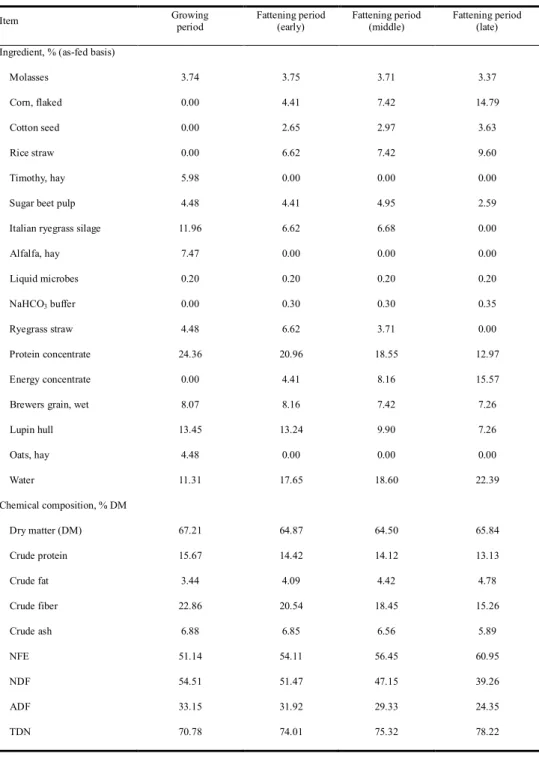
Table 1. Ingredient and chemical composition of the total mixed ration for
Korean cattle steers ··· 51
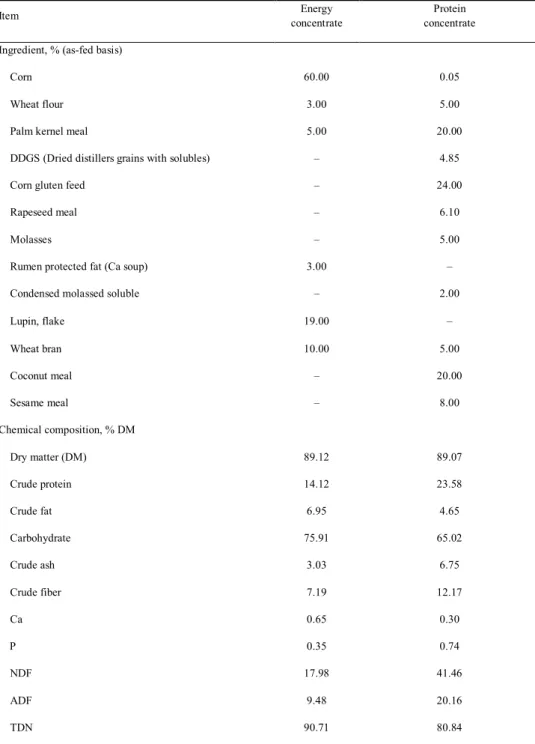
Table 2. Ingredient and chemical composition of energy and protein
concentrates··· 52
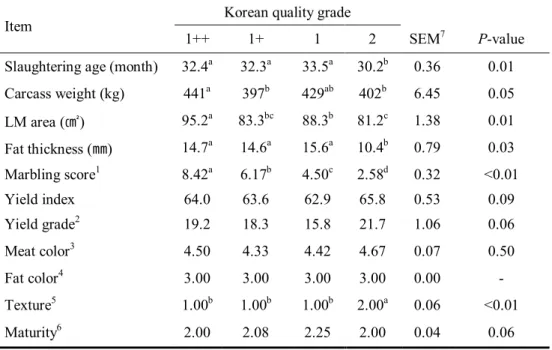
Table 3. Means and standard errors of slaughter age and carcass
characteristics of Korean cattle steers with different quality grades examined
by an official meat grader ··· 62
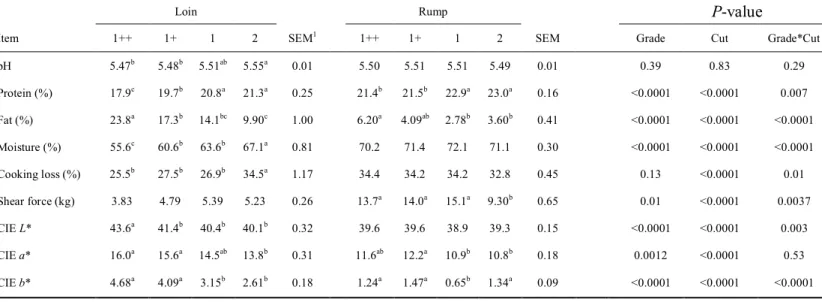
Table 4. pH, chemical composition, cooking loss, meat color (CIE L*, a*, and
b*), and Warner-Bratzler shear force of loin and rump with different quality
grades in Korean cattle steers ··· 66
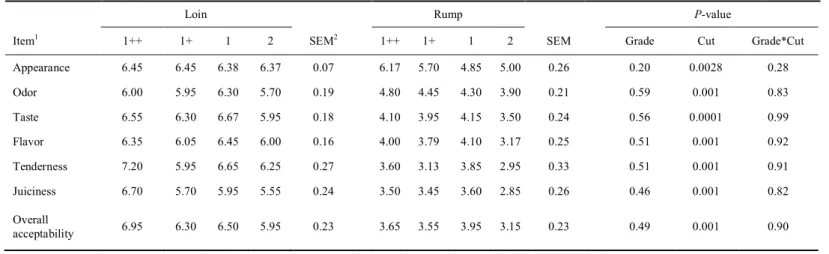
Table 5. Sensory characteristics of loin and rump with different quality grades
in Korean cattle steers··· 68
Table 6. Nucleotides contents (mg/100g) of loin and rump with different
quality grades in Korean cattle steers··· 70
Table 7. Collagen contents (mg/g) of loin and rump with different quality
grades in Korean cattle steers ··· 72
Table 9. Fatty acid composition (% of fat, fresh basis) of loin and rump with
different quality grades (QG) for Korean cattle steers ··· 80
Table 10. Total fatty acid content (g/100g meat, fresh basis) of loin and rump
with different quality grades (QG) for Korean cattle steers ··· 85
Table 11. Volatile compounds (%) of loin and rump with different quality
grades (QG) in Korean cattle steers··· 91
Table 12. Pearson correlation coefficients between carcass traits and
physico-chemical characteristics of loin in Korean cattle steers ··· 95
Table 13. Pearson correlation coefficients among carcass traits and
physico-chemical and sensory characteristics of loin in Korean cattle steers··· 96
Table 14. Pearson correlation coefficient between carcass traits and chemical
composition, and sensory characteristics and collagen and nucleotide contents
of loin in Korean cattle steers ··· 98
Table 15. Pearson correlation coefficient between carcass traits and chemical
composition, and sensory characteristics and amino acid contents of loin in
Korean cattle steers ··· 99
Table 16. Pearson correlation coefficients between carcass traits, chemical
composition, and sensory characteristics and volatile compound composition
Table 17. Pearson correlation coefficients between carcass traits, chemical
composition, and sensory characteristics and volatile compound composition
in rump of Korean cattle steers ···110
Table 18. Pearson correlation coefficients between fatty acid composition (%
of fat, fresh basis) and volatile compound composition in loin of Korean cattle
steers ··· 111
Table 19. Pearson correlation coefficients between fatty acid contents (g/100g
meat) and volatile compound composition in loin of Korean cattle steers···112
Table 20. Chemical composition, physico-chemical parameter, collagen and
reducing sugar contents, and sensory traits in the longissimus thoracis from
Korean cattle (KC), Holstein (HO), and Angus (AN) steers ···141
Table 21. Fatty acid composition (% of fat) in the longissimus thoracis from
Korean cattle (KC), Holstein (HO), and Angus (AN) steers ···144
Table 22. Volatile compounds (%) in the longissimus thoracis from Korean
cattle (KC), Holstein (HO), and Angus (AN) steers···149
Table 23. Pearson correlation coefficients of chemical composition and
sensory traits with reducing sugar contents of pooled longissimus thoracis
from Korean cattle (KC), Holstein (HO), and Angus (AN) steers ···152
(KC), Holstein (HO), and Angus (AN) steers ···154
Table 25. Pearson correlation coefficients of chemical composition,
physico-chemical parameter, reducing sugar, and sensory traits with volatile compounds of pooled longissimus thoracis from Korean cattle (KC), Holstein
(HO), and Angus (AN) steers ···157
Table 26. Pearson correlation coefficients between fatty acid composition (%
of fat) and volatile compounds of pooled longissimus thoracis from Korean
cattle (KC), Holstein (HO), and Angus (AN) steers···160
Table 27. Ingredients and chemical composition of the experimental diets ···176
Table 28. Intake, performance, and nutrient digestibility of Korean cattle
steers fed control and glycerin replacement diet ···185
Table 29. Serum metabolites and plasma ghrelin concentrations of Korean
cattle steers fed control and glycerin replacement diet···188
Table 30. Ruminal VFA and NH3-N concentrations of Korean cattle steers fed
control and glycerin replacement diet ···190
Table 31. Carcass characteristics of LT from Korean cattle steers fed control
and glycerin replacement diet···194
Table 32. Chemical and physico-chemical compositions, reducing sugar and
control and glycerin replacement diet ···196
Table 33. Fatty acid contents (g/100g meat) of LT from Korean cattle steers
fed control and glycerin replacement diet···200
Table 34. Volatile compounds (%) of LT from Korean cattle steers fed control
and glycerin replacement diet···201
Table 35. Ingredients and nutrient composition of the experimental
concentrate···221
Table 36. Effect of glycerin or corn starch supplementation on growth
performance, feed intake (% of DM), feed efficiency, and nutrient
digestibility in Korean cattle steers ···230
Table 37. Effect of glycerin or corn starch supplementation on rumen
metabolites of Korean cattle steers···234
Table 38. Effect of glycerin or corn starch supplementation on serum
metabolites in Korean cattle steers ···237
Table 39. Effects of glycerin or corn starch supplementation on carcass
characteristics of longissimus thoracis in Korean cattle steers ···241
Table 40. Effect of glycerin or corn starch supplementation on chemical and
physico-chemical composition, glycogen, reducing sugar and sensory traits of
List of Figures
Figure 1. Pictures of four types of Korean cattle. (Ⅰ) Brown Hanwoo, (Ⅱ)
Jeju black, (Ⅲ) Heugu and (Ⅳ) Chikso. ···5
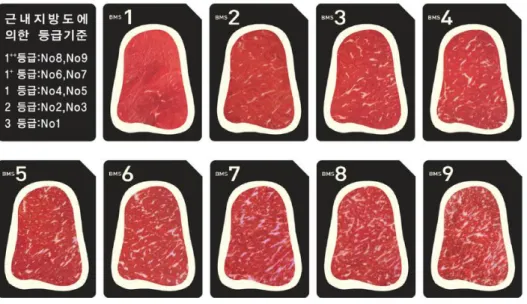
Figure 2. Beef marbling standard (BMS) used for estimating quality grade in
Korean carcass grade system···8
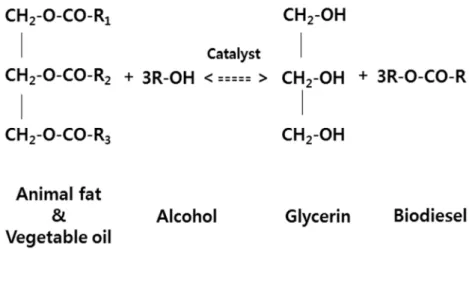
Figure 3. Glycerin and biodiesel production process ··· 21
Figure 4. Comparison of the mRNA levels of residual feed intake and
gluconeogenesis genes, as well as genes for glucogenic substrate incorporation in gluconeogenesis pathway between the control and glycerin
replacement groups in the liver of Korean cattle steers···204
Figure 5. Hepatic mRNA levels of genes for glucogenic substrate
List of Abbreviations
ADG: average daily gain ADF: acid detergent fiber AHSG: alpha 2-HS glycoprotein AMP: Adenosine-5’-monophosphate AN: Angus
BW: body weight
DDGS: dried distillers grains with solubles DMI: dry matter intake
DNA: deoxyribonucleic acid FA: fatty acid
FBP1: fructose-1,6-bisphosphatase G6PC: glucose-6-phosphatase GC: gas chromatograph
GHR: growth hormone receptor
GPD1: glycerol-3-phosphate dehydrogenase 1 GPD2: glycerol-3-phosphate dehydrogenase 2 GSTM1: glutathione S-transferase M1
IMF: intramuscular fat
IMP: inosine-5’-monophosphate INHBA: inhibin beta A subunit KC: Korean cattle
LM: longissimus muscle LT: longissimus thoracis MS: marbling score
MUFA: mono-unsaturated fatty acid NDF: neutral detergent fiber
NEFA: non-esterified fatty acid PC: pyruvate carboxylase
PCCA: propionyl-CoA carboxylase alpha-mitochondrial PCCB: propionyl-CoA carboxylase beta-mitochondrial PCDH19: protocadherin 19
PEPCK-C: phosphoenolpyruvate carboxykinase-cytosolic PEPCK-M: phosphoenolpyruvate carboxykinase-mitochondrial PUFA: poly-unsaturated fatty acid
QG: quality grade RNA: ribonucleic acid
RT-PCR: real-time polymerase chain reaction SCD: stearoyl-CoA
TDN: total digestible nutrition TMR: total mixed ration USFA: unsaturated fatty acid VFA: volatile fatty acid WHC: water holding capacity YG: yield grade
Units and Marks
℃: Celsius degree dL; deciliter
Eq/L: equivalent per liter g: gram kg: kilogram mg: milligram mL: milliliter mM: millimolar ㎜: millimeter N: newton ng: nanogram
CHAPTER ONE
General introduction
Quality grade (QG) in the Korean beef quality grading system is divided into five grades (QG1++, 1+, 1, 2, and 3), where QG1++ is the highest grade, and QG 3 is the lowest grade. The QG of beef in Korea is based on the marbling score (MS), fat color, meat color, texture and maturity of the longissimus dorsi muscle at the 13th rib interface (National Livestock Cooperatives Federation, 1998). A higher QG is achieved with a high MS, more red meat color, and more white fat color (Moon et al., 2003). It is generally agreed that intramuscular fat (IMF) and QG in beef are positive factors that affect meat sensory characteristics, such as tenderness, juiciness, flavor, and overall palatability (Emerson et al., 2013). A consumer survey revealed that tenderness is the most important factor in consumer eating satisfaction, followed by flavor and juiciness (Huffman et al., 1996). Increased cross-links in collagen fibrils (connective tissue) may contribute to increased toughness as the animal matures (Shorthose and Harris, 1990). In terms of meat flavor perception, 5’-ribonucleotides, adenosine monophosphate (AMP) and inosine monophosphate (IMP) can be considered as important factors because they cause umami taste characteristics (Durnford and Shahidi, 1998). In addition, fatty acid is also an important factor affecting beef palatability (Ba et al., 2013). Different types of fatty acid may affect the generation of volatile
compound types, and thus, flavor (Neethling et al., 2016). It has been thought that the palatability of Korean cattle beef is good because of the high QG and thus high MS. Limited information is available and variability exists in data on the associations among MS/QG, meat characteristics, and sensory traits in Korean cattle beef.
In Korea, domestic beef production is primarily based on Korean cattle, but Holstein steers are also produced. Since the self-sufficiency rate of beef consumption has decreased, Korea imports beef mainly from United States and Australia, from both of which predominantly imported Angus cattle (KREI, 2016). Korean consumers have historically preferred Korean cattle beef to domestic Holstein and imported beef because they believe that the palatability of Korean cattle beef is superior to that of Holstein and imported beef (Kim et al., 1993). In terms of factors affecting beef palatability, reducing sugars is also known to contribute to improved flavor of cooked meat by reacting with amino acids to produce many important volatile compounds via Maillard reactions (Aliani and Farmer, 2002). Currently, little information is available on the reducing sugar content of beef and its association with carcass and sensory traits. Also, limited information is available on the factors that affect the preference of Korean consumers for Korean cattle beef over other breeds.
Glycerol, also known as glycerin, is a colorless, odorless, sticky, sweet-tasting liquid. In the process of biodiesel production, it is produced via
transesterification of vegetable oil or animal fat with the use of methanol, leading to methyl-esters of glycerol and fatty acids (Ma and Hanna, 1999). Glycerin potentially serves as a gluconeogenic substrate for ruminants (Chung et al., 2007). Glycerol can be fermented to propionate in the rumen, which can also act as glucogenic precursor in ruminants. Since glycerol is one of precursors in gluconeogenesis, the effect of crude glycerin inclusion on carcass composition and characteristics in various animal diets as energy source has been evaluated by many studies. But the outcomes were not consistent, and limited information is available for the effect of glycerin on rumen fermentation characteristics, glucose/gluconeogenesis metabolism, carcass reducing sugar and glycogen contents in Korean cattle steers.
A series of studies were conducted to elucidate 1) the associations among quality grade/marbling and various carcass characteristics and sensory traits in Korean cattle beef, 2) the factors that contribute to differences in the sensory traits of longissimus thoracis of different breeds, 3) the effects of dietary glycerin replacement on growth performance, carcass characteristics and sensory traits in Korean cattle steers fed diets based on the similar TDN level between experimental diets, and 4) the effects of crude glycerin supplementation on the same parameters mentioned above in Korean cattle steers fed diets based on the different TDN level between experimental diets.
CHAPTER TWO
Literature Review
1. Overview of Korean cattle
1) History of Korean cattle
Korean native cattle, also called Hanwoo (Bos taurus coreanae), have been raised in the Korean Peninsula since 2,000 BC. In the ancient Agricultural Age, Korean cattle were raised primarily as an important draft tool or occasionally as an object of sacrificial rite. As the number of cattle in Korea was limited and religious and political issues existed in Korea, consumption of Korean cattle beef as an edible meat was very low. Along with the rapid growth of the economy in Korea since 1960s, the production of Korean cattle as meat-type cattle has developed. Therefore, the history of eating Korean cattle beef as a main meat food source is still very short (Jo et al., 2012). Due to the fact that Korean cattle have maintained stable traits by means of pure breeding, the present blood lineage is very valuable and is mainly widespread in the Korean Peninsula (Kim and Lee, 2000). In spite of high price, Korean cattle is very popular with both Koreans and foreigners, because Korean cattle beef is well known for its marbled fat, tenderness, flavor and juiciness (Lee et al., 2014). Currently, there are four breed types of Korean native cattle in Korea and each one has different coat color:
brown (Hanwoo), black (Jeju Black), black face (Heugu), and tiger color (Chikso), respectively. Among these four color variants brown coat color is the most common one (Figure 1).
Figure 1. Pictures of four types of Korean cattle. (Ⅰ) Brown Hanwoo, (Ⅱ) Jeju
black, (Ⅲ) Heugu and (Ⅳ) Chikso. (source: Suh et al., 2014)
2) Korean cattle industry
Korean cattle are well known to possess relatively great fertility but their slow growth rate and low milking yield reduce total beef production. The Korean cattle industry has aimed to increase the cattle number to meet the growing
(Ⅰ)
(Ⅲ)
(Ⅱ)
regarded as more important part compared to meat quality before the 1980s, because the overall beef supply had been insufficient to meet the demand in Korea. Along with the improvement of the economy in Korea, the consumers preferred more palatable meats with increased demand for meats. In Korea, per capita meat consumption has rapidly increased from 11.3 kg in 1980 to 51.3 kg in 2014 and beef consumption from 2.6 kg to 11.6 kg (KAPE, 2015). Korean cattle beef can be characterized by its highly marbled fat similar to Japanese Wagyu beef, thin muscle fibers, minimal connective tissue, and the characteristic flavor (Kim et al., 1994). Also, it has less subcutaneous fat depth with greater marbling scores and ossification scores compared to those of Australian Angus (Cho et al., 2005).
In Korea, approximately 3.1 million head of beef cattle were raised in 2016. The total number of slaughter cattle was 859,472, including 737,476 Hanwoo cattle, 57,642 Holstein cows, and 64,354 Holstein heifers and bulls (KAPE, 2016). The number of cattle farming households was 89,879, including 85,040 Hanwoo farmers (KAPE, 2016). During the last decade, the number of households raising Hanwoo cattle decreased from 186,000 households in 2006 to 85,040 in 2016 (KAPE, 2017). Korea has only a 37.7% self-sufficiency rate in beef market, and the rest imported mainly from Australia, USA, New Zealand, Mexico, as well as Canada (MAFRA, 2016). Despite Korean cattle beef’s price being twice as expensive, Korean consumers prefer Korean cattle beef to
imported beef in Korean markets, as Korean cattle beef is considered to be fresher and to have better quality compared to imported beef (Kim et al., 2000). The average live and carcass weights of Korean cattle at slaughter (26~30 month of age) were 731 kg and 437 kg, respectively (KAPE, 2016).
3) Beef quality grading system in Korea
Beef quality grading system is that sorts out quality of livestock products according to certain criteria, and differentiates quality of beef. Korean consumers have a preference for high-marbled beef. Since Korea’s carcass grading system was established and enforced from 1992, it gives a high priority to marbling. Grading system consists of two kinds of categories: 1) yield grade (YG), including YG A, B, and C, is used for evaluating meat amount; 2) quality grade (QG), including QG 1++, 1+, 1, 2, and 3, is used for evaluating meat quality (KAPE, 2017). Carcass of Korean cattle were evaluated by a meat grader using the Korean carcass-grading system of Korea Institute for Animal Products Quality Evaluation (KAPE, 2017) at 24h post-mortem. Carcass weight, longissimus muscle area, fat thickness, marbling score (MS), meat color, fat color, texture, and maturity are examined and reported by an official meat grader. Of these parameters, MS is mainly used for determining QG. Five grades (QG 1++, 1+, 1, 2, and 3) are assigned by meat graders. The MS of the Beef Marbling
Standard (BMS) ranges from 1 (devoid) to 9 (abundant); 8 or 9 is the MS for QG 1++, 6 or 7 is the MS for QG 1+, 4 or 5 is the MS for QG 1, 2 or 3 is the MS for QG 2, and 1 is the MS for QG 3 (Figure 2). In addition, meat color, fat color, texture, and maturity of the exposed longissimus muscle at the 13thrib interface are used for QG determination (NLCF, 1998).
Figure 2. Beef marbling standard (BMS) used for estimating quality grade in
Korean carcass grade system. (source: Korean Institute for Animal Products Quality Evaluation, 2017)
4) Characteristics of Korean cattle beef
Of Korean cattle slaughtered in 2016, QG 1++ accounts for 9.6%, QG 1+ 30.4%, QG 1 29.4%, QG 2 22.8%, and QG 3 7.6%, respectively (KAPE, 2016). In Korea, Korean cattle beef with QG 1++ or QG 1+ is evaluated a premium
class of beef. It was reported that the loin of Korean cattle with QG 1++ had the highest fat contents, whereas loin of cattle with QG 3 contained highest moisture content (Kim and Lee, 2003). Normally, it is accepted that intramuscular fat (IMF) content showed negative relation with moisture content. The loin of Korean cattle steers with QG 1++ had 23.8% IMF contents, followed by QG 1+ (17.3%), QG 1 (14.1%), and QG 2 (9.9%), respectively (Piao et al., 2015). Frank et al. (2016) reported that IMF content showed positive relations with sensory traits of beef loin including flavor, juiciness, and tenderness, whereas a low amount of fat induces a less positive response. Jo et al. (2012) reported that shear values of longissimus dorsi from Hanwoo beef with QG 1++ (3.5kg) were significantly lower than those of QG 2 (4.9kg), which indicates that shear force is negatively associated with IMF content in Korean cattle.
Korean cattle carcasses possessed less subcutaneous fat depth, whereas higher marbling scores and ossification scores compared with Australian Angus carcasses, when it was measured by USDA scoring systems. Also, the average IMF content of Korean cattle (11.3%) was evaluated higher value than that of Australian Angus (5.7%; Cho et al., 2005). Cho et al. (2011) reported that fat content of Korean cattle beef with QG 1+ and QG 1 were significantly higher than those of Australian Angus and crossbred in strip loin and loin, whereas protein content of these two QGs of Korean cattle were lower than those of Australian Angus and crossbred in these two cuts. In terms of mineral content
(Ca, Fe, Zn), there were no differences reported between Korean cattle and Australia Angus beef except that Zn content of Angus beef was higher than those of Korean cattle in top round. Free amino acids and peptides can influence flavor, taste, and aroma formation in meat during storage (Jo et al., 2012). Cho et al. (2008) reported that glutamic acid showed the highest amino acid content in ten different cuts (short plate, top sirloin, striploin, loin, chuck tender, eye of round, chuck roll, bottom round, top round, and brisket) of Korean cattle beef at 28-30 months of age. Of these different cuts, loin contained the least total amino acid content in Korean cattle beef. The particular amino acids, such as glutamic acid, may function as flavor enhancers to enhance the flavor contribution of other agents (Shahidi et al., 1986). Jo et al. (2012) reported similarly that glutamic acid can enhance an umami taste by reacting with inosine monophosphate (IMP). In addition, Sforza et al. (2001) reported that asparagine, serine, threonine, glycine, alanine, and glutamic acid were related to a sweet taste, whereas isoleucine, leucine, valine, methionine, phenylalanine, histidine, arginine, and proline were related to a bitter taste in meat.
Not only IMF, but also fatty acid is also known as an important factor affecting beef palatability (Ba et al., 2013a). Studies reported that oleic acid might positively relate to beef flavor, whereas polyunsaturated fatty acids (PUFA) and saturated fatty acid (SFA) might be negatively associated with beef flavor (Melton et al., 1982). Previous studies had showed that fatty acid composition
varies depending on breeds (Yang et al., 1999; Zembayashi and Nishimura, 1996) and that this has impact on palatability factors of beef, especially in Korean cattle (Cho et al., 2005) and Japanese Wagyu breeds (Xie et al., 1996). Cho et al., (2005) reported that Angus beef contained relatively higher n-3 PUFA, while Hanwoo beef had higher n-6 PUFA in three different muscles including longissimus dorsi,
triceps brachii, and semimembranosus, which may be due to the different feeding
conditions. In ruminant, although the fatty acid composition of meat is not a direct response to the dietary fatty acid profile because of biohydrogenation by rumen microbes, the difference in fatty acid profile of meat is probably caused by the effect of different diets, forage, and grain feeding (Enser et al., 1998). Thus, it can be easily assumed that Korean cattle beef contains a fatty acid profile characterized by high concentrate-fed animals.
Volatile compounds, including aldehydes, hydrocarbons, alcohols, ketones, furans, pyrazines, thiophenes, and thiazoles, etc. which are formed during cooking of meat, also affect palatability as well as flavor (Watkins et al., 2012). Korean cattle and imported Australian beef vary in volatile compounds. Cho et al. (2011) reported that the contents of heptanal, hexanal, octanal, decenal, E-2-octenal, nonenal, 2,4-decadienal, 2-undecenal, 2-butyl furan, and heptane of longissimus dorsi of Hanwoo beef were higher than those of imported beef. This is consistent with previous study which showed that beef of grain-fed cattle contained higher contents of 2-heptenal, hexanal, and 2,4-decadienal, which are
all formed by linoleic acid (Larick et al., 1990).
2. Factors affecting sensory traits
Overall beef palatability and eating satisfaction can be attributed to three factors: tenderness, flavor, and juiciness. In Korea, the overall acceptability of Korean cattle beef is decided by the consumers as follows: weights of tenderness 55%, flavor-likeness 27%, and juiciness 18% (Cho et al., 2010). Beef tenderness is regarded as one of the most important quality challenges facing the beef industry. Flavor after tenderness, a combination of taste and odor, is also one of the essential factors involved in a consumer’s meat purchasing decision (Sitz et al., 2005). Juiciness is also a principal factor for sensory evaluation and it is attributed to the flow of juices from the actual meat and the moisture produced by saliva in the mouth during mastication (Winger and Hagyard, 1994).
1) Tenderness
Tenderness is a quality of meat gauging how easily it is chewed or cut. Since tenderness strongly affects consumer’s perceptions of acceptability, tenderness is known as the most important eating quality traits. Meat tenderness is influenced by several factors, including the amount and solubility of connective tissue, the
composition and contractile state of muscle fibers, and the extent of proteolysis in rigor muscle (Joo et al., 2013). In addition, IMF content also indirectly influences tenderness. Tenderness is evaluated more important for red meat such as beef and lamb due to high composition of connective tissue and red muscle fibers than those of chicken and pork. The connective tissue content is associated with muscle fiber characteristics because of high proportion of muscle fibers (75-90%) in the muscle volume, and the morphology of the muscle fiber mainly acts as the determinant factor of mass (Lee et al., 2010). Although the relationship between meat tenderness and muscle fiber characteristics is still debatable, the heterogeneity of muscle fiber characteristics in different muscles has been considered to affect tenderness (Maltin et al., 2003). During the conversion of muscle to meat, muscles have different patterns of post-mortem change depending on diverse muscle fiber characteristics. In addition, sarcomere lengths in muscles are different due to the fact that each muscle fiber goes into rigor at different times in the whole of post-mortem period. As a result, meat tenderness varies depending on the rigor onset post-slaughter, and the rate and extent of glycolysis, which are all associated with muscle fiber characteristics as well as muscle temperature (Ali et al., 2008).
Flavor is the sensory impression sensed by smell buds and taste, and it is a leading factor determining the meat quality and purchasing decision of the consumer (Khan et al., 2015). Flavor is also a principal factor for the eating quality of meat because consumer expect savory. Since meats are mainly composed of the lean portion and the fat portion, the meat flavor is primarily affected by the pool of flavor precursors in these two tissues (Joo et al., 2013). Meat flavor precursors are normally affected by several factors, including breed of animal, sex of animal, feed of animal, chiller aging, and meat cooking.
Breed of animal should be considered while evaluating consumer preferences of beef throughout aging (Monson et al., 2005). The animal breed mainly has impact on total fat, IMF, and fatty acid composition of meat. The primary variant for ruminant fatty acid composition is animal species; ruminant meat normally has more SFA content because of bio-hydrogenation process in the rumen compared with monogastric animals. Campo et al. (1999) reported that breed and slaughter weight of the animal influence the rate of sensory changes during aging. In that study, it was also reported that aging affects the tenderness and aging evolution of meat is attributed to breed type. Gorraiz et al. (2006) observed the difference in flavor and volatile compounds because of aging time in Friesian and Pirenaica heifers and bulls. Variation in some volatile compounds were found because the beef of Friesian breed contained a higher fatty flavor compared with Pirenaica after cooking. Ba et al. (2013b) summarized in their
study that breed of animal (Hanwoo vs Angus) plays a very important role in meat physico-chemical quality, sensory characteristics and volatile flavor compounds.
The sex of animal has significant impact on the flavor variations in meat. Gorraiz et al. (2006) observed difference in flavor, volatile compounds and odor because of aging time in Friesian and Pirenaica heifers and bulls. Bloody flavor which is associated with higher 2-propanone content and stronger liver-like flavor and odor were found in beef from bull, while beef from heifers contained higher characteristic flavor. Horcada et al. (1998) found the higher infiltration fat content in females. They reported that the females should have juicier meat compared with males. Forrest (1975) reported that the roast rib from steers were evaluated as juicier, tenderer, and more flavorful, and received higher scores in overall palatability compared with those of bulls. However, Franco et al. (2011) reported that there was no significant differences in meat quality between sexes and slaughter age.
Feed also has impact on the carcass conformation, physicochemical and organoleptic parameters of meat quality such as chemical composition, fatty acid composition, color and meat tenderness (Ramírez-Retamal and Morales, 2014). Lewis et al. (2002) reported that feeding system of the animals can affect the composition of carcass and the degree of fattening. The fatty acid profile of meat
recognized as healthier (Wood et al., 2008). Young et al. (1997) reported that terpenes and diterpenoids were attributed to feed as these volatile compounds (terpenes and diterpenoids) are normally found in cooked meat of pasture-fed sheep. Grain-based diets are known to have greater carbohydrate availability compared with pasture based (Young and Braggins, 1998).
In addition, meat cooking is also principal to achieve palatable and safe products (Tornberg, 2005). Meat cooking is well-known to lead to the development of meat aroma through lipoid oxidation, Maillard reaction, thermal degradation of thiamine, and interaction of these pathway products by utilizing non-volatile flavor precursors like reducing sugars, peptides, free amino acids, unsaturated fatty acids, vitamins, and nucleotides (Mottram, 1998). The cooking methods and cooking conditions (cooking temperature and time, and heating rate) can play an important role in the modification of chemical composition and subsequently the nutritional value of meat (Brugiapaglia and Destefanis, 2012). Of several cooking methods, the roasting of meat leads to increased oxidation because of the use of high temperature for a longer time period (Domínguez et al., 2014). Ames et al. (2001) concluded in their study that cooking temperature and volatile compounds produced with increased cooking temperature affect the flavor development through lipid oxidation and Maillard reaction.
3) Juiciness
Juiciness is defined as the amount of moisture squeezed out of a piece of meat by a few gentle chews (Ritchey and Hostetler, 1964). Juiciness is known to show positive relation with the IMF content and the water holding capacity (WHC) of meat. Hocquette et al. (2010) reported that the IMF content directly influences both juiciness and flavor. With the increased IMF content in meat, the human perception of juiciness can be increased (Jeremiah et al., 2003). For the consumers of pork, juiciness is evaluated as more important sensory trait than flavor or tenderness (Aaslyng et al., 2007), whereas meat tenderness is rated as the most important palatability trait for the consumers of beef (Cho et al., 2010). Luchak et al. (1998) reported that the IMF content influences juiciness through several pathways; by improving the WHC of meat, by increasing the tenderness, by lubricating the muscle fibers during cooking, or by stimulating salivary flow during mastication. Meat with lower IMF content is not easily deteriorated by severe short-heating under dry cooking conditions, whereas meat with high IMF content can improve the juiciness after long heating in a moist environment (Joo et al., 2013).
4) Precursors of flavor
meat, including the low molecular weight, water-soluble compounds and fats in meat constituents (Macey et al., 1970). These precursors of meat flavor such as free sugars, sugar phosphate, free amino acids, peptides, nucleotide-bound sugars, nucleotides, and vitamin, can be used either in the Maillard reaction or lipid oxidation/degradation and interaction upon heating to generate volatile flavor compounds, and then produce the final aroma flavor characteristics of meat (Ba et al., 2012). The adipose tissue and IMF not only play an important role in development of cooked meat flavor but also have a great influence on the characteristic-specific species flavors.
Reducing sugar in meat is well known as a precursor of Maillard reaction. Volatile compounds, such as aldehydes, hydrocarbons, ketones, alcohols, carboxylic acids, esters, lactones, furans, pyridines, pyrrans, pyrroles, pyrazines, thiophenes, thiazoles, thizolines, phenols, oxazoles, and other nitrogen or sulfuric compounds, can be produced via several pathways, including Maillard reaction of reducing sugars (e.g. glucose and ribose) with amino acids or peptides, thermal lipid degradation, and the interaction between Maillard reaction products and lipid oxidation products (Kosowska et al., 2017). In the Maillard reaction, glucose, ribose, glucose 6-phosphate and ribose 5-phosphate are well known as reducing sugars (Ba et al., 2012). It was reported that the flavor precursor components in meats can be affected by the type of diet. Koutsidis et al (2008) reported that diets had impact on the reducing sugars in longissimus lumborum of
cattle, and higher total reducing sugars were produced from beef of cattle fed concentrate-based diet compared to the grass-based diet, whereas beef from cattle fed with grass silage contained higher content of free amino acids.
Free amino acids can affect flavor, taste, and aroma formation in meat during storage (Jo et al., 2012). Among the amino acids contained in meat, cysteine and cystine are two sulfur-containing amino acids, which can react with other sugars to form many sulfur-containing flavor compounds (Elmore et al., 2002), while the reaction of other non-sulfur containing amino acids with sugars lead to formation of the nitrogen-containing products such as pyrazines (Ames et al., 1997).
In addition, thiamine is also known as an important precursor that provides wide range of sulfur compounds (Aliani and Farmer, 2005). Also, inosine-5’-monophosphate (IMP) is regarded as an important meat palatability factor as IMP enhances an umami taste (Aliani and Farmer, 2005). Hypoxanthine is also considered as an important component in the formation of meat flavor and it may impart a bitter flavor to the meat by conjugating with other free amino acids and some dipeptides (Tikk et al., 2006).
Some previous studies have been conducted to observe the effects of supplements or replacement of certain ingredient on the precursors of meat flavor mentioned above. Choi et al (2016) reported that supplementing flax seed to the
concentrates fed to finishing Hanwoo steers tended to improve flavor, umami, and overall palatability of longissimus muscle, resulting from increases in the concentration of free amino acids, glutamic acid, methionine, and α-aminoadipic acid, and peptides, anserine and carnosine, and their complex reactions.
3. Glycerin as feedstuff
The worldwide high demand for energy results in increasing production of biofuel, particularly liquid fuels for transportation, in order to replace fossil energy sources, to improve energy security and to respond to greenhouse gas emissions (Heinimo et al., 2009). This phenomenon resulted in an increasing competition of raw materials for food, feed, fuel usage, and the disposability of increasing by-products. For example, corn and vegetable oils are utilized for production of bioethanol and biodiesel, and one of the by-products is glycerin (Figure 3). Glycerol, also known as glycerin, is an essential structural component of triglycerides and phospholipids, and glucogenic properties of glycerol are well known (Cori and Shine, 1935). When animals are fasted off, they can use body fat reserves as energy source, and then free fatty acids and glycerol can be released into the bloodstream. In general, some portion of glycerol can enter the gluconeogenesis to be converted to glucose by the liver or kidney so that it can provide energy for cellular metabolism.
Figure 3. Glycerin and biodiesel production process.
1) Properties of glycerol
Glycerol is a colorless, odorless, sticky, and sweet-tasting liquid. As glycerol has a relatively high boiling point (290℃), it is difficult to separate from other non-volatile impurities. The three hydroxyl groups in glycerol chemical structure allow for hydrogen binding that makes glycerol viscous and gives strong water holding capacity (Myers, 2007). Glycerol is soluble in alcohols and water, and partially soluble in dioxane, ether and ethyl acetate. The water binding property makes glycerol to become a suitable moisturizing agent. At ambient temperature, refined glycerol is in the liquid state and its dry matter content is approximately 90% (Newman, 1968). This unique physical and chemical properties make the
glycerol to become an exceptional feed stuff in pelleting and increase flowability of liquid feeds.
2) Glycerol as energy source
The caloric value of glycerol was calculated to be equal to that of corn (NEM=2.2 Mcal/kg; NEG=1.5 Mcal/kg), but it doesn’t contain protein, fat, or fiber (Preston, 2014). Glycerol is known as a feed additive of interest in the dairy industry for improving energy balance of cows. When fed a 500 mL oral bolus of glycerin to dairy cows 5 days postpartum, plasma non-esterified fatty acid (NEFA) was decreased, which suggested that the glucogenic property of glycerol enhanced energy balance (Ogborn, 2006). Carvalho et al. (2011) reported that dietary glycerol did not affect feed intake and milk production of cows fed 11.5% and 10.8% glycerol in prepartum and postpartum diets, respectively. It was reported that dry glycerin (dry powder; minimal 65% of food grade glycerol) is also known as an additive which has positive impact on the energy balance of dairy cows when top dressed during early lactation (Chung et al., 2007).
Glycerol is known to serve as an appetite stimulant due to the sweet taste of glycerin’s property. Fisher et al. (1971) reported that when supplemented glycerin at 472g/d to the concentrate mix of a component based diet, the feed intake was increased. Fisher et al. (1973) also reported that when the experiment was
extended to 8 weeks treatment period using a larger number of cows, 174 or 347g/d of glycerol supplementation had no impact for improving feed intake relative to cows fed a conventional concentrate or propylene glycol. Parsons et al. (2009) reported that there is no change in dry matter intake (DMI) when glycerin was fed to crossbred heifer at either 0 or 2% of the diet, but reduction of DMI occurred when increasing glycerin to 4, 8, 12, and 16%. Pyatt et al. (2007) also reported that when glycerin was supplemented at 10% to a dry-rolled corn diet fed to steers, DMI was reduced by 10.1%. Trabue et al. (2007) reported that when lactate accumulation is increased, glycerol might be fermented slowly in the rumen, which can alter feed intake. Roger et al. (1992) stated that when the in vitro media was added glycerin at 5%, the growth and cellulolytic activity of rumen fungi and bacteria were inhibited, which indicated that small amount of glycerin inclusion might be favorable to animal growth, but concentrations more than 5% might lead to an unhealthy rumen, subsequently resulting in decreased feed intake. Average daily gain (ADG) was increased when glycerin was supplemented at 2, 4, 8% to diets fed to crossbred heifers, but reduction of ADG was occurred at 12 and 16% (Parsons et al., 2009). Mach et al. (2009) reported that glycerin supplementation did not affect ADG or feed efficiency, when glycerin was added at up to 12% to diets fed to finishing Holstein bulls. In contrast to these studies, Pyatt et al. (2007) reported that when corn was replaced by glycerin at 10% in a concentrate, glycerin improved ADG and feed conversion
During the feedlot receiving phase, glycerol has been supplemented to the diet fed to feeder calves with the object of increasing energy intake and enhancing their immune function (Hales et al., 2013b). DMI was linearly decreased when glycerol was supplemented at levels up to 10% in receiving diets (control; 25% roughage) replacing grass hay. Hales et al. (2013b) explained that the reduction of intake may be attributed to an increase in energy density of the diet. In addition, although dietary glycerol was reported to have no impact on the health status of high risk calves suffering from bovine respiratory disease, mortality, or bovine rhinotracheitis, Hales et al. (2013b) reported that glycerin enhanced feed efficiency and acted as a viable feed ingredient when it was supplemented at 5% of receiving diets.
Glycerin was replaced for forage and grain in high-roughage diets. Glycerol was supplemented at 7.5% of growing steer diets (control; 40% roughage diet) substituting alfalfa or steam-flaked corn. However, there were no differences found in DMI and growth rate (Hales et al., 2013a). Ramos and Kerley (2012) also reported that when replacing grass hay with crude glycerin up to 20% of forage-based diets, there was no adverse effect on performance of heifers.
Glycerol was also included in high-concentrate bovine diets, which reported variable effects on cattle performance. Parsons et al. (2009) reported that when glycerol was supplemented at ≤ 2% levels to finishing diets fed to heifers, DMI was reduced. Anderson and Ilse (2008) reported that supplementing crude
glycerin up to 18% to finishing diets replacing dry-rolled corn and co-products linearly reduced DMI, but it had no effect on gains of heifers. Mach et al. (2009) reported that when supplement glycerin at up to 12% of DM to isocaloric and isonitrogenous high-concentrate diets fed to Holstein bulls, there were no detrimental effects on performance. Moreover, glycerol fed to steers elevated blood insulin and glucose levels after 24 and 48h of transportation, and potentially impeded breakdown of muscle proteins and preserved muscle quality (Parker et al., 2007).
3) Glycerol fermentation in rumen
Three of the principle fates of dietary glycerol in ruminants have been estimated and include absorption through the rumen epithelium (45%), fermentation to volatile fatty acid (VFA, 25%), and escape through the omasal orifice (30%; Werner-Omazic et al., 2015). Glycerol absorption probably occurred primarily by passive diffusion not facilitated diffusion. Aquaporins are known as transport proteins which carry glycerol and water across cell membranes in various mammalian tissues such as rumen epithelium and gastrointestinal tract (Ishibashi et al., 2009). However, Werner-Omazic et al. (2015) reported that ruminal transport of glycerol was not inhibited by the presence of aquaporin inhibitor. Moreover, Werner-Omazic et al. (2015) showed
that transfer of glycerol across the rumen epithelium enhanced linearly with increased glycerol levels, suggesting reliance upon carriers for absorption was minimal.
The Streptococcus bovis, Megasphaera elsdenii, and Selenomonas
ruminantium are primary bacterial species responsible for the anaerobic
fermentation of glycerol. It was known that lactic acid derived from the fermentation of glycerol is converted to butyrate by M. elsdenii (Stewart et al., 1997). Wolin et al. (1997) reported that a major source of propionate in the rumen is produced from the decarboxylation of succinate by S. ruminantium. Propionate was identified as the primary product of glycerol fermentation by these
selenomonads in sheep rumen fluid through in vitro techniques (Hobson and
Mann, 1961). Boyd et al. (2013) reported that glycerin supplemented to ruminant diets is well known to cause a shift in VFA profiles, favoring propionate production at the expense of acetate. Rémond et al. (1993) reported that when glycerin (240g) was ruminally administered to cows fed maize silage, about 35-69% of carbons forming propionate are derived from glycerol. It was reported that total VFA concentration would be unchanged (Hales et al., 2013a) or increased because of accumulation of propionate in steers fed glycerol (Wang et al., 2009). Propionate is well known as a glucogenic compound which conserves carbons and acts as a hydrogen sink. Since glycerol can be converted extensively to propionate in the rumen, glycerin was supplemented with gradually increasing
level to forage-based diets, and CH4 production was evaluated using in vitro techniques (Avila-Stagno et al., 2013). As a result, CH4 emissions were linearly increased with increasing glycerol inclusion, which was attributed to the reduced state of glycerol compared with carbohydrates. Avila-Stagno et al. (2013) explained that since the conversion of glycerol to propionate lacks the incorporation of net electrons, the fermentation of glycerol to propionate in forage-based diets did not serve as a hydrogen sink.
Wang et al. (2009) stated that proteolytic activity was inhibited by glycerol inclusion in steers fed high-concentrate diets. Paggi et al. (1999) reported that when supplementing glycerol with increasing levels to bovine rumen fluid using
in vitro techniques, proteolytic activity was reduced by 20%. In addition,
previous studies found that ruminal lipolysis was inhibited by nearly 48-77% (Krueger et al., 2010) and 46-80% (Edwards et al., 2012) without affecting rumen DM digestion, when glycerol was included to rumen fluid using in vitro techniques. Although feed grade glycerol has been stated to reduce pH levels, it has no adverse effect on cellulolytic bacteria activity (Rémond et al., 1993). Other studies also reported that the reduction in pH without detrimentally affecting cellulose digestion was found (Schröder and Südekum, 1999; Wang et al., 2009). However, Roger et al. (1992) found a reduction in cellulose degradation by cellulolytic bacteria in in vitro media containing 5% glycerol.
4) Glycerol metabolism in ruminants
The density of glycerol is 1.261 g/cm3, and this is similar to the optimal density of particles that pass from the rumen (Neel et al., 1995). Garton et al. (1961) reported that approximately 25% of glycerol was not detectable by 2h of incubation and over 90% of the glycerol disappeared after 8h of fermentation in
in vitro test using sheep rumen contents. Bergner et al. (1995) found a glycerol
disappearance rate of 90% within 2h in in vitro test. Trabue et al. (2007) performed similar in vitro test and estimated the ruminal metabolism of glycerol to be completed by 80% after 24h of incubation. Rémond et al. (1993) reported that glycerol administered (480g/d) in the rumen of cows fed maize silage was disappeared after 4h.
Boyd et al. (2013) reported no change in DMI or apparent digestibility when glycerol was supplemented up to 400g/d in diets fed to postpartum dairy cow. Winterholler et al. (2011) reported that when included 860g/d glycerol to beef cows for maintaining body condition score during late gestation, it was found no negative effects on total tract fiber digestibility. Hales et al. (2013) reported that when glycerol was used as a replacement for roughage in growing steer diets, it was observed a linear increase of apparent OM, and apparent and true starch digestibility.
from the gastrointestinal tract of young calves. This glucogenic substrate can be phosphorylated to glycerol-3-phosphate by glycerol kinase (Montell et al., 2002). Then, glycerol-3-phosphate is oxidized to dihydroxyacetone phosphate (DHAP) by glycerol phosphate dehydrogenase, leading to generation of NADH and H+. At this stage, DHAP enters either glucogenic or glycolytic pathway depending on the animal’s energy status. As intake is increased over maintenance, the increased production of metabolites relative to demand leads to storage of energy.
The effects of glycerol on blood metabolites of bovines have been evaluated to further observe the impact of this glucogenic compound on metabolism. Carvalho et al. (2011) reported that blood glucose concentration was decreased, when supplemented glycerin in prepartum and postpartum diets at 11.5% and 10.8%, respectively. The author explained that hepatic gluconeogenesis is depressed because of increased propionate production. Liu et al. (2014) reported that when supplemented glycerol to diets fed to lactating dairy cows during heat stress period, the glucose concentration was increased while the NEFA concentration was decreased, which indicated that glycerol increased glucose utilization by peripheral tissues and diminished triglyceride mobilization. However, DeFrain et al. (2004) reported that the concentration of glucose and insulin were not changed when supplemented glycerol up to 7.2% to transition dairy cows.
5) Effects of glycerin on carcass characteristics and sensory traits
Crude glycerin may have impact on carcass characteristics and meat quality due to the fact that feeding glycerin may increase the availability of gluconeogenic compounds (Evans et al., 2008; Versemann et al., 2008). As mentioned previously, glycerol can be absorbed by the ruminal epithelium and then converted to glucose through gluconeogeneiss, while glycerol also can be converted to propionate in the rumen (Krehbiel, 2008). Krueger et al. (2010) suggested that glycerol would improve passage of unsaturated fatty acids (USFA) from the rumen and further enhance absorption by small intestine, which make monounsaturated fatty acid (MUFA) and polyunsaturated fatty acid (PUFA) more easily available for incorporation into meat due to inhibited bacterial fat degradation by glycerol inclusion in ruminal contents. However, many previous studies reported that no differences were observed on dressing percentage and hot carcass weight when glycerin was supplemented to the diets (Barton et al., 2013; Lage et al., 2014). Mach et al. (2009) reported that adding glycerin at up to 12% to diets fed to Holstein bulls did not affect carcass weight, dressing percentage, backfat thickness, and LM area. Butterey et al. (2015) also reported that glycerin inclusion at up to 10% in diets fed to finishing crossbred steers did not affect carcass weight, dressing percentage, marbling score, as well as LM area. Thus, the outcomes were not consistent probably due to some factors including animal breed, sex, age or feed.