705
목 적 : 본 논문의 목적은 고관절 전치환술을 시행 받은 환자에서 지르코니아 세라믹 대퇴 골두가 코발트-크롬 금속 대퇴 골두와 비교하여 어느 정도 마모 율 및 마모량의 차이가 있는지, 또한 수술 후 매년 마모율 및 마모량이 어떻게 변화 되며, 실제 마모가 아닌 creep 현상은 언제까지 발생하는지를 알아보는 데 있다.
대상 및 방법 : 1996년 6월부터 1999년 12월까지 본원에서 Ficat and Alert stage III 이상의 대퇴 골두 무혈성 괴사로 고관절 전치환술을 시행 받은 180명 (225 고관절) 중 수술 후 최소 3년 이상 매년 누락 없이 추시가 가능하였던 86명(111 고관절)을 대상으로 하였다. 수술 직후, 수술 후 6주 및 매 1년마다 촬 영한 양측 고관절 전후면, 축면(axial) 방사선 사진을 이용하여 Martell 등에 의한 computer assisted vector wear analysis program을 사용하여 마모의 방 향, 마모율 및 마모량을 측정하여 지르코니아 세라믹 대퇴 골두군과 금속 대퇴 골두군을 비교 분석하였다.
결 과 : 수술 직후부터 수술 후 6주까지 마모율 및 마모량은 지르코니아 세라믹 골두군(1.443 mm/year, 665.433 mm3/year) 및 금속 골두군(2.161 mm/year, 1271.831 mm3/year) 모두에서 다른 기간에 비하여 통계적으로 의미 있게 현저히 높은 소견을 보였다. 지르코니아 세라믹 골두군 연평균 마모율은 0.180 mm/
year, 연평균 마모량 81.101 mm3/year 및 금속 골두군 연평균 마모율 0.219 mm/year, 연평균 마모량 124.149 mm3/year를 보였다. 두 군 간의 연평균 마모 율 및 마모량은 통계학적으로 의미 있는 차이를 보였으며, 또한 기간이 경과 되어감에 따라 연평균 마모율 및 마모량이 다소 줄어드는 경향을 보였다.
결 론 : 수술 직후부터 수술 후 6주까지의 마모율 및 마모량은 다른 기간에 비하여 현저히 높았으며 이것은 creep 현상의 결과로 사료되며 이와 같은 creep 현상은 수술 후 6주까지 주로 발생함을 알 수 있었다. 전 기간에서 지르코니아 세라믹 골두군이 금속 골두군에 비하여 현저히 적은 마모율 및 마모량을 보였으며, 이 연구를 통하여 이론적인 지르코니아 세라믹 골두의 장점을 생체 내에서 확인할 수 있었다.
색인 단어 : 마모, 지르코니아 세라믹 골두, 고관절 전치환술
705
고관절 전치환술에서 지르코니아 세라믹 골두와 금속 골두의 생체내 마모율 비교
문경호∙조규정∙이동주∙최동훈∙권도승∙이강윤
인하대학교 의과대학 정형외과학교실
705 705 통신저자 : 문 경 호
인천광역시 중구 신흥동 3가 7-206 인하대병원 정형외과
TEL: 032-890-3043∙FAX: 032-890-3047 E-mail: [email protected]
A Comparative Study of the in vivo Wear of Zirconia and Metal Heads Articulating with Polyethylene Liners in Total Hip Arthroplasty
Kyoung-Ho Moon, M.D., Kyu-Jung Cho, M.D., Dong-Joo Lee, M.D., Dong-Hun Choi, M.D., Do-Seung Kwon, M.D., and Kang-Yun Lee, M.D.
Department of Orthopedic Surgery, Inha University College of Medicine, Inchon, Korea
Purpose:The purposes of this paper was to determine the wear rates and volumetric wears of ceramic (Zirconia) and metal (Cobalt-chrome) femoral heads, and to differentiate creep from true wear. Another purpose was to determine the extent of wear and volumetric wear per annum.
Materials and Methods:We examined 86 patients (111 hips) who were continuously followed up from 180 patients (225 hips) who received THRA with AVN of stage III or above at our hospital. Patients were followed until December 1999 for more than a minimum of 3 years from June for 1996. The hip joint AP radiographs that had been taken immediately after the operations, six weeks postoperatively and annually thereafter were compared. We used the computer assisted vector wear analysis program of Martell to measure the wear rate, volumetric wear and vector wear.
Results: The wear rate and the volumetric wear in the zirconia ceramic head group (1.443 mm/year, 665.433 mm3/year) and metal head group (2.161 mm/year, 1271.831 mm3/year) were high immediately after operation and six weeks postoperatively, and this was significantly more than during all for other periods, giving a wear rate and volumetric wear in the ceramic head group of 0.180 mm/year and 81.101 mm3/year, and in the metal head group of 0.219 mm/year and 124.149 mm3/year. Moreover, the average wear rates and volumetric wear rates of these two groups were significantly different, and annual wear and volumetric wears showed a trend to decrease with time.
Conclusion:Wear rate and volumetric wear six weeks after operation were remarkably high compared with the other periods. This is inter- preted as the result of a creep phenomenon, which occurred mainly during the six weeks following the operation. The Zirconia ceramic head group showed little wear, which confirms the theoretical advantage of the zirconia ceramic head in vivo.
Key Words: Wear, Zirconia ceramic femoral head, Total hip replacement arthroplasty
Address reprint requests to Kyoung-Ho Moon, M.D.
Department of Orthopedic Surgery, Inha University Hospital 7-206, 3Ga Shinheung-dong, Jung-gu, Inchon 400-103, Korea Tel: +82.32-890-3043, Fax: +82.32-890-3047
E-mail: [email protected]
고관절 전치환술을 시행 받은 환자에서 폴리에틸렌 마모의 발 생은 치환부 주위의 골 용해 및 무균성 해리를 야기 시켜 고관절 전치환술의 중요한 실패의 원인으로 알려져 있다5,9,15,20). 이와 같 은 폴리에틸렌 마모를 줄이기 위하여 폴리에틸렌 자체의 내구성 을 향상 시키거나, 대퇴 골두의 재질을 변화 시키거나, 관절면의 재질을 변화 시키는 여러 가지 연구들이 활발히 진행되고 있다.
최근에는 지르코니아 세라믹 골두와 폴리에틸렌으로 구성된 관절 이 코발트-크롬 골두와 폴리에틸렌으로 구성된 관절보다 마모에 있어서 이론적 우수성이 잘 알려져 널리 사용되고 있으며 이미 hip simulator를 이용한 연구에서 지르코니아 세라믹 골두가 금 속 골두보다 마모가 적다고 보고 되어있다4,7,19,23,24). 그러나 실험 실의 결과가 체내의 복잡한 환경에서도 같은 결과로 나타날지는 정확히 알기 어렵다.
본 논문의 목적은 대퇴 골두의 재질을 달리하여 사용한 고관절 전치환술 환자들의 생체 내에서 세라믹(ziconia) 대퇴 골두가 금 속(Cobalt-chrome) 대퇴 골두와 비교하여 어느 정도 마모율 및 마모량의 차이가 있는지, 수술 후 매년 마모율 및 마모량이 어떻 게 변화 되는지를 알아보고 실지 마모가 아닌 creep 현상은 언제 까지 발생하는지를 알아보는데 있다.
연구대상 및 방법
1. 연구대상1996년 6월부터 1999년 12월까지 Ficat and Alert stage III 이상의 대퇴 골두 무혈성 괴사로 본원에서 고관절 전치환술을 시 행 받은 180명(225 고관절)중 대퇴 주대 및 비구컵에 해리 소견 이 있었던 각각 1예 및 수술 후 1회 이상 탈구가 있었던 3예를 제외하였고 동일한 대퇴 주대 및 비구컵을 사용하고 최소 3년 이 상 매년 추시가 가능하였던 86명(111 고관절)을 대상으로 하였다.
환자들의 성비는 남자 62명, 여자 24명이었으며 나이는 수술 당시 평균 50.1세(28-72세), 체중은 평균 61.9 kg이었다. 추시 기간은 평균 54.1개월(36-79개월)이었으며, 수술은 제 1저자 (M.K.H)에 의하여 후측방 접근법을 이용하여 시행되었으며, 모 든 환자에서 광범위 세공 피복 Anatomic Medullary Locking (AML, DePuy, Warsaw, IN, USA) 대퇴 주대 및 Duraloc (Depuy, Warsaw, IN, USA) 100 series 비구컵이 사용되었고, 사용 된 폴리에틸렌은 Enduran (Depuy, Warsaw, IN, USA) 이었다. 인공 골두는 28 mm 직경의 Zirconia ceramic (Saint-
Gobain Desmarquest, Vincennes, France) 골두가 81예, Co- balt-chrome (Depuy, Warsaw, IN, USA) 골두가 30예에서 사 용 되었고, 비구컵의 크기는 지르코니아 세라믹 골두의 경우 평 균 54.6 mm이고 금속 골두의 경우 53.9 mm이었다. 연구대상에 서 제외된 94명의 경우 평균 연령 52.8세, 체중 60.4 kg 및 추시 기간은 56.6개월로 연구대상군 86명과 통계적으로 차이를 보이지 는 않았다(p>0.05).
지르코니아 세라믹 골두를 사용한 81예의 경우 평균 53.0개월 의 추시기간, 수술당시 50세의 나이 및 62.4 kg의 체중을 가지고 있었으며, 금속 골두를 사용한 30예의 경우 평균 57.1개월의 추시, 50.1세의 나이 및 60.7 kg의 체중을 보이고 있었다. 지르코니아 세라믹 골두를 사용한 군과 금속 골두를 사용한 군 간의 나이, 성 별, 몸무게, 비구컵의 크기 등의 차이는 없었다(Table 1).
2. 연구 방법
모든 대상 환자에서 수술 직후, 수술 후 6주, 3개월, 6개월 및 매 1년마다 임상적 및 방사선적 평가를 하였다. 임상적 평가는 Harris Hip Score10)를 내원시 검진을 통하여 관찰하였으며, 90점 이상을 우수(excellent), 80-90점을 양호(good), 70-79점을 보통 (fair), 70점 미만을 불량(poor)으로 평가 하였다. 방사선적 평가 는 추시시 촬영한 방사선 사진을 검토 분석하여 해리의 유무를 관찰 하였다.
정확한 마모의 정도를 측정하기 위하여 수술 직후, 수술 후 6 주, 3개월, 6개월 및 매 1년마다 촬영한 양측 고관절 전후면 방 사선 사진을 Powerlook 2001XL flat bed imaging scanner (Umax Data Systems, Inc., Taipei, Taiwan)를 사용하여 컴 퓨터에 영상화 한 후 Chicago 대학의 Martell 등14)이 개발한 com- puter assisted vector wear analysis program (University of Chicago, Orthopedic Surgery, Hip analysis program version 4.0)을 사용하여 수술 직후부터 수술 후 6주까지, 수술 후 6주에
Ceramic Metal p-value Number of patients (case) 62 (81) 24 (30)
Mean age (range) 49.98 (28-72) 50.12 (30-71) 0.48 Mean weight (kg, range) 62.44 (45-71) 60.7 (48-81) 0.13 Gender (Male:Female) 45:17 17:7 0.878 Mean follow-up in months 53.0 (36-70) 57.1 (36-79) 0.054
(range)
Size of acetabular cup (mm) 54.6 53.9 0.07 Table 1.Details of the patients in the ceramic and metal groups
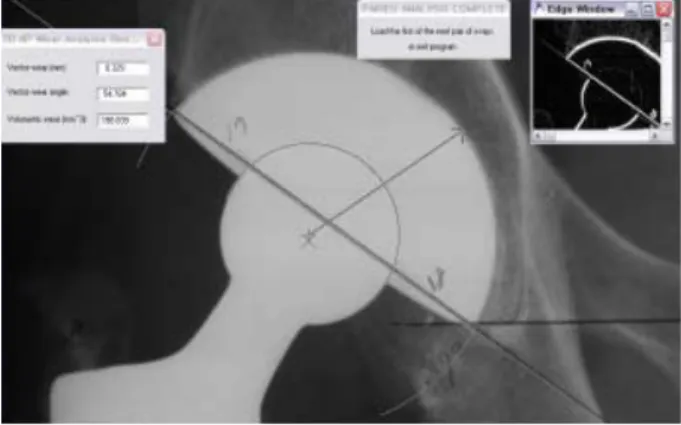
Fig. 1.Image displaying the wear analysis procedure, called the
‘Hip32’ (Computer assisted vector wear analysis system, Univ. of Chicago Ortho. Ver. 4.0). The results of computer-assisted analysis of a radiograph made 2 years postoperatively. The two superim- posed arcs respresent the best-fit circles determined by the com- puter for the margins of the femoral head and the acetabular cup.
서 3개월, 3개월에서 6개월, 6개월에서 1년 및 매 1년마다의 마 모율, 마모량 및 마모의 방향을 측정하였다(Fig. 1). 측정자간의 오차가 발생하지 않도록 하기 위하여 한명의 동일한 측정자에 의 해 각 예마다 3회 반복 측정하여 평균값을 사용하였다.
지르코니아 세라믹 골두를 사용한 군(81 고관절)과 금속 골두 를 사용한 군(30 고관절)간의 마모율, 마모량 및 마모 방향의 차 이는 student-T test를 이용하여 검증하였고, 통계적 유의성을 위해 두 그룹을 나이, 성별, 체중, 추시기간에 따라 짝짓기 하였 다. 통계적 처리는 SPSS (version 9.1)를 사용하였다.
결 과
1. 임상적 결과Harris Hip Score는 지르코니아 세라믹 골두군 및 금속 골두 군에서 각각 수술 전 평균 57.19 (41-75) 및 56.04 (43-72)에서 수술 후 평균 89.24 (77-91) 및 88.96 (83-91)으로 향상 되었 으며 지르코니아 세라믹 및 금속 골두군에서 우수는 각각 35명 (56.5%) 및 12명(50.0%), 양호는 각각 26명(41.9%) 및 12 (50.0%)명, 보통은 지르코니아 세라믹의 경우 1명(1.6%) 및 금 속의 경우는 없었고, 불량에 해당하는 경우는 양측 모두 없었다.
세라믹 골두군 및 금속 골두군에서의 수술 전, 수술 후의 Harris Hip Score평균치는 통계적으로 차이를 보이지 않았다(p>0.05).
2. 방사선적 결과
방사선적 평가는 대상 환자를 방사선적으로 해리가 있는 예는 제외 하였으므로 모든 예에서 해리를 의심할 만한 소견은 없었다.
수술 직후부터 수술 후 6주까지의 기간 동안 지르코니아 세라 믹 골두군의 마모율 및 마모량은 1.443 mm/year, 665.433 mm3/ year이며 금속 골두군의 마모율 및 마모량은 2.161 mm3/year, 1271.831 mm3/year이었다. 수술 후 6주까지의 기간을 제외한 연평균 실제 마모율 및 마모량은 지르코니아 세라믹 군과 금속 군에서 각각 0.180 mm/year, 81.101 mm3/year 및 0.219 mm/
year, 124.149 mm3/year로 두 군 모두 수술 후 6주까지의 마모 율 및 마모량이 통계학적으로 의미 있게 높은 결과를 보였다(p<
0.05, Table 2).
또한 최종 추시까지의 실제 마모율 및 마모량은 위의 수치에서 확인할 수 있듯이 지르코니아 세라믹 골두군이 금속 골두군보다 통계적으로 의미 있게 마모율 및 마모량이 적었다(p=0.0093/
0.0035).
수술 후 6주로부터 3개월 추시에서 관찰한 세라믹 골두군과 금속 골두군의 마모율 및 마모량은 각각 0.224 mm/year, 71.435 mm3/year 및 0.205 mm/year, 79.916 mm3/year이었고, 3개월 에서 6개월까지 기간의 세라믹과 금속의 마모율 및 마모량은 각 각 0.216 mm/year, 73.056 mm3/year 및 0.208 mm/year, 80.542 mm3/year로 나타났으며 이후 6개월에서 최초 1년까지 의 기간동안 발생한 세라믹과 금속의 마모율 및 마모량은 각각 0.213 mm/ year, 69.830 mm3/year 및 0.204 mm/year, 75.619 mm3/year로 측정되어 3개월→6개월→12개월로 진행함에 따라 마모율 및 마모량의 감소가 관찰되고 있으나 결과적으로 수술 후 6주로부터 최초 1년까지의 마모율 및 마모량의 측정치와 각각 비 교하여 통계적으로 차이가 나타나지 않았다(p>0.05).
최종 추시까지의 전체적인 마모율 및 마모량의 변화를 살펴보
Wear
Time interval
Metal; vector wear
Zirc; vector wear Zirc; volumetric wear
Prosthesis에 따른 Wear값 비교 10,000
1,000 100 10 1 0.1
0.01op→6 wk 6 wk→1 yr 1→2 yr 2→3 yr 3→4 yr 4→5 yr 5→6 yr Metal; volumetric wear
Fig. 2.Comparison of wear rate and volumetric wear for compo- nents prosthesis. Annual changes are displayed.
Follow up period (year)
Ceramic Follow up Vector
Wear (mm/year)
Follow up Volumetric Wear (mm3/year)
Metal Follow up Vector
Wear (mm/year)
Follow up Volumetric Wear (mm3/year)
op*→6 week 1.443 665.433 2.161 1271.831
6 week→1 yr� 0.196 62.764 0.184 62.619
1 yr→2 yr 0.195 111.025 0.341 210.042
2 yr→3 yr 0.174 99.983 0.226 137.678
3 yr→4 yr 0.150 90.291 0.179 116.594
4 yr→5 yr 0.105 67.303 0.125 74.909
5 yr→6 yr 0.083 55.240 0.096 62.687
average 0.180 81.101 0.219 124.149
*; the day of operation, �; year.
Table 2.Annual wear rates and volumetric wear rates according to the type of ceramic used in the metal femoral head in total hip replace- ment arthroplasty
면 세라믹 골두 및 금속 골두 모두에서 마모율 및 마모량이 수술 후 6주 이후에는 비교적 일정한 정도로 발생하였고 기간이 진행 할수록 다소 마모가 감소하는 추세를 보였으나 통계적으로 의미 는 없었다(Fig. 2).
고 찰
대부분의 실험실 및 hip simulator를 이용한 연구들은 금속 골 두에 비하여 지르코니아 세라믹 골두의 명백한 우수성을 보여 주
고 있다4,7,19,24,25). 그러나 생체 내에서의 마모에 대한 연구는 아직
ceramic의 우수성을 명백히 밝히지 못하고 있다. 몇 가지 논문들 은 금속 골두에 비하여 지르코니아 세라믹 골두가 우수하다고 보
고17,18,21,26)한 반면 반대의 결과를 보고6)한 경우도 있다. 최근 생
체 내에서 마찰학적 실험에서 지르코니아 세라믹의 우수성에 더 욱 의문이 발생하였다. 재치환시 수거된 지르코니아 세라믹 골두 의 표면을 검사한 결과 긁혀 있고 회손 되어 있음을 보고하고 있
다2,12,23). 또한 사체에서 수거된 인공 고관절에서도 지르코니아
세라믹 골두에서 보다 금속 골두에서 마모가 적다는 보고도 있다.
지르코니아 세라믹은 온도에 따라서 세가지 상(phase)으로 존 재하게 되는데, 상온에서 단사정계 상(monoclinic form), 1,170℃ 에서 강하나 불안정한 정방정계 상(tetragonal form) 그리고 2,370℃에서 안정적이나 깨지기 쉬운 입방정계 결정 상(cubic crystalline form)이 그것이며, 단사정계에서 정방정계 상으로 변 형시 지르코니아 세라믹의 부피는 약 5% 증가하며, 반대로 냉각 시에는 부피가 약 3% 감소하는 것으로 알려져 있으며3), 이러한 부피변화는 물리적 성질을 변화시켜 crack을 유발할 수 있다8). 이러한 변화를 막기위해 안정제(stabilising) 역할을 하는 첨가 제로 yttrium oxide가 사용되어 정방정계 상을 유지(Y-TZP, yttria tetragonal zirconium oxide polycrystal)시켜 준 제품이 사용되었다.
2001년 9월 F.D.A (United States Food and Drug Admin- istration)는 Prozyr� Zirconia Heads로 널리 알려진 Saint-Gob- ain Avanced Ceramics Desmarquest의 제품에 대하여 자발적 회수(recall)를 발표하였다. 그 대상은 1998년 1월부터 1999년 9 월까지 당 회사에서 생산된 제품중 일부에 한하며, 1998년 이전 생산된 제품은 해당되지 않음을 명기하고 있다. 본 논문에서 사용 된 지르코니아 골두는 1998년 이전 생산된 제품만을 사용하였다.
자발적 회수의 원인을 제조사측은 단지‘제조상의 공정변화에 따 른 제품의 좋지 않은 영향' 이라고만 밝히고 있으나, Y-TZP가 생체내에서 열과 압력에 의한 상전이를 유발한다는 추론8)하에 일부 공정에서 생산된 제품에서 지르코니아 세라믹 대퇴골두의 표면 파괴로 인한 인공 고관절 실패가 그 직접적인 원인이라 할 수 있다. 1999년 이후 영국과 미국에서 지르코니아 대퇴 골두를 사용한 고관절 전치환술의 결과를 보고하고 있고, 심지어 5년 추 시 고관절 생존율을 63%로 보고하고 있기도 하다1). 신체 내에서 의 변형이 그 원인으로 주목8,16,22)되고 있으나, 이러한 상 전이에 대하여 안정화 물질에 대한 연구가 보고되지 않고 있으며, 또한
지르코니아 세라믹을 사용한 경우 세라믹과 결합할 폴리에틸렌 라이너의 물리적 성질이나 두께 등에 대한 연구가 부족한 상황이 다. 또한 지르코니아 세라믹의 제조과정에서의 문제점 등에 대한 연구도 이루어지지 않은 상태이다.
본 논문은 지르코니아 세라믹골두의 우수성 및 마모율 등을 확 인하기 위하여 computer assisted vector wear analysis program 을 이용하여 생체 내에서 지르코니아 세라믹 및 금속 골두의 마 모의 정도를 정확히 측정하려고 노력하였다.
그 결과는 지르코니아 세라믹 골두의 이론적인 우수성이 생체 내에서도 적용되어 금속 골두에 비하여 마모율 및 마모량의 정도 가 의미 있게 낮았으며, 두 군 모두에서 시간에 따른 마모의 형 태는 동일하였다.
각 군의 구성에서 나이, 체중, 성별, 사용한 기구 등이 동일하 여 두 군의 비교가 비교적 정확 하리라 생각 되나, 그 외에 마모 에 영향을 줄 수 있는 조절이 불가하거나 정량화 되지 않은 여러 인자들이 존재 한다는 것을 감안 할 때 본 논문의 결과가 모든 경 우에 동일하게 적용 된다고 주장하기는 어렵다. 특히 관절면 내 에서 제 3의 파편(third-body debris)이 존재 할 때 강도가 높은 지르코니아 세라믹 골두의 경우 표면의 긁힘은 금속 골두보다 덜 할 수 있으나 연마 마모(abrasive wear)에 의한 폴리에틸렌의 극심한 마모를 초래하기 때문이다.
본 연구에서 또 하나의 성과는 수술 직후에서 수술 후 6주까지 마모가 매우 높게 발생하는 소견을 보였는데 이것은 실제 마모가 아닌 폴리에틸렌 변형(Creep)에 의한 결과로 사료되며 또한 수 술 직후 마취에 의한 근 긴장(muscle tension)의 감소도 영향을 주었을 것으로 사료된다.
Creep은 가해지는 하중과 그 방향 및 기간, 접촉표면의 형태 그리고 온도와 관련이 있다고 알려져 있으며, Issac 등13)은 creep 이 완전히 사라지는 시기를 수술 후 대략 1년에서 2년까지도 보 고하기도 하였으며, Lee 등11)은 physiologic condition하에서 시행 한 in vitro 실험에서 creep이 점차 감소되어 사라지는 시기를 대 략 4×10³ min로 보고하며 그중 85%의 creep이 초기 103 min 이내에 발생한다고 보고하였다. 본 연구에서 사용한 computer assisted vector wear analysis program의 개발자인 Chicago대 학의 Martell 등14)은 초기 수술 후 평균 6주에 촬영한 사진을 사 용하였다.
저자들의 연구에서는 수술 후 환자가 거동 가능하기까지의 기 간 및 일일 운동시간 등을 고려하여 수술 후 6주의 사진을 기준 으로 삼았으며 이 때를 기준으로 급격한 마모율 및 마모량의 감 소추세가 나타남을 확인할 수 있었다.
결과적으로 수술 직후부터 수술 후 6주까지의 마모율 및 마모 량은 다른 기간에 비하여 현저히 높았으며 이런 차이를 유발하는 creep 현상은 수술 후 초기에 주로 발생함을 알 수 있었다. 이와 같은 이유로 마모에 대한 측정을 연구시 수술 직후 방사선 사진 보다는 수술 후 6주 사진을 기준으로 사용하여 측정하는 것이 좀 더 정확한 결과를 얻으리라 사료된다.
결 론
지르코니아 세라믹 골두군과 금속 골두군의 마모율 및 마모량 을 매년 측정 분석한 결과 전 기간에서 지르코니아 세라믹 골두 군이 금속 골두군에 비하여 마모율 및 마모량이 현저히 적었으며 이것을 통해 이론적인 지르코니아 세라믹 골두의 장점을 생체 내 에서 확인할 수 있었다.
세라믹의 단점으로 지적할 수 있는 골두의 파손에 대하여 상 대적으로 강한 지르코니아 세라믹이 회수됨에 따라 이에 대하여 Y-TZP를 대치할 수 있는 새로운 안정화 물질(stabilising oxide) 이나 또는 지르코니아 대퇴골두에 대응할 수 있는 적합한 상태 의 폴리에틸렌 라이너의 개발과 임상연구가 필요하리라 사료된다.
참고문헌
1. Allain J, Le Mouel S, Goutallier D and Voisin MC: Poor eight-year survival of cemented zirconia-polyethylene total hip replacement. J Bone Joint Surg, 81-B: 835-842, 1999.
2. Bragdon CR, Jasty M and Kawate K: Wear of retrieved cemented polye- thylene acetabula with alumina femoral heads. J Arthroplasty, 12: 119-125, 1997.
3. Cales B: Zirconia as a sliding material. Clin Orthop, 379: 93-112, 2000.
4. Cooper JR, Dowson D, Fisher J and Jobbins B: Ceramic bearing sur- faces in total artificial joints: resistance to third body wear damage from bone cement particles, J Med Eng Technol, 15: 63-67, 1991
5. Cooper RA, McAllister CM, Borden LS and Bauer TW: Polyethylene debris-induced osteolysis and loosening in uncemented total hip arthroplasty.
A cause of late failure. J Arthroplasty, 7: 285-290, 1992.
6. Devane PA, Horne JG and Botsford D: Do ceramic femoral heads lower three dimensional polyethylene wear? A matched comparison with stainless steel femoral heads: Trans Orthop Res 1997.
7. Dowson D: A comparative study of the perfomance of metallic and ceramic femoral head components in total replacement hip joints. Wear, 190: 171-183, 1995.
8. Haraguchi K, Sugano N, Nishii T, Miki H, Oka K and Yoshikawa H:Phase transformation of a zirconia ceramic head after total hip arthroplasty.
J Bone Joint Surg, 83-B: 996-1000, 2001.
9. Howie DW, Vernon RB, Oakeshott R and Manthey B: A rat model of resorption of bone at the cemented interface in the presence of polyethylene wear particles. J Bone Joint Surg, 70-A: 257-263, 1988.
10. Hungerfold DS, Krackow KA and Lennox DW: The PCA primary and revision hip system. Quoted from Fitzgerald, T.: Non-cemented total hip arthroplasty. Raven Press Lt., New York, 433-450, 1988.
11. Issac GH, Dowson D and Wroblewski BM: An investigation into the origins of time-dependent variation in penetration rates with Charnley acetab- ular cups-wear, creep or degradation? Proc. Inst. Mech. Eng, Part H-J Eng
Med, 210: 209-216, 1996.
12. Issac GH, Wroblewski BM, Atkinson JR and Dowson D: A tribolog- ical study of retrieved hip prostheses. Clin Orthop, 276: 115-125, 1992.
13. Lee KY and Pienkowski D: Compressive creep of extruded UHMWPE varies with time, pressure, and radial position. Orthop Trans, 20: 836, 1996- 1997.
14. Martell JM and Berdia SM: Determination of polyethylene wear in total hip replacements with use of digital radiographs, J Bone Joint Surg, 79-A:
1635-1641, 1997.
15. Mirra JM, Marder RA and Amstutz HC: The pathology of failed total joint arthroplasty. Clin Orthop, 170: 175-183, 1982.
16. Norton MR, Yarlagadda R and Anderson GH: Catastrophic failure of the Elite plus total hip replacement, with a Hylamer acetabulum and zirconia ceramic femoral head. J Bone Joint Surg, 84-B: 631-635, 2002.
17. Okumura H, Yamamuro T and Kumar T: Socket wear in total hip pros- thesis with alumina ceramic head. In Oonishi H, Hideki A, Sawai K. eds.
Bioceramics: Vol. 1. St Lous: Ishiyaku Euro America, 284, 1989.
18. Oonishi H, Igaki H and Takayama Y: Comparisons of wear of UHMW polyethylene sliding against metal and alumina in total hip prostheses. In:
Oonishi H, Hideki A, Sawai K, eds. Bioceramics: Vol. 1. St. Louis: Ishiyaku Euro America, 272-277, 1989.
19. Saikko VA, Paavolainen PO and Slatis P: Wear of the polyethylene acetabular cup: metallic and ceramic heads compared in a hip simulator, Acta Orthop Scand, 64: 391-402, 1993.
20. Schmalzried TP, Guttmann D, Grecula M and Amstutz HC: The relationship between the design, position, and articular wear of acetabular components inserted without cement and the development of pelvic osteol- ysis. J Bone Joint Surg, 76-A: 677-688, 1994.
21. Schuller HM and Marti RK: Ten year socket wear in 66 hip arthroplas- ties: ceramic versus metal heads. Acta Orthop Scand, 61: 240-243, 1990.
22. Shimizu K, Kumar P, Oka M, et al: Time dependent change in the me- chanical properties of zirconia ceramic, Bioceramics, 5: 353-359, 1992.
23. Sychterz CJ, Engh CA Jr., Swope SW, Mcnulty DE and Engh CA:
Analysis of prosthetic femoral heads retrieved at autopsy. Clin Orthop, 358:
223-234, 1999.
24. Weightman B and Light D: The effect of the surface finish of alumina and stainless steel on the wear rate of UHMW polyethylene. Bio materials, 7: 20-24, 1986.
25. Wroblewski BM, Siney PD, Dowson D and Collins SN: Prospective clinical and joint simulator studies of a new total hip arthroplasty using alu- mina ceramic heads and cross-linked polyethylene cups, J Bone Joint Surg, 78-B: 280-285, 1996.
26. Zichner LP and Willert H-G: Comparison of alumina-polyethylene and metal-polyethylene in clinical trials. Clin Orthop, 282: 86-94, 1992.