• 검색 결과가 없습니다.

Safety and Efficacy of Peripherally Inserted Central Catheters in Terminally Ill Cancer Patients: Single Institute Experience

N/A
N/A
Protected

Academic year: 2021

Share "Safety and Efficacy of Peripherally Inserted Central Catheters in Terminally Ill Cancer Patients: Single Institute Experience"

Copied!
6
0
0

로드 중.... (전체 텍스트 보기)

전체 글

(1)

Original Article

Received May 9, 2014, Revised July 11, 2014, Accepted July 19, 2014 Correspondence to: Hunho Song

Department of Internal Medicine, Kandong Sacred Heart Hospital, University of Hallym College of Medicine, 445, Gil-dong, Gangdong-gu, Seoul 134-701, Korea

Tel: +82-2-2224-2691, Fax: +82-2-478-6925, E-mail: [email protected]

This is an Open Access article distributed under the terms of the Creative Commons Attribution Non-Commercial License (http://creativecommons.org/licenses/by-nc/3.0) which permits unrestricted non-commercial use, distribu- tion, and reproduction in any medium, provided the original work is properly cited.

Safety and Efficacy of Peripherally Inserted Central Catheters in Terminally Ill Cancer Patients: Single

Institute Experience

Kwonoh Park, M.D., Hyoung Gun Lim, M.D.*, Ji Yeon Hong, M.D. and Hunho Song, M.D., Ph.D.

Department of Internal Medicine, *Radiology, KEPCO Medical Center,

Department of Internal Medicine, Kandong Sacred Heart Hospital, University of Hallym College of Medicine, Seoul, Korea

Purpose: We investigated the safety and efficacy of peripherally inserted central catheters (PICCs) in terminally ill cancer patients. Methods: A retrospective review was conducted on patients who underwent PICC at the hospice-palliative division of KEPCO (Korea Electric Power Corporation) Medical Center between January 2013 and December 2013. All PICCs were inserted by an interventional radiologist. Results: A total of 30 terminally ill cancer patients received the PICC procedure during the study period. Including one patient who had had two PICC insertions during the period, we analyzed a total of 31 episodes of catheterization and 571 PICC days. The median catheter life span was 14.0 days (range, 1∼90 days). In 25 cases, catheters were maintained until the intended time (discharge, transfer, or death), while they were removed prematurely in six other cases (19%;

10.5/1000 PICC days). Thus, the catheter maintenance success rate was 81%. Of those six premature PICC removal cases, self-removal due to delirium occurred in four cases (13%; 7.0/1000 PICC days), and catheter-related blood stream infection and thrombosis were reported in one case, each (3%; 1.8/1000 PICC days). Complication cases totaled eight (26%; 14.1/1000 PICC days). The time to complication development ranged from two to 14 days and the median was seven days. There was no PICC complication-related death. Conclusion: Considering characteristics of terminally ill cancer patients, such as a poor general condition, vulnerability to trivial damage, and a limited period of survival, PICC could be a safe intravenous procedure.

Key Words: Peripheral venous catheterization, Central venous catheterization, Hospice care, Terminal care, Palliative care

INTRODUCTION

Oral administration of medicine and nutrition is often difficult in terminally ill cancer patients because of progressive difficulties in swallowing, nausea and vomiting, intestinal obstruction, and consciousness disturbance (1). So, reliable intravenous (IV) access is an important issue in terminally ill cancer patients (2,3). However, these terminally ill cancer patients had limited or no peripheral venous access due to

edema or thrombophlebitis caused by long-term IV therapy including chemotherapy and blood transfusions. Thus, intravenous access has been provided by central venous catheter (CVC).

There are some options for applying CVC in cancer patients;

subclavian venous catheter (SVC), chemo-port (CP), and the

peripherally inserted central catheter (PICC). The PICC offers

certain advantages over other forms of CVC. PICC shows mi-

nimal procedure-related catastrophic risk (e.g., pneumothorax, or

hemothrorax) at the time of insertion, because it is inserted via

(2)

the peripheral vein (usually upper limb) without requiring surgical procedure (4). Compared with SVC, PICC has a longer dwelling time (5), and less chance of catheter related blood stream in- fection (CRBSI) (6-8). Compared with CP, PICC has a shorter durability of dwelling (9), but has many advantages, including cost-effectiveness (5,7,8), well-tolerated insertion (5), no issues with wound dehiscence in the insertion site, and ease of removal (4).

Terminally ill cancer patients are vulnerable to minor trauma due to poor performance and general conditions and may have behavior problems due to mental changes or delirium (10). In addition, most of these patients have a limited survival duration of 1∼2 months. Hence, when considering such aspects of terminally ill cancer patients, safe insertion without procedure- related complications, comfortable insertion and an intermediate term of IV access maintenance are needed for CVC. So, the PICC might be an attractive alternative methods of CVC.

However, only limited data exist regarding the safety and efficacy of PICC in terminally ill cancer patient with only 1 published study worldwide (11). In Korean, thus far, only two reports have described PICC in a general oncology setting (9,12), and no study has reported in a homogeneous cohort of terminally ill cancer patients. Thus, we conducted the present retrospective cohort study to investigate the safety and efficacy of PICC to provide the guidance for PICC utilization in terminally ill cancer patients.

METHODS 1. Patients and study design

A retrospective review was conducted on all terminally ill cancer patients who underwent PICC at hospice-palliative part of KEPCO (Korea Electric Power Corporation) Medical Center between January and December 2013. The hospice-palliative part of KEPCO Medical Center is composed of 1 attending physician, 1 social worker and 20 volunteers, and a mean of 6∼7 inpatients are maintained. Inpatients are usually referred from home and institutions of the same city for end-of-life care, intensive symptom control, and/or to pro- vide a family respite. Terminally ill cancer patient represents patient without additional anti-cancer treatment who have an estimated survival of 1∼2 months or less. Of these patients, those who needed an administration of artificial hydration, total parenteral nutrition (TPN), and medication but with

limited peripheral line access were recommended for PICC insertion. If the prior PICC was removed by unexpected events or planned discharge, another catheter was placed at a site remote from the original site. For the analysis, we counted each PICC placement as a new event. This study was appro- ved by the institutional review board of KEPCO Medical Center, which waived the requirement for informed consent due to the retrospective design of this study (HIRB-2014-005).

2. PICC insertion procedure and management

All PICCs were inserted by an interventional radiologist in the angiography room using ultrasound guidance and fluoro- scopic imaging. All operators wore aseptic gowns, masks, and gloves, and all of the patients received a dressing with aseptic drapes. Seldinger’s technique was used routinely. The PICC lines contained double lumens and were made of second-/

third-generation polyurethane. The location of the catheter tip was confirmed by chest radiography. None of the PICCs was sutured; they were held in place with StatLock

Catheter Stabilization Device.

No patient was adminstered prophylactic antibiotics or anticoagulation drugs for infection or thrombosis. Catheter replacement over a guidewire was strictly prohibited at our hospital. All of the patients received a closed dressing dampened with betadine on the catheter insertion site every 3 days.

3. Catheter monitoring and data collection

We obtained data from the patient’s medical records, temperature-pulse-respiratory chart, and daily nurse’s checklist to identify patients with an indwelling PICC and reviewed the clinical complications, such as pain, edema, and local systemic catheter-related infections. Microbiology reports were reviewed to identify systemic catheter-related bloodstream infections (CRBSIs). CRBSIs were defined by catheter tip culture and at least one positive peripheral blood culture of the same orga- nism. On suspicion of a catheter-related infection, the line was removed, and the tip was sent for analysis in the microbiology laboratory, whereas routine tip-culture was not performed.

Catheter-related thrombosis was suspected when the catheter

flow rate was impossible to back flush or when patients

complained of arm edema or pain. However, all of the patients

who had thrombosis symptoms, with or without a confirmatory

test such as Doppler ultrasonography or venography, were in-

(3)

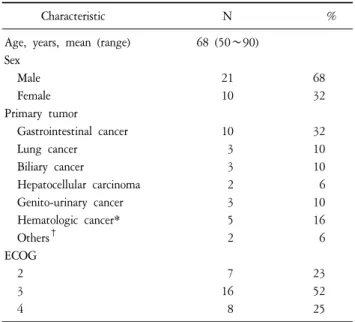
Table 1. General Characteristics (N=31).

Characteristic N %

Age, years, mean (range) 68 (50∼90) Sex

Male 21 68

Female 10 32

Primary tumor

Gastrointestinal cancer 10 32

Lung cancer 3 10

Biliary cancer 3 10

Hepatocellular carcinoma 2 6

Genito-urinary cancer 3 10

Hematologic cancer* 5 16

Others

2 6

ECOG

2 7 23

3 16 52

4 8 25

*Myelodysplastic syndrome 2, Lymphoma 2, Multiple myeloma 1,

GIST 1, Ovary cancer 1. ECOG: Eastern Cooperative Oncology Group.

cluded as having thrombotic complications. Minor complications such as non-specific pain and bruising were not investigated.

4. Statistical analysis

We summarized the baseline demographics and PICC- related characteristics using descriptive statistics, including medians and ranges. The primary endpoint was the premature removal rate, and the secondary endpoints were the catheter maintenance success rate and complication rate. Premature removal was defined as unintended removal before planed removal such as discharge, transfer, or death. The complication and premature removal rates were each reported as complications per 1,000 PICC days and a simple rate. The catheter maintenance success rate was defined as patients who maintained their catheters for the duration of the intended purpose, such as death, transfer, or discharge. The PICC life span was calculated from the insertion date to the removal date and was assessed using the Kaplan?Meier estimates. Statistical analyses were performed using SPSS version 17.0 (SPSS Inc. Chicago, IL).

RESULTS 1. Patients and characteristics

A total of 70 terminally ill cancer patients were admitted for hospice-palliative care at KEPCO Medical Center during the study period. Of these, 30 patients underwent PICC insertion. One patient had two PICCs placed during the study period. Thus, 31 episodes of catheterization and a total of 571 PICC days were analyzed. The patient characteristics are listed in Table 1. The median age was 68 years (range, 50∼90 years), and 20 patients (67%) were male. Twenty-six patients (84%) had solid malignancies, and the others had hematologic malig- nancies. Twenty-four cases (78%) had an Eastern Cooperative Oncology Group performance status of 3 to 4. Purposes for employment of PICC were as follows: 29 cases for artificial hydration or total parenteral nutrition, and in 14 cases for blood product transfusion. The median time from admission to the hospice-palliative part to PICC insertion was 3.0 days (range, 1

∼34 days). By the time of the analysis (January 2014), 94%

(29/31) of the cases had died. The median time form hospice-palliative care admission to survival was 29.0 days (95%

confidence interval [CI], 19.7∼38.3 days).

2. PICC maintenance success rate

PICCs were successfully inserted in all of the patients without catastrophic catheter-related immediate-onset compli- cations, such as a hemothorax or a pneumothorax, excluding 3 cases with minimal bleeding. The 3 bleeding cases consisted of 2 cases of hematologic malignancies and 1 case of bleeding just before death, they all had coagulopathy. The two bleeding cases with hematologic malignancies were completely recovered using supportive care such as compression.

The median catheter life span was 14.0 days (95% CI, 9.0∼18.9 days). Twenty five cases of the 31 cases were maintained until the intended time (discharge, transfer, or death). Nineteen PICC cases were maintained until death, 4 cases were transferred to another palliative care hospital, and 1 case was discharged after PICC removal. Thus, the catheter maintenance success rate was 81%.

3. Complications of PICC and causes for PICC removal

Eight complications (26%, 14.1/1000 PICC days) occurred

with the 31 episodes of catheterization. The most frequently

documented complication was self-removal in 4 case (13%,

(4)

Table 2. PICC Complication (N=31).

Complication Premature removal*

N (%) Rate (per 1,000 PICC days) N (%) Rate (per 1,000 PICC days)

Total complication 8 (26) 14.1 6 (19) 10.5

Thrombosis 3 (9) 5.4 1 (3.2) 1.8

Self-removal 4 (13) 7.0 4 (13) 7.0

CRBSI 1 (3) 1.8 1 (3.2) 1.8

*Premature removal was defined as unintended removal before planed removal at the time such as discharge, transfer, or death. CRBSI: catheter related blood stream infection, PICC: peripherally inserted central catheter.

7.0/1000 PICC days), followed by thrombosis in 3 cases (9%, 5.4/1000 PICC days) and CRBSI in 1 case (3%, 1.8/1000 PICC days). Of these 8 cases with complications, 6 cases underwent premature PICC removal (19%, 10.5/1000 PICC days); 4 cases of self-removal (13%, 7.0/1000 PICC days), 1 each had CRBSI and thrombosis (Table 2). The median time from PICC insertion to complication occurrence was 7 days (range, 2∼14 days). No PICC complication- related deaths and no complications in the self-removal cases were noted.

The case of CRBSI involved a 74 year-old male patient with lymphoma (diffuse large B-cell lymphoma). He developed fever without other focus on the 16

th

day after PICC insertion, and the PICC was removed. Candida was cultured from both peripheral blood and the catheter tip, and thus he was diagnosed with CRBSI and treated with anti-fungal agents for 3 weeks.

DISCUSSION

Although there is controversial issue whether terminally ill cancer patients receiving hospice care should receive routinely parenteral hydration (13), dehydration might aggravate the symptoms of fatigue, myoclonus, and delirium (14). In addition, patients need IV administrations of medications for pain, infection, and delirium, so reliable venous access is often the initial therapeutic step in some terminally ill cancer patients (2,3).

Our study showed acceptable results in regard to the premature PICC removal rate (19%, 10.5/1000 PICC days), median duration of maintenance (14 days) and complication rate (26%, 14.1/1000 PICC days).

Our study showed no serious procedure-related complication regarding PICC insertion. Converning SVC, catastrophic procedure-related complications such as hemothorax or pneu-

mothorax, were reported in 1.9∼3.7% of patients (15). Re- garding CP, wound dehiscence often occurs in cachexic patients although there is no formal report. Terminally ill cancer patients could encounter fatal consequences due to proce- dure-related complication, and easily developed wound dehi- scence owing to cachexia of them. Our results suggested that PICC can be safely inserted in terminally ill cancer patients.

The total complication rate in our study was less than that of general cancer patients (16-18), and similar to that of non-cancer patients (5,8). Premature PICC removal rate in our study, representing a definitional complication related end point particularly in the retrospective setting, was also similar to that in other settings (5,16-18). However, most of the premature PICC removals in the present study were self-removals. Only 6% (3.6/1000 PICC days) of all PICCs were removed because of a general complication such as CRBSI and thrombosis, excluding self-removals. This rate was similar to or less than those of other reports in general cancer patients or non-cancer patients (8,16,17). These high rates of PICC self-removal can be explained by delirium, which develops in up to 80∼90% in terminally ill cancer patients (10). A Previous report that studied PICC in terminally ill cancer patients showed 10% of PICC self-removal, a value similar to that in our study (11). However, there was no serious problem after self-removal except manageable trivial bleeding. It could be explained as characteristic easy removal, one of the benefits of PICC.

The CRBSI rate in our study was less than that in a

general oncology patient setting (9,16,17), and this could be

explained by a couple of reasons. First, terminally ill cancer

patients have a relatively low risk of severe cytopenia com-

pared with patients with active chemotherapy, even though

they are also in an immune-compromised state. Smith et al.

(5)

showed that chemotherapy was an independent risk factor for PICC-related CRBSI, a finding that can support our inter- pretation (8). Second, all cases were performed by an expert interventional radiologist using ultrasonography or fluoroscopic guidance, which may have resulted in fewer CRBSI com- plications. PICC insertion under strict sterile condition, not via the blinded bedside approach, may decrease immediate pro- cedure-related risks and CRBSI and may increase PICC durability (17,18).

Despite the lack of the cancer specific data, current guide- lines recommend thromboprophyaxis for hospitalized patients with cancer according to risk stratification of VTE (Venous Thromboembolism) (19). On the other hand, whether a thromboprophylaxis is needed for cancer outpatients with CVC is a controversial status. Young et al showed no benefit in reduction of symptomatic thrombosis in cancer patients with CVC who underwent thromboprophylaxis using warfarin (20), while Lavau-Denes, et al showed that thromboprophylaxis using warfarin or low molecular weight heparin showed a benefit (21). The current study showed that thrombosis-related complication was developed only in 3 cases (9%) in spite of non-routine prophylaxis and hospitalized setting, the number was similar to the those of previous studies about outpatient with CVC (20,21). These findings are thought that active chemotherapy, one of thrombogenic risks (22), was not appli- cable in the current study, however limited survival of these patients, and a lack of thrombosis work-up due to retro- spective analysis might contribute more to the results. Thus, the results of the current study need cautious interpretation.

However, considering short durability of CVC due to limited survival in these patients, coexisting coagulopathy in the great majority, and financial problem of some drugs, routine throm- boprophylaxis in all of the cases with CVC might be inappro- priate, although thromboprophylaxis is considered according to the characteristics of patients.

The current study has the limitation of being a retrospective cohort study. It might cause underestimation of the com- plication of PICC because asymptomatic patients were excluded (for example, asymptomatic thrombosis or CRBSI without fever).

And accurate success rate was not confirmed in the present study. Despite the limitation, in considering the characteristics of terminally ill cancer patients, such as poor general con- dition, high risk of delirium-induced behavior problems, and a

limited period of survival, PICC could be a safe and useful IV access method. To confirm the results of our study, a pros- pective trial might be warranted. We are currently conducting a multicenter, prospective observational study of PICC in terminally ill cancer patients. The study could provide evidence for IV access strategies for terminally ill cancer patients.

CONCLUSIONS

When considering the characteristics of terminally ill cancer patients, such as a poor general condition, vulnerability to trivial damage, and limited survival period, PICC could be a safe IV access method.

요 약

목적: 이 연구는 임종기 암환자들에서 말초삽입중심

정맥카테터(peripherally inserted central catheters, PICC)의 안정성 및 효과에 대해 확인하고자 한다.

방법: 2013년 한 해 동안 한전병원에 호스피스·완화의

료를 목적으로 입원한 환자들 중, 말초삽입중심정맥카 테터를 시행 받은 환자들을 대상으로 후향적으로 의무 기록 관찰하였다. 모든 말초삽입중심정맥카테터는 중재 적 방사선의사에 의해 삽입되었다.

결과: 언급한 기간 동안 30명의 임종기 환자에서 말초

삽입중심정맥카테터가 시행되었고, 그들 중 1명의 환자 에서 2회의 삽입이 이뤄져, 전체적으로 31회의 말초삽 입중심정맥카테터 삽입 횟수와 571일의 거치기간(PICC days)이 분석되었다. 말초삽입중심정맥카테터 거치기간 (PICC days)의 중앙값은 14.0일(범위, 1∼90일)이었다. 25 예는 계획된 시기(퇴원, 전원, 사망 등)까지 유지하였으나, 6예에서는 여러 이유로 계획된 시기보다 조기에 PICC를 제거하였다(PICC 조기 제거율, 19%; 10.5/1000 PICC days).

따라서, 카테터 유지 성공 비율(catheter maintenance success rate)은 81%였다. PICC 조기 제거 6예 중, 섬망 등에 의한 스스로 제거한 경우가 4예였고(13%; 7.0/1000 PICC days), 카테터 관련 혈액 감염 및 혈전증이 각각 1예씩 있었다 (3%; 1.8/1000 PICC days). 조기 PICC 제거를 포함한 총 합 병증 발생은 8예에서 있었다(26%; 14.1/1000 PICC days).

합병증 발생까지 기간은 중앙값 7일이었다(기간, 2∼14 일). 말초삽입중심정맥카테터 관련 합병증에 의한 사망 은 없었다.

결론: 좋지 않은 전신 상태, 작은 시술 합병증에도 취

(6)

약함, 제한된 여명등과 같은 임종기 암환자의 특징을 고려할 때, PICC는 임종기 환자에서 안전한 혈관 접근 방법이 될 수 있다.

중심단어: 말초삽입중심정맥카테터, 임종기 암환자, 호스

피스, 완화의료

REFERENCES

1. Cleeland CS. Cancer-related symptoms. Semin Radiat Oncol 2000;

10:175-90.

2. Bruera E, Sala R, Rico MA, Moyano J, Centeno C, Willey J, et al. Effects of parenteral hydration in terminally ill cancer patients:

a preliminary study. J Clin Oncol 2005;23:2366-71.

3. Mercadante S, Ferrera P, Girelli D, Casuccio A. Patients' and relatives' perceptions about intravenous and subcutaneous hydration.

J Pain Symptom Manage 2005;30:354-8.

4. Lam S, Scannell R, Roessler D, Smith MA. Peripherally inserted central catheters in an acute-care hospital. Arch Intern Med 1994;154:1833-7.

5. Ng PK, Ault MJ, Ellrodt AG, Maldonado L. Peripherally inserted central catheters in general medicine. Mayo Clin Proc 1997;

72:225-33.

6. Gunst M, Matsushima K, Vanek S, Gunst R, Shafi S, Frankel H.

Peripherally inserted central catheters may lower the incidence of catheter-related blood stream infections in patients in surgical intensive care units. Surg Infect (Larchmt) 2011;12:279-82.

7. Raad I, Davis S, Becker M, Hohn D, Houston D, Umphrey J, et al. Low infection rate and long durability of nontunneled silastic catheters. A safe and cost-effective alternative for long-term venous access. Arch Intern Med 1993;153:1791-6.

8. Smith JR, Friedell ML, Cheatham ML, Martin SP, Cohen MJ, Horowitz JD. Peripherally inserted central catheters revisited. Am J Surg 1998;176:208-11.

9. Kim HJ, Yun J, Kim HJ, Kim KH, Kim SH, Lee SC, et al.

Safety and effectiveness of central venous catheterization in patients with cancer: prospective observational study. J Korean Med Sci 2010;25:1748-53.

10. Morita T, Tei Y, Tsunoda J, Inoue S, Chihara S. Underlying pathologies and their associations with clinical features in terminal delirium of cancer patients. J Pain Symptom Manage 2001;22:

997-1006.

11. Yamada R, Morita T, Yashiro E, Otani H, Amano K, Tei Y, et al. Patient-reported usefulness of peripherally inserted central venous catheters in terminally ill cancer patients. J Pain Symptom Manage 2010;40:60-6.

12. Kim EJ, Kim HJ, Kim HJ, Kim KH, Kim SH, Lee SC, et al.

Retrospective analysis for complications of the central venous catheter in patients with cancer at a single center in Korea.

Korean J Hosp Palliat Care 2010;13:24-31.

13. Bruera E, Hui D, Dalal S, Torres-Vigil I, Trumble J, Roosth J, et al. Parenteral hydration in patients with advanced cancer: a multicenter, double-blind, placebo-controlled randomized trial. J Clin Oncol 2013;31:111-8.

14. Dalal S, Bruera E. Dehydration in cancer patients: to treat or not to treat. J Support Oncol 2004;2:467-79, 83.

15. McGee DC, Gould MK. Preventing complications of central venous catheterization. N Engl J Med 2003;348:1123-33.

16. Cheong K, Perry D, Karapetis C, Koczwara B. High rate of complications associated with peripherally inserted central venous catheters in patients with solid tumours. Intern Med J 2004;34:

234-8.

17. Walshe LJ, Malak SF, Eagan J, Sepkowitz KA. Complication rates among cancer patients with peripherally inserted central catheters. J Clin Oncol 2002;20:3276-81.

18. Yap YS, Karapetis C, Lerose S, Iyer S, Koczwara B. Reducing the risk of peripherally inserted central catheter line complications in the oncology setting. Eur J Cancer Care (Engl) 2006;15:342-7.

19. Young A, Chapman O, Connor C, Poole C, Rose P, Kakkar AK.

Thrombosis and cancer. Nat Rev Clin Oncol 2012;9:437-49.

20. Young AM, Billingham LJ, Begum G, Kerr DJ, Hughes AI, Rea DW, et al. Warfarin thromboprophylaxis in cancer patients with central venous catheters (WARP): an open-label randomised trial.

Lancet 2009;373:567-74.

21. Lavau-Denes S, Lacroix P, Maubon A, Preux PM, Genet D, Venat-Bouvet L, et al. Prophylaxis of catheter-related deep vein thrombosis in cancer patients with low-dose warfarin, low molecular weight heparin, or control: a randomized, controlled, phase III study. Cancer Chemother Pharmacol 2013;72:65-73.

22. Heit JA, Silverstein MD, Mohr DN, Petterson TM, O'Fallon

WM, Melton LJ 3rd. Risk factors for deep vein thrombosis and

pulmonary embolism: a population-based case-control study. Arch

Intern Med 2000;160:809-15.

수치

Table  1.  General  Characteristics  (N=31).
Table  2.  PICC  Complication  (N=31).

참조

관련 문서