Journal of KWJS Vol.30 No.5(2012) pp407-409 http://dx.doi.org/10.5781/KWJS.2012.30.5.407
13
스테인리스강의 마찰교반접합 기술 개발 동향
방한서*․방희선*,†․김준형**․유재선***
*
조선대학교 공과대학 선박해양공학과
**
조선대학교 대학원 선박해양공학과
***
삼성전자 생활가전사업부
Recent Developments in Friction Stir Welding Technology of Stainless Steels
Han-Sur Bang*, Hee-Seon Bang*
,
†, Jun-Hyung Kim** and Jea-Sun You****Dept. of Naval Architecture and Ocean Engineering, Chosun University
**Dept. of Naval Architecture and Ocean Engineering, Graduate School of Chosun University
***Digital Appliances R&D Team Vacuum Cleaner Group, Samsung Electronics Co.
†Corresponding author : [email protected]
Abstract
Stainless steels is widely used in various industries due to its high strength and excellent corrosion resistance. However, in the case of fusion welding for stainless steel, chromium deficiency layer produced by chromium carbide precipitation during welding process causes corrosion-resistance to be lower and formation of intergranular corrosion. It requires a inevitable complex procedure such as pre-heating and post-heating process etc. to prevent such weld defects. From this viewpoint, the new welding process such as a solid state welding method is suited for welding of stainless steels due to its advantages over the fusion welding. Therefore this paper intends to investigate the research trend on friction stir welding, one of solid state welding processes for stainless steels.
Key Words : Stainless steels, Fusion welding, Solid state welding, Friction stir welding
1. 서 론
마찰교반 접합은 숄더(Shoulder)와 핀(Pin)으로 이 루어진 툴(Tool)이 재료에 회전하며 삽입되는 과정을 거치며 이 과정에서 열을 발생시키며 재료를 교반시켜 접합을 하는 방법이다. 이러한 마찰교반접합은 재료의 용융점 이하에서 접합이 이루어지므로 용융용접시 발생 하는 여러 결함들의 발생을 방지할 수 있는 특징이 있 다
1). 마찰교반접합기술의 연구분야는 알루미늄, 마그네 슘과 등과 같은 융점이 낮은 비철금속계열의 경량합금 을 주요 분야로 하였으나, 최근에는 이종재 및 철강 재 료의 접합 영역까지 확대 되고 있다.
스테인리스강의 경우 고강도 및 내마모 특성으로 인 하여 다양한 산업분야(자동차, 조선, 석유 플랜트, 화학 설비, 생활가전 등)에 널리 사용되고 있다. 그러나 스
테인리스강의 용융 용접방식의 경우 용접부 주변의 열 영향부 형성으로 인한 입계 부식, 균열 등과 같은 용접 결함을 발생시키며 이러한 결함을 방지하기 위해 예열 및 후열처리 공정 등의 복잡한 과정을 불가피하게 실시 해야하는 단점이 있다
2).
마찰교반접합을 적용하여 스테인리스강을 접합할 경 우 열영향부 형성을 최소화하여 용융용접에 비해 우수 한 접합 특성을 얻을 수 있으나 고가의 툴 사용 및 마 모와 같은 문제를 가지고 있다. 그러나 접합부의 우수 한 기계적 특성을 고려할 때 향후 그 적용 및 발전 가 능성이 높아 이에 대한연구가 활발히 진행되고 있다.
따라서 본 보고에서는 스테인리스강의 마찰교반접합 기술에 적용에 대한 기술개발 사례와 접합방법 및 일부 연구수행 결과를 소개하고자 한다.
특집 : 마찰교반접합 기술 및 응용기술 동향
방한서․방희선․김준형․유재선
408 Journal of KWJS, Vol. 30, No. 5, October, 2012 14
Fig. 1 General view of welded joints and tool shape
(a) (b) (c)
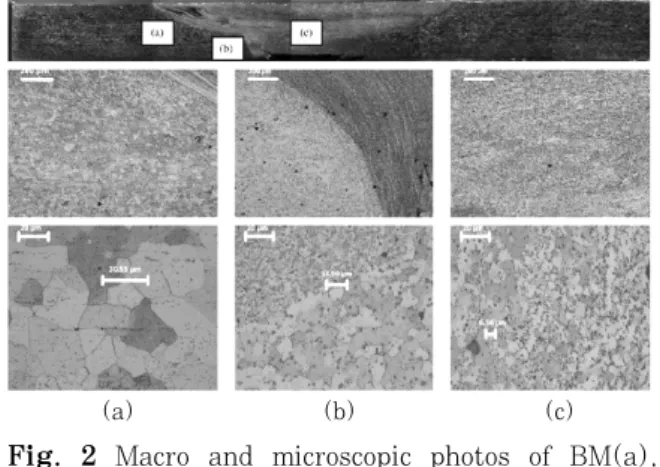
Fig. 2 Macro and microscopic photos of BM(a),
HAZ(b) and welding center(c) and grain sizes
300
250
200
150
100
50 0
Stress(MPa)
0.0 0.5 1.0 1.5 2.0 2.5 3.0 3.5 4.0
Strain(%)
FSW Hybrid FSW
Fig. 3 Comparison of stress-strain curve of FSW and hybrid FSW welded joints
(a) FSW
(b) Hybrid FSW
Fig. 4 Optical microstrures of FSW and hybrid FSW welded joints : BM(A), HAZ(B), SZ(C), Weld(D), STS HAZ(E), STS BM(F)
2. 마찰교반접합기술 2.1 마찰교반접합
최근 스테인리스강 접합을 위하여 마찰교반접합기술 을 이용한 연구가 많이 진행되고 있다. 기존 스테인리 스강의 접합 연구 분야에서는 마찰교반접합의 특성상 일정 두께이상(over 3t)의 재료를 선정하여 실험하며 Tool 선정에 있어서 숄더부와 핀으로 제작된 다양한 형 상의 Tool을 적용하고 Tool의 재질 역시 모재의 재질 에 따라 선정하여 제작하는데 대표적으로 내화재료(W, W-Re etc), 초 연마(PCBN, PCD etc), 세라믹재료 (WC, Alumina etc)를 들 수 있다.
M. B. Bilgin등은 페라이트 스테인리스강 STS430 을 마찰교반접합한 연구에서 Pin type 툴을 사용하여 최적 접합 조건을 선정하여 실험한 결과 우수한 기계적 성능을 나타낸다고 보고하였다
3). Fig. 1는 접합부 비 드 표면 및 Tool 형상을 나타내었으며, Fig. 2에 접합 부의 매크로 단면사진을 나타내었다.
2.2 이종재 및 박판재의 적용사례
마찰교반접합의 스테인리스강 접합시 고가의 툴 사용 과 툴 마모에 의한 문제들 이외에 스테인리스강과 비철 경량합금소재의 이종재 적용시 물리적, 기계적 성질의
상이성으로 인하여 접합강도가 부족하여 건전한 접합부를 얻기 어려운 문제점이 있다. 또한 박판재 접합시 FSW 특성상 Tool 핀 마모 및 접합부에서의 교반 부족에 따른 접합성 문제로 아직은 연구가 많이 미흡한 실정이다.
방한서등은 Al6061과 STS304을 사용한 GTAW를 이용한 하이브리드 마찰교반접합 연구결과에서 FSW 단독 접합과 비교하여 건전한 접합부를 얻을 수 있다고 연구하였으며 모든 접합부에서 접합계면 부근에서 소성 유동에 의한 소성변형이 관찰되었으며 FSW접합부의 경우 접합 하단부에서 교반 부족이 관찰되었으나 Hybrid FSW의 경우 접합이 되었음을 보고하였다
4,5). Fig. 3 는 각각 FSW 및 Hybrid FSW 접합시험편의 인장응 력의 결과를 나타낸 것이며, Fig. 4는 각 접합부의 매 크로 단면사진이다.
박판재 스테인리스강의 경우 최근 환경문제에 따른
경량화의 추세로 그 활용도 및 적용범위가 확대 되고
있으나 이에 대한 연구가 미비한 실정인데 이는 마찰교
반접합에 있어 Tool 형상 및 재질을 결정하는 중요 요
소로 모재의 재질 및 두께를 그 요소로 할 수 있는데,
박판재의 특성상 핀의 형상을 선정하기 어려우며 Tool
접합시 접합부에서의 Hole, Burr, Crack과 같은 교반
불량 발생에 따른 건전한 접합부를 얻기 힘들기 때문이
스테인리스강의 마찰교반접합 기술 개발 동향
大韓熔接․接合學會誌 第30卷 第5號, 2012年 10月 409
15
Material : WC-12wt%Co 6mm 15mm
70mm 20mm
Fig. 5 Schematics of hybrid FSW(TIG+FSW) and tool shape
Fig. 6 Optical microstructures of hybrid FSW welded joints
다. 이러한 문제점을 보완하기 위해 하이브리드 마찰교 반접합기술을 적용할 경우 기존 FSW 이외에 다른 열 원을 이용하여 접합부를 예열하므로서 스테인리스강 접 합부의 소성유동성을 높여 건전한 접합부를 얻고 툴의 마모를 줄일 수 있는 장점이 있다
6). 또한 Non-pin type의 Tool를 사용하여 핀부분이 아닌 숄더부를 이용 한 소성유동 증가 및 핀에 따른 제약을 해결하고자 하 였으며 실험 결과 하이브리드 접합의 경우 기존 FSW 단독 대비 향상된 접합속도인 5mm/sec 조건에서 건전 한 접합부를 얻을 수 있다고 보고하였다
7).
3. 맺 음 말
스테인리스강의 용접은 기존 용융용접으로도 용접이 가능하지만 용접에 따른 열변형 및 뒤틀림이 발생하며 이를 예방하기 위한 후속 공정이 필요한 실정이다. 이 러한 문제점들을 해결하기 위해 마찰교반접합기술 적용 에 대한 연구가 진행되고 있으며 일부 주목할 만한 연 구결과가 보고되고 있다. 그러나 이종재(비철경량소재/
스테인리스강) 및 박판재 적용에 있어서 강종 및 판재 두께별 접합조건의 최적화와 소재에 적합한 툴 개발 등 많은 과제가 남아있다. 따라서 향후 이에 대한 문제 해 결시 스테인리스강 용접기술로서 마찰교반접합기술의 적용이 매우 증가하리라 사료된다.
참 고 문 헌
1. Yeon YM, Lee CY, Choi DH, Lee JB, Jung SB : Friction Stir Welding of Stainless Steels, KWJS, 26-6 (2008), 574-579 (in Korean)
2. Kim JH, Chun CK, Chang WS : A Study of Joining Dissimilar Materials by Laser-FSW Hybrid Heat Source, KWJS, 50 (2008), 142
3. M. B. Bilgin, C. Meran, T. : The Effect of Tool Rotational and Traverse Speed on Friction Stir Weldability of ANSI 430 Ferritic Stainless Steels, Materials and Design, 33 (2012), 376-383
4. Bang HS, Ro CS, Bijoy MS, Bang HS and Lee YK : Analysis of Residual Stress on Dissimilar Butt Joint by TIG Assisted Hybrid Friction Stir Welding, KWJS, 30-2 (2012), 151-157 (in Korean)
5. Kim HS : A Study on the Weldability and Mechanical Characteristics of Dissimilar Butt Joint by Laser Assisted Friction Stir Welding, Chosun University, Korean, (2010)
6. Bang HS, Bang HS, Jeon GH, Oh IH and Ro CS : TIG Assisted Hybrid FSW of Dissimilar Materials Al6061 and STS304, Materials and Design, 37 (2012), 48-55
7. Kim JH, Bang HS, Bang HS : A Study on Weldability of TIG Assisted Friction Stir Welding of ANSI 430 Ferritic Ultra-Thin Stainless Steels, IWJC-Korea, (2012)
∙방한서
∙1951년생
∙조선대학교 선박해양공학과
∙용접공정 및 설계
∙e-mail : [email protected]
∙방희선
∙1971년생
∙조선대학교 선박해양공학과
∙용접공정 및 설계
∙e-mail : [email protected]
∙김준형
∙1980년생
∙조선대학교 선박해양공학과 대학원
∙용접공정 및 설계
∙e-mail : [email protected]
∙유재선
∙1968년생
∙삼성전자 생활가전사업부