Korean J Environ Agric (2011) Online ISSN: 2233-4173
Vol. 30, No. 2, pp. 118-124 DOI : 10.5338/KJEA.2011.30.2.118 Print ISSN: 1225-3537
Feasibility of Reclaimed Wastewater and
Waste Nutrient Solution for Crop Production in Korea
Bongsu Choi,1,2 Sang Soo Lee,1** Yasser M. Awad1 and Yong Sik Ok1*
1Department of Biological Environment, College of Agriculture and Life Sciences, Kangwon National University, Chuncheon 200-701, Korea
2Crop Environment Research Division, National Institute of Crop Science, Suwon 441-857, Korea
Received: 2 June 2011 / Accepted: 20 June 2011
ⓒThe Korean Society of Environmental Agriculture
*교신저자(Corresponding author):
Tel: +82-33-250-6443 Fax: +82-33-241-6640 E‐mail: [email protected]
**공동교신저자(Co-corresponding author):
Tel: +82-33-250-7214 Fax: +82-33-254-3835 E‐mail: [email protected]
118
Abstract
BACKGROUND: Development of water recycle tech- nologies is important for human health and sustainable agriculture. However, few studies have been conducted to examine the purification methods or the water quality of reclaimed wastewater in Korea.
METHODS AND RESULTS: In this study, the different wastewaters including reclaimed wastewater and waste nutrient solution (NS) were evaluated. The changes of water quality in reclaimed wastewater and NS were determined using ultraviolet (UV) treatment and sand filtration with charcoal. Our results showed that one of the most critical limitations of reusing wastewater was the presence of harmful pathogens that possibly cause human health risks.
CONCLUSION(s): This study suggests that the application of UV treatment or combined with sand filtration on reclaimed wastewater and waste NS effectively removes the total coliform bacteria below the harmful or acceptable level. For future studies, a long-term field monitoring after applying reclaimed wastewater or NS is needed.
Key Words: Coliform bacterium, Nutrient solution, Reclaimed wastewater, Sand filtration, Ultraviolet (UV)
Introduction
The shortage of available water for existing living organisms received the great attention since a long time ago. Regarding to current population in the world, total amount of available water may be sufficient, but water resources are regionally concentrated (Pimentel et al., 1999). Because of uneven distribution of water resources, nearly 80 countries or more than 40% of the world’s population are suffering the water shortage (Bennett, 2000). A number of articles have recently been published related to water shortage and they have proposed approaches to conserve the available water via the reuse of reclaimed wastewater for agricultural purposes (Kang et al., 2007 Choi et al., 2011).
Recently, the reuse of wastewater has been suggested as one of the suitable alternatives for meeting water demands, especially in a field of agriculture (Cooper, 1991). The reclaimed wastewater can also be used in industry, recreation, gardening or other purposes.
According to a research report from Scott et al. (2001), the reclaimed wastewater is being reused as various applications over 50 countries. However, the wastewater applications must require public safety primarily with considerations of reliable wastewater treatments and proper management.
Hydroponic culture is a way to produce crops without soils. With proper approaches, it can improve crop yield and prevent the transmission of pests by optimizing the surrounding environment. In Korea,
Open Access Research Article
the total area of hydroponic cultures dramatically increased from 23 ha in 1993 to 1,107 ha (800 ha for vegetables and 307 ha for flowers) in 2008 because of its advantages (Present Conditions of Hydroponic Culture from Rural Development Administration, 2008).
On the other hand, the drained water from an open hydroponic system is categorized as industrial waste- water according to the Water Quality Conservation Act of Korea and the levels of total N (T-N) and P (T-P) in the drained water are restricted at 60 and 8 mg/L, respectively (Water Conservation Act from the Korean Ministry of Environment, 1999). The development of technologies for reusing drained water from an open hydroponic system may provide an opportunity to reduce the amount of wastewater or waste nutrient solution (NS), and increase water availability. For ex- ample, approximately 57 to 67% of N in NS may be removed by plant uptake and the rest of N would be discharged (Uronen, 1995); therefore, recycling nutrients such as NO3
- and PO4
- are available for crop growth without any cost. Sonneveld and Welles (1984) also reported that reuse of drain water from hydroponic system produces the economic value for reducing fertilizer cost and secondary environmental pollution, and increasing crop yield. Similarly, wastewater from concentrated animal feeding operations (CAFOs) might be useful as essential fertilizers for soil quality and plant growth (Bradford et al., 2008).
In Korea, the mean annual precipitation is 1,274 mm which is approximately 1.3 times greater than the world's average of 973 mm. However, the maintenance of a reliable water supply is still insufficient when an exceed amount of rainfall comes due to substantial seasonal and geographical variations. A rapid growth of population and their high demand per capita for water are also problematic in Korea regarding to the limited water resources (Jang et al., 2008). In 2006, the Korean government built 344 municipal wastewater treatment plants. However, only 6.8% of the total waste- water effluent (18,178,677 ton/d) has been reused for recreation, cleaning, industry and agriculture (Guidebook of Wastewater Reuse from the Korean Ministry of Environment, 2007).
Despite this respect the negligence of pathogens in reclaimed wastewater, such as coliform bacterium, severely threats human health. Many practices such as sedimentation, activated sludge and filtration are employed to eliminate detrimental factors from waste- water however, these conventional treatments are not sufficient to meet the quality for reuse (Lazarova et
al., 1999). Specifically, the disinfection of wastewater by chlorination was commonly used but it has serious toxic effects on living organisms (Liberti et al., 2002).
The applications of ultraviolet (UV), filtration or ultra- filtration can be alternatives for disinfecting waste water (Liberti et al., 2002; Caretti and Lubello, 2003).
In this study, different sources of wastewater including reclaimed wastewater and waste NS were evaluated if they are suitable for agricultural irrigation.
The effectiveness of UV and sand filtration as post- treatments on wastewater quality and seed germination were also determined.
Materials and Methods
Collection of wastewater
Reclaimed wastewater and NS were obtained from Chuncheon municipal wastewater treatment plant, Chuncheon, Gangwon Province, Korea. Basically, the wastewater was effluent released from the activated sludge process at Chuncheon municipal wastewater treatment plant. This plant uses the standard activated sludge model, four-stage biological nutrient removal (BNR) protocol, and UV disinfection, and has a capacity of 150,000 ton/d.
The waste NS drained from open hydroponic systems was collected from 4 sites, denoted as NS-1, -2, -3, and -4, containing several commercial farms and an experimental farm at the Gangwondo Agricultural Research and Extension Services. Specifically, the waste NSs collected from NS-1 and NS-2 sites were produced from the hydroponic farms for paprika (Capsicum annuum L.) cultivation using perlite and rockwool as inorganic media. The waste NSs collected from NS-3 and NS-4 sites were produced from the hydroponic farms for tomato (Lycopersicon esculentum) cultivation using rock- wool and cocopeat, respectively.
Sand filtration
The waste NS collected from open hydroponic systems had a high value of EC and indicated brown in color. After sand filtration with charcoal, the value of EC in waste NS was decreased and its color was brighten. The column filled with sand (0.1 to 0.5-mm grain diameters) has 5-cm diameter and 27-cm high, including 3 cm of charcoal between sand layers. The maximum capacity of column was 360 mL/h and the feed-flow rate was maintained at 590 cm3. The sand- filtrated water samples were collected for bioassay.
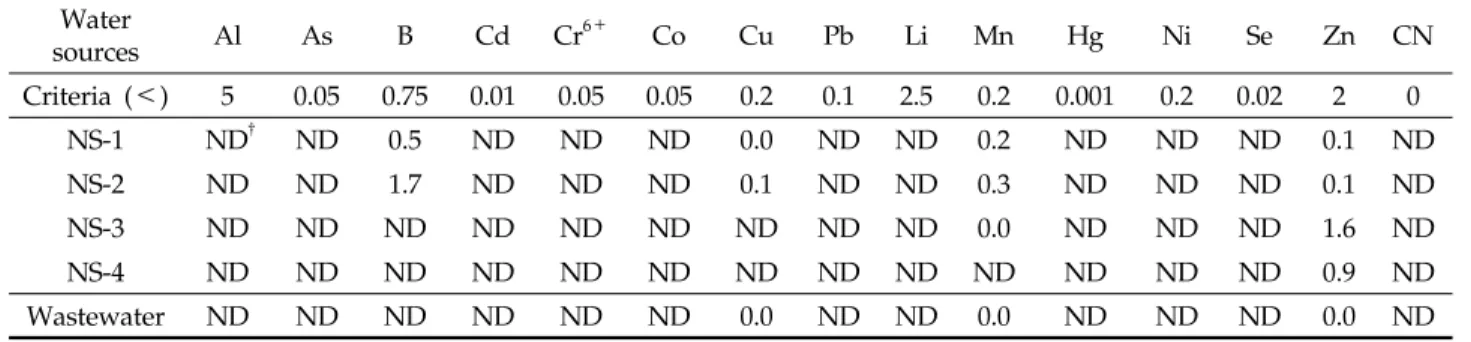
Table 1. Elemental concentrations in the reclaimed wastewater and waste nutrient solution Water
sources Al As B Cd Cr6+ Co Cu Pb Li Mn Hg Ni Se Zn CN
Criteria (<) 5 0.05 0.75 0.01 0.05 0.05 0.2 0.1 2.5 0.2 0.001 0.2 0.02 2 0
NS-1 ND† ND 0.5 ND ND ND 0.0 ND ND 0.2 ND ND ND 0.1 ND
NS-2 ND ND 1.7 ND ND ND 0.1 ND ND 0.3 ND ND ND 0.1 ND
NS-3 ND ND ND ND ND ND ND ND ND 0.0 ND ND ND 1.6 ND
NS-4 ND ND ND ND ND ND ND ND ND ND ND ND ND 0.9 ND
Wastewater ND ND ND ND ND ND 0.0 ND ND 0.0 ND ND ND 0.0 ND
†not detected
Physicochemical properties of wastewater
To evaluate the quality of wastewater, physico- chemical analysis was conducted according to the standard methods of the Korean Ministry of Environment (Korean Standard Methods for Water Quality from the Korean Ministry of Environment, 2000). The values of pH, electrical conductivity (EC), dissolved oxygen (DO), biological oxygen demand (BOD), and trace elements were determined. Additionally, the densities of total and fecal coliforms were tested by the streak plate method (as also known as most probable number [MPN] test) and the membrane filter method described by the American Public Health Association (1998).
Bioassay
A bioassay was conducted using lettuce (Lactuca sativa L.) to determine the effects of reclaimed water on seed germination and seedling growth. Lettuce seeds were surficial sterilized by immersion in a solution of sodium hypochlorite (1% active chlorine) with 0.01%
Tween 20 for 15 min. The sterilized seeds were placed on filter paper in Petri dish and then applied wastewater and each waste NS for determination of viability, along with distilled water as a control. Each Petri dish was incubated at 26℃ in the dark. Germination rate was measured daily. The lengths of hypocotyl and radicle were also measured after 4 days culture.
Statistical analysis
Data were evaluated using analysis of variance (ANOVA) with the Turkey’s least significant difference (LSD). The statistical analysis system (SAS) program was employed for statistical analysis (SAS, 2002).
Results and Discussion
Quality for reclaimed wastewater and waste nutrient solution
Table 2. Criteria for effluent from municipal wastewater treatment plants in Korea (Source from the Korean Ministry of Environment, 2007)
BOD (mg/L)
COD (mg/L)
SS (mg/L)
T-N (mg/L)
T-P (mg/L)
Total coliform (100 mL)
<10 <40 <10 <20 <2 <1,000
The chemical properties of wastewater and NS are shown in Table 1. The concentrations of trace elements and heavy metals were generally higher in the waste NS compared to the reclaimed wastewater. This could be explained that the waste NS was used as a supple- ment in the open hydroponic cultures. The heavy metal contents of the reclaimed wastewater and waste NS were lower than detectable levels with exception of B and Mn contents. The detected trace elements of B and Mn are necessary as essential nutrients for plant growth. Cho et al. (2006) showed that supply of mixed domestic wastewater and groundwater contains several trace elements for stimulating growth of spinach and Chinese cabbage plants and reducing fertilizer usage by 25 to 50%. Kang et al. (2007) also found that the reuse of wastewater in rice cultivation promises a higher yield than the use of groundwater as irrigation.
Additionally, the concentrations ofheavy metals such as Cu, As, Cd, Zn, Hg, and Pb in brown rice grain and soils in the field were satisfied with the Korean official safety criteria.
The water quality criteria for effluent from the municipal wastewater treatment plants in Korea are described in Table 2. The concentration of Escherichia coli contamination is set at below 1,000 MPN (most probable number) per 100 mL that is satisfied with the World Health Organization (WHO) criterion. The WHO guidelines recommend that the wastewater from pilot plants can be used for fruit trees irrigation, but this type of irrigation water should be avoided 2 weeks prior to harvest (Report of a WHO Scientific Group from
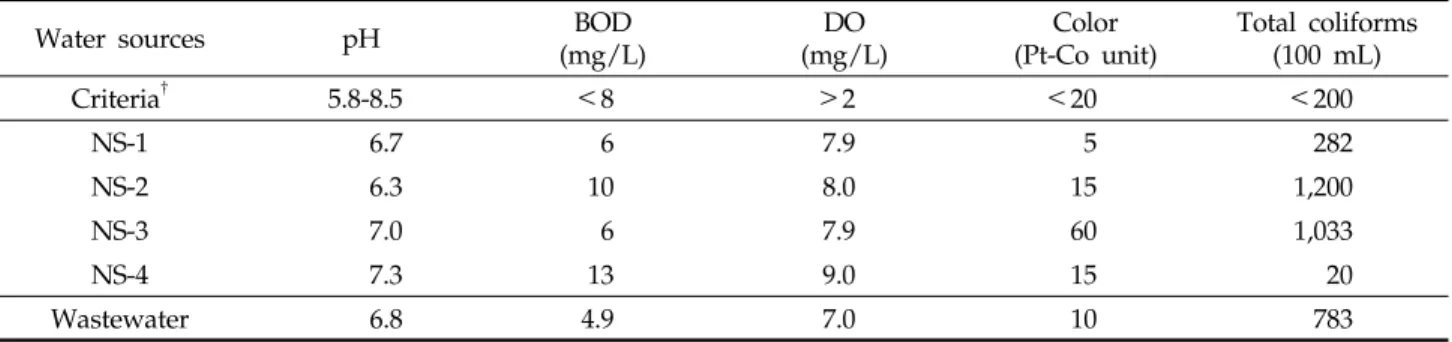
Table 3. Selected water quality parameters of the reclaimed wastewater and waste nutrient solution
Water sources pH BOD
(mg/L)
DO (mg/L)
Color (Pt-Co unit)
Total coliforms (100 mL)
Criteria† 5.8-8.5 <8 >2 <20 <200
NS-1 6.7 6 7.9 5 282
NS-2 6.3 10 8.0 15 1,200
NS-3 7.0 6 7.9 60 1,033
NS-4 7.3 13 9.0 15 20
Wastewater 6.8 4.9 7.0 10 783
†the Korean Ministry of Environment (2007)
Table 4. Total and fecal coliform densities for each sample of effluent water as determined using different methods Water sources Streak plate
(/mL)
MPN (MPN/100 mL)
Membrane filter (CFU/100 mL)
Fecal coliform (CFU/100 mL)
NS-1 4,700 500 282 0
NS-2 73,000 11,000 1,200 2
NS-3 18,000 5,000 1,033 0
NS-4 190 30 20 0
Wastewater 3,900 1,733 783 0
WHO, 1989).
The biological and disinfection treatments are required for irrigation to satisfy the levels of BOD at <8 mg/L and color at <20 Pt-Co unit, and to maintain the level of total coliforms at less than 200 MPN per 100 mL (Table 3). With respect to the organic matter concent- ration, BOD value of waste NS was higher than water quality guidelines for agricultural irrigation. The total coliform concentration was acceptable for direct discharge into the river, but it was higher than the level allowing for use in agricultural irrigation.
According to Salgot et al. (2002), different filtration and disinfection processes significantly reduce the chemical oxygen demand (COD), BOD, and fecal coliforms. They also found that the combination of UV and ozone was more effective for disinfection of waste- water than other treatments. The efficient alternatives including settling, filtration, UV radiation including ultrafiltration (UF) eliminated almost 100% of the coliform bacteria. However, COD removal rate was much higher when ultrafiltration uses in comparison with the other processes (Illueca-Muñoz et al., 2008).
Ahn et al. (2005) reported that sand filter pretreatment can remove water turbidity and improve the performance of UV irradiation. The results showed that the remaining coliform bacteria were effectively eliminated by UV irradiation. Furthermore, the addition of H2O2 led to significant improvement in the color and the removal
rate of dissolved organic matter.
Total and fecal coliform densities in effluents are presented in Table 4. Similar results of the total and fecal coliform densities were obtained with different methods. Technically, in Korea, the membrane filter method is recommended to determine the density of total coliforms in water (Korean Standard Methods for Water Quality from the Korean Ministry of Environment, 2000). Our results showed that the concentrations of bacteria in all effluents were higher than the level allowing in the reuse quality of effluents for agricultural irrigation, except for NS-4. Because the effluent of NS-4 was collected from a farm that tomatoes were grown using organic media, the effluent contained a relatively high concentration of organic matter. The fecal coliform bacteria were not detected in the effluents of the three facilities where the waste NS used, except for NS-2.
Occasionally, the microflora in drained water plays an important role in the suppression of plant diseases (Postma et al., 2000 Minuto et al., 2007). It prevents the degradation of surrounding environments for human health. Illueca-Muñoz et al. (2008) suggested that the use of UV or ultrafiltration can be effective to eliminate
~100% of the total coliforms from wastewater and enables the microflora. Further study is required to determine if active methods (H2O2, ozone, UV) can achieve this or if a passive method that eliminates specific pathogens is available (Buck et al., 2002).
Table 5. Germination ratio of lettuce plants after application of different types of the treated wastewater
Parameters Control Wastewater NS NS-F-1 NS-F-2
EC (dS/m) 0.2 0.4 2.1 1.3 0.7
Germination ratio (%) 100a† 100a 93.3b 96.7a 98.3a
†same letters in the same row are not different at a 0.05 significance level
Table 6. Seedling growth of lettuce plants after application of different types of the treated wastewater
Parameters Control Wastewater NS NS-F-1 NS-F-2
Hypocotyl (cm) 1.4d† 1.8c 2.2a 2.1ab 2.0b
Radicle (cm) 2.9a 3.0a 2.4b 2.4b 3.0a
Sum (cm) 4.4b 4.9a 4.6b 4.5b 4.9a
†same letters in the same row are notdifferent at a 0.05 significance level
Fig. 1. Removal of color by filtration of the nutrient solution through the sand filtration system (DW: distilled water; NS: waste nutrient solution; NS-F-1: one filtration cycle of nutrient solution).
Sand filtration
Waste NS indicated an EC of 2.1 dS/m and brown in color because it contains a lot of nutrients. The application of sand filtration makes them remarkably clean (Fig. 1). In addition, the values of EC of filtrated solution were significantly reduced to 1.3 and 0.7 dS/m after one (NS-F-1) and two (NS-F-2) filtration cycles, respectively (Table 5). This result suggested that the charcoal in the sand column was absorbed a lot of nutrients in waste NS. Meyer et al. (1992) insisted that the use of barbecue charcoal increases the color removal efficiency by 67%. Kang et al. (2007) also reported that wastewater can be safely used for crop irrigation after passing through a sand filter. In our study, the appli- cation of sand filter effectively removed suspended solids (SS) before the disinfection of wastewater and this was similar to the findings in a study by Salgot et al. (2002).
Bioassay
The germination rate of lettuce with reclaimed waste- water and waste NS is shown in Fig. 2 and Table 5.
No difference in the germination rates of lettuce seeds after 4 days of culture was found among all tested wastewater and waste NS except for NS indicating
Fig. 2. Germination rates of lettuce following the application of wastewater and waste nutrient solution.
Abbreviations of NS-F-1 and 2 denote one and two filtration cycles of waste nutrient solution (NS), respectively.
Vertical bars indicate the standard error of the mean.
lower germination rate than other effluents. These results agree with a study of Kang et al. (2007) that there is no deleterious impact on the growth and yield of rice when the reclaimed wastewater irrigates.
The radicle growth was promoted by using effluents from the treated wastewater and NS with filtration twice (Table 6). The hypocotyl growth was also increased significantly with irrigation of the treated wastewater and NS with filtration twice compared to the control.
Germination of lettuce seeds with waste NS might be reduced due to a relatively high EC in wastewater.
According to Kang et al. (1996), an increase in EC lead to a reduction in the germination and growth of lettuce, and the germination rate of seedlings treated with NS having an EC of 2 dS/m was 86.7%. Park et al. (1999) supported their results and found that the optimum EC range for the growth and photosynthesis of lettuce was 1.2 to 1.6 dS/m.
Conclusions
Reusing municipal wastewater may be one of effective
ways to satisfy the future water demand and to over- come seasonal or local drought problem. The wastewater drained from hydroponic cultures can be is a suitable source for irrigation water. On the other hand, the treated municipal wastewater contains significant amounts of nutrients that possibly provide recycling essential nutrients to plants and reduce mineral fertilizers that need to be applied. In our study, the heavy metal contents of the reclaimed wastewater and waste NS were lower than detectable levels, except for B and Mn. The application of UV significantly reduced the pathogens of reclaimed wastewater and the sand filtration reduced EC of reclaimed wastewater after one and two filtration cycles because of nutrients adsorption on charcoal in the sand column. In addition, no difference in the germination rates of lettuce seeds after 4 days of culture was found among all tested wastewater and waste NS except for NS indicating lower germination rate than other effluents. This study suggests that waste NS and reclaimed wastewater can be used for agricultural irri- gation after proper treatments such as UV and sand filtration. Additional field study is needed to evaluate safety of reclaimed wastewater use.
Acknowledgements
This research was supported by Cooperative Research Program for Agricultural Science and Technology Development (Project No. 200806A01036050), RDA of Korea.
References
Ahn, K. H., Park, K. Y., Maeng, S. K., Song, K. G., Kim, K. P., Lee, S. H., Kweon, J. H., 2005. Color removal and disinfection with UV/H2O2 system for wastewater reclamation and reuse, Water Sci.
Technol. Water Supply 5, 51-57.
American Public Health Association (APHA), 1998.
Standard methods for the examination of water and wastewater, 20th ed., APHA, Washington, DC.
Bennett, A. J., 2000. Environmental consequences of increasing production: some current perspectives, Agric. Ecosyst. Environ. 82, 89-95.
Bradford, S. A., Segal, E., Zheng, W., Wang, Q., Hutchins, S. R., 2008. Reuse of concentrated animal feeding operation wastewater on agricultural lands, J. Environ. Qual. 37, 97-115.
Buck, J. W., van Iersel, M. W., Oetting, R. D., Hung, Y. C., 2002. In vitro fungicidal activity of acidic
electrolyzed oxidizing water, Plant Dis. 86, 278-281.
Caretti, C., Lubello, C., 2003. Wastewater disinfection with PAA and UV combined treatment: a pilot plant study, Water Res. 37, 2365-2371.
Cho, J. Y., Park, S. W., Gwon, S. J., Ju, P. B., Gen, L. L., 2006. Growth response and total coliform distribution of spinach and chinese cabbage and soil quality by irrigation of domestic wastewater, J. Korean Soc. Rural Plan. 12, 57-64. (In Korean)
Choi, B., Lim, J. E., Shin, Y. K., Yang, J. E., Lee, S. S., Ok, Y. S., 2011. Effect of waste nutrient solution and reclaimed wastewater on Chinese cabbage growth and soil properties, Korean J. Soil Sci. Fert.
44, 394-399. (In Korean)
Cooper, R. C., 1991.Public health concerns in wastewater reuse, Water Sci. Technol. 24, 5-65.
Illueca-Muñoz, J., Mendoza-Roca, J. A., Iborra-Clar, A., Bes-Piá, A., Fajardo-Montañana, V., Martínez- Francisco, F. J., Bernácer-Bonora, I., 2008. Study of different alternatives of tertiary treatments for wastewater reclamation to optimize the water quality for irrigation reuse. Desalination 222, 222- 229.
Jang, T. I., Park, S. W., Kim, H. K., 2008. Environmental effects analysis of a wastewater reuse system for agriculture in Korea, Water Sci. Technol. Water Supply 8, 37-42.
Kang, B. G., Jeong, I. M., Min, K. B., Kim, J. J., 1996.
Effect of salt accumulation on the germination and growth of lettuce (Lactuca sativa L.), Korean J. Soil Sci. Fert. 29, 360-364. (In Korean)
Kang, M. S., Kim, S. M., Park, S. W., Lee, J. J., Yoo, K. H., 2007. Assessment of reclaimed wastewater irrigation impacts on water quality, soil, and rice cultivation in paddy fields, J. Environ. Sci. Heal. A 42, 439-445.
Lazarova, V., Savoye, P., Janex, M. L., Blatchley, E. R., Pommepuy, M., 1999. Advanced wastewater disin- fection technologies: state of the art and perspectives, Water Sci. Technol. 40(4-5), 203.
Liberti, L., Notarnicola, M., Petruzzelli, D., 2002.
Advanced treatment for municipal wastewater reuse in agriculture. UV disinfection: Parasite removal and by-product formation, Desalination 152, 315-423.
Meyer, V., Carlsson, F. H. H., Oellermann, R. A., 1992.
Decolourization of textile effluent using a low-cost natural adsorbent material, Water Sci. Technol. 26, 1205-1211.
Minuto, A., Clematis, F., Gullino, M. L., Garibaldi, A., 2007. Induced suppressiveness to Fusarium oxysporum f.
sp. radicis lycopersiciin rockwool substrate used in closed soilless systems, Phytoparasitica 35, 77-85.
Park, M. H., Shim, Y. M., Lee, Y. B., 1999. Effects of pH level and electrical conductivity on growth, nutrient absorption, transpiration and CO2 assimil- ation of leaf lettuce in hydroponics, J. Bio-Envron.
Con. 8, 115-124. (In Korean)
Pimentel, D., Bailey, O., Kim, P., Mullaney, E., Calabrese, J., Walman, L., Nelson, F., Yao, X., 1999. Will limits of the earth's resources control human numbers?, Environ. Dev. Sustain. 1, 19-39.
Postma, J., Willemsen-De Klein, M. J. E. I. M., van Elsas, J. D., 2000. Effect of the indigenous microflora on the development of root and crown rot caused by Pythium aphanidermatum in cucumber grown on rockwool, Phytopathology 90, 125-133.
Salgot, M., Folch, M., Huertas, E., Tapias, J., Avellaneda, D., Girós, G., Brissaud, F., Vergés, C., Molina, J., Pigem, J., 2002. Comparison of different advanced
disinfection systems for wastewater reclamation, Water Sci. Technol. Water Supply 2, 213-218.
SAS, 2002. Statistical Analysis System, SAS Institute, Cary, USA.
Scott, C. A., Zarazua, J. A., Levine, G., 2001. Urban- wastewater reuse for crop production in the water- short Guanajuato river Basin, Mexico. Research Report 41. IWMI (International Water Management Institute), Colombo, Sri Lanka, pp. 35.
Sonneneld, C., Welles, W. H., 1984. Growing vegetables in substrates in the Netherlands. In: Proceedings of the 6th ISOSC International Congress on Soilless Culture, pp. 613-632.
Toze, S., 2006. Reuse of effluent water-benefits and risks, Agric. Water Manage. 80, 147-159.
Uronen, K. R., 1995. Leaching of nutrients and yield of tomato in peat and rockwool with open and closed system, Acta Hort. 401, 443-449.