Address reprint requests to: Chung, Chae Weon, College of Nursing, Research Institute of Nursing Science, Seoul National University, 103 Daehak-ro, Jongno-gu, Seoul 110-799, Korea. Tel: 82-2-740-8482, Fax: 82-2-765-4103, E-mail: [email protected]
- This study was supported by Seoul National University Research Grant for Humanities and Social Sciences.
Received: October 28, 2011 / Revised: November 29, 2011 / Accepted: December 5, 2011
Details of Lymphedema, Upper Limb Morbidity,
and Self Management in Women after Breast Cancer Treatment
Chung, Chae Weon
1․Hwang, Eun Kyung
2․Hwang, Shin Woo
31Associate Professor, College of Nursing, Research Institute of Nursing Science, Seoul National University,
2Graduate Student, Coordinator, Breast Clinic, Seoul National University Hospital,
3Graduate Student, College of Nursing, Seoul National University
Purpose: To examine the details of lymphedema, upper limb morbidity, and its self management in women after breast cancer treatment. Methods: Using a cross-sectional survey design, 81 women were recruited from a university hospital. Lymphedema was detected by a nurse as a 2-cm difference between arm circumferences at 6 different points on the arm. Degrees of pain, stiffness, and numbness were scored using a drawing of upper limb on a 0~10 point scale. Aggravating conditions and self-management for lymphedema were also recorded. Results: The mean age of the participants was 52.5 years; the average time since breast surgery was 29.7 months. Histories of modified radical mastectomy (55%) and lymph node dissection (81%) were noted. Lymphedema was found in 59% of women, then pain and stiffness were prevalent most at upper arm while numbness was apparentat fingers, and the symptom distress scores ranged 3.9~6.7. Women experienced aggravated arm swelling after routine housework with greatly varied duration. Self-management was conservative with a wide range of times for the relief of symptoms. Conclusion:
Lymphedema education for women with breast cancer should be incorporated into the oncologic nursing care system to prevent its occurrence and arm morbidity. Risk reduction guidelines, individually tailored self-care strategies, and self-awareness for early detection need to be refined in clinical nursing practices.
Key Words: Breast cancer, Lymphedema, Self-management, Morbidity
INTRODUCTION
Lymphedema is a common, debilitating complica- tion of the surgical removal or radiation treatment of lymph nodes during breast cancer treatment. The oc- currence of lymphedema after breast cancer treatment varies greatly, from 5% to 60% (Poage, Singer, Armer, Poundall, & Shellabarger, 2008), depending on the predisposing factors and on the diagnostic criteria. In 3-year prospective studies, 20.7% (Clark, Sitzia, &
Harlow, 2005) and 32% (Paskett, Naughton, McCoy, Case, & Abbott, 2007) of the women studied were found to have lymphedema after breast cancer treatment. Of the 42% of women experiencing lymphedema, 80% of cases had occurred in the first 2 years after treatment (Norman et al., 2009). In Korea, cross-sectional studies
have reported the prevalence of lymphedema to be 24.9% (Park, 2005) and 32.7% (Chun et al., 2005). Also, 45.5% of lymphedema cases were found to occur with- in 6 months of axillary dissection for breast cancer (Lee et al., 2006). Even using a conservative definition, the incidence is estimated to be from 20% to 25% (Armer, 2010; Erickson, Pearson, Ganz, Adams, & Kahn, 2001) and women may experience lymphedema at any time in their lives after breast cancer treatment.
Lymphedema after breast cancer treatment cannot
be over looked since it causes not only symptoms of
pain, numbness, stiffness, and limitations in the range
of motion (Lee, 2006; Park, 2005) but has major effects
on emotional and psychological health, social life and
interpersonal relationships, functional status, and
quality of life (Ahmed, Prizment, Lazovich, Schmitz, &
Folsom, 2008; Fu, Chen, Haber, Guth, & Axelrod, 2010;
Meneses & McNees, 2007; Moffatt et al., 2003). Lym- phedema is incurablethus it requires lifelong manage- ment once detected. Education regarding early pre- vention and self-care cannot be overemphasized in clinical nursing practices.
Risk factors of lymphedema such as obesity, the ex- tent of axillary node dissection, axillary radiation thera- py, and others have been identified (Erickson et al., 2001). Lymphedema risk reduction practices (National Lymphedema Network, 2008) have been disseminated through standard patient education with breast cancer patients. However, the triggering or exacerbating con- ditions for lymphedema that women are exposed to in daily life, to what extent they are able to adhere to pre- ventive guidelines, and their symptom management have not been studied. Nursing care for lymphedema would not be successful without the careful assess- ment of distress symptoms and related factors, as well as self-care education tailored to each individual. This study seeks to bridge the gap by taking into account aspects of women’s daily reality in relation to current recommendations for preventive measures and self- care guidelines for lymphedema.
Especially in Korea, breast cancer is prevalent in women aged 30s and 40s and the survival of breast cancer patients consistently increases (National Cancer Information Center, 2010). Since after cancer treat- ment, maintaining optimal function is one of the qual- ity of life goals in the treatment of cancer patients, lym- phedema prevention and management is essential for long-term survival after breast cancer. In addition, women’s workload, roles, and lifestyles differ by the sociocultural contexts to which they belong, and so identifying socioculturally-specific circumstances re- lated to lymphedema manifestation would be useful.
Research is needed on education to increase patient awareness of lymphedema, to determine the efficacy of self-care strategies, and to develop practical guide- lines that women can apply in their daily lives. This study explores the incidence of lymphedema, upper limb morbidity, causal and aggravating factors of arm swelling, as well as patterns of self-management in women after breast cancer treatment.
METHODS
A. Design
A descriptive, cross-sectional design was used.
B. Sample
Women were recruited from a university-affiliated breast cancer clinic in Seoul during their follow-up visits. Inclusion criteria were if they were diagnosed with primary breast cancer, had breast surgery (with sentinel lymph node biopsy or lymph node dissec- tion), had no neurologic disease or disability in phys- ical functions before the breast surgery, and agreed to participate in the study. Women were excluded if they experienced a recurrence of breast cancer, had re- peated breast surgery, or were diagnosed with cancer in both breasts. As lymphedema could occur at any time points after breast cancer treatments given ac- cordance with the stage of cancer, types of surgery and adjuvant therapy as well as time since those treat- ments were not limited rather to include wide ranges of disease related characteristics. A total of 96 women participated in the study during the data collection pe- riod, of which 15 cases were excluded from the data analysis due to incomplete answers.
Sample size was not calculated based on power analysis since this study did not contain a statistical testing of hypotheses. Rather it aimed to explore cur- rent status of lymphedema for preliminary inquiry, thus all possible subjects were recruited from the clinic during the planned 3 months of data collection period.
C. Measurement a. Lymphedema
Lymphedema was defined as present if a difference in circumference greater than 2 cm was measured by universal tape measurement between the affected and unaffected arms (Armer & Fu, 2005; Thomas-MacLean, Miedema, & Tatemichi, 2005). Measurements were taken by one nurse from six points most commonly used in clinical evaluation (Erickson et al., 2001; Park, 2005): the metacarpophalangeal joints, wrist, the later- al epicondyle of the humerus (noted hereafter as “the humerus”), 10 cm below, and 7 cm and 15 cm above the lateral epicondyle.
b. Upper limb morbidity Upper limb symptoms
Upper limb morbidity was assessed by both symp- toms and functioning. For upper limb symptoms, the degree and location of pain, numbness, and stiffness were assessed with a figure created by the authors.
These symptoms are known to be the most common
in relation to lymphedema and breast cancer treatment (Fu, Axelrod, & Haber, 2008; Lee, 2006). The degree of each symptom may differ by location in the upper limb depending on usage and the activities that wom- en performed. Thus, the authors included an image of the upper body in the questionnaire and indicated 11 points, as a means of evaluating distress symptoms as- sociated with each physical location. This novel meth- od of eliciting symptom information from participants was thought to generate more detailed data than pre- vious studies. The shoulder, remaining breast tissue, armpit, side of the chest wall, back, upper arm, elbow, forearm, wrist, hand, and fingers were the 11 locations marked in that figure, and participants were asked to score the degree of discomfort from 0 (none) to 10 (extremely severe) in three separate figures for pain, numbness, and stiffness. Higher scores indicated great- er distress symptoms.
Upper limb functioning
In this study, overall upper limb functioning was evaluated with two questionscreated by the authors regarding the degree of usage and the strength of the arm on the affected side for simple and easy assess- ment in clinical settings.
To assess the degree of usage of the arm, partic- ipants were asked to indicate “To what extent do you use the affected arm in daily life?” using a score from 0 (rarely use) to 10 (use to the same extent as before treatment). A higher score meant better functioning af- fected arm.
The degree of strength was described on a scale ranging from 0 (noticeably much weaker) to 10 (same as before treatment) by asking “What do you think of the strength of the affected arm now compared to pri- or to treatment?” Thus a higher score meant more strength in the affected arm after cancer treatment.
c. Conditions aggravating arm swelling
From the Lymphedema Risk Reduction Practices of the National Lymphedema Network (2008), 15 possi- ble risk conditions for causing lymphedema were list- ed in a structured questionnaire and participants were asked to check all conditions that seemed to cause or aggravate arm swelling, along with the approximate duration during which women were exposed to each condition. Women were also encouraged to describe, in a blank space next to each condition, further details regarding the indicated condition. For example, wom- en could list specific activities, such as dishwashing,
cooking, or doing laundry for the item ‘when doing housework’.
d. Self-management of arm swelling
In order to investigate women’s self-management of arm swelling, participants were asked to describe how they relieved arm swelling when it occurred. This question was asked to gather data regarding existing common practices, since it is a topic that has not yet been explored in the literature.
D. Procedures
The study was approved by the breast clinic and the institutional review board (2010-42) of the university with which the principal investigator is affiliated. Once women visited the clinic for follow-up care, they were invited to the study by a nurse at the clinic if they ful- filled the inclusion criteria, and written informed con- sent was obtained from each participant prior to data collection which was done from August 15, 2010 to November 15, 2010.
Women were provided with a structured question- naire to complete, requiring approximately10 to 15 mi- nutes to complete, and a private, comfortable space was provided in the clinic for them for this purpose.
The nurse then measured the arm circumferences of each participant, and additional disease- related data regarding cancer diagnosis and stage, type of surgery, and adjuvant treatment were taken from the medical records by the nurse. Each woman was encouraged to ask questions regarding their health or concerns after the completion of data collection.
E. Data analysis
Using SPSS/WIN 12.0 software, descriptive statistics analyzed demographic and disease-related character- istics as well as the incidence of lymphedema. Percen- tages and the mean scores of the upper limb symp- toms and functioning were also obtained. Responses regarding the causes of the condition and self-man- agement were categorized by their contents and ana- lyzed for response frequencies.
RESULTS
A. Participant characteristics
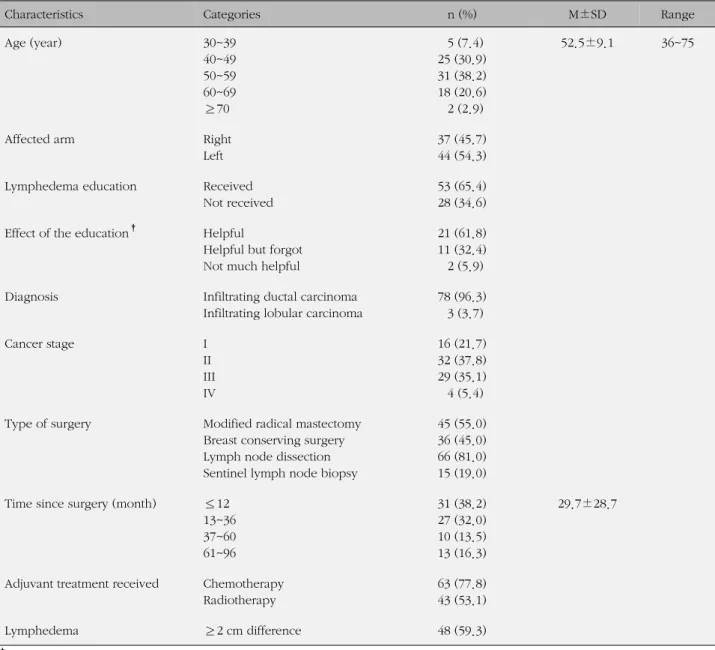
As shown in (Table 1), women in their 40s and 50s
Table 1. Demographic and Disease-related Characteristics
(N=81)
Characteristics Categories n (%) M±SD Range
Age (year) 30~39
40~49 50~59 60~69
≥70
5 (7.4) 25 (30.9) 31 (38.2) 18 (20.6) 2 (2.9)
52.5±9.1 36~75
Affected arm Right
Left
37 (45.7) 44 (54.3) Lymphedema education Received
Not received
53 (65.4) 28 (34.6) Effect of the education
†Helpful
Helpful but forgot Not much helpful
21 (61.8) 11 (32.4) 2 (5.9)
Diagnosis Infiltrating ductal carcinoma
Infiltrating lobular carcinoma
78 (96.3) 3 (3.7)
Cancer stage I
II III IV
16 (21.7) 32 (37.8) 29 (35.1) 4 (5.4) Type of surgery Modified radical mastectomy
Breast conserving surgery Lymph node dissection Sentinel lymph node biopsy
45 (55.0) 36 (45.0) 66 (81.0) 15 (19.0) Time since surgery (month) ≤12
13~36 37~60 61~96
31 (38.2) 27 (32.0) 10 (13.5) 13 (16.3)
29.7±28.7
Adjuvant treatment received Chemotherapy Radiotherapy
63 (77.8) 43 (53.1)
Lymphedema ≥2 cm difference 48 (59.3)
†34 Women out of 53 responded.
were about 69% of the sample, with an average age of 52.5 years. Most were diagnosed with infiltrating duc- tal carcinoma, and the most common stages of cancer were II (37.8%), III (35.1%), and I (21.7%). More than half of the women had had a modified radical mastec- tomy and 81% had undergone lymph node dissection, and had undergone adjuvant chemotherapy treatment (77.8%) or radiotherapy (53.1%). The time since breast surgery ranged widely (1~96 months), from 1 year (38.2%), 3 years (32.0%), 5 years (13.5%), through 7 years or more (16.3%) with an average of 29.7 months.
About 45.7% of the women had breast surgery on the right breast; 94% were the right-handed. One-third of the participants (34.6%) reported not having re-
ceived lymphedema education because they had- missed weekly education sessions, while more than one-third of those who had received education an- swered that they either forgot the contents of educa- tion or felt it had not been very helpful.
B. Incidence of lymphedema
Based on measurements, 59.3% (n=48) of women
were found to have lymphedema at one or more of the
locations. The most frequent locations of lymphedema
were 10 below the humerus and 7 above it, each of
which was reported in 77% of the 48 women. The most
extreme case of lymphedema was noted to be an 8-cm
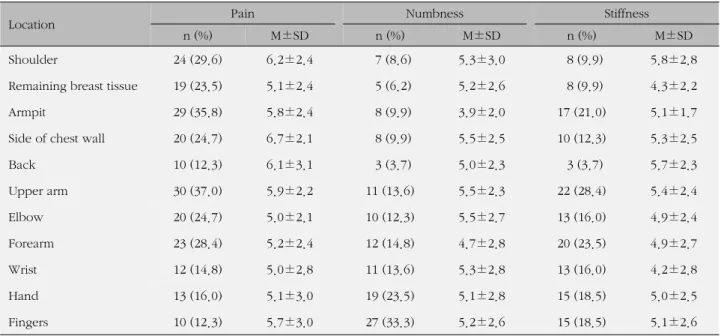
Table 3. Degrees of Pain, Numbness, and Stiffness
(n=81)
Location Pain Numbness Stiffness
n (%) M±SD n (%) M±SD n (%) M±SD
Shoulder 24 (29.6) 6.2±2.4 7 (8.6) 5.3±3.0 8 (9.9) 5.8±2.8
Remaining breast tissue 19 (23.5) 5.1±2.4 5 (6.2) 5.2±2.6 8 (9.9) 4.3±2.2
Armpit 29 (35.8) 5.8±2.4 8 (9.9) 3.9±2.0 17 (21.0) 5.1±1.7
Side of chest wall 20 (24.7) 6.7±2.1 8 (9.9) 5.5±2.5 10 (12.3) 5.3±2.5
Back 10 (12.3) 6.1±3.1 3 (3.7) 5.0±2.3 3 (3.7) 5.7±2.3
Upper arm 30 (37.0) 5.9±2.2 11 (13.6) 5.5±2.3 22 (28.4) 5.4±2.4
Elbow 20 (24.7) 5.0±2.1 10 (12.3) 5.5±2.7 13 (16.0) 4.9±2.4
Forearm 23 (28.4) 5.2±2.4 12 (14.8) 4.7±2.8 20 (23.5) 4.9±2.7
Wrist 12 (14.8) 5.0±2.8 11 (13.6) 5.3±2.8 13 (16.0) 4.2±2.8
Hand 13 (16.0) 5.1±3.0 19 (23.5) 5.1±2.8 15 (18.5) 5.0±2.5
Fingers 10 (12.3) 5.7±3.0 27 (33.3) 5.2±2.6 15 (18.5) 5.1±2.6
Table 2. Degree of Lymphedema
(n=48)
Variables n (%) M±SD Range
Knuckle 5 (10.4) 2.3±0.3 2~2.6
Wrist 7 (14.6) 2.5±0.4 2~3.0
10 cm below humerus 31 (77.1) 3.8±1.4 2~8.0
Humerus 37 (64.6) 3.3±1.1 2~5.7
7 cm above humerus 37 (77.1) 3.6±1.2 2~6.5 15 cm above humerus 28 (58.3) 3.0±0.9 2~5.0 difference between arms at 10 cm below the humerus.
The knuckles and wrist showed a relatively low per- centage of lymphedema occurrence.
C. Upper limb morbidity a. Upper limb symptoms
The frequencies and mean symptom scores for pain, numbness, and stiffness at multiple locations of the upper limb of the affected side are presented in (Table 3). Overall, 85% (n=69) of the women complained of one or more of these symptoms in their affected limb.
Pain scores at each location ranged from a minimum of 5.0 to a maximum of 6.7 out of the 10-point scale.
The upper arm, armpit, and shoulder were the loca- tions that 30% or more of the women complained of pain. The side of the chest wall and shoulder were the locations that women complained of the most severe
pain with scores over 6.0. Overall, pain seemed to be most prevalent in the upper part of the limb.
On the other hand, numbness was prevalent in the hand (23.5%) and fingers (33.3%), though the mean symptom scores for these locations were quite similar to those of all the other locations, ranging from 3.9 through 5.5. Stiffness was most frequently found in the upper arm (28.4%), then forearm, followed by the armpit, hand, and fingers, which were scored similarly for stiffness.
b. Upper limb functioning
Meanwhile, the women answered that they used the affected arm less than before the surgery, with a mean score of 5.1±3.5, as indicated on a scale from 0 (rarely use) to 10 (use to the same extent as before surgery).
Regarding the strength of the affected arm, women evaluated the strength of the affected arm compared to prior to surgery to be 6.1±3.7 on a scale of 0 (noticea- bly much weaker ) to 10 (same as before treatment).
D. Conditions aggravating arm swelling
Table 4 describes conditions that women felt ag-
gravated arm swelling in daily life and the details of
each condition, including their duration. Doing house-
work was the most common condition, listed by 43
women, including cooking, house cleaning, mopping,
dish washing, and hand washing laundry. Notably,
some women reported doing quite long and strenuous
Table 4. Perceived Aggravating Conditions of Lymphedema
(N=81)
Classification
†Categories Duration (min)/unit
Doing housework (n=43) - Meal preparation: chopping, peeling, paring chestnuts - Make "Kimchi"
- Dish washing - House cleaning - Hand laundering - Mop a floor - Gardening
- Give a puppy a bath
10~180 60 heads of cabbage 20~40 5~60 30~60 10~120 3~60 30
Exercise (n=29) - Mountain climbing
- Walking - Arm stretching - Exercise at gym - Do yoga - Play golf - Lifting dumbbell
90~180 30~90 2~30 60 -- 36 holes 1kg, 20~30 times Lifting heavy things (n=24) - Water jar, briefcase, books, pile of dishes, stones during
gardening
30
When got tired (n=16)
When the arm pressed (n=15) - Repeat use of the affected arm (n=13)
(ex. buttoning work, office work including computer use, scrub off the skin during bath, etc.)
10~420
Staying in hot place (n=8) - Hot bath
- Hyperthermia therapy - "Jjim-jil bang
‡"
- Elvan sauna
5~120 120 60 Get emotionally stressed (n=6)
Use the arm less (n=5) - Sleeping
- Long sitting
390~420 240~300 Get infection (n=5)
Wearing tight material (n=3) - Compression stocking - Bandage
60 30~60 Exposure to cold weather (n=3)
Under changed weather condition (n=2) Worm bite (n=2)
Sudden stretch of the arm (n=2)
†Multiple responses; ‡Facility for dry sauna.
tasks, such as paring chestnuts for a couple of hours or making kimchi with 60 cabbages. The duration of each activity varied in range from a few minutes to 2~3 hours.
Exercise was also listed as one of the triggering fac-
tors in about 36% (n=29) of the women. Walking and
climbing mountains are two of the most popular phys-
ical activities in Korea. However, after 90~180 minutes
of climbing, the women’s arms swelled. One woman
answered that she had felt arm swelling after 2 minutes
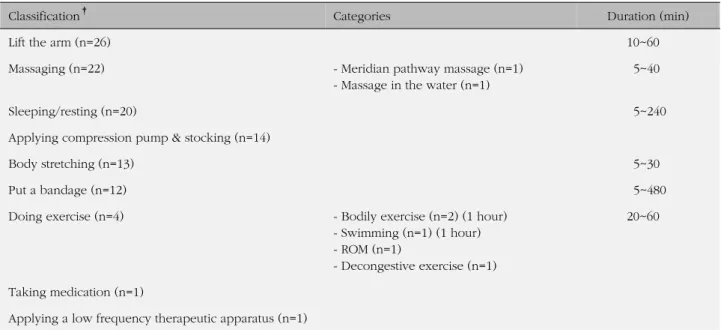
Table 5. Self-Management for Symptom Relieving
(N=81)
Classification
†Categories Duration (min)
Lift the arm (n=26) 10~60
Massaging (n=22) - Meridian pathway massage (n=1)
- Massage in the water (n=1)
5~40
Sleeping/resting (n=20) 5~240
Applying compression pump & stocking (n=14)
Body stretching (n=13) 5~30
Put a bandage (n=12) 5~480
Doing exercise (n=4) - Bodily exercise (n=2) (1 hour)
- Swimming (n=1) (1 hour) - ROM (n=1)
- Decongestive exercise (n=1)
20~60
Taking medication (n=1)
Applying a low frequency therapeutic apparatus (n=1)
†Multiple responses.