Pre-emptive analgesic efficacy of injected ketorolac in comparison to other agents for third molar surgical removal: a systematic review
Sunnypriyatham Tirupathi
1, Srinitya Rajasekhar
2, Sardhar Singh Maloth
3, Aishwarya Arya
4, Pushpalatha Tummalakomma
4, Rama Brahman Lanke
51Department of Pedodontics & Preventive Dentistry, Malla Reddy Institute of Dental Sciences, Hyderabad, Telangana, India
2Department of Pedodontics & Preventive Dentistry, Malla Reddy Dental College for Women, Hyderabad, Telangana, India
3Department of Periodontics, Mamata Dental College, Khammam, Telangana, India
4Department of Periododntics, Malla Reddy Institute of Dental Sciences, Hyderabad, Telangana, India
5Familia Dental LLC, Texas, USA
This study aimed to evaluate and compare the pre-emptive analgesic efficacy of injected ketorolac to that of other agents for impacted third molar surgical removal in a healthy population.
PubMed, Ovid SP, Cochrane databases were filtered from 1980 to July 2020 for potential papers using relevant MeSH terms and pre-specified inclusion and exclusion criteria independently by reviewers. Studies that compared pre-emptive intramuscular or intravenous administration of ketorolac to other agents were evaluated. The outcomes sought were self-reported postoperative pain (patient-perceived pain), median duration for rescue analgesic medication, total number of analgesics consumed in the recovery period, and global assessment (overall patient satisfaction) after the recovery period.
Six studies were included in the final evaluation. The outcome of pain perception and the number of analgesics taken were significantly lower in the ketorolac group (intramuscular or intravenous) in most of the studies (n=5) than in the group of other drugs. The mean time for rescue analgesia intake was higher for the ketorolac group, and global assessment scores were also better in the ketorolac group.
Although the included studies show significantly better outcomes such as postoperative pain, median time taken for rescue medication, total number of analgesics taken, and overall patient satisfaction with injected ketorolac group in comparison to injected diclofenac, dexamethasone, and tramadol, definitive conclusions cannot be made regarding the superiority of injected Ketorolac as a pre-emptive agent. A greater number of randomized control trials with a proper protocol are needed to make definitive conclusions.
Keywords: Analgesics; Ketorolac; Pain; Parenteral; Pre-emptive; Third molar.
This is an Open Access article distributed under the terms of the Creative Commons Attribution Non-Commercial License (http://creativecommons.org/licenses/by-nc/4.0/) which permits unrestricted non-commercial use, distribution, and reproduction in any medium, provided the original work is properly cited.
Received: August 21, 2020•Revised: December 4, 2020•Accepted: January 13, 2021
Corresponding Author: Sunnypriyatham Tirupathi, Assistant Professor, Department of Pedodontics & preventive dentistry, Malla reddy institute of dental sciences, Hyderabad, Telangana, India
E-mail: [email protected]
Copyrightⓒ 2021 Journal of Dental Anesthesia and Pain Medicine
INTRODUCTION
Preemptive analgesia involves the delivery of an analgesic agent prior to the start of the surgical procedure.
It is thought that by initiating analgesic interventions
before the surgical procedure, intraoperative and postoperative nociception can be mitigated to the central nervous system and provide superior benefits in comparison to the same analgesic if given postoperatively [1,2]. Surgical procedures can lead to a process called sensitization, which can lead to allodynia and hyper-
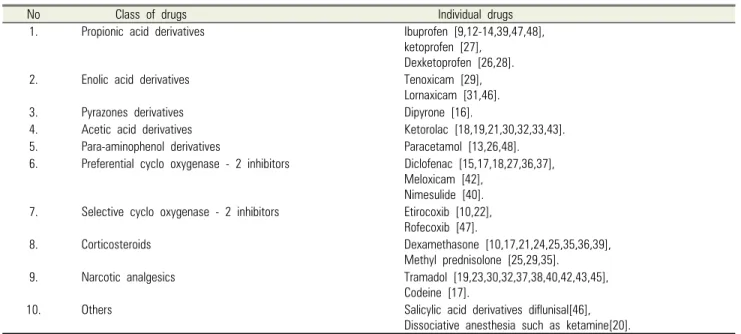
Table 1. Different groups of drugs used as pre-emptive analgesic agents
No Class of drugs Individual drugs
1. Propionic acid derivatives Ibuprofen [9,12-14,39,47,48],
ketoprofen [27], Dexketoprofen [26,28].
2. Enolic acid derivatives Tenoxicam [29],
Lornaxicam [31,46].
3. Pyrazones derivatives Dipyrone [16].
4. Acetic acid derivatives Ketorolac [18,19,21,30,32,33,43].
5. Para-aminophenol derivatives Paracetamol [13,26,48].
6. Preferential cyclo oxygenase - 2 inhibitors Diclofenac [15,17,18,27,36,37],
Meloxicam [42], Nimesulide [40].
7. Selective cyclo oxygenase - 2 inhibitors Etirocoxib [10,22],
Rofecoxib [47].
8. Corticosteroids Dexamethasone [10,17,21,24,25,35,36,39],
Methyl prednisolone [25,29,35].
9. Narcotic analgesics Tramadol [19,23,30,32,37,38,40,42,43,45],
Codeine [17].
10. Others Salicylic acid derivatives diflunisal[46],
Dissociative anesthesia such as ketamine[20].
algesia, which can result in increased pain postoperatively and also pain that will not respond to analgesics. Any surgical procedure can lead to localized tissue damage resulting in the release of inflammatory mediators, which can directly result in peripheral sensitization (increased excitability of dorsal horn neurons, nociception due to Aδ fibers and C fibers), which in turn can lead to central sensitization. Central sensitization can lead to allodynia and hyperalgesia as signals transmitted via Aβ fibers are perceived as pain. It is hypothesized that pre-emptive administration of analgesics can reduce central and peripheral sensitization, which in turn reduces postoperative pain [2].
Evidence regarding the efficacy of pre-emptive analgesia administration is still weak in the field of medicine and dentistry, and the concept of pre-emptive analgesia administration is still a subject of debate, with few individual systematic reviews reporting positive benefits [3,4] and other few contradicting the same [5].
Third molar removal is one of the most common surgical procedures in dentistry, which can cause varying degrees of postoperative pain, swelling, and trismus.
Evaluating the best analgesic, best dose, and best timing of analgesic for reducing postoperative morbidity in third molar surgeries can be valuable for improving post-
operative care. Many randomized trials evaluated the pre-emptive analgesic efficacy of various drugs for third molar surgical removal with different results.
In 2020, a systematic review and meta-analysis by Filho et al. reported that after pre-emptive oral administration, most non-steroidal anti-inflammatory drugs (NSAIDs) showed good results for reduction of the inflammatory response, and the average pain scores and consumption of rescue medication were also reduced [6].
However, an older systematic review by Costa et al.
(2015) reported that pre-emptive oral administration of non-steroidal anti-inflammatory drugs (NSAIDs) did not exhibit any significant effect in reducing postoperative pain after removal of lower impacted third molars [7].
A similar systematic review and meta-analysis by Falci et al. (2017) reported that oral administration of dexamethasone is beneficial when administered pre- emptively, but its superiority over NSAIDs could not be stated clearly [8].
Third molar extraction: Pre-emptive analgesic action of different drugs used to evaluate parameters related to third molar surgical extraction [9-49]. Different classes of drugs are administered through various routes as pre-emptive analgesic agents before the removal of third molars across various studies (Tables 1 & 2). The
Table 2. Different routes of drugs used as pre-emptive analgesic agents
No Route of administration Drugs used
1. Oral Etirocoxib[10,22], celecoxib[11], acetaminophen[11], dexamethasone[17,21,24,25,35,36,39],
diclofenac[17,36], codeine[17], ketorolac [19,21,43], methylprednisolone[25,35], paracetamol[26,48], dexketoprofen[26], ibuprofen[39,47,48], tramadol[40], nimesulide[40], ketoprofen[44], diflunisal[46], lornaxicam[46], rofecoxib[47].
2. Intramuscular Dexamethasone[10], diclofenac[18,27], ketorolac[18,30], tramadol[19,30,42,45], ketoprofen[27], meloxicam[42],
3. Intravenous Ibuprofen[9,12-14], acetaminophen[13],
dipyrone[16], tramadol[23,32,37,38], dexamethasone[24], dexketoprofen[28], tenoxicam[29], methylprednisolone[29], lornaxicam[31], ketotolac[32,49], diclofenac[37].
4. Submucosal Diclofenac[15], ketamine[20], ketorolac[32], tramadol[43].
Table 3. Excluded studies with reasons
No Excluded articles Reasons for exclusion
1. Shah et al., 2017[30]. Ketorolac and other drugs were administered after surgery
2. Mishra and khan 2012[51]. Route of administration was oral
3. Daniels et al., 2001[50]. Ketorolac and other drugs was administered after surgery
4. Walton et al., 1993[53]. Ketorolac and other drugs was administered after surgery
5. Wright and smith 2002[54]. Ketorolac was administered after surgery
injection route of drug administration is better than the oral route of administration as peak plasma concentration is reached in lesser duration, and food does not affect the absorption of the drug. To date, no systematic review has evaluated injected pre-emptive analgesia for third molar removal. The present systematic review aimed to evaluate and compare pre-emptive injected ketorolac in comparison to other agents for surgical removal of the third molar.
METHODS
This study was registered in the Prospero database [CRD42020205125] and followed PRISMA guidelines for reporting.
Eligibility criteria: The search strategy was performed with the PICO framework: Population, Intervention, Comparison, and Outcome, based on the following question. “Efficacy of parenterally (Intravenously or Intramuscularly) administered Ketorolac over other agents as a pre-emptive analgesic agent for third molar surgery on postoperative pain reduction.” The Population Intervention Comparison Outcome (PICO) search strategy
of the systematic review was: [P] patients: adult subjects requiring third molar surgery; [I] intervention: ketorolac administered parentally (intramuscular or intravenous) as a pre-emptive agent before surgery; [C] comparison:
placebo or any other active agent administered parenterally as pre-emptive agents before surgery. [O]
outcome of interest: postoperative pain after third molar surgery.
Information sources: An electronic search was performed in three databases: PubMed, Ovid SP, and Cochrane. The search was conducted from the publication years 1980 to 2020. The last search was performed on July 30, 2020. Only articles published in English were included. The search was based on a pre-specified question using relevant MeSH terms. A broad search was made using a combination of MeSH terms “Ketorolac”
AND “Molar.”
Eligibility criteria: Randomized clinical trials comparing the efficacy of postoperative pain reduction after pre-emptive parenteral administration of ketorolac to that of parenteral administration of placebo or other agents after third molar surgery were included. Animal studies, pre-clinical trials, non-clinical trials, comparative studies, technical notes, case reports, narrative reviews,
Fig. 1. Flow chart of the search results is presented.
and systematic reviews and articles that were not published in English were excluded. Studies where ketorolac or other drugs were administered orally, transdermally, intra-operatively, or postoperatively are excluded. Studies in which Ketorolac or other drugs were administered sub-mucosally or as infiltration into the local site were also excluded since they are considered as local routes of drug delivery. Initially, studies retrieved after comprehensive MeSH terms search were imported to Zotero (www.zotero.org) from all the databases, and the exclusion of duplicates was performed, followed by a screening of titles and abstracts. Relevant articles were then included for a complete text review.
Two independent reviewers analyzed and recorded the
data. The data form contained information regarding author names and year of publication, study design, intervention, control, and outcomes. The only outcome measure evaluated was intraoperative pain after third molar surgery.
Data synthesis: A qualitative analysis of the selected studies was carried out. Randomized clinical trials comparing the efficacy of the parenteral administration of ketorolac to that of the parenteral administration of placebo or other agents were included and evaluated for postoperative pain outcomes. A quantitative data analysis was not carried out as a limited number of studies are available.
Risk of bias (RoB) assessment: The methodological
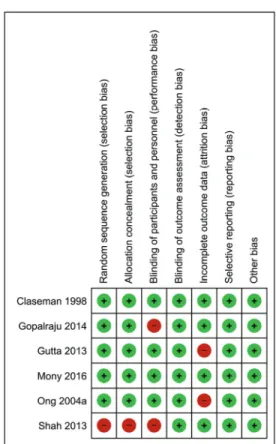
Fig. 2. Risk of bias was evaluated according to the Cochrane guidelines.
quality assessment of the included articles was conducted independently by two review team members using the Cochrane Collaboration's criteria. The risk of bias was evaluated for all seven parameters: random sequence generation, allocation concealment, blinding of parti- cipants and personnel and outcome assessment, completeness of outcome data, selective reporting of outcomes, and other sources of bias.
RESULTS
In all the databases, 318 records were found, of which six were duplicates. After removing duplicate articles, 312 records were screened by title and abstract. The full text of the 11 potentially relevant papers was evaluated, among which 5 were excluded [50-54]. The reasons for exclusion are presented in Table 3. Finally, six studies were included in this final systematic review [18,30,32, 33,55,56]. A flowchart of the search results is presented in Figure 1.
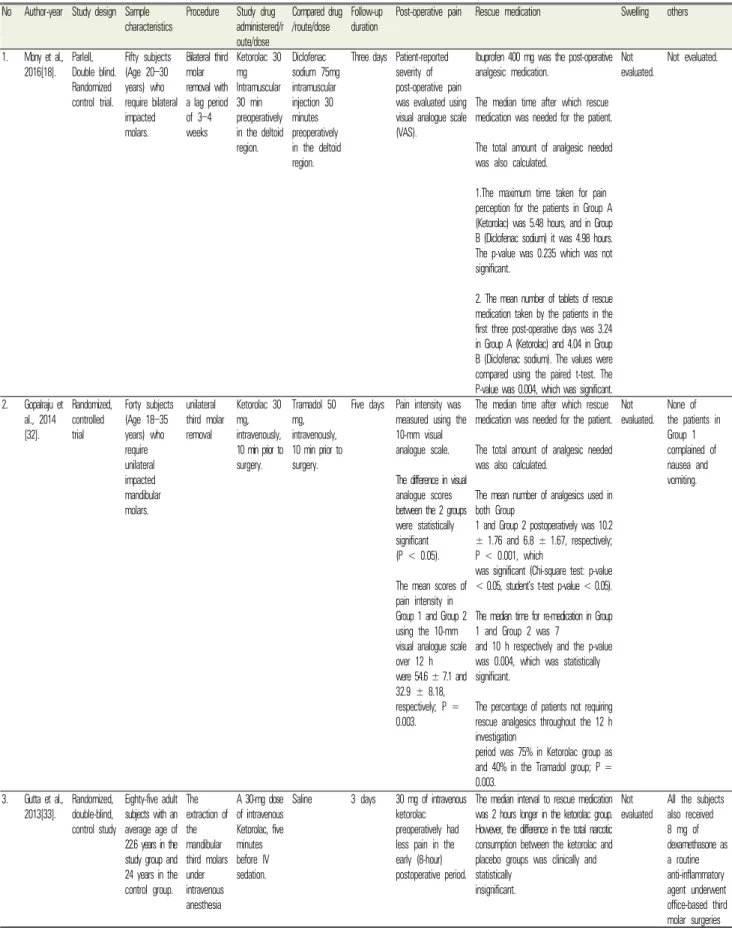
Characteristics of the included studies: The details of the included studies are presented in Table 4. All six studies included were published between 2016 and 1998.
Risk of bias: Risk of bias (Fig. 2) was evaluated according to the Cochrane guidelines. Randomization and allocation concealment (sealed envelope) was mentioned in five studies [18,32,33,55,56]. Blinding of both operator and patient was performed in four studies [18,33,55,56].
Outcome assessment was performed in all the six included studies [18,30,32,33,55,56]. Attrition bias was reported in two studies [33,56]. Bias due to selective reporting was not observed in any of the six studies included. Among the six studies included, bilateral extractions (split-mouth design) were performed in three studies [18,30,55], and unilateral third molar extraction in three studies [32,33,56]. In the cases of bilateral extractions, the lag period between two appointments was between and 3–4 weeks [18,30]. The lag period was not mentioned in the study by Claseman et al. (1998) [55].
In all six studies, asymptomatic impacted third molars
were included for surgery [18,30,32,33,55,56]. Extraction was performed only under local anesthesia in only three studies [18,30,32], and local anesthesia and IV sedation in the remaining three studies [33,55,56].
Age group: The ages of the subjects in the included studies ranged from 16 to 35 years.
The study drug: A 30-mg dose of ketorolac was the study medication in all the studies, intra-muscular administration was performed in studies by Shah et al.
(2013) [30] and Mony et al. (2016) [18]. Intravenous administration was performed in the studies by Claseman et al. (1998) [55], Gutta (2013) [33], Gopalraju (2014) [32], Ong and Tan (2004) [56]. Control drug: Intra- muscular (IM) diclofenac 75 mg in the study by Mony et al. (2016) [18], intravenous tramadol 50 mg in the study by Gopalraju et al. (2014) [32], Ong and Tan (2004) [56], tramadol 50 mg in the study by Shah et al. (2013) [30], IV 8 mg dexamethasone in the study by Claseman et al. (1998) [55], and saline as placebo in the studies by Gutta et al. (2013) [33].
Table 4. Characteristics of Included studies No Author-year Study design Sample
characteristics Procedure Study drug administered/r oute/dose
Compared drug /route/dose Follow-up
duration Post-operative pain Rescue medication Swelling others 1. Mony et al.,
2016[18]. Parlell, Double blind.
Randomized control trial.
Fifty subjects (Age 20–30 years) who require bilateral impacted molars.
Bilateral third molar removal with a lag period of 3–4 weeks
Ketorolac 30 mg Intramuscular 30 min preoperatively in the deltoid region.
Diclofenac sodium 75mg intramuscular injection 30 minutes preoperatively in the deltoid region.
Three days Patient-reported severity of post-operative pain was evaluated using visual analogue scale (VAS).
Ibuprofen 400 mg was the post-operative analgesic medication.
The median time after which rescue medication was needed for the patient.
The total amount of analgesic needed was also calculated.
1.The maximum time taken for pain perception for the patients in Group A (Ketorolac) was 5.48 hours, and in Group B (Diclofenac sodium) it was 4.98 hours.
The p-value was 0.235 which was not significant.
2. The mean number of tablets of rescue medication taken by the patients in the first three post-operative days was 3.24 in Group A (Ketorolac) and 4.04 in Group B (Diclofenac sodium). The values were compared using the paired t-test. The P-value was 0.004, which was significant.
Not
evaluated. Not evaluated.
2. Gopalraju et al., 2014 [32].
Randomized, controlled trial
Forty subjects (Age 18–35 years) who require unilateral impacted mandibular molars.
unilateral third molar removal
Ketorolac 30 mg, intravenously, 10 min prior to surgery.
Tramadol 50 mg, intravenously, 10 min prior to surgery.
Five days Pain intensity was measured using the 10-mm visual analogue scale.
The difference in visual analogue scores between the 2 groups were statistically significant (P < 0.05).
The mean scores of pain intensity in Group 1 and Group 2 using the 10-mm visual analogue scale over 12 h were 54.6 ± 7.1 and 32.9 ± 8.18, respectively; P = 0.003.
The median time after which rescue medication was needed for the patient.
The total amount of analgesic needed was also calculated.
The mean number of analgesics used in both Group
1 and Group 2 postoperatively was 10.2
± 1.76 and 6.8 ± 1.67, respectively;
P < 0.001, which
was significant (Chi-square test: p-value
< 0.05, student’s t-test p-value < 0.05).
The median time for re-medication in Group 1 and Group 2 was 7
and 10 h respectively and the p-value was 0.004, which was statistically significant.
The percentage of patients not requiring rescue analgesics throughout the 12 h investigation
period was 75% in Ketorolac group as and 40% in the Tramadol group; P = 0.003.
Not
evaluated. None of the patients in Group 1 complained of nausea and vomiting.
3. Gutta et al., 2013[33]. Randomized,
double-blind, control study
Eighty-five adult subjects with an average age of 22.6 years in the study group and 24 years in the control group.
The extraction of the mandibular third molars under intravenous anesthesia
A 30-mg dose of intravenous Ketorolac, five minutes before IV sedation.
Saline 3 days 30 mg of intravenous ketorolac preoperatively had less pain in the early (8-hour) postoperative period.
The median interval to rescue medication was 2 hours longer in the ketorolac group.
However, the difference in the total narcotic consumption between the ketorolac and placebo groups was clinically and statistically
insignificant.
Not
evaluated All the subjects also received 8 mg of dexamethasone as a routine anti-inflammatory agent underwent office-based third molar surgeries
4. Shah et al.,
2013[34]. Fifty patients under the age group of 16–25 years with asymptomatic, symmetrically impacted mandibular third molars were equally divided into 2 groups and underwent third-molar surgery under local anesthesia.
Extraction of bilaterally symmetrical mandibular molars with a wash out period of three weeks.
Ketorolac 30 mg IM (Gluteus) 20 minutes before surgery.
Tramadol 50 mg IM (Gluteus) 20 minutes before surgery
Five days. Ketorolac is better than tramadol for pain relief.
Diclofenac potassium 50 mg/paracetamol 500mg/serratiopeptidase 10 mg] was the rescue analgesic given.
When the mean time to first rescue analgesic was assessed, patients in the study group reported a longer pain-free interval than those in the control group, with the mean time
being 2.42 ± 1.70, 8.86 ± 0.91, and 7.43 ± 1.15 h for control, ketorolac, and tramadol, respectively.
Comparisons between the study group significantly favored
ketorolac over tramadol [P < 0.001].
Ketorolac proved significantly more efficient than Tramadol, with patients taking the former consuming
fewer rescue analgesics than those taking the latter
[P < 0.001].
One patient in the study group, when treated with ketorolac, experienced severe pain at the site of injection and consumed the rescue analgesic for the same, while 4 patients after receiving tramadol complained of nausea and required a rescue antiemetic.
5. Ong and tan 2004[56]. Randomized,
double-blind, control study
Sixty-four patients undergoing elective third molar surgery were randomly assigned into one of the two groups (32 in each group):
Single impacted mandibular third molars scheduled for surgery.
A 30-mg IV dose of ketorolac was administered before surgery. (time not menctioned)
Tramadol 50 mg was given intravenously before the surgery
Five days The pain intensity was assessed using the visual analogue scales (VAS).
Patients in the ketorolac group experienced significantly less pain throughout the 12-h investigation period than those in the tramadol group (Mann–Whitney U-test, 0.05).
The mean time to rescue analgesic for the
ketorolac group was 9.5 h after surgery as compared with the 7.6 h for the tramadol group. Ketorolac provided an approximately 2-h longer duration of preventive analgesia than tramadol did.
The total postoperative analgesic consumption
of the ketorolac group
(median = 4, range 0–12) was also significantly
less than that of the tramadol group (median = 6, range 0–16) (Mann–
Whitney U-test, P = 0.02).
not
evaluated No side effects reported.
6. Claseman et al., 1998[55].
Double-blind placebo-cont rolled randomized trial
Thirty-four patients aged 18–35 years were divided into 4 groups Group I (control), saline; Group II, 30 mg ketorolac; Group III, 8 mg dexamethasone
; and Group IV, 30 mg ketorolac + 8 mg dexame- thasone.
Bilateral all 4
molars. Twenty-fo
ur hours only.
Pain was assessed with the use of the Heft-Parker graphic pain scale.
Postoperative analgesia following third molar surgery in the first 10 hr was enhanced with the preoperative administration of ketorolac.
The addition of dexamethasone to the preoperative regimen did not improve on the analgesic effect provided by ketorolac alone
There was a trend toward the need for less postoperative narcotic analgesics, with the preoperative administration of ketorolac, and with the ketorolac/dexamethasone combination.
not
evaluated Not evaluated
Pre-operative duration before drug administration:
The duration before which drugs were administered as pre-emptive agents parenterally varied from 5 to 30
minutes before surgery. Five min in the study by Gutta et al. (2013) [33], 10 min in the study by Gopalraju et al. (2014) [32], 20 min Shah et al. (2013) [30], 30 minutes
in the study by Mony et al. (2016) [18], and duration not mentioned in the studies by Claseman et al. (1998) [55], Ong and Tan (2004) [56].
Recovery period duration evaluated: Recovery period durations evaluated ranged from 3 days to 5 days postoperatively in five studies [18,30,32,33,56]. In the study by Claseman et al. (1998), participants were only evaluated for 1 d postoperatively [55].
Postoperative pain: Self-reported postoperative pain was measured in studies using different scales; the visual analogue scale (VAS) was filled by the patient at 12 hours postoperatively in the study by Mony et al. (2016) [18], Gopalraju et al. (2014) [32], Ong and Tan (2004) [56].
VAS score at 8 hours postoperatively was evaluated in the study by Gutta et al. (2013) [33], and the pain intensity score (10-point scale) at 12 hours post- operatively was measured in the study by Shah et al.
(2013) [30]. Pain intensity was assessed using the heft-parker graphic pain rating in the study by Claseman et al. (1998) [55].
Type of oral rescue medication taken: Ibuprofen 400 mg in the study by Mony et al., [18]. A combination of diclofenac potassium 50 mg + paracetamol 500 mg + serratiopeptidase 10 mg was the rescue analgesic used in the study by Shah et al. (2012) [30]. The study by Gutta et al. (2013) used a narcotic analgesic as rescue medication but did not specify the exact medication [33].
Acetaminophen 500 mg was the rescue analgesic used in the study by Goplaraju et al. (2013) [32].
DISCUSSION
Reducing postoperative morbidities such as pain, discomfort, trismus, and inflammation after third molar surgery is a highly investigated topic in oral and maxillofacial surgery. The main objective of our systematic review was to investigate the efficacy of intravenously-administered pre-emptive ketorolac in comparison with other agents. The outcome of interest evaluated were parameters related to postoperative pain
such as the subjective sensation of pain, first rescue medication taken, total dosage of rescue medication taken, and overall satisfaction.
Postoperative pain: IM Ketorolac versus IM Diclofenac sodium: In the study by Mony et al. (2016) [18], which compared pre-emptive IM Ketorolac versus IM Diclofenac sodium, at 11 hours, patients reported pain scores were significantly lower with pre-emptive IM ketorolac than IM diclofenac sodium [18]. IM Ketorolac versus IM Tramadol: In the study by Shah et al. (2013) [30], patients treated with IM ketorolac reported significant pain relief at postoperative 8 hours, with significantly lower pain scores than when treated with IM tramadol. However, at hour 12, the difference was not statistically significant [30] IV Ketorolac versus IV Tramadol. In the study by Gopalraju et al. (2014) [32], the mean pain intensity was higher in the IV Tramadol group over a 12 h period (54.6) than in the IV ketorolac group (32.9). The difference was statistically significant (P = 0.003) [32]. In the study by Ong and Tan (2004) [56], patients experienced significantly less pain throughout the 12-h investigation period when they received IV ketorolac than when they received IV tramadol. IV Ketorolac versus IV Placebo: In the study by Gutta et al. (2013) [33], the IV Ketorolac group recorded lower VAS scores at all times, but only the score at the fourth hour was significantly lower than those in the IV placebo group [33].
First rescue medication taken: The median time taken for rescue medication was counted for both the study and control/placebo group. IM Ketorolac versus IM Diclofenac sodium: In the study by Mony et al. (2016) [18], the maximum time taken for pain perception for patients in the IM Ketorolac group was 5.48 hours and for those in the IM diclofenac sodium group was 4.98 hours. The p-value was 0.235, which was not significant [18]. IM Ketorolac versus IM Tramadol: In the study by Shah et al. (2013) [30], the mean time for rescue analgesia was 8.86 ± 0.91 hours for the ketorolac group, compared to 7.43 ± 1.15 hours for the tramadol group (P < 0.001).
IM Ketorolac versus placebo: In the study by Shah et
al. (2013) [30], the mean time for the rescue analgesic was 8.86 ± 0.91 hours for the ketorolac group as against 2.42 ± 1.70 hours for the placebo group (P < 0.001). IV Ketorolac versus IV Placebo: In the study by Gutta et al. (2013) [33], the median time taken for the first rescue medication in the study group was 9.5 hours and in the control group was 7 hours. This might be due to variations in the study, such as pre-operative 8mg IV dexametha- sone. IV Ketorolac versus IV Tramadol: In the study by Gopalraju et al. (2014) [32], the median time for re-medication in IV Tramadol and IV Ketorolac was 7 and 10 h, respectively, P = 0.004. In the study by Ong and Tan (2004) [56], the ketorolac group reported a longer time to rescue analgesia (median 9.0 h) than the tramadol group (median 7.0 h) (P = 0.007).
Total dosage of rescue medication taken: The total dosage of rescue medication was determined for both the study and control/placebo group. IM Ketorolac versus IM Diclofenac sodium: In the study by Mony et al. (2016) [18], the mean number of rescue medications (ibuprofen 400 mg) taken by the patients in the three postoperative days was 3.24 in Ketorolac group and 4.04 in the diclofenac group, P = 0.004 [18]. IM Ketorolac versus IM Tramadol: In the study by Shah et al. (2013) [30], Ketorolac proved more efficient than tramadol with patients in the ketorolac group consuming fewer rescue analgesics (diclofenac potassium 50 mg/paracetamol 500 mg/serratiopeptidase 10 mg) than when treated with tramadol (P < 0.001). IM Ketorolac versus placebo: In the study by Shah et al. (2013) [30], Ketorolac proved more efficient than placebo for patients in the ketorolac group consuming fewer rescue analgesics (7.36 ± 1.7) than those treated with placebo (10.76 ± 3.03) (P <
0.001). IV Ketorolac versus IV Placebo: In the study by Gutta et al. (2013) [33], no statistically significant differences in the total number of pills taken (narcotic analgesic) were found between the control and study groups. This might be due to variations in the study, such as pre-operative 8mg IV dexamethasone. IV Ketorolac versus IV Tramadol: In the study by Gopalraju et al.
(2014) [32], the mean number of analgesics (aceta-
minophen 500 mg) used in tramadol and ketorolac was 10.2 ± 1.76 and 6.8 ± 1.67, respectively (P < 0.05) [32].
In the study by Ong and Tan (2004), the total postoperative analgesic consumption (acetaminophen 1,000 mg) for the ketorolac group (median = 4, range 0–12) was also significantly less than that in the tramadol group (median = 6, range 0–16) (P = 0.02) [56].
Patients’ overall satisfaction—Global assessment:
Patients’ overall satisfaction after surgery (global assessment) was evaluated for both the study and control/placebo group. In the study by Mony et al. (2016) [18], global assessment was not evaluated [18]. IM Ketorolac versus IM Tramadol: In the study by Shah et al. (2013), Ketorolac had significantly better global assessment scores than tramadol and placebo [P < 0.001].
IM Ketorolac versus placebo: In the study by Shah et al. (2013) [30], Ketorolac has better global assessment scores than placebo [P < 0.001]. IV Ketorolac versus IV Placebo: In the study by Gutta et al. (2013) [33], there were no significant differences in the global assessment between patients. This might be due to variations in the study, such as pre-operative 8mg IV dexamethasone. IV Ketorolac versus IV Tramadol: In the study by Gopalraju et al. (2014) [32], the overall global assessment of the ketorolac group showed better postoperative sequelae and comfort than that of the tramadol group [32]. In the study by Ong and Tan (2004), Patient’s overall assessment of the surgery in relation to pain, the distribution of scores shows that more patients in the ketorolac group (43.3%) scored the surgery as excellent in relation to minimum pain after the surgery as compared with patients in the tramadol group (23.3%) (P = 0.01) [56].
Limitations of this review: Owing to the diversity in the included studies and fewer studies available, meta-analysis was not performed.
1. Methodological differences exist in few included studies; for example, the study by Gutta et al. (2013) [33], reported that pre-emptive IV Ketorolac is compared to placebo (saline), but the confounding variable here is in both the IV Ketorolac and IV
saline group, 8 mg dexamethasone is administered pre-emptively, which might be the reason for the lack of significant differences between ketorolac and placebo (saline) groups in terms of parameters such as postoperative pain, median time for rescue medication, number of medications taken, and other factors.
2. The duration of follow-up for pain intensity measurement also varied across studies; 12 hours postoperatively, Mony et al. (2016) [18], Gopalraju et al. (2014) [32], Ong and Tan (2004) [56], and 8 hours postoperatively was evaluated in the study by Gutta et al. (2013) [33].
3. The other drawbacks in studies are timings of administration of drugs pre-emptively; for example, in the studies by Mony et al. (2016) [18] and shah et al. (2013) [30], intramuscular administration of ketorolac was performed 30 and 20 minutes preoperatively, peak plasma availability of ketorolac for intramuscular administration usually takes 45 minutes [57], so by the time of first incision and reflection of the flap, peak plasma concentration of the drug would not have been attained. In our opinion, by the time of the first incision ensuring peak plasma concentration is ideal.
4. Self reported pain score scales also varied across studies: VAS was used in most of the studies (Mony et al. (2016) [18], Gopalraju et al. (2014) [32], Ong and Tan (2004) [56], Gutta et al. (2013) [33]), and heft-parker graphic pain rating in the study by Claseman et al. (1998) [55]. A Numerical 10-point pain intensity score was used in the study by Shah et al. (2013) [30].
5. The type and dosage of rescue analgesic medication used also varied across studies: ibuprofen 400 mg [18], combination of diclofenac potassium 50 mg + paracetamol 500 mg + serratiopeptidase [30], acetaminophen 500–1000 mg [32,56], and narcotic analgesics [33] were used across the studies.
Conclusions: Although the included studies show
significantly better outcomes such as postoperative pain, median time taken for rescue medication, total number of analgesics taken, and overall patient satisfaction with injected ketorolac group in comparison to injected diclofenac, dexamethasone, and tramadol, definitive conclusions cannot be made regarding the superiority of injected Ketorolac as a pre-emptive agent. A greater number of randomized control trials with a proper protocol are needed to make definitive conclusions.
AUTHOR ORCIDs
Sunnypriyatham Tirupathi: https://orcid.org/0000-0002-2593-0090 Srinitya Rajasekhar: https://orcid.org/0000-0002-1498-1618 Sardhar Singh Maloth: https://orcid.org/0000-0003-2440-3376 Aishwarya Arya: https://orcid.org/0000-0003-0626-4747
Pushpalatha Tummalakomma: https://orcid.org/0000-0002-1021-0883 Rama Brahman Lanke: https://orcid.org/0000-0002-8369-2123
AUTHOR CONTRIBUTIONS
Sunnypriyatham Tirupathi: Conceptualization, Data curation, Formal analysis, Investigation, Methodology, Resources, Software, Supervision, Validation, Visualization, Writing – original draft, Writing – review & editing
Srinitya Rajasekhar: Writing – review & editing Sardhar Singh Maloth: Writing – review & editing Aishwarya Arya: Writing – review & editing
Pushpalatha Tummalakomma: Writing – review & editing Rama Brahman Lanke: Writing – review & editing
FUNDING: There is no financial support or sponsorship to declare.
DECLARATION OF INTEREST: There are no conflicts of interest to declare.
REFERENCES
1. Woolf CJ. Evidence for a central component of post-injury pain hypersensitivity. Nature 1983; 306: 686-8.
2. Woolf CJ, Chong MS. Preemptive analgesia--treating postoperative pain by preventing the establishment of central sensitization. Anesth Analg 1993; 77: 362-79.
3. Han C, Kuang MJ, Ma JX, Ma XL. The efficacy of
preoperative gabapentin in spinal surgery: A meta-analysis of randomized controlled trials. Pain Physician 2017; 20:
649-61.
4. Ng QX, Loke W, Yeo WS, Chng KYY, Tan CH. A meta-analysis of the utility of preoperative intravenous paracetamol for post-caesarean analgesia. Medicina (Kaunas) 2019; 55: 424.
5. Doleman B, Leonardi-Bee J, Heinink TP, Bhattacharjee D, Lund JN, Williams JP. Pre-emptive and preventive opioids for postoperative pain in adults undergoing all types of surgery. Cochrane Database Syst Rev 2018; 12:
Cd012624.
6. Cetira Filho EL, Carvalho FSR, de Barros Silva PG, Barbosa DAF, Alves Pereira KM, Ribeiro TR, et al.
Preemptive use of oral nonsteroidal anti-inflammatory drugs for the relief of inflammatory events after surgical removal of lower third molars: A systematic review with meta-analysis of placebo-controlled randomized clinical trials. J Craniomaxillofac Surg 2020; 48: 293-307.
7. Costa FW, Esses DF, de Barros Silva PG, Carvalho FS, Sá CD, Albuquerque AF, et al. Does the preemptive use of oral nonsteroidal anti-inflammatory drugs reduce postoperative pain in surgical removal of third molars?
A meta-analysis of randomized clinical trials. Anesth Prog 2015; 62: 57-63.
8. Falci SGM, Lima TC, Martins CC, Santos C, Pinheiro MLP. Preemptive effect of dexamethasone in third-molar surgery: a meta-analysis. Anesth Prog 2017; 64: 136-43.
9. Küpeli İ, Gülnahar Y. Impact of pre-emptive intravenous ibuprofen on perioperative analgesia in patients undergoing third molar extraction: a randomised controlled study. Turk J Anaesthesiol Reanim 2019; 47: 480-4.
10. Rodrigues ÉD, Pereira GS, Vasconcelos BC, Ribeiro RC.
Effect of preemptive dexamethasone and etoricoxib on postoperative period following impacted third molar surgery - a randomized clinical trial. Med Oral Patol Oral Cir Bucal 2019; 24: e746-e51.
11. Xie L, Yang RT, Lv K, Zhou HH, Li Z. Comparison of low pre-emptive oral doses of celecoxib versus acetaminophen for postoperative pain management after third molar surgery: A randomized controlled study. J Oral
Maxillofac Surg 2020; 78: 75.e1-.e6.
12. Demirbas AE, Karakaya M, Bilge S, Canpolat DG, Kütük N, Alkan A. Does single-dose preemptive intravenous ibuprofen reduce postoperative pain after third molar surgery? A prospective, randomized, double-blind clinical study. J Oral Maxillofac Surg 2019; 77: 1990-7.
13. Viswanath A, Oreadi D, Finkelman M, Klein G, Papageorge M. Does pre-emptive administration of intravenous ibuprofen (caldolor) or intravenous acetamino- phen (ofirmev) reduce postoperative pain and subsequent narcotic consumption after third molar surgery? J Oral Maxillofac Surg 2019; 77: 262-70.
14. Gülnahar Y, Kupeli I. Effect of preemptive intravenous ibuprofen on postoperative edema and trismus in third molar tooth extraction: A randomized controlled study.
J Dent Anesth Pain Med 2018; 18: 161-7.
15. Brignardello-Petersen R. Preemptive submucosal diclofenac may reduce postoperative pain up to 6 hours after surgical mandibular third-molar extraction but may increase adverse effects. J Am Dent Assoc 2018; 149: e92.
16. Favarini VT, Lima CAA, da Silva RA, Sato FRL. Is dipyrone effective as a preemptive analgesic in third molar surgery? A pilot study. Oral Maxillofac Surg 2018; 22: 71-5.
17. Lima TC, Bagordakis E, Falci SGM, Dos Santos CRR, Pinheiro MLP. Pre-emptive effect of dexamethasone and diclofenac sodium associated with codeine on pain, swelling, and trismus after third molar surgery: a split-mouth, randomized, triple-blind, controlled clinical trial. J Oral Maxillofac Surg 2018; 76: 60-6.
18. Mony D, Kulkarni D, Shetty L. Comparative evaluation of preemptive analgesic effect of injected intramuscular diclofenac and ketorolac after third molar surgery- a randomized controlled trial. J Clin Diagn Res 2016; 10:
Zc102-6.
19. Isiordia-Espinoza MA, Pozos-Guillen A, Martinez-Rider R, Perez-Urizar J. Comparison of the analgesic efficacy of oral ketorolac versus intramuscular tramadol after third molar surgery: a parallel, double-blind, randomized, placebo-controlled clinical trial. Med Oral Patol Oral Cir Bucal 2016; 21: e637-43.
20. Hadhimane A, Shankariah M, Neswi KV. Pre-emptive
analgesia with ketamine for relief of postoperative pain after surgical removal of impacted mandibular third molars.
J Maxillofac Oral Surg 2016; 15: 156-63.
21. Paiva-Oliveira JG, Bastos PR, Cury Pontes ER, da Silva JC, Delgado JA, Oshiro-Filho NT. Comparison of the anti-inflammatory effect of dexamethasone and ketorolac in the extractions of third molars. Oral Maxillofac Surg 2016; 20: 123-33.
22. Costa FW, Soares EC, Esses DF, Silva PG, Bezerra TP, Scarparo HC, et al. A split-mouth, randomized, triple-blind, placebo-controlled study to analyze the pre-emptive effect of etoricoxib 120 mg on inflammatory events following removal of unerupted mandibular third molars. Int J Oral Maxillofac Surg 2015; 44: 1166-74.
23. Eriksson LB, Tegelberg Å. Safety of adjunct pre-emptive intravenous tramadol with midazolam sedation for third molar surgery. Oral Maxillofac Surg 2015; 19: 353-9.
24. Chaudhary PD, Rastogi S, Gupta P, Niranjanaprasad Indra B, Thomas R, Choudhury R. Pre-emptive effect of dexamethasone injection and consumption on post- operative swelling, pain, and trismus after third molar surgery. A prospective, double blind and randomized study.
J Oral Biol Craniofac Res 2015; 5: 21-7.
25. Darawade DA, Kumar S, Mehta R, Sharma AR, Reddy GS. In search of a better option: dexamethasone versus methylprednisolone in third molar impaction surgery. J Int Oral Health 2014; 6: 14-7.
26. Eroglu CN, Durmus E, Kiresi D. Effect of low-dose dexketoprofen trometamol and paracetamol on post- operative complications after impacted third molar surgery on healthy volunteers: a pilot study. Med Oral Patol Oral Cir Bucal 2014; 19: e622-7.
27. Velásquez GC, Santa Cruz LA, Espinoza MA. Ketoprofen is more effective than diclofenac after oral surgery when used as a preemptive analgesic: a pilot study. J Oral Facial Pain Headache 2014; 28: 153-8.
28. Çağıran E, Eyigör C, Sezer B, Uyar M. Preemptive analgesic efficacy of dexketoprofen trometamol on impacted third molar surgery. Agri 2014; 26: 29-33.
29. Ilhan O, Agacayak KS, Gulsun B, Koparal M, Gunes N.
A comparison of the effects of methylprednisolone and
tenoxicam on pain, edema, and trismus after impacted lower third molar extraction. Med Sci Monit 2014; 29:
147-52.
30. Shah AV, Arun Kumar KV, Rai KK, Rajesh Kumar BP.
Comparative evaluation of pre-emptive analgesic efficacy of intramuscular ketorolac versus tramadol following third molar surgery. J Maxillofac Oral Surg 2013; 12: 197-202.
31. Zor ZF, Isik B, Cetiner S. Efficacy of preemptive lornoxicam on postoperative analgesia after surgical removal of mandibular third molars. Oral Surg Oral Med Oral Pathol Oral Radiol 2014; 117: 27-31.
32. Gopalraju P, Lalitha RM, Prasad K, Ranganath K.
Comparative study of intravenous tramadol versus ketorolac for preventing postoperative pain after third molar surgery--a prospective randomized study. J Craniomaxillofac Surg 2014; 42: 629-33.
33. Gutta R, Koehn CR, James LE. Does ketorolac have a preemptive analgesic effect? A randomized, double-blind, control study. J Oral Maxillofac Surg 2013; 71: 2029-34.
34. Shah R, Mahajan A, Shah N, Dadhania AP. Preemptive analgesia in third molar impaction surgery. Natl J Maxillofac Surg 2012; 3: 144-7.
35. Alcântara CE, Falci SG, Oliveira-Ferreira F, Santos CR, Pinheiro ML. Pre-emptive effect of dexamethasone and methylprednisolone on pain, swelling, and trismus after third molar surgery: a split-mouth randomized triple-blind clinical trial. Int J Oral Maxillofac Surg 2014; 43: 93-8.
36. Simone JL, Jorge WA, Horliana AC, Canaval TG, Tortamano IP. Comparative analysis of preemptive analgesic effect of dexamethasone and diclofenac following third molar surgery. Braz Oral Res 2013; 27: 266-71.
37. Pandit MK, Godhi S, Lall AB. Preoperative intravenous tramadol versus diclofenac for preventing postoperative pain after third molar surgery: a comparative study. J Maxillofac Oral Surg 2011; 10: 306-9.
38. Eriksson L, Tegelberg A. Analgesic efficacy and clinical acceptability of adjunct pre-emptive intravenous tramadol in midazolam sedation for third molar surgery. Oral Maxillofac Surg 2013; 17: 193-9.
39. Bauer HC, Duarte FL, Horliana AC, Tortamano IP, Perez FE, Simone JL, et al. Assessment of preemptive analgesia
with ibuprofen coadministered or not with dexamethasone in third molar surgery: a randomized double-blind controlled clinical trial. Oral Maxillofac Surg 2013; 17:
165-71.
40. da Costa Araújo FA, de Santana Santos T, de Morais HH, Laureano Filho JR, de Oliveira ESED, Vasconcellos RJ.
Comparative analysis of preemptive analgesic effect of tramadol chlorhydrate and nimesulide following third molar surgery. J Craniomaxillofac Surg 2012; 40: e346-9.
41. de Sousa Santos JA, da Silva LC, de Santana Santos T, Menezes Júnior LR, de Assunção Oliveira AC, Brandão JR. Comparative study of tramadol combined with dexamethasone and diclofenac sodium in third-molar surgery. J Craniomaxillofac Surg 2012; 40: 694-700.
42. Isiordia-Espinoza MA, Sánchez-Prieto M, Tobías-Azúa F, Reyes-García JG, Granados-Soto V. Pre-emptive analgesia with the combination of tramadol plus meloxicam for third molar surgery: a pilot study. Br J Oral Maxillofac Surg 2012; 50: 673-7.
43. Isiordia-Espinoza MA, Pozos-Guillén AJ, Martínez-Rider R, Herrera-Abarca JE, Pérez-Urizar J. Preemptive analgesic effectiveness of oral ketorolac plus local tramadol after impacted mandibular third molar surgery. Med Oral Patol Oral Cir Bucal 2011; 16: e776-80.
44. Kaczmarzyk T, Wichlinski J, Stypulkowska J, Zaleska M, Woron J. Preemptive effect of ketoprofen on postoperative pain following third molar surgery. A prospective, randomized, double-blinded clinical trial. Int J Oral Maxillofac Surg 2010; 39: 647-52.
45. Pozos-Guillen A, Martinez-Rider R, Aguirre-Banuelos P, Perez-Urizar J. Pre-emptive analgesic effect of tramadol after mandibular third molar extraction: a pilot study. J Oral Maxillofac Surg 2007; 65: 1315-20.
46. Pektas ZO, Sener M, Bayram B, Eroglu T, Bozdogan N, Donmez A, et al. A comparison of pre-emptive analgesic efficacy of diflunisal and lornoxicam for postoperative pain management: a prospective, randomized, single-blind, crossover study. Int J Oral Maxillofac Surg 2007; 36: 123-7.
47. Morse Z, Tump A, Kevelham E. Ibuprofen as a pre-emptive analgesic is as effective as rofecoxib for mandibular third molar surgery. Odontology 2006; 94:
59-63.
48. Santos PS, Massignan C, de Oliveira EV, Miranda Santana C, Bolan M, Cardoso M. Does the pre-emptive administration of paracetamol or ibuprofen reduce trans- and post-operative pain in primary molar extraction? A randomized placebo-controlled clinical trial. Int J Paediatr Dent 2020; 30: 782-90.
49. Akhlaghi N, Azarshab M, Akhoundi N, Meraji N. The effect of ketorolac buccal infiltration on postoperative endodontic pain: A prospective, double-blind, randomized, controlled clinical trial. Quintessence Int 2019; 50: 540-6.
50. Daniels SE, Grossman EH, Kuss ME, Talwalker S, Hubbard RC. A double-blind, randomized comparison of intramuscularly and intravenously administered parecoxib sodium versus ketorolac and placebo in a post-oral surgery pain model. Clin Ther 2001; 23: 1018-31.
51. Mishra H, Khan FA. A double-blind, placebo-controlled randomized comparison of pre and postoperative administration of ketorolac and tramadol for dental extraction pain. J Anaesthesiol Clin Pharmacol 2012; 28:
221-5.
52. Shah D, Shah S, Mahajan A, Shah N, Sanghvi D, Shah R. A comparative clinical evaluation of analgesic efficacy of tapentadol and ketorolac in mandibular third molar surgery. Natl J Maxillofac Surg 2017; 8: 12-8.
53. Walton GM, Rood JP, Snowdon AT, Rickwood D.
Ketorolac and diclofenac for postoperative pain relief following oral surgery. Br J Oral Maxillofac Surg 1993;
31: 158-60.
54. Wright G, Smith A. Intra-muscular ketorolac administered as a supplemental analgesic for removal of impacted third molar teeth: a prospective study. Aust Dent J 2002; 47:
41-4.
55. Claseman TS, Foley WL, Davis RD, Morrison JW, Palmore CA, Murchison DF. A clinical evaluation of the analgesic efficacy of preoperative administration of ketorolac and dexamethasone following surgical removal of third molars.
Anesth Prog 1998; 45: 110-6.
56. Ong KS, Tan JM. Preoperative intravenous tramadol versus ketorolac for preventing postoperative pain after third molar surgery. Int J Oral Maxillofac Surg 2004; 33: 274-8.
57. Mroszczak EJ, Jung D, Yee J, Bynum L, Sevelius H, Massey I. Ketorolac tromethamine pharmacokinetics and metabolism after intravenous, intramuscular, and oral
administration in humans and animals. Pharmacotherapy 1990; 10: 33s-9s.