• 검색 결과가 없습니다.

The Efficacy and Safety of Irsogladine Maleate in Nonsteroidal Anti-Inflammatory Drug or Aspirin-Induced Peptic Ulcer and Gastritis

N/A
N/A
Protected

Academic year: 2021

Share "The Efficacy and Safety of Irsogladine Maleate in Nonsteroidal Anti-Inflammatory Drug or Aspirin-Induced Peptic Ulcer and Gastritis"

Copied!
16
0
0

로드 중.... (전체 텍스트 보기)

전체 글

(1)

Korean J Intern Med 2019;34:1008-1021 https://doi.org/10.3904/kjim.2017.370

1

Department of Internal Medicine, College of Medicine, Ewha Womans University, Ewha Medical Research Institute, Seoul;

2

Department of Internal Medicine, College of Medicine, The Catholic University of Korea, Seoul;

3

Department of Internal Medicine, Seoul National University Bundang Hospital, Seongnam;

4

Department of Internal Medicine and Liver Research Institute, Seoul National University College of Medicine, Seoul;

5

Department of Internal Medicine, Eulji University School of Medicine, Seoul;

6

Digestive Disease Center and Research Institute, Department of Internal Medicine, Soonchunhyang University College of Medicine, Bucheon;

7

Department of Internal Medicine, Dankook University College of Medicine, Cheonan;

8

Department of Internal Medicine, Pusan National University School of Medicine, and Biomedical Research Institute, Pusan National University Hospital, Busan;

9

Department of Internal Medicine, Keimyung University School of Medicine, Daegu;

10

Department of Internal Medicine, Wonkwang University College of Medicine and Digestive Disease Research Institute, Iksan;

11

Department of Internal Medicine, Daegu Catholic University School of Medicine, Daegu;

12

Department of Internal Medicine, Gangnam Severance Hospital, Yonsei University College of Medicine, Seoul;

13

Department of Internal Medicine, Gyeongsang National University School of Medicine, Jinju;

14

Department of Internal Medicine, SMG-SNU Boramae Medical Center, Seoul, Korea

Received : November 5, 2017 Revised : January 28, 2018 Accepted : February 21, 2018

Correspondence to Nayoung Kim, M.D.

Department of Internal Medicine, Seoul National Uni- versity Bundang Hospital, 82 Gumi-ro 173beon-gil, Bun- dang-gu, Seongnam 13620, Korea

Tel: +82-31-787-7008, Fax: +82-31-787-4051 E-mail: [email protected]

*These authors contributed equally to this work.

Background/Aims: Irsogladine maleate, an enhancer of gastric mucosal protec- tive factors, has demonstrated its efficacy for various gastric mucosal injuries. The aim of this study was to evaluate the efficacy and safety of irsogladine for preven- tion of nonsteroidal anti-inflammatory drugs (NSAIDs) or aspirin-induced peptic ulcer and gastritis.

Methods: In this multicenter, randomized, double-blind, exploratory clinical trial, 100 patients over 50 years of age who needed continuous NSAIDs or aspirin for more than 8 weeks were randomly assigned to either test group (irsogladine maleate 2 mg, twice daily, 39 patients for full analysis) or placebo group (37 patients for full analysis).

Primary outcomes were incidence of peptic ulcer and ratio of modified Lanza score (MLS) 2 to 4. Secondary outcome was the number of acute erosions confirmed by en- doscopy at 8 weeks. Adverse effects were also compared.

Results: There were no significant differences in gastric protective effects be- tween test and placebo groups. However, two cases of peptic ulcer in the placebo group but none in the test group were observed. These two cases of peptic ulcer were Helicobacter pylori-negative. In addition, H. pylori-negative group showed sig- nificant changes in MLS score (p = 0.0247) and edema score (p = 0.0154) after the treatment compared to those before treatment in the test group. There was no significant difference in adverse events between the two groups.

Conclusions: The efficacy of irsogladine maleate was found in H. pylori-negative group, suggesting its potential as a protective agent against NSAIDs or aspirin-in- duced peptic ulcer and gastritis.

Keywords: Irsogladine maleate; Anti-inflammatory agents, non-steroidal; Aspi- rin; Peptic ulcer; Gastritis

The efficacy and safety of irsogladine maleate in nonsteroidal anti-inflammatory drug or

aspirin-induced peptic ulcer and gastritis

Ki-Nam Shim 1,* , Jin Il Kim 2,* , Nayoung Kim 3,4 , Sang Gyun Kim 4 , Yun Ju Jo 5 , Su Jin Hong 6 ,

Jeong Eun Shin 7 , Gwang Ha Kim 8 , Kyung Sik Park 9 , Suck Chei Choi 10 , Joong Goo Kwon 11 ,

Jie-Hyun Kim 12 , Hyun Jin Kim 13 , and Ji Won Kim 14

(2)

INTRODUCTION

Nonsteroidal anti-inflammatory drugs (NSAIDs) are widely used for treating various types of acute and chronic musculoskeletal disorders. According to the Korean National Statistical Office’s data on population distribution by age group, the elderly people aged 65 and over accounted for 13.8% of the total population in 2017.

It is expected to increase to 24.3% in 2030 and 37.4% in 2050. When the population is getting older, the number of patients with chronic diseases such as musculoskel- etal diseases and cerebrovascular diseases will increase.

Therefore, the use of NSAIDs or aspirin is expected to continue to increase. The widespread use of NSAIDs raises the risk of drug side effects, including gastroin- testinal (GI) damage. The risk of gastric mucosal defects (erosion or petechiae) in patients with long-term use of NSAIDs has been reported to be about 50%. The rate of ulcers is about 1% and the rate of ulcers with complica- tions is reported to be up to 0.5% per year [1,2]. However, in patients who have previous history of peptic ulcers with old age of more than 65 years old and concurrent use with other NSAIDs or high dose NSAIDs, steroids, and other anticoagulants [3], peptic ulcer can occur fre- quently [4]. High frequency of peptic ulcer and its com- plications in aged people [5,6] is caused by decreased gas- tric mucosal protection provided by connective tissue due to accumulation of oxidative products when people are getting old [7]. In addition, impairment of apopto- sis, angiogenesis, and sensory neuron activity via activa- tion of early growth response-1 (Egr-1), phosphatase and tension homologue deleted on chromosome 10 (PTEN) might increase the susceptibility of gastric mucosa to injury during aging [7]. Thus, misoprostol and proton pump inhibitor (PPI) preparations are usually recom- mended to prevent NSAID or aspirin-induced peptic ulcer and gastritis [8], especially for the elderly. Infection by Helicobacter pylori is more likely to cause peptic ulcers if patients take NSAIDs. Therefore, those who take long- term NSAIDs are recommended to treat H. pylori erad- ication [9]. However, H. pylori eradication alone cannot reduce the incidence of ulcers [10]. In addition, aspirin is widely used in diseases such as cardiovascular throm- bosis and rheumatoid arthritis. When taken daily at low doses, aspirin may damage the mucous membrane of the stomach and cause ulcers or bleeding [11-15]. Treat-

ment guidelines of NSAIDs-induced GI injury are based on prevention of peptic ulcer and gastritis. The most ef- fective method of primary prevention for peptic ulcer caused by NSAIDs is to stop using the drug or not using the drug. However, most patients are unable to discon- tinue the medication. Therefore, it is important to find strategic preventive measures through risk assessment [16]. In order to prevent the development of peptic ul- cer caused by NSAIDs or aspirin, histamine 2 receptor antagonist (H2RA) alone is less effective compared to simultaneous administration of misoprostol or PPI.

Misoprostol is effective for preventing GI complications caused by NSAIDs. However, it can cause GI complica- tions such as diarrhea accompanied by convulsive ab- dominal pain. In addition, it has recently been reported that long term use of PPI can cause various side effects [17], and there are limitations in terms of insurance cov- erage for long-term prophylactic use. Therefore, devel- oping gastroprotective drugs useful for preventing GI complications due to long-term use of NSAIDs or aspi- rin is essential.

Irsogladine maleate (Gaslon N ® OD, Taejoon Pharm Co. Ltd., Seoul, Korea) is an enhancer of gastric mu- cosal protective factors. It increases the production of intracellular cyclic adenosine monophosphate (cAMP) by inhibiting phosphodiesterase activity [18]. It can ac- tivate intercellular communication [19], prevent reduc- tion in gastric mucosal blood flow [20,21], increase an- ti-inflammatory activity [18], and prevent reduction in mucosal hydrophobicity [22]. Although its usefulness has been demonstrated in various models of gastric mucosal injury, its efficacy of protection for NSAIDs or aspirin-induced GI damage, especially in people with old age, is currently unknown. Therefore, the objective of this study was to evaluate the efficacy and safety of irsogladine maleate against peptic ulcer and gastritis caused by long-term use of NSAIDs or aspirin in people who were over 50 years old.

METHODS Study participants

Eligible patients were more than 50 years old who were taking NSAIDs (including cyclooxygenase 2 [COX-2]

inhibitor, multiple NSAIDs) or aspirin (more than 80

(3)

mg/day) for more than 8 weeks. They had baseline en- doscopic findings without active peptic ulcer or gastric erosions. Written informed consent was obtained from each patient before participating in this study.

Exclusion criteria were history of gastric acid inhibiting or esophagogastric surgery, Zollinger-Ellison syndrome, active peptic ulcer or active erosive gastritis at screening endoscopy, reflux esophagitis more than LA-A, bleeding tendency or coagulopathy, inflammatory bowel dis- ease, malabsorption and esophageal stricture within 3 months, hypersensitivity to irsogladine maleate, any use of PPI, H2RA, muscarinic receptor antagonist, cortico- steroid, antacid, mucoprotective agents, anticoagulants (except aspirin), anti-thrombotic agents, bisphospho- nate, anti-convulsant, anti-cholinergics, and promotility drug within 2 weeks, genetic problems such as galactose intolerance, lactase deficiency, and glucose-galactose malabsorption, any malignancy within 5 years, pregnant or lactating females, and females of childbearing age not using contraception.

Study design

This study was a multicenter, randomized, double-blind, exploratory clinical trial conducted in South Korea from December 2014 to September 2016. Patients meeting the study criteria underwent screening endoscopy, laboratory tests, and urea breath test (UBT) for H. pylori. Eligible pa- tients were randomly assigned to either irsogladine male- ate (Gaslon N ® OD, 2 mg twice a day) or placebo treatment group. Irsogladine maleate and placebo were taken twice daily for 8 weeks, concurrent with NSAIDs or aspirin.

An independent statistical office (Seoul CRO Co. Ltd., Seoul, Korea) performed permuted stratified block ran- domization using block size 2 or 4 to stratify study site.

They used SAS version 9.2 (SAS institute Inc., Cary, NC, USA) for sequence generation to stratify participating center. Random sequence was sent to each center via an interactive web-based response system to ensure al- location concealment. Patients with a final compliance of less than 80% were excluded from per protocol (PP) analysis. Among 100 eligible patients, 88 subjects were randomly assigned to this study. Of these 88 subjects, 87 (98.86%) were received the clinical trial drug. Howev- er, only 76 (86.36%) completed the clinical trial. Reasons for withdrawal included withdrawal of consent (n = 8, 9.09%), and decision of the investigator (n = 3, 3.41%). Of

88 randomized patients (100%), 87 (98.86%) were includ- ed in the safety arm, of which 76 (86.36%) were included in the intention-to-treat (ITT) group while 11 patients (12.50%) were excluded due to misuse of medication and misuse of IP. A total of 65 patients (73.86%) were admit- ted to PP group. Fig. 1 presents a flowchart of patient progression through the study with reasons for prema- ture discontinuation. The subject visited each center for follow-up at week 4 and week 8.

Number of target subjects and basis of calculation In order to see the expected effect between the test group and the control group, the incidence of peptic ulcer should be predicted based on previous studies. However, since there is no previous study on irsogladine maleate, we used previous studies regarding difference in the incidence of peptic ulcer expected to be statistically tested [23-30]. In this study, we referred to other studies conducted on pa- tients with peptic ulcer due to prolonged administration of NSAIDs. The incidence of peptic ulcers was 21.7% in the placebo group and 1.4% in the group prescribed 200 µg of misoprostol for 12 weeks for prevention and treatment of stomach and duodenal ulcer as an analogue of prosta- glandin E1 [24]. Based on this, it was possible to calculate that 44 subjects were required for each group using the following formula by setting the first kind error of 5%, 80% statistical power, the test of both sides, and a drop- out rate of 20%.

Upper GI endoscopy and measurement of malondi- aldehyde level

Endoscopy and malondialdehyde (MDA, a lipid perox-

idation product) level measurements were performed at

Visit 1 (day 0) and Visit 3 (8 weeks ± 20 days). Standard and

near or far range photo takings were performed accord-

ing to guidelines for upper GI endoscopy. Diagnosis and

evaluation of endoscopic photographs were conducted by

the investigator of each institution. Separately, endoscopic

photographs were collected at the center using a portable

storage device. Diagnosis and evaluation were carried out

by two independent evaluators.

(4)

MDA was measured as a surrogate marker to assess the degree of oxidative stress and antioxidant effect of the test drug. However, MDA level measurement was omitted for subjects whose endoscopic examinations were waived because endoscopic examination of visit 1 (day 0) was confirmed within 4 weeks of the internal examination and enough image results were confirmed to be suitable for participating in this study. MDA lev- el was measured by biopsy in subjects who were con- firmed to have ulcer by endoscopy. Cryotube for biopsy was labelled and provided to each institution. In prin- ciple, each institution should store the collected sam- ple in a deep freezer for up to 2 months. These sam- ples were then sent to the Central Lab (Seoul National University Bundang Hospital, Seongnam, Korea). Sent samples were used to measure level of MDA, a repre- sentative marker of peroxidation products known as the cause or result of GI tissue damage, by homogeni- zation. Since there was no sample remaining after MDA measurement, the sample was automatically discarded.

MDA was measured in tissue homogenate using ELISA kit (Sigma-Aldrich, St. Louis, MO, USA) [31]. MDA was extracted by homogenizing isolated gastric mucosa (10 mg) in 300 µL of MDA lysis buffer containing 3 µL of BHT (100×) followed by centrifugation at 13,000 ×g for

10 minutes. Thiobarbituric acid solution was added into each vial containing 200 µL of standards and sample fol- lowed by incubation at 95 ° C for 60 minutes. After cool- ing to room temperature in an ice bath for 10 minutes, 200 µL was taken from each mixture into a 96-well plate for analysis.

Study assessments Efficacy

Each subject underwent an upper GI endoscopy to es- tablish a baseline and again after the 8-week treatment period. Primary efficacy evaluation variables were in- cidence of peptic ulcer and gastric mucosal protection rate as a ratio of modified Lanza score (MLS) of 2 to 4 between test and control groups at 8 weeks (Table 1) [32,33]. Secondary efficacy evaluation variables were the number of acute erosions confirmed by endoscopy at 8 weeks, MDA level change, comparison of edema score, redness score, and hemorrhage score at 8 weeks between the test and control groups (Table 1) [34], and effective rate of subjective symptoms. The level of MDA was mea- sured for two biopsy samples obtained from the greater curvature of mid antrum at initial and 8-week endos- copies. Two more biopsy samples were obtained at the

100 Screened patient

88 Randomized patients

47 Test group 8 Excluded from ITT set

5 Consent withdrawal 3 Investigator’s decision

a

6 Excluded from PP set 4 Drug compliance less than 80%

1 Prohibited concomitant medication 1 IP misuse

40 Placebo group

39 Included in ITT set 37 Included in ITT set

33 Included in PP set 32 Included in PP set

12 Screening failure

1 Excluded from safety set 1 No treatment

3 Excluded from ITT set 3 Consent withdrawal

5 Excluded from PP set 4 Drug compliance less than 80%

1 Prohibited concomitant medication

Figure 1. Flow chart showing enrolled patients and dropouts from the study. ITT, intention-to-treat; PP, per protocol; IP, in-

vestigational product. a Adverse reaction not related to study drug: edema pheripheral (n = 1), dizziness and urticaria (n = 1), and

chest discomfort (n = 1).

(5)

ulcer edge in case of gastric ulcer occurrence for MDA level measurement.

Safety

Safety analysis was based on the safety analysis group and the number of adverse reactions and rescue drug use. In addition, the presence or absence of adverse events was compared using appropriate statistical anal- ysis according to characteristics of variables.

Statistical analysis

Data obtained from subjects were analysed in three forms: safety group, ITT group, and PP group. Safe- ty analysis included all data from randomly assigned subjects who took the study drug in the analysis. In the

analysis of the ITT group, all subjects who had data on primary efficacy evaluation parameters after administra- tion of the clinical trial drug were included in the analy- sis. The incidence of peptic ulcer by gastroscopy was an- alysed if missing data were obtained at a certain point in time. When the subject was dropped before the clinical trial was terminated, the latest data were obtained at that time (last observation carried forward method). Analysis of the PP group means analysis of the subjects includ- ed in the ITT analysis from the data obtained from the subjects completed according to the clinical trial plan.

In principle, ITT method was used as the main method for validity data. Additional PP analysis was performed when necessary. Safety data were principally based on safety analysis. Data on efficacy were used to perform subanalyses based on UBT test positive and negative re- sults, and NSAIDs or aspirin naive and existing users.

Primary efficacy parameters were presented as fre- quency and ratio in each group. Chi-square test or Fish- er's exact test was performed at significance level of 5%

to test differences between groups. Secondary efficacy variables were descriptive statistics for continuous data.

Paired t test or Wilcoxon signed rank test was used to test differences between baseline and follow-up visits for both test and control groups. Independent t test was performed to determine differences between groups.

Frequency, proportion, and 95% confidence interval (CI) were presented for discrete data and chi-square test or Fisher exact test was performed to determine differ- ences between groups. The percentage of subjects who developed adverse reactions and 95% CI were presented for each group and chi-square test or Fish er's exact test was performed when difference between the test group and the control group was needed.

Ethics statement

This clinical trial was approved by the Institutional Re- view Board (IRB) of each participating institution (n = 14) (IRB number of Seoul National University Bundang Hospital: B-1404/245-006).

RESULTS

Baseline characteristics of study participants

In the ITT group, there were 35 males (46.05%) and 41 fe- Table 1. Endoscopic scoring of gastric mucosal lesion and

mucosal injuries Gastric mucosal lesion

Modified Lanza score

0 No visible lesion

1 Mucosal hemorrhages only

2 One or two erosions

3 Numerous (3–10) numbers of erosions 4 Large (> 10) numbers of erosions

5 Ulcer

Gastric mucosal injuries Edema

1 No edema

2 Mucosa is somewhat pale, the white prom- inence, and the hexagonal gastric pit be- comes prominent

Redness

1 No redness

2 Mild reddish change

3 More prominent reddish color change 4 Beefy-reddish color change

Hemorrhage

1 No hemorrhage

2 Single hemorrhagic lesion 3 2–5 hemorrhagic lesions 4 6–10 hemorrhagic lesions

5 > 10 hemorrhagic lesions or larger area of a

confluent hemorrhage

(6)

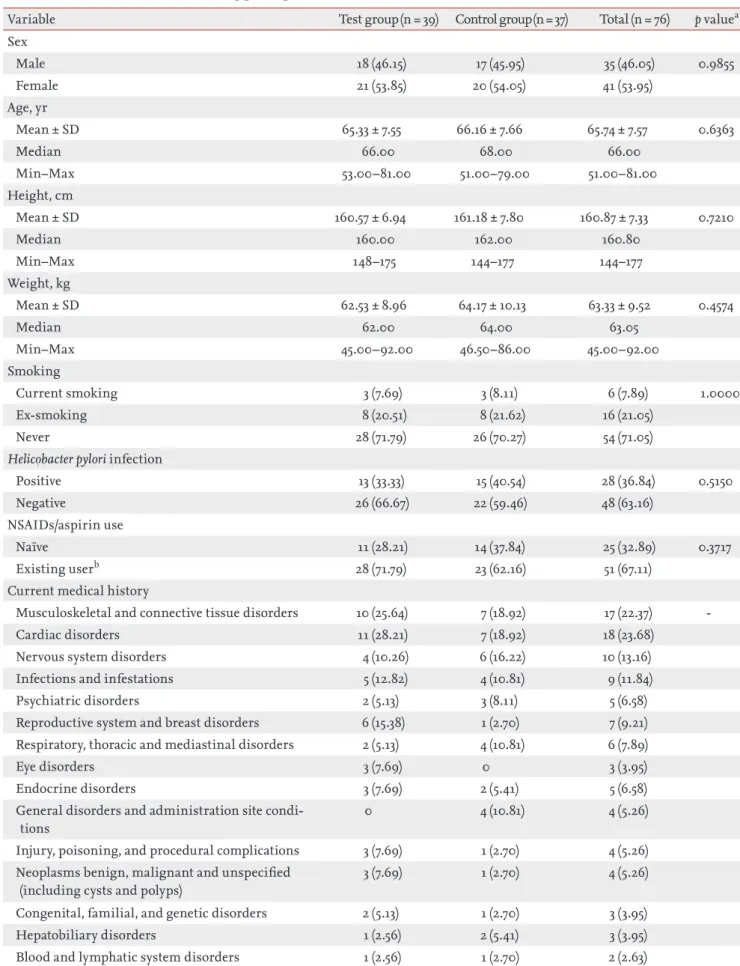
Table 2. Baseline characteristics of study participants

Variable Test group (n = 39) Control group (n = 37) Total (n = 76) p value a

Sex

Male 18 (46.15) 17 (45.95) 35 (46.05) 0.9855

Female 21 (53.85) 20 (54.05) 41 (53.95)

Age, yr

Mean ± SD 65.33 ± 7.55 66.16 ± 7.66 65.74 ± 7.57 0.6363

Median 66.00 68.00 66.00

Min–Max 53.00–81.00 51.00–79.00 51.00–81.00

Height, cm

Mean ± SD 160.57 ± 6.94 161.18 ± 7.80 160.87 ± 7.33 0.7210

Median 160.00 162.00 160.80

Min–Max 148–175 144–177 144–177

Weight, kg

Mean ± SD 62.53 ± 8.96 64.17 ± 10.13 63.33 ± 9.52 0.4574

Median 62.00 64.00 63.05

Min–Max 45.00–92.00 46.50–86.00 45.00–92.00

Smoking

Current smoking 3 (7.69) 3 (8.11) 6 (7.89) 1.0000

Ex-smoking 8 (20.51) 8 (21.62) 16 (21.05)

Never 28 (71.79) 26 (70.27) 54 (71.05)

Helicobacter pylori infection

Positive 13 (33.33) 15 (40.54) 28 (36.84) 0.5150

Negative 26 (66.67) 22 (59.46) 48 (63.16)

NSAIDs/aspirin use

Naïve 11 (28.21) 14 (37.84) 25 (32.89) 0.3717

Existing user b 28 (71.79) 23 (62.16) 51 (67.11)

Current medical history

Musculoskeletal and connective tissue disorders 10 (25.64) 7 (18.92) 17 (22.37) -

Cardiac disorders 11 (28.21) 7 (18.92) 18 (23.68)

Nervous system disorders 4 (10.26) 6 (16.22) 10 (13.16)

Infections and infestations 5 (12.82) 4 (10.81) 9 (11.84)

Psychiatric disorders 2 (5.13) 3 (8.11) 5 (6.58)

Reproductive system and breast disorders 6 (15.38) 1 (2.70) 7 (9.21)

Respiratory, thoracic and mediastinal disorders 2 (5.13) 4 (10.81) 6 (7.89)

Eye disorders 3 (7.69) 0 3 (3.95)

Endocrine disorders 3 (7.69) 2 (5.41) 5 (6.58)

General disorders and administration site condi- tions

0 4 (10.81) 4 (5.26)

Injury, poisoning, and procedural complications 3 (7.69) 1 (2.70) 4 (5.26) Neoplasms benign, malignant and unspecified

(including cysts and polyps)

3 (7.69) 1 (2.70) 4 (5.26)

Congenital, familial, and genetic disorders 2 (5.13) 1 (2.70) 3 (3.95)

Hepatobiliary disorders 1 (2.56) 2 (5.41) 3 (3.95)

Blood and lymphatic system disorders 1 (2.56) 1 (2.70) 2 (2.63)

(7)

males (53.95%). Their mean age, height, and body weight were 65.74 ± 7.57 years, 160.87 ± 7.33 cm, and 63.33 ± 9.52 kg, respectively. There was no statistically significant differ- ence in any demographic characteristics including H.

pylori infection status and history of NSAIDs or aspirin use between the two groups (Table 2). Medical history of subject was examined and presented as System Or- gan Class (SOC) and Preferred Term (PT) according to Medical Dictionary for Regulatory Activities (MedDRA) version 19.0 (MedDRA, McLean, VA, USA). There was no statistically significant difference in medical history be- tween treatment groups, including 15 cases of past his- tory of GI disorders in 13 patients (17.11%) and 28 cases of past medical history in 18 patients (23.68%) in the ITT group (p = 0.1358). Current history of continued use of NSAIDs or aspirin for more than 8 weeks was confirmed in 249 cases of 76 patients of ITT group (100%), includ- ing cases of vascular disorders (49 cases in 49 patients, 64.47%), metabolic and nutritional disorders (45 cases in 39 patients, 51.32%), musculoskeletal and connective tissue disorders (22 cases in 17 patients, 22.37%), and car- diac disorders (20 cases in 18 patients, 23.68%), and ner- vous system disorders (12 cases in 10 patients, 13.16%).

Current status of GI disorders was found in 33 cases of 26 patients (34.21%). Detailed medical history for the use of NSAIDs or aspirin was shown in Table 2.

Efficacy

Primary and secondary efficacy parameters in ITT group and PP group were analysed. ITT group was divided into NSAIDs or aspirin naive and NSAIDs or aspirin partici-

pating group with more than 7 days of wash-out period, H. pylori-positive group, and H. pylori-negative group.

Primary efficacy assessment

The ITT population had 76 patients (39 in the test group and 37 in the placebo group). Primary efficacy endpoint was MLS score of 5 and MLS score of 2 to 4 at 8 weeks.

Results of endoscopic finding by institutional investi- gators were confirmed by two independent evaluators and consistency in MLS standard score was confirmed.

Cohen’s weighted κ value for the agreement between institute investigator and independent evaluator 1 was 0.4707 (moderate concordance) and that between insti- tute investigator and independent evaluator 2 was 0.3566 (fair concordance).

(1) Incidence of peptic ulcer: At the end of the 8th week after administering the test drug, the percentage of pa- tients with peptic ulcer (MLS 5) was assessed. As a result, no subject (0%) in the test group and two subjects (5.41%) in the control group were found to have gastric ulcer (one case of peptic ulcer in aspirin-naive patient and one case in patient who was taking aspirin after abstinence for more than 7 days). Both cases occurred in H. pylori-nega- tive control patients. There was no statistical significance between groups (Table 3). Subgroup analysis did not show any statistical significance between groups either.

(2) Incidence of MLS: In endoscopic examination at 8 weeks after administering the test drug, 11 subjects (28.21%) in the test group and eight patients (21.62%) in the control group were found to have peptic inflam- mation with MLS of 2 to 4. There was no statistically Table 2. Continued

Variable Test group (n = 39) Control group (n = 37) Total (n = 76) p value a

Skin and subcutaneous tissue disorders 2 (5.13) 0 2 (2.63)

Ear and labyrinth disorders 0 1 (2.70) 1 (1.32)

Investigations 1 (2.56) 0 1 (1.32)

Renal and urinary disorders 0 1 (2.70) 1 (1.32)

Social circumstances 0 1 (2.70) 1 (1.32)

Surgical and medical procedures 1 (2.56) 0 1 (1.32)

Values are presented as number (%). Test group, irsogladine maleate (Gaslon N ® OD), 2 mg twice a day; Control group, placebo drug of irsogladine maleate 2 mg twice a day.

SD, standard deviation; NSAID, nonsteroidal anti-inflammatory drug.

a Test group vs. control group (continuous variable, independent t test; categorical variable, chi-square test; smoking, Fisher's exact test; H. pylori infection, NSAIDs/aspirin use, chi-square test).

b Previous users were guided to participate after wash-out period longer than 7 days.

(8)

significant difference in incidence of peptic inflamma- tion with MLS of 2 to 4 between the two groups (Table 3). Subgroup analysis did not show any statistically sig- nificant difference in incidence of peptic inflammation with MLS of 2 to 4 between groups either.

Incidence or aggravation of peptic ulcer/inflamma- tion by NSAIDs or aspirin treatment at 8 weeks after administering the test drug was assessed by MLS grade change between before and after test drug administra- tion. As a result, changes in the test group were im- provement in two (5.13%), unchanged in 26 (66.67%), and worsened in 11 (28.21%) patients. Changes in the control group were improvement in three (8.11%), unchanged in 20 (54.05%), and deteriorated in 14 patients (37.84%) (Ta- ble 4). Therefore, peptic ulcer/inflammation deteriora- tion was prevented slightly by administration of the test drug. However, the difference between the two groups was not statistically significant (unchanged + improve- ment vs. worsened, p = 0.3717; unchanged vs. improved vs. worsened, p = 0.5688) (Table 4). In subgroup analysis, for all subgroups except H. pylori-positive group, ad- ministration of test drug showed a tendency to prevent peptic ulcer/inflammation worsening. H. pylori-nega- tive subgroup analysis showed that changes in the test

group were improvement in one (3.85%), unchanged in 19 (73.08%), and deteriorated in six patients (23.08%).

Those in the control group were improvement in three (13.64%), unchanged in eight (36.36%), and worsened in 11 patients (50.00%). Differences between groups were statistically significant (unchanged + improvement vs.

worsened, p = 0.0520; unchanged vs. improvement vs.

worsened, p = 0.0247) (Table 4).

Secondary efficacy assessment

(1) Number of acute erosions: The number of acute ero- sions confirmed by endoscopy at 8 weeks as a secondary efficacy variable was 0.79 ± 1.82 in the stomach of the test group, 0 in the duodenum of the test group, 1.05 ± 1.96 in the stomach of the control group, and 0.14 ± 0.82 in the duodenum of the control group. Therefore, a total of 0.79 ± 1.82 and 1.19 ± 2.42 acute erosions were iden- tified in the test group and control group, respective- ly. The number of acute erosions tended to be smaller in the test drug group compared to that in the control group. However, the difference between the two was not statistically significant (p = 0.5884) (Supplementary Ta- ble 1). In subgroup analysis, for all subgroups except H.

pylori-positive group, test group showed a tendency to Table 3. Comparison of severity of mucosal injury based on modified Lanza score at 8 weeks after treatment

Mucosa injury Test group (n = 39) Control group (n = 37) p value

No occurrence (Grade 0–1) 28 (71.79) 27 (72.97) 0.4337 a

Occurrence (Grade 2–4) 11 (28.21) 8 (21.62)

Peptic ulcer (Grade 5) 0 2 (5.41) 0.2337 b

Grade 0 (no visible lesion) 24 (61.54) 22 (59.45)

Grade 1 (mucosal hemorrhages only) 4 (10.26) 5 (13.51)

Grade 2 (one or two erosions) 7 (17.95) 3 (8.11)

Grade 3 (numerous [3–10] numbers of erosions) 3 (7.69) 5 (13.51)

Grade 4 (large [> 10] numbers of erosions) 1 (2.56) 0

Grade 5 (ulcer) 0 2 (5.41)

Institute investigator vs. independent evaluator 1 concordance rate c

0.4707 Institute investigator vs. independent evaluator 2

concordance rate c

0.3566 Values are presented as number (%). Test group, irsogladine maleate (Gaslon N ® OD), 2 mg twice a day; Control group, placebo drug of irsogladine maleate 2 mg twice a day.

a Fisher’s exact test.

b For peptic ulcer, Fisher's exact test.

c Cohen’s weighted κ value: not the occurrence, concordance rate of modified Lanza score.

(9)

have a smaller number of acute erosions compared to the control group. However, the difference between the two groups was not statistically significant. The number of acute erosions in the stomach and duodenum deter- mined by institutional investigator showed fair (0.610 or 0.564) and good (0.663 or 0.692) agreement with the number of acute erosion evaluated by independent eval- uator 1 or 2, respectively (Supplementary Table 1).

(2) MDA level changes based on endoscopic biopsy:

Changes in MDA levels measured at 8 weeks versus baseline were –0.22 ± 0.94 nmol/µL in the test group and –0.05 ± 0.70 nmol/µL in the control group. However, the reduction in MDA level was not statistically significant in either group. The reduction in MDA level in the test group at 8 weeks after administration of the test drug was about four times higher than that in the control group. However, the difference between the two was not statistically significant (p = 0.4098) (Supplementary Ta- ble 2). Similar trends were observed in all subgroups.

(3) Efficacy against edema: After the treatment, chang- es for edema in the test group were improvement in one (2.56%), unchanged in 36 (92.31%), and worsening in two patients (5.13%). Changes for edema in the control group were improvement in one (2.70%), unchanged in 31 (83.78%), and deteriorated in five patients (13.51%).

However, difference was not statistically significant (un- changed + improved vs. worsened, p = 0.2562; unchanged vs. improved vs. worsened, p = 0.6229) (Table 5). Subgroup analysis showed that administration of test drug tended to prevent edema in all subgroups. In particular, H. py- lori-negative subgroup analysis showed that 26 patients (100%) in the test group were unchanged. However, in the control group, one patient (4.55%) was improved, 17 (77.27%) were unchanged, and four (18.18%) were wors- ened (unchanged vs. improved vs. worsened, p = 0.0154;

unchanged + improved vs. worsened, p = 0.0376). Their differences were statistically significant (Table 5). Re- sults of edema evaluation by institutional investigators showed fair or poor agreement with results determined by two independent evaluators.

(4) Efficacy against redness: The protection efficacy of test drug against NSAIDs or aspirin-induced redness was evaluated by determining the degree of flares (normal, mild, moderate, severe) through gastroscopy at baseline and the 8th week. As a result, changes in NSAIDs or aspi- rin-induced redness in the test group were improved in eight (20.51%), unchanged in 21 (53.85%), and worsened in 10 patients (25.64%). In the control group, those chang- es were improved in eight (21.62%), unchanged in 19 (51.35%), and worsened in 10 patients (27.03%). There was Table 4. Changes of modified Lanza score (MLS) at 8 weeks after treatment compared to MLS at baseline

Variable Test group Control group p value p value

Total 39 37 0.3717 a 0.5688 b

Unchanged 26 (66.67) 20 (54.05)

Improved 2 (5.13) 3 (8.11)

aggravated 11 (28.21) 14 (37.84)

Helicobacter pylori + 13 15 0.4097 c 0.2966 b

Unchanged 7 (53.85) 12 (80.00)

Improved 1 (7.69) 0

Worsened 5 (38.46) 3 (20.00)

Helicobacter pylori – 26 22 0.0520 a 0.0247 b

Unchanged 19 (73.08) 8 (36.36)

Improved 1 (3.85) 3 (13.64)

Worsened 6 (23.08) 11 (50.00)

Values are presented as number (%). Test group, irsogladine maleate (Gaslon N ® OD), 2 mg twice a day; Control group, placebo drug of irsogladine maleate 2 mg twice a day.

a Intergroup comparison (unchanged + improved vs. worsened): chi-square test.

b Intergroup comparison (unchanged vs. improved vs. worsened): Fisher's exact test.

c Intergroup comparison (unchanged + improved vs. worsened): Fisher's exact test.

(10)

Table 5. Efficacy against edema by gastroscopy at 8 weeks after treatment

Variable Test group Control group p value a p value b

Total 39 37 0.2562 0.6229

Baseline

No 36 (92.31) 33 (89.19)

Yes 3 (7.69) 4 (10.81)

8 Weeks

No 35 (89.74) 29 (78.38)

Yes 4 (10.26) 8 (21.62)

Change at 8 weeks from baseline

Unchanged 36 (92.31) 31 (83.78)

Improved 1 (2.56) 1 (2.70)

Worsened 2 (5.13) 5 (13.51)

Helicobacter pylori + 13 15 0.5833 0.3833

Baseline

No 11 (84.62) 14 (93.33)

Yes 2 (15.38) 1 (6.67)

8 Weeks

No 10 (76.92) 13 (86.67)

Yes 3 (23.08) 2 (13.33)

Change at 8 weeks from baseline

Unchanged 10 (76.92) 14 (93.33)

Improved 1 (7.69) 0

Worsened 2 (15.38) 1 (6.67)

Helicobacter pylori – 26 22 0.0376 0.0154

Baseline

No 25 (96.15) 19 (86.36)

Yes 1 (3.85) 3 (13.64)

8 Weeks

No 25 (96.15) 16 (72.73)

Yes 1 (3.85) 6 (27.27)

Change at 8 weeks from baseline

Unchanged 26 (100) 17 (77.27)

Improved 0 1 (4.55)

Worsened 0 4 (18.18)

Institute investigator vs. independent evaluator 1 concordance rate Cohen’s weighted κ value

Baseline –0.0585

8 Weeks 0.2549

Institute investigator vs. independent evaluator 2 concordance rate Cohen’s weighted κ value

Baseline –0.0585

8 Weeks 0.1307

Values are presented as number (%). Test group, irsogladine maleate (Gaslon N ® OD), 2 mg twice a day; Control group, placebo drug of irsogladine maleate 2 mg twice a day.

a Intergroup comparison (unchanged + improved vs. worsened): Fisher's exact test.

b Intergroup comparison (unchanged vs. improved vs. worsened): Fisher's exact test.

(11)

no statistically significant difference in redness changes between the two groups (unchanged + improvement vs.

worsening, p = 0.8909; unchanged vs. improved vs. wors- ening, p = 0.9766). There was no statistically significant difference in subgroup analysis between the two groups either. Results of redness evaluated by institutional in- vestigators showed fair or poor agreement with results determined by two independent evaluators.

(5) Efficacy against haemorrhage: Baseline and 8th week gastroscopies were performed to evaluate the de- gree of hemorrhage (none, 1 lesion, 2 to 5 lesions, 6 to 10 lesions, or more than 10 lesions). Prevention of NSAIDs or aspirin-induced hemorrhage was evaluated. As a result, changes in hemorrhage in the test group were improved in 0 (0%), unchanged in 34 (87.18%), and ag- gravated in five patients (12.82%). In the control group, these changes were improved in two (5.41%), unchanged in 31 (83.78%), and aggravated in four patients (10.81%).

There was no statistically significant difference in changes of hemorrhage between the two groups (unchanged + im- proved vs. aggravated, p = 1.0000; unchanged vs. improved vs. worsened, p = 0.4361). In subgroup analysis, there was statistically significant difference in hemorrhage changes between the two groups in the H. pylori-positive group (un- changed + improved vs. worsened, p = 0.0349; unchanged vs. improved vs. worsened, p = 0.0349). However, the num- ber of subjects used in this study was small. In other sub- groups, there was no statistical significance in hemor- rhage changes between the two treatment groups. Results of hemorrhage evaluation by institutional investigators showed fair or poor agreement with results obtained by two independent evaluators.

(6) Efficacy against subjective symptoms: The frequency and severity of GI symptoms were evaluated using Korean version of the Nepean Dyspeptic Index (NDI). NDI aware- ness symptom evaluation scale consisted of 10 GI symp- toms. The frequency of each question was rated 0 to 4 points and the severity was scored 0 to 3 points. The higher the score, the greater the frequency and symptoms. Total score changes of subjective symptom frequency between the 8th week and baseline in test group were improved in 10 (25.64%), unchanged in 13 (33.33%), and deteriorated in 16 patients (41.03%). In the control group, these changes were improved in 12 (32.43%), unchanged in 15 (40.54%), and ag- gravated in 10 patients (27.03%). There was a trend of in- creased subjective symptom frequency in the test group.

However, the difference between the two groups was not statistically significant (unchanged + improved vs. wors- ening, p = 0.1985; unchanged vs. improved vs. worsening, p = 0.4365). All subgroups showed similar trends.

As a result of evaluating total score changes for the degree of subjective symptom at the 8th week compared to those at baseline based on case rate, changes in subjective symp- toms were improved in eight (20.51%), unchanged in 16 (41.03%), and deteriorated in 15 patients (38.46%) in the test group. In the control group, these changes were improved in 11 (29.73%), unchanged in 15 (40.54%), and aggravated in 11 patients (29.73%). There was no statistically significant different between the two treatment groups (unchanged + improved vs. worsening, p = 0.4226; unchanged vs. im- proved vs. worsening, p = 0.5858).

Safety

A total of 19 adverse events occurred in 16 out of 87 pa- tients in the safety group. There was no statistically sig- nificant difference in adverse events between the two treatment groups. Two serious adverse events (10.53%) occurred. Patients were hospitalized due to chest dis- comfort and influenza symptoms. However, there was no causal relationship between the two events and the clinical trial drug. GI disorders were the most common (six cases, 6.90%). At 4 and 8 weeks after administration of the drug for clinical trial, rescue drug was adminis- tered 6.55 ± 11.23 times in the test group and 6.92 ± 7.98 times in the control group at 4 weeks and was adminis- tered 5.90 ± 8.16 times in the test group and 4.70 ± 6.94 times in the control group at 8 weeks. There was no sig- nificant difference in the number of rescue drug admin- istration between the two groups.

DISCUSSION

The present study evaluated the efficacy and safety of ir-

sogladine maleate for preventing NSAIDs or aspirin-in-

duced peptic ulcer and gastritis in patients who were

more than 50 years old. There were two cases of peptic

ulcer in the placebo group and no peptic ulcer in the

test group. However, the difference in the incidence of

peptic ulcer between the two groups did not reach sta-

tistical significance mainly due to small number of sub-

jects used in this study. Another significant finding was

(12)

that changes in MLS score (p = 0.0247) and edema score (p = 0.0154) were statistically significant between before and after treatment in H. pylori-negative patients. This means that the protective effect of irsogladine maleate is prominent when subjects are H. pylori-negative. H. pylo- ri-infected gastric mucosa or gastric epithelial cell lines have shown inhibition in HKα promotor activity of en- dogenous or transfected H,K-ATPase [35]. Chronic H. py- lori infection in the antrum can up-regulate gastrin and subsequently elevate acid secretion while chronic infec- tion in the corpus can lead to impaired acid secretion by direct suppression of H,K-ATPase or involvement of cytokines such as interleukin-1β or tumor necrosis factor-α [36]. Therefore, direct inhibition of H,K-AT- Pase, indirect inhibition through cytokines, and loss of parietal cells by ongoing inflammation are three mech- anisms associated with low acid secretion in chronic corpus predominant gastritis [37]. In addition, only 40%

of H. pylori-negative peptic ulcer Korean patients who received continuous PPI infusion reached target pH > 6 for more than 60% of the time, which was significantly lower than that in the H. pylori-positive group at 87.5% (p

= 0.026) [38]. Taken together, these results suggest that adequate acid inhibition might be difficult in H. pylo- ri-negative patients. However, significant protective ef- fect of irsogladine maleate in H. pylori-negative subjects was found in the present study. This suggests that, when NSAIDs or aspirin is unavoidable in patients who are over 50 years old, gastroprotective drug should be add- ed, especially in the absence of H. pylori-induced buffer effect. Another supportive evidence for this assumption was that two subjects who developed gastric ulcers while taking NSAIDs or aspirin in the placebo group were H.

pylori-negative subjects. Our results favour results of previous reports showing that H. pylori gastritis is not a risk factor for gastroduodenal damage in subjects taking NSAIDs or aspirin [39-43].

The mechanism of action of irsogladine maleate (Gas- lon N® OD) is known to cause mucoprotection through activating intercellular communication and increasing gastric mucosal blood flow, anti-inflammatory action, and maintenance of mucosal hydrophobicity [44-46].

However, primary or secondary outcomes were not significantly different between test group and control groups, although we recruited patients at age of more than 50 years old with an average age of 65.74 years. This

might be due to the fact that insufficient number of sub- jects were recruited to find difference between the two groups. The incidence of peptic ulcer (21.7%) in the hypo- thetical placebo group was somewhat high. However, it did not sufficiently reflect the recent tendency of decreasing prevalence of peptic ulcer [47]. Moreover, the protective ef- fect of misoprostol for peptic ulceration was also relatively high in the reference study [24]. In spite of this critical lim- itation, two cases in the placebo group showed peptic ulcer while none in the test group showed peptic ulcer. These two cases of peptic ulcer were both H. pylori-negative pa- tients. In addition, H. pylori-negative group showed signif- icant changes in MLS score (p = 0.0247) and edema score (p

= 0.0154) between before and after the treatment. These re- sults suggest that irsogladine maleate might have potential as a protective agent against NSAIDs or aspirin-induced peptic ulcer and gastritis.

KEY MESSAGE

1. The widespread use of nonsteroidal anti-inflam- matory drugs (NSAIDs) raises the risk of drug side effects, including gastrointestinal damage.

The risk of gastric mucosal defects (erosion or pe- techiae) in patients with long-term use of NSAIDs has been reported to be about 50%.

2. Misoprostol and proton pump inhibitor prepara- tions are usually recommended to prevent NSAID or aspirin-induced peptic ulcer and gastritis, espe- cially for the elderly. However, there are limitations of their usage such as abdominal pain and long- term use related various side effects, respectively.

3. Irsogladine maleate (Gaslon N® OD, Taejoon Pharm Co. Ltd.) is an enhancer of gastric mu- cosal protective factors. Our study suggests that its potential as a protective agent against NSAIDs or aspirin-induced peptic ulcer and gastritis in Helicobacter pylori-negative subjects.

Conflict of interest

This study was funded by a grant from Taejoon Pharm

Co. Ltd., Seoul, South Korea.

(13)

REFERENCES

1. Coxib and traditional NSAID Trialists' (CNT) Collabora- tion, Bhala N, Emberson J, et al. Vascular and upper gas- trointestinal effects of non-steroidal anti-inflammatory drugs: meta-analyses of individual participant data from randomised trials. Lancet 2013;382:769-779.

2. Sostres C, Gargallo CJ, Lanas A. Nonsteroidal anti-inflam- matory drugs and upper and lower gastrointestinal mu- cosal damage. Arthritis Res Ther 2013;15 Suppl 3:S3.

3. Lanza FL. A review of gastric ulcer and gastroduodenal injury in normal volunteers receiving aspirin and other non-steroidal anti-inflammatory drugs. Scand J Gastro- enterol Suppl 1989;163:24-31.

4. Kim JJ, Kim N, Lee BH, et al. Risk factors for develop- ment and recurrence of peptic ulcer disease. Korean J Gastroenterol 2010;56:220-228.

5. Bae S, Kim N, Kang JM, et al. Incidence and 30-day mor- tality of peptic ulcer bleeding in Korea. Eur J Gastroen- terol Hepatol 2012;24:675-682.

6. Bae S, Shim KN, Kim N, et al. Incidence and short-term mortality from perforated peptic ulcer in Korea: a popu- lation-based study. J Epidemiol 2012;22:508-516.

7. Kang JM, Kim N, Kim JH, et al. Effect of aging on gastric mucosal defense mechanisms: ROS, apoptosis, angio- genesis, and sensory neurons. Am J Physiol Gastrointest Liver Physiol 2010;299:G1147-G1153.

8. Sung JJ, Chan FK, Chen M, et al. Asia-Pacific Working Group consensus on non-variceal upper gastrointestinal bleeding. Gut 2011;60:1170-1177.

9. Song HJ, Kwon JW, Kim N, Park YS. Cost effectiveness associated with Helicobacter pylori screening and eradi- cation in patients taking nonsteroidal anti-inflammatory drugs and/or aspirin. Gut Liver 2013;7:182-189.

10. Malfertheiner P, Megraud F, O'Morain CA, et al. Manage- ment of Helicobacter pylori infection: the Maastricht IV/

Florence Consensus Report. Gut 2012;61:646-664.

11. Cryer B, Feldman M. Effects of very low dose daily, long- term aspirin therapy on gastric, duodenal, and rectal prostaglandin levels and on mucosal injury in healthy humans. Gastroenterology 1999;117:17-25.

12. Goldstein JL, Lowry SC, Lanza FL, Schwartz HI, Dodge WE. The impact of low-dose aspirin on endoscopic gas- tric and duodenal ulcer rates in users of a non-selective non-steroidal anti-inflammatory drug or a cyclo-oxy- genase-2-selective inhibitor. Aliment Pharmacol Ther

2006;23:1489-1498.

13. Hernandez-Diaz S, Garcia Rodriguez LA. Cardioprotec- tive aspirin users and their excess risk of upper gastroin- testinal complications. BMC Med 2006;4:22.

14. Niv Y, Battler A, Abuksis G, Gal E, Sapoznikov B, Vilkin A.

Endoscopy in asymptomatic minidose aspirin consum- ers. Dig Dis Sci 2005;50:78-80.

15. Yeomans ND, Lanas AI, Talley NJ, et al. Prevalence and in- cidence of gastroduodenal ulcers during treatment with vascular protective doses of aspirin. Aliment Pharmacol Ther 2005;22:795-801.

16. Cheung DY, Jung HY, Song HJ, et al. Guidelines of treat- ment for non-bleeding peptic ulcer disease. Korean J Gastroenterol 2009;54:285-297.

17. Ali T, Roberts DN, Tierney WM. Long-term safety concerns with proton pump inhibitors. Am J Med 2009;122:896-903.

18. Kyoi T, Noda K, Oka M, Ukai Y. Irsogladine, an anti-ulcer drug, suppresses superoxide production by inhibiting phosphodiesterase type 4 in human neutrophils. Life Sci 2004;76:71-83.

19. Ueda F, Kameda Y, Yamamoto O, Shibata Y. Beta-adren- ergic regulation of gap-junctional intercellular commu- nication in cultured rabbit gastric epithelial cells. J Phar- macol Exp Ther 1994;271:397-402.

20. Kyoi T, Oka M, Noda K, Ukai Y. Irsogladine prevents monochloramine-induced gastric mucosal lesions by improving the decrease in mucosal blood flow due to the disturbance of nitric oxide synthesis in rats. J Pharmacol Sci 2003;93:314-320.

21. Sato M, Manabe N, Hata J, et al. Effect of irsogladine ma- leate on NSAID-induced reduction of gastric mucosal blood flow in anesthetized dogs. Digestion 2009;79:73-78.

22. Tatsumi Y, Tanino M, Kodama T, Kashima K, Katsura M, Okuma S. Irsogladine maleate may preserve gastric mu- cosal hydrophobicity against ethanol in phospholipids independent way in rats. Jpn J Pharmacol 1998;77:293-299.

23. Desai JC, Sanyal SM, Goo T, et al. Primary prevention of adverse gastroduodenal effects from short-term use of non-steroidal anti-inflammatory drugs by omeprazole 20 mg in healthy subjects: a randomized, double-blind, pla- cebo-controlled study. Dig Dis Sci 2008;53:2059-2065.

24. Graham DY, Agrawal NM, Roth SH. Prevention of NSAID-induced gastric ulcer with misoprostol: multi- centre, double-blind, placebo-controlled trial. Lancet 1988;2:1277-1280.

25. Laine L. Nonsteroidal anti-inflammatory drug gastropa-

(14)

thy. Gastrointest Endosc Clin N Am 1996;6:489-504.

26. Laine L. The gastrointestinal effects of nonselective NSAIDs and COX-2-selective inhibitors. Semin Arthritis Rheum 2002;32(3 Suppl 1):25-32.

27. Lee OY, Kang DH, Lee DH, et al. A comparative study of DA-9601 and misoprostol for prevention of NSAID-associ- ated gastroduodenal injury in patients undergoing chronic NSAID treatment. Arch Pharm Res 2014;37:1308-1316.

28. Niwa Y, Nakamura M, Ohmiya N, et al. Efficacy of rebam- ipide for diclofenac-induced small-intestinal mucosal injuries in healthy subjects: a prospective, randomized, double-blinded, placebo-controlled, cross-over study. J Gastroenterol 2008;43:270-276.

29. Thongbai T. The prevalence of gastroduodenal mucosal injuries in aspirin users. J Med Assoc Thai 2013;96:1423- 1427.

30. Zhang S, Qing Q, Bai Y, et al. Rebamipide helps defend against nonsteroidal anti-inflammatory drugs induced gastroenteropathy: a systematic review and meta-analysis.

Dig Dis Sci 2013;58:1991-2000.

31. Jo HJ, Kim N, Nam RH, et al. The effect of Cochinchina momordica seed extract on gastric acid secretion and morphologic change in aged rat stomach. Gut Liver 2013;7:560-568.

32. Lanza FL, Royer GL Jr, Nelson RS, Rack MF, Seckman CC. Ethanol, aspirin, ibuprofen, and the gastroduodenal mucosa: an endoscopic assessment. Am J Gastroenterol 1985;80:767-769.

33. Lanza FL. Endoscopic studies of gastric and duodenal injury after the use of ibuprofen, aspirin, and other nonste- roidal anti-inflammatory agents. Am J Med 1984;77:19-24.

34. Tytgat GN. The Sydney System: endoscopic division. En- doscopic appearances in gastritis/duodenitis. J Gastroen- terol Hepatol 1991;6:223-234.

35. Smolka AJ, Backert S. How Helicobacter pylori infection controls gastric acid secretion. J Gastroenterol 2012;47:609- 618.

36. Beales IL, Calam J. Interleukin 1 beta and tumour necro- sis factor alpha inhibit acid secretion in cultured rabbit parietal cells by multiple pathways. Gut 1998;42:227-234.

37. Kim N, Choi YJ. Change of acid secretions, ghrelin and leptin, by H. pylori. In: Kim N, ed. Helicobacter pylori.

Singapore: Springer Co., 2016:53-76.

38. Choi KD, Kim N, Jang IJ, et al. Optimal dose of intrave-

nous pantoprazole in patients with peptic ulcer bleeding requiring endoscopic hemostasis in Korea. J Gastroenter- ol Hepatol 2009;24:1617-1624.

39. Goggin PM, Collins DA, Jazrawi RP, et al. Prevalence of Helicobacter pylori infection and its effect on symptoms and non-steroidal anti-inflammatory drug induced gas- trointestinal damage in patients with rheumatoid arthri- tis. Gut 1993;34:1677-1680.

40. Kim JG, Graham DY. Helicobacter pylori infection and development of gastric or duodenal ulcer in arthritic pa- tients receiving chronic NSAID therapy. The Misoprostol Study Group. Am J Gastroenterol 1994;89:203-207.

41. Laine L, Cominelli F, Sloane R, Casini-Raggi V, Marin-So- rensen M, Weinstein WM. Interaction of NSAIDs and Helicobacter pylori on gastrointestinal injury and pros- taglandin production: a controlled double-blind trial.

Aliment Pharmacol Ther 1995;9:127-135.

42. Lanza FL, Evans DG, Graham DY. Effect of Helicobacter pylori infection on the severity of gastroduodenal mu- cosal injury after the acute administration of naproxen or aspirin to normal volunteers. Am J Gastroenterol 1991;86:735-737.

43. Thillainayagam AV, Tabaqchali S, Warrington SJ, Farthing MJ. Interrelationships between Helicobacter pylori infec- tion, nonsteroidal antiinflammatory drugs and gastrodu- odenal disease. A prospective study in healthy volunteers.

Dig Dis Sci 1994;39:1085-1089.

44. Akagi M, Amagase K, Murakami T, Takeuchi K. Irsogladine:

overview of the mechanisms of mucosal protective and healing- promoting actions in the gastrointestinal tract.

Curr Pharm Des 2013;19:106-114.

45. Kuramoto T, Umegaki E, Nouda S, et al. Preventive effect of irsogladine or omeprazole on non-steroidal anti-in- flammatory drug-induced esophagitis, peptic ulcers, and small intestinal lesions in humans, a prospective ran- domized controlled study. BMC Gastroenterol 2013;13:85.

46. Murakami K, Okimoto T, Kodama M, et al. Comparison of the efficacy of irsogladine maleate and famotidine for the healing of gastric ulcers after Helicobacter pylori eradication therapy: a randomized, controlled, prospec- tive study. Scand J Gastroenterol 2011;46:287-292.

47. Sung JJ, Kuipers EJ, El-Serag HB. Systematic review: the global incidence and prevalence of peptic ulcer disease.

Aliment Pharmacol Ther 2009;29:938-946.

(15)

Supplementary Table 1. Number of acute erosions at 8 weeks after treatment

Variable Test group (n = 39) Control group (n = 37) p value a

Stomach

Mean ± SD 0.79 ± 1.82 1.05 ± 1.96 0.6021

Median 0 0

Min–Max 0–9.00 0–7.00

Duodenum

Mean ± SD 0 0.14 ± 0.82 0.3171

Median 0 0

Min–Max 0–0 0–5.00

Stomach + duodenum

Mean ± SD 0.79 ± 1.82 1.19 ± 2.42 0.5884

Median 0 0

Min–Max 0–9.00 0–11.00

Institute investigator vs. independent evaluator 1 concordance rate Intraclass correlation coefficient

Stomach 0.610

Duodenum 0.663

Institute investigator vs. independent evaluator 2 concordance rate Intraclass correlation coefficient

Stomach 0.564

Duodenum 0.692

Test group, irsogladine maleate (Gaslon N ® OD), 2 mg twice a day; Control group, placebo drug of irsogladine maleate 2 mg twice a day.

SD, standard deviation.

a Intergroup comparison: Wilcoxon rank sum test.

(16)

Supplementary Table 2. Malondialdehyde level changes obtained by endoscopic biopsy at 8 weeks after treatment

Variable Test group (n = 38) Control group (n = 33)

Baseline

Mean ± SD 1.23 ± 1.14 1.23 ± 0.87

Median 0.87 0.97

Min–Max 0.08 to 5.66 0.19 to 3.27

8 Weeks

Mean ± SD 1.01 ± 0.94 1.18 ± 0.75

Median 0.65 1.21

Min–Max 0 to 3.55 0.13 to 3.60

Change at 8 weeks from baseline a

Mean ± SD –0.22 ± 0.94 –0.05 ± 0.70

Median –0.02 0.01

Min–Max –2.45 to 2.24 –1.65 to 1.18

p value 0.2859 b 0.6739 c

p value d 0.4098

Test group, irsogladine maleate (Gaslon N ® OD), 2 mg twice a day; Control group, placebo drug of irsogladine maleate 2 mg twice a day.

SD, standard deviation.

a Change = 8 weeks – baseline.

b Intragroup comparison: Wilcoxon signed rank test.

c Intragroup comparison: Paired t test.

d Intergroup comparison: Wilcoxon rank sum test.

수치

Figure 1. Flow chart showing enrolled patients and dropouts from the study. ITT, intention-to-treat; PP, per protocol; IP, in- in-vestigational product
Table 2. Baseline characteristics of study participants
Table 5. Efficacy against edema by gastroscopy at 8 weeks after treatment

참조

관련 문서