Received: June 20, 2014 / Revised: June 20, 2014 / Accepted: June 20, 2014 Address for correspondence: Seong-Eun Koh, MD
Department of Rehabilitation Medicine, Konkuk University Medical Center and Konkuk University School of Medicine, 120-1 Neungdong-ro, Hwayang-dong, Gwangjin-gu, Seoul 142-729, Korea
Tel: +82-32-2030-8152, Fax: +82-2-2030-5739, E-mail: [email protected]
척수 손상 환자의 자율신경 반사이상 및 통증
건국대학교 의학전문대학원 재활의학교실
김수진ㆍ고성은
Autonomic Dysfunctions and Pain in Patients with Spinal Cord Injury
Soo Jin Kim, MD, Seong-Eun Koh, MD, PhD
Department of Rehabilitation Medicine, Konkuk University Medical Center and Konkuk University School of Medicine, Seoul, Korea
ABSTRACT Spinal cord injury (SCI) causes medical complications as well as neurological problems. Among the complications, autonomic dysreflexia and pain are problems which need rapid and proper management.
Autonomic dysreflexia is well known clinical emergency in patients with SCI, especially with injury at level T6 or above. An adverse stimulus originating below the level of SCI, most commonly irritation of the urinary bladder or colon, triggers a massive sympathetic discharge and results in acute increase of blood pressure which can lead hypertensive crisis. Management starts with lowering blood pressure and elimination of causes. Pharmacological agents should be initiated when systolic blood pressure remains elevated over 150mmHg. For prevention of autonomic dysreflexia, it is important to manage bladder and bowel properly and educate patients with SCI and their family. Pain in patients with SCI is common problem which decrease quality of life. Bryce-Ragnarsson introduced an SCI pain taxonomy based on pain locations (above level, at level, and below level), characters (nociceptive or neuropathic) and etiologic subtype. Patients with SCI often complain pain above injury level caused by repetitive microtrauma and neuropathic pain below injury level. For patients with mild symptoms, management starts from explaining pain character and reassurance. Pharmacological intervention includes antidepressants, anticonvulsants, analgesics and opioids. For severe pain, surgical intervention can be considered.
(J Pain Auton Disord 2014;3:28-33) KEYWORDS Spinal cord injury, Autonomic dysfunctions, Pain
서 론
척수 손상은 개인적인 문제뿐만 아니라 인간으로서 사회 적 활동을 제약하는 커다란 문제를 일으킨다. 결국 환자로 하여금 삶의 질 및 만족도를 저하시키고, 여러 가지 사회활
동에 대한 참여를 방해 받고, 직업적 불안정성을 초래하게
되는 것이다. 척수 손상은 신경계통 이상뿐만 아니라 여러
가지 내과적 합병증을 유발하게 되는데 자율신경계 이상으
로 인한 심혈관계 합병증과 통증의 문제는 신속하고 적절한
대처한 필요한 부분이다.
Figure 1. Mechanism of autonomic dysreflexia. ① A strong afferent stimulus (not necessarily noxious) originated below spinal cord lesion causes the autonomic dysreflexia being carried into the spinal cord via intact peripheral nerves. The most common input comes from bladder and bowel. ② This strong sensory input travels up the spinal cord and evokes a massive reflex sympathetic discharge from the thoracolumbar sympathetic nerves, causing wide- spread vasoconstriction, most significantly in the subdiaphragmatic (or splanchnic) vasculature. Thus, peripheral arterial hypertension occurs. ③ The brain detects this hypertensive crisis through the carotid baroreceptors and cranial nerves IX and X. ④ The brain attempts to control high blood pressure by sending inhibitory impulses to sympathetic system. Thesesdescending inhibitory im- pulses are blocked in the injured spinal cord because of the spinal cord injury at T6 or above. The brain also attempts to lower peri- pheral blood pressure through an intact parasympathetic nerve causing compensatory bradycardia which is inadequate and hyper- tension persists.
1. 자율신경 반사이상(autonomic dysreflexia)
자율신경 반사이상은 통증 자극에 의해 교감신경계의 갑작 스런 항진으로 인해 급격한 혈압 증가를 특징으로 하며 매우 위험한 상황을 초래할 수 있다 . 이를 조기에 인지하지 못하 거나 치료하지 않을 경우 고혈압성 발증(hypertensive crisis), 경련 , 부정맥, 심근경색, 뇌출혈 등을 유발하여 사망에 이르 게 할 수 있다 .
1자율신경계 반사이상은 척수손상 부위 하부 척수절의 신 체 부위에서 발생된 유해 자극에 의해 비정상적인 교감신경 활성으로 유발되는 급성 증후군이며, 전형적으로 제6번 흉수 (T6) 이상의 손상에서 발생한다.
3,5자율신경계 반사이상이 발 생하면 발작성 고혈압 , 심한 두통, 발한, 비울혈(nasal congestion), 안면 홍조(facial flushing), 입모(piloerection), 반사적 서맥(reflex bradycardia) 등의 증상이 나타난다. 이는 척수손상 부위 하부 의 유해자극에 의한 내장 혈관 (splanchnic vasculature) 수축을 억제하는 기능이 차단되어 나타나는 현상이다. 과도한 혈관 수축으로 말초에서의 저항이 증가되어 혈압이 상승하고, 혈 압의 상승은 경동맥 압수용체(baroreceptor)를 자극하고 부교 감신경 신호를 증가시켜서 반사적 서맥(reflex bradycardia)을 유발한다(Fig. 1). 자율신경 반사이상에 의한 혈압 증가는 기 저 혈압보다 20-40 mmHg 이상 돌발적으로 증가하면 고혈압 이 있다고 판단한다.
6서맥은 항상 나타나지는 않으며 빈맥 (tachycardia) 혹은 정상 심박동(normal sinus rhythm)을 보이 기도 한다. 두통, 손상부위 상부의 과도한 발한과 얼굴홍조 등이 증상으로 나타난다. 사지마비 환자의 경우 안정 시 수 축기 혈압이 정상인보다 낮은 90-100 mmHg임을 감안하여 혈압상승을 판단해야 한다.
5.7사지마비 혹은 높은 신경학적 손상 수준의 양하지 마비 환 자에서 약 48-90%에서 발생이 보고되고 있으며,
8-15손상 후 6 개월 이내에 주로 발생하는 것으로 되어 있지만, 13년 후에 발생한 보고도 있을 정도로 기간이 일정하지는 않다. 척수의 완전 손상 혹은 불완전 손상 여부도 자율신경 반사이상 발생 의 중요한 요인으로 작용한다. 불완전 사지 마비 환자에서는 27% 정도 발생하며, 완전 사지 마비 환자에서는 91%까지 나 타나는 것으로 보고되고 있다.
12유해자극으로 주로 발생하며 가장 흔한 원인은 과도한 방광 팽창이나 방광염 및 직장 신 전으로 전체 원인의 약 80%를 차지한다.
4,5,13그 외 욕창, 내
생발톱(ingrown toenail), 끼는 옷이나 신발, 급성 복부 질환, 골절 등의 원인이 있다. 그러나 간혹 원인을 찾지 못하는 경 우도 있다.
부교감신경은 제10 뇌신경인 미주신경을 통해 중추신경을
나오게 되므로 대부분 척수손상에서는 정상이다 . 그러나 교감
신경은 제6 흉수 이하에서 나오므로 이것보다 높은 부위에서
손상을 받으면 신경절전 교감신경계에 대한 조절이 안되고
결과적으로 심혈관계의 조절기능소실로 인하여 catecholamine
Table 1. Bryce-Ragnarsson Spinal Cord Injury Pain Taxonomy
Location Category Type Etiologic subtype
Above level Nociceptive 1 Mechanical or musculoskeletal
2 Autonomic dysreflexia headache
3 Other
Neuropathic 4 Compressive neuropathy
5 Other
At level Nociceptive 6 Mechanical or musculoskeletal
7 Visceral
Neuropathic 8 Central
9 Radicular
10 Compressive neuropathy
11 Complex regional pain syndrome
Below level Nociceptive 12 Mechanical or musculoskeletal
13 Visceral
Neuropathic 14 Central
15 Other
Adapted from Bryce TN, Ragnarsson KT. Epidemiology and classification of pain after spinal cord injury. Top Spinal Cord Inj Rehabil 2001;7(2):1-17.
생산 , 온도조절 기능 등이 저하되어 여러 가지 문제를 야기 한다 .
2자율신경계 반사이상이 발생하면 가장 먼저 해야 할 조치 는 혈압을 강하시키는 것이다. 증상이 발현되면 가능한 빠른 시간 안에 치료를 시작하여 원인 제거와 함께 혈압 강하를 해야 한다. 먼저 자극의 원인이 되는 유발 요인을 찾아서 제 거하고, 환자를 앉히거나 머리를 올리고, 옷을 느슨하게 풀어 주며 , 혈압을 2-5분마다 측정한다.
14도뇨가 필요하거나 대변 을 제거해야 할 때는 리도케인 젤리 등의 도포마취제를 바르 면 자극을 줄일 수 있다. 이어서 대변을 제거하고 조이는 옷 이나 스타킹을 벗긴 후 욕창 등의 피부손상 여부를 관찰한다.
원인 제거와 함께 바로 혈압이 정상으로 되지만 수축기혈압 이 150 mmHg 이상으로 증가되어 있으면 혼수, 시력장애, 의 식소실, 뇌병증, 뇌내 출혈, 발작, 심방 세동, 급성심근부전, 폐 부종 등의 치명적 합병증이 올 수 있으므로 적극적인 약물 치료를 한다.
13주로 사용되는 약물로는 질산염 겔(nitrate gel), 니페디핀(nifedipine), 클로니딘(clonidine), 테라조신(terazocin), 베타차단제가 있다 .
13,15적절한 방광 및 장 관리, 피부 관리가 예방을 위해 가장 중요하며 환자 및 보호자 교육이 필요하 다.
16반복되는 자율신경반사이상 증상이 있는 경우에는 약물
을 사용하여 장기적인 예방을 하기도 한다.
14자율신경계 반사이상과 같은 응급상황에서 사용되는 항고 혈압제는 hydralazine, nifedipine, nitrate, nitroprusside 등이 있 다. 대개의 경우 유해자극이 제거되면 혈압은 하강하지만, 항 고혈압제를 투여하여 혈압을 하강시킨 경우에는 이후의 저 혈압증에 대비하여 수액을 공급하고 더 이상 과도한 방광팽 창이 일어나지 않도록 조치한다 .
12. 통증
통증은 척수 손상 후에 흔하게 나타난다. 통증 유병률을
조사한 연구에 따르면 척수 손상 환자 2/3에서 통증은 다양
한 형태로 나타나며 , 1/3 환자에서는 그 정도가 매우 심하다
고 하였다.
17-19최근 연구에 의하면 유병률은 77-86%까지 높
게 나타난다고 하였다.
20-24그러나 연구 방법이나 대상군에
따라 차이가 많이 날 수 있으므로 이 같은 사항을 고려해야
하나 많은 수의 척수 손상 환자들이 통증으로 고통 받고 있
는 현실이다.
25,26통증은 환자의 삶의 질을 저하시키는 중요
한 요소이고 환자의 회복 , 사회 참여 그리고 일상생활에 상
당한 지장을 초래한다.
17척수손상 환자에서 통증은 매우 다양한 원인이 있으며 형 태로 발현된다. 신경학적 손상부위 상부의 반복 손상에 의한 통증이나 하부에서 나타나는 신경인성 통증이 대표적인 통 증의 형태이다. 신경학적 손상부위 상부에서는 외상이나 과 사용 손상, 자율신경계 이상항진증 등의 유해 자극성 통증과 수근관 증후군과 같은 신경인성 통증이 생길 수 있다. 신경 학적 손상부위 하부에서는 감염이나 척추의 불안정성, 급성 복통과 같은 유해성 자극에 의한 통증과 부분 보존절에서 관 찰되는 신경근성 통증이나 이상감각증 등의 신경인성 통증이 과감각증이나 이상 통증(allodynia)의 형태로 나타날 수 있다.
1통증의 분류 방법은 여러 가지가 있지만 Bryce-Ragnarsson 이 제시한 방법에 따라 기술하고자 한다.
27,28분류방법은 동 통이 느껴지는 위치에 따라 손상부위 상부, 손상부위, 손상부 위 하부의 세 가지로 분류하고 , 각 부위별로 유해성 통증과 신경성 통증으로 분류한다(Table 1). 여기서 손상부위 통증은 신경학적 손상부위 상하 2개 신경분절까지를 말한다.
21) 통증의 분류
(1) 손상부위 상부 유해성 통증
손상 당시의 동반된 근골격계 손상과 만성환자에서 휠체 어 사용, 이동 동작 등에서 상지를 과다하게 사용하여 많이 발생한다. 사지마비 환자의 약 55%가 상지 통증을 호소하고 어깨 주위 통증이 가장 흔하다. 사지마비 환자에서는 손상 후 1년 이내에 통증이 많이 발생하지만 하지마비 환자에서는 손상 1년 이후에 더 흔하다. 어깨 통증은 bicipital tendinitis, rotator cuff impingement syndrome, subacromial bursitis, capsulitis, 그리고 osteoarthritis 등의 원인이 있다. 그 외에도 근육의 불 균형 , 경직, 관절 구축, 이소성 골화증, 척수공동증이 상지 통 증의 주요 원인이며 요로감염, 위궤양, 급성복통 등이 견관절 로 전이통을 나타내므로 사지마비 환자에서는 특히 이런 원 인들에 대한 감별진단이 반드시 필요하다 . 치료는 일반적인 원인에 따른 치료와 다르지 않지만 운동과 근력 강화 훈련, 특히 의자차를 사용하는 사람들은 전방 삼각근의 비후와 이 에 따른 후방 삼각근과의 불균형으로 견관절 불안정이 생길 수 있으므로 견관절 외회전근, 내전근, 능형근(rhomboid) 및 승모근 (trapezius)의 강화 훈련을 해야 한다. 그 외에 흔한 상지 통증 원인으로는 lateral epicondylitis (tennis elvow), de Quervain’s disease 등이 있다. 손상부위 상부 자율신경계 반사이상으로
인한 두통은 혈압 상승과 연관이 있다.
(2) 손상부위 상부 신경성 통증
손상부위 상부 말초신경 혹은 신경총 손상에 의한다. 정중 신경의 carpal tunnel syndrome과 척골신경의 Guyon’s canal syndrome, cubital tunnel syndrome, syringomyelia 등이 원인이 된다. 수근관 증후군을 예방하기 위해서는 상지를 이용하여 체중부하를 할 때 손목을 신전시키지 말고 중립위에서 체중 부하를 해야 하고 , 가벼운 휠체어를 사용하며 체중을 줄여야 한다.
(3) 손상부위 유해성 통증
직접적인 근골격계 손상이나 운동 후 근경직 , 수술 후 통증 등이 있으며 움직임으로 악화된다. 국소적인 증상을 나타내 고 안정이나 보조기로 호전되지만 지속적으로 통증이 있는 경우는 척추 안정성에 대한 검사를 해야 한다.
(4) 손상부위 신경성 통증
신경근 손상에 의한 통증이 가장 흔하고 복합국소동통증 후군은 사지마비 환자의 상지에서 흔하다. 병변부위 신경성 통증에는 경피적 전기자극치료(TENS)가 효과가 있으나 마비 된 부위에는 효과가 없다 . 신경근병변에 의한 것이 아닌 척 수 자체 손상으로 통증이 올 때는 흉수손상 환자에서는 조이 는 느낌, 답답함, 화끈거림을 호소하고 경수손상 환자에서는 저린감, 화끈거림이나 시린 느낌을 호소한다. 척수공동증이 있는 경우에도 손상부위 통증을 나타낼 수 있다 .
(5) 손상하부 유해성 통증
내장의 병변 없이 비특이적 통증을 나타내기도 하며 위장 관 합병증 , 췌장염, 담석증 등이 있는 경우 복통이 발생할 수 있다. 복부근육의 심한 경직으로도 복통이 발생할 수 있다.
(6) 손상하부 신경성 통증
47-96%의 발생율을 보일 정도로 흔하며 일상생활의 지장 이 올 정도로 심한 통증도 흔하다. 특히 불안이나 우울 증상 이 있고 심한 스트레스를 받는 환자에서 더 많이 발생한다.
대개 손상 1년 이내에 발생하고 차츰 정도가 감소한다. 작열
통, 화끈거림, 자통, 전격통, 압박감, 시림 등을 호소하고 유
해자극으로 증세가 악화된다. 발생기전은 여러 가지 가설이
제시되고 있다. 구심성 감각자극이 소실되면서 척수시상로
(spinothalamic tract)가 후척주로부터의 자극의 불균형이 발생
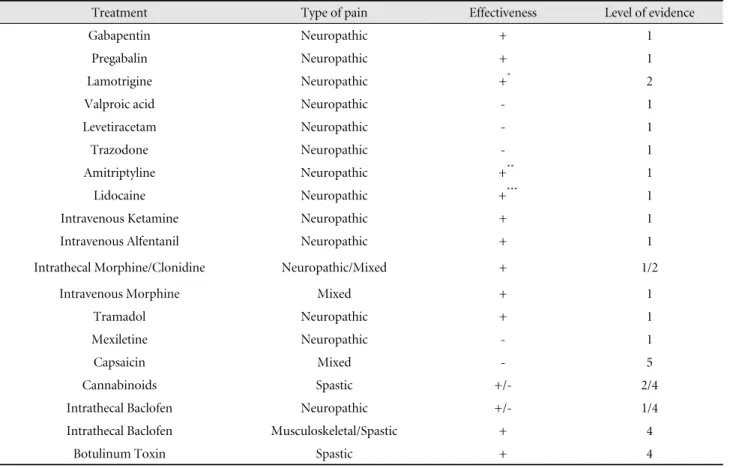
Table 2. Pharmacological Treatment Effectiveness Summary
Treatment Type of pain Effectiveness Level of evidence
Gabapentin Neuropathic + 1
Pregabalin Neuropathic + 1
Lamotrigine Neuropathic +
*2
Valproic acid Neuropathic - 1
Levetiracetam Neuropathic - 1
Trazodone Neuropathic - 1
Amitriptyline Neuropathic +
**1
Lidocaine Neuropathic +
***1
Intravenous Ketamine Neuropathic + 1
Intravenous Alfentanil Neuropathic + 1
Intrathecal Morphine/Clonidine Neuropathic/Mixed + 1/2
Intravenous Morphine Mixed + 1
Tramadol Neuropathic + 1
Mexiletine Neuropathic - 1
Capsaicin Mixed - 5
Cannabinoids Spastic +/- 2/4
Intrathecal Baclofen Neuropathic +/- 1/4
Intrathecal Baclofen Musculoskeletal/Spastic + 4
Botulinum Toxin Spastic + 4
+, Effective; -, Not effective; +/-, conflicting.
*
only in individual with incomplete SCI.
**
only in depressed individuals.
***
short term.
Adapted from Teasell RW, Mehta S, Aubut JL et al., A systemic review of pharmacological treatments of pain following spinal cord injury.
Arch Phys Med Rehabil. 2010;91:816-831.
하고 , 척수의 후각에 있는 신경원세포가 흥분과잉되며(hype- rexcitable) 상부 신경계로부터의 억제가 소실된다. 손상 당시 흥분성 아미노산이 분비되어 NMDA 수용체를 흥분시키며 억 제신경인 GABA의 억제신호가 감소하고 serotonin, noradrenalin, endorphin 등과 같은 동통 억제 물질의 분비가 줄어들게 된다.
2) 통증 치료
신경인성 통증은 다양한 정도와 형태로 나타난다 . 통증은 가끔 생활을 불편하게 하기도 하지만 심한 경우에는 수면을 방해하고 일상생활동작의 수행에 크게 영향을 줄 수 있다.
경한 통증일 경우 통증의 양상과 특징을 설명하고 시간이 지 나면 통증이 감소할 것이라고 환자를 안심시키는 것이 좋다.
추가적인 치료가 필요한 경우 acetaminophen이나 NSAID를
먼저 사용한다.
1삼환계 항우울제, 항경련제, 항우울제가 신경
인성 통증에 도움이 된다. 신경인성 통증의 치료 약물은 나트
륨 이온 채널에 작용하는 carbamazepine, mexiletine, lidocaine과
하부 억제 신경에 작용하는 tricyclic antidepressants, SSRI, tramadol,
opioid 등이 있으며, 중추 감수성(central sensitization)을 변화
시키는 약물로는 NMDA 길항제인 ketamine, dextromethorphan,
topiramate, methadone과 전압의존성(voltage dependent) 칼슘
채널에 작용하는 gabapentin 등이 있다(Table 2).
29약물 사용
은 부작용을 최소화하기 위해 소량으로 시작하여 서서히 용
량을 증가한다. 항전간제는 골수억제의 부작용이 있으므로
주의가 필요하다 . 삼환계 항우울제는 항콜린성 부작용 외에
심박 이상을 유발할 수 있으므로 심장질환이 있는 경우 주의
해야 한다 . 마약성 진통제도 효과적이지만 의존도 발생, 변비,
인지기능 저하 등의 부작용이 있으므로 주의해서 사용한다.
또한 경피적 전기자극치료(TENS)가 유용할 수 있다. 약물 혹 은 물리 치료에 반응하지 않는 심한 통증의 경우 신경외과적 수술이 고려될 수 있는데 여기에는 척수절단술 (cordotomy), 척수배측신경근입구파괴술(DREZ), 전기적 척수후주자극술 (dorsal column stimulation)등이 포함된다.
1REFERENCES
1. 고현운, 척수손상 재활 In: 고영진, 강세윤. 물리의학과 재활, 서울:정 문각, 2009;564-570
2. 고현운, 신희석, 오민균, 척수손상의 재활 In: 한태륜, 방문석, 정선근.
재활의학. 5판 서울:군자출판사, 2014;775-781
3. Mathias CJ, Frankel HL. Cardiovascular control in spinal man.
Annu Rev Physiol 1988;50:577-592.
4. Teasell RW, Arnold JM, Krassioukov A, Delaney GA. Cardiovascular consequences of loss of supraspinal control of the sympathetic nervous system after spinal cord injury. Arch Phys Med Rehabil 2000;81:506-516.
5. Mathias CJ, Bannister R. Autonomic disturbances in spinal cord lesions. In: Mathias CJ, editor. Autonomic failure: a textbook of clinical disorders of the autonomic nervous system. Oxford: Oxford Univ Pr; 2002. p 839-881.
6. Consortium of Spinal Cord Medicine. Clinical practice guidelines:
acute management of autonomic dysreflexia. J Spinal Cord Med.
2002;25(suppll):S67-S88
7. Claydon VE, Elliott SL, Sheel AW, Krassioukov A. Cardiovascular responses to vibrostimulation for sperm retrieval in men with spinal cord injury. J Spinal Cord Med 2006;29:207-216.
8. Erickson RP. Autonomic hyperreflexia: pathophysiology and medical management. Arch Phys Med Rehabil. 1980;70:234-241
9. Helkowski WM, Ditunno JF, Bonninger M. Autonomic dysreflexia incidence in persons with neurologically complete and incomplete tetraplegia. J Spinal Cord Med. 2003;26:244-247
10. Campagnolo DI, Merli GJ. Autonomic and cardiovascular compli- cations of spinal cord injury. In: Kirshblum S, ed. Spinal Cord Medicine.
Philadelphia, PA: Lippincott Williams & Wilkins; 2002;126 11. Lindan R, Joiner E, Freehafer AA, Hazel C. Incidence and clinical
features of autonomic dysreflexia inpatients with spinal cord injury.
Paraplegia. 1980;18:285-292
12. Curt A, Nitsche B, Rodic B, Schurch B, Dietz V. Assessment of autonomic dysreflexia in patients with spinal cord injury. J Neurol Neurosurg Psychiatry 1997;62:473-477.
13. Consortium for Spinal Cord Medicine. Acute management of autonomic dysreflexia: individuals with spinal cord injury presenting
to health care facilities (2nd ed). Washington (DC): Paralyzed Veterans of America; 2001
14. DeLisa JA et al. Rehabilitation of spinal cord injury. In: Kirshblum S, Brooks M, eds. Physical medicine & rehabilitation: Principles and Practice. 5th ed., Philadelphia, Lippincott Williams & Wilkins;
2010:687-707
15. Naftchi NE, Richardson JS. Autonomic dysreflexia: pharmacological management of hypertensive crises in spinal cord injured patients.
J Spinal Cord Med 1997;20:355-360.
16. Krassioukov A, Warburton D, Teasell R et al., A systemic reviews of the management of autonomic dysreflexia following spinal cord injury. Arch Phys Med Rehabil. 2009;90:682-295
17. Ullich PM. Pain following spinal cord injury. Phys Med Rehabil Clin N Am. 2007;18:217-233.
18. Stormer S, Gerner HJ, Gruninger W, Metzmacher K, Follinger S, Wienke Ch, et al. Chronic pain/dysaesthesiae in spinal cord injury patients: results of a multicentre study. Spinal Cord 1997;35:446-455.
19. Fenollosa P, Pallares J, Cervera J, Pelegrin F, Inigo V, Giner M, et al. Chronic pain in the spinal cord injured: statistical approach and pharmacological treatment. Paraplegia 1993;31:722-729.
20. Donnelly C, Eng JJ. Pain following spinal cord injury: the impact on community reintegration. Spinal Cord 2005;43:278-282.
21. Cardenas DD, Bryce TN, Shem K, Richards JS, Elhefni H. Gender and minority differences in the pain experience of people with spinal cord injury. Arch Phys Med Rehabil 2004;85:1774-1781.
22. Siddall PJ, McClelland JM, Rutkowski SB, Cousins MJ. A longitu- dinal study of the prevalence and characteristics of pain in the first 5 years following spinal cord injury. Pain 2003;103:249-257.
23. Finnerup NB, Johannesen IL, Sindrup SH, Bach FW, Jensen TS.
Pain and dysesthesia in patients with spinal cord injury: a postal survey. Spinal Cord 2001;39:256-262.
24. Ravenscroft A, Ahmed YS, Burnside IG. Chronic pain after SCI. A patient survey. Spinal Cord 2000;38:611-614.
25. Siddall PJ, Loeser JD. Pain following spinal cord injury. Spinal Cord 2001;39:63-73.
26. Bonica JJ. Introduction: semantic, epidemiologic and educational issues. In: Casey KL, editor. Pain and central nervous system disease: the central pain syndromes. New York: Raven Press; 1991.
p 13-29.
27. Bryce TN, Ragnarsson KT. Pain management in persons with spinal cord injury. In: Lin VW, Cardenas DD, Cutter Nc, et. al., eds.
Spinal Cord Medicine: Principles and Practice. New York, NY:
Demos Medical Pubilishing;2003:441-460.
28. Bryce TN, Ragnarsson KT. Epidemiology and classification of pain after spinal cord injury. Top Spinal Cord Inj Rehabil 2001;7(2):
1-17.
29. Teasell RW, Mehta S, Aubut JL et al., A systemic review of pharmacological treatments of pain following spinal cord injury.
Arch Phys Med Rehabil. 2010;91:816-831.