• 검색 결과가 없습니다.

에너지 저장 및 환경 분야에 응용되는 바이오매스 기반 활성탄

N/A
N/A
Protected

Academic year: 2021

Share "에너지 저장 및 환경 분야에 응용되는 바이오매스 기반 활성탄"

Copied!
9
0
0

로드 중.... (전체 텍스트 보기)

전체 글

(1)

Review https://doi.org/10.14478/ace.2016.1108

에너지 저장 및 환경 분야에 응용되는 바이오매스 기반 활성탄

M. S. Balathanigaimani⋅심왕근*,†⋅김상채**

RGIPT 화학공학과, *순천대학교 고분자공학과, **목포대학교 환경교육과 (2016년 11월 18일 접수, 2016년 12월 5일 심사, 2016년 12월 20일 채택)

Biomass-based Carbon Materials for Energy Storage and Environmental Applications

M. S. Balathanigaimani, Wang Geun Shim

*,

, and Sang Chai Kim

**

Department of Chemical Engineering, Rajiv Gandhi Institute of Petroleum Technology, Jais, India-229304

*

Department of Polymer Science and Engineering, Sunchon National University, Suncheon, Jeollanam-do 57922, Republic of Korea

**

Department of Environmental Education, Mokpo National University, 1666 Youngsan Ro, Cheonggye Myeon, Muan 534-729, Republic of Korea

(Received November 18, 2016; Revised December 5, 2016; Accepted December 20, 2016)

초 록

에너지 저장 및 환경 관련 분야에 응용 흡착매질로 바이오매스 기반 활성탄의 중요성을 살펴보았다. 지금까지 발표된 연구 결과는 바이오매스 기반 활성탄의 표면적과 기공부피 이외에 이들의 표면 화학 특성 또한 다양한 분야에 응용될 수 있는 중요한 역할이 있음이 확인된다. 바이오매스 기반 활성탄의 용량은 바이오매스의 특성 및 이들의 활성화 공 정에 따라 달라지므로 다양한 응용 분야에 맞게 제조할 수 있다. 따라서 본 리뷰에서는 다양한 분야에 이용되고 있는 바이오매스 기반 활성탄의 역할을 정리하였다.

Abstract

The importance of the biomass-based activated carbon as an adsorbent has been reviewed with emphasizing on the application in the fields of energy storage and environmental related problems. It is clear from the literature survey that beside surface area and pore volume, surface chemistry also plays important role in determining their usage in various field. The capacities of biomass-based activated carbon can be increased depending upon the choice of the biomass used and the pathway taken for their activation and hence they can be tailored for various applications. Accordingly, this review summarizes the role of biomass based activated carbon in different applications.

Keywords: biomass, activated carbon, gas storage, EDLC, VOC removal

1. Introduction

1)

Activated carbons (ACs) are classic carbons, which have high sur- face area, large pore volume and a wide range of pore size from the Angstrom scale of the micropores to the micrometer scale of macropores. According to the International Union of Pure and Applied Chemistry (IUPAC) recommendations, “Activated carbon is a porous carbon material, a char which has been subjected to reaction with gas- es, sometimes with the addition of chemicals, e.g. ZnCl

2

, before, dur- ing or after carbonization in order to increase its adsorptive proper- ties”[1].

The high adsorption capacities of ACs are mainly related with their

† Corresponding Author: Sunchon National University,

Department of Polymer Science and Engineering, Suncheon, Jeollanam-do 57922, Republic of Korea

Tel: +82-61-750-3568 e-mail: [email protected]

pISSN: 1225-0112 eISSN: 2288-4505 @ 2017 The Korean Society of Industrial and Engineering Chemistry. All rights reserved.
structural characteristics such as surface area[2], pore volume, pore size and pore size distribution[3]. It is highly recommended that the controlled pore size and pore size distribution are necessary for the uti- lization of ACs for specific usages[4]. In general, the highly micro- porous AC are used for the gas adsorption, whereas the mesoporous AC are utilized for the adsorption of large molecules[5]. It has been reported that the physical properties of ACs are mostly determined by the nature of the precursors as well as the adopted preparation proc- esses[3,4,6].

In general, physical and chemical activation methods can be used for

the preparation of ACs[4,7-13]. During the physical activation, the

process starts with the carbonization of raw material and followed by

the activation of the resulting char or direct activation of the precursor

in the presence of an activating agent such as steam, carbon dioxide,

air or their mixtures at higher temperature[2,4,7]. In the case of chem-

ical activation processes, the activating agent is selected based on the

nature of the precursors. For example, the activating agents such as

(2)

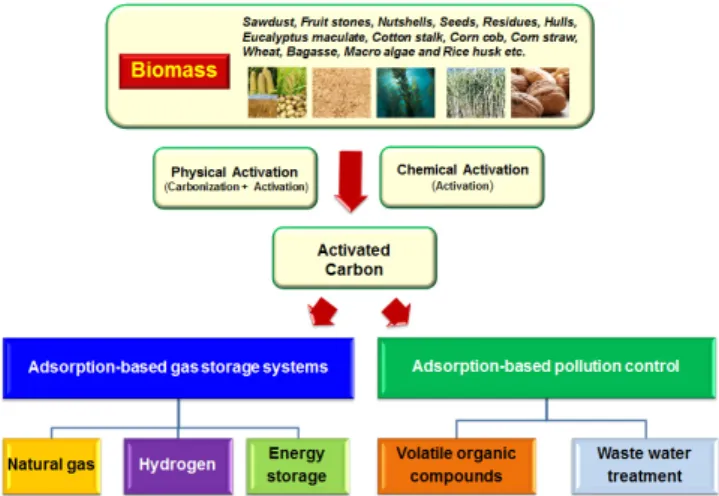
Figure 1. Pathways of producing biomass-based activated carbon and their application.

phosphoric acid and zinc chloride are used for the activation of non-carbonized lignocellulosic materials[14], whereas alkaline metal compounds, more importantly KOH, are employed for the activation of coals and carbonized chars[4,12]. During the chemical activation, chemical activating agents, which are basically dehydrating agents, pre- vents the formation of tar and hence the yield of carbon produced is usually high compared to that of the physical activation process. The physical activation is generally done through the interaction between the carbon atom and oxidizing gas and here typically a huge amount of internal carbon is removed from the structure. Each activation proc- ess has its own advantages and disadvantages. The physical activation processes are eco-friendly and corrosion free processes, although they need higher activation temperature and time compared to the chemical activation. On the other hand, the chemical activation processes require low activation temperature and activation time. Moreover, it usually helps to get high yield, surface area, microporosity along with higher reduction in higher mineral content. However, the chemical activation processes have some disadvantages such as the more complex reaction mechanism, the corrosiveness of the process and the requirement of washing stage for the removal of activating agent[4,13].

Numerous precursors have been used for the preparation of ACs.

The precursors are usually selected based on the carbon and inorganic contents, availability, cost, bulk density, mechanical strength, degrada- tion upon storage, ease of activation procedure and the specific appli- cation of the resulting AC[15]. Mostly, carbon-containing organic ma- terials are being used as the precursors. The available precursors are natural biomasses, coals, resins, synthetic polymers, petroleum coke, phenolic resins, peat and etc.

A proper characterization of surface properties of ACs plays a key role in their successful synthesis and application[16]. The gas adsorp- tion (N

2

, Ar or CO

2

) based characterization technique appears to be the most suitable compared to that of liquid adsorption studies (Immersion calorimetry). Among the all characterization techniques, N

2

adsorption measurement is most common, simple and convenient[17]. The ob- tained data from the adsorption experiment are analyzed with several

methods such as the Brunauer-Emmett-Teller (surface area), Barrett- Joyner-Halenda (mesopore size and mesopore size distribution), Dubinin-Radushkevich (micropore size and micropore size dis- tribution), t-plot (micro pore volume), αs-plot (external surface area, micropore volume) density functional theory (pore size distribution) to obtain the detailed information about the concern AC[18].

ACs have been successfully employed in a number of adsorption studies, as shown in Figure 1, according to their surface characteristics.

Recently, there has been a growing interest in using activated carbon as an adsorbent for the design of an efficient gas storage system for vehicle, in particular, for the storage of natural gas[19,20] and hydro- gen[21,22]. The activated carbon with very high surface area, large pore volume and narrow pore size distribution with controlled pore size is considered to be an efficient storage media. Beside, activated carbons have been shown most attractive electrode materials for the electrical double layer capacitors, as a consequence of their apt textural characteristics[23,24]. ACs are also effectively reduced the emission of various volatile organic compounds[25,26]. Apart from these applica- tions, activated carbons are widely used for the wastewater treatment owing to their unique surface characteristics[27,28].

Activated carbons (ACs) have been extensively used in various proc- esses including gas separation, gas storage, solvent recovery, energy storage, waste water treatment, air pollution control and catalyst sup- port owing to their high adsorption capacities, relatively high mechan- ical strength, low cost and easy availability[3,4,6-8,29-31]. The bio- mass is relatively cheap and widely available precursor in all over the world. Several natural biomasses such as wood, sawdust, fruit stones, nutshells, seeds, residues, hulls, eucalyptus maculate, cotton stalk, corn cob, corn straw, wheat, bagasse and rice husk have been used for the preparation of ACs[32]. It should be noted that the huge quantities of agricultural by-products result from the annual harvesting and process- ing of various agricultural crops grown around the world. Also, the ag- ricultural by-products based ACs show the comparable adsorption ca- pacities compare to that of the commercial ACs[33]. This article main- ly aims at making concise review report on applicability of biomass based ACs for energy and environmental applications. The same has been done by conducting a detailed literature review based on the re- search papers published in this field.

2. Adsorption-based Gas Storage Systems

2.1. Natural gas

Environmentally and economically satisfied natural gas is one of the

most wanted fuels now in energy field compare to the liquid fuels such

as gasoline and diesel[34]. Natural gas (NG) is an abundant and the

cleanest burning alternative transportation fuel today. Natural gas ve-

hicles (NGVs) have surpassed all other competitors in delivering the

superior emissions performance. Moreover, NGVs have been certified

to the most demanding environmental emission standards. Although it

is most convenient than liquid fuel, due to its low energy density at

standard temperature and pressure (STP) condition, storing huge

amount of methane in a given volume is very difficult[19,20]. Thus,

(3)

it has become the perfect challenge for active researchers[35]. Also, the developments of NG storage and transportation technologies are very important for the future. Well known conventional methods (e.g.

liquefied natural gas (LNG) and compressed natural gas (CNG)) may be the solution for storage purpose even though they have some prob- lems in both safety and cost wise[19,20,36]. For example, storing high density NG in LNG vehicles is possible at cryogenic temperature.

However, the specialized container design and refueling procedure re- quired are undesirable for vehicular fuel application. In CNG, multi stage compression increases the cost of the process and furthermore relatively huge tank is required[37]. To overcome the problems in- herent in the conventional methods, a newly upcoming adsorbed natu- ral gas (ANG) storage system has been used for the NG storage[19, 20,35-39]. ANG is a method in which natural gas is stored by phys- isorption at 298 K and up to 35 atm[19,40-42]. Recently the Advanced Research Projects Agency-Energy (ARPA-E) of US DOE has set the target of 263 V/V[43,44], equivalent to the gravimetric value of 0.5 g of CH

4

/ g of sorbent, for the ANG storage system so that ANG can have the amount of energy density, which is similar to CNG. This tar- get could be achieved only by selecting an appropriate adsorbent. The highly microporous AC is a promising adsorbent, which satisfies most of the requirements for the better design of an ANG vessel[19,20,37, 38,45-53]. However, it is also noted that some ACs show low adsorp- tion capacity on a volume basis (volume of methane adsorbed/ volume of adsorbent) owing to their low packing density, even though their ca- pacities are high on a mass basis (moles of methane adsorbed/ grams of adsorbents)[38,47]. Therefore, the monolithic forms of ACs have been employed in the ANG storage system to achieve the universal tar- get[38,47,48,50]. The monolith form offers the increase in density by reducing the excess void volume[39], compactness and easy handling.

In general, the carbon monolith has been prepared by compressing the AC[50] or a mixture of AC and binder[38,39,47,48].

Biomass based activated carbons synthesized by several researchers have shown high surface area and high volumetric storage capacity[11, 34]. Bagheri and Abedi synthesized corn cob based ACs having sur- face area 1320 m

2

/g with the optimum methane storage capacity of 160 V/V at 298 K and 103 bar[49]. Similarly, Rios et.al. prepared ACs from coconut shell having specific surface area of 1441 m

2

/g and natu- ral gas storage capacity of 95 V/V at 303 K and 35 bar[50]. The bio- mass based Activated carbon synthesized by Zhang et.al shows the specific surface area of 2000 m

2

/g and the methane storage capacity of 0.7 g/cm

3

at 298 K and 34.5 bar[51].

2.2. Hydrogen

Hydrogen (H

2

) fuel is one of the proper options to meet the energy demand of our world. Moreover, H

2

is considered as an eco-free and efficient fuel[54,55]. In spite of several advantages, the development of a viable storage system for H

2

is still challengeable task for the re- searchers due to its low energy density[56]. The US Department of Energy (DOE) has also fixed the strict materials based storage targets for H

2

storage systems for vehicular applications as follows 5.5 wt%

by 2020 and 7.5 wt%, ultimate storage target [US DOE]. Hence, in the

last two decades there has a growing interest in the design of new H

2

storage systems with high capacity, light mass and high stability for mobile applications[21,54].

The methods such as liquefaction (20-30 K and 0.5-1 MPa), com- pression (35-70 MPa and room temperature), and formation of metal hydrates are currently available for the storage of H

2

[57-59]. However, the mentioned storage techniques have different drawbacks as follows, potential H

2

losses due to evaporation in the liquefied hydrogen storage system, safety problems in the compressed storage system, and high weight and cost as well as the requirement of high temperature to re- lease H

2

in the metal hydrates system[42,60]. On the other hand, it has been noted that the adsorption-based storage system offer the possi- bility to achieve the reversible storage of H

2

with higher volumetric and gravimetric densities at much lower pressures than compression and higher temperature than liquefaction[61-63].

Abundant adsorbents such as ACs, carbon fibers, carbon nanotubes, carbon nanohorns, fullerenes, zeolites, and metal-organic frameworks have been used as adsorbents for the adsorption of H

2

[42]. Among the various adsorbents, the AC is also considered as a good candidate due to its high surface area, abundant pore volume, acceptable pore size, large microporosity and controlled pore size distribution, even though it has relatively low density[60,62-65]. Especially, highly microporous AC seems to be a good candidate for H

2

storage at 77 K also because of its unique surface characteristics, accessibility at industrial level and low cost[22,56,60,66].

Various researchers synthesized the biomass based ACs and showed their applications in hydrogen storage. Lignin based ACs prepared by carbonization and KOH activation showed the surface area of 1946 m

2

/g and having hydrogen storage capacity of 1.89 wt%[67]. Sevilla et. al. prepared ACs derived from glucose, starch, cellulose, and euca- lypt sawdust achieving maximum surface area of 2700 m

2

/g. These materials have high hydrogen uptake which is around 6.4 wt% with large isosteric heat of adsorption (8.5 kJ/mol)[68]. Liou synthesized ACs from sugarcane baggase and sunflower seed hull by phosphoric and zinc chloride activation and achieved surface area up to 2289 m

2

/g for sugarcane bagasse and 2240 m

2

/g for sunflower hull[69]. Hydrogen storage capacity of zeolite like carbon material is found to be 6.9% by Yang et. al. at 77 K and 20 bar[70]. ACs synthesized by chemical acti- vation of fungi-based chars with KOH has shown the optimal surface area of 2500 m

2

/g and hydrogen uptake up to 4.7 wt% at 77 K and 35 bar[71]. Activated carbon prepared by chemical activation of canna- bis sativa stem with KOH has shown surface area of 3241 m

2

/g and hydrogen adsorption capacity of 3.28 wt% at 77 K at 1 bar[72]

Activated carbon synthesized by Wang et.al. have hydrogen storage ca-

pacity of 7.08% at 77 K and 20 bar[73]. Further, Fiero et.al. indicated

that ACs synthesized from high-rank mineral coal have hydrogen stor-

age capacity of 6 wt% at 77 K and 40 bar[74]. Bader et.al. synthesized

ACs from five different biomasses using KOH activation and have

shown the hydrogen storage capacity of 6 wt% at 77 K and 200

bar[75]. These results show that the porosity, large micropores volume

and well developed internal surface area play key role in the hydrogen

storage[76-78]. KUA5 which is considered to be the most effective AC

(4)

Carbon Source Surface area (m

2

/g)

Capacitance

(F/g) Reference

Banana peel 1650 206 96

Cherry stones 1300 230 97

Birch wood 1000 308 98

Firewood ~1100 120 99

Tobacco 3326 190 100

Paper pulp mill sludge 2980 166 101

Waste tea leaves 2841 330 102

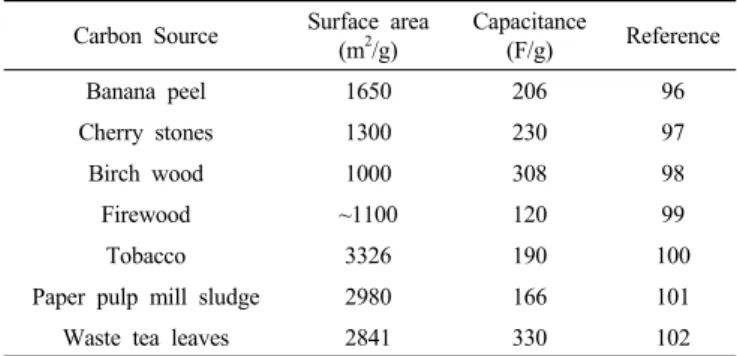
Table 1. Biomass-based Activated Carbons for EDLC Applications

with the specific surface area of 3000 m

2

/g and can store up to 1.2 wt% hydrogen at 200 bar whereas KUA6 displayed hydrogen storage capacity of 56 wt% at 40 bar[60]. It was pointed out that number of narrow micropores (< 1 nm), narrow pore size distributions are very important in determining the hydrogen storage capacity[60,79].

3. Energy Storage

The energy demand in our world is steeply increasing due to the less resource of fossil fuels and growing population. It is also expecting that, the world energy demand will be doubled within-50 years. Along with this, the various environmental issues including global warming are caused by CO

2

and other toxic gas emission from vehicle and vari- ous industries, especially, from electricity producing industries. Hence, we are in a desperate position to find some other alternative fuel re- sources that would generate nil or less of toxic pollutants. The renew- able fuel such as solar and windmill is promising energy and the pro- duction of energy from these sources is currently hot research area.

The productions of energy in a large manner from these renewable fuels are currently in need of efficient storage system.

Electrochemical capacitors (ECs) have been used as energy storage devices because of fast energy delivery and long durability. ECs store the electric energy in an electrochemical double layer formed at a solid and electrolyte interface. Positive and negative ionic charges within the electrolyte accumulate at the surface of the solid electrode and com- pensate for the electronic charge at the electrode surface. In other words, based on the separation and accumulation of charge at the inter- face between the electronically conductive electrode and the ionically conductive electrolyte, the energy is stored in ECs[80-83]. EC is also known as supercapacitor, electrical double layer capacitor (EDLC)[84].

The physical mechanism of charge differentiates ECs from chemical energy storage systems (Batteries) and leads to their high power den- sity, high cycle efficiency, long cycle life, and high efficiency. At that same time, the energy density of ECs is lower than batteries.

Moreover, EDLCs are eco-friendly and low cost energy storage device than the conventional capacitors. The various applications of EDLCs are given as follows, backup sources (memories, microcomputers, sys- tem boards, batteries and clocks), main power sources (toys and started application), alternative power sources (solar watch, solar lanterns), en- ergy storage (from windmills, solar cell), recover energy from various

repetitive processes (braking in cars or descending elevators) and elec- tric vehicles[81,84-88].

It has been known that the carbon materials are incorporated into the electrodes of energy storage device as electro-conductive additives, supports for active materials, electron transfer catalysts, intercalation hosts, substrates for current leads, and as agents for the control of heat transfer, porosity, surface area and capacitance. According these above mentioned reasons, carbons are also well suited as electrode materials for EDLCs[89]. Carbon nanotubes, carbon nanofibers, templated car- bon graphene have been explored for their application supercapacitor electrode application, however still AC has its reputation to be used for commercial purpose because of their low cost and possibility to pro- duce on the large scale. Moreover, ACs have better electrochemical properties compared to other. Biomass sources become extremely im- portant because of the large availability and less cost.

The porous carbon based electrodes are widely used for the prepara- tion of supercapacitor or EDLC application, because of their low cost and tunable micro texture and surface functionality, accessibility, a high electrical and thermal conductivity, processability and compati- bility[23,90,91]. For the feasible operation of EDLC, carbon material with high surface area, tailored pore size[92], controlled pore size dis- tribution, high micropore volume, high density, good corrosion resist- ance and controlled surface functionalities is necessary. It has been also recommended that the obtain the above mentioned properties of AC, the selection of the proper precursor as well as the appropriate carbonization and activation processes conditions are highly important[81,85-92].

ACs prepared from sugarcane bagasse have been tested by several researchers EDLC applications. The sugarcane bagasse based AC (surface area of 2871 m

2

/g) synthesized by the Rufford et.al showed specific capacitance of 109 Fg

-1

[93]. Hierarchically porous carbon ma- terials (HPCMs) made by Huang and Doong have specific surface areas in the range 487-544 m

2

g

-1

and displayed specific capacitance values in the range 190-234 F g

-1

at the scan rate of 5-50 mV s

-1

[94].

The ACs porous aerogel derived from the sugarcane bagasse has shown the specific capacitance of 142.1 F g

-1

at a discharge current density of 0.5 A g

-1

[95]. Apart from the biomass based ACs from sug- arcane bagasse, several biomass sources have been consider for making ACs for EDLC application as shown in Table 1.

4. Adsorption-based Pollution Control Processes

Organic compounds which evaporate readily to the atmosphere are called volatile organic compounds (VOCs) as defined by the Environment Protection Agency (EPA). The main origins of VOCs emissions include the burning of coal and gasoline and also other sour- ces such as solvents, paints, and cleaners[25,26]. Benzene, toluene and other secondary petrochemicals from various sources not only pollute our environment but also threaten human health[103-106]. Especially, the following significant effects such as climatic change, destruction of ozone stratospheric layer, acid rain, carcinogenic and mutagenic effects are observed due to the emission of VOCs into the environment[107].

The recovery of valuable VOCs is an economically and ecologically

(5)

Biomass Compound to remove Percent removal Reference Banana pith Acid violet, Congo red + Rhodamine B mixture, Congo red + Acid Violet + Rhodamine-B mixture 80% 122

Orange peel Congo red, Procion orange, Rhodamine-B 92% 123

Apple pomace Cibacron Yellow C-2R, Cibacron Red C-2G, Cibacron Blue C-R, Remazol Black B, Remazol 81% 124

Wheat straw Red RB 80% 124

Rosewood sawdust Methylene blue 83% 125

Wheat shell Direct blue 71 99% 126

Table 2. Adsorptive Dye Removal Using Biomass-based Carbon Adsorbents

Adsorbents Metal ion Reference

Wheat straw Cadmium, Copper, Chromium 127 Orange peel Copper, Lead, Zinc, Cadmium 128

Litchi chinensis seeds Nickel 129

Walnut shells Lead, Cadmium, Nickel 130 Cashew Nut shell Copper, Cadmium, Zinc, Nickel 131 Table 3. Biomass-based Carbonaceous Materials for Heavy Metals Removal

feasible method rather than their destruction. The available methods for treating gaseous VOCs are absorption, adsorption, condensation, ther- mal oxidation and catalytic oxidation[107-110]. Among all the existed processes, a non-destructive adsorption process is one of the most ap- preciate methods for removing VOCs, because of easy operation, low operating cost and efficient recovery[25,105,111-114].

Compared to other adsorbents, AC is the most applicable adsorbent for the removal of VOCs because of its high surface area, hydrophobic properties, and high adsorption capacity[26,104-107,115,116]. In partic- ular, the adsorption of VOCs is fairly good in micropores compared to mesopores because of the interaction between the attractive forces of the pore walls[116-118]. Hence, the preparation of highly micro- porous ACs is important for the removal of toxic gases.

The substantial amount of dyes and water are consumed in many in- dustries such as dyestuffs, paper, textile and plastic in order to color their products. Consequently, they generate a considerable amount of colored wastewater[119] and mostly discharged in surface water re- sources[120]. The small amount of dyes in wastewater can also visi- bility noticed and they not only simply affects aesthetic merit but also inhibits the light penetration and photosynthesis[120-121]. Also, the most of the dyes give severe threat to our environment because of their mutagenic and carcinogenic behaviors[120]. Hence, it is environ- mentally important to discover cheap and effective methods for the wastewater treatment[119].

Of the above mentioned techniques, the adsorption has been recog- nized as a promising, cost-effective and efficient process for the re- moval of pollutants from aqueous solution[120]. Also it has been pro- ven that the AC is an effective adsorbent for the removal of wide vari- ety of pollutants dissolved in aqueous media due to its extensive sur- face area, high degree of porosity, effectiveness and versa- tility[119-121]. The activated carbon is used not only to adsorb various types of dyes but also different types of organic and inorganic pollu-

tants as shown in the Tables 2 and 3. Many studies report that the waste water treatments including dye, heavy metal, and organic pollu- tant removal by ACs are economically favorable and technically more feasible[122-131].

5. Conclusions

The various possible applications of biomass-based carbon materials were studied in this review paper. Biomass based activated carbons have been recognized as potential adsorbents not only for gas/energy storage but also for removal of pollutants from the air as well as from the waste water due to their decent physical properties and relatively less cost of production. It was also observed in this review work that preparation of biomass carbon materials with high surface area, con- trolled pore size, larger pore volume and narrow pore size distribution is quite highly possible for the usage of numerous energy and environ- mental applications. Further, the review also finds from the published papers that the surface physical/chemical properties of biomass based activated carbon can be customized by carefully selecting conditions for carbonization and activation. Finally, it was clearly observed from the recently published papers that the carbon materials, especially pre- pared from various biomasses, are still being considered one of the po- tential adsorbents for real time storage, separation and purification applications.

Acknowledgement

This paper was supported by Sunchon National University Research Fund in 2016 and Rajiv Gandhi Institute of Petroleum Technology, India.

References

1. E. Fitzer, K. H. Kochling, H. P. Boehm, and H. Marsh, Recommended terminology for the description of carbon as a sol- id (IUPAC Recommendations 1995), Pure Appl. Chem., 67, 473-506 (1995).

2. T. Zhang, W. P. Walawender, L. T. Fan, M. Fan, D. Daugaard, and R. C. Brown, Preparation of activated carbon from forest and agricultural residues through CO

2

activation, Chem. Eng. J., 105, 53-59 (2004).

3. H. Teng and H. C. Lin, Activated carbon production from low

(6)

ash subbituminous coal with CO

2

activation, AIChE J., 44, 1170-1177 (1998).

4. D. Lozano-Castello, M. A. Lillo-Rodenas, D. Cazorla-Amoros, and A. Linares-Solano, Preparation of activated carbons from Spanish anthracite: I. Activation by KOH, Carbon, 39, 741-749 (2001).

5. K. Nakagawa, S. R. Mukai, T. Suzuki, and H. Tamon, Gas ad- sorption on activated carbons from PET mixtures with a metal salt, Carbon, 41, 823-831 (2003).

6. R. L. Tseng and S. K. Tseng, Characterization and use of high surface area activated carbons prepared from cane pith for liq- uid-phase adsorption, J. Hazard. Mater., B136, 671-680 (2006).

7. C. F. Chang, C. Y. Chang, and W. T. Tsai, Effects of burn-off and activation temperature on preparation of activated carbon from corn cob agrowaste by CO

2

and steam, J. Colloid Interface Sci., 232, 45-49 (2000).

8. H. Demiral, I. Demiral, F. Tumsek, and B. Karabacakoglu, Pore structure of activated carbon prepared from hazelnut bagasse by chemical activation, Surf. Interface Anal., 40, 616-619 (2008).

9. R. C. Bansal, J. B. Donnet, and F. F. Stoeckli, Active Carbon, 67-89, Marcel Dekker, New York, NY, USA (1988).

10. H. Jankowska, A. Switakowski, and J. Choma, Active Carbon, 13-74, Ellis Horwood, New York, NY, USA (1991).

11. M. Molaina-Sabio, F. Rodriquez-Reinoso, F. Caturla, and M. J.

Selles, Porosity in granular carbons activated with phosphoric acid, Carbon, 33, 1105-1113 (1995).

12. A. Ahmadpour and D. D. Do, The preparation of active carbons from coal by chemical and physical activation, Carbon, 34, 471-479 (1996).

13. M. A. Lillo-Rodenas, D. Cazorla-Amoros, and A. Linares-Solano, Understanding chemical reactions between carbons and NaOH and KOH: An insight into the chemical activation mechanism, Carbon, 41, 267-275 (2003).

14. F. Rodriquez-Reinoso and M. Molaina-Sabio, Activated carbons from lignocellulosic materials by chemical and/or physical activa- tion: an overview, Carbon, 30, 1111-1118 (1992).

15. R. A. Hutchins, Development of design parameters, In: J. R.

Perrich (eds.). Activated Carbon Adsorption for Wastewater Treatment, 29-37, CRC Press, Boca Raton, FL, USA (1981).

16. M. Kruk, M. Jaroniec, and J. Choma, Comparative analysis of simple and advanced sorption methods for assessment of micro- porosity in activated carbons, Carbon, 36, 1447-1458 (1998).

17. M. Kruk, M. Jaroniec, and K. P. Gadkaree, Nitrogen adsorption studies of novel synthetic active carbons, J. Colloid Interface Sci., 192, 250-256 (1997).

18. S. Lowell, J. E. Shields, M. A. Thomas, and M. Thommes, Characterization of Porous Solids and Powders: Surface Area, Pore Size and Density, 5-156, Kluwer academic publishers, The Netherlands (2004).

19. V. Menon and S. J. Komarneni, Porous adsorbents for vehicular natural gas storage: A review, J. Porous Mater., 5, 43-58 (1998).

20. D. Lozano-Castello, D. Cazorla-Amoros, A. Linares-Solano, and D. F. Quinn, Influence of pore size distribution on methane stor- age at relatively low pressure: preparation of activated carbon with optimum pore size, Carbon, 40, 989-1002 (2002).

21. M. G. Nijkamp, J. E. M. J. Raaymakers, A. J. van Dillen, and K. P. de Jong, Hydrogen storage using physisorption-materials demands, Appl. Phys. A, 72, 619-623 (2001).

22. H. Jin, Y. S. Lee, and I. Hong, Hydrogen adsorption character-

istics of activated carbon, Catal. Today, 120, 399-406 (2007).

23. E. Frackowiak and F. Beguin, Carbon materials for the electro- chemical storage of energy in capacitors Carbon, 39, 937-950 (2001).

24. M. J. Bleda-Martinez, D. Lozano-Castello, E. Morallon, D.

Cazorla-Amoros, and A. Linares-Solano, Chemical and electro- chemical characterization of porous carbon materials, Carbon, 44, 2642-2651 (2006).

25. J. H. Yun and D. K. Choi, Adsorption isotherms of benzene and methylbenzene vapors on activated carbon, J. Chem. Eng. Data, 42, 894-896 (1997).

26. W. G. Shim, J. W. Lee, and H. Moon, Adsorption of carbon tet- rachloride and chloroform on activated carbon at (300.15, 310.15, 320.15 and 330.15) K, J. Chem. Eng. Data, 48, 286-290 (2003).

27. A. Dabrowski, P. Podkoscielny, Z. Hubicki, and M. Barczak, Adsorption of phenolic compounds by activated carbon-A critical review, Chemosphere, 58, 1049-1070 (2005).

28. C. Hung-Lung, L. Kuo-Hsiung, C. Shih-Yu, C. Ching-Guan, and P. San-De, Dye adsorption on biosolid adsorbents and commer- cially activated carbon, Dyes Pigm., 75, 52-59 (2007).

29. S. Ismadji and S. K. Bhatia, Characterization of activated carbons using liquid phase adsorption, Carbon, 39, 1237-1250 (2001).

30. A. Amaya, N. Medero, N. Tancredi, H. Silva, and C. Deiana, Activated carbon briquettes from biomass materials, Bioresour.

Technol., 98, 1635-1641 (2007).

31. S. Wang and Z. H. Zhu, Effects of acidic treatment of activated carbons on dye adsorption, Dyes Pigm., 75, 306-314 (2007).

32. O. Ioannidou and A. Zabaniotou, Agricultural residues as pre- cursors for activated carbon production-A review, Renew Sustain.

Energy Rev., 11, 1966-2005 (2007).

33. R. M. Suzuki, A. D. Andrade, J. C. Sousa, and M. C.

Rollemberg, Preparation and characterization of activated carbon from rice bran. Bioresour. Technol., 98, 1985-1991 (2007).

34. S. Biloe, V. Goetz, and S. Mauran, Characterization of adsorbent composite blocks for methane storage, Carbon, 39, 1653-1662 (2001).

35. A. Perrin, A. Celzard, A. Albiniak, M. Jasienko-Halat, J. F.

Mareche, and G. Furdin, NaOH activation of anthracites: effect of hydroxide content on pore textures and methane storage ability, Microporous Mesoporous Mater., 81, 31-40 (2005).

36. R. Basumatary, P. Dutta, B. Prasad, and K. Srinivasan, Thermal modeling of activated carbon based adsorptive natural gas storage system, Carbon, 43, 541-549 (2005).

37. T. D. Burchell, Carbon Materials for Advanced Technologies, Pergamon press, Oxford, UK (1999).

38. D. Lozano-Castello, J. Alcaniz-Monge, M. A, de la Casa-Lillo, D.

Cazorla-Amoros, and A. Linares-Solano, Advances in the study of methane storage in porous carbonaceous materials, Fuel, 81, 1777-1803 (2002).

39. D. F. Quinn and J. A. MacDonald, Natural gas storage, Carbon, 30, 1097-1103 (1992).

40. K. R. Matranga, A. L. Myers, and E. D. Glanndt, Storage of nat- ural gas by adsorption on activated carbon Chem. Eng. Sci., 47, 1569-1579 (1992).

41. C. D. Wood, B. Tan, A. Trewin, F. Su, M J. Rosseinsky, D.

Bradshaw, Y. Sun, L. Zhou, and A. I. Cooper, Microporous or-

ganic polymers for methane storage, Adv. Mater., 20, 1916-1921

(2008).

(7)

42. R. E. Morris and P. S. Wheatley, Gas storage in nanoporous ma- terials, Angew. Chem. Int. Ed., 47, 4966-4981 (2008).

43. US DOE’s MOVE Program: https://arpa-e.energy.gov/.

44. R. F. Serveice, Stepping on the gas, Science, 346, 538-541 (2014).

45. J. P. B. Mota, Impact of gas composition on natural gas storage by adsorption, AIChE J., 45, 986-996 (1999).

46. M. S. Balathanigaimani, H. C. Kang, W. G. Shim, C. Kim, J. W.

Lee, and H. Moon, Preparation of powdered activated carbon from rice husk and its methane adsorption properties, Korean J.

Chem. Eng., 23, 663-668 (2006).

47. M. S. Balathanigaimani, M. J. Lee, W. G. Shim, J. W. Lee, and H. Moon, Charge and discharge of methane on phenol-based car- bon monolith, Adsorption, 14, 525-532 (2008).

48. M. S. Balathanigaimani, W. G. Shim, J. W. Lee, and H. Moon, Adsorption of methane on novel corn grain-based carbon mono- liths Microporous Mesoporous Mater., 119, 47-52 (2009).

49. N. Bagheri and J. Abedi, Adsorption of methane on corn cobs based activated carbon, Chem. Eng. Res. Des., 89, 2038-2043 (2011).

50. R. B. Rios, F. W. M. Silva, A. E. B. Torres, D. C. S. Azevedo, and C. L. Cavalcante, Adsorption of methane in activated carbons obtained from coconut shells using H

3

PO

4

chemical activation, Adsorption, 15, 271-277 (2009).

51. T. Zhang, W. P. Walawender, and L. T. Fan, Grain-based acti- vated carbons for natural gas storage, Bioresour. Technol., 101, 1983-1991 (2010).

52. J. W. Lee, M. S. Balathanigaimani, H. C. Kang, W. G. Shim, C.

Kim, and H. Moon, Methane storage on phenol-based activated carbons at (293.15, 303.15, and 313.15) K, J. Chem. Eng. Data, 52, 66-70 (2007).

53. K. Inomata, K. Kanazawa, Y. Urabe, H. Ozono, and T. Araki, Natural gas storage in activated carbon pellets without a binder, Carbon, 40, 87-93 (2002).

54. F. O. Erdogan and T. Kopac, Dynamic analysis of sorption of hy- drogen in activated carbon, Int. J. Hydrogen Energy, 32, 3448-3456 (2007).

55. W. C. Annemieke, V. D. Berg, and C. O. Arean, Materials for hydrogen storage: current research trends and perspectives, Chem.

Commun., 6, 668-681 (2008).

56. L. L. Vasiliev, L. E. Kanonchik, A. G. Kulakov, D. A. Mishkins, A. M. Safonova, and N. K. Luneva, New sorbent materials for the hydrogen storage and transportation, Int. J. Hydrogen Energy, 32, 5015-5025 (2007).

57. G. D. Berry and S. M. Aceves, Onboard storage alternatives for hydrogen vehicles, Energy Fuels, 12, 49-55 (1998).

58. L. Schlapbach and A. Zuttel, A. Hydrogen-storage materials for mobile applications, Nature, 414, 353-358 (2001).

59. M. Felderhoff, C. Weidenthaler, R. V. Helmolt, and U. Eberle, Hydrogen storage: the remaining scientific and technological challenges, Phys. Chem. Chem. Phys., 9, 2643-2653 (2007).

60. M. Jorada-Beneyto, F. Suarez-Garcia, D. Lozano-Castello, D.

Cazorla-Amoros, and A. Linares-Solano, Hydrogen storage on chemically activated carbons and carbon nanomaterials at high pressures, Carbon, 45, 293-303 (2007).

61. E. Poirier, R. Chahine, P. Benard, D. Cossement, L. Lafi, E.

Melancon, T. K. Bose, and S. Desilets, Storage of hydrogen on single-walled carbon nanotubes and other carbon structures, Appl.

Phys. A, 78, 961-967 (2004).

62. K. Mark Thomas, Hydrogen adsorption and storage on porous materials, Catal. Today, 120, 389-398 (2007).

63. B. Buczek, L. Czepirski, and J. Zietkiewicz, Improvement of hy- drogen storage capacity for active carbon, Adsorption, 11, 877-880 (2005).

64. L. Zubizarreta, E. I. Gomez, A. Arenillas, C. O. Ania, J. B. Parra, and J. J. Pis, H

2

storage in carbon materials, Adsorption, 14, 557-566 (2008).

65. M. Jorada-Beneyto, D. Lozano-Castello, F. Suarez-Garcia, D.

Cazorla-Amoros, and A. Linares-Solano, Advanced activated car- bon monoliths and activated carbons for hydrogen storage, Microporous Mesoporous Mater., 112, 235-242 (2008).

66. L. Zhou, Y. Zhou, and Y. Sun, Enhanced storage of hydrogen at the temperature of liquid nitrogen, Int. J. Hydrogen Energy, 29, 319-322 (2004).

67. K. Babeł and K. Jurewicz, KOH activated lignin based nano- structured carbon exhibiting high hydrogen electrosorption, Carbon, 46, 1948-1956 (2008).

68. M. Sevilla, A. B. Fuertesa, and R. Mokaya, High density hydro- gen storage in superactivated carbons from hydrothermally car- bonized renewable organic materials. Energy Environ. Sci., 4, 1400-1410 (2011).

69. T. H. Liou, Development of mesoporous structure and high ad- sorption capacity of biomass-based activated carbon by phos- phoric acid and zinc chloride activation, Chem. Eng. J., 158, 129-142 (2010).

70. Z. Yang, Y. Xia, and R. Mokaya, Enhanced hydrogen storage ca- pacity of high surface area zeolite-like carbon materials, J. Am.

Chem. Soc., 129, 1673-1679 (2007).

71. J. Wang, I. Senkovska, S. Kaskel, and Q. Liu, Chemically acti- vated fungi-based porous carbons for hydrogen storage, Carbon, 75, 372-380 (2014).

72. R. Yang, G. Liu, M. Li, J. Zhang, and X. Hao, Preparation and N

2

, CO

2

and H

2

adsorption of super activated carbon derived from biomass source hemp (Cannabis sativa L.) stem, Microporous Mesoporous Mater., 158, 108-116 (2012).

73. H. Wang, Q. Gao, and J. Hu, High hydrogen storage capacity of porous carbons prepared by using activated carbon, J. Am. Chem.

Soc., 131, 7016-7022 (2009).

74. V. Fierro, A. Szczurek, C. Zlotea, J. F. Marêché, M. T. Izquierdo, A. Albiniak, M. Latroche, G. Furdin, and A. Celzard, Experimental evidence of an upper limit for hydrogen storage at 77 K on activated carbons, Carbon, 48, 1902-1911 (2010).

75. N. Bader and A. Ouederni, Optimization of biomass-based carbon materials for hydrogen storage, J. Energy Storage, 5, 77-84 (2016).

76. R. Chahine and T. K. Bose, Low-pressure adsorption storage of hydrogen, Int. J. Hydrogen Energy, 19, 161-164 (1994).

77. P. A. Georgiev, D. K. Ross, P. Albers, and A. J. Ramirez-Cuesta, The rotational and translational dynamics of molecular hydrogen physisorbed in activated carbon: A direct probe of microporosity and hydrogen storage performance, Carbon, 44, 2724-2738 (2006).

78. I. Cabria, M. J. López, and J. A. Alonso, The optimum average nanopore size for hydrogen storage in carbon nanoporous materi- als, Carbon, 45, 2649-2658 (2007).

79. S. J. Yang, H. Jung, T. Kim, and C. R. Park, Recent advances

in hydrogen storage technologies based on nanoporous carbon

(8)

materials, Prog. Nat. Sci., 22, 631-638 (2012).

80. M. Endo, Y. J. Kim, H. Ohta, K. Ishii, T. Inone, T. Hayashi, Y.

Nishimura, T. Maeda, and M. S. Dresselhaus, Morphology and organic EDLC applications of chemically activated AR-res- in-based carbons, Carbon, 40, 2613-2626 (2002).

81. R. Kotz and M. Carlen, Principles and applications of electro- chemical capacitors, Electrochim. Acta, 45, 2483-2498 (2000).

82. C. L. Liu, W. Dong, G. Cao, J. Song, L. Liu, and Y. Yang, Y.

Capacitance limits of activated carbon fiber electrodes in aqueous electrolyte, J. Electrochem. Soc., 155, F1-F7 (2008).

83. E. Raymundo-Pinero, F. Leroux, and F. Beguin, A high-perform- ance carbon for supercapacitors obtained by carbonization of a seaweed biopolymer, Adv. Mater., 18, 1877-1882 (2006).

84. M. Winter and R. J. Brodd, What are batteries, fuel cells, and su- percapacitors? Chem. Rev., 104, 4245-4269 (2004).

85. J. P. Zheng, Theoretical energy density for electrochemical ca- pacitors with intercalation electrodes, J. Electrochem. Soc., 152, A1864-A1869 (2005).

86. A. Burke, R&D considerations for the performance and applica- tion of electrochemical capacitors, Electrochim. Acta, 53, 1083-1091 (2007).

87. E. Frackowiak, Carbon materials for supercapacitor application, Phys. Chem. Chem. Phys., 9, 1774-1785 (2007).

88. V. Ruiz, C. Blanco, E. Raymundo-Pinero, V. Khomenko, F.

Beguin, and R. Santamaria, Effects of thermal treatment of acti- vated carbon on the electrochemical behaviour in supercapacitors, Electrochim. Acta, 52, 4969-4973 (2007).

89. A. G. Pandolfo and F. Hollenkamp, Carbon properties and their role in supercapacitors, J. Power Sources, 157, 11-27 (2006).

90. M. J. Bleda-Martinez, J. A. Macia-Agullo, D. Lozano-Castello, E.

Morallon, D. Cazorla-Amoros, and A. Linares-Solano, Role of surface chemistry on electric double layer capacitance of carbon materials, Carbon, 43, 2677-2684 (2005).

91. G. Lota, T. A. Centeno, E. Frackowiak, and F. Stoeckli, Improvement of the structural and chemical properties of a com- mercial activated carbon for its application in electrochemical ca- pacitors, Electrochim. Acta, 53, 2210-2216 (2008).

92. J. Chmiola, G. Yushin, R. Dash, and Y. Gogotsi, Effect of pore size and surface area of carbide derived carbons on specific ca- pacitance, J. Power Sources, 158, 765-772 (2006).

93. T. E. Rufford. D. Hulicova-Juracakova, K. Khosla. Z. Zhu, and G. Q. Lu, Microstructure and electrochemical double-layer ca- pacitance of carbon electrodes prepared by zinc chloride activa- tion of sugar cane bagasse, J. Power Sources, 195, 912-918 (2010).

94. C. H. Huang and R. Y. Doong, Sugarcane bagasse as the scaffold for mass production of hierarchically porous carbon monoliths by surface self-assembly, Microporous Mesoporous Mater., 147, 47-52 (2012).

95. P. Hao, Z. Zhao, J. Tian, H. Li, Y. Sang, G. Yu, H. Cai, H. Liu, C. P. Wong, and A. Umar, Hierarchical porous carbon aerogel derived from bagasse for high performance supercapacitor elec- trode, Nanoscale, 6, 12120-12129 (2014).

96. Y. Lv, L. Gan, M. Liu, W. Xiong, Z. Xu, D. Zhu, and D. S.

Wright, A self-template synthesis of hierarchical porous carbon foams based on banana peel for supercapacitor electrodes J.

Power Sources, 209, 152-157 (2012).

97. M. Olivares-Marin, J. A. Fernandez, M. J. Lazaro, C.

Fernandez-Gonzalez, A. Macias-Garcia, V. Gomez-Serrano, and F. Stoeckli, Cherry stones as precursor of activated carbons for supercapacitors, Mater. Chem. Phys., 114, 323-327 (2009).

98. G. Dobelea, T. Dizhbitea, M. V. Gilb, A. Volpertsa, and T. A.

Centenob, Production of nanoporous carbons from wood process- ing wastes and their use in supercapacitors and CO

2

capture, Biomass Bioenergy, 46, 145-154 (2012).

99. F. C. Wu, R. L. Tseng, C. C. Hu, and D. D. Wang, Physical and electrochemical characterization of activated carbons prepared from firwoods for supercapacitors, J. Power Sources, 138, 351-359 (2004).

100. X. Xia, H. Liu, L. Shi, and Y. He, Tobacco stem-based activated carbons for high performance supercapacitors, J. Mater. Eng.

Perform., 21, 1956-1961 (2012).

101. H. Wang, Z. Li, J. K. Tak, C. M. B. Holt, X. Tan, Z. Xu, B.

S. Amrirkhiz, D. Harfield, A. Amyia, T. Stephenson, and D.

Mitlin, Supercapacitors based on carbons with tuned porosity de- rived from paper pulp mill sludge biowaste, Carbon, 57, 317-328 (2013).

102. J. He, P. Ling, J. Qiu, M. Yu, X. Zhang, C. Yu, and M. Zheng, Efficient preparation of biomass-based mesoporous carbons for supercapacitors with both high energy density and high power density, J. Power Sources, 240, 109-113 (2013).

103. E. N. Ruddy and L. A. Carroll, Select the best VOC control strat- egy, Chem. Eng. Prog., 89, 28-35 (1993).

104. M. J. Ruhl, Recover VOCs via adsorption on activated carbon, Chem. Eng. Prog., 89, 37-41 (1993).

105. J. H. Yun, K. Y. Hwang, and D. K. Choi, Adsorption of benzene and toluene vapors on activated carbon fiber at 298, 323, and 348 K, J. Chem. Eng. Data, 43, 843-845 (1998).

106. M. A. Lillo-Rodenas, J. Carratala-Abrill, D. Cazorla-Amoros, and A. Linares-Solano, Usefulness of chemically activated anthracite for the abatement of VOC at low concentrations, Fuel Process.

Technol., 77-78, 331-336 (2002).

107. M. A. Lillo-Rodenas, D. Cazorla-Amoros, and A. Linares-Solano, Behaviour of activated carbons with different pore size dis- tributions and surface oxygen groups for benzene and toluene ad- sorption at low concentrations, Carbon, 43, 1758-1767 (2005).

108. J. W. Lee, W. G. Shim, M. S. Yang, and H. Moon, Adsorption isotherms of polar and nonpolar organic compounds on MCM-48 at (303.15, 313.15, and 323.15) K, J. Chem. Eng. Data, 49, 502-509 (2004).

109. J. Benkhedda, J. N. Jaubert, D. Barth, and L. Perrin, Experimental and modeled results describing the adsorption of toluene onto activated carbon, J. Chem. Eng. Data, 45, 650-653, (2000).

110. F. D. Yu, L. A. Auo, and G. Grevillot, Adsorption isotherms of VOCs onto an activated carbon monolith: experimental measure- ment and correlation with different models J. Chem. Eng. Data, 47, 467-473 (2002).

111. J. H. Yun and D. K. Choi, Adsorption equilibria of chlorinated organic solvents onto activated carbon, Ind. Eng. Chem. Res., 37, 1422-1427 (1998).

112. J. W. Lee, J. W. Lee, W. G. Shim, S. H. Suh, and H. Moon, Adsorption of chlorinated organic compounds on MCM-48. J.

Chem. Eng. Data, 48, 381-387 (2003).

113. J. S. Oh. W. G. Shim, J. W. Lee, J. H. Kim, H. Moon, and G.

Seo, Adsorption equilibria of water vapor on mesoporous materi-

(9)

als, J. Chem. Eng. Data, 48, 1458-1462 (2003).

114. M. A. Lillo-Rodenas, A. J. Fletcher, K. M. Thomas, D.

Cazorla-Amoros, and A. Linares-Solano, Competitive adsorption of a benzene-toluene mixture on activated carbons at low concen- tration, Carbon, 44, 1455-1463 (2006).

115. M. C. Huang, C. H. Chou, and H. Teng, Pore-size effects on acti- vated carbon capacities for volatile organic compound adsorption, AIChE J., 48, 1804-1810 (2002).

116. Y. C. Chiang, P. C. Chiang, and C. P. Huang, Effects of pore structure and temperature on VOC adsorption on activated car- bon, Carbon, 39, 523-534 (2001).

117. K. L. Foster, R. G. Fuerman, J. Economy, S. M. Larson, and M.

J. Rood, Adsorption characteristics of trace volatile organic com- pounds in gas streams onto activated carbon fibers, Chem. Mater., 4, 1068-1073 (1992).

118. A. B. Fuertes, G. Marban, and D. M. Nevskaia, Adsorption of volatile organic compounds by means of activated carbon fi- bre-based monoliths, Carbon, 41, 87-96 (2003).

119. G. Crini, Non-conventional low-cost adsorbents for dye removal:

A review, Bioresour. Technol., 97, 1061-1085 (2006).

120. A. A. Attia, B. S. Girgis, and N. A. Fathy, Removal of methylene blue by carbons derived from peach stones by H

3

PO

4

activation:

Batch and column studies, Dyes Pigm., 76, 282-289 (2008).

121. R. Gong, Y. Ding, M. Li, C. Yang, H. Liu, and Y. Sun, Utilization of powdered peanut hull as biosorbent for removal of anionic dyes from aqueous solution, Dyes Pigm., 64, 187-192 (2005).

122. C. Namasivayam and N. Kanchana, Waste banana pith as adsorb- ent for color removal from wastewaters, Chemosphere, 25, 1691-1705 (1992).

123. C. Namasivayam, N. Muniasamy, K. Gayatri, M. Rani, and K.

Ranganathan, Removal of dyes from aqueous solutions by cellu- losic waste orange peel, Bioresour. Technol., 57, 37-43 (1996).

124. T. Robinson, B. Chandran, and P. Nigam, Synthetic textile dye effluent by biosorption on apple pomace and wheat straw, Water Res., 36, 2824-2830 (2002).

125. V. K. Garg, M. Amita, R. Kumar, and R. Gupta, Basic dye (methylene blue) removal from simulated wastewater by adsorp- tion using Indian rosewood sawdust: a timber industry waste, Dyes Pigm., 63, 243-250 (2004).

126. Y. Bulut, N. Gozubenli, and H. Aydin, Equilibrium and kinetics studies for adsorption of direct blue 71 from aqueous solution by wheat shells, J. Hazard. Mater., 144, 300-306 (2006).

127. L. Chun, C. Hongzhang, and L. Zuohu, Adsorptive removal of Cr(VI) by Fe-modified steam exploded wheat straw, Process Biochem., 39, 541-545 (2004).

128. N. Feng, X. Guo, S. Liang, Y. Zhu, and J. Liu, Biosorption of heavy metals from aqueous solutions by chemically modified or- ange peel, J. Hazard. Mater., 185, 49-54 (2011).

129. J. G. Flores-Ganaica, L. Morales-Barrera, G. Pineda-Cannacho, and E. Cristiani-Urbina, Biosorption of Ni(II) from aqueous sol- utions by Litchi chinensis seeds, Bioresour. Technol., 136, 635-643 (2013).

130. Y. Bulut and Z. Tez, Removal of heavy metals from aqueous sol- ution by sawdust adsorption, J. Environ. Sci., 19, 160-166 (2007).

131. P. S. Kumar, S. Ramalingam, R. V. Abhinaya, S. D. Kirupa, A.

Murugesan, and S. Sivanesan, Adsorption of metal ions onto the

chemically modified agricultural waste, Clean (Weinh), 40,

188-197 (2012).

수치

Figure 1. Pathways of producing biomass-based activated carbon and  their application.
Table 1. Biomass-based Activated Carbons for EDLC Applications
Table 2. Adsorptive Dye Removal Using Biomass-based Carbon Adsorbents

참조

관련 문서
