I. 서 론
동물매개치유(Animal assisted therapy, AAT)라는 것은 환자의 치유 또는 교육적 목적을 달성하기 위해 동물을 매개로 이용하는 치유방법(Frisen, 2010) 또는 인간과 동 물의 친화관계(Human-Animal Bond)를 이용하여 환자의 건강증진 및 삶의 질 향상을 위한 목표지향적인 활동으 로 정의되어진다(Kang, 2007).
우선, , 해외의 동물매개치료 도입과정을 살펴보면
Corresponding author : Lee, Wang-Lok Tel : 042-821-6458
E-mail : [email protected]
년대에 제 차 세계전쟁으로 자기통제력을 상실한
1970 2
정신질환자들에게 동물을 이용하여 정신적 치유프로그램 으로 적용한 것이 시작이 되었고 (Marcus et al., 2012), 그 후에는 학교 병원 교도소 등에서도 반려견이나 고양, ,
이 말 등을 이용한 펫파트너 프로그램, (pet- partner
으로 활발히 운영되고 있다
program) (Animal assisted
국내 동물매개치료 도입은 년 최초의 therapy, 2007). 1996
재활승마치료프로그램을 시작으로 2001년에는 삼성 재 활승마단이 발족되어 뇌성마비 아동 등을 대상으로 재활 승마 치료가 진행되고 있다(Animal assisted therapy,
동물매개치료의 해외사례를 살펴보면 뉴욕의 녹
2007). ‘
색굴뚝 (green-chimneys)’ , 동물매개치료센터에서는 유아
동물매개치유 연구고찰을 통한 국내 치유농업의 방향설정과 적용방안 연구
김대식 ∙ 이영란*∙ 박희근*∙ 피피트**∙ 이위**∙ 이광민***∙ 정성구***∙ 박종구***∙ 김경일***∙ 이왕록****
충남대학교 지역환경토목학과 교수 ∙*충남대학교 박사 ∙**충남대학교 대학원 스포츠과학과 박사과정 ∙
***충남대학교 대학원 스포츠과학과 석사과정 ∙****충남대학교 스포츠과학과 교수
A Study on Application Plan and Research Direction Proposal of Domestic Therapy Agriculture through Review of Animal-Assisted Therapy
Kim, Dae-Sik ∙ Lee, Young-Ran*∙Park, Hee-Geun**∙Pipit, Pitriani**∙Li, Wei**∙Yi, Gwang-Min***
Jung, Sung-Gu***∙Park, Jong-Gu***∙Kim, Kyung-Il***∙Lee, Wang-Lok****
Professor, Dept. of Agricultural and Rural Engineering, Chungnam National University
*Ph. D. Dept. of Sport Science, Chungnam National University
**Ph. D. Candidate, Dept. of Sport Science, Chungnam National University
***Master’s Course Student, Dept. of Sport Science, Chungnam National University
****Professor, Dept. of Sport Science, Chungnam National University
CDUVTCEV : The purpose of this study was to review of animal-assisted therapy. Method: Animal-assisted therapies (AATs) in domestic and international studies (68 cases) were analyzed by searching databases, KERIS & KISS, and the Pub MED(NCBI).
Result: In AATs, a few animals were used for the various disease or disorder. Dog centered therapies were most common.. AATs were used in the various disorder and disease. For the psychological effect, majority of the outcome variables were depression and anxiety. For the physical effect, the most outcome variables were blood pressure, heart rate, and stress hormone. However, These results show that AATs were confined to specific areas such as sensation centered therapies. Conclusion: AATs had positive effects ‐ both in physical and psychological factors even if the study areas have not been applied to the various condition. The further research is needed to identify scientific grounds for the effects of the interventions through various therapies.
Mg{" yqtfu : Animal-Assisted Therapy, Physical factor, Psychological factor1)
초등학생을 대상으로 소 돼지 염소 닭 비둘기 말 등, , , , , 과 같은 다양한 동물을 만지고 체험할 수 있는 프로그램 을 적용하여 불안장애 주의력 결핍 과잉행동 장애, , 자폐증 학교 공포증 어린이들에게서 긍정적인 (ADHD), ,
효과를 얻고 있다 또한 국제 개 치료 센터 . ‘ (Therapy 에서는 스트레스로 인해 정신적인 완 Dogs International)’
화가 필요한 사람 병원에 입원한 환자 또는 주택에서 , 간호가 필요한 자를 대상으로 방문 치료를 진행하고 있 다.
국내 동물매개치료의 사례를 살펴보면, ‘대관령 당나 귀목장 돈키호테 센터에서는 만 세 이상 개인이나 단체’ 4 를 대상으로 당나귀 먹이주기 타기 양떼몰이 오리떼몰, , , 이 토끼잡기 등의 동물관련 체험을 진행하고 있으며 ,
창파동물매개치료연구센터 에서는 지적장애인 청소년을
‘ ’
대상으로 동물에게 먹이주기 단장하기 , (grooming), 산책 하기 등의 동물매개치료 활동을 진행하고 있다 이와 같. 이 해외는 물론 국내에서도 동물을 매개로 한 치유요법 을 적용하고자 하는 노력들이 다양하게 시도되고 있으나 현재까지는 동물의 종류나 대상자 기간 활동내용 등에 , , 관한 명확한 결론이 도출되지 못한 상태이다.
국내 동물매개치료 적용을 위한 필요성은 크게 두 가 지로 나눌 수 있다 첫째 건강적 측면이다. , . 2013년 건강 보험의 보도에 의하면 국내 세 이상 노인인구의 치매 65 유병률은 2014년 61만 명에서 2050년에는 217만 명
으로 급증할 것으로 추정하고 있다
(15.06%) (National
또한 우리나라의 천식 Health Insurance Service, 2013). , 알레르기 비염 아토피 피부염 등 환경성질환 환자는 ,
만 명에 육박할 것으로 예상되고 도시지역 거주자
1,000 ,
들은 심리적 혹은 생리적으로 질병에 걸릴 확률이 높은 것으로 보고하였다(Miccinello, 2011). 따라서 급변하는 사회적 이슈에 적절한 대책을 마련하는 것은 시급한 당 면과제라 할 수 있겠다.
다음으로는 경제적 측면이다 고령화 사회로 진입하는 . 시점에서 치매의 사회적비용 이 눈덩이처럼 불어나 ' ’ 2050 년에는 조 43 7000억 원에 달할 것이라는 추정되고 있으 며 최근 년간 스트레스로 인한 우울증이나 조울증으로 , 5 병원을 찾은 환자 수는 총 312만 명으로 그 진료비는 1 조 1904억 원에 달하는 것으로 조사되고 있다 더욱이 . 스트레스로 인한 정신질환자의 증가는 의료비 부담 증가 및 삶의 질 저하 등 심각한 사회적 문제로 대두되고 있 는 실정이기 때문이다(National Health Insurance Service,
우리나라는 년대부터 급속한 도시화와 산업 2013). 1970
화로 인해 농촌은 인구감소 소득 불균형과 함께 대외적, 으로는 FTA추진으로 인해 농촌산업경쟁력에 위기를 맡 고 있다(Kim and Lee, 2006). 특히 전체 시군 인구 중 3
만 명 미만으로 감소된 지역은 12%에 이르고 그 가운데 개 시 군은 만 명 미만으로 나타나 농촌인구 증가를
5 · 2
위한 효과적인 지역개발정책의 마련이 시급한 실정이다 (Kim et al., 2007).
최근에는 농촌주민의 삶의 질 향상을 위한 대안으로 서 농촌마을의 리모델링을 활용한 농촌산업 활성화 대책 등이 활발히 추진되고 있다(Lee et al., 2013). 이와 관련 하여 Lee (2004)등 은 전라남도 개 권역을 대상으로 마5 을별 공간구조 특성과 권역별 외부공간구조를 분석하여 마을 공간 정비의 정량화된 계획기준을 제시하기도 하였 고 농촌마을의 소득증대 및 도농교류의 활성화를 위한 아름마을 녹색농촌체험마을 농촌전통테마마을 등의 사, , 업들이 추진되고 있다(Choi and Kim, 2013). 또한 농촌마 을종합개발사업은 2004년 36개 권역을 시작으로 하여
년까지는 개로 그 권역이 확대되어 지역경제 활 2010 301
성화에 기여할 수 있을 것으로 평가되고 있다(Jung and Lee, 2013, Lim et al., 2009).
최근에는 주 일 근무제 확대와 교통망 확충 등의 사5 회적 변화로 인해 도시인은 신체적 정신적 치유(healling) 를 위해 농촌으로의 관광 인구가 점점 확대되고 있는 실 정이다 이에 인간과 정서적 교류가 가능한 동물을 매개. 로 하는 농촌관광 개발사업이 추가된다면 그 수요는 더 욱 증가할 것으로 예측된다 이에 본 연구에서는 국내. - 외 동물매개치유 연구들의 동향을 분석한 후 향후 국내 , 적용 가능한 동물매개치유의 실증적 근거와 연구방향을 제시하고자 시도되었다.
동물매개치유 현황 II.
해외 동물개 치료 현황 1.
해외의 동물매개치료의 현황을 살펴보면 현재 미국에 서는 약 600개의 병원에서 동물매개활동 (animal-asso
이 수행되고 있으며 캘리포니아 의 ciated activity; AAA) ,
학센터(UCLA Medical center)와 마운트 시나이 (Mount 병원에서는 애견방문치료 프로그램으로 심장이식 Sinai)
환자 및 뇌척수 손상 환자들에게도 치료와 재활프로그램
으로 활용하고 있다 이와 더불어 텍사스 . (Texas) 애견방 문치료센터에서는 아동 화상 환자와 알츠하이머
환자들에게도 동물매개치료 프로그 (Alzheimer diseases)
램이 적용되고 있다(Animal assisted therapy, 2007).
국내 동물개 치료 현황 2.
국내 동물매개치료 현황은 2001년 삼성승마단이 발달
장애 아동을 대상으로 한 승마치료를 시작으로 2006년 에는 한국동물매개치료복지협회 설립과 함께 동물매개치 료프로그램이 본격적으로 진행되었고, 2012년에는 한국 동물매개심리치료학회지가 창간되면서 동물매개치료의 관심이 증가되고 있다.
III. 연구방법
연구 설계 1.
본 연구는 국내 외에서 동물을 이용하여 대상자, 에게 적용한 치유중재연구의 동향을 파악하기 위 (client)
하여 수행된 논문 고찰 연구(literature review study)이다.
연구대상 및 자료수집절차 2.
연구의 대상은 동물매개치유와 관련된 논문은 국내 편 국외 편으로 총 편을 분석하였다 논문의 게
26 , 42 68 .
재기간은 국내는 2005년∼2014년 논문을 해외는 , 1996∼ 년의 논문을 이용하였다 자료수집기간은 년
2015 . 2015 7
월부터 2015년 월까지 하였고 주요 검색어는 동물10 , ‘ ’, 치유 동물매개치유 동물매개활동 으로 하였다
‘ ’, ‘ ’, ‘ ’ .
고찰 분석은 한국학술연구정보서비스(KERIS), 한국학 술정보서비스(KISS), Pub Med(NCBI), C 대학교 도서관 문헌검색서비스에서 검색된 것 중에서 동물을 매개로한 중재연구만을 선정하였다 분석대상 논문은 학술지에 게.
재된 논문으로 제한하고 동물치유와 약물치유를 병행한 경우와 결과변수를 제시하지 않은 연구들은 제외 하였 다.
분석틀 및 자료 분석 3.
본 연구 이용된 분석틀은 크게 가지로 구성되었는데 5 구체적인 내용은 다음과 같다.
첫째 동물매개치료의 일반적 특성을 분석하기 위해 ,
국내 국외 연구에 이용된 동물의 종류를 분석하였다, .
둘째 연구대상을 유아 아동 청소년 성인 노인으로 , , , , , 분류한 후 동물매개치료 빈도를 분석하였다.
셋째 연구대상자를 질환별로 분류 한 후 동물매개치, 료 빈도를 분석하였다.
넷째 동물매개 치료효과 연구에서 도출된 효과를 정, 신사회적변수와 신체적 변수로 분류하여 분석하였다 자. 료 분석은 국내 논문 편 국외 논문 편 총 편을 26 , 42 68 비교분석하였다.
결과 및 고찰 IV.
동물유형 분석 결과 1.
동물매개치유를 위해 이용된 동물비교결과는 <Table 에 제시하였다
1> .
총 편의 국내 외 동물매개치유 연구에서 개를 이용68 , 한 연구는 편 말은 편 당나귀는 편 조류 어류50 , 13 , 1 , , ,
Table 1. The animal types
Animal Total(%) Domestic(%) International(%)
Dog 50(80%) 21(78%) 30(71.5%)
Horse 13(15%) 5(18%) 8(19%)
Donkey 1(1.6%) 1(4%)
Birds, Fish, Guinea pig 4(3.2%) 4(9.5%)
68(100%) 26(100%) 42(100%)
Table 2. The ages of subjects
Subjects Total(%) Domestic(%) International(%)
Baby 4(6%) 4(15.3%)
Child 27(40%) 15(58%) 12(28.6%)
Teenager 2(3%) 1(3.7%) 1(2.4%)
Adult 18(26%) 3(11.5%) 15(35.7%)
Elderly 17(25%) 3(11.5%) 14(33.3%)
68(100%) 26(100%) 42(100%)
돼지는 편으로 나타났다 또한 편의 국내 동물매개치4 . 26 유 연구에서 개를 이용한 연구는 편 말은 편 당나귀21 , 5 , 는 편으로 나타났다1 . 42편의 국외 동물매개치유 연구에 서 개를 이용한 연구는 편 말은 편 조류 어류 각 30 , 8 , , 1 편 돼지는 편으로 나타났다, 2 .
위의 선행연구 결과들의 동물매개활동 내용(contents) 을 정량화하여 증명할 수 있다면 국내 동물매개 치료의 효과를 입증하는데 더욱 의미 있는 자료가 도출될 수 있 을 것이다 즉 운동강도 또는 에너지소비율을 나타내는 . ,
를 활용하여 신체활동량을 나 METs (Metabolic equivalent)
타낼 수 있다면 동물매개치료가 환자의 재활과 치료를 위한 도구로서 그 의미는 더욱 부각될 수 있을 것이다.
는 휴식 시 소비하는 에너지소비량으로
1MET 3.5 /㎖ ㎏
나타낸다 예를 들어 의 활동을 했다면 휴식
/min . 5METs
시 산소 소비량의 배에 해당하는 에너지소비량을 나타5
낸다 따라서 . 5METs에 해당하는 산소소비량은 3.5×5=
라는 것을 증명할 수 있다
17.5 / /min㎖ ㎏ .
해외의 동물매개치유 내용(contents)를 살펴보면 개와 , 활동하기는 2.5 METs, 꾸며주기 2.3 METs, 청소하기 3.5
걷기 등의 활동이 있으며
METs, 3 METs (Stefanini et al, 연구에서 적용된 개를 바라보거 2015), Miccinello(2011)
나 만지기는 활동은 1 MET, 돌보기는 1.5 METs,에 해당 된다.
말을 이용한 동물치료의 내용(contents)을 살펴보면 말 , 앞 뒤 옆에서 마주보기는 , , 1.5 METs에 속하며(Richeson,
말 타기는 말 위에 앞으로 앉기는
2003), 4.5 METs, 4.5
말과 걷기 에 해당된다
METs, 4 5 METs∼ (Giagazoglou, et 또한 승마운동은 대략 인 것을 알 수 al., 2012). 2.3METs
있다(Viau, 2010).
국내에서 보고된 동물매개치유 내용(contents)에서 당 나귀 끌기는 4 METs, 기승하기는 3.5 METs, 타인 태우 기는 3.5 METs에 해당되며(An et al., 2013), 개와 신체 접촉하기는 2 METs, 산책하기 3 METs, 목욕 및 털 관 리하기는 3.5 METs에 속한다(Song, 2011). 또 다른 연구 에서의 말 쓰다듬기는 4.5 METs, 말에 오르기는 4.3
전면 후면으로 앉아서 말 타기는 인 것
METs, , 4.5 METs
으로 나타났다(Song, 2009).
위와 같은 에너지소비량은 작업치유에서 적용되는 치
유내용(contents) , 즉 청소하기 바닥 쓸기 등의 활동 3.3
와 주방에서 요리하기 설거지하기 요리
METs , 3.3 METs,
하기 3.5 METs, 손빨래하기 2 METs, 아이 돌보기 3
노인 돌보기 침대 밖으로 옮기기 텔레
METs, , 4 METs,
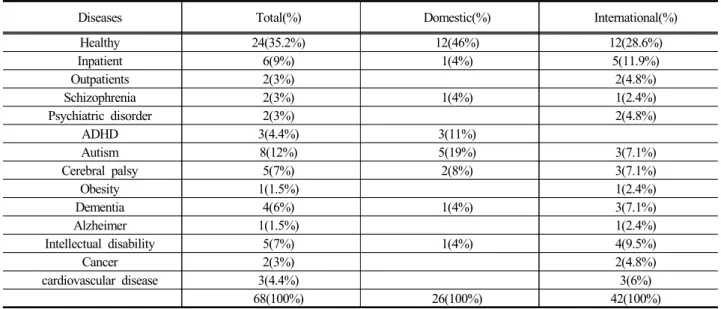
Table 3. The characteristics of subjects
Diseases Total(%) Domestic(%) International(%)
Healthy 24(35.2%) 12(46%) 12(28.6%)
Inpatient 6(9%) 1(4%) 5(11.9%)
Outpatients 2(3%) 2(4.8%)
Schizophrenia 2(3%) 1(4%) 1(2.4%)
Psychiatric disorder 2(3%) 2(4.8%)
ADHD 3(4.4%) 3(11%)
Autism 8(12%) 5(19%) 3(7.1%)
Cerebral palsy 5(7%) 2(8%) 3(7.1%)
Obesity 1(1.5%) 1(2.4%)
Dementia 4(6%) 1(4%) 3(7.1%)
Alzheimer 1(1.5%) 1(2.4%)
Intellectual disability 5(7%) 1(4%) 4(9.5%)
Cancer 2(3%) 2(4.8%)
cardiovascular disease 3(4.4%) 3(6%)
68(100%) 26(100%) 42(100%)
Table 4. The areas of effects
Variable Total(%) Domestic(%) International(%)
Psychology 44(65%) 22(85%) 22(52%)
Physical 24(35%) 4(15%) 20(48%)
68(100%) 26(100%) 42(100%)
비전 보기 1 MET 등과 유사한 것으로 나타났다 다른 . 치료방법인 원예치료 내용(contents)을 살펴보면 가래질이 나 정원 다듬기는 5 METs, 식물키우기는 4.3 METs, 정 원이나 나뭇잎들 갈퀴질 하기는 3.8 METs, 나무 다듬기 는 4 METs, 정원에 물주기는 1.5 METs로 나타났다 따. 라서 동물매개 치료의 긍정적 효과를 보편화기 위해서는 계속적으로 다양한 학문적 접근이 모색되고 시도되어야 할 것으로 생각된다.
연령별 연구대상자 분석 결과 2.
동물매개치유 이용된 연구대상자 비교결과는 <Table 에 제시하였다
2> .
총 편의 국내 외 동물매개치유 연구에서 유아는 68 , 4
편 아동은 편 청소년은 편 성인은 편 노인은 , 27 , 2 , 18 , 17 편로 나타났다. 26편의 국내 동물매개치유 연구에서 유 아는 편 아동은 편 청소년은 편 성인은 편 노인 4 , 15 , 1 , 3 ,
편으로 나타났다 편의 국외 동물매개치유 연구에서
3 . 42
아동은 편 청소년은 편 성인은 편 노인은 편으12 , 1 , 15 , 14 로 나타났다.
연령별 연구대상자 동물매개치료 효과를 살펴보면 노 인에서는 신체적 정서적 인지적 기능 개선효과와 삶의 , , 질 향상에 기여하며 정신적 안정과 더불어 통증감소 사, 회성 및 표현력이 향상되는 것으로 보고되고 있다(Lee,
아동들에서는 주의력 결핍 장애아동에서 과잉행 2010).
동이 감소되었음을 보고하여 동물매개치료가 대체치유의 유용한 도구로 활용되고 있음을 시사하였다(Choi et al., 2011).
Table 5. The areas of effects in detail(International)
Psychology Variable Physical Variable
Variable Frequency Variable Frequency
Activities of Daily Living 1 Balance 3
Behavioural symptoms 3 Blood pressure 4
Anxiety 5 Body weight 1
Cognition 1 Cadence 1
Depression 5 Cortisol levels 6
Displayed affect 1 ECG 1
Global Functioning 1 Higher step counts 1
Intellectual function 1 Lower Limb strength 2
Interpersonal sensitivity score 1 Lymphocytes 1
Lonelines status 2 Movement assesment 1
Mental stress 1 Norepinephrine levels 2
Negative psychiatric symptoms 1 Nutritional intake 1
Self report 3 Epinephrine 1
Social And Behaviour Function 7 Functional motor of performance 1
Spontaneity 1 Gait independence 1
Emotional function 3 Heart rate 4
Empathy 1 Respiratory rate 1
Fatigue 1 Salivary IgA 1
Fear 2 Spasticity 1
Format care 1 Pain 1
Functional well being 1 Physical activity 1
Obsession compulsion 1 Reaction time 1
Orientation 1 Recovery and activity after anaesthesia 1
Pain And Mood 1 Spatial gait 1
Physical well being 1 Speed 1
Positive psychiatric symptoms 1
Quality of Life 4
Self-esteem 1
Somatization 1
Total mood disturbance 1
연구대상 특징 분석 결과 3.
동물매개치료 연구대상 특징 분석결과는 <Table 3>에 제시하였다 총 편의 국내 외 동물매개치료 연구에서 . 68 , 건강한자는 편 입원환자 편 외래환자 편 정신분열 24 , 6 , 2 , 편 정신과질환 편 환자 편 자폐증 편 뇌성
2 , 2 , ADHD 3 , 8 ,
마비 편 비만환자 편 치매 편 노년치매 편 지적5 , 1 , 4 , 1 , 장애 편 암 편 심혈관질환 편으로 나타났다5 , 2 , 3 .
편의 국내 동물매개치료에서 건강한자 편 입원환
26 12 ,
자 편 정신분열 편1 , 1 , ADHD환자 편 자폐증 편 뇌성3 , 5 , 마비 편 치매 편 지적장애 편으로 나타났다2 , 1 , 1 .
편의 국외 동물매개치료 연구에서 건강한자 편
42 12 ,
입원환자 편 외래환자 편 정신분열 편 정신과질환 5 , 2 , 1 , 편 자폐증 편 뇌성마비 편 비만환자 편 치매 편
2 , 3 , 3 , 1 , 3 ,
노년치매 편 지적장애 편 암 편 심혈관질환 편으1 , 4 , 2 , 3 로 나타났다. Coakley 등은(2009) 3 17∼ 세 아동을 대상으 로 개를 이용한 프로그램을 적용한 후 호흡속도는 유의 하게 증가시켰으나 혈압과 맥박은 변화 없음을 보고하였 다 또 다른 연구에서는 자폐 아동을 대상으로 개와 산. 책하기 프로그램을 적용한 후 심박수가 긍정적으로 증가 하였음을 보고하였다 (Miccinello, 2011). 또한 비만 어린 이를 대상으로 동물과의 신체활동을 적용한 프로그램에 서는 신체활동량이 유의하게 증가하였음을 보고하였다
뇌성마비아동을 대상으로 한 연구에서는 (Rhodes, 2012).
말의 앞 뒤 옆에서 마주보기 프로그램이 기능적 운동수, ,
행에 긍정적인 영향(Rhodes et al., 2012) , 을 지적 장애 청 소년에서는 말타기 프로그램이 평형성 근력의 개선과 , 일상활동 삶의 질 증진, (Giagazoglou et al., 2013)을 나타 내었고 다른 연구에서는 말과 함께 걷기 프로그램이 반, 응시간과 최대 근육 활동 시간이 향상되었음을 보고하였 다 (Giagazoglou et al., 2012). 이상을 요약하면 현재까지 동물매개치료는 다양한 대상에서 긍정적인 효과를 보고 하고 있지만, 프로그램 기간 활동시간 등에는 일치하지 , 못한 결론들이 도출되고 있어 향후에는 동물매개치료 효 과를 입증하기 위한 체계적이며 논리적인 접근이 요구된 다.
심리적 신체요인 빈도 분석 4. ,
동물매개치유 심리적 신체적 요인 빈도 분석결과는 , 에 제시하였다
<Table 4> .
총 편의 국내 외 동물매개치유 연구에서 심리적 요68 , 인을 살펴본 연구는 편 신체적 요인은 편으로 나타44 , 24 났다. 26편의 국내 동물매개치유 연구에서 심리적 요인 을 살펴본 연구는 편 신체적 요인은 편으로 나타났22 , 4 다. 42편의 국외 동물매개치유 연구에서 심리적 요인을
살펴본 연구는 편 신체적 요인은 편로 나타났다22 , 20 . 선행연구결과에서 제시된 심리적 치유효과를 살펴보
면 성인을 대상으로 한 연구에서는 동물프로그램의 적용 이 공격적인 행동 감소와 상호작용능력 향상을 보고하,
Table 6. The areas of effects in detail(Domestic)
Psychology Variable Physical Variable
Variable Frequency Variable Frequency
Self-esteem 6 Blood pressure 2
Emotion 5 Activation of muscle 2
Recognition 6 Balance 2
Social skills 5 Heart rate 5
Aggression 5 Physical activity 12
Stress 2 Pain 5
Depressed 8
Hyperactivity 3
Regulation 1
Self-reliance 1
Attention 1
Memory 3
Mind control 2
Interplay 8
Activity 1
였고 (Richeson et al., 2003), 또 다른 연구에서는 심폐혈
압 신경호르몬 수준과 불안감을 개선하였다, (Cole, 2007)
하였고 노인을 대상으로 한 연구에서는 개와 산책하기, 가 스트레스 완화와 부교감 신경활동을 증가 시킨다 하 였다 (Motooka, 2006). 국내 동물매개치유 효과를 살펴보 면 남자아동을 대상으로 당나귀를 이용한 프로그램이 ,
어휘력 사회 성숙도 의사소통 향상을 보고하였고 , , (An 또 다른 연구에서는 특수아동을 대상으로
et al., 2013),
말을 이용한 프로그램이 우울감 완화 사회성 향상에 긍, 정적인 효과를 보고하였다(Song, 2008). 아동들에서는 주 의력 결핍 장애아동에서 과잉행동이 감소되었음을 보고 하여 동물매개치료가 대체치유의 유용한 도구로 활용되 고 있음을 시사하였다(Choi et al., 20 11). 이러한 결과들 은 동물매개치료는 다양한 질환자에게 유용한 치료도구 가 될 수 있음을 시사하고 있다.
해외사례 심리 신체요인 세부 분석 5. ,
해외사례의 심리요인 세부 분석결과는 <Table 5>에 제시하였다.
총 편의 해외 동물매개치유 연구에서 심리요인으로42
는 여가활동 희 행동증상 회 불안 회 인지력 회1 , 6 , 5 , 1 , 우울감 회 소심함 회 사회성 회 지적기능 회 대5 , 1 , 1 , 1 , 인관계지수 회 외로움 회 정신적 스트레스 회 부정1 , 2 , 1 , 적 마음 회 자가 기록 회 기능적 행동 회 무의식 1 , 3 , 7 , 1 회 우울모드 회 감정 회 피로 회 두려움 회 걱정 , 3 , 1 , 1 , 2 ,
회 편안함 회 강박관념 회 적응 회 고통과 기분
1 , 1 , 1 , 1 , 1
회 신체적 능력 회 긍정적 마음 회 삶의 질 회 자, 1 , 1 , 4 , 존감 회 신체화 회 종합적인 정서 회로 나타났다1 , 1 , 1 .
해외사례의 신체요인 세부 분석결과는 균형감각 회3 , 혈압 회 몸무게 회 억양 회 코티졸 수준 회 심전4 , 1 , 1 , 6 , 도 회 에피네프린 회 운동수행능력 회 보행능력 1 , 1 , 1 , 1 회 심박수 회 호흡수 회 면역 회 신체경련 회 빠, 4 , 1 , 1 , 1 , 른 걸음 횟수 회 하지근력 회 림프구 회 운동수행 1 , 2 , 1 ,
평가 회 노르에피네프린 수치 회 영양섭취 회 고통 1 , 2 , 1 , 회 신체활동 회 반응시간 회 마취 후 회복과 활동
1 , 1 , 1 ,
능력 회 공간적 보행 회 속도 회로 나타났다1 , 1 , 1 . 그 프로그램 내용을 살펴보면 Stefanini (2015)는 개를 이용한 프로그램을 주 동안 주 회2 1 , 45분을, Viau(2010) 은 승마운동을 주간4 , Rhodes(2012)는 개와 함께 걷기를
주 주 회 분 실시하였다 또한 은
12 , 4 , 30 . Richeson(2003) 개를 이용하여 주 회5 , 60 , 3 , Cole(2007)분 주 은 개 돌보
기 개와 말하기 프로그램을 주 회, 1 , 12분을 실시하였다. 질환자를 대상으로 한 연구에서는 뇌성마비 아동을 대상
으로 말 매개치료 프로그램을 주 주 회10 , 1 , 45분을 실
시하였고(Richeson, 2003), 또 다른 연구에서는 말 타기 및 앉기 걷기의 내용으로 주 회, 2 , 35 , 14분 주 실시하였 다(Giagazoglou et al., 2013). 선행연구들을 종합하면 동물 을 매개로한 다양한 프로그램이 적용되어 긍정적인 효과 를 보고하고 있지만 획일화된 정량화된 동물매개치유 , 내용 그리고 프로그램 개발이 필요한 것으로 생각된다.
국내사례 심리 신체요인 세부 분석 6. ,
국내사례의 심리요인 세부 분석결과는 <Table 6>에 제시하였다.
총 편의 국내 동물매개치유 연구에서 심리요인으로26 는 자기효능감 회 정서는 회 인지 회 사회성 회6 , 5 , 6 , 5 , 공격성 회 스트레스 회 우울 회 과잉행동 회 규5 , 2 , 8 , 3 , 칙 회 자신감 회 집중력 회 기억력 회 자기조절 1 , 1 , 1 , 3 , 2 회 상호작용 회 활동성 회로 나타났다, 8 , 1 .
신체요인 세부 분석결과는 혈압 회 근활성 회 균2 , 2 , 형능력 회 맥박수 회 신체활동 회 신체적 고통 2 , 5 , 12 , 5 회로 나타났다.
국내의 동물매개치료 프로그램을 살펴보면 아동을 대, 상으로 당나귀를 이용한 프로그램을 주 회2 , 30 , 5분 주 실시하였고(An et al., 2013), 공격성 및 우울개선을 위해 개를 이용한 프로그램으로 주 회1 , 60 , 12분 주를 실시하 였다(Song, 2011). 또 다른 연구에서는 특수아동에게 재 활승마 프로그램을 주 회1 , 30 , 8분 주 실시하였다(Song, 2008).
결론 및 제언 V.
본 연구는 국내 국외에서 동물을 매개로 실시된 중재, 연구들의 동향을 분석함으로써 향후 동물매개 중재연구 에 대한 실증적 근거와 연구방향을 제시하고자 시도되었 으며 본 연구에서 분석된 결과를 토대로 다음과 같이 요 약하고자 한다.
동물매개 치료 연구는 국내 국외 모두 개를 이용한 동물매개치유가 많았음을 알 수 있었으며 그 대상자는 , 어린이 청소년 성인 노인에 이르기까지 다양한 연령대, , , 에서 다루어져 있었다 또한 동물매개치료는 질환을 가. 진 대상자에서도 유용한 치료도구로 활용되고 있음을 확 인할 수 있었다.
건강한 대상자들에서 동물매개치료의 심리적 효과는 불안한 마음 우울감을 감소시킴으로서 삶의 질을 향상, 과 자존감을 증진시키는데 도움을 주는 것으로 나타났 다 신체적 효과로는 스트레스 호르몬인 코티졸 수준.
맥박수 혈압 조절에 긍정적인 효과를 보 (cotisol level), ,
이는 것으로 나타났다 다음으로 질환자들에서는 국내. ∙ 외 모두 자폐(Autism) (Dementia)아동과 치매환자 를 대상 으로 동물매개치료가 주를 이루었으며 심리적 효과로는 사회성과 자기 감정조절 능력이 개선되었으며 신체적 , 효과로는 기억능력 개선 신체활동 시간 반응시간 등이 , , 효과적으로 증가된 것으로 나타났다 이에 향 후 시도 . 될 동물매개치료 연구를 위해 아래와 같은 제언을 하고 자 한다.
첫째 동물매개치유는 치유농업의 규모에 비하여 규모 가 적은 편으로 동물매개치유에 대한 중요성을 인식하고 이를 국내에 맞는 치유프로그램으로 계획하여 적용할 필 요가 있다.
둘째 국내 대상자의 정서 및 사회적 환경을 고려한 치료동물 선정이 필요하다 따라서 국내에서는 소. ( )小동 물을 이용한 동물매개치유가 우리나라에서 적용하기에 용의할 것으로 사료된다.
셋째 동물매개 치유에 대한 신체적 심리적 효과를 정 량적으로 제시하기 위해서는 본 연구에서 제시된 신체활 동량(METs)을 이용하는 것도 학문적으로는 더욱 의미 있는 연구결과가 도출될 것으로 사료된다.
References
1. Kang, WG. 2014. Effects of Integrative Animal Assisted Therapy on the Self-esteem and Sociability of Children from Low-income Families. Wonkwang university, Master’s Thesis.
2. Kang, TS. 2005. Comparison Between The Effects on Animal Assisted Therapy and The Effects Psychologicla Treatment Program for Purpose of Reinforcing Protectivw Factor of Juvenile Offenders.
Kyonggi University, Master’s Thesis.
3. National Health Insurance Service, 2013. 2013 Analysis of National Health Insurance.
4. Kim, WS. 2010. The Influences of Outdoor Activities with Companion Dog on Attention of Children with ADHD, Wonkwang university, Master’s Thesis.
5. Kim, SB, Lee, SY. 2006, Key Landscape Elements in Conttituent Spaces of Rular Village Area : Centered on Rular Traditional Theme Village. Korean Society of Rular Planning, 12(3), 13-18
6. Kim, MJ, Kim, HM, and Cho, SJ. 2007. A study of Planning for the Elderly in Korean Rural
CommunityKorean Society of Rular Planning, 13(2), 107- 120
7. Kim, TK. 2013. Companion animals mediated activity program impact on five-years-old infant's emotional intelligenc, Kyonggi University, Master’s Thesis.
8. Kin, TH, 2011. A study on the Participation of patients with Intellectual Disability in Animal Assisted Therapy, SoongsilUniversity Master’s Thesis.
9. Ma, YN, Kang, KS, Kim, W, and Kim, OJ. 2011.
The Influences of Play Activities with Companion Dog on the SocialI nteraction of Children with Autism Spectrum Disorders, Wonkwang university, Master’s Thesis.
10. Ma, YN. 2012. The Influences of Animal-Assisted Intervention Program on the Emotion and Social Interaction of Elementary School Students with Withdrawal, Wonkwang university Doctorate Thesis.
11. Seo, KO. 2011, The Effects of Animal Assisted Therapy Program Using Therapy Dog for the Hyperactivity of Children with ADHD. Wonkwang university Master’s Thesis.
12. Song, YN, Kim, JS, Cho, JH, Park, KP, and Kim, CH. 2011. The Effects of Animal-assisted Therapy on Aggression and Depression of Children of Family Violence Women Victims, Korean Journal of Play Therapy. 14(3), 93- 105.
13. Song, CH. 2009. The effects of horse riding therapy program on depression and sociality of exceptional children, kwangwoon University Master’s Thesis.
14. Shin, SJ, and Jung, SH. 2000. The effedts of therapy dog-facilitated program on the improvement of social functioning for the schizophrenics, Korea Academy of Mental Health Social Work, 10, 85-112.
15. Shin, SJ. 2001. A Study on the Influence of the level of Children’s Participation and Mother s Support on the Effectiveness of Therapy Dog Assisted Program for the Autistic Children, Korean Society of Child Wlefare, 12, 9-41.
16. An, SB, Hong JE, and Kim WS. 2013. Effect on Social Communication Disability Children Using Hippotherapy Program with a Donkey, Journal of Special Education & Rehabilitation Science, 52(1), 259-278.
17. Woo, JK. 2012. Effects of Animal-Assisted Therapy
with Companion Dogs on the Social Skills of Adults with Intellectual Disabilities, Wonkwang university, Master’s Thesis.
18. Lee, SJK, and Shin, E. 2010. The Effects of Pet Dog-Assisted Activities on Self-Esteem, Depression and Cognitive Function among Elderly People, J Agr Med Commun Health, 35(3), 314-325.
19. Lee, IS, , Kim, JS, and Kim SY. 2011. The Effects of Hippotherapy on Spasticity and Muscular Activity in Children with Cerebral Palsy, The Journal of Korean Society of Occupational Therapy, 19(1).
20. Lee, JY. 2008. The Effects of the Prison-based Dog Training Program with the Juvenile Prisoners' Aggression and Self-esteem, The Catholic University of Korea, Master’s Thesis.
21. Lee, JM, Bae, YJ, Kim, TG, Lee JJ, and Suh, K.
2013. Quantitative Effect Evaluation and Spatial Autocorrelation Analysis of Rural Development Projects, Korean Society of Rular Planning, 19(2) : 107-120
22. Lee, JS. 2004. The study for the Effect of Interventional Activity Program with Pet Dogs to Change of Social Behaviors of Autistic Early Child, Kangnam University, Master’s Thesis.
23. Lee, HK, 2012. The Effects of Horse-Assisted Therapy on Improving Behavior in Children with ADHD Symptoms, Pyeongtaek University, Doctor’s Thesis.
24. Lee, HW, Kim, YJ, and Choi, SM. 2004. A study on Spatial Structure Analysis for Comprehensive Rural Clustered Villages Development Area Using the Space Syntax Method Thehnique, Korean Society of Rular Planning, 10(4), 19-28
25. Lim, CS, Choi, SM, and Sim, HW. 2009. An Analysis of Spatial Characteristics in the Center Villages of Hub-Myun Site, Korean Society of Rular Planning, 15(3), 33-45
26. Jeong, DY, and Lee SH. 2013, Analysis of the Characteristics of Spatial Composition in Rural Village :Focused on Godeumi Village, Myeongsim Experience Village, Ohbaksa Village, Korean Society of Rular Planning, 19(4), 329-338
27. Jung, SG. 2012. The Effects of Animal Assisted Therapy Program on the Blood Pressure and Stress 28. of Hypertension Patients, wonkwang university,
Master’s Thesis.
29. Choi, DY, Lee, HA, Hong, SH, Ma, YN, and Kim, OJ. 2011. Effects of animal assisted activity program of reconition in children with austism, Journal of Life Science and Natural Research, 33(1), 80-86.
30. Choi, SY, ,Sung, CH, Hong, EJ, and Han, SW.
2014. Effects of Animal-Assisted Activity for Korea Elderly with Mild Cognitive Impairment, Society of Occupational Therapy for the Aged and Dementia, 8(2), 11-19.
31. Choi, SH. 2006. Effects of Dog-Assisted Speech Program on Speech Behavior of Elementary School Children, KeimyungUniversity, Doctor’s Thesis.
32. Choi, YW, and Kim, YJ. 2013. The Spatial Location Analysis of Rural Village and Amenity Resources, Korean Society of Rular Planning, 19(1) : 81-90 33. Her, SY, and Hong, HJ. 2013. A Study about the
Effect of Reading Enhancement and the Selfrespect Improvement of Children through an Animal assisted Therapy, Korean Biblia Society for Library and Information Science, 24(3), 181-198.
34. Hong, JY, and Kim, HH. 2014 A study on effect of equine facilitated therapy program on self-regulation in children with problem behavior, The Journal of Play Therapy, 18(1), 105-120.
35. Abate, S. V., et al, 2011, Impact of Canine-Assisted Ambulation on Hospitalized Chronic Heart Failure Patients' Ambulation Outcomes and Satisfaction A Pilot Study. Journal of Cardiovascular Nursing, 26(3), 224-230.
36. Allen, Karen, Barbara E. Shykoff, and Joseph L. Izzo, 2015, Pet ownership, but not ACE inhibitor therapy, blunts home blood pressure responses to mental stress.
Hypertension, 38.4, 815-820.
37. Araujo, T. B., et al, 2011, Effect of equine-assisted therapy on the postural balance of the elderly. Revista Brasileira De Fisioterapia, 15(5), 414-419.
38. Banks, M. R. and W. A. Banks, 2002, The effects of animal-assisted therapy on loneliness in an elderly population in long-term care facilities. Journals of Gerontology Series a-Biological Sciences and Medical Sciences, 57(7), 428-432.
39. Banks, M. R., et al, 2008, Animal-assisted therapy and loneliness in nursing homes: Use of robotic versus living dogs. Journal of the American Medical
Directors Association, 9(3), 173-177.
40. Barker, S. B., et al, 2005, Measuring stress and immune response in healthcare professionals following interaction with a therapy dog: A pilot study.
Psychological Reports, 96(3), 713-729.
41. Barker, S. B., et al, 2003, Effects of animal-assisted therapy on patients' anxiety, fear, and depression before ECT. Journal of Ect, 19(1), 38-44.
42. Beinotti, F., et al, 2010, Use of hippotherapy in gait training for hemiparetic post-stroke. Arquivos De Neuro- Psiquiatria, 68(6), 908-913.
43. Berry, A., et al, 2012, Developing effective animal-assisted intervention programs involving visiting dogs for institutionalized geriatric patients: a pilot study. Psychogeriatrics, 12(3), 143-150.
44. Calcaterra, V., et al, 2015, Post-Operative Benefits of Animal-Assisted Therapy in Pediatric Surgery: A Randomised Study, 10(6).
45. Casady, R. and D. Nichols-Larsen, 2004, The effect of hippotherapy on ten children with cerebral palsy.
Pediatric physical therapy: the official publication of the Section on Pediatrics of the American Physical Therapy Association, 16(3), 165.
46. Chu, C.-I., et al, 2009, The Effect of Animal-Assisted Activity on Inpatients with Schizophrenia. Journal of Psychosocial Nursing and Mental Health Services, 47(12), 42-48.
47. Coakley, A. B., & Mahoney, E. K, 2009, Creating a therapeutic and healing environment with a pet therapy program. Complementary therapies in clinical practice, 15(3), 141-146.
48. Cole, K. M., et al, 2007, Animal-assisted therapy in patients hospitalized with heart failure. American Journal of Critical Care, 16(6), 575-585.
49. Colombo, G., et al, 2006, Pet therapy and institutionalized elderly: A study on 144 cognitively unimpaired subjects. Archives of Gerontology and Geriatrics, 42(2), 207-216.
50. CrowleyRobinson, P., et al, 1996, A long-term study of elderly people in nursing homes with visiting and resident dogs. Applied Animal Behaviour Science, 47(1-2), 137-148.
51. de Araujo, T. B., et al, 2013, Effects of hippotherapy on mobility, strength and balance in elderly. Archives of Gerontology and Geriatrics, 56(3), 478-481.
52. Edwards, N. E. and A. M. Beck, 2002, Animal-assisted therapy and nutrition in Alzheimer's disease. Western Journal of Nursing Research, 24(6), 697-712.
53. Elmaci, D. T. and S. Cevizci, 2015, Dog-Assisted Therapies and Activities in Rehabilitation of Children with Cerebral Palsy and Physical and Mental Disabilities. International Journal of Environmental Research and Public Health, 12(5), 5046-5060.
54. Esteves, S. W., & Stokes, T, 2008, Social effects of a dog's presence on children with disabilities.
Anthrozoös, 21(1), 5-15.
55. Fleishman, Stewart B., et al, 2015, Beneficial effects of animal-assisted visits on quality of life during multimodal radiation-chemotherapy regimens. The Journal of community and supportive oncology, 13.1, 22-26.
56. Friesen, L, 2010, Exploring animal-assisted programs with children in school and therapeutic contexts. Early Childhood Education Journal, 37(4), 261-267.
57. Giagazoglou, P., et al, 2012, Effect of a hippotherapy intervention program on static balance and strength in adolescents with intellectual disabilities. Research in Developmental Disabilities, 33(6), 2265-2270.
58. Giagazoglou, P., et al, 2013, Muscle reaction function of individuals with intellectual disabilities may be improved through therapeutic use of a horse. Research in Developmental Disabilities, 34(9), 2442-2448.
59. Kaminski, M., et al. 2002. Play and pets: The physical and emotional impact of child-life and pet therapy on hospitalized children. Childrens Health Care 31(4):321-335.
60. Kawamura, N., et al, 2007, Long-term evaluation of animal-assisted therapy for institutionalized elderly people: a preliminary result. Psychogeriatrics, 7(1), 8-13.
61. Le Roux, M. C. and R. Kemp, 2009, Effect of a companion dog on depression and anxiety levels of elderly residents in a long-term care facility.
Psychogeriatrics, 9(1), 23-26.
62. Lechner, H. E., et al, 2003, The short-term effect of hippotherapy on spasticity in patients with spinal cord injury. Spinal Cord, 41(9), 502-505.
63. Marcus, D. A., et al, 2012, Animal-Assisted Therapy at an Outpatient Pain Management Clinic. Pain
Medicine, 13(1), 45-57.
64. McGee, M. C. and N. B. Reese, 2009, Immediate Effects of a Hippotherapy Session on Gait Parameters in Children with Spastic Cerebral Palsy. Pediatric Physical Therapy, 21(2), 212-218.
65. Miccinello, D, 2011, The effects of animal assisted interventions on children with autism during the Movement Assessment Battery for Children-2 (MABC-2). Doctoral dissertation, University of Delaware, 21(1), 5-15.
66. Motooka, M., et al, 2006, Effect of dog-walking on autonomic nervous activity in senior citizens. Medical Journal of Australia, 184(2), 60-63.
67. Nordgren, L. and G. Engstroem, 2014, Animal- Assisted Intervention in Dementia: Effects on Quality of Life. Clinical Nursing Research, 23(1), 7-19.
68. Nordgren, L. and G. Engstrom, 2012, Effects of Animal-Assisted Therapy on Behavioral and/or Psychological Symptoms in Dementia: A Case Report.
American Journal of Alzheimers Disease and Other Dementias, 27(8), 625-632.
69. O'Haire, M. E., et al, 2013, Effects of Animal-Assisted Activities with Guinea Pigs in the Primary School Classroom. Anthrozoos, 26(3), 445-458.
70. O'Haire, M. E., et al. 2014. Effects of Classroom Animal- Assisted Activities on Social Functioning in Children with Autism Spectrum Disorder. J Altern Complement Med 20(3), 162-168.
71. Rhodes, R. E., et al, 2012, Pilot study of a dog walking randomized intervention: Effects of a focus on canine exercise. Preventive Medicine, 54(5), 309- 312.
72. Richeson, N. E, 2003, Effects of animal-assisted
therapy on agitated behaviors and social interactions of older adults with dementia. American journal of Alzheimer's disease and other dementias, 18(6), 353-358.
73. Sobo, E. J., Eng, B., & Kassity-Krich, N, 2006, Canine visitation (pet) therapy pilot data on decreases in child pain perception. Journal of Holistic Nursing, 24(1), 51-57.
74. Stefanini, M. C., et al, 2015, The use of Animal-Assisted Therapy in adolescents with acute mental disorders: A randomized controlled study.
Complementary Therapies in Clinical Practice, 21(1), 42-46.
75. Turnbach, A, 2014, The Effect of Dog-Assisted Therapy on Cancer Patients in Hospice Care. The Effect of Dog-Assisted Therapy on Cancer Patients in Hospice Care, 7-12.
76. Viau, R., et al, 2010, Effect of service dogs on salivary cortisol secretion in autistic children.
Psychoneuroendocrinology, 35(8), 1187-1193.
77. Wohlfarth, R., et al, 2013, Dogs motivate obese children for physical activity: key elements of a motivational theory of animal-assisted interventions.
Frontiers in Psychology, 13(1), 45-57.
78. Dong Woo Lee, 2006, A management strategy senile mental health in an asing society-In senile dementia and depression, Budget & Policy, 81-89.
Received 2 February 2016
First Revised 18 February 2016
Finally Revised 24February 2016
Accepted 24 February 2016