Treatments for children and adolescents with AML
Hyery Kim
Department of Pediatrics, University of Ulsan College of Medicine, Asan Medical Center Children’s Hospital, Seoul, Korea
p-ISSN 2287-979X / e-ISSN 2288-0011 https://doi.org/10.5045/br.2020.S002 Blood Res 2020;55:S5-S13.
Received on November 26, 2019 Revised on January 30, 2020 Accepted on February 14, 2020
Abstract
In recent decades, survival rates for childhood acute myeloid leukemia have remarkably improved, owing to chemotherapy intensification, allogeneic hematopoietic stem cell transplantation, and improved supportive care. Furthermore, treatment protocols have evolved and are currently better matched to prognostic factors and treatment responses.
Recently, new molecular prognostic factors were discovered via leukemia genomic studies. Moreover, new tumor subtypes with independent gene expression profiles have been characterized. To broaden the therapeutic options for patients with poor prognoses, therapies that target specific candidate mutations are being identified. Additionally, new drugs are undergoing clinical trials, and immunotherapy is attracting significant interest as a treatment option for recurrent or refractory childhood acute myeloid leukemia.
Key Words Childhood, Adolescents, Acute myeloid leukemia, Treatment, Prognosis, Survival
Correspondence to Hyery Kim, M.D., Ph.D.
Division of Pediatric Hematology/
Oncology, Department of Pediatrics, University of Ulsan College of Medicine, Asan Medical Center, 88-1 Olympic-ro 43-gil, Songpa-gu, Seoul 105505, Korea E-mail: [email protected]
Ⓒ 2020 Korean Society of Hematology
INTRODUCTION
Pediatric acute myeloid leukemia (AML) is a heteroge- neous group of diseases classified according to morphology, lineage, and genetics [1]. The overall survival (OS) rates of children with AML have improved over the past three decades, with the current 5-year survival rate ranging from 65% to 75% [2-5]. Overall remission-induction rates are approximately 85% to 95% and event free survival (EFS) rates from the time of diagnosis range from 50% to 65%
[2-5]. These improvements were driven by chemotherapy intensification, allogeneic hematopoietic stem cell trans- plantation (HSCT), and improved supportive care. During this period, most international cooperative study groups have coalesced to derive a treatment strategy that includes four to five courses of intensive myelosuppressive chemotherapy, including two courses of induction, predominantly based on cytarabine and anthracyclines with or without HSCT at the first complete remission (CR).
However, a wide range of outcomes exists for the different biological subtypes of AML. Specific biological factors can shift the predicted outcome for an individual patient to either a much better or a much worse outcome than the overall result of the general population of children with AML.
Genomic investigations of AML have led to new genomic
classifications and predictive biomarkers, resulting in better risk stratification and survival outcomes [6, 7].
Despite advancements in chemotherapy and supportive care, primary refractory or relapsed pediatric AML has re- sulted in significant morbidity and mortality, and long-term survival in patients with these disorders remains poor [8].
As a result, efforts to identify new target therapy and cell therapy to improve OS in these individuals remain under continuous investigation.
RISK-BASED STRATIFICATION
AML prognosis is dependent on a range of cytogenetic and molecular characteristics. The risk factors used for strat- ification vary according to the pediatric and adult cooperative clinical trial groups, and the prognostic impact of a given risk factor can vary in significance according to the ad- ministered therapy. Most protocols warrant treatments based on cytogenetics at diagnosis and the responses after induction (Table 1). According to risk group stratification, survival from CR at 5 years significantly varied and the survival percentages for favorable, standard, and poor risks were 84, 76, and 47% (P<0.0001) in the United Kingdom Medical Research Council’s 12nd AML trial (MRC AML12) [3]. The Children’s Oncology Group (COG) AAML0531 study strati-
Table 1. Genetic prognostic markers in international prospective clinical trials of pediatric patients with acute myeloid leukemia.
Study group (protocol no.) Unfavorable prognostic markers Favorable prognostic markers
Children’s Oncology Group
(AAML1831) inv(3)(q21q26.3)–MECOM-RPN1 fusion t(8;21)(q22;q22) RUNX1-RUNX1T1
t(6;9)(p23;q34.1)(DEKDEK-NUP214) inv(16)/t(16;16)(p13.1q22) CBFB-MYH11
Monosomy 7 NPM1 mutations
Monosomy 5/5q Biallelic CEBPA mutation
Monosomy 5/5q-[EGR1(5q31)deleted]
KMT2A(MLL)(11q23.3) -t(4;11)(q21;q23) -t(6;11)(q27;q23) -t(10;11)(p11.2;q23) -t(10;11)(p12;q23) -t(11;19)(q23;p13.3) NUP98(11p15.5)
12p: Rearrangement or loss of ETV6 t(16;21)(p11;q22)(FUS-ERG) FLT3/ITD+with allelic ratio>0.1%
CBFA2T3-GLIS2 RAM phenotype
KAT6A (8p11.21) Fusion (10p12) (for patients who are 90 days or older) Non-KMT2A-MLLT10 Fusions
St. Jude Children’s Hospital
(AML16) DEK-NUP214 [t(6;9)]
KAT6A-CREBBP [t(8;16)]
RUNX1-CBFA2T3 [t(16;21)]
-7, -5, 5q-, KMT2A-MLLT10 [t(6;11)]
KMT2A-MLLT4 [t(10;11)]
inv(3)(q21q26.2)
CBFA2T3-GLIS2 [inv(16)(p13.3q24.3)]
NUP98-KDM5A [t(11;12)(p15;p13)]
ETV6-HLXB [t(7;12)(q36;p13)]
NUP98-HOXA9 [t(7;11)(p15.4;p15)]
NUP98-NSD1
FLT3-ITD in combination with either NUP98-NSD1 fusion or WT1 mutation
Acute megakaryoblastic leukemia with KMT2A rearrangements, CBFA2T3-GLIS2
[inv(16)(p13.3q24.3)], or NUP98-KDM5A [t(11;12)(p15;p13)]
Absence of high-risk features
Berlin-Frankfurt-Münster Complex karyotype -5del(5q)-7
Abnormalities of 3q FLT3 mutation
t(8;21) inv(16)
United Kingdom Medical Research
Council (AML MRC 17) Complex karyotype -5
del(5q)-7
Abnormalities of 3q FLT3 mutation
t(8;21)/AML1-ETO
inv(16)/t(16;16)/CBFB-MYH11
fied treatments according to the initial genetic prognostic markers and responses after induction [9]. These differing approaches yielded significant survival differences between the groups: 3-year EFS of 64.0%, 46%, and 27% in the low risk, intermediate risk, and high risk groups. In the sub- sequent COG AAML1031 trial, risk groups were defined by integrating the minimal residual disease (MRD) assessed by multiparameter flow cytometry [10]. Patients who were positive for MRD (≥0.1%) were allocated to the high-risk group. Most current protocols for pediatric AML patients
recommend transplantation from the most appropriate avail- able donor during the first remission for those at high-risk.
Additionally, it is recommended that patients in the low-risk group receive HSCT upon relapse; however, validation of this approach is warranted.
TREATMENTS FOR NEWLY DIAGNOSED PATIENTS
Chemotherapy
Cytarabine and anthracycline are the two most important drugs administered to induce remission. Cytarabine is usually administered for 10 days, followed by daunorubicin for 3 days. Commonly used regimens for the induction phase in pediatric AML patients are cytarabine and anthracycline in combination with etoposide or thioguanine [3]. The MRC AML 10 trial conducted a randomized comparison of the DAT (daunorubicin, cytarabine, thioguanine) and ADE (cytarabine, daunorubicin, etoposide) regimens but found no significant differences in CR rate or induction death.
Moreover, the 10-year survival, OS, disease free survival (DFS), and EFS were recognized to be similar between the two regimens [3, 11]. However, the percentages of patients achieving remission after treatment and failing to achieve CR due to disease resistance were slightly better with the ADE regimen. Additionally, a relatively higher CR death rate was found during consolidation chemotherapy with ADE (9%) than with DAT (6%; P=0.06) [11]. A subsequent MRC AML15 trial compared DA, ADE, and FLAG-IDA (fludarabine, high-dose cytarabine, filgrastim-idarubicin) with or without gemtuzumab ozogamicin (GO) for the first induction. As a result, induction with DA (daunorubicin, cytarabine) was found to result in survival rates that were equivalent to ADE induction [12]. In addition, FLAG-IDA was demon- strated to be an effective remission induction treatment, with a high CR rate after the first course and reduced relapse, albeit with increased myelosuppression. Currently, etoposide is not used in the COG and MRC trials, resulting in DA regimens with or without targeted agents according to the diagnostic genetic characteristics, such as GO or FLT3 inhibitors.
Among anthracyclines, daunorubicin is the most com- monly administered drug in induction regimens. Cytarabine and etoposide in combination with either daunorubicin or idarubicin (ADE or AIE) were compared in the Berlin- Frankfurt-Münster (BFM) study, and similar EFS and OS were observed for both regimens [13, 14]. Likewise, a pre- vious MRC trial showed no significant overall survival benefit from cytarabine, mitoxantrone, and etoposide (MAE) relative to ADE [15]. Although idarubicin and mitoxantrone out- comes were not superior to those of daunorubicin, liposomal daunorubicin significantly reduced treatment-related mor- tality compared to idarubicin [16].
First-line treatments were intensified by the introduction of courses of high-dose cytarabine, new anthracyclines, or anthracycline formulations. High-dose cytarabine with mi- toxantrone (HAM) or etoposide (HAE) was administered in the BFM-AML studies. The recent MRC 17 study used high-dose cytarabine containing FLAG-IDA in the poor risk group, and two courses of high-dose cytarabine in the other risk groups.
In the past, five chemotherapy courses served as the stand- ard for frontline treatment. However, comparisons between
the COG AAML0531 and AAML1031 studies showed that MRD level at the end of induction I, and not the removal of a fifth cytarabine-containing course, was the most sig- nificant predictor of relapse [17]. Likewise, a fifth course showed no survival benefit in MRC AML15 [12].
CNS treatment, usually with intrathecal medication, is a standard component of most pediatric AML protocols; how- ever, research has yet to directly associate this treatment with improvements in survival. Although CNS involvement (CNS2 or CNS3) at diagnosis was not correlated with OS in most studies, two consecutive COG trials found that CNS involvement, particularly CNS3 status, was associated with worse outcomes, including CR rate, EFS, disease-free surviv- al, and an increased risk of relapse involving the CNS [18].
In contrast to acute lymphoblastic leukemia, traumatic tap- ping did not increase CNS relapse incidence.
Gemtuzumab ozogamicin
GO (Mylotarg) is a humanized anti-CD33-calicheamicin conjugate developed for the targeted treatment of AML. GO was approved for use by the United States FDA in 2000 [19]; however, in 2010, it was withdrawn from the market due to concerns of increased liver toxicity and myelo- suppression. Nonetheless, GO has been incorporated into prospective trials for adults and children with AML. As a result, the manufacturer reapplied for FDA approval in 2017, with support from additional clinical results.
The COG AAML03P1 pilot study administered two doses of GO to 350 children with AML in courses 1 and 4 [20].
Patients achieved a CR rate of 83% after one course and 87% after two courses. Although a mortality rate of 2.6%
was obtained after two induction courses, the 3-year EFS and OS percentages were 53% and 66%. Based on these findings, a subsequent COG AAML0531 study randomly ad- ministered the standard five-course chemotherapy with or without two doses of GO (3 mg/m2/dose) to 1,022 patients ages 0 to 29 years with newly diagnosed AML [9]. Based on their results, GO significantly reduced relapse risk (3 yr: 32.8% vs. 41.3%; P=0.006), albeit with increased post-re- mission toxic mortality. DFS was thus demonstrated to result in better responses in GO recipients. Based on these results, current COG and MRC trials are using GO in combination with cytarabine and daunorubicin as the initial induction therapy in newly diagnosed AML patients.
Allogeneic hematopoietic stem cell transplantation
The use of allogeneic HSCT as a consolidation therapy for pediatric patients with AML in the first CR has been continuously evaluated in prospective clinical trials. In an analysis of 1,373 pediatric patients with AML, HLA-matched relative bone marrow transplantation only conferred survival benefits to intermediate cytogenetic risk groups. In pro- spective trials of allogeneic HSCT compared to chemotherapy and/or autologous HSCT, a superior DFS was observed for patients assigned to received allogeneic HSCT [21, 22].
However, results comparing allogeneic HSCT to chemo- therapy remain inconclusive. Allogeneic HSCT has been lim-
ited to intermediate or poor risk groups in the first CR because of improved outcomes in patients with favorable cytogenetics or mutations receiving contemporary myelo- suppressive combination chemotherapy. Conflicting reports on the efficacy of HSCT in intermediate risk groups [23, 24]
have led many childhood AML studies to employ upfront allogeneic HSCT for poor risk groups alone; these include patients with unfavorable cytogenetics, genetic mutations, or elevated end-of-induction MRD levels [25]. As the defi- nitions of high-, intermediate-, and low-risk AML are evolv- ing due to ongoing discoveries of the molecular character- istics of AML and more sophisticated assessments of MRD, a further analysis of the subpopulations of patients treated with allogeneic HSCT will be an ongoing need in current and future clinical trials.
The optimal preparative regimen and the source of donor cells have yet to be determined. For approximately 20 years, myeloablative doses of busulfan and high doses of cyclo- phosphamide were used in many studies. However, ongoing efforts to reduce toxicity- and treatment-related mortalities have led to the replacement of cyclophosphamide with flu- darabine to introduce reduced intensity conditioning. There is no prospective randomized study comparing different con- ditioning regimens; however, previously, two large retro- spective studies performed by the Center for International Blood and Marrow Transplant Research (CIBMTR) showed no significant survival difference between myeloablative and reduced-intensity conditioning regimens or busulfan/cyclo- phosphamide and busulfan/fludarabine regimens [26, 27].
MINIMAL RESIDUAL DISEASE
Early responses to therapy, which are generally measured after the first course of induction therapy, is predictive of outcomes [28, 29]. Molecular approaches using quantitative reverse transcriptase polymerase chain reaction (RT-PCR) to assess MRD in AML has proven challenging owing to the genomic heterogeneity of pediatric AML and the in- stability of some genomic alterations. Nonetheless, flow cyto- metric methods have been successfully used for MRD de- tection and can detect leukemic blasts according to the ex- pression of aberrant surface antigens that differ from patterns observed in normal progenitors.
Quantitative RT-PCR detection of RUNX1-RUNX1T1 (AML1-ETO) fusion transcripts can effectively predict a higher risk of relapse for patients in clinical remission [30-32]. Other molecular alterations, such as NPM1 muta- tions [33] and CBFB-MYH11 fusion transcripts [31], are also used as specific molecular markers in the MRD assays.
However, a PCR-based assay for the FLT3-ITD mutation loads lack the sensitivity required to quantify MRD [32], and was discordant between diagnosis and relapse, although when it persists, it can be useful pre-transplant prognostic marker [34].
Multiple groups have shown that the level of MRD after one course of induction therapy is an independent predictor
of prognosis. The COG AAML03P1 study prospectively in- vestigated MRD at the end of inductions I and II by flow cytometry and correlated these values with clinical outcomes in 350 patients [29]. In a multivariate analysis that included cytogenetic and molecular risk factors, residual disease was an independent predictor of relapse. According to the St.
Jude hospital AML02 study where high-dose or low-dose cytarabine was randomly administered with daunorubicin and etoposide (ADE; induction I) to 232 patients with de novo pediatric AML, an MRD ≥1% after induction I was the only significant independent adverse prognostic factor of survival [5].
Next-generation sequencing (NGS) is emerging as an im- portant tool for the molecular analysis of AML at the time of initial diagnosis, especially in cytogenetically normal AML patients [35]. Although more standardization of the methods of testing and interpretation is required, NGS has been used to assess MRD in AML patients.
SPECIFIC SUBGROUPS
Acute promyelocytic leukemia
Acute promyelocytic leukemia (APL) represents -6% to 11% of children with AML [36]. This distinct patient group has t(15;17) in their blasts and is administered different treat- ments relative to other AML patient groups. Although the WHO 2016 revision does not include the t(15;17) cytogenetic designation, it references the PMLRARA fusion, which may either be cryptic or result from complex karyotypic changes [7]. Anthracycline-based chemotherapy in combination with all-trans-retinoic acid (ATRA) has improved the survival of pediatric patients with AML and is currently the mainstay treatment [37]. In the Gruppo Italiano Malattie EMatologiche dell’Adulto—Associazione Italiana di Ematologia Oncologia Pediatrica AIDA 0493 trial, treatment with ATRA, anthracy- clines, and high-dose cytarabine resulted in an OS of approx- imately 90%. White blood cell (WBC) count at initial diag- nosis is used to classify standard and high risk groups in APL. Patients with a WBC count ≥10,000/μL were assigned to a high risk group, and these patients have an increased risk of differentiation syndrome and early death [38]. In the COG AAML0631 study, the high risk group received earlier idarubicin, one additional consolidation (high-dose cytarabine and idarubicin), and ATRA [37].
Maintenance therapy for APL consisting of ATRA and chemotherapy has been shown to improve EFS and OS [39].
More recently, APL clinical trials have evaluated treatment with arsenic trioxide (ATO) [40]. In a pediatric study (AAML0631), all patients received two cycles of ATO therapy during consolidation 1, an additional two (standard risk) or three (high risk) consolidation courses that included high- dose cytarabine and anthracycline, and maintenance therapy comprising of ATRA, oral methotrexate, and mercaptopurine [37]. As a result, the ATO consolidation cycles were well tolerated and allowed a significant reduction in cumulative anthracycline doses while maintaining excellent survival and
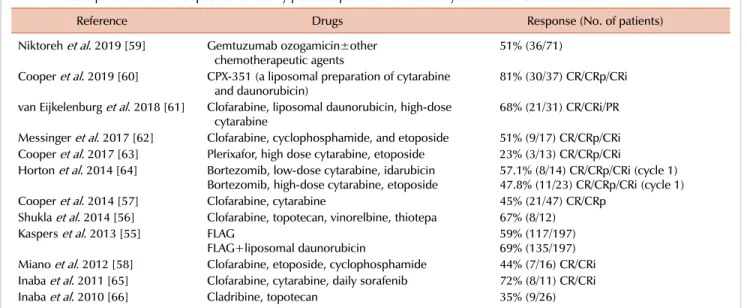
Table 2. Recent publications on relapsed or refractory pediatric patients with acute myeloid leukemia.
Reference Drugs Response (No. of patients)
Niktoreh et al. 2019 [59] Gemtuzumab ozogamicin±other
chemotherapeutic agents 51% (36/71)
Cooper et al. 2019 [60] CPX-351 (a liposomal preparation of cytarabine
and daunorubicin) 81% (30/37) CR/CRp/CRi
van Eijkelenburg et al. 2018 [61] Clofarabine, liposomal daunorubicin, high-dose
cytarabine 68% (21/31) CR/CRi/PR
Messinger et al. 2017 [62] Clofarabine, cyclophosphamide, and etoposide 51% (9/17) CR/CRp/CRi Cooper et al. 2017 [63] Plerixafor, high dose cytarabine, etoposide 23% (3/13) CR/CRp/CRi Horton et al. 2014 [64] Bortezomib, low-dose cytarabine, idarubicin
Bortezomib, high-dose cytarabine, etoposide 57.1% (8/14) CR/CRp/CRi (cycle 1) 47.8% (11/23) CR/CRp/CRi (cycle 1)
Cooper et al. 2014 [57] Clofarabine, cytarabine 45% (21/47) CR/CRp
Shukla et al. 2014 [56] Clofarabine, topotecan, vinorelbine, thiotepa 67% (8/12) Kaspers et al. 2013 [55] FLAG
FLAG+liposomal daunorubicin 59% (117/197)
69% (135/197) Miano et al. 2012 [58] Clofarabine, etoposide, cyclophosphamide 44% (7/16) CR/CRi Inaba et al. 2011 [65] Clofarabine, cytarabine, daily sorafenib 72% (8/11) CR/CRi
Inaba et al. 2010 [66] Cladribine, topotecan 35% (9/26)
Abbreviations: CR, complete remission; CRi, complete remission with incomplete count recovery; CRp, notable CR with incomplete platelet recovery; FLAG, fludarabine, high dose cytarabine, filgrastim.
a low relapse risk for both risk groups. ATO is currently being used in clinical trials for newly diagnosed and relapsed APL.
AML in down syndrome
Approximately 10% of neonates with Down syndrome develop transient abnormal myelopoiesis (TAM). The sub- sequent myeloid leukemia associated with Down syndrome also occurs in 10% to 30% of children with a spontaneous resolution of TAM when reported at a mean age of 16 months (range, 1–30 mo) [41, 42]. Survival outcomes of patients with Down syndrome and AML are superior to those of children with AML but without Down syndrome. Current treatment for children with Down syndrome and AML is less intensive than the standard chemotherapy for those with AML, and HSCT is not indicated at the first remission [43].
In this group of patients, reduced doses of anthracyclines and treatment duration are recommended because of toxicity.
According to a recent COG trial (AAML0431), substituting anthracycline with high-dose cytarabine-based regimens re- duced the cumulative anthracycline dose. Moreover, the re- duced doses of intrathecal chemotherapy did not negatively affect the final survival outcomes and relapse rates of patients compared to previous studies [44]. Instead, intensification included two cycles of cytarabine and etoposide. Currently, the first prospective trial based on risk stratification in this patient group is being conducted through an assessment of MRD levels at the end of induction I [45].
FLT3-mutated AML
The presence of the FLT3-ITD mutation is associated with poor prognosis in AML. In pediatric patients with AML, its prevalence is approximately 15% lower than that in adults [46]. A retrospective report in children and young adults
with AML found that only patients with high allelic ratios of FLT3-ITD benefited from allogeneic HSCT (i.e., those with low allelic ratios did not benefit from this treatment) [47], according to a subset analysis of the COG phase 3 trial, which evaluated GO during induction therapy in chil- dren with newly diagnosed AML [48].
Several FLT3 tyrosine kinase inhibitors that vary in kinase selectivity, potency, and clinical activity are either being developed or have been approved for the treatment of AML [49]. In preliminary studies, sorafenib displayed promising clinical activity in patients with FLT3-ITD-mutated AML;
however, randomized assessments were rarely conducted.
Another multitargeted agent, midostaurin, was approved in combination with standard cytarabine and daunorubicin–
based chemotherapy for patients with newly diagnosed FLT3-mutated AML [50]. Currently, it is undergoing trials to elucidate its efficacy in pediatric patients FLT3-ITD-mu- tated AML. A more recent inhibitor, gilteritinib, is a highly selective oral FLT3 inhibitor that exhibits activity against both FLT3 mutation subtypes (ITD and TKD) and weak activity against c-Kit [50]. Gilteritinib also inhibits the ty- rosine kinase, AXL, which is implicated in FLT3 inhibitor resistance. Gilteritinib was recently approved by the FDA for the treatment of adults with relapsed or refractory AML.
Currently, the COG AML study (AAML1831) is assessing randomized treatment with or without gilteritinib in newly diagnosed pediatric AML patients with the FLT3 mutation.
Relapsed or refractory pediatric patients with AML Survival in children with relapsed or refractory AML re- mains unsatisfactory. Despite the induction of second re- mission in 60% to 70% of children with AML treated with similar drugs at their initial induction, their prognosis for recurrent or progressive AML is generally poor [51, 52].
For relapsed patients, the most significant prognostic factors associated with a favorable outcome include the achievement of a second CR, early response after salvage, late relapse, no previous allogeneic HSCT, and initial favorable cytoge- netics [53, 54]. Consolidation chemotherapy followed by HSCT is generally recommended for these individuals, de- spite the lack of controlled prospective data.
Regimens for salvage chemotherapy in relapsed or re- fractory patients include new agents with conventional che- motherapeutics, such as cytarabine or daunorubicin (Table 2) [55-66]. Liposomal daunorubicin yields a favorable phar- macokinetic profile that causes a ten-fold increase in concen- tration compared to that achieved with conventional prepa- rations [67]. In a study by the BFM group, FLAG was com- pared to FLAG plus liposomal daunorubicin [55]. Based on their findings, no significant survival differences were found;
however, the addition of liposomal daunorubicin increased response rates by 10% and led to significant improvements in OS in patients with CBF mutations (82% vs. 58%; P=0.04).
Clofarabine is a purine nucleoside antimetabolite that is used to treat relapsed or refractory AML either as a single agent or in combination therapy [56-58, 61, 62, 65, 68, 69].
The COG AAML0532 trial evaluated the combination of clofarabine and high dose cytarabine in relapsed pediatric patients with AML. Based on their findings, response rate was 48% and OS was 46% [57].
CPX-351 is a fixed liposomal formulation of daunorubicin and cytarabine approved by the FDA as Vyxeos (Jazz Pharmaceuticals) for the treatment of adults with newly diagnosed, therapy-related AML or AML with myelodys- plasia-related changes. In adult AML patients, Vyxeos im- proved OS (estimated median OS, 9.6 mo) compared to the
“7+3” control arm (5.9 mo) [60, 70]. Furthermore, Vyxeos was administered to relapsed pediatric patients with AML as a Phase I trial; this study comprised of 37 children and adolescents with relapsed or refractory AML [58]. One treat- ment cycle consisted of three doses of Vyxeos on days 1, 3, and 5, and after up to two cycles of therapy (Cycle 1, CPX-351; Cycle 2, FLAG), response rates were assessed. The overall response rates (CR+CRp+Cri) were relatively high (81%; 20 CR, 5 CRp, and 5 CRi), with 70% of these responses being achieved after cycle 1. In this study, 23/29 responders (79%) received HSCT at follow-up. These promising results in relapsed or refractory pediatric patients with AML led to the adoption of a randomized study arm and GO compared to DA+GO in de novo pediatric patients with AML (AAML1831).
NEW AGENTS
Epigenetic modifiers
Epigenetics is defined as alterations in the transcriptional potential of genes owing to modifications of histones and chromatins rather than DNA itself. DNA methylation sig- natures have been used to identify biologically distinct sub- types of AML. By sequencing the DNA in AML cells, re-
current mutations in genes that encode proteins that alter DNA methylation patterns, such as DNMT3A, IDH1, and TET2, were observed. Azacitidine is a DNA methylation inhibitor (DMTi) and the first clinically adopted epigenetic modifier. Azacitidine was found to exert in vitro therapeutic efficacy in cell lines of AML [71]. Recent trials comparing single agent azacitidine in older patients with AML or re- lapsed or refractory pediatric patients with AML to conven- tional care regimens revealed a trend toward increased sur- vival [72, 73]. Moreover, an ongoing study of newly diag- nosed pediatric patients with AML at St. Jude Hospital in- corporates 5 days of DMTi into each chemotherapy block, with DMTi being randomly selected between azacytidine and decitabine.
CAR-T cell
In AML, current developments of CAR-T cells aim to express CD33 or CD123 on the surface of AML blasts [74].
Furthermore, researchers are targeting cell surface proteins that are often overexpressed or mutated in AML blasts, such as FLT3 [74]. However, these strategies are confounded by the lack of specific markers for AML blasts and the significant adverse events caused by off-tumor effects.
CONCLUSION
Because of the heterogeneity of AML, an intervention or experimental agent that is beneficial to a subgroup of patients might not be suitable for the overall population.
As a result, current and future trials of pediatric patients with AML are aiming or will aim to examine new agents that are designed for specific subgroups of patients. However, there may also be developments of new immunotherapeutic approaches that may be applicable to a wider range of AML subtypes [74]. By gaining new insights into the genetics of AML and the biology and microenvironment of leukemia stem cells, new avenues could be established to aid in the future treatment of childhood AML.
AuthorsÊ Disclosures of Potential Conflicts of Interest
No potential conflicts of interest relevant to this article were reported.
REFERENCES
1. Rubnitz JE. How I treat pediatric acute myeloid leukemia. Blood 2012;119:5980-8.
2. Kaspers GJ, Creutzig U. Pediatric acute myeloid leukemia:
international progress and future directions. Leukemia 2005;
19:2025-9.
3. Gibson BE, Wheatley K, Hann IM, et al. Treatment strategy and long-term results in paediatric patients treated in consecutive UK AML trials. Leukemia 2005;19:2130-8.
4. Rasche M, Zimmermann M, Borschel L, et al. Successes and challenges in the treatment of pediatric acute myeloid leukemia:
a retrospective analysis of the AML-BFM trials from 1987 to 2012.
Leukemia 2018;32:2167-77.
5. Rubnitz JE, Inaba H, Dahl G, et al. Minimal residual disease- directed therapy for childhood acute myeloid leukaemia: results of the AML02 multicentre trial. Lancet Oncol 2010;11:543-52.
6. Arber DA. The 2016 WHO classification of acute myeloid leukemia: what the practicing clinician needs to know. Semin Hematol 2019;56:90-5.
7. Arber DA, Orazi A, Hasserjian R, et al. The 2016 revision to the World Health Organization classification of myeloid neoplasms and acute leukemia. Blood 2016;127:2391-405.
8. Davila J, Slotkin E, Renaud T. Relapsed and refractory pediatric acute myeloid leukemia: current and emerging treatments.
Paediatr Drugs 2014;16:151-68.
9. Gamis AS, Alonzo TA, Meshinchi S, et al. Gemtuzumab ozogamicin in children and adolescents with de novo acute myeloid leukemia improves event-free survival by reducing relapse risk: results from the randomized phase III Children’s Oncology Group trial AAML0531. J Clin Oncol 2014;32:3021-32.
10. Nagarajan R, Gerbing R, Alonzo T, et al. Quality of life in pediatric acute myeloid leukemia: report from the Children’s Oncology Group. Cancer Med 2019;8:4454-64.
11. Hann IM, Stevens RF, Goldstone AH, et al. Randomized comparison of DAT versus ADE as induction chemotherapy in children and younger adults with acute myeloid leukemia. Results of the Medical Research Council’s 10th AML trial (MRC AML10). Adult and Childhood Leukaemia Working Parties of the Medical Research Council. Blood 1997;89:2311-8.
12. Burnett AK, Russell NH, Hills RK, et al. Optimization of chemotherapy for younger patients with acute myeloid leukemia:
results of the medical research council AML15 trial. J Clin Oncol 2013;31:3360-8.
13. Creutzig U, Ritter J, Zimmermann M, et al. Improved treatment results in high-risk pediatric acute myeloid leukemia patients after intensification with high-dose cytarabine and mitoxantrone:
results of Study Acute Myeloid Leukemia-Berlin-Frankfurt- Munster 93. J Clin Oncol 2001;19:2705-13.
14. Creutzig U, Ritter J, Zimmermann M, et al. Idarubicin improves blast cell clearance during induction therapy in children with AML: results of study AML-BFM 93. AML-BFM Study Group.
Leukemia 2001;15:348-54.
15. Gibson BE, Webb DK, Howman AJ, et al. Results of a randomized trial in children with acute myeloid leukaemia: medical research council AML12 trial. Br J Haematol 2011;155:366-76.
16. Creutzig U, Zimmermann M, Bourquin JP, et al. Randomized trial comparing liposomal daunorubicin with idarubicin as induction for pediatric acute myeloid leukemia: results from Study AML-BFM 2004. Blood 2013;122:37-43.
17. Getz KD, Alonzo TA, Sung L, et al. Four versus five chemotherapy courses in patients with low risk acute myeloid leukemia: a Children’s Oncology Group report. J Clin Oncol 2017;35(Suppl 15):10515.
18. Aplenc R, Alonzo TA, Gerbing RB, et al. Safety and efficacy of gemtuzumab ozogamicin in combination with chemotherapy for pediatric acute myeloid leukemia: a report from the Children’s
Oncology Group. J Clin Oncol 2008;26:2390-3295.
19. Jen EY, Ko CW, Lee JE, et al. FDA approval: gemtuzumab ozogamicin for the treatment of adults with newly diagnosed CD33-positive acute myeloid leukemia. Clin Cancer Res 2018;
24:3242-6.
20. Cooper TM, Franklin J, Gerbing RB, et al. AAML03P1, a pilot study of the safety of gemtuzumab ozogamicin in combination with chemotherapy for newly diagnosed childhood acute myeloid leukemia: a report from the Children’s Oncology Group. Cancer 2012;118:761-9.
21. Woods WG, Neudorf S, Gold S, et al. A comparison of allogeneic bone marrow transplantation, autologous bone marrow trans- plantation, and aggressive chemotherapy in children with acute myeloid leukemia in remission. Blood 2001;97:56-62.
22. Ravindranath Y, Yeager AM, Chang MN, et al. Autologous bone marrow transplantation versus intensive consolidation chemotherapy for acute myeloid leukemia in childhood. Pediatric Oncology Group. N Engl J Med 1996;334:1428-34.
23. Horan JT, Alonzo TA, Lyman GH, et al. Impact of disease risk on efficacy of matched related bone marrow transplantation for pediatric acute myeloid leukemia: the Children’s Oncology Group. J Clin Oncol 2008;26:5797-801.
24. Tsukimoto I, Tawa A, Horibe K, et al. Risk-stratified therapy and the intensive use of cytarabine improves the outcome in childhood acute myeloid leukemia: the AML99 trial from the Japanese Childhood AML Cooperative Study Group. J Clin Oncol 2009;27:4007-13.
25. Niewerth D, Creutzig U, Bierings MB, Kaspers GJ. A review on allogeneic stem cell transplantation for newly diagnosed pediatric acute myeloid leukemia. Blood 2010;116:2205-14.
26. Bitan M, He W, Zhang MJ, et al. Transplantation for children with acute myeloid leukemia: a comparison of outcomes with reduced intensity and myeloablative regimens. Blood 2014;123:1615-20.
27. Harris AC, Boelens JJ, Ahn KW, et al. Comparison of outcomes for myeloablative conditioning regimens combining busulfan with either cyclophosphamide or fludarabine in children. Blood (ASH Annual Meeting Abstracts) 2016;128(Suppl 22):664.
28. Weisser M, Kern W, Rauhut S, et al. Prognostic impact of RT-PCR-based quantification of WT1 gene expression during MRD monitoring of acute myeloid leukemia. Leukemia 2005;19:
1416-23.
29. Loken MR, Alonzo TA, Pardo L, et al. Residual disease detected by multidimensional flow cytometry signifies high relapse risk in patients with de novo acute myeloid leukemia: a report from Children’s Oncology Group. Blood 2012;120:1581-8.
30. Viehmann S, Teigler-Schlegel A, Bruch J, Langebrake C, Reinhardt D, Harbott J. Monitoring of minimal residual disease (MRD) by real-time quantitative reverse transcription PCR (RQ- RT-PCR) in childhood acute myeloid leukemia with AML1/ETO rearrangement. Leukemia 2003;17:1130-6.
31. Yin JA, O’Brien MA, Hills RK, Daly SB, Wheatley K, Burnett AK.
Minimal residual disease monitoring by quantitative RT-PCR in core binding factor AML allows risk stratification and predicts relapse: results of the United Kingdom MRC AML-15 trial. Blood 2012;120:2826-35.
32. Gaballa S, Saliba R, Oran B, et al. Relapse risk and survival in patients with FLT3 mutated acute myeloid leukemia undergoing
stem cell transplantation. Am J Hematol 2017;92:331-7.
33. Ivey A, Hills RK, Simpson MA, et al. Assessment of minimal residual disease in standard-risk AML. N Engl J Med 2016;374:
422-33.
34. Zhao X, Wang Z, Ruan G, et al. Impact of pre-transplantation minimal residual disease determined by multiparameter flow cytometry on the outcome of AML patients with FLT3-ITD after allogeneic stem cell transplantation. Ann Hematol 2018;97:
967-75.
35. Voso MT, Ottone T, Lavorgna S, et al. MRD in AML: the role of new techniques. Front Oncol 2019;9:655.
36. von Neuhoff C, Reinhardt D, Sander A, et al. Prognostic impact of specific chromosomal aberrations in a large group of pediatric patients with acute myeloid leukemia treated uniformly according to trial AML-BFM 98. J Clin Oncol 2010;28:2682-9.
37. Kutny MA, Alonzo TA, Gerbing RB, et al. Arsenic trioxide consolidation allows anthracycline dose reduction for pediatric patients with acute promyelocytic leukemia: report from the Children’s Oncology Group phase III historically controlled trial AAML0631. J Clin Oncol 2017;35:3021-9.
38. Cortes J, Kantarjian HM, Kadia TM, et al. Value of minimal residual disease (MRD) monitoring using real-time quantitative PCR in patients with acute promyelocytic leukemia (APL) treated with ATRA, ATO, +/- GO. Blood (ASH Annual Meeting Abstracts) 2019;134(Suppl):3851.
39. Fenaux P, Chastang C, Chevret S, et al. A randomized comparison of all transretinoic acid (ATRA) followed by chemotherapy and ATRA plus chemotherapy and the role of maintenance therapy in newly diagnosed acute promyelocytic leukemia. The European APL Group. Blood 1999;94:1192-200.
40. Powell BL, Moser B, Stock W, et al. Arsenic trioxide improves event-free and overall survival for adults with acute promy- elocytic leukemia: North American Leukemia Intergroup Study C9710. Blood 2010;116:3751-7.
41. Gamis AS, Alonzo TA, Gerbing RB, et al. Natural history of transient myeloproliferative disorder clinically diagnosed in Down syndrome neonates: a report from the Children’s Oncology Group Study A2971. Blood 2011;118:6752-9; quiz 996.
42. Ravindranath Y, Abella E, Krischer JP, et al. Acute myeloid leukemia (AML) in Down’s syndrome is highly responsive to chemotherapy: experience on Pediatric Oncology Group AML Study 8498. Blood 1992;80:2210-4.
43. Sorrell AD, Alonzo TA, Hilden JM, et al. Favorable survival maintained in children who have myeloid leukemia associated with Down syndrome using reduced-dose chemotherapy on Children’s Oncology Group trial A2971: a report from the Children’s Oncology Group. Cancer 2012;118:4806-14.
44. Taub JW, Berman JN, Hitzler JK, et al. Improved outcomes for myeloid leukemia of Down syndrome: a report from the Children’s Oncology Group AAML0431 trial. Blood 2017;129:
3304-13.
45. Hitzler JK, Berman J, Gerbing RB, et al. High-dose cytarabine is indispensable for the survival of children with myeloid leukemia of down syndrome despite negative minimal residual disease post-induction. Blood (ASH Annual Meeting Abstracts) 2019;
134(Suppl):118.
46. Meshinchi S, Alonzo TA, Stirewalt DL, et al. Clinical implications
of FLT3 mutations in pediatric AML. Blood 2006;108:3654-61.
47. Schlenk RF, Kayser S, Bullinger L, et al. Differential impact of allelic ratio and insertion site in FLT3-ITD-positive AML with respect to allogeneic transplantation. Blood 2014;124:3441-9.
48. Tarlock K, Alonzo TA, Gerbing RB, et al. Gemtuzumab ozogamicin reduces relapse risk in FLT3/ITD acute myeloid leukemia: a report from the Children’s Oncology Group. Clin Cancer Res 2016;22:1951-7.
49. Perl AE, Martinelli G, Cortes JE, et al. Gilteritinib or chemo- therapy for relapsed or refractory FLT3-mutated AML. N Engl J Med 2019;381:1728-40.
50. Stone RM, Mandrekar SJ, Sanford BL, et al. Midostaurin plus chemotherapy for acute myeloid leukemia with a FLT3 mutation.
N Engl J Med 2017;377:454-64.
51. Webb DK. Management of relapsed acute myeloid leukaemia. Br J Haematol 1999;106:851-9.
52. Sander A, Zimmermann M, Dworzak M, et al. Consequent and intensified relapse therapy improved survival in pediatric AML:
results of relapse treatment in 379 patients of three consecutive AML-BFM trials. Leukemia 2010;24:1422-8.
53. Burnett AK, Hills RK, Milligan DW, et al. Attempts to optimize induction and consolidation treatment in acute myeloid leukemia: results of the MRC AML12 trial. J Clin Oncol 2010;
28:586-95.
54. Nakayama H, Tabuchi K, Tawa A, et al. Outcome of children with relapsed acute myeloid leukemia following initial therapy under the AML99 protocol. Int J Hematol 2014;100:171-9.
55. Kaspers GJ, Zimmermann M, Reinhardt D, et al. Improved outcome in pediatric relapsed acute myeloid leukemia: results of a randomized trial on liposomal daunorubicin by the International BFM Study Group. J Clin Oncol 2013;31:599-607.
56. Shukla N, Kobos R, Renaud T, Steinherz LJ, Steinherz PG. Phase II trial of clofarabine with topotecan, vinorelbine, and thiotepa in pediatric patients with relapsed or refractory acute leukemia.
Pediatr Blood Cancer 2014;61:431-5.
57. Cooper TM, Alonzo TA, Gerbing RB, et al. AAML0523: a report from the Children’s Oncology Group on the efficacy of clofarabine in combination with cytarabine in pediatric patients with recurrent acute myeloid leukemia. Cancer 2014;120:2482-9.
58. Miano M, Pistorio A, Putti MC, et al. Clofarabine, cyclopho- sphamide and etoposide for the treatment of relapsed or resistant acute leukemia in pediatric patients. Leuk Lymphoma 2012;53:
1693-8.
59. Niktoreh N, Lerius B, Zimmermann M, et al. Gemtuzumab ozogamicin in children with relapsed or refractory acute myeloid leukemia: a report by Berlin-Frankfurt-Münster study group.
Haematologica 2019;104:120-7.
60. Cooper TM, Absalon M, Alonzo TA, et al. AAML 1421, a phase I/II study of CPX-351 followed by fludarabine, cytarabine, and G-CSF (FLAG) for children with relapsed acute myeloid leukemia (AML): a report from the Children’s Oncology Group. J Clin Oncol 2019;37(Suppl 15):10003.
61. van Eijkelenburg NKA, Rasche M, Ghazaly E, et al. Clofarabine, high-dose cytarabine and liposomal daunorubicin in pediatric relapsed/refractory acute myeloid leukemia: a phase IB study.
Haematologica 2018;103:1484-92.
62. Messinger Y, Boklan J, Goldberg J, et al. Combination of clofarabine,
cyclophosphamide, and etoposide for relapsed or refractory childhood and adolescent acute myeloid leukemia. Pediatr Hematol Oncol 2017;34:187-98.
63. Cooper TM, Sison EAR, Baker SD, et al. A phase 1 study of the CXCR4 antagonist plerixafor in combination with high-dose cytarabine and etoposide in children with relapsed or refractory acute leukemias or myelodysplastic syndrome: a Pediatric Oncology Experimental Therapeutics Investigators’ Consortium study (POE 10-03). Pediatr Blood Cancer 2017;64:e26414.
64. Horton TM, Perentesis JP, Gamis AS, et al. A Phase 2 study of bortezomib combined with either idarubicin/cytarabine or cytarabine/etoposide in children with relapsed, refractory or secondary acute myeloid leukemia: a report from the Children’s Oncology Group. Pediatr Blood Cancer 2014;61:1754-60.
65. Inaba H, Rubnitz JE, Coustan-Smith E, et al. Phase I pharma- cokinetic and pharmacodynamic study of the multikinase inhibitor sorafenib in combination with clofarabine and cytarabine in pediatric relapsed/refractory leukemia. J Clin Oncol 2011;29:
3293-300.
66. Inaba H, Stewart CF, Crews KR, et al. Combination of cladribine plus topotecan for recurrent or refractory pediatric acute myeloid leukemia. Cancer 2010;116:98-105.
67. Fassas A, Anagnostopoulos A. The use of liposomal daunorubicin (DaunoXome) in acute myeloid leukemia. Leuk Lymphoma
2005;46:795-802.
68. Hijiya N, Gaynon P, Barry E, et al. A multi-center phase I study of clofarabine, etoposide and cyclophosphamide in combination in pediatric patients with refractory or relapsed acute leukemia.
Leukemia 2009;23:2259-64.
69. Jeha S, Razzouk B, Rytting M, et al. Phase II study of clofarabine in pediatric patients with refractory or relapsed acute myeloid leukemia. J Clin Oncol 2009;27:4392-7.
70. Krauss AC, Gao X, Li L, et al. FDA approval summary:
(daunorubicin and cytarabine) liposome for injection for the treatment of adults with high-risk acute myeloid leukemia. Clin Cancer Res 2019;25:2685-90.
71. Taylor SM, Jones PA. Multiple new phenotypes induced in 10T1/2 and 3T3 cells treated with 5-azacytidine. Cell 1979;17:771-9.
72. Sun W, Triche T Jr, Malvar J, et al. A phase 1 study of azacitidine combined with chemotherapy in childhood leukemia: a report from the TACL consortium. Blood 2018;131:1145-8.
73. Fenaux P, Mufti GJ, Hellström-Lindberg E, et al. Azacitidine prolongs overall survival compared with conventional care regimens in elderly patients with low bone marrow blast count acute myeloid leukemia. J Clin Oncol 2010;28:562-9.
74. Witkowski MT, Lasry A, Carroll WL, Aifantis I. Immune-based therapies in acute leukemia. Trends Cancer 2019;5:604-18.