재활치료과학 제 9 권 제 3 호
Therapeutic Science for Rehabilitation Vol. 9. No. 3. 2020.
https://doi.org/10.22683/tsnr.2020.9.3.035
The Restaurant Accessibility and Task Evaluation Tool:
Development and Preliminary Validation
Park, Minsoo* M.S., OTR/L., Park, Kang-Hyun**, M.S., O.T.,
Park, Ji-Hyuk***, Ph.D., O.T., Roger O. Smith****, Ph.D., FAOTA, RESNA Fellow
*Sava Senior Care, Occupational Therapist
**Dept. of Occupational Therapy, School of Health Science, Yonsei University, Doctoral Course, Student
***Dept. of Occupational Therapy, School of Health Science, Yonsei University, Professor
****Rehabilitation Research Design & Disability (R2D2) Center, Director,
Dept. of Occupational Science and Technology, University of Wisconsin-Milwaukee, Professor
Abstract
Objective : The purpose of this study was to develop and establish the preliminary validity of the Restaurant Accessibility and Task Evaluation Information Tool (RATE-IT), an electronic survey for evaluating restaurant accessibility for people with disabilities.
Methods : A multi-phase method was used to develop and validate the RATE-IT. The taxonomy was developed in phase one, while the validity of the content was tested in phase two.
Finally, the validity of the constructs was assessed in phase three.
Results : The results indicated that appropriate items were included (relevance=0.99 and language level=0.99) and also supported that the RATE-IT evaluated the construct of restaurant accessibility (F=0.72, p=.40). When compared to a checklist of the Americans with Disabilities Act Accessibility Guidelines (ADAAG) for Buildings and Facilities questions, RATE-IT showed the potential to differentiate restaurants by their level of accessibility (p=.10). Further, the RATE-IT was also easy to use (p<.00), understandable (p<.00), and efficient (p<.00).
Conclusion : RATE-IT shows a promising methodology and is strongly preferred by users.
Key words : Architectural accessibility, Environment design, Validity
교신저자 : Roger O. Smith([email protected]) || 접수일: 2019.11.12 || 심사일: 2019.11.19
|| 게재승인일: 2019.12.27
Ⅰ. Introduction
Over 50 million Americans have a disability, and use countless public buildings in the community, including restaurants (U.S. Census Bureau, 2008).
Restaurants represent an important type of building because dining out at restaurants is one of the most common and frequent activities for all people, including people with disabilities (Kaufman- Scarborough & Bakers, 2005). Restaurants provide a venue for many activities such as family gatherings, business meetings, social events, and recreation. In order to fully participate in dining activities, people with disabilities need equal accessibility.
However, not all restaurants are accessible to individuals with disabilities. As people with disabilities dine out at restaurants, they regularly encounter a broad array of inaccessible environments and tasks that “restrict choice, frustrate self-help, promote discrimination, and prevent integration” (Dejong &
Lifchez, 1983). However, these barriers and experiences are highly variable due to an environment’s different levels of accessibility and the specific impairments that person faces. So, people with disabilities often do not know what to expect when they dine out. In the last few decades, a paradigm shift on disabilities has revealed the importance of the environment as an essential factor affecting people with disabilities (Brandt & Pope, 1997;
Imrie & Wells, 1992; Jette, 1994; Patla &
Shumway-Cook, 1999; Pope & Tarlov, 1991; Satariano, 1997). In particular, occupational therapy places an emphasis upon the interaction between the person and environment (Canadian Association of Occupational Therapists, 1997; Christiansen & Baum, 1997; Dunn, Brown, & McGuigan, 1994; Kielhofner
& Burke, 1980; Law et al., 1996). The Person-Environment- Occupation (PEO) model (Law et al., 1996) is a fundamental model that shows how the environment acts within the dynamic interactions between person, environment, and occupation when determining occupational performance. This model allows for changes to be made in the environment to enhance performance. When given a supportive environment, a person can function well within that environment.
In contrast, when given a challenging or an inaccessible environment, one that cannot be controlled, the person becomes dependent on others to perform occupations. The environment affects people with and without disabilities in all aspects of life, including physical, social, cultural, economic, and organizational elements (Letts et al., 1994).
Physical barriers are one of the main obstacles in gaining independence (Pierce, 1998). The barriers of a building include poorly designed parking spaces, steps, narrow pathways, and high countertops. However, physical barriers include not only architectural limitations, but also functional inaccessibility of restaurant services. For examples, people run into barriers such as carrying food at a service line, navigating furniture temporally moved and in the way, placing orders, or finding the restroom. Together, physical and task barriers combine to impair social participation (Anson, Stanwyck, & Krause, 1993; Brandt & Pope, 1997;
Fange, Iwarsson, & Persson, 2002; Frances, 1983; Imrie
& Kumar, 1998; Kaufman-Scarborough & Baker, 2005;
McClain, 2000; McClain et al., 1993; McClain & Todd, 1990; National Center for Medical Rehabilitation Research, 1993; Steinfeld & Danford, 1999; Swedberg, 2001; Tzonichaki & Kleftaras, 2002; WHO, 1980;
WHO, 2009). Unfortunately, most accessibility assessments focus on the physical environment. The
ADA Guideline provides a primary example.
The Americans with Disabilities Act (ADA), enacted in 1990, is the most well known standard for requiring environmental changes. The ultimate purpose of the ADA was to prohibit and eliminate discrimination on the basis of disability (Americans with Disabilities Act, 1990). Revisions to the ADA Accessibility Guidelines for Buildings and Facilities (ADAAG) in 2010 (Department of Justice, 2010; U.S.
Access Board, 1990) added improvements such as including more types of small public accommodations, requiring changes in policies and procedures of businesses (to allow people with disabilities to be provided more assistance), improving previous standards in the ADAAG such as lower heights for switches and more accessible parking spaces. However, accessibility standards remained limited in several ways. For example, while they include golf courses, they do not include many sports facilities.
Also, the ADAAG focuses on wheelchair access. A relatively small number of questions address people with impairments who do not use wheelchairs.
Furthermore, the ADAAG only considers minimum access for public buildings (U.S. Census Bureau, 2008). These guidelines fail to optimize accessibility for people with disabilities. For example, according to the ADAAG, light switches must be installed between 15 and 48 inches off of the ground level.
However, it is easy to see where 15 inch is too low.
Accessibility issues also vary depending on the type of disability (Tharpar et al., 2004), requiring different access levels for different people (Reedy, 1993).
Lastly, the ADAAG does not address all existing buildings. Buildings built before 1990 do not need to meet the ADA requirements until the buildings are remodeled.
There have been many attempts to evaluate and improve building accessibility and usability.
However, they have several major limitations (Baker
& Kaufman-Scarborough, 2001; Burnett & Paul, 1996; Lotito, Alvarez, & Pimentel, 1992). Firstly, hard to implement and interpret correctly because of technical terminology. Second, only focus on the architectural features and lastly, do not fulfill the needs of all people with disabilities. Thus, universal design is a possible solution.
Universal design (UD) is a concept that states products and environments should be equally usable for everyone (Center for Universal Design, 1997).
According to the Center for Accessible Housing (1991), universal design can be defined as the design of products and environments that can be used and experienced by all people, without adaptation. The universal design approach requires the development of a new instrument for evaluating restaurant accessibility because the instrument is not only for people with a variety of types and degrees of disabilities, but also for those who have family members, friends, or colleagues with disabilities.
RATE-IT is an instrument used to evaluate the functional accessibility of restaurants in terms of universal design. It is more expansive than the ADAAG as it includes the functional aspects of dining at restaurant. The initial version of RATE-IT consisted of 965 statements and definitions including eight main categories 1) first entrance of restaurant, 2) second entrance of restaurant, 3) indoor pathways, 4) communications with restaurant staff, 5) dining areas, 6) women’s restroom, 7) men’s restroom, and 8) physical environment of restaurant and fifty two second level of sub-categories. The sub-categories had multiple questions that were used to describe
the restaurant features and reflected the descriptions of the restaurant features. Each main category provided a brief description of the domain and had a “Continue” button. This button did not have a function to score each main category. This option allowed users to proceed to the sub-categories. Other questions had five responses: “Yes” (no problem),
“Partial” (some problem), “No” (major problem), “Not applicable” (The feature is not presented in the restaurant), and “Not examined” (Cannot examine the feature in the restaurant due to circumstance.
For example, a man would not go into a women’s bathroom. The women’s bathroom is present, but it would not be examined by a man). Questions are organized in an outline hierarchy and scored with computerized questions branching similar to the OTFACT instrument. When the rater selects “Partial”
in the response set, the question is broken down into sub parts. When the rater chooses “Yes” or “No”,
“Not Applicable” or “Not Examined” the software advances the users to the next subcategories on the same level without requiring the users to answer the follow-up questions in the given category (Smith, 2002).
The ADAAG Checklist was created to implement the ADA requirements. In the ADAAG, there are sections for general requirements and special facility types. For evaluating restaurants and cafeterias, general requirement checklists as well as restaurant and cafeteria checklists are provided. In this study the ADAAG Pro (Q90 Corporation, 2003) was used to provide ADAAG Checklist. This software has the same level of technology that RATE-IT does in terms of scoring restaurant accessibility. This program displays all questions and descriptions from survey forms. The ADAAG Pro has six main categories:
1) first entrance, 2) second entrance, 3) indoor pathways, 4) dining areas, 5) men’s restrooms, 6) women’s restrooms. Each category includes checklists regarding ramps, stairs, elevators, and so on according to the task that people might perform in the various environments. The ADAAG Checklist uses a dichotomous scale for response: only “Yes”
or “No”.
The purpose of this study was to develop and establish the preliminary validity of RATE-IT, a computerized restaurant accessibility survey for people with disabilities. This study tested three hypotheses: 1) Expert raters will rate the relevance and language level of items in the RATE-IT as appropriate (content validity); 2) When developing a list of inaccessible features of a restaurant, a novice group using RATE-IT will more closely match a list developed by experts than will a list developed by a novice group using the ADAAG checklist (construct validity); and 3) RATE-IT will discriminate poorly accessible restaurants from those more accessible (construct validity).
Ⅱ. Methods
RATE-IT was developed in three phases. Phase One consisted of taxonomy development. Phase Two included the content validation testing by a panel of experts using an electronic survey of the content validation tool. Phase Three ran an experimental design to test construct validity with an expert and two novice groups.
1. Study procedures
1) Phase One: RATE-IT Development (Taxonomy Development)
A three-step approach was implemented to develop hierarchical taxonomy of RATE-IT categories. Keys to all phases were considerations fundamental of accessibility, usability, and universal design features of restaurants. The first development phase included 1) a review of the literature, 2) iterative discussions with a taxonomy development team of specialists, and 3) integration of the RATE-IT taxonomy with a computer-based survey called xFACT. xFACT was developed by the R2D2 Center at the University of Wisconsin-Milwaukee, based on designs from the OT-FACT (Occupational Therapy Functional Assessment Compilation Tool) (Smith, 1995). The XFACT software presents the taxonomy in a branching outline. This stage led to an initial version of the RATE-IT software.
The comprehensive literature review was conducted for developing the taxonomy of RATE-IT by collecting appropriate items and questions from over fifteen of existing checklists and guidelines (e.g.
DBTAC Northwest ADA Information Center, 2010;
Stark, Hollingsworth, Morgan, & Gray, 2007; U. S.
Access Board, 1990, 1992, 2004). Then, domains and categories were edited and added based on dining tasks and procedures. For example, ordering and retrieving food from service counter, accessible eating utensils, and pre-package meal items were added. Then, items that belong to the same environmental category were grouped together.
Questions and definitions along with their detailed descriptions were revised according to specific conventions, such as using plurals, consistent tense
and parallel grammar forms. Secondly, to edit and improve the taxonomy, a team of four accessibility expert members was created that included two experts. One expert was a professor and director of a research center related to assistive technology (AT) and UD at a university. The other expert was an instructor and associate researcher at the same research center. They have extensive experiences and substantial knowledge regarding assessment of accessibility, usability, and universal design. This team was supplemented with two graduate students working specifically in this area of accessibility measurement.
In regular meetings, the team discussed conceptual edits and practical suggestions regarding branching, wording, and relevance of items. Based on these suggestions, the taxonomy was iteratively improved and refined.
The taxonomy was then loaded into the XFACT software as an electronic survey. As mentioned earlier the RATE-IT outline expands as necessary based on the user’s responses, dictated by Trichotomous Tailored Sub-branching Scoring (TTSS). TTSS provides three response choices for scoring: (2) for
“Yes” or “No problem”; (1) for “Somewhat” or “Some problem”; (0) for “No”, “Major problem” or “Not applicable”. This scoring system streamlines the process of scoring an assessment that is extensive (Smith, 1999).
2) Phase Two: Content Validity
The content validation of RATE-IT was performed in three stages. In the first stage, RATE-IT was alpha tested by the staff of the research center as they had experience with new instruments scoring accessibility.
In the second stage, RATE-IT was thoroughly reviewed by the two experts. Both experts were professors and
directors at two different universities and research centers. Also, they had over 20 years of experience and expansive knowledge about assessment tools scoring accessibility, usability, and universal design.
RATE-IT was updated and the taxonomy repeatedly revised based on their suggestions. In the third stage, an expert panel was used to judge the content validity of RATE-IT. The expert panel was consisted of three experts who were health professionals with a background in occupational therapy, accessibility, and universal design. They had at least master degree and conducted researches regarding the development of new instruments for people with disabilities. They have been specially trained and involved in several new assessments in terms of developing taxonomy for over 2 years.
A content validation tool, in the form of an electronic survey, was distributed to a panel of three experts with directions for using the tool. The experts rated 1) the relevance of each individual question included in the taxonomy for measuring restaurant accessibility based on the concept of universal design and 2) the understandability of definitions and labels for users with high school reading level using XFACT Validator tool.
The XFACT Validator was the tool used to solicit expert opinion question by questions to evaluate the appropriateness of items and language level of the RATE-IT. To avoid having neutral or ambiguous responses, this tool was devised as a 4-point ordinal scale; 4=highly appropriate, 3=quite appropriate, 2=somewhat appropriate, 1=not appropriate. Scores were acquired for each question on 1) relevance of the questions and 2) the language using a similar procedure to Lynn (1986) and Waltz & Bausell (1981).
The responses obtained from the experts were
divided into “appropriate” and “not appropriate” with a dichotomous scale. A rating of either 3 or 4 was classified as “appropriate”, indicating acceptable item relevance and appropriate level of language, and a rating of either 2 or 1 was classified as “not appropriate”, indicating need for a major revision or low item relevance and poor understandability of items (Polit & Beck, 2006).
3) Phase Three: Construct Validity
Construct validity was assessed using a convergent validity process through an experiment with two groups of novices (a total of thirty four college students without disabilities studying occupational therapy or architecture) and an expert group (two experts). Two experts with over 35 years of experience in evaluating building accessibility and universal design areas assessed the restaurants’
accessibility. (They are not the same experts as those who served on the panel of experts for content validation.) One expert was a faculty member in an occupational therapy and an assistive technology program at a university. The other one was a staff member of an independent living center in the city and the Disability Rights/Access Specialist. Following IRB approval, participants were recruited via flyers, invitation letters, and emails. The experts were solicited by individual contact through email and phone.
① Experimental procedure for the novice group:
Participants were divided into two groups; Group A used RATE-IT and Group B used the ADAAG Pro (Q90 Corporation, 2003). The ADAAG Checklist (ADAAG Pro) was selected because this was a standard for evaluating building accessibility, most
assessment tools were based on the standard, and this tool had the same level of technology for scoring.
Then, participants from each group were assigned to one of the two Milwaukee restaurants (Old Restaurant built before 1990 (Pre-ADA) and New Restaurant built after 1990). Both restaurants were considered “casual”, in that people order their meals at a service counter and sit down in the dining area to eat their meal. Participant group composition was balanced by academic major and level. Student participants went to an assigned restaurant and ordered a meal. While dining at the restaurant, the participants considered the accessibility and inaccessibility of the restaurant using the Restaurant Accessibility Notes form.
② The Restaurant Accessibility Note: This open ended form was developed based on the categories from both the RATE-IT taxonomy and the ADAAG Checklist. The purpose of the notes form was to solicit observations from participants about the restaurant’s accessibility when they dinned. The Restaurant Accessibility Notes form was intended to prompt memories of their experiences when they later scored the restaurant’s accessibility using the RATE-IT or the ADAAG checklist.
After dining out, the student participants came to the research center to score accessibilities of restaurants using one of instruments (RATE-IT or ADAAG Pro). RATE-IT and ADAAG Pro were installed in each of four laptops. The participants were given the instruction by a data collector (trained undergraduate student) about how to use the instruments. Then, they were given the feedback survey and task procedure document and asked to follow and complete the survey independently.
③ Feedback survey and task procedure: The survey
consisted of three parts: demographic information, task instructions, and feedback survey for using an instrument. Participants filled out basic demographic information (gender, school year, and the level of knowledge related to universal design), then recorded time of using instrument, scored the accessibility of the restaurants, and listed inaccessible features of the restaurants. Following their accessibility scoring of the restaurants (using one of the two instruments), they listed inaccessible features of the restaurant based on what they learned while using either the RATE-IT or the ADAAG Checklist. Participants could compare their own Restaurant Accessibility Notes with what they reported using the instrument that they used and write about inaccessible features in the survey. For the final step, students were asked to complete a feedback survey regarding experience of using instruments.
④ Experimental procedure of the expert group:
The two experts independently evaluated the accessibility of restaurants. The experts were blind to the research questions, but were aware of the general purpose of the study. They received the Restaurant Accessibility Notes form for taking notes and visited the same two restaurants. They evaluated the accessibility of each restaurant and listed inaccessible features of both restaurants on the form.
To develop a list representing experts’ judgments about restaurant accessibility, all inaccessible items listed by an expert were selected.
4) Data Preparation and Staging
① Content Validity: Content Validity Index (CVI) ratings and comments from the previously described XFACT Validator software were translated into a spreadsheet, the item-level CVI was calculated, as
the proportion of three experts who rated it as 4=highly appropriate and 3=quite appropriate, and the scale average CVI. Item-level CVI of 0.67 or 1.00 was acceptable (0.67=the item was rated as appropriate by two raters; 1.00=the item was rated as appropriate by three raters), whereas a score of 0.33 or 0.0 (0.33=the item was rated as appropriate by one rater;
0.0=no raters indicated appropriate) was unacceptable.
② Construct Validity: Four steps were used to analyze the data set from novice and expert groups:
1) Lists were generated from novice and expert groups, 2) coded by two coders, 3) averaged judges from two coders and establishing inter-rater reliability between two coders, and 4) analyzed the averaged data using ANOVA procedure and an independent sample t-test using Microsoft Excel and SPSS 17.0.
The acquired lists from novice groups were typed for two coders (graduate students who are acquainted with concepts of building accessibility and universal design) to eliminate misinterpretation due to handwriting. They were asked to conduct a task, indentifying matched inaccessible items between the participants and experts. They were blinded to information about participants to avoid any bias in data coding (such as instruments used, majors, and participants’ knowledge level about accessibility.) and were given the same RATE-IT data coding protocol to ensure consistent coding. The two coders performed the coding task independently.
The data set from each coder was averaged and then calculated for inter-rater reliability, which was established through analysis using the Spearman- Brown correction formula. The formula was used to produce a more reliable data set and describe a more accurate estimate because this study used the
average of two sets of rater judges (Tuckman, 1978).
Prior to hypothesis testing, inter-rater reliability between the coders was evaluated using intra correlation coefficient (ICC) and obtained 0.702 by using a Type 3 intraclass correlation coefficient with an overall significance level of 0.05. This level was considered a strong agreement, but was not sufficient (<0.075). However, using the Spearman-Brown correction formula with a Pearson correlation of 0.739 for the two coders, the corrected reliability presented 0.85 (considered a sufficient level for inter-rater reliability) (Portney & Watkins, 2009).
To test the primary hypotheses, the averaged data of two coders were analyzed using ANOVA (Analysis of Variance). First, two restaurants and two instruments were compared using the coded data (the number of matching inaccessible items) identified by each of the two groups (RATE-IT or ADAAG Checklist) across the two restaurants. Also, an independent sample t-test was used to compare two restaurants using the coded data identified by the group using RATE-IT. Finally, a descriptive statistic and an independent sample t-test were used to compare two instruments using the survey results regarding experience of using each of the two instruments.
Ⅲ. Results
1. Content Validity of RATE-IT
The CVI was calculated with two questions:
relevance of items and language level of items. Also, modified kappa statistic was used to adjust the chance of agreement of item-level CVI (Polit, Beck,
& Owen, 2007). For relevance of items, the results indicated all of the RATE-IT items revealed a
Sum of Squares df Mean Square F
Instruments 3.533 1 3.533 0.716*
Restaurants 64.708 1 64.708 13.119**
Instruments Restaurants 1.945 1 1.945 0.394
Total 718.75 34
* p=.404, ** p=.001
Table 1. ANOVA for Two Instruments and Two Restaurants
Restaurants
t df
Old restaurant New restaurant
Inaccessible features 5.22(2.88) 2.94(2.44) - 1.750* 15
* p=.101, Standard Deviations appear in parentheses below means.
Table 2. t-Test for Two Restaurants (RATE-IT)
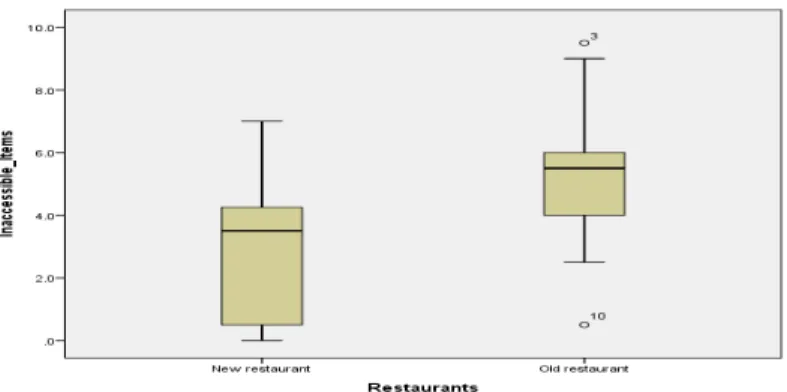
Figure 1. Number of Matched Inaccessible Features Between Restaurants (RATE-IT)
hypothetical acceptable item-level CVI of ≥ 0.67.
98.6% of the items had an item-level CVI of 1.00 (k*=1, Excellent), and 1.4 % (13 items) had an item-level CVI of 0.67 (k*=0.47, Fair). For language level (understandability), all of the RATE-IT items had an acceptable item-level CVI of ≥ 0.67. 97.7%
of the descriptions had an item-level CVI of 1.00 (k*=1, Excellent), and 2.3% (22 items) had an item-level CVI of 0.67 (k*=0.47, Fair). For item relevance, the scale average CVI was 0.996, and for language level, the scale average CVI was 0.992.
2. Construct Validity of RATE-IT
1) Differences between two instruments and two restaurants.
Thirty four participants (n=34) completed the task, and the averages of the coded data were analyzed using ANOVA (Table 1). The test resulted in a significant difference (p=.001) at a .05 alpha level between the two restaurants with the two instruments: the old restaurant built before the ADA (n=18) and the new restaurant built after the ADA (n=16). A statistical significance was not reached for
Questions(5 point scale) Instruments n Mean SD t p Q1: The instrument was intuitive to use
and user-friendly.
ADAAG 17 2.41 1.37 -4.81 .00
RATEIT 17 4.18 0.64
Q2: The instrument covers all features important access for using a restaurant.
ADAAG 17 3.88 0.99 0.65 .52
RATEIT 17 3.65 1.11
Q3: The instrument interface was easy to navigate.
ADAAG 17 3.00 1.32 -4.31 .00
RATEIT 17 4.53 0.62
Q4: The questions were easy to understand. ADAAG 17 2.00 1.00 -4.08 .00
Table 3. Score of the Feedback Survey on Using Instruments: RATE-IT and ADAAG Checklist the two groups using different instruments (p=.404);
the RATE-IT Group A (n=17) and the ADAAG Group B (n=17).
2) RATE-IT’s ability to determine levels of restaurants’ accessibility
An independent t-test was used to compare the number of matching inaccessible features identified by the group using RATE-IT in the two restaurants (Table 2). Despite an obvious difference in the means, the results of the t-test indicated that statistically significant differences were not found (p=.101) between the restaurant built before the ADA (n=9, M=5.22, SD=2.88) and the restaurant built after the ADA (n=8, M=2.94, SD=2.44) (Figure 1).
3. Participants’ Ease of Use Ratings for RATE-IT or the ADAAG Checklist
An independent t-test was used to compare the two groups of participants regarding the experience of using each instrument with the result of the feedback survey. Thirty four participants completed the feedback survey exploring the participants’ use
of the appropriate instrument. For all but three questions, the group using RATE-IT reported significantly higher scores than the group using the ADAAG checklist (Table 2). Furthermore, in terms of taking time on scoring accessibility with each instrument, the group using RATE-IT spent significantly less time than the group using the ADAAG checklist (Table 3).
Ⅳ. Discussion
The results of this study report aspect of the content, construct, face, and administrative validity of RATE-IT, and suggest that RATE-IT is a promising instrument based on the results of novices and experts.
The results indicate that the content validity of RATE-IT is very high with regard to two questions:
1) relevance (average scale of CVI=0.996), and 2) language level/understandability (average scale of CVI=0.992). For both questions, the item level and the average scale of CVI are above the acceptable scale average of 0.8 (Davis, 1992). RATE-IT appears to have appropriate items for evaluating the accessibility of a restaurant based on the concept of universal design. As RATE-IT was developed carefully with iterative stages with several cycles, the
Questions(5 point scale) Instruments n Mean SD t p
RATEIT 17 3.62 1.29
Q5: The instrument provides sufficient understandable information for scoring restaurant accessibility.
ADAAG 17 2.35 1.17 -4.67 .00
RATEIT 17 4.00 0.87
Q6: The definitions were helpful. ADAAG 17 2.82 1.55 -3.50 .00
RATEIT 17 4.29 0.77
Q7: The definitions were easy to understand.
ADAAG 17 2.59 1.46 -4.05 .00
RATEIT 16 4.25 0.77
Q8: The instrument is easy to score. ADAAG 17 2.82 1.33 -3.45 .00
RATEIT 17 4.12 0.78
Q9: I felt I had enough knowledge about accessibility to answer the questions.
ADAAG 17 2.18 1.01 -5.12 .00
RATEIT 17 3.88 0.93
Q10: Training would have helped me answer the questions better.
ADAAG 17 4.06 1.03 1.63 .11
RATEIT 17 3.41 1.28
Q11: The instrument took an appropriate time to score.
ADAAG 17 2.65 1.27 -4.85 .00
RATEIT 17 4.29 0.59
Q12: The instrument reflected
comprehensive aspects of restaurant accessibility for people with a variety of disabilities.
ADAAG 17 3.53 1.33 -0.80 .43
RATEIT 17 3.82 0.73
Q13: The instrument is a useful assessment tool for evaluating restaurant accessibility.
ADAAG 17 2.71 1.36 -3.92 .00
RATEIT 17 4.12 0.60
Q14: I would use this instrument for providing information about restaurant accessibility for people with disabilities.
ADAAG 17 2.53 1.37 -4.25 .00
RATEIT 17 4.12 0.70
Q15: I would answer the same if I were to score it again.
ADAAG 17 3.41 1.12 -2.45 .02
RATEIT 17 4.17 0.64
Scale: 5=Strongly Agree; 4=Agree; 3=Neutral; 2=Disagree; 1=Strongly Disagree
content validity of RATE-IT was expected to be high.
A convergent validity method was used to establish construct validity. RATE-IT was compared to the ADAAG Checklist. The results indicated that there is no significant difference between the two instruments: RATE-IT (n=17, M=4.15, SD=2.85) and the ADAAG Checklist (n=17, M=3.53, SD=2.29) based on the number of matching inaccessible features (F=0.716, p=.404). As the ADAAG Checklist was
developed to measure the accessibility of buildings, the results of the differences between the two instruments serve as evidence that RATE-IT has a similar underlying construct to the ADAAG Checklist in terms of accessing and reporting building accessibility. Although the results did not support the second hypothesis of the study that RATE-IT group would identify more inaccessible features found by experts than the ADAAG group would, this lack of
Instruments n Mean SD t p
Time(minutes) ADAAG 17 44.65 16.95 5.61 .00
RATE-IT 17 18.65 8.87
Table 4. Required Time to Use Instruments(RATE-IT vs. ADAAG)
RATE-IT ADAAG
The number of categories 8 6
Total number of questions 965 749
Branching system Yes No
The minimum number of categories for scoring 52 749
Table 5. Comparison of the Efficiency of RATE-IT and ADAAG Checklist significance is consistent with both instruments
measuring a similar construct.
Results of the users’ survey suggest that RATE-IT is a promising instrument compared to the ADAAG checklist in terms of time requirement, ease of use, and clarity of items and descriptions. Specifically, participants spent less time when using RATE-IT (n=17, M=18.85 min.) than the ADAAG checklist (n=17, M=44.65 min.)(Table 4).
The branching system of RATE-IT likely resulted in the significant difference regarding time requirement of using instruments even though RATE-IT has 965 scored questions compared to 749 of the ADAAG Checklist. Although ADAAG Pro provided the similar format and the number of questions, RATE-IT was more efficient than ADAAG Pro (Table 5). The results of the t-test supported this, showing that there was a significant difference between two groups (t=5.61, p<.000).
In addition, for the twelve questions related to ease of use and understandability of definitions, the results indicated that RATE-IT is significantly different from the ADAAG Checklist, the exceptions being three questions (Q2, Q10, and Q12). Both Q2
and Q12 asked about the content of the instrument.
Q10 asked about training requirements. RATE-IT suggested similar and perhaps less training required than for using the ADAAG checklist. Overall, in terms of the practical use of each instrument, RATE-IT appears to be the preferred instrument based on this user sample.
The results from using both instruments (RATE-IT and the ADAAG checklist) indicated that there is a significant difference between the two restaurants in the number of inaccessible items: the older restaurant (built before the ADA) and the newer restaurant (built after the ADA) (F=13.12, p<.001).
This would indicate that the two restaurants have different levels of accessibility. The newer (n=16, M=2.345, SD=1.92) had better accessibility than the older (n=18, M=5.14, SD=2.40), as indicated by the lower mean number of matching inaccessible items.
RATE-IT was developed to evaluate restaurants with various accessibility levels. Thus, to provide evidence of validity, RATE-IT must be able to determine the different accessibility levels of the two restaurants as evidence of test validity is obtained if there is a significant difference between the
performances of two groups with known characteristics (Dunn, 1989). Unfortunately, while there were obvious differences in the means, a statistically significant difference between the restaurants were not found (p=.101); the older restaurant (n=9, M=5.222, SD=2.8843), the newer restaurant (n=9, M=2.9438, SD=2.4413).
This could be due to the relatively small number of participants. Based on a priori power analysis (a power of .08, α=0.05), thirty six participants would have been needed to obtain a statistical significance between the two restaurants by the RATE-IT group (The sample included seventeen). However, the lack of participants was likely not the main reason for non-significance. When participants developed lists of inaccessible features of the restaurants, they did not receive a clear and specific explanation about the way to list inaccessible features. Consequently, there was a wide range of types of inaccessible features.
In addition, when coders matched inaccessible items between novices and experts, they were not provided a detailed step by step guideline for matching items.
This study investigated only two restaurants that have obvious differences in their levels of accessibility.
The aim of using RATE-IT is to evaluate various types of restaurants with different levels of accessibility.
Thus, for future research, more restaurants with varying accessibility levels should be evaluated using RATE-IT. In addition, the experiment central to this study was performed by college students without disabilities. They were asked to evaluate the restaurants’ accessibility considering all types of disabilities. People with disabilities might offer both more read and more focused assessment of restaurants’ accessibility. Thus, future studies should also recruit participants with different types of
disabilities. However, an instrument such as RATE-IT is intended as an overall accessibility and UD assessment, not an impairment focused assessment measurement to be completed by a person with a disability from their unique perspective. Lastly, participants did not use the instruments while dining at restaurants. They had to rely on their notes and memories when scoring accessibility and listing inaccessible features after they had completed dining and left the restaurants. This procedure could have impacted the recording of the number of inaccessible features. If RATE-IT was provided through convenient methods to score restaurants’
accessibility while dining such as smart phones, laptops, or notebooks, participants may have been able to provide more comprehensive information about the features they observed and could report more details about the restaurants’ accessibility.
Ⅴ. Conclusion
Based on the findings of this study, It is evident that RATE-IT presents a promising methodology with a strong preference by users.
Acknowledgement
This study was funded in part by College of Health Science (CHS) support and the Access Ratings for Buildings (ARB) Project which is supported in part by the Department of Education, National Institute on Disability and Rehabilitation Research (NIDRR), grant number H133G100211. The opinions contained in this thesis do not necessarily represent the policy of the U.S. Department of Education, and does not
assume endorsement by the federal government.
This work was supported by the Ministry of Education of the Republic of Korea and the National Research Foundation of Korea (NRF-2018S1A3A207 4904).
References
Americans with Disabilities Act. (1990). Public Law No. 101-336, US Statut Large, 104, 327-328.
Anson, C. A., Stanwyck, D. J., & Krause, J. S. (1993).
Social support and health status in spinal cord injury.
Paraplegia, 31(10), 632-638.
Baker, S. M., & Kaufman-Scarborough, C. (2001).
Marketing and public accommodation: A retrospective on title III of the American with disabilities Act. Journal of Public Policy and Marketing, 20(2), 297-304.
Brandt, E. N., & Pope, A. M. (1997). Enabling America:
Assessing the role of rehabilitation science and engineering. Washington: National Academy Press.
Burnett, J. J., & Paul, P. (1996). Assessing the media habits and needs of the mobility-disabled consumer. Journal of Advertising, 25(3), 47-59.
Canadian Association of Occupational Therapists. (1997).
Enabling occupation: An occupational therapy perspective. Ottawa, ON: CAOT Publications ACE.
Center for Accessible Housing. (1991). Definitions:
Accessible, adaptable, and universal design (Fact sheet). Raleigh: North Carolina State University.
Center for Universal Design. (1997). The principles of universal design(version 2.0) Raleigh: North Carolina State University. Retrieved from https://projects.ncsu.
edu/ncsu/design/cud/pubs_p/docs/udffile/chap_3.pdf Christiansen, C., & Baum, C. (1997). Person-environment
occupational performance: A conceptual model for practice. In C. Christiansen & C. Baum (Eds.), Occupational Therapy: Enabling Function and Well- Being (2nd Ed.). Thorofare, NJ: SLACK Incorporated.
Davis, L. (1992). Instrument review: Getting the most from your panel of experts. Applied Nursing Research, 5(4), 194-197. doi:10.1016/S0897-1897(05)80008-4
DBTAC Northwest ADA Information Center. (2010).
Accessibility checklist. Retrieved from http://nwadacenter.
org/toolkit/accessibility-checklists
Dejong, G., & Lifchez, R. (1983). Physical disability and public policy. Scientific American, 248(6), 40-49.
Department of Justice. (2010). 2010 ADA Standards for Accessible Design. Retrieved from http://www.ada.gov /2010ADAstandards_index.htm
Dunn, W. (1989). Validity. In Miller, L. J. (Ed.). Developing Norm-Referenced Standardized Tests (1st ed., pp.
149-168). New York: Haworth Press.
Dunn, W., Brown, C., & McGuigan, A. (1994). The ecology of human performance: A framework for considering the impact of context. American Journal of Occupational Therapy, 48(7), 595-607.
Fange, A., Iwarsson, S., & Persson, A. (2002). Accessibility to the public environment as perceived by teenagers with functional limitations in a south Swedish town centre. Disability and Rehabilitation, 24(6), 318-326.
doi:10.1080/09638280110089906
Frances, R. (1983). The development of federal accessibility law. Journal of Rehabilitation, 49(1), 29-32.
Imrie, R., & Kumar, M. (1998). Focusing on disability and access in the built environment. Disability & Society, 13(3), 357-374. doi:10.1080/09687599826687
Imrie, R., & Wells, P. (1992). Planning and disability:
Creating a barrier-free environment. Town and Country Planning. 61(10), 278-280.
Jette, A. M. (1994). Physical disablement concepts for physical therapy research and practice. Journal of Physical Therapy, 74(5), 380-386.
Kaufman-Scarborough, C., & Baker, S. M. (2005). Do people with disabilities believe the ADA has served their consumer interests? The American Council of Consumer Interest, 39(1), 1-26.
Kielhofner, G., & Burke, J. (1980). A model of human occupation, part I: Conceptual framework and content.
American Journal of Occupational Therapy, 34(9), 572-581. doi:10.5014/ajot.34.9.572
Law, M., Cooper, B., Strong, S., Stewart, D., Rigby, P.,
& Letts, L. (1996). The person-environment-occupation model: A transactional approach to occupational performance. Canadian Journal of Occupational Therapy, 63(1), 9-23.
Letts, L., Law, M., Rigby, P., Cooper, B., Stewart, D., &
Strong, S. (1994). Person - environment assessments in occupational therapy. The American Journal of Occupational Therapy, 48(7), 608-618.
Lotito, M. J., Alvarez, F. P., & Pimentel, P. (1992). The Americans with disabilities Act: Making the ADA work for you. Northridge, CA: Milt Wright & Associates, Inc.
Lynn, M. R. (1986). Determination and quantification of content validity. Nursing Research, 35(6), 382-385.
doi:10.1097/00006199-198611000-00017
McClain, L., Beringer, D., Kuhnert, H., Priest, J., Wilkes, E., & Wilkinson, S. (1993). Restaurant wheelchair accessibility. American Journal of Occupational Therapy, 47(7), 619-623.
McClain, L. (2000). Shopping center wheelchair accessibility: Ongoing advocacy to implement the Americans with disabilities Act of 1990. Public Health Nursing, 17(3), 178-186. doi:10.1046/j.1525-1446.
2000.00178.x
McClain, L., & Todd, C. (1990). Food store accessibility.
American Journal of Occupational Therapy, 44(6), 487-491.
National Center for Medical Rehabilitation Research.
(1993). Research plan for the national center for medical rehabilitation research. Washington, DC: National Academy Press. Retrieved from https://www.nichd.nih.
gov/sites/default/files/publications/pubs/documents/
NCMRR_Research_Plan_1993.pdf
Patla, A. E., & Shumway-Cook, A. (1999). Dimensions of mobility: Defining the complexity and difficulty associated with community mobility. Journal of Aging and Physical Activity, 7(1), 7-19. doi:10.1123/japa.7.1.7 Pierce, L. L. (1998). Barriers to access: Frustrations of
people who use a wheelchair for full-time mobility.
Rehabilitation Nursing, 23(3), 120-125.
Polit, D. F., & Beck, C. T. (2006). The content validity index: Are you sure you know what’s being reported?
Critique and recommendations. Research in Nursing and Health, 29(5), 489-497. doi:10.1002/nur.20147 Polit, D. F., Beck, C. T., & Owen, S. (2007). Focus on
research methods: Is the CVI an acceptable indicator of content validity? Appraisal and recommendations.
Research in Nursing and Health, 30(4), 459-467.
doi:10.1002/nur.20199
Pope, A. M., & Tarlov, A. R. (1991). Disability in America:
Toward a national agenda for prevention. Washington,
DC: Lippincott, Williams, & Wilkins.
Portney, L. G., & Watkins, M. P. (2009). Foundations of clinical research: Applications to practice (3rd Ed.).
Alexandria, VA: Prentice Hall.
Q90 Corporation. (2003). ADAAG Pro ADA Facility survey software. Retrieved from http://www.adaag.com/
Reedy, J. (1993). Marketing to consumers with disabilities:
How to identify and meet the growing market needs of 43 million Americans. Chicago, Illinois: Probus Publishing Company.
Satariano, W. A. (1997). Editorial: The disability of aging-looking to the physical environment. American Journal of Public Health. 87(3), 331-332.
Smith, R. O. (1995). OT FACT software system for integrating and reporting occupational therapy assessment, version 2.03 [computer software and manual]. Rockville, MD: American Occupational Therapy Association.
Smith, R. O. (1999). OT FACT application in mental health.
In A. E. Drummond (Ed.), Assessments in Occupational Therapy Mental Health: An Integrative Approach (1st ed., pp. 289-308). Thorofare: SLACK Incorporated.
Smith, R. O. (2002). OTFACT: Multi-level performance- oriented software with an assistive technology outcomes assessment protocol. Technology and Disability, 14(3), 133-139. doi:10.3233/TAD-2002-14309
Stark, S., Hollingsworth, H. H., Morgan, K. A., & Gray, D. B. (2007). Development of a measure of receptivity of the physical environment. Disability and Rehabilitation, 29(2), 123-137. doi:10.1080/096382806 00731631
Steinfeld, E., & Danford, G. S. (1999). Theory as a basis for research on enabling environments. In Steinfeld, E., & Danford, G. S. (Eds.). Enabling environment:
measuring the impact of environment on disability and rehabilitation (1st ed., pp.11-34). New York: Plenum Publishers.
Swedberg, L. (2001). Facilitating accessibility and participation in faith communities. OT practice, 6(9), 1-8.
Thapar, N., Warner, G., Drainoni, M. L., Williams, S.
R., Ditchfield, H., & Wierbicky, J. (2004). A pilot study of functional access to public buildings and facilities for persons with impairments. Disability and Rehabilitation, 26(5), 280-289. doi:10.1080/096382803
10001649543
Tuckman, B. W. (1978). Conducting educational research. New York, NJ: Harcourt Brace Jovanovich.
Tzonichaki, I., & Kleftaras, G. (2002). Paraplegia from spinal cord injury: Self-esteem, loneliness, and life satisfaction. OTJR: Occupation, Participation and Health, 22(3), 96-103. doi:10.1177/153944920202200 302
U. S. Access Board. (1990). ADA Accessibility guidelines for buildings and facilities (ADAAG). Retrieved from https://www.access-board.gov/guidelines-and-standar ds/buildings-and-sites/about-the-ada-standards/back ground/adaag
U. S. Access Board. (1992). Americans with disabilities Act accessibility guidelines (ADAAG) checklist for buildings and facilities. Retrieved from http://www.
access-board.gov/adaag/checklist/a16.html
U. S. Access Board. (2004). Americans with disabilities Act and architectural barriers Act accessibility guidelines. Retrieved from https://www.access-board.
gov/attachments/article/412/ada-aba.pdf
U. S. Census Bureau. (2008). Americans with disabilities:
2005. Retrieved from http://www.census.gov/prod /2008pubs/p70-117.pdf.
Waltz, C. F., & Bausell, R. B. (1981). Nursing research:
Design, statistic, and computer analysis. Philadelphia:
F. A. Davis.
World Health Organization (WHO). (1980). International classification of impairments, disabilities, and handicaps. ICIDH: A manual of classification relating to the consequences of Disease. Geneva: WHO.
World Health Organization (WHO). (2009). International classification of functioning, disability and
health (ICF). Retrieved from http://www.who.int/
classifications/icf/en/.