D I A B E T E S & M E T A B O L I S M J O U R N A L
This is an Open Access article distributed under the terms of the Creative Commons At- tribution Non-Commercial License (http://creativecommons.org/licenses/by-nc/3.0/) which permits unrestricted non-commercial use, distribution, and reproduction in any medium, provided the original work is properly cited.
The Association between Hypertension Comorbidity and Microvascular Complications in Type 2 Diabetes Patients: A Nationwide Cross-Sectional Study in Thailand
Cameron Hurst1,2, Bandit Thinkhamrop1, Hoang The Tran1,3
1Faculty of Public Health, Khon Kaen University, Khon Kaen,
2Clinical Epidemiology Unit, Khon Kaen University Faculty of Medicine, Khon Kaen, Thailand,
3Faculty of Public Health, Thai Nguyen University of Medicine and Pharmacy, Thai Nguyen, Vietnam
Background: Type 2 diabetes mellitus (T2DM) is a global pandemic and its prevalence is rapidly increasing in developing coun- tries, including Thailand. The most common comorbidity of T2DM is hypertension. T2DM with a hypertension comorbidity is likely to exacerbate the development of, or more severe microvascular complications. This study aims to determine the associa- tion between the hypertension comorbidity and microvascular complication among T2DM patients in Thailand.
Methods: The present study is a nationwide, multicenter, cross-sectional survey of T2DM outpatients across Thailand. Binary logistic mixed effect regression was used to investigate the effect of hypertension and other risk factors on the presence of micro- vascular complications. Imputation was used to investigate potential bias introduced by missing values.
Results: Of the 55,797 T2DM patients included in our sample, 55.35% were hypertensive. Prevalence of microvascular complica- tion diagnosis in the last 12 months was higher in T2DM patients with hypertension than those without hypertension (12.12%
vs. 9.80%, respectively). Patient with a hypertension comorbidity had 1.32 time the odds of developing microvascular complica- tion (adjusted odds ratio [OR], 1.32; 95% confidence interval [CI], 1.20 to 1.46; P<0.001). Older age, longer diabetes duration had 1.07 and 1.21 times the odds of developing microvascular complication, per 10 years (age) and 5 years (duration), respec- tively (ORage, 1.07; 95% CI, 1.03 to 1.12; P<0.001; and ORduration, 1.12; 95% CI, 1.07 to 1.16; P<0.001; respectively). Minimal bias was introduced by missing values, and did not influence to the magnitude of effect of hypertension on the presence microvascu- lar complication.
Conclusion: Hypertension comorbidity is highly associated with microvascular complication among T2DM patients. Patients with T2DM and physicians should pay attention to blood pressure control.
Keywords: Diabetes mellitus, type 2; Hypertension; Microvascular complication; Thailand
Corresponding author: Cameron Hurst
Clinical Epidemiology Unit, Srinagarind Hospital, Khon Kaen University Faculty of Medicine, 123 Alley 16, Mittraparp Highway, Muang District, Khon Kaen 40002, Thailand
INTRODUCTION
Type 2 diabetes mellitus (T2DM) is a global pandemic [1,2]
and it is projected that 300 million people will have T2DM by 2025, worldwide [1]. Prevalence of T2DM is rapidly increasing in developing countries, in particular [3]. T2DM has a large impact on the quality of life, morbidity, mortality and health
expenditure [1]. One of the biggest burdens of T2DM is that of the chronic complications, that arise with T2DM progression.
Chronic complications can be classified as macrovascular or microvascular.
Microvascular complications among T2DM patients are a consequence of prolonged hyperglycemia [4], and these com- plications include diabetic neuropathy, diabetic nephropathy http://dx.doi.org/10.4093/dmj.2015.39.5.395
pISSN 2233-6079 · eISSN 2233-6087
and diabetic retinopathy. The prevalence of microvascular complications among T2DM patients is high, but has been shown to vary widely across populations [5-8]. For instance, a study in China reported prevalence of neuropathy, nephropa- thy, ocular lesions, and foot disease among T2DM patients to be 17.8%, 10.7%, 14.8%, and 0.8%, respectively [9]. Another study in Australia reported the prevalence of diabetic retinopa- thy among T2DM patients is 21.9% [10]. Prevalence of any mi- crovascular in newly diagnosed T2DM in India is 30.2% [6].
Patients with T2DM frequently suffer with comorbidities, such as hypertension, obesity, and depression, and all have been established as common in T2DM patients [11-13]. The most common comorbidity associated with T2DM is hypertension.
The prevalence of hypertension among T2DM patients varies across countries and is reported to range from 20.6% to 78.4%
in the Southeast Asian region, and 9.7% to 70.4% in the African region [14].
It is well established that hypertension among patients with diabetes hastens the development and progression of micro- vascular complication due to increasing intracellular hyper- glycemia [4,15,16]. For instance, a Spanish study reported the odds of developing microvascular complication among T2DM patients with hypertension is 2.43 times higher that of those without hypertension [5]. Therefore, blood pressure control is highly important in preventing the development of microvas- cular complications among T2DM patients [17,18].
Several studies have investigated the blood pressure effect on macrovascular and microvascular complication among T2DM patients in Western countries [15,17,18]. Although some stud- ies have examined long term vascular complications among patients with diabetes in Thailand [8,19], these studies were conducted on very specific clinical populations. No previous study has examined the effect of the hypertension comorbidity on microvascular complication in the general T2DM popula- tion in any Asia country. The objective of the present study is to determine the association between hypertension comorbidity and microvascular complication among patients with T2DM in Thailand.
METHODS
Study design and data source
The present study is a nationwide, multicenter, cross-sectional survey of T2DM outpatients across Thailand. All data were ob- tained from the Diabetes and Hypertension dataset, an ongo-
ing nationwide project, titled: “An assessment on quality of care among patients diagnosed with type 2 diabetes and hyperten- sion visiting hospitals of ministry of public health and Bangkok metropolitan administration in Thailand, 2010-2012.” This project is administered by the Medical Research Network of the Consortium of Thai Medical Schools (MedResNet) Thai- land, under the sponsorship of the Thai National Health Secu- rity Office. Patients and hospitals were sampled using a pro- portional to size stratified cluster sampling approach, and then T2DM outpatients were proportionally sampled from the 602 participating hospitals across Thailand during the period April 1st to June 30th for both years 2011 to 2012.
A two stage stratified cluster, proportional to size sampling approach was used to select a nationally and provincially repre- sentative sample of diabetes patients in Thailand. The first stage was ensure that the number and levels of hospitals were appro- priately sampled across provinces to represent the diabetes pop- ulation in Thailand. The second stage of cluster sampling was to ensure that the right mix of hospitals (levels) were sampled (giv- en attendance patterns in Thai diabetes patients). Thailand has three levels of hospitals: regional hospitals (>500 beds), general (provincial; 200 to 500 beds) hospitals, and community hospi- tals, with this last group being further subdivided into large (80 to 120 beds), medium (60 beds), and small (10 to 30 beds) com- munity hospitals. All regional and general hospitals in Thailand were included in our study, but only 456 (61.96% of the total 736) appropriately sized community hospitals were included.
The 456 hospitals were made up of 10%, 20%, and 70% of large, medium, and small community hospitals, respectively, reflect- ing the size distribution of these hospitals throughout the com- munity. Finally, once the list of participating hospitals was com- piled, proportion to size sampling was performed to ensure the appropriate proportion of diabetes patients (based on national attendance patterns across hospital levels) were sampled at the five different levels of hospitals.
Patient information was retrospectively collected via medi- cal records. Diabetes and Hypertension dataset, study proto- cols and case report forms are archived at the DAMUS (Data Archival for Maximum Utilization System) website [20]. The study was approved by the Ethical Review Committee for Re- search in Human Subjects Ministry of Public Health, Thai- land, and the Khon Kaen University Ethics Committee for Human Research, Thailand. Informed consent was obtained from all patients.
Eligibility criteria
Patients with T2DM and receiving medical care in participat- ing hospitals for at least 12 months were included in the present study. Patients with incomplete information in the key study variables (outcome and hypertension status) were excluded.
After evaluating by eligibility, a total sample of 55,797 T2DM patients was considered (Fig. 1).
Outcomes
The outcome variable in the present study is microvascular complication diagnosis (+/–) in the last 12 months, which in- cludes any of diabetic neuropathy, diabetic nephropathy, dia- betic retinopathy, and renal insufficiency diagnosis (+/–) in the last 12 months. All microvascular complications were docu- mented by medical records. Diabetic neuropathy was defined as the presence of symptoms and/or signs of peripheral nerve dysfunction in people with diabetes after the exclusion of other causes. Diabetic nephropathy was defined as serum creatinine level equal or greater than 2 mg/dL, or positive dipstick pro- teinuria, or the presence of random micro albuminuria/creati- nine ratio greater than 30 mg/g. Diabetic retinopathy was diag- nosed by detailed fundus examination, including either prolif- erative or background diabetic retinopathy diagnosed by an ophthalmologist. Renal insufficiency was defined by the reduc- tion in estimated glomerular filtration rate (GFR): an estimated halving of GFR, and/or a 25 mL/min/1.73 m2 decline in GFR from baseline.
Clinical and other risk factors
Hypertension comorbidity (+/–) is the main study effect of in- terest. Hypertension was defined as blood pressure exceeding 140 over 90 mm Hg (a systolic blood pressure above 140 mm Hg or a diastolic blood pressure above 90 mm Hg) [21], as pre- viously diagnosed by a physician. Other continuous covariates considered include: (1) age, (2) diabetes duration, and clinical parameter during the last 12 months follow-up: (3) fasting plasma glucose (mmol/L); (4) serum creatinine (mmol/L); (5)
total cholesterol (mmol/L); (6) triglyceride (mmol/L); and (7) high density lipoprotein cholesterol (HDL-C mmol/L). Cate- gorical covariates considered include: (1) glycosylated hemo- globin (HbA1c) treatment target (<7%, ≥7%); (2) blood pres- sure treatment target (blood pressure: <130/80, ≥130, or ≥80 mm Hg); (3) low density lipoprotein cholesterol treatment tar- get (LDL-C; <100, ≥100 mg/dL; based on the American Dia- betes Association 2012 guideline which is currently used in the Thai diabetes care system [22]); (4) previous macrovascular complication (diagnosis >12 months ago); and (5) previous microvascular complication (diagnosis >12 months ago); (6) diabetes medication (no treatment, oral hypoglycemic agents [OHAs], insulin, both OHAs, and insulin) and finally other co- variates such as: health care coverage type, hospital type (re- gional, provincial, and community), smoking status (never, previous, and ongoing smoking), gender, and body mass index (BMI) class (classified <18.5, 18.5 to 22.9, 23 to 27.4, 27.5 to 32.4, 32.5 to 37.4, ≥37.5 kg/m2 [23]).
Statistical analysis
Frequencies, means and standard deviations, were used to de- scribed categorical and continuous variables, respectively. The effects of the hypertension comorbidity, along with other risk factors on the presence of macrovascular complication were in- vestigated using binary logistic mixed effect regression. The potential clustering effect introduced by hospital and the multi- level nature of the data (hospital type is an upper level effect) were accounted for by using a mixed effect modeling approach.
We investigated the potential bias introduced by missing values in the dataset using multiple iterative regression imputation. By comparing the difference between the magnitude of effects in the complete case and imputed data analyses, missing values bias could be gauged. Pooled estimates were generated across five imputed datasets and the global likelihood ratio test (was) run using the methods outlined by Meng and Rubin [24]
(1992). Purposeful selection of covariates was used to build the best model for the presence of microvascular complication [25]. Crude and adjusted odd ratios with 95% confidence in- terval (CI) and P value were used to represent the association between hypertension and other covariates with microvascular complication. All data analyses were conducted using the R statistical programming language (v.3.0.3) [26], the R library lme4 [27] was used for the mixed modeling, and the R library mi [28] was used for the multiple imputation.
Type 2 diabetes patient in 602 hospitals n=55,797
Type 2 diabetes alone
n=17,223 (44.65%) Type 2 diabetes with hypertension n=38,574 (55.35%) Fig. 1. Flow diagram of study sample.
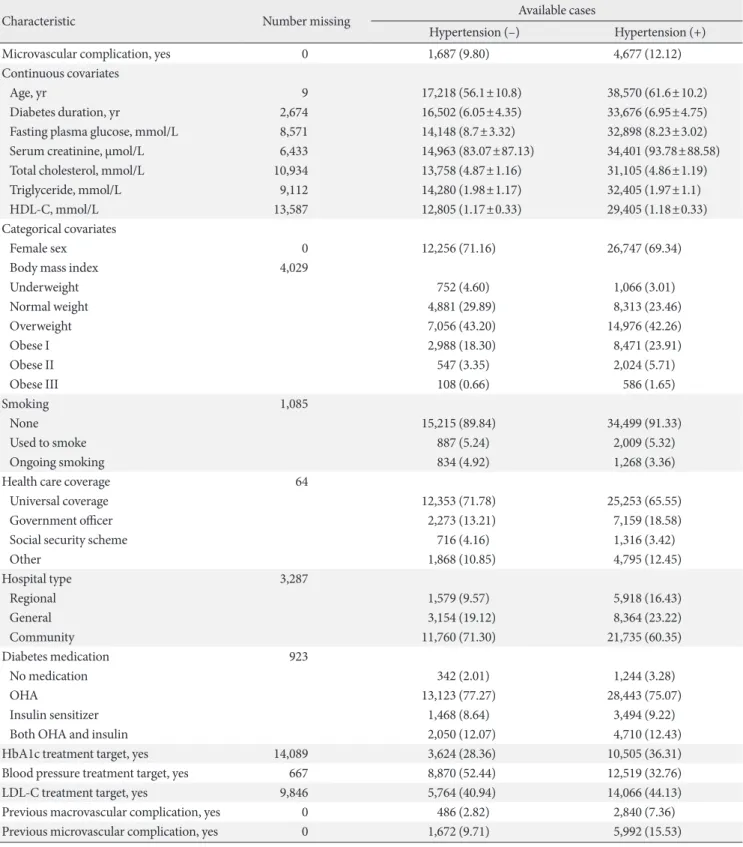
Table 1. Sample characteristics for available casesa
Characteristic Number missing Available cases
Hypertension (–) Hypertension (+)
Microvascular complication, yes 0 1,687 (9.80) 4,677 (12.12)
Continuous covariates
Age, yr 9 17,218 (56.1±10.8) 38,570 (61.6±10.2)
Diabetes duration, yr 2,674 16,502 (6.05±4.35) 33,676 (6.95±4.75)
Fasting plasma glucose, mmol/L 8,571 14,148 (8.7±3.32) 32,898 (8.23±3.02)
Serum creatinine, µmol/L 6,433 14,963 (83.07±87.13) 34,401 (93.78±88.58)
Total cholesterol, mmol/L 10,934 13,758 (4.87±1.16) 31,105 (4.86±1.19)
Triglyceride, mmol/L 9,112 14,280 (1.98±1.17) 32,405 (1.97±1.1)
HDL-C, mmol/L 13,587 12,805 (1.17±0.33) 29,405 (1.18±0.33)
Categorical covariates
Female sex 0 12,256 (71.16) 26,747 (69.34)
Body mass index 4,029
Underweight 752 (4.60) 1,066 (3.01)
Normal weight 4,881 (29.89) 8,313 (23.46)
Overweight 7,056 (43.20) 14,976 (42.26)
Obese I 2,988 (18.30) 8,471 (23.91)
Obese II 547 (3.35) 2,024 (5.71)
Obese III 108 (0.66) 586 (1.65)
Smoking 1,085
None 15,215 (89.84) 34,499 (91.33)
Used to smoke 887 (5.24) 2,009 (5.32)
Ongoing smoking 834 (4.92) 1,268 (3.36)
Health care coverage 64
Universal coverage 12,353 (71.78) 25,253 (65.55)
Government officer 2,273 (13.21) 7,159 (18.58)
Social security scheme 716 (4.16) 1,316 (3.42)
Other 1,868 (10.85) 4,795 (12.45)
Hospital type 3,287
Regional 1,579 (9.57) 5,918 (16.43)
General 3,154 (19.12) 8,364 (23.22)
Community 11,760 (71.30) 21,735 (60.35)
Diabetes medication 923
No medication 342 (2.01) 1,244 (3.28)
OHA 13,123 (77.27) 28,443 (75.07)
Insulin sensitizer 1,468 (8.64) 3,494 (9.22)
Both OHA and insulin 2,050 (12.07) 4,710 (12.43)
HbA1c treatment target, yes 14,089 3,624 (28.36) 10,505 (36.31)
Blood pressure treatment target, yes 667 8,870 (52.44) 12,519 (32.76)
LDL-C treatment target, yes 9,846 5,764 (40.94) 14,066 (44.13)
Previous macrovascular complication, yes 0 486 (2.82) 2,840 (7.36)
Previous microvascular complication, yes 0 1,672 (9.71) 5,992 (15.53)
Values are presented as number (%) or number (mean±standard deviation) for continuous variables.
HDL-C, high density lipoprotein cholesterol; OHA, oral hyperglycemic agent; HbA1c, glycosylated hemoglobin; LDL-C, low density lipopro- tein cholesterol.
aPercentages have been rounded and may not total 100.
RESULTS
Basic sample characteristic
The study flow is shown in Fig. 1. Of the 55,797 T2DM patients included in our sample, 55.35% were hypertensive. Table 1 pro- vides the main characteristics of the study sample. Prevalence of microvascular complication diagnosis in the last 12 months was higher in T2DM patients with hypertension than those without hypertension (12.12% vs. 9.80%, respectively). The mean age, diabetes duration, and serum creatinine in T2DM with hypertension were higher than those without hyperten- sion, while mean total cholesterol, triglyceride, and HDL-C lev- el were comparable between the two groups (Table 1). Preva- lence of patients achieving HbA1c and LDL-C treatment target in hypertensive patients (36.31% and 44.13%, respectively) was considerably higher than non-hypertensive patients (28.36%
and 40.94%, respectively). However, hypertensive patients tended to achieve the blood pressure treatment target less often compared to non-hypertensive patients (32.76% vs. 52.44%).
Prevalence of both previous macrovascular and previous mi- crovascular complications in hypertensive patients were higher than non-hypertensive patients. Perusal of Table 1 shows mini- mal difference between available cases and imputed data.
Microvascular complications and blood pressure levels Table 2 gives the number and proportion of patients in various blood pressure classes and a prevalence estimate of microvascu- lar complications for each of these groups. Perusal of Table 2 in- dicates that the prevalence of microvascular complications re- mains relatively stable from the normal blood pressure group (12.58%; 95% CI, 12.08 to 13.04) through to prehypertension group (12.93%; 95% CI, 12.30 to 13.59). However, the preva- lence of microvascular complications was significantly higher for the stage 1 hypertension group (14.57%; 95% CI, 14.0 to
15.17). It is also likely that the prevalence is higher in the stage 2 hypertension patients, but the relatively small number of pa- tients in this class leads to a wide 95% CI (16.51%; 95% CI, 12.71 to 21.13).
Risk factors and correlates of microvascular complications The crude and adjusted estimates of the risk factors for micro- vascular complication are shown in Table 3. After adjusting for other covariates using multivariable binary mixed effect mod- eling, patient with the hypertension comorbidity had 1.32 time the odds of developing microvascular complication (ad- justed odds ratio [ORadj], 1.32; 95% CI, 1.20 to 1.46; P<0.001).
In the final multivariable model, older T2DM patients and those with longer diabetes duration had 1.07 and 1.21 times the odds of developing microvascular complication, per 10 years (age) and 5 years (duration), respectively (ORage, 1.07; 95% CI, 1.03 to 1.12; P<0.01; and ORduration, 1.12; 95% CI, 1.07 to 1.16;
P<0.001, respectively). Diabetes medication types were shown to be significantly associated with an increased microvascular com- plication. The odds of patients with insulin treatment and insulin with OHAs treatment were 2.71 and 1.83 higher to have micro- vascular complication compared to no medication (ORinsulin, 2.71; 95% CI, 2.02 to 3.64; and ORinsulin with OHAs, 1.83; 95%
CI, 1.37 to 2.44, respectively).
The multivariable analysis also demonstrates that higher BMI class, lower hospital level, achievement of HbA1c and blood pressure treatment target, higher HDL-C, and previous microvascular complication were all shown to be associated with microvascular complication among patients with T2DM.
For instance, previous microvascular complication were shown to be significantly associated with developing microvascular complications, with the odds of developing microvascular complications decreasing by 58% (ORadj, 0.42; 95% CI, 0.37 to 0.48; P<0.001).
Table 2. Number and percentage of patients in different blood pressure classes and the prevalence of microvascular complica- tions in each group
Blood pressure classification SBP, mm Hg DBP, mm Hg No. (%) Prevalence of microvascular complications (95% CI)a
Normal <120 and <80 18,445 (42.44) 12.58 (12.08–13.04)
Prehypertension 120–139 or 80–89 10,600 (24.39) 12.93 (12.30–13.59)
Stage 1 hypertension 140–159 or 90–99 14,094 (32.43) 14.57 (14.0–15.17)
Stage 2 hypertension ≥160 or ≥100 321 (0.74) 16.51 (12.71–21.13)
SBP, systolic blood pressure; DBP, diastolic blood pressure; CI, confidence interval.
aBased on patients with non-missing values of both blood pressure and microvascular complications.
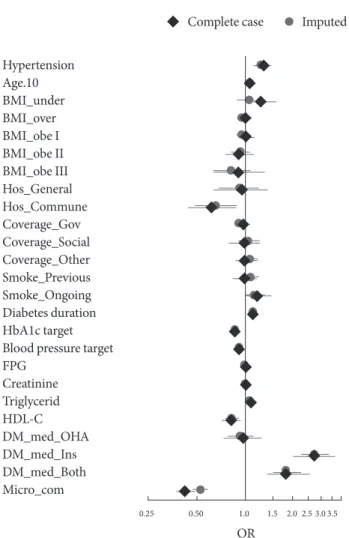
Fig. 2 shows a comparison of the ORadj and CIs results de- rived from the complete case and imputed data analyses. The results indicated minimal bias was introduced by missing val-
ues, and importantly, the significance of the hypertension effect to microvascular complication among patients with T2DM did not change. Fig. 2 does indicate that there were some changes Table 3. Crude and adjusted odds ratios of factors associated with microvascular complication in complete case analysis
Effects ORa ORb 95% CI
Hypertension, yes 1.33c 1.32c 1.20–1.46
Age (in 10 years) 1.43c 1.07d 1.03–1.12
Body mass index χ2=896.54c, df=5
Under weight 1.09 1.26e 1.01–1.56
Over weight 0.93 1.01 0.91–1.11
Obese I 0.95 1.02 0.91–1.15
Obese II 0.90 0.92 0.76–1.12
Obese III 0.82 0.91 0.63–1.32
Hospital type χ2=769.19c, df=2
General 0.88 0.95 0.64–1.39
Community 0.65d 0.62d 0.44–0.87
Health care coverage χ2=18.584c, df=3
Government officer 0.94 0.96 0.86–1.07
Social security scheme 0.93 1.00 0.80–1.25
Other 1.16d 1.02 0.88–1.18
Smoking χ2=62.888c, df=2
Used to smoke 1.09 0.99 0.84–1.18
Ongoing smoking 1.14 1.21e 1.01–1.46
Diabetes duration (in 5 years) 1.23c 1.12c 1.07–1.16
HbA1c treatment target, yes 0.75c 0.86d 0.78–0.94
Blood pressure treatment target, yes 0.89c 0.91e 0.84–0.99
FPG, mmol/L 1.04c 1.02d 1.01–1.03
Creatinine, µmol/Lf 1.002c 1.003c 1.002–1.003
Triglyceride, mmol/L 1.10c 1.09c 1.05–1.12
HDL-C, mmol/L 0.72c 0.82d 0.72–0.94
Diabetes medication χ2=286.4c, df=3
OHA 0.03 0.97 0.74–1.26
Insulin sensitizer 2.92c 2.71c 2.02–3.64
Both OHA and insulin 2.05c 1.83c 1.37–2.44
Previous microvascular complication, yes 0.77c 0.42c 0.37–0.48
Female sex 0.92d
LDL-C treatment target, yes 0.96
Total cholesterol 1.07c
Previous macrovascular complication, yes 1.07
OR, odds ratio; CI, confidence interval; df, degrees of freedom; HbA1c, glycosylated hemoglobin; FPG, fasting plasma glucose; HDL-C, high density lipoprotein cholesterol; OHA, oral hyperglycemic agent; LDL-C, low density lipoprotein cholesterol.
aCrude and adjusted odds ratios, bAdjusted odds ratios, cP<0.001, dP<0.01, eP<0.05, fRound to 3 decimals to show the 95% CI and P value.
in the significance of some other effects. Importantly, the un- derweight BMI level effect could not be shown to be significant in the imputed data analysis.
DISCUSSION
Understanding the impact of the hypertension comorbidity along with other risk factors, is important in preventing T2DM microvascular complications. To the best of our knowledge, this is the first large nationwide study to assess the effect of the hypertension comorbidity on the presence of microvascular complications among T2DM patients in Southeast Asia, in general, and in Thailand, in particular. A region where T2DM prevalence is rapidly increasing [3,29,30].
The present study found that hypertension was indeed asso- ciated with the presence of microvascular complication among T2DM patients. Our findings confirm that the association be- tween hypertension and microvascular complications observed in other populations [5] also occur in the Thai T2DM popula- tion. These results can be explained by the likelihood that hy- pertension leads to additional microvascular damage due to increasing intracellular hyperglycemia through upregulation of the glucose transporter 1 [4].
Even after adjusting for other covariates, the present study demonstrated that higher age and diabetes duration were both associated with the presence of microvascular complication among T2DM patients. It should be noted that these estimates are mutually adjusted; age has a significant effect above and be- yond the effect of diabetes duration. The findings in present study are consistent with previous studies, which indicate age and diabetes duration are both independent risk factors in the development of microvascular complications among patients with T2DM [8,31]. However, another study [5] could not dem- onstrate an association between age and diabetes duration with microvascular complication among T2DM patients. This dis- parity might relate to the differences in the studies’ protocols or populations.
The role of achieving treatment targets on prevention of T2DM complication is well established [32]. Our study con- firms that achieving of HbA1c and blood pressure treatment targets are associated with lower risk of developing microvas- cular complication. It is noteworthy that our results show dia- betes medication type and previous microvascular complica- tion were significantly associated with developing microvascu- lar complications. Those on diabetes medication were more likely to have microvascular complications, while previous mi- crovascular complication appeared protective in preventing microvascular complication. This result can be explained by T2DM patients with more severe, or existing, microvascular complications will receive more aggressive treatment. Even though, at first glance, it appears medication may lead to an in- crease in the chance of microvascular complications, it is more likely that treatment is based on an individual lack of blood sugar control, which in turn, is responsible for increased likeli- hood of microvascular complications.
There were a number of limitations in the present study.
Missing data, in particular, was of concern. Data were collected through medical records audit and incomplete records may be random, or associated with physician diligence. The extent of Hypertension
Age.10
Hos_General
Smoke_Ongoing
Triglycerid BMI_obe I
Coverage_Social
Blood pressure target
DM_med_Ins BMI_under
Hos_Commune
Diabetes duration
HDL-C BMI_obe II
Coverage_Other
FPG
DM_med_Both BMI_over
Coverage_Gov
HbA1c target
DM_med_OHA BMI_obe III
Smoke_Previous
Creatinine
Micro_com
Imputed Complete case
0.25 0.50 1.0 1.5 2.0 2.5 3.0 3.5
OR
Fig. 2. Comparison between the complete case and imputed analyses results. BMI, body mass index; HbA1c, glycosylated hemoglobin; FPG, fasting plasma glucose; HDL-C, high den- sity lipoprotein cholesterol; DM, diabetes mellitus; OHA, oral hyperglycemic agent; OR, odds ratio.
missing data for the variables considered in this study is given in Table 1. The potential impact of information bias introduced by missing values was investigated using multiple imputation.
The comparison between the complete case and imputed data analyses suggested minimal bias resulted from missing values (Fig. 2). Missingness had only a marginal impact on the effects of the covariates. Importantly, there was almost no impact on the association between hypertension and the presence of mi- crovascular complication among patients with T2DM. Imput- ed data analysis results show only small changes in the magni- tude of the effects, and the marginally narrower CIs, a likely re- sults of higher estimate precision. Notably, the effect of under- weight BMI level was non-significant in the imputed data anal- ysis. However, the changes in the significance of the BMI effect does not relate to the main objective of this study: the associa- tion between hypertension and microvascular complications among T2DM patients.
Another limitation of our study was the cross-sectional na- ture of the sampling design. We attempted to address this by only considering microvascular complication diagnosed in the previous 12 months period, but this only provides partial evi- dence; only a cohort study can provide evidence of causal as- sociations. Finally, there were limitations in the variables in- cluded (and omitted) in our data set. A number of important lifestyle and dietary variable were not recorded, nor conditions (other than hypertension), or the treatment patients may have been receiving for these conditions.
Despite the limitations of the present study, there are some major strengths. First, to date, no large nationwide, multicenter study has ever been conducted in Southeast Asian T2DM out- patients. Second, to the best of our knowledge, this is the first study of microvascular complication among T2DM patients which account for the clustering design artifact of hospital in such a multicenter study. Finally, the present study covers al- most all the risk factors associated with microvascular compli- cations reported in the literature. The estimates derived from our multivariable models account for the potential confound- ing effects of these risk factors. With these above strengths, the present study has confirmed the effect of the hypertension co- morbidity on T2DM microvascular complications.
Our results indicate that hypertension was highly associated with microvascular complication. Blood pressure control is highly important in terms of preventing microvascular compli- cation among patients with T2DM in Thailand. Patients with T2DM and physicians should be aware of the importance of
treatment and self-management of blood pressure, especially for T2DM patients with a hypertension comorbidity. Cohort studies should be conducted to investigate and confirm risk factors of microvascular complications in Asian populations, particularly in regards to the recurrence and co-occurrence of microvascular complications among patients with T2DM.
CONFLICTS OF INTEREST
No potential conflict of interest relevant to this article was re- ported.
ACKNOWLEDGMENTS
The authors thank the Medical Research Network of the Con- sortium of Thai Medical Schools (MedResNet) Thailand which granted Diabetes and Hypertension dataset in DAMUS website (http://www.damus.in.th/damus/index.php). We also thanks the support of the Research Group for Prevention and Control of Diabetes Mellitus in the Northeast of Thailand.
REFERENCES
1. Zimmet P. The burden of type 2 diabetes: are we doing enough?
Diabetes Metab 2003;29(4 Pt 2):6S9-18.
2. Zimmet P, Alberti KG, Shaw J. Global and societal implications of the diabetes epidemic. Nature 2001;414:782-7.
3. Guariguata L, Whiting DR, Hambleton I, Beagley J, Linnen- kamp U, Shaw JE. Global estimates of diabetes prevalence for 2013 and projections for 2035. Diabetes Res Clin Pract 2014;
103:137-49.
4. Holt RI. Textbook of diabetes. 4th ed. Chichester: Wiley-Black- well; 2010. Chapter 36, Pathogenesis of microvascular compli- cations; p553-74.
5. Del Canizo Gomez FJ, Fernandez Perez C, Moreno Ruiz I, de Gorospe Perez-Jauregui C, Silveira Rodriguez B, Gonzalez Losada T, Segura Galindo A. Microvascular complications and risk factors in patients with type 2 diabetes. Endocrinol Nutr 2011;58:163-8.
6. Raman R, Gupta A, Krishna S, Kulothungan V, Sharma T. Prev- alence and risk factors for diabetic microvascular complications in newly diagnosed type II diabetes mellitus. Sankara Nethralaya Diabetic Retinopathy Epidemiology and Molecular Genetic Study (SN-DREAMS, report 27). J Diabetes Complications 2012;
26:123-8.
7. Amini M, Parvaresh E. Prevalence of macro- and microvascu- lar complications among patients with type 2 diabetes in Iran:
a systematic review. Diabetes Res Clin Pract 2009;83:18-25.
8. Leelawattana R, Pratipanawatr T, Bunnag P, Kosachunhanun N, Suwanwalaikorn S, Krittiyawong S, Chetthakul T, Plengvidhya N, Benjasuratwong Y, Deerochanawong C, Mongkolsomlit S, Ngarmukos C, Rawdaree P. Thailand diabetes registry project:
prevalence of vascular complications in long-standing type 2 diabetes. J Med Assoc Thai 2006;89 Suppl 1:S54-9.
9. Liu Z, Fu C, Wang W, Xu B. Prevalence of chronic complications of type 2 diabetes mellitus in outpatients: a cross-sectional hos- pital based survey in urban China. Health Qual Life Outcomes 2010;8:62.
10. Tapp RJ, Shaw JE, Harper CA, de Courten MP, Balkau B, Mc- Carty DJ, Taylor HR, Welborn TA, Zimmet PZ; AusDiab Study Group. The prevalence of and factors associated with diabetic retinopathy in the Australian population. Diabetes Care 2003;
26:1731-7.
11. Campbell RK. Type 2 diabetes: where we are today: an overview of disease burden, current treatments, and treatment strategies.
J Am Pharm Assoc (2003) 2009;49 Suppl 1:S3-9.
12. Egede LE, Ellis C. Diabetes and depression: global perspectives.
Diabetes Res Clin Pract 2010;87:302-12.
13. Hussain A, Hydrie MZ, Clausen B, Asphar S. Type 2 diabetes and obesity: a review. J Diabetol 2010;2:1.
14. Mohan V, Seedat YK, Pradeepa R. The rising burden of diabe- tes and hypertension in southeast asian and african regions:
need for effective strategies for prevention and control in pri- mary health care settings. Int J Hypertens 2013;2013:409083.
15. Lastra G, Syed S, Kurukulasuriya LR, Manrique C, Sowers JR.
Type 2 diabetes mellitus and hypertension: an update. Endocri- nol Metab Clin North Am 2014;43:103-22.
16. Shera AS, Jawad F, Maqsood A, Jamal S, Azfar M, Ahmed U.
Prevalence of chronic complications and associated factors in type 2 diabetes. J Pak Med Assoc 2004;54:54-9.
17. Adler AI, Stratton IM, Neil HA, Yudkin JS, Matthews DR, Cull CA, Wright AD, Turner RC, Holman RR. Association of systol- ic blood pressure with macrovascular and microvascular com- plications of type 2 diabetes (UKPDS 36): prospective observa- tional study. BMJ 2000;321:412-9.
18. UK Prospective Diabetes Study Group. Tight blood pressure control and risk of macrovascular and microvascular compli- cations in type 2 diabetes: UKPDS 38. BMJ 1998;317:703-13.
19. Rawdaree P, Ngarmukos C, Deerochanawong C, Suwanwalai- korn S, Chetthakul T, Krittiyawong S, Benjasuratwong Y, Bun-
nag P, Kosachunhanun N, Plengvidhya N, Leelawatana R, Prathipanawatr T, Likitmaskul S, Mongkolsomlit S. Thailand di- abetes registry (TDR) project: clinical status and long term vas- cular complications in diabetic patients. J Med Assoc Thai 2006;
89 Suppl 1:S1-9.
20. DAMUS Central (Data Archival for Maximum Utilization Sys- tem): sharing raw data of research projects. Available from:
http://www.damus.in.th/damus/index.php (cited 2015 Jul 7).
21. Chobanian AV, Bakris GL, Black HR, Cushman WC, Green LA, Izzo JL Jr, Jones DW, Materson BJ, Oparil S, Wright JT Jr, Roccella EJ; National Heart, Lung, and Blood Institute Joint National Committee on Prevention, Detection, Evaluation, and Treatment of High Blood Pressure; National High Blood Pres- sure Education Program Coordinating Committee. The sev- enth report of the Joint National Committee on Prevention, Detection, Evaluation, and Treatment of High Blood Pressure:
the JNC 7 report. JAMA 2003;289:2560-72.
22. American Diabetes Association. Standards of medical care in diabetes: 2012. Diabetes Care 2012;35 Suppl 1:S11-63.
23. WHO Expert Consultation. Appropriate body-mass index for Asian populations and its implications for policy and interven- tion strategies. Lancet 2004;363:157-63.
24. Meng XL, Rubin DB. Performing likelihood ratio tests with multiply-imputed data sets. Biometrika 1992;79:103-11.
25. Bursac Z, Gauss CH, Williams DK, Hosmer DW. Purposeful selection of variables in logistic regression. Source Code Biol Med 2008;3:17.
26. R Core Team. R: a language and environment for statistical com- puting. 3.0.2013-05-12 ed. Vienna: R Foundation for Statistical Computing; 2013.
27. Bates D, Maechler M, Bolker B, Walker S. lme4: Linear mixed- effects models using Eigen and S4. R package version 1.0-6.
Vienna: R Foundation; 2014.
28. Su YS, Gelman A, Hill J, Yajima M. Multiple imputation with diagnostics (mi) in R: opening windows into the black box. J Stat Softw 2011;45:1-31.
29. Aekplakorn W, Stolk RP, Neal B, Suriyawongpaisal P, Chong- suvivatwong V, Cheepudomwit S, Woodward M; INTERASIA Collaborative Group. The prevalence and management of dia- betes in Thai adults: the international collaborative study of cardiovascular disease in Asia. Diabetes Care 2003;26:2758-63.
30. Yoon KH, Lee JH, Kim JW, Cho JH, Choi YH, Ko SH, Zimmet P, Son HY. Epidemic obesity and type 2 diabetes in Asia. Lancet 2006;368:1681-8.
31. Cardoso CR, Salles GF. Predictors of development and pro-
gression of microvascular complications in a cohort of Brazil- ian type 2 diabetic patients. J Diabetes Complications 2008;22:
164-70.
32. American Diabetes Association. Standards of medical care in diabetes: 2010. Diabetes Care 2010;33 Suppl 1:S11-61.