고등학생이 인식하는 학업적 그릿과 학업소진 관계에서 긍정심리자본의 매개효과
김규태
계명대학교 교육학과 부교수
A Mediating Effect of Positive Psychological Capital on the Relationship between Academic Grit and Academic Burnout
Perceived by High School Students
Kyu-Tae Kim
Associate Professor, Department of Education, Keimyung University
요 약 본 연구는 고등학생들이 지각하는 학업적 그릿과 학업소진 관계에서 긍정심리자본의 매개효과를 탐색하였다.
본 연구는 대구 소재 고등학교 2학년 573명을 대상으로 설문조사로 실시되었으며, 기술통계, 상관관계, 구조방정식 모 형을 통해 분석되었다. 본 연구의 결과는 다음과 같았다. 첫째, 학업적 그릿은 학업소진에 부적 영향을 미쳤다. 둘째, 긍정심리자본은 학업적 그릿과 학업소진 관계를 매개하였다. 이러한 결과는 고등학생들이 학업소진을 경험하는 상황에 서 학업적 그릿을 지속하기 위해서는 긍정심리자본을 제공할 필요가 있다는 점을 시사한다. 후속 연구에서는 긍정심리 자본의 하위변수별 매개효과, 긍정심리자본에 대한 프로파일에 따른 조절효과, 학업적 그릿과 학업소진 관계에 대한 성별, 학년 등 개인적 배경에 따른 분산분석 및 완벽주의, 효능감, 회복탄력성 등 관련 변수의 조절 및 매개효과를 탐색 하는 연구가 요청된다.
주제어 : 학업적 그릿, 학업소진, 긍정심리자본, 고등학생, 매개효과
Abstract This study explored the mediating effects of positive psychological capital on the relationship between academic grit and academic burnout perceived by high school students. This study was conducted through questionnaires of 573 second graders of high school in Daegu and analyzed by descriptive statistics, correlation analysis, structural equation modelling. The results of this study were as follows. First, academic grit had a negative effect on academic burnout. Second, positive psychological capital mediated the relationship between academic grit and academic burnout. This result implies that it is necessary to provide positive psychological capital to enhance or maintain academical grit in the context of academic burnout. In the subsequent study, it is needed to explore the mediating effects of positive psychological capital on sub-variables, the moderating effect of positive psychological capital profiles, the analysis of variance according to individual backgrounds such as gender and grade for academic grit and academic burnout, and the mediating or moderating effects of positive psychological capital on independent variables such as perfectionism, ego-resilience, and self-efficacy.
Key Words : Grit, Burnout, Positive Psychological Capital, High School Student, Moderating Effect
*Corresponding Author : Kyu-Tae Kim([email protected]) Received Apirl 22, 2019
Accepted June 20, 2019
Revised May 17, 2019 Published June 28, 2019
1. 서론
고등학생들은 학교나 학원 등에서 내신을 위한 학업과 대학입시 준비 등으로 학업소진을 경험하고 있다 [1,2].
학업소진은 탈진과 무기력을 동반함으로 학업적 열의나 흥미 및 지속적 노력을 낮추는 역할을 한다[3,4]. 학자들 은 학업소진을 감소 또는 완화하는 변수로 자기효능감, 자기조절, 자아탄력성, 스트레스 대처 등을 탐색했다[5].
하지만 아직까지 학업적 열정과 지속적 노력을 의미하는 학업적 그릿이 학업소진에 미치는 영향에 대한 탐색은 미진한 실정이다[6,7]. 학업소진은 학업 수행에 대한 흥 미 저하, 지루함 및 무기력감을 느끼는 현상으로 학업 열 의나 지속적 노력을 갖는 상태를 말하는 학업적 그릿에 의해 감소 및 완화될 수 있다. 하지만 학자들은 이미 학 업소진에 의해 학업적 열의가 저하되고 무기력감을 느끼 는 상태에서 학업적 그릿을 지속 및 회복할 수 있는 긍정 적 심리 변수의 개입을 필요하다는 것에 동의하고 있다 [8-10]. 이러한 점에서 본 연구에서는 학업적 소진 상황 에서 학업적 그릿을 지속할 수 있도록 학업에 대한 자기 효능감, 미래 학업 목표와 결과에 대한 희망과 낙관적 기 대, 학업 수행 과정에서 겪는 슬럼프와 난관을 이겨내는 회복탄력성으로 구성된 긍정심리자본이 매개 역할을 하 는지에 대해 탐색해 보고자 한다.
2. 이론적 배경
고등학생들은 학교나 학원 등에서 학업과 대학입시 등 으로 하루의 많은 시간을 쓰고 있고, 이로 인해 고등학생 39.8%가 학업 스트레스를 겪고 있으며, 26.4%는 슬프거 나 우울을 경험하고 있는 것으로 보고되고 있다[11]. 이 러한 경험은 학업에 대한 무기력이나 무의미성을 갖게 하는 학업소진을 불러일으키는 원인으로 작용한다[1,2].
학업소진은 학생들이 학업수행에 대한 정서적 고갈, 냉소주의, 무의미, 무력감을 경험하는 현상이라 할 수 있 다[5,12]. 학업소진은 열의와 지루함과 비교하면 그 의미 가 명확해진다[13]. 소진은 높은 수준의 에너지, 열정, 몰 입, 긍정적인 정서적 상태인 열의와 반의어이며, 활동에 대한 흥미 감소, 집중력 감소 등을 일으키는 정서적 상태 인 지루함과는 비슷한 개념이다. 일반적으로 높은 열의를 지닌 학생은 자율성과 책임감이 높지만, 지루함을 경험 하는 학생은 스트레스, 우울과 소진을 경험하는 경향이 높다[8-10].
학업소진은 정서적 고갈, 냉소주의, 무능력, 반감 등 하위변수로 구성 측정되고 있다. Salmela-Aro, Kiuru, Leskinen와 Nurmi는 학교에서의 소진, 학교의 의미에 대한 냉소주의, 학교에 대한 부적절한 감정 등 3개 요인 으로[14], 이영복, 이상만, 이자영은 학업소진을 개발하 였고, 탈진, 무능력, 반감, 냉담 그리고 불안 5개 요인으 로 구성하여 측정하였다[15].
학업소진은 완벽주의[16], 불안[3] 등 부정적 정서 변 수와는 정적 관계를, 탄력성[17], 자기효능감[18], 학업 열의[4] 등과는 부적 관계를 보이는 변수이다[5]. 최근까 지 선행연구에서는 학업소진에 대한 학업적 그릿(Grit)의 영향에 대한 탐색이 미진하지만, 학업적 그릿이 학업 수 행에 대한 열의와 학업에 대한 지속적 의지를 발휘하는 힘이라는 점에서 학업적 그릿은 학업소진에 부적 영향을 미칠 것으로 상정해 볼 수 있다[6,7]. 이러한 점에서 본 연구는 학업적 그릿과 학업소진 관계를 탐색하여 그 실 증적 증거를 제공한다는 점에서 의의가 있다.
학업적 그릿은 학업의 성공적 수행에 있어 오랜 시간 과 노력이 요구되더라도 학업 목표에 대한 끈기와 열정 을 발휘할 수 있는 힘을 의미하는 그릿을 적용한 개념이 다[6,7,19]. 학업적 그릿은 학업 목표 달성을 위해 열정 을 갖고 도전하는 것인 학업적 열정, 장기간의 학업 수행 과정에서 학업적 흥미를 잃지 않는 것인 학업적 흥미유 지, 학업 수행 과정에서 경험하는 난관과 슬럼프를 극복 하고 지속적 노력을 하는 것인 학업적 노력지속 등을 요 인으로 하는 개념이다[19,20]. 학업적 그릿은 학업수행과 성취, 창의성, 진로, 행복, 만족도 등과 정적 관계를 갖는 변수로 알려져 있다[21,22].
고등학생들은 과중한 학업부담과 입시 준비로 인해 학 업소진을 경험하고 있으며, 이때 학업에 대한 흥미와 노 력을 지속하기 어려울 수 있음으로 학업적 그릿을 지속 및 회복할 수 있는 긍정적 심리 변수가 필요할 수 있다.
다시 말해, 학업소진 상황에서 학업적 그릿을 지속하기 위해서는 학업목표를 향한 자신감, 지속적인 경로 설정과 낙관적 기대 및 실패에 대한 탄력성을 강화할 필요가 있 다. 이러한 점에서 본 연구에서는 학업소진 상황에서 학 업적 그릿을 지속 및 회복하는데 기여하는 변수로 긍정 심리자본을 상정하고 학업적 그릿과 학업 소진의 관계를 매개하는 역할을 하는지를 규명해 보고자 한다. 전술한 바와 같이 학업적 그릿과 학업소진 관계를 밝히는 선행 연구가 미지한 상황에서 이들 관계에 대한 긍정심리자본 의 매개 역할을 탐색하는 본 연구는 학업소진 관련 여러 변수들의 조절 및 매개효과 연구를 촉진할 수 있는 기초
자료를 제공한다는 의의가 있다.
긍정심리자본은 학습과 일에서 겪는 난국과 현실 속에 서도 경쟁우위와 탁월한 성과를 창출하는 개인의 긍정적 심리상태를 말하며[23-25], 자기효능감, 희망, 낙관주의, 복원력의 하위변수로 구성된 변수이다[22]. 긍정심리자 본은 학업을 수행하는 청소년에 대한 우울, 학업스트레 스, 진로장벽 등 부정적 정서에 부적 영향을 미치는 변수 로 알려져 있다[23-25]. 선행연구에서는 학업소진은 자 기효능감, 탄력성 등 긍정적 정서와 관련된 변수와 부적 관계를 갖는 것으로 나타났다. 이러한 점에서 긍정심리자 본도 학업소진에 대해 부적 효과를 보일 것으로 예상된 다[26-28].
따라서 본 연구에서는 고등학생이 인식하는 학업적 그 릿, 긍정심리자본, 학업소진 간의 구조적 관계를 탐색해 보고자 한다. 이를 위한 연구모형과 연구가설은 Figure 1과 다음과 같다.
가설 1. 학업적 그릿은 학업소진에 영향을 미칠 것이 다.
가설 2. 긍정심리자본은 학업적 그릿이 학업소진에 미 치는 영향을 매개할 것이다.
Academic Grit
Positive Psychological Capital
Academic Burnout
Fig. 1. Research Model
3. 연구방법
3.1 연구대상
본 연구의 대상은 D 광역시에 소재하는 고등학교 2학 년에 재학 중인 남녀 학생 600명이었고, 회수된 설문지 는 573부이었고, 불성실한 답변을 한 조사지 12부를 제 외하고 561부가 분석되었다. 분석 대상은 성별로는 남자 284명(50.6%), 여자 277명(49.4%)이었다.
3.2 조사도구
본 연구에서 사용한 조사도구는 학업소진, 학업적 그 릿, 긍정심리자본이었다. 학업소진은 이영복, 이상민, 이
자영이 학업소진을 무능력, 냉담, 탈진, 불안, 반감 등 5 개 요인 25문항, 5점 척도로 개발한 한국형 학업소진 척 도를 사용하였다[15]. 본 연구에서 신뢰도(Chronbach’
α)는 무능력 .905, 냉담 .880, 탈진 .884, 불안 .877, 반 감 .901, 전체 .940이었다.
학업적 그릿은 임현희, 조한익이 학업적 열정, 학업적 지속노력, 학업적 흥미유지 등 3개 요인, 23문항, 5점 척 도로 개발한 도구를 사용하였다[28]. 본 연구의 신뢰도는 학업적 열정 .958, 학업적 지속 노력 .948, 학업적 흥미 유지 .868, 전체 .966이었다.
긍정심리자본은 자기효능감, 희망, 낙관주의, 회복탄 력성 4개 요인, 18개 문항, 5점 척도로 임태홍(2014)이 개발한 한국판 긍정심리자본 척도를 사용하였다[29]. 본 연구에서 신뢰도는 자기효능감 .885, 희망 .857, 낙관주 의 .844, 회복탄력성 .87, 전체 .923이었다.
3.3 분석방법
본 연구의 자료 분석은 SPSS 24.0을 사용하여 기술통 계와 Pearson 이변량 상관관계를, Amos 24.0을 사용하 여 본 연구의 연구모형을 검증하기 위하여 구조방정식 모형을 실시하였다.
4. 연구결과
4.1 측정변수의 기술통계 및 상관관계
본 연구에서 설정한 연구모형과 가설을 검증하기에 앞 서 측정변수의 정규분포성 조건을 확인하기 위하여 기술 통계를 분석하였으며, 또한 측정변수 간 상관관계를 알아 보기 위해 Pearson 이변량 상관관계를 분석하였으며, 그 결과는 Table 1과 같다. Kline(2005)에 따르면, 첨도 의 절대값이 10보다 크고 왜도의 절대값이 3보다 크면 정규분포성에 위배되는 것으로 판단한다[30].
본 연구에서는 모든 변인에서 왜도(-.25 ~ .25)와 첨 도(-.50 ~ .50가 정상성 범위 안에 있는 것으로 나타났 다. 이는 구조방정식 모형 검증의 기본 가정을 만족시키 고 있으며, 모수추정법으로 최대우도법이 가능함을 의미 한다. 또한, 전체적으로 관측변인들 간에 유의수준 .05에 서 통계적으로 유의한 상관을 보였으며, 측정변수들 간에 .85이상의 높은 상관을 보이는 변수 들은 없는 것으로 나 타나 변수들 간의 다중공선성 문제는 존재하지 않는 것 으로 나타났다[31].
Table 1. Descriptive statistics and Correlations
Variable M SD Skew Kurtosis ① ② ③ ④ ⑤ ⑥ ⑦ ⑧ ⑨ ⑩ ⑪ ⑫
① 3.07 .84 -.02 .37 1
② 2.98 .85 .15 .24 .78** 1
③ 2.72 .79 .22 .44 .70** .70** 1
④ 2.72 .95 .14 -.32 -.25** -.22** -.26** 1
⑤ 2.82 .95 .14 -.33 -.42** -.38** -.35** .55** 1
⑥ 3.02 .92 -.02 -.26 -.10* -.09** -.19** .48** .50** 1
⑦ 2.90 .97 -.06 -.50 .11** .06 -.02 .40** .35** .53** 1
⑧ 3.37 1.00 -.25 -.42 -.35** -.34** -.43** .55** .66** .54** .37** 1
⑨ 3.30 .69 .25 .50 .43** .48** .40** -.30** -.24** -.17* -.16** -.27** 1
⑩ 3.48 .71 .06 .01 .41** .31** .32** -.18** -.18** -.08** -.11** -.14** .48** 1
⑪ 3.41 .68 .01 .50 .57** .50** .42** -.32** -.32** -.18** -.15** -.31** .62** .63** 1
⑫ 3.34 .87 -.14 .08 .32** .26** .23** -.23** -.23** -.23** -.26** -.22** .40** .52** .54** 1
① academic passion ② academic persistence ③ academic interest ④ incompetence ⑤ antipathy ⑥ exhausion ⑦ anxiety
⑧ cynicism ⑨ self-efficacy ⑩ optimism ⑪ hope ⑫ resilience
* p < .05, ** p < .01.
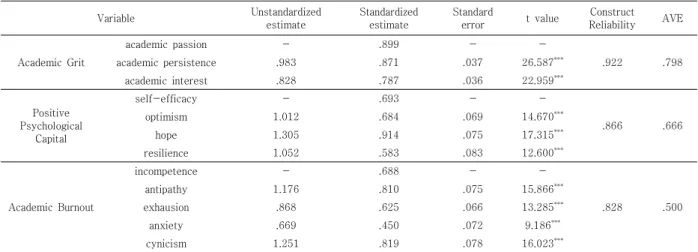
Table 2. Coefficient of the measurement model
Variable Unstandardized
estimate
Standardized estimate
Standard
error t value Construct Reliability AVE
Academic Grit
academic passion - .899 - -
.922 .798
academic persistence .983 .871 .037 26.587***
academic interest .828 .787 .036 22.959***
Positive Psychological
Capital
self-efficacy - .693 - -
.866 .666
optimism 1.012 .684 .069 14.670***
hope 1.305 .914 .075 17.315***
resilience 1.052 .583 .083 12.600***
Academic Burnout
incompetence - .688 - -
.828 .500
antipathy 1.176 .810 .075 15.866***
exhausion .868 .625 .066 13.285***
anxiety .669 .450 .072 9.186***
cynicism 1.251 .819 .078 16.023***
4.2 측정모형의 타당성 분석
본 연구에서는 측정변인들의 타당성을 검증하기 위하 여 수렴타당성과 판별타당성을 검증하였다. 우선, 수렴타 당성을 확보하기 위하여 측정모형에 나타난 요인들의 개 념신뢰도와 분산추출지수(AVE)를 산출하였다. 그 결과는 Table 2와 같이 개념신뢰도(기준치 .7 이상)와 분산추출 지수(AVE, 기준치 .5 이상)가 수용 기준치를 충족하였다.
측정모형의 적합도를 평가하기 위하여 절대적합지수 인 χ², RMR, RMSEA, GFI와 증분적합지수인 CFI를 이 용하여 모형의 적합도를 평가하였다. χ²값은 p>.05 이상 일 때 모형을 수용하나, 대부분 기각됨으로 다른 모형 적 합도 지수를 고려하여 그 수용여부를 판단한다. 적합도 수용 기준은 RMR은 0.5 이하, RMSEA은 1.0 이하, GFI 와 CFI은 .9 이상이 일반적이다[30,31].
본 연구에서는 χ²(48) =303.000, p = .001, χ²/df = 6.312, CFI=.925, GFI=.921, RMR=.053, RMSEA=.097 등으 로 기준치를 충족하여 측정모델의 타당성을 수용하였다.
판별타당도는 Table 3과 같이 분산추출지수가 대각 선 하단에 있는 각 잠재요인 간의 상관계수 제곱값(φ2) 보다 크면 판별타당도과 확보될 수 있는데[32], 세 변인 모두 φ2값 보다 크게 나타남으로서 판별타당도 역시 확 보되었다.
Variable Academic Grit
Positive Psychological
Capital
Academic Burnout
Academic Grit .50*
Positive Psychological
Capital .28c .67*
Academic Burnout .09c .12c .80*
Note. * = AVE, c = φ2 (squared correlation coefficient between latent variable), acceptance criteria: A.V.E > φ2
Table 3. Discriminant validity
Table 4. Coefficient of the research model
Pathway Unstandardized
estimate
Standardized estimate
Standard
error t value
Academic Grit → Academic Burnout -.293 -.345 .067 -5.44***
Academic Grit → Positive Psychological Capital .433 .649 .049 10.66***
Positive Psychological Capital → Academic Burnout -.265 -.209 .082 -3.15***
*** p < .001.
Table 5. Bootstrapping analysis for the mediating effect test
Pathway Unstandardized estimate SE 95% CI
(bias-corrected) Academic Grit → Positive Psychological Capital
→ Academic Burnout .433 .05 .367~.513**
** p < .01.
4.3 연구모형 검증
본 연구에서는 학업적 그릿과 학업소진 관계에서 긍정 심리자본의 매개변수로 하는 구조방정식 모형에 대한 적 합도와 경로계수를 탐색하였다. 모형의 적합도 검증을 위 하여 절대적합지수인 χ², SRMR, RMSEA, GFI와 증분적 합지수인 TLI, CFI를 이용하여 모형의 적합도를 평가하 였다[30,31]. 본 연구에서는 χ²(37)=297.359, p=.001, χ²/df= 6.327, CFI=.926, GFI=.923, RMR=.053, RMSEA=.098로 모형 적합도 기준치를 수용하였다.
본 연구에서 설정한 각 구조경로의 유효성을 검증하기 위하여 구조경로 추정치를 산출하였고, 그 결과에 따른 비표준화 추정치, 표준화 추정치, 표준오차 및 t값을 제 시하였다. 비표준화 계수 부분의 t값으로 경로의 유의성 을 판단하였으며 절대값이 1.96보다 크면 유의수준 .05 에서 유의하다고 본다. 연구모형의 구조경로 추정치를 산 출한 결과는 Table 4와 같다.
부트스트래핑은 매개효과의 유의성 검증을 위해 사용 하는 방법으로 95% 신뢰도 구간에 0이 포함되지 않으면 그 매개효과는 .05 수준에서 유의한 것으로 고려되어진 다. 부스트래핑 결과(b= .433, 95% CI: .367-.513)는 Table 5와 같이 0이 포함되지 않아 매개효과가 있는 것 으로 나타났다.
5. 결론
본 연구에서는 학업적 그릿, 긍정심리자본, 학업소진 간의 구조적 관계를 탐색하였다. 연구결과, 첫째, 학업적 그릿은 학업소진에 부적 영향을 미쳤다. 둘째, 긍정심리 자본은 학업적 그릿과 학업소진 관계를 매개하였다. 이에
대한 논의와 후속연구 제언은 다음과 같다.
첫째, 학업적 그릿은 학업소진에 부적 영향을 미쳤다.
이는 고등학생들이 학업소진을 느끼더라도 학업에 대한 열정과 지속적 노력을 기울이면 학업소진은 감소된다는 점을 의미한다. 이러한 결과는 학업적 그릿과 학업소진에 대한 실증적 증거를 확보하였다는데 그 의의가 있다.
둘째, 긍정심리자본은 학업적 그릿과 학업소진 관계를 매개하였다. 이것은 고등학생들이 학업소진을 경험하는 상황에서 학업 목표 수행을 위한 끈기와 열정을 발휘할 때 학업목표에 대한 자기효능감과 낙관성을 가지거나 지 치고 무기력한 상황을 조절하거나 회복할 수 있는 탄력 성으로 구성된 긍정심리자본의 매개될 때 학업소진의 감 소 및 완화 효과가 배가될 수 있다는 점을 확인하였다는 데 그 의의가 있다. 이러한 결과는 학술적인 측면에서 아 직까지 학업적 그릿, 긍정심리자본, 학업소진 간의 관계 를 밝힌 선행연구를 찾기 어려운 상황에서 이들 관계에 대한 실증적 증거를 제공하였다는 점에서 의의가 있다.
또한, 실천적 측면에서 고등학생에게 학업적 그릿을 통해 학업소진을 예방 또는 감소할 때 학업적 그릿의 지속 또 는 회복할 수 있는 긍정심리자본을 향상할 수 있는 교육 프로그램이나 상담 활동이 개입되어야 한다는 점을 시사 한다.
본 연구에서는 학업적 그릿과 학업적 소진 관계에서 긍정심리자본의 매개효과를 분석하였지만, 향후 연구에 서는 긍정심리자본의 하위변수별 매개효과나 긍정심리자 본에 대한 프로파일 분석을 통해 집단별 조절효과를 탐 색할 필요가 있다. 또한, 본 연구에서는 학업적 그릿과 학 업소진 관계에 대한 성별, 학년별, 학교유형별(일반계, 특 성화고 등), 진로결정 유무별, 비교과 프로그램 참여 빈도 별 등 다양한 학생 개인 배경에 따른 차이 분석도 실시할
필요가 있다. 아울러 학업소진에 영향을 미치는 완벽주 의, 불안, 자아탄력성, 자기효능감 등 여러 독립변수의 관 계에서 긍정심리자본의 매개 또는 조절효과를 확인하는 관계연구(correlational research)도 활성화될 필요가 있다. 끝으로, 본 연구가 고등학생을 대상으로 하였다는 점에서 향후 연구에서는 초등학생, 중학생, 대학생 등에 까지 확대하여 본 연구에서 규명한 변수의 관계에 대한 실증적 증거를 확보할 필요가 있다.
REFERENCES
[1] K. Salmela-Aro. (2017). Dark and bright sides of thriving–school burnout and engagement in the Finnish context. European Journal of Developmental Psychology, 14(3), 337-349.
[2] V. Walburg. (2014). Burnout among high school students: A literature review. Children and Youth Services Review, 42, 28-33.
[3] B. Silvar. (2001). The syndrome of burnout, self-image, and anxiety with grammar school students. Horizons of Psychology, 10, 21-32.
[4] H. A. Lee & H. I. Cho. (2013). The relation among perfectionism, academic engagement and academic burnout: The mediating effects of motives and goal processes. Korean Journal Of Counseling And Psychotherapy, 25(3), 575-601.
[5] M. O. Suh. (2018). A meta-analysis on the relationships between academic burnout and related variables among secondary school students. The Korean Journal of Educational Psychology, 32(1), 53-78.
[6] A. L. Duckworth & P. D. Quinn. (2009). Development and validation of the Short Grit Scale (GRIT-S).
Journal of Personality Assessment, 91(2), 166-174.
[7] A. L. Duckworth, C. Peterson, M. D. Matthews, & D.
R. Kelly. (2007). Grit: perseverance and passion for long-term goals. Journal of Personality and Social Psychology, 92(6), 1087-1101.
[8] E. Jeong & M. R. Jung. (2017). Convergence effects of positive psychological capital and social support in adolescents on depression. Journal of Digital Convergence, 15(9), 365-373.
[9] M. R. Jung & E. Jeong. (2017). Effects of positive psychological capital and academic self-efficacy on academic stress in adolescents. Journal of the Korea Contents Association, 17(12), 399-407.
[10] J. Y. Jun & B. K. Song. (2014). Influences of the positive psychological capital perceived by adolescents on career barriers and career prepartion behaviors. Korean Journal of Youth Studies, 21(3),
171-200.
[11] Statistics Korea. (2018). Adolescents Statistics.
http://www.kostat.go.kr/
[12] K. Salmela-Aro, H. Savolainen, H., & L. Holopainen.
(2009). Depressive symptoms and school burnout during adolescence: Evidence from two cross-lagged longitudinal studies. Journal of Youth and Adolescence, 38(10), 1316-1327.
[13] C. Sulea, I. V. Beek,, P. Sarbescu, D. Virga,., & W. B.
Schaufeli. (2015). Engagement, boredom, and burnout among students: Basic need satisfaction matters more than personality traits. Learning and Individual Differences, 42, 132-138.
[14] K. Salmela-Aro, N. Kiuru, E. Leskinen, & J. Nurmi.
(2009). School burnout inventory(SBI) reliability and validity. European Journal of Psychological Assessment, 25, 48-57.
[15] Y. B. Lee, S. M. Lee, & J. Y. Lee. (2009). Development of Korean academic burnout scale The Korea Educational Review, 15(3), 59-78.
[16] S. S. Shih. (2012). An examination of academic burnout versus work engagement among Taiwanese adolescents. The Journal of Educational Research, 105, 286-298.
[17] I. K. Jung & J. H. Kim. (2016). The moderating effects of stress coping strategies on the relationship between academic self-efficacy and academic burnout in adolescents. Korean Education Inquiry, 34(4), 193-211.
[18] F. Bilge, M. T. Dost, & B. Çetin. (2014). Factors affecting burnout and school engagement among high school students: Study habits, self efficacy beliefs, and academic success. Educational Science: Theory and Practices, 14(5), 1721-1727.
[19] H. H. Lim & H. I. Cho. (2018). The development and validation of an academic grit scale for adolescents.
The Korean Journal of Educational Psychology, 32(3), 495-523.
[20] H. J. Lim. (2017). An exploratory study on Grit’s factor structure and its validity. Asian Journal of Education, 18(2), 169-192.
[21] H. J. Lim. (2017). A structural relationship among grit, creative disposition, and creative thinking. The Joural of Thinking Development, 13(2), 45-65.
[22] H. J. Lim. (2018). The structural relationship among grit, intrinsic-extrinsic value, classroom engagement, cognitive regulation, and academic achievement. The SNU Journal of Education Research, 27(3), 235-256.
[23] F. Luthans. (2002). Positive organizational behavior:
Developing and managing psychological strengths.
Academy of Management Executive, 16(1), 57-72.
[24] F. Luthans, C. M. Youssef, & B. J. Avolio. (2007).
Psychological capital: Developing the human competitive edge. Oxford, England: Oxford University
Press.
[25] B. C. Luthans, K. W. Luthans, & S. Jensen. (2012). The impact of business school students’ psychological capital on academic performance. Journal of Education for Business, 87, 253-259.
[26] F. Luthans, B. J. Avolio, J. B. Avey, & S. M. Norman.
(2007). Positive psychological capital: measurement and relationship with performance and satisfaction.
Personnel Psychology, 60, 541-572.
[27] E. Jeong & M. R. Jung. (2018). Effect of positive psychological capital, academic stress and academic achievement in nursing student on grit. Journal of Digital Convergence, 16(9), 309-317.
[28] K. W. Luthans, B. C. Luthans, & T. D. Chaffin. (2019).
Refining grit in academic performance: The mediational role of psychological capital. Journal of Management Education, 43(1), 35-61.
[29] T. H. Lim. (2014). Validation of the Korean version of positive psychological capital(K-PPC). Journal of Coaching Development, 16(3), 157-166.
[30] R. B. Kline. (2005). Principles and practice of structural equation modeling (2nd ed.). New York:
Guilford Press.
[31] J. P. Yu. (2012). Concepts and understanding of structural equation modeling. Seoul: Hannare.
[32] C. Fornell & D. F. Lacker. (1981). Evaluating structural evaluations model with unobservable variables and measurement error. Journal of Marketing Research, 18, 39-50.
김 규 태(Kyu-Tae Kim) [정회원]
․ 2011년 5월 : 텍사스주립대학교(Ph.D)
․ 1997년 3월 ~ 2016년 12월 : 한국교 육개발원 연구위원
․ 2011년 9월 ~ 현재 : 계명대학교 부 교수
․ 관심분야 : 교육행정, 교육정책
․ E-Mail : [email protected]