장석주1⋅성은학2⋅김장현1⋅민상연1,*
1동국대학교 한의과대학 소아과교실, 2동국대학교 한의과대학 한방재활의학과교실
Received: July 24, 2020 ∙ Revised: August 21, 2020 ∙ Accepted: August 24, 2020
*Corresponding Author: Min Sang Yeon
Department of Korean Pediatrics, Dongguk University International Hospital, Siksa-dong, Ilsandong-gu, Goyang-si, Gyeonggi-do 10326, Republic of Korea Tel: +82-31-961-9072, Fax: +82-31-961-9009
E-mail: [email protected]
ⓒ The Association of Pediatrics of Korean Medicine. All rights reserved. This is an open-access article distributed under the tenus of the Creative Commons Attribution Non-Commercial License (http://creativecommons.org/licenses/by-nc/3.0/), which permits unrestricted non-commercial use, distribution, and reproduction in any medium, provided the original work is properly cited.
Abstract
The Effect of Acupuncture combined with Conventional Rehabilitation Treatment for Cerebral palsy:
A Systematic review of Randomized Controlled Trials(RCTs)
Chang Seok Joo1⋅Seong Eun Hak2⋅Kim Jang Hyun1⋅Min Sang Yeon1,*
1Department of Pediatrics, College of Korean Medicine, Dongguk University,
2Department of Rehabilitation Medicine of Korean Medicine, College of Korean Medicine, Dongguk University
Objectives
This study aims to evaluate the effect of acupuncture combined with rehabilitation treatment for cerebral palsy in children.
Methods
7 electro-database (PubMed, CENTRAL, CNKI, DBpia, KISS, OASIS, KJTK) were searched for using the keywords “cerebral palsy AND acupuncture” which study is designed in randomized controlled trials (RCTs).
Results
10 out of 303 studies were included in analysis after screened. Acupuncture combined with rehabilitation treatment had a significant effect on motor function. Only 1 study reported minor adverse effects.
Conclusions
All of the studies have shown acupuncture combined with conventional rehabilitation treatment was effective in cerebral palsy. Additional well-designed studies are needed to justify the effectiveness of acupuncture in cerebral palsy.
Key words: Cerebral palsy, Acupuncture, Conventional rehabilitation treatment, Randomzied controlled trials, Systematic review
82 The Effect of Acupuncture combined with Conventional Rehabilitation Treatment for Cerebral palsy
Ⅰ. Introduction
뇌성마비 (Cerebral palsy, CP)는 1000명당 2~3명 발 생하는 질환으로, 운동, 자세유지, 균형감각 등의 기능 을 하는 뇌에 손상을 입음으로서 발생한다. 유형별로 는 경직형, 운동이상형, 운동실조형, 혼합형으로 분류 되며, 경직형이 약 80%로 가장 많이 발생한다. 기능적 분류에 있어서는 Gross Motor Function Classfication (GMFCS)가 신뢰도와 타당성이 가장 높아 주로 이용되 고 있으며, 나이에 따라 2세이하, 2~4세, 4~6세, 6~12 세, 12~18세로 나누어 운동 수행능력에 따라 5단계로 분류하게 된다1-2).
뇌성마비의 진단은 주로 임상적 소견에 근거한 진 단으로 이학적 검사가 중요하나, 환자의 증상과 관련 하여 명확한 원인을 찾을 수 없는 경우 자기공명영상 (MRI)을 통해 뇌의 손상을 확인하는 것이 도움이 되며, 뇌성마비 환아의 85%가 MRI상 비정상적 소견으로 나 타난다3). 관련된 문진내용 및 이학적 검사로 고위험 요 인을 파악할 수 있으며, 운동발달상태에 대한 조사, 원 시 반사 검사, 자세 조절반응 검사, 근긴장도 검사, 운 동양상 평가 등을 통해 주된 임상적 소견을 알 수 있다.
주로 1~2세 사이 혹은 그 이상의 연령대에서 진단되며, 빠른 치료의 시작이 뇌의 성장 및 신경 가소성의 장기 적 발달에 영향을 미치기 때문에 조기 진단이 매우 중 요하다2,4).
뇌성마비의 치료에는 물리 치료, 작업 치료, 약물치 료, 신경근육 전기자극 치료, 연속 석고 붕대법, 보조 기, 신경화학 용해술 등이 있다. 약물 치료 및 신경화 학 용해술은 경직형 뇌성마비에게 효과적이나 약물치 료에서는 오심, 부정맥, 환각, 악몽 등과 같은 부작용 을 일으킬 수 있으며, 신경화학 용해술은 피부과민, 알 레르기, 근육의 괴사 등이 발생할 수 있어 보완 대체 의학의 필요성이 대두되고 있다. 이와 관련하여, 한국 과 중국에서는 한의학적 치료를 활발하게 이용하고 있 다2.4-7).
뇌성마비에 대한 침구치료 효과에 대한 체계적 문 헌 고찰 연구8)는 기존에 발표된 바 있었으나, 2017년 도 이후의 침술에 관한 문헌 고찰은 확인된 바가 없 다. 이에 저자는 본 연구에서 국내 연구 및 2017년 이 후 국외에서 시행된 두부 침치료 (백회와 사신총 포 함)와 재활치료 병용효과에 대한 무작위배정 비교임 상 시험연구(Randomized Controlled Trial)들을 검색,
조사, 분석하여 약간의 지견을 얻었기에 보고하는 바 이다.
Ⅱ. Materials and Methods
1. Data source and Search Strategy
검색은 2020년 7월 1일에 하였으며 국내 data base와 해외 data base의 출판년도의 기준을 달리하여 검색하 였다.
국내 data base에서는 출판년도의 제한을 두지 않았 으며, DBpia (DataBase Periodical Information Academic), 한국학술정보 (Koreanstudies Information Service System, KISS)의 경우 검색어는 “cerebral palsy” and “acupuncture”,
“뇌성마비” and “침치료”를 이용하였으며, 한국전통지 식포탈 (Korean Traditional Knowledge Portal, KJTK), 전통의학정보포탈 (Oriental Medicine Advanced Searching Integrated system, OASIS)에서는 검색어로 “뇌성마비”,
“cerebral palsy”로 이용하였다.
해외 data base에서는 2017년 4월 27일부터 출판 된 논문으로 제한하였으며, PubMed, CENTRAL (Cochrane Central Register of Controlled Trials), CNKI (China National Knowledge Infrastructure)에서 검색어는 “cerebral palsy”
and “acupuncture”를 이용하였고, PubMed의 경우 article type은 randomized controlled trial, species는 humans, age 를 child로 설정하여 검색하였다.
2. Study Selection 1) Studies design
뇌성마비에 대한 침치료의 효과를 Gross Motor Function (GMF)로 평가한 무작위배정 비교임상시험연 구 (Randomized controlled trial)만 포함시켰으며, 후향 적 연구, 관찰 연구, 문헌 고찰, 동물 실험, 세포 실험 연구들은 제외하였다.
2) Participants
뇌성마비 진단 받은 환자를 대상으로 하였으며 성 별과 인종에는 제한을 두지 않았으나, 연령은 만 18세 미만의 소아·청소년으로 제한을 두었다.
4) Outcome Measures
평가 지표로 Gross Motor Function Measurement (GMFM) 가 반드시 포함된 연구를 대상으로 연구를 선정하였으 며 이외에 추가적은 지표에는 제한을 두지 않았다.
3. Data Extraction
포함된 문헌 연구의 연구자의 출판연도, 일반적인 특성, 실험군 및 대조군 수, 중재법, 비교중재법, 중재 법에 이용된 혈위, 중재 기간, 추적 기간, 평가 지표 및 해당 연구 결과, 안전성에 대한 항목들을 논문에서 추 출하였다.
4. Risk of Bias Assessment
본 연구에 포함된 문헌을 대상으로 Cochrane Collaboration 의 ‘Risk of Bias’도구를 이용하여 평가하였으며. 무작위 배정 비교임상시험연구의 비뚤림 평가 항목은 선택 비 뚤림, 실행 비뚤림, 결과 확인 비뚤림, 탈락 비뚤림, 보 고 비뚤림의 5가지를 기준으로 무작위 배정순서 생성, 배정순서 은폐, 참가자/연구자의 눈가림, 결과 평가자 의 눈가림, 불완전한 결과자료의 처리, 선택적 결과 보 고, 기타 잠재적 비뚤림 유발요소의 총 7가지 항목으로 구분하여 평가자의 세부 기준에 따라 ‘높음 (high risk of bias)’, ‘불확실 (unclear risk of bias)’, ‘낮음 (low risk of bias)’으로 평가하였으며, 두 연구자간 의견이 일치하 지 않을 경우 교신저자가 판단하여 결정하였다.
Ⅲ. Results
1. Search and Study selection
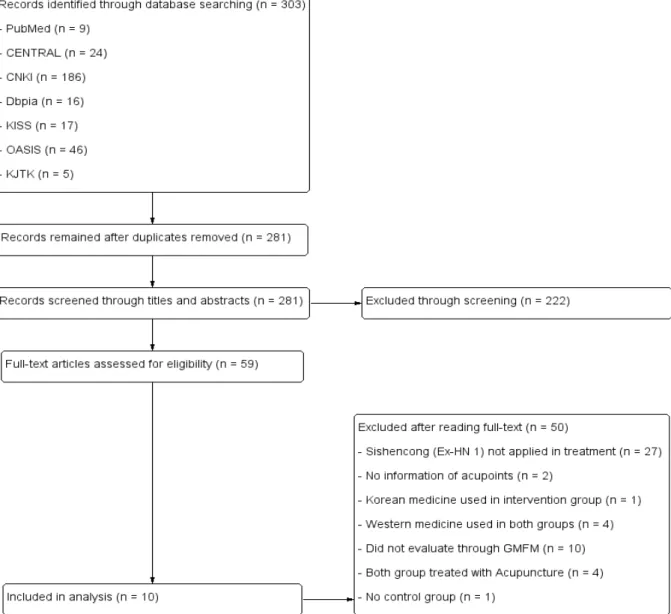
총 303개의 논문이 검색되었으며, PubMed에서 9개, CENTRAL에서 24개, CNKI에서 186개, Dbpia에서 16 개, KISS 17개, OASIS에서 46개, KJTK에서 5개의 문 헌이 검색되었다. 이 중 중복논문 22개, 제목과 초록을 통해 222개를 제외하고 선택된 59개의 논문의 전문을
개의 연구가 본 고찰에 포함되었다 (Fig. 1).
2. Included Studies
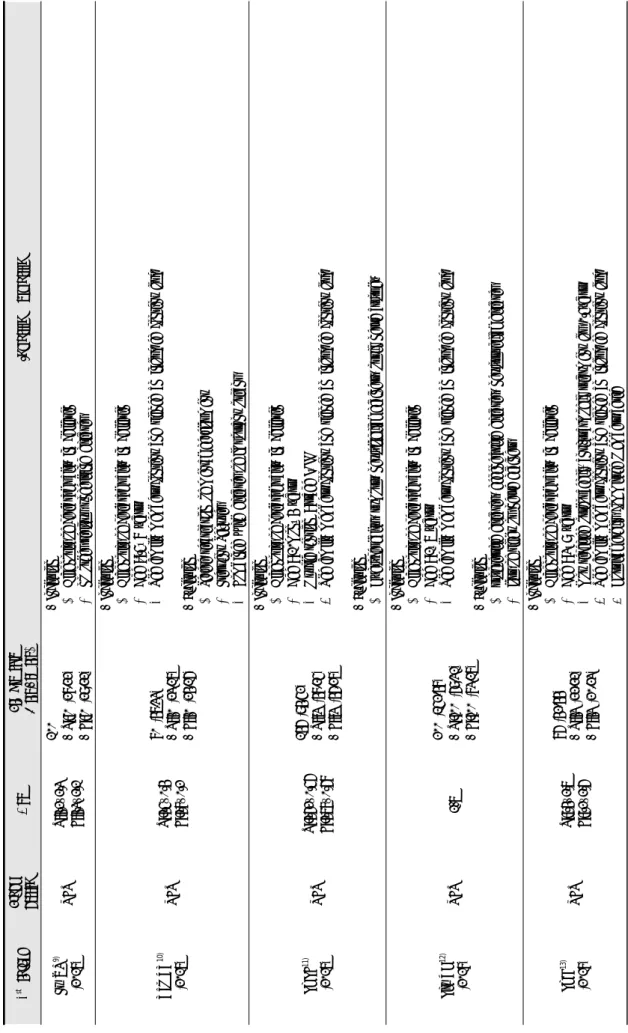
총 10개의 연구9-18) 모두 randomized controlled trial 로 설계되었으며, 중국에서 이루어졌다. 1개12)는 영 문, 9개9-11,13-18)는 중국어로 출판되었다 (Table 1). 모 든 연구9-18)에서 STRICTA (STandards for Reporting Interventions in Clinical Trials of Acupuncture)에 대한 언급은 없었다.
3. Participants
연구 대상자 수는 60명에서 200명으로 다양하였다.
연령층은 소아·청소년을 대상으로 이루어졌으나, 실험 군과 대조군의 평균나이가 2세~3세 사이인 연구가 3
개10,11,16)로 가장 많았다. 10개의 연구9-18) 모두에서 뇌
성마비의 진단 및 연구 참여에 대한 보호자의 동의가 연구 참가 조건이었으며, 심각한 기저질환은 배제조건 이었다 (Table 1).
4. Interventions and control
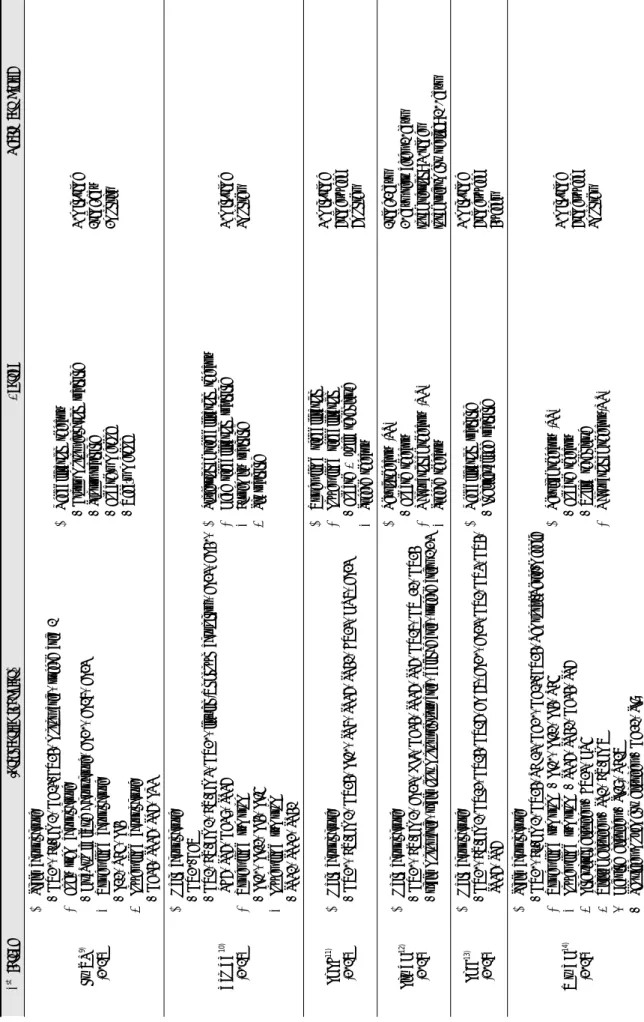
모든 연구9-18)에서 주요 중재로 백회와 사신총을 포 함한 침치료를 대상으로 하였으며, 대조군과 실험군에 서 다양한 재활치료를 포함하였으나, 모든 연구에 반 드시 운동기능 관련 재활치료가 있었다.
치료주기, 시간 및 기간에서 실유침시간은 7개의 연
구9-11,13,14,17,18)에서 30분, 총 치료기간은 3개의 연구
10,14,16)에서 3개월, 침치료 빈도는 4개의 연구11,13-15)에서
1주일에 6회로 가장 많았다.
침치료 부위는 변증을 통해 시술한 연구가 2개10,14), 시술 부위를 신체부위에 따라 구분하여 시술한 연구가
2개9,15), 두부의 혈위 뿐만 아니라 두침요법을 사용한
연구가 7개9,12,14-18)이었다. 또한 표준 경혈, 두침이 아닌 자체적인 혈위를 사용한 연구9,10)가 2개 있었다 (Table 2).
본 연구에 포함되기 위한 조건이 백회 (GV20), 사신 총 (Ex-HN-1)을 사용한 침치료이므로, 모든 연구에서
84 The Effect of Acupuncture combined with Conventional Rehabilitation Treatment for Cerebral palsy
백회 (GV20), 사신총 (Ex-HN-1)이 사용되었으며, 9개 의 연구에서 족삼리 (ST36), 7개의 연구에서 신정 (GV24), 해계 (ST41), 6개의 연구에서 삼음교 (SP6) 순 으로 빈용 되었으며, 경락별 혈자리의 갯수는 독맥 (GV), 족양명위경 (ST)에서 8개, 족소양담경 (GB), 족태 양광방광경 (BL)에서 7개, 족태음비경 (SP)에서 6개, 수 양명대장경 (LI)에서 5개 순으로 빈용 되었다 (Table 3).
5. Risk of bias
무작위 배정 순서에서 ‘낮음’이라고 언급된 3개의
연구15,17,18)는 모두 난수표 방법을 이용하였다고 언급
하였으며, 언급이 없는 5개의 연구9-13)에서는 ‘불확실’
이라고 평가하였고, ‘높음’이라고 언급된 2개의 연구
14,16)는 각각 치료순서 및 치료횟수에 따라 배정했다고
보고하였다. 배정 순서 은폐에서는 모든 연구에서 언 급이 없었으나, 치료순서 및 치료횟수에 따라 배정했 다고 보고한 2개의 연구14,16)는 은폐로 인한 편향이 높 을 것으로 판단되어 ‘높음’으로, 나머지 8개의 연구
9-13,15,17,18)는 ‘불확실’로 평가하였다. 참가자 및 연구자
의 눈가림은 치료의 방법 및 연구 설계 상 이루어지기 어렵다고 판단하여 모든 연구9-18)에서 ‘높음’으로 평가 하였으며, 결과평가자에 대한 눈가림은 언급이 없어 모든 연구9-18)에서 ‘불확실’으로 평가하였다. 불완전한 결과 자료는 2개의 연구12,16)에서 각각 실험군, 대조군 의 상당수의 결측치가 존재한다고 하여 ‘높음’으로 평 가하였다. 선택적 결과보고, 그 외 비뚤림 영역에서는 10개의 연구9-18) 모두 ‘낮음’으로 평가하였다 (Fig. 2).
Fig 1. PRISMA Flow Diagram of searching and article selection
1st authorStudy designAgeSample size (Male/Female)Inclusion& exclusion Fu XQ9) (2017)RCTT:4.2±2.3 C:4.3±2.1 100 - T:50 (28/22) - C:50 (29/21)
- Inclusion ① Diagnosis of cerebral palsy in children ② no other serious underlying diseases Yao ZY10) (2017)RCTT:2.5±0.4 C:2.8±0.2
80 (47/33) - T:40 (23/17) - C:40 (24/16)
- Inclusion ① Diagnosis of cerebral palsy in children ② Age :0.5~8 years ③ The family members consent and signed an informed consent form - Exclusion ① Severe retardation of mental development ② Frequent Seizures ③ Combined with diseases of important organs Li LC11) (2017)RCTT:2.62±0.56 C:2.78±0.68
146 (94/52) - T:73 (48/25) - C:73 (46/27)
- Inclusion ① Diagnosis of cerebral palsy in children ② Age : 10mon~4 years ③ Muscle tension : stage I~II ④ The family members consent and signed an informed consent form - Exclusion ① Hydrocephalus, tumors, neurological deafness, optic nerve atrophy Liu ZH12) (2018)RCT1-7200 (152/48) - T:100 (69/31) - C:100 (83/17)
- Inclusion ① Diagnosis of cerebral palsy in children ② Age : 1~7 years ③ The family members consent and signed an informed consent form - Exclusion ① progressive diseases, degenerative diseases, neurosurgical diseases ② loss of sight or nerve deafness Li G13) (2018)RCTT:5.4±2.7 C:5.2±2.6
86 (42/44) - T:43 (22/21) - C:43 (20/23) - Inclusion ① Diagnosis of cerebral palsy in children ② Age : 3~9 years ③ Not received orthopaedic, anti-spasmodic treatment for 0.5years ④ The family members consent and signed an informed consent form ⑤ Hospital ethics committee Members agree
Table 1. The Characteristics of Studies & Participants
86 The Effect of Acupuncture combined with Conventional Rehabilitation Treatment for Cerebral palsy
1st authorStudy designAgeSample size (Male/Female)Inclusion& exclusion - Exclusion ① Non-spastic cerebral palsy ② Other brain diseases ③ Severe heart, liver, and kidney diseases ④ Damage to the vertebral system causes increased muscle tone ⑤ Poor tolerance to acupuncture treatment Wu YH14) (2018)RCT1~678 (41/37) - T:39 (22/17) - C:39 (19/20)
- Inclusion ① Diagnosis of cerebral palsy in children ② Age : 1~6 years ③ No obvious organic disease of important organs ④ No secondary epilepsy ⑤ No blood system diseases ⑥ The family members consent and signed an informed consent form - Exclusion criteria ① Low intelligence Tan JX15) (2018)RCTT:3.3±0.6 C:3.4±0.5
96 (57/39) - T:48 (29/19) - C:48 (28/20)
- Inclusion ① Cerebral palsy are all non-progressive injuries ② Dyskinesia is caused by brain disease ③ Infancy Symptoms ④ Often accompanied epilepsy, abnormal behavior, mental retardation ⑤ Age > 1 year old, able to understand simple instructions ⓺ Available Length of the lower limbs to step on the pedals of the MOTOmed intelligent sports equipment ⓻ The family members consent and signed an informed consent form - Exclusion ① Previously received leg orthopedics and spinal nerve amputation Surgery and other operations ② Anti-spasmodic drug treatment is in progress ⓷ Temporarily normal Children's motor development is retarded - Central movement caused by progressive injury movement disorder Wang SH16) (2018)RCTT:2.7±0.3 C:2.8±0.3
60 (35/25) - T:30 (18/12) - C:30 (17/13) - Inclusion ① Age ≤ 5 years old ② The guardian sign informed consent. - Exclusion criteria ① The skin near the acupuncture points is damaged. ② mental illness ③ Blood coagulation dysfunction
1st authorStudy designAgeSample size (Male/Female)Inclusion& exclusion Lou YJ17) (2018)RCTT:6.78±2.12 C:7.03±2.16 94 (57/39) - T:47 (22/25) - C:47 (23/24)
- Inclusion ① Diagnosis of cerebral palsy in children ② Age : 3~14 years ③ Fully flexed position ROM - Metacarpophalangeal joint actively extends ≥10° - Wristactive joint back extension ≥20 ° ④ Able to walk independently for more than 5m ⑤ Cognitive function well ⑥ The family members consent and signed an informed consent form - Exclusion ① Fixed contractures or deformities that affect the functional use of the affected handshape ② Orthopedic surgery ③ Suffering from other unrelated cerebral palsyillness ④ Received CIMT in the last 6 months ⑤ Affect the vision of rehabilitation intervention ⑥ Other serious organic disease Liang XR18) (2020)RCTT:3.70±1.25 C:3.59±1.17
90 (61/29) - T:45 (31/14) - C:45 (30/15)
- Inclusion ① Diagnosis of cerebral palsy in children confirmed by EEG ② The family members consent and signed an informed consent form - Exclusion ① Heart, liver, kidney dysfunction, congenital genetic ② Motor dysfunction by central nervous system/infectious disease ③ Consciousness and cognitive dysfunction ④ Unable to cooperate with the treatment ⑤ traumatic brain injury, epilepsy, encephalitis, cerebral hemorrhage ⑥ Afraid of needles, and cannot tolerate acupuncture RCT : Randomized Controlled Trials, T : Treatment group, C : Control group
88 The Effect of Acupuncture combined with Conventional Rehabilitation Treatment for Cerebral palsy
1st authorIntervention(acupoint)ControlTreatment period Fu XQ9) (2017)
① Scalp acupuncture - GV20, Ex-HN1, GB13-GV24, motor area, speech area 1 ② Body stem acupuncture - HuaTuoJiaJiXue Acupucture, BL20, BL18, BL23 ③ Upper limb acupuncture - L11, TE5, LI4 ④ Lower limb acupuncture - GB34, ST36, SP6, LR3
① Rehabilitation therapy - Gross motor function training - Sports training - Bobath’s method - Ueda’s method
30min/time 1time/day 2montis Yao ZY10) (2017)
① Main acupuncture - GV20-GB7 - GV1, EX-HN1, EX-HN3, GV20, liuxian(Unknown acupoints), BL23, BL40, PC6, SP6, GB39, ST36 ② Upper limb symptom - LI10, LI11, LI4, LI15 ③ Lower limb symptom - ST31, ST32, ST41
① Professional rehabilitation therapy ② Head rehabilitation training ③ Extremity training ④ Sit training
30min/time 3months Li LC11) (2017)① Main acupuncture - GV20, EX-HN1, GV24, LI10, ST8, ST36, ST41, CV23, HT7, BL23
① Upper limb rehabilitation ② Lower limb rehabilitation - Bobath + vojia technique ③ Speech therapy
30min/time 6times/week 6months Liu ZH12) (2018)
① Main acupuncture - GV20, EX-HN1, BL23, KI3, GB34, ST36, SP6, GV17, GV 21, GV24 - scalp motor area, scalp foot motor sensory area, balance area, speech areas 1,2,3
① Physiotherapy (PT) - Bobath therapy ② Occupational therapy (OT) ③ Speech therapy 1time/2days 20days rest after 10days total session: 30times total treatment period: 100days Li G13) (2018)
① Main acupuncture - GV20, EX-HN1, GV12, GV14, GV16, BL 67, BL20, BL23, GV1, GV3, GV4, ST36, SP6
① Rehabilitation training - Individualized training
30min/time 6times/week 4weeks Wu YH14) (2018)
① Scalp acupuncture - GV20, Ex-HN1, GV24, TE 13, GB20, GB13-GV24, Temporal-Three-Needle ② Upper limb symptom - LI10, LI11, LI4, TE5 ③ Lower limb symptom - ST36, ST41, GB34, SP6 ④ Linguistic disorder - CV23, HT5 ⑤ Visiual disorder - ST1, EX-HN7 ⑥ Hearing disorder - SI19, TE17 ⑦ Shoulder movement disorder - GB21, SI9
① Physical therapy (PT) - Bobath therapy - Vojita technique ② Occupational therapy(OT) 30min/time 6times/week 3months
Table 2. Treatments of Studies